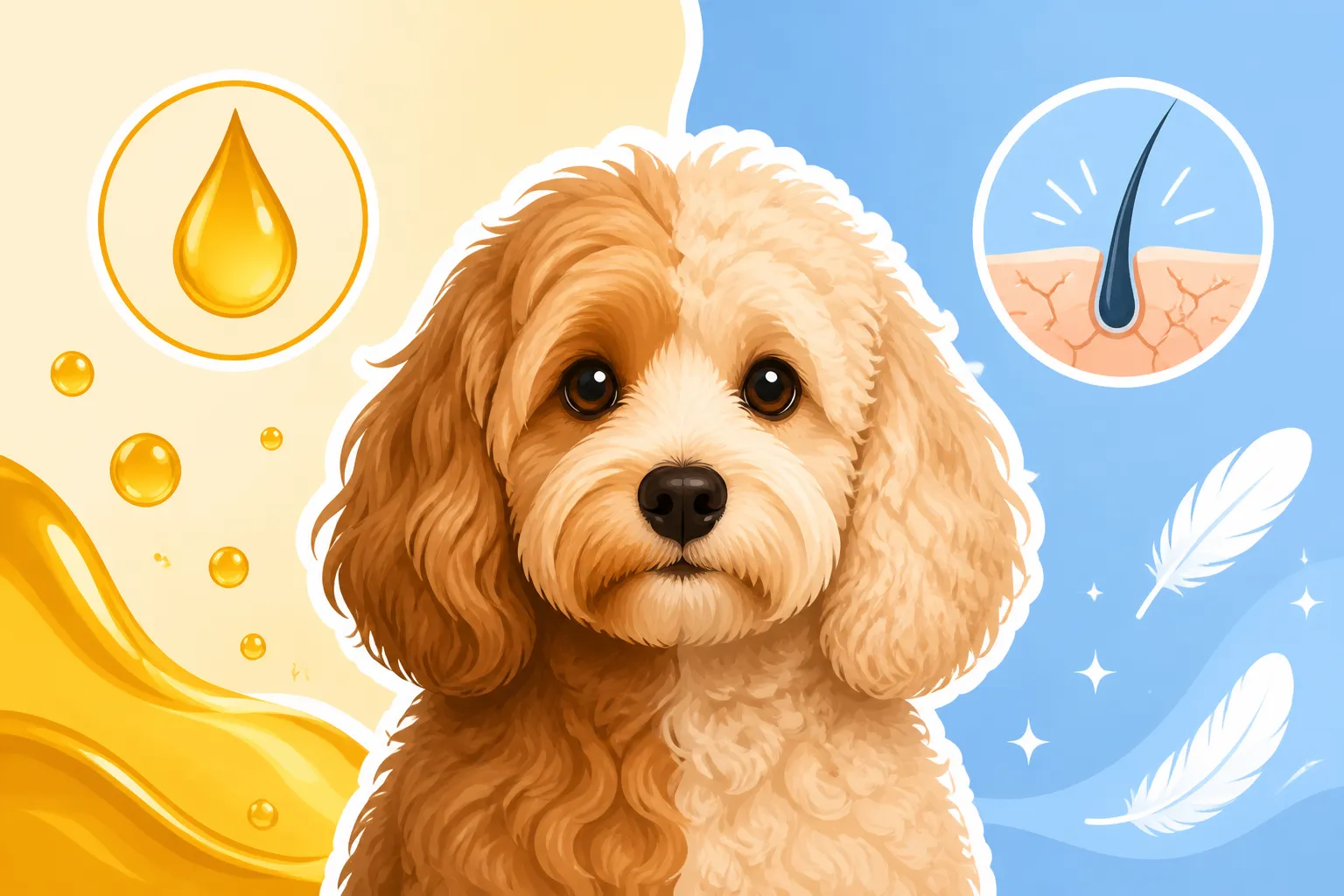
Where the Cocker’s Oily Skin Meets the Poodle’s Dry Coat
One of the trickiest parts of owning a Cockapoo can be figuring out their skin and coat. You brought home this adorable, fluffy bundle, perhaps hoping for a non-shedding, easy-care coat, only to discover a tangled mess or a greasy sheen, leaving you wondering if you're doing something wrong. This guide is here to walk you through the unique challenges of Cockapoo skin and coat health, helping you understand the genetic influences, tackle common issues, and establish a care routine that keeps your furry friend comfortable and looking their best.
Understanding the Parental Influence on Cockapoo Skin and Coat
When you bring a Cockapoo into your life, you're essentially getting a wonderful blend of two distinct breeds: the Cocker Spaniel and the Poodle. Both bring their own unique contributions to the genetic makeup, and nowhere is this more evident than in their skin and coat characteristics. It's like a genetic lottery, and your Cockapoo can end up with any combination, sometimes leading to unexpected challenges.
The Cocker Spaniel's Predisposition to Oily Skin
The Cocker Spaniel, whether American or English, is known for its luxurious, often long, silky coat. While beautiful, this coat often comes with a predisposition to quite oily skin. Their sebaceous glands, which produce natural skin oils (sebum), can be very active. This oil helps to protect their skin and give their coat its characteristic sheen, but it can also lead to a few problems.
Imagine petting a Cocker Spaniel, and feeling that distinct, sometimes slightly greasy texture. This isn't necessarily a bad thing for them, but if your Cockapoo inherits this trait, you might notice their coat feeling a bit heavy or even developing a 'doggy' odor more quickly than you'd expect, even after a bath. This excess oil can also trap dirt and environmental allergens, making your Cockapoo more prone to itching and skin irritation. Owners of Cocker Spaniels often talk about the need for specific bathing routines to manage this oiliness, and if your Cockapoo leans this way, you'll be on a similar journey. You might find yourself saying, "My Cockapoo smells days after a bath!" and it's likely this Cocker influence at play. Whether a Cockapoo Inherits the Cocker's Oily Skin is a common question, and the answer is absolutely yes, they can.
The Poodle's Tendency Towards Dryness and Allergies
On the flip side, we have the Poodle, famous for its dense, curly, non-shedding coat. Poodles generally have a drier skin type compared to Cocker Spaniels. Their coat structure, while wonderful for those with allergies, can sometimes create its own set of issues. The tight curls tend to hold moisture against the skin after bathing, which can lead to skin problems if not dried thoroughly, but the skin itself often tends towards dryness.
Poodles are also, unfortunately, known for being prone to environmental allergies, often manifesting as itchy skin, ear infections, or paw licking. If your Cockapoo inherits more of the Poodle's genetic leanings, you might notice a dry, flaky skin, or persistent itching without an obvious cause. Their skin might not feel oily at all, but rather taut and sometimes a bit sensitive. This can be just as frustrating as oily skin, as dry skin is more susceptible to irritation and can lead to a dull, brittle-looking coat. Many Poodle owners are very proactive about moisturizing conditioners and keeping their dogs hydrated to combat this dryness.
The Genetic Roulette of a Mixed Breed Coat
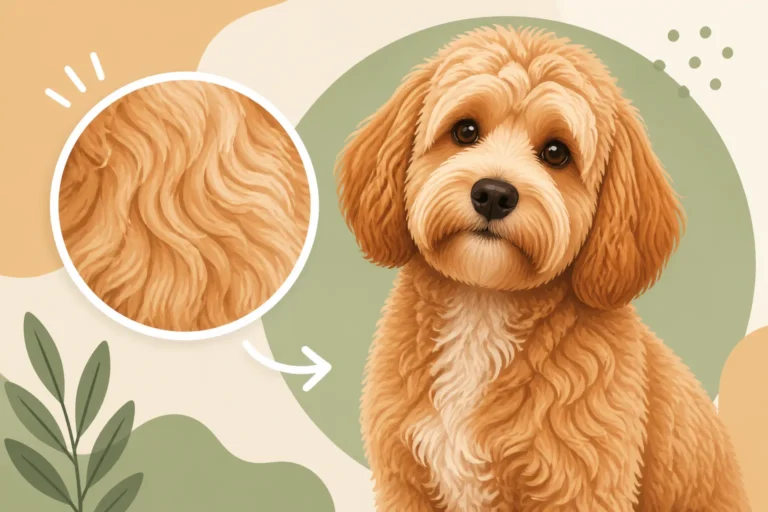
So, what happens when these two distinct genetic profiles meet in a Cockapoo? It’s a bit of a genetic lottery, and you can end up with a coat and skin type that's somewhere in the middle, or heavily biased towards one parent. Some Cockapoos might inherit the thick, often oily skin of the Cocker, combined with the dense, curly coat of the Poodle, creating a perfect storm for trapped moisture, skin infections, and matting. Others might get the Poodle's drier skin and allergy tendencies, but with the longer, less dense hair of a Cocker.
This unpredictability is why The Curl Gene and Where a Cockapoo's Coat Lands and The Furnishings Gene That Decides a Cockapoo's Face are such hot topics among Cockapoo enthusiasts. You might have a "straight coated" Cockapoo that sheds more but has fewer matting issues, or a "tight curled" one that requires intense grooming but is truly low-shedding. The challenge is that you often don't know exactly what combination you'll get until your puppy grows up, and even then, their coat can change over the first couple of years. This means your approach to skin and coat care needs to be flexible and highly responsive to your individual dog's needs, rather than a one-size-fits-all solution.
Recognizing Common Cockapoo Skin and Coat Issues
Because Cockapoos are a mix, they can inherit a broad spectrum of skin and coat conditions from both parent breeds. It's not always easy to tell if what you're seeing is just a normal variation or something that needs attention. Recognizing the signs early can save your Cockapoo a lot of discomfort and potentially prevent more serious problems down the line.
Itchy Skin and Persistent Scratching
This is probably one of the most common complaints Cockapoo owners have. You see your sweet pup constantly scratching, licking, or even chewing at their paws, flanks, or tail. It's heartbreaking to watch them be so uncomfortable. There are several reasons this could be happening, a frustrating reality for many.
One major culprit is allergies. Cockapoos, inheriting from both Poodles and Cocker Spaniels, can be quite prone to environmental allergies (atopy) or food allergies. Environmental allergens like pollen, dust mites, or molds can cause intense itching, often worse during certain seasons. Food allergies, while less common, can also manifest as skin issues, along with gastrointestinal upset. Whether a Cockapoo Itches From the Cocker Side delves into how these sensitivities can be passed down. Beyond allergies, dry skin (from the Poodle side), excess oiliness trapping irritants (from the Cocker side), or even minor skin infections can all lead to that persistent itch. You might notice red patches, bumps, or flaky skin in the areas they're scratching most.
Dull, Greasy, or Flaky Coat
The appearance of your Cockapoo's coat can tell you a lot about their underlying skin health. A healthy coat should look vibrant, soft, and have a natural sheen. If you're noticing a departure from this, it's a good indicator that something is off.
A dull, dry coat often points to issues like inadequate nutrition, dehydration, or skin dryness (more common with the Poodle side). If your dog isn't getting enough essential fatty acids in their diet, for example, their coat can lose its luster and become brittle. Conversely, a coat that looks greasy, feels heavy, and might even have a faint odor, suggests an overproduction of sebum, a trait often seen in Cocker Spaniels. This greasiness can lead to the coat matting more easily and can create an environment for yeast or bacterial overgrowth. Then there's flakiness, which can accompany either dry or oily skin, often mistaken for dandruff. This can be caused by anything from low humidity in your home to a reaction to a new shampoo, or even a more significant skin condition. Trying to figure out if your Cockapoo's coat is "greasy or dry" can be a real head-scratcher.
Hot Spots and Skin Infections
Hot spots, medically known as acute moist dermatitis, are intensely itchy, red, inflamed, and often oozing skin lesions. They appear suddenly and can grow surprisingly fast. They're usually triggered by something that makes your Cockapoo start licking, chewing, or scratching excessively in one spot, like an insect bite, an allergy flare-up, or even just trapped moisture in a dense coat. The constant irritation then leads to a vicious cycle where the licking makes the spot worse, which makes the dog lick more.
Given the Cockapoo's dense coat and potential for oily skin, they can be particularly prone to hot spots, especially if they love to swim or if their coat isn't dried thoroughly after bathing. Hot Spots on a Cockapoo That Has Been Swimming highlights this very issue. Beyond hot spots, Cockapoos can also experience other skin infections, both bacterial and fungal (like yeast infections). These often appear as redness, bumps, scabs, hair loss, or a distinct musty odor. Ears are a particularly common site for yeast infections, thanks to their floppy, Poodle-inherited ear structure that can trap moisture and debris. Any persistent skin irritation that doesn't clear up quickly with minor home care should always prompt a visit to your vet.
Grooming Strategies for a Balanced Cockapoo Coat
Grooming a Cockapoo isn't just about making them look pretty; it's absolutely crucial for their skin health and overall well-being. Their unique blend of Cocker and Poodle coats means they require consistent, thoughtful care to prevent matting, skin irritation, and discomfort. Without a solid grooming routine, even the happiest Cockapoo can quickly become miserable.
Tailoring Bathing Routines to Your Cockapoo's Skin Type
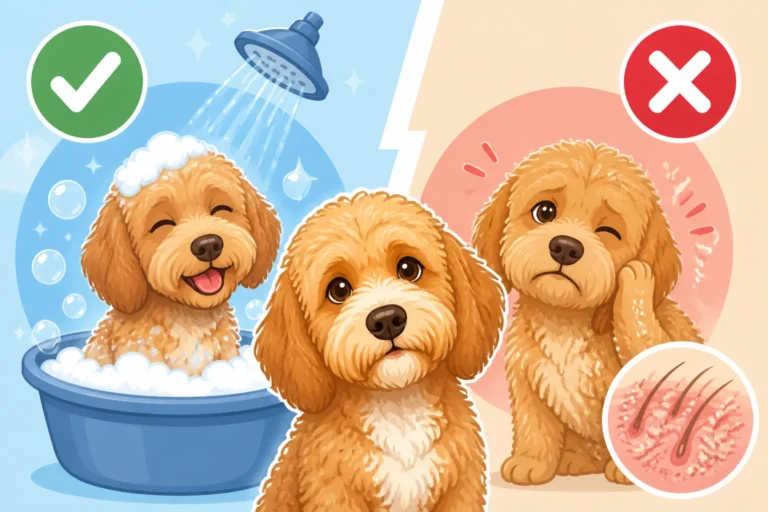
This is where understanding your individual Cockapoo's skin and coat really pays off. A bathing schedule that works for one Cockapoo might be completely wrong for another. If your Cockapoo leans towards the oily Cocker Spaniel side, you might find yourself needing to bathe them more frequently – perhaps every 2-3 weeks – to prevent that greasy buildup and associated odor. In this case, a good degreasing shampoo can be a lifesaver. Bathing a Cockapoo Whose Skin Is Greasy is a must-read for these situations. You'll want to ensure the shampoo effectively cleanses without stripping too much natural oil, as that can paradoxically cause the skin to produce even more oil.
For Cockapoos with drier, Poodle-like skin or allergy tendencies, bathing too frequently can exacerbate dryness and irritation. For these pups, every 3-4 weeks might be sufficient, using a moisturizing, hypoallergenic shampoo and conditioner. Always ensure you rinse thoroughly – leftover shampoo residue can cause significant irritation. And no matter their skin type, drying is paramount. A damp, dense coat is an invitation for yeast and bacteria, leading to hot spots and skin infections. Invest in a good pet dryer or ensure ample air drying with constant brushing to avoid any dampness lingering at the skin level.
Choosing the Right Shampoos and Conditioners
Walking down the pet shampoo aisle can feel overwhelming, but making informed choices is vital for your Cockapoo's skin health. For oily coats, look for shampoos labeled "degreasing," "clarifying," or containing ingredients like tea tree oil or salicylic acid (in appropriate pet formulations). These help break down excess oil and can prevent bacterial overgrowth. Follow up with a light conditioner to prevent the coat from becoming too brittle.
If your Cockapoo has dry, itchy, or sensitive skin, opt for hypoallergenic, oatmeal-based, or aloe vera shampoos. These are designed to soothe and hydrate without harsh chemicals or fragrances that could trigger irritation. A good quality leave-in or rinse-out conditioner is non-negotiable for dry coats, as it helps to moisturize the skin and coat, reducing static and improving manageability. For dogs with diagnosed allergies, your vet might recommend specific medicated shampoos. Brands like Chewy often carry a wide range of specialized shampoos and conditioners, making it easier to find exactly what your Cockapoo needs. Always do a patch test if trying a new product, applying a small amount to a discrete area of skin to check for any adverse reactions before a full bath.
The Importance of Regular Brushing and Dematting
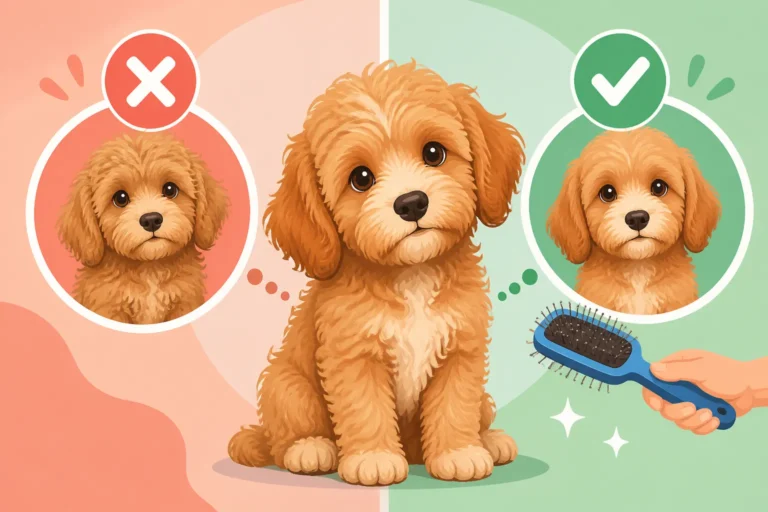
This cannot be stressed enough: regular brushing is the cornerstone of Cockapoo coat care. Depending on their specific coat type – straight, wavy, or curly – the frequency will vary, but for most Cockapoos, daily brushing is ideal. Why a Tight Curl Doubles a Cockapoo Owner's Week clearly explains the commitment. Even a "straight coated" Cockapoo needs regular attention.
Brushing achieves several critical things:
- Prevents Matting: The Poodle's curly, non-shedding hair tends to catch the Cocker's shedding hair, leading to tangles and mats that can pull on the skin, causing pain and creating breeding grounds for infection. Regular brushing removes loose hair before it can mat.
- Distributes Natural Oils: Brushing helps to spread the natural oils produced by the skin throughout the coat, promoting a healthy sheen and conditioning the hair.
- Stimulates Skin: The gentle massage of a brush stimulates blood flow to the skin, which is beneficial for skin health.
- Checks for Skin Issues: Daily brushing allows you to thoroughly inspect your Cockapoo's skin for any lumps, bumps, redness, parasites, or dry patches you might otherwise miss.
You'll need a few key tools: a slicker brush to get through the coat, a metal comb (preferably with rotating teeth) to find mats a slicker misses, and a detangling spray. Always brush in sections, getting right down to the skin. If you encounter a mat, try to gently work it out with your fingers and a detangling spray before resorting to cutting, which can be dangerous. For serious matting, a professional groomer is your best friend. Don't feel bad if you can't tackle major mats yourself; it's a skill that takes practice, and your dog's comfort is paramount.
Nutritional Support for Healthy Skin and Coat
Just like with us humans, what goes into your Cockapoo's body profoundly impacts what shows on the outside. A healthy, shiny coat and supple skin aren't just about external grooming; they're a reflection of internal health. Skimping on nutrition can often be a silent culprit behind dull coats, dry skin, and persistent itching.
Essential Fatty Acids and Their Role in Skin Health
If there's one nutritional powerhouse for skin and coat, it's essential fatty acids (EFAs), particularly Omega-3 and Omega-6. These aren't just trendy supplements; they are crucial components of healthy cell membranes, play a vital role in reducing inflammation, and contribute directly to the skin's barrier function. Think of your dog's skin as a protective shield; EFAs help keep that shield strong and intact, preventing moisture loss and blocking irritants.
Omega-3s, often found in fish oils (like salmon oil or krill oil), are especially known for their anti-inflammatory properties. For Cockapoos prone to allergies or itchy skin, increasing their Omega-3 intake can significantly reduce inflammation and discomfort. Omega-6s are also necessary but are typically more abundant in most commercial dog foods. The key is often the balance between the two. When this balance is off, or if there's a deficiency, you might notice dry, flaky skin, a dull coat, or even increased susceptibility to skin infections. Many owners find Whether Omega Oils Help a Cockapoo's Coat to be a resounding yes, making them a popular supplement.
Considering Diet Changes for Skin Issues
If your Cockapoo is experiencing persistent skin and coat problems, a close look at their diet is absolutely warranted. Sometimes, simply changing to a higher quality dog food can make a world of difference. Look for foods that list a specific meat source as the first ingredient and avoid fillers, artificial colors, and excessive preservatives. Some Cockapoos might have sensitivities or allergies to certain ingredients, often common protein sources like chicken or beef, or grains like corn or wheat.
In these cases, a "limited ingredient diet" (LID) or a novel protein diet might be recommended by your vet. LIDs typically contain a single protein source and a single carbohydrate source, making it easier to identify potential allergens. Novel proteins are those your dog hasn't eaten before, like duck, venison, or kangaroo, to which they are less likely to have developed an allergy. It can take 8-12 weeks on a strict elimination diet to see if it makes a difference, so patience is key. Brands like Ollie, known for their fresh, human-grade dog food, offer various recipes that could be suitable for dogs with sensitivities, and many owners report improved coat health after switching to such options. Always consult with your veterinarian before making significant dietary changes, especially for suspected allergies, as they can guide you through the process effectively.
Hydration and Its Impact on Coat Luster
We often focus on food, but plain old water is just as critical for a healthy coat. Proper hydration is essential for every bodily function, including skin and coat health. Just like human skin, a dog's skin can become dry and dull if they aren't drinking enough water. Water helps to keep skin cells plump and elastic, and aids in the detoxification processes that contribute to overall skin health.
If your Cockapoo isn't drinking enough, their skin might appear dry, their coat might lose its natural shine, and they could even become more prone to flakiness. Ensure your Cockapoo always has access to fresh, clean water. Consider placing multiple water bowls around the house, especially if they are a busy, active dog. Some dogs prefer filtered water, while others might be enticed by a pet drinking fountain, which keeps water circulating and fresh. During warmer months or after intense exercise, monitor their water intake closely. A well-hydrated dog will almost always have a more vibrant, supple coat than one who is chronically a bit parched.
Environmental Factors and Preventative Care
Even with the best grooming and diet, external factors in your Cockapoo's environment can significantly impact their skin and coat health. Controlling these elements is a vital part of a holistic care plan, helping to prevent irritations and keep your dog comfortable year-round. Ignoring their surroundings is like trying to fill a bucket with a hole in it; you'll never quite get ahead of the problems.
Managing Allergens in Your Home
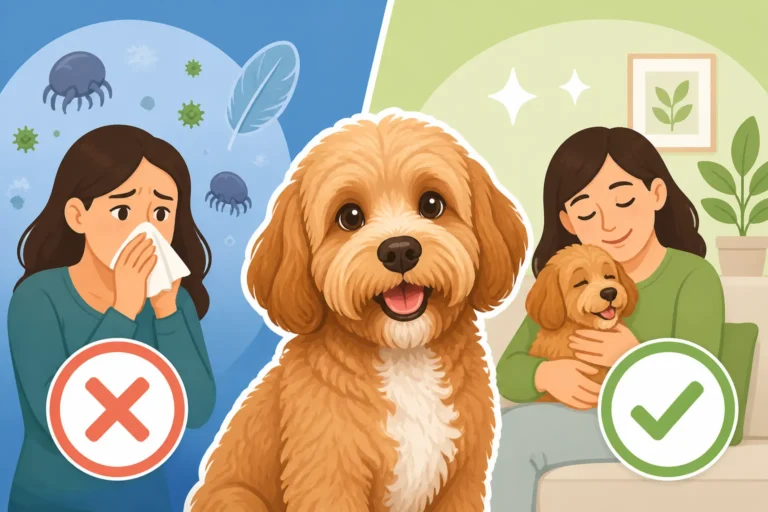
If your Cockapoo is prone to environmental allergies – a common issue inherited from both the Cocker and Poodle lines – their home environment needs careful management. Just like people with hay fever, dogs can react to pollen, dust mites, mold spores, and even certain cleaning products.
Think about your home as a potential allergen trap. Regularly vacuuming with a HEPA filter vacuum cleaner can significantly reduce dust mites and pet dander (even low-shedding Cockapoos still produce dander). Washing your dog's bedding weekly in hot water helps eliminate dust mites. Using air purifiers in rooms where your dog spends a lot of time can also trap airborne allergens. During peak allergy season, wiping your Cockapoo down with a damp cloth after outdoor excursions can remove pollen from their coat and paws before they track it inside and re-expose themselves. Even limiting exposure to strong chemical cleaners or scented candles can make a difference for a sensitive pup. Remember, the goal isn't to create a sterile environment, but to minimize known triggers that cause irritation.
Protecting Your Cockapoo from Parasites
Parasites are not just a nuisance; they can cause intense itching, skin irritation, and even transmit diseases. Fleas, ticks, and mites are a constant threat to your Cockapoo's skin health. A single flea bite can trigger a severe allergic reaction (flea allergy dermatitis) in sensitive dogs, leading to widespread itching and secondary skin infections.
Establishing a consistent, year-round parasite prevention plan is non-negotiable. Talk to your veterinarian about the best option for your Cockapoo, which could include topical treatments, oral medications, or specialized collars. These products work by either repelling or killing parasites, preventing them from biting and causing problems. Regular checks of your dog's coat and skin, especially after walks in grassy or wooded areas, are also crucial. Look for tiny dark specks (flea dirt), actual fleas, or attached ticks. If you spot any, remove ticks carefully and treat for fleas immediately. Don't underestimate the impact of these tiny creatures; they can make your Cockapoo utterly miserable and quickly lead to significant skin problems.
Seasonal Considerations for Skin and Coat
The changing seasons can bring distinct challenges to your Cockapoo's skin and coat. What works well in summer might need adjustment for winter, and vice versa.
- Spring/Summer: This is prime time for environmental allergies and parasites. Pollen counts are high, and fleas and ticks are most active. Increased humidity can also make some Cockapoo coats feel greasier or more prone to matting if not dried thoroughly after swimming or bathing. Keep an eye out for hot spots, especially during warmer, wetter weather, and ensure sun protection for Cockapoos with very light or shaved coats. Whether a Curly Cockapoo Struggles in Summer is a legitimate concern due to heat trapped in dense coats.
- Autumn/Winter: As the weather turns colder, indoor heating can lead to very dry air, which in turn can dry out your Cockapoo's skin. You might notice more flakiness or static electricity in their coat. Consider using a humidifier in your home to add moisture to the air. Cooler temperatures also mean less frequent baths might be appropriate for some dogs, or using more moisturizing shampoos. Protecting paw pads from ice melt and cold pavement is also important. Keep up with brushing, as coats tend to be thicker, and matting can still occur under winter clothing. Each season brings its own nuances, requiring you to be attentive and adjust your care routine accordingly.
When to Seek Professional Veterinary Advice
While many minor skin and coat issues can be managed at home with diligent grooming and good nutrition, there are definitely times when a professional veterinarian needs to step in. Delaying veterinary care can lead to escalating discomfort for your Cockapoo and more complex, expensive treatments down the line. It's about knowing when to stop trying home remedies and get expert help.
Identifying Red Flags for Serious Skin Conditions
It can be tough to distinguish between a minor irritation and something more serious. As a rule of thumb, if a skin or coat issue persists for more than a few days despite your best efforts at home, or if it's causing your Cockapoo significant distress, it's time to call the vet.
Here are some specific red flags that warrant immediate veterinary attention:
- Rapidly spreading redness, swelling, or open sores: This could indicate a severe infection or a rapidly worsening hot spot.
- Intense, incessant itching: If your dog is scratching or licking themselves raw, to the point of causing injury or preventing them from resting.
- Foul odor: A strong, yeasty, or putrid smell coming from the skin or ears often signals a bacterial or fungal infection.
- Hair loss in large patches or accompanied by scabbing/bleeding: This could point to parasites (like mites), fungal infections (ringworm), or autoimmune diseases.
- Lumps, bumps, or growths: While some might be benign, any new skin growth should be checked by a vet to rule out anything serious. Whether a lump under a Cockapoo's curl gets missed is a relevant concern.
- Changes in behavior: If your Cockapoo becomes withdrawn, lethargic, loses appetite, or shows signs of pain related to their skin condition. These are all indicators that the problem is affecting their overall health.
Diagnostic Tests for Persistent Skin Problems
When you visit the vet for a skin issue, they won't just guess. They have an arsenal of diagnostic tools to get to the root of the problem. This is critical because many skin conditions can look similar on the surface but require entirely different treatments.
Common diagnostic tests include:
- Skin scrapings: Your vet will gently scrape a small sample of skin to look for microscopic mites (like Demodex or Sarcoptes) under a microscope.
- Cytology: This involves taking impressions or swabs of the skin surface to examine cells and identify bacteria, yeast, or inflammatory cells. This is often used for ear infections as well. Whether a Cockapoo Needs Its Ears Cultured is a common question, and cytology is often the first step.
- Fungal cultures: If a fungal infection like ringworm is suspected, hair and skin samples will be cultured to grow and identify the fungus.
- Allergy testing: For suspected environmental allergies, intradermal skin testing (like a human allergy test) or blood tests can help identify specific allergens. For food allergies, an elimination diet is the gold standard.
- Biopsy: In more complex cases, especially with unusual growths or non-responsive skin conditions, a small tissue sample may be taken and sent to a lab for histopathology.
These tests help your vet create a targeted treatment plan rather than just treating symptoms, which leads to much better outcomes for your Cockapoo.
Working with Your Vet for a Treatment Plan
Once a diagnosis is made, your vet will work with you to develop a comprehensive treatment plan. This plan might involve a combination of approaches:
- Medicated Shampoos and Topicals: Specific shampoos, conditioners, or sprays might be prescribed to treat bacterial, fungal, or inflammatory skin conditions.
- Oral Medications: This could include antibiotics for bacterial infections, antifungals for yeast, anti-inflammatories for severe itching, or even immunosuppressants for autoimmune conditions or severe allergies.
- Dietary Management: As discussed earlier, a diet change might be recommended, sometimes in conjunction with specific supplements like essential fatty acids.
- Allergy Management: For environmental allergies, this might involve antihistamines, specific allergy medications (like Apoquel or Cytopoint), or even immunotherapy (allergy shots) to desensitize your dog over time.
- Parasite Control: Reinforcing a robust, year-round parasite prevention strategy is often a key part of treating and preventing skin issues.
It’s crucial to follow your vet's instructions precisely, even if your Cockapoo's skin appears to be improving. Stopping medication too early, for instance, can lead to a relapse or antibiotic resistance. Be patient, as some skin conditions take weeks or even months to fully resolve. Don't be afraid to ask questions, voice your concerns, or request clarification on any aspect of the treatment. Your vet is your partner in keeping your Cockapoo healthy and happy.
Long-Term Management and Lifestyle Tips
Managing your Cockapoo's skin and coat health is truly a marathon, not a sprint. It's about establishing consistent routines and making lifestyle choices that support their well-being every single day. There's no magic bullet, but a dedicated approach can lead to a lifetime of comfort and a beautiful, healthy coat for your furry companion.
Developing a Comprehensive Skin and Coat Care Plan
The key to long-term success is to create a personalized, comprehensive care plan for your individual Cockapoo. This plan should integrate all the elements we've discussed:
- Consistent Grooming Schedule: This includes daily or every-other-day brushing (depending on coat type), regular baths (every 2-4 weeks, as needed), and professional grooming appointments every 6-8 weeks. Talk to your groomer about What a Teddy Bear Clip Looks Like on a Cockapoo or other styles that are both attractive and manageable for your dog's specific coat type and lifestyle. Make sure to get on a schedule and stick to it.
- Tailored Nutrition: Select a high-quality dog food appropriate for your Cockapoo's age, size, and activity level. If your vet has recommended a specific diet for sensitivities, ensure strict adherence.
- Regular Health Checks: Beyond professional grooming, make it a habit to routinely inspect your Cockapoo's skin, ears (especially Whether a Cockapoo's Ear Canal Narrows With Age and needs cleaning), and paws for any signs of irritation, parasites, or new growths.
- Environmental Control: Be mindful of allergens in your home and implement appropriate parasite prevention measures year-round.
- Seasonal Adjustments: Be prepared to modify grooming practices or environmental controls as the seasons change.
Write down your plan if it helps, and put reminders in your calendar for grooming appointments and parasite preventatives. Consistency is truly your greatest tool.
The Role of Supplements in Maintenance
While a balanced diet is fundamental, certain supplements can play a valuable role in maintaining optimal skin and coat health, especially for Cockapoos prone to issues. As mentioned, Omega-3 fatty acids are often at the top of the list. They help reduce inflammation and support the skin barrier. You can find them in fish oil supplements (liquid or capsule form) or in specially formulated dog foods. Brands like Amazon often carry a wide variety of reputable pet supplements.
Other supplements to consider, after consulting with your vet, might include:
- Probiotics: A healthy gut microbiome can influence overall immune function, which in turn can impact skin health, especially for dogs with allergies.
- Vitamin E: This antioxidant can help protect skin cells from damage and support healing.
- Biotin: Sometimes recommended for coat quality, though evidence for significant impact on healthy dogs can vary.
It's important to remember that supplements are supplements, not substitutes for a good diet or veterinary care. Always discuss any new supplements with your vet to ensure they are appropriate for your Cockapoo and won't interact negatively with any existing medications or conditions.
Enrichment Activities to Reduce Stress-Related Licking
Sometimes, what looks like a skin problem is actually a behavioral one. Dogs, including Cockapoos, can sometimes resort to excessive licking as a coping mechanism for stress, boredom, or anxiety. This can lead to "lick granulomas" or exacerbate existing skin irritations. If your Cockapoo is consistently licking a particular spot, even when there's no obvious underlying skin issue, consider their mental and emotional well-being.
Providing adequate mental and physical enrichment is crucial for a breed as intelligent and active as the Cockapoo. They thrive on having a "job" to do. This could include:
- Regular Exercise: Ensure your Cockapoo gets enough physical activity appropriate for their size and age. This isn't just about walks; it could be fetch, tug, or playing with other dogs.
- Mental Stimulation: Puzzle toys, interactive feeders, scent work games, or even learning new tricks can keep their minds engaged and reduce boredom. Scent Work That Satisfies a Cockapoo is an excellent way to tap into their natural instincts.
- Structured Training: Consistent training provides mental exercise and strengthens your bond, giving your dog confidence and a sense of purpose.
- Addressing Anxiety: If stress or separation anxiety is suspected, work with a professional dog trainer or veterinary behaviorist. Calming aids, changes in routine, or behavior modification techniques might be needed.
By addressing potential underlying stress or boredom, you can often alleviate self-licking behaviors that can lead to secondary skin problems. A happy, well-adjusted Cockapoo is far less likely to chew and lick themselves into a skin issue.
Disclaimer
This article is for general informational purposes only and does not constitute professional advice. Laws, prices and regulations vary by location and change over time. Consult a qualified professional for guidance on your specific situation.