Whether Coat Genes Affect a Cockapoo’s Health
Many new Cockapoo owners find themselves captivated by their puppy's adorable fluffy face and soft curls, often choosing their new companion based on looks or the promise of a low-shedding coat. But what many don't realize is that these very genetic traits that dictate their Cockapoo's appearance can also play a significant, sometimes overlooked, role in their overall health and well-being. This guide will delve into how your Cockapoo's coat genes might influence more than just how often you need to brush them, exploring the surprising connections between genetics and long-term health.
Understanding Cockapoo Coat Genetics Beyond Just Looks
When we talk about a Cockapoo's coat, most people immediately think about whether it sheds or how curly it is. While these are certainly prominent features, they're governed by specific genes that can have knock-on effects that reach far beyond mere aesthetics. It's a complex tapestry woven from the Cocker Spaniel and Poodle sides, and understanding it is key to anticipating and managing certain health aspects.
The 'Furnishings' Gene (RSP02) and Its Hidden Impact
The furnishings gene, often referred to by its scientific marker RSPO2, is perhaps the most significant in determining the classic "doodle look" – that shaggy beard, eyebrows, and longer hair on the muzzle and legs. A Cockapoo typically needs at least one copy of this gene to have these furnishings, which are also what make a coat low-shedding. Without furnishings, a Cockapoo will likely have a "flat" or "improper" coat, resembling more of a Cocker Spaniel.
Now, how does this link to health? Well, dogs with prominent furnishings, while shedding less, often have denser, softer hair that grows continuously, much like human hair. This type of coat is a magnet for matting, especially in areas of friction like behind the ears, armpits, and groin. If neglected, these mats can pull at the skin, causing pain, irritation, and even open sores where bacteria can thrive, leading to painful skin infections. Owners who chose a furnished Cockapoo for its low-shedding qualities might not anticipate the intense grooming demands, and a lack of proper care directly compromises the dog's skin health. This is why it's so important to understand Whether a Furnished Cockapoo Suits an Allergic Home and the grooming commitment involved.
The 'Curl' Gene (KRT71) and Skin Health
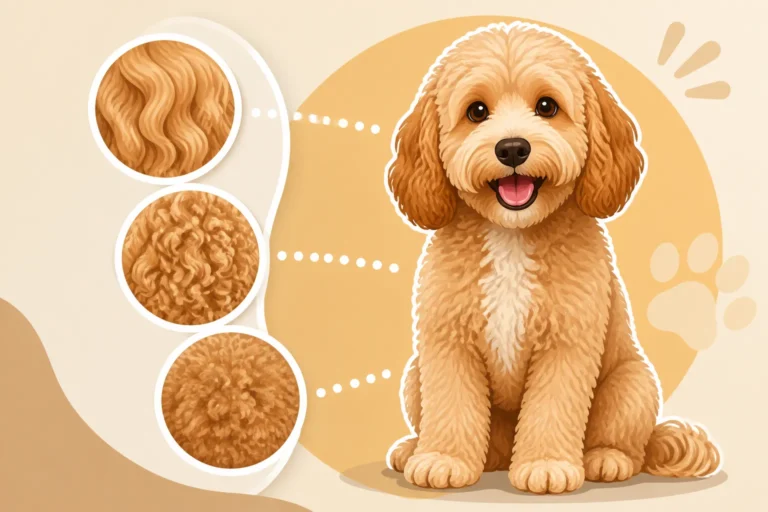
The KRT71 gene is responsible for how curly your Cockapoo's coat will be. You can have wavy coats, which are a looser curl, or tight, ringlet-like curls. While the curl itself is a beauty to behold, it brings its own set of health considerations, particularly for the skin underneath.
Tight curls, especially when combined with dense furnishings, create a microclimate close to the skin. This environment can trap moisture, heat, and dirt, making it a perfect breeding ground for yeast and bacteria. If your Cockapoo enjoys swimming or gets wet frequently, and their curly coat isn't dried thoroughly and quickly, you could be looking at persistent skin issues like "hot spots" or yeast infections. Even regular bathing without diligent drying can lead to problems. It's a common frustration to see your pup constantly scratching, only to find red, inflamed skin hidden deep within their beautiful curls. You might also notice Whether a Cockapoo's Skin Dries Out From Washing more easily if they have a very dense, curly coat that makes drying difficult, or if the wrong shampoos are used in an attempt to combat perceived greasiness.
Improper Coats (IC) and Skin Vulnerabilities
An "improper coat" (IC) in a Cockapoo means they lack the furnishings gene. These dogs will have a smoother, flatter coat, much like a traditional Cocker Spaniel, and they will shed. While often easier to brush and less prone to severe matting, improper coats can still present their own unique challenges.
For instance, without the protective barrier of dense furnishings, their skin might be more exposed to environmental allergens or irritants. While not a direct health problem caused by the gene itself, the resulting coat type can mean a different susceptibility profile. Also, the shedding hair, though less prone to matting, still requires regular brushing to remove dead hair and distribute natural skin oils, preventing skin dryness or dandruff. Understanding Why an Improper Coated Cockapoo Sheds can help owners manage expectations and adapt their grooming routines to keep their dog's skin and coat healthy. Sometimes, owners are surprised when their "doodle" sheds, and this often comes down to the presence of an improper coat gene.
Direct and Indirect Health Concerns Linked to Coat Types
It's clear that coat genetics influence more than just appearance. The type of coat your Cockapoo inherits directly impacts the grooming routine required, and a failure to meet those needs can quickly lead to painful and costly health problems.
Matting, Skin Infections, and Grooming Struggles
This is, by far, one of the most common and distressing health issues directly tied to coat type. A Cockapoo's thick, often curly or wavy, continuously growing coat is highly prone to matting. Mats aren't just tangles; they're dense clumps of hair that pull on the skin, causing severe discomfort and pain. Imagine having your hair constantly tugged at – that's what a matted dog experiences.
Beyond the pain, mats create the perfect environment for skin infections. They prevent air circulation, trap moisture, dirt, and debris, and can hide parasites like fleas and ticks. When the skin under a mat becomes inflamed, red, and itchy, the dog will scratch or chew, further damaging the skin and breaking the barrier that protects against bacteria. This can quickly escalate into painful pyoderma (bacterial skin infection) or yeast infections, requiring veterinary intervention, antibiotics, and often a complete shave-down. It's truly heartbreaking for both dog and owner when Where a Curly Cockapoo Mats First – usually behind the ears or in the armpits – becomes a source of chronic pain and repeated trips to the vet and groomer. Many owners find themselves asking Whether a Matted Cockapoo Has to Be Shaved as a last resort to relieve their dog's suffering, a decision often met with guilt, but sometimes the only humane option.
Ear Hair and Ear Infections: A Poodle Legacy
One of the most significant health impacts related to coat genetics, especially the furnishings gene from the Poodle side, is the predisposition to ear infections. Poodles are known for growing hair inside their ear canals, and many Cockapoos inherit this trait. While this internal ear hair is part of the overall "furnished" look, it creates a serious health challenge.
This dense hair acts like a plug, trapping warmth, moisture, and ear wax deep within the ear canal. This moist, dark, warm environment is ideal for the overgrowth of bacteria and yeast. Without proper and regular cleaning, and sometimes plucking or shaving of the internal ear hair, Cockapoos are highly susceptible to chronic ear infections. These infections are incredibly painful, can lead to permanent hearing damage, and often require expensive and prolonged veterinary treatment. It's a common story for Cockapoo owners to spend a lot of time and money managing recurring ear issues. It's vital to understand Whether a Cockapoo's Ear Feathering Traps Damp and how this impacts their aural health. Many owners wonder Whether Ear Hair Should Come Out of a Cockapoo to prevent these problems, and for many, careful plucking or trimming by a groomer or vet is a necessary part of preventative care.
Skin Allergies and Coat Condition
While coat genes don't directly cause allergies, the type of coat can certainly influence how allergies manifest and how easily they are managed. Cockapoos, inheriting traits from both parent breeds, can be prone to environmental allergies (atopy) or food allergies, which often present as skin issues.
A dense, furnished, or curly coat can make it incredibly difficult for owners to spot early signs of skin irritation, redness, or lesions caused by allergies. The thick hair acts as a blanket, hiding the problem until it's far advanced. Additionally, a constantly damp or matted coat can exacerbate allergic reactions by further irritating compromised skin or providing an easy entry point for secondary infections. Conversely, dogs with flatter, less dense coats might show skin irritation more readily, allowing for earlier intervention. It's a constant battle for some owners to identify why Whether a Cockapoo Itches From the Cocker Side is happening, and often the solution involves both diet and rigorous coat care, regardless of the underlying cause.
The Role of Responsible Breeding and Genetic Testing
The good news is that much of the uncertainty and many of the potential health issues related to coat genetics can be mitigated by responsible breeding practices and informed choices by prospective owners.
Genetic Testing for Coat Traits: What it Reveals
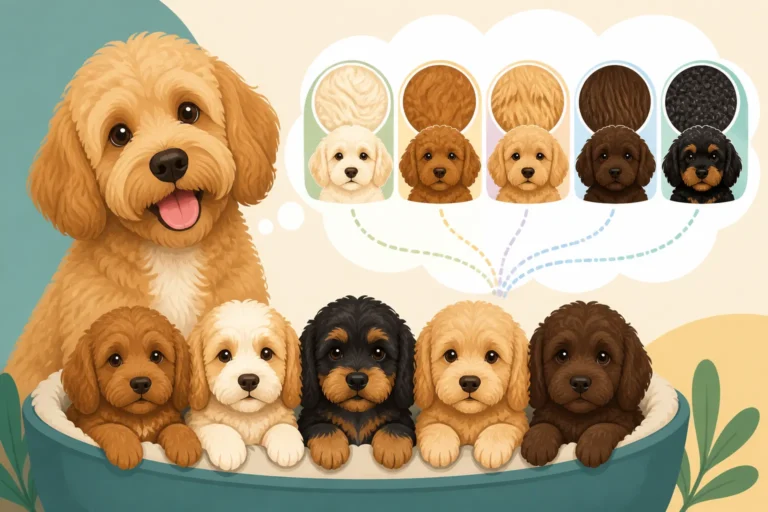
Modern genetic testing allows breeders to identify the specific coat genes their breeding dogs carry. Tests can determine if a dog has two copies of the furnishings gene (F/F, meaning all offspring will be furnished), one copy (F/IC, meaning some offspring may be furnished, some improper), or two copies of the improper coat gene (IC/IC, meaning all offspring will be improper coated). Similar tests exist for the curl gene (KRT71).
Responsible breeders use these tests not just to predict coat type for aesthetics or to manage shedding expectations, but also to inform owners about the potential grooming demands and associated health considerations. If a breeder can tell you a puppy is likely to have a very curly, dense coat, they can also prepare you for the increased risk of matting and the need for diligent grooming. This information is invaluable for owners who want to avoid the common pitfalls and health problems related to coat care. Before investing in a test, many people ask Whether a Coat DNA Test Is Worth the Money, and for ensuring predictability and transparency, it absolutely is. Knowing these genetic markers helps predict the dog's adult coat, which directly impacts their health journey.
Beyond the Genes: Environment and Care
While genetics lay the groundwork, they don't tell the whole story. Even a Cockapoo with the "best" genetic coat profile (e.g., F/F for furnishings, loose curl) can develop severe skin and coat issues if neglected. Conversely, a dog with a more challenging coat type can thrive with consistent, dedicated care.
This means that while understanding the genetic predispositions is crucial, it must be paired with an unwavering commitment to proper grooming, nutrition, and overall health management. A fantastic coat can quickly turn into a matted, irritated mess without regular brushing, bathing, and drying. Similarly, a healthy diet, like those offered by Ollie, can contribute to skin and coat health from the inside out, providing essential nutrients that support a robust skin barrier and healthy hair growth, which in turn makes the coat more resilient to environmental challenges. It's a holistic approach, where genes, environment, and owner dedication all play a part.
Choosing a Puppy: What to Ask Your Breeder
If you're bringing a Cockapoo into your home, it's incredibly important to ask your breeder detailed questions about the parents' and puppies' coat genetics. Don't just ask "will they shed?" Dig deeper.
Ask if the parents have been genetically tested for furnishings and curl. Request to see those results. A good breeder should be transparent and willing to discuss what these genes mean for the puppies' future coats and, importantly, their grooming needs and potential health considerations. They should also be able to explain how the generational breeding (F1, F1b, Multigen) impacts coat predictability. For instance, an F1 Cockapoo (Cocker Spaniel x Poodle) might have more variability in coat type than an F1b (F1 Cockapoo x Poodle).
Beyond coat, always ask about health clearances for both parent breeds. This includes genetic tests for conditions like Familial Nephropathy from the Cocker side or Progressive Retinal Atrophy from the Poodle side. Asking a breeder for Asking a Cockapoo Breeder for the FN Certificate or eye clearances shows you're a responsible buyer, and a good breeder will appreciate your diligence. This comprehensive approach ensures you're bringing home a puppy with the best possible genetic start, not just for their coat, but for their overall health.
Living with Your Cockapoo's Coat: Practical Health Management
Once your Cockapoo is home, the responsibility for maintaining their coat and, by extension, their coat-related health, falls squarely on your shoulders. It's an ongoing commitment, but one that is incredibly rewarding when your dog is comfortable and healthy.
Routine Grooming as Preventive Healthcare
Think of grooming not as a chore, but as essential preventive healthcare. For a Cockapoo, this means a consistent routine of brushing, bathing, ear cleaning, and nail trimming.
- Brushing: This is your first line of defense against matting and a crucial step for skin health. Depending on your Cockapoo's coat type, this could be daily or every other day. You'll need a good slicker brush and a metal comb. The key is to "line brush," meaning you section off the coat and brush from the skin out, making sure to get through all the layers. Many people struggle with Line Brushing a Cockapoo and Why the Top Coat Lies, but it's essential to prevent painful mats from forming close to the skin. Pay special attention to high-friction areas like the armpits, groin, behind the ears, and around the collar. You can find excellent grooming tools and brushes from retailers like Amazon.
- Bathing: Regular baths, usually every 2-4 weeks, are important for keeping the skin clean and healthy. Use a dog-specific shampoo and conditioner that suits your dog's skin type. Always ensure you rinse thoroughly and, crucially, dry your Cockapoo completely afterward, especially those with curly coats, to prevent skin issues.
- Ear Cleaning: Due to the ear hair discussed earlier, weekly ear cleaning with a vet-approved solution is vital. This helps remove wax and debris and keeps the ear canal dry, significantly reducing the risk of infection.
- Nail Trimming: Don't forget their paws! Overgrown nails can cause pain and lead to paw issues. Regular trimming, usually every 2-4 weeks, keeps them comfortable.
Recognizing Warning Signs of Coat-Related Health Issues
As an owner, you become your Cockapoo's first line of defense. Be vigilant and observant during your regular grooming sessions. Know what healthy skin and coat look and feel like, so you can quickly spot changes.
- Excessive Scratching, Licking, or Chewing: These are clear indicators of discomfort. It could be fleas, allergies, or an underlying skin infection.
- Redness, Rashes, or Bumps: Part the fur and inspect the skin regularly, especially in warm, moist areas. Any persistent redness, pustules, or unusual lumps warrant a closer look.
- Foul Odor: A healthy dog shouldn't have a strong, unpleasant smell. A cheesy, yeasty, or otherwise off odor, especially from the ears or skin, often signals an infection.
- Mats and Tangles: Don't let a small tangle turn into a painful mat. Address them immediately.
- Changes in Coat Texture or Hair Loss: Sudden changes, excessive shedding in a normally low-shedding dog, or bald patches can indicate health problems, from nutritional deficiencies to hormonal imbalances or skin disease.
Professional Groomers as Health Partners
While home grooming is essential, a professional groomer is an invaluable partner in your Cockapoo's health regimen. They have specialized tools and expertise to handle various coat types and can often spot problems you might miss.
Professional groomers can perform thorough de-matting (if caught early), sanitary clips, paw pad trims, and full body clips that keep the coat at a manageable length, significantly reducing the risk of matting and improving air circulation to the skin. They can also expertly clean and check ears, and trim nails safely. Many owners benefit from regular professional grooms every 6-8 weeks. Understanding What a Cockapoo Groom Costs by Coat Type can help you budget for this essential service. Reputable groomers, often with supplies available from places like Chewy, can also advise you on the best products and techniques for your specific Cockapoo's coat, becoming a crucial part of your dog's preventative health team.
Here's a quick overview of how coat genes and types correlate with care and potential health considerations:
| Coat Gene Trait | Typical Appearance | Grooming Demands | Associated Health Considerations |
|---|---|---|---|
| Furnishings (F/F or F/IC) | Shaggy beard, eyebrows, longer leg hair, low shedding | High: Daily brushing, regular professional grooming (every 4-8 weeks) | High risk of matting, skin infections under mats, ear infections due to internal ear hair |
| Curl (Wavy) | Loose waves, soft texture, some shedding | Moderate to High: Regular brushing (every 2-3 days), professional grooming | Moderate matting risk, can trap moisture if not dried properly, ear care needed |
| Curl (Curly) | Tight, dense ringlets, very low shedding | Very High: Daily intensive line brushing, frequent professional grooming (every 4-6 weeks) | Very high risk of severe matting, yeast/bacterial skin infections from trapped moisture, ear infections |
| Improper Coat (IC/IC) | Flat, smooth face/body, sheds | Low to Moderate: Less matting, regular brushing to manage shedding and distribute oils | Skin more exposed to irritants, less prone to moisture-related skin issues, ear care still important |
At the end of the day, your Cockapoo's coat is a beautiful part of their unique charm. But understanding the genetics behind it and committing to consistent care will ensure that beauty is more than skin deep – it’s a sign of a healthy, happy dog.
Disclaimer
This article is for general informational purposes only and does not constitute professional advice. Laws, prices and regulations vary by location and change over time. Consult a qualified professional for guidance on your specific situation.