Asking a Cockapoo Breeder for the FN Certificate
Bringing a new Cockapoo puppy home is such an exciting time, filled with dreams of cuddles and playful adventures. But lurking beneath that fluffy exterior can be serious inherited health conditions that can blindside even the most prepared owners. One such devastating condition is Familial Nephropathy, or FN, and knowing how to ask your breeder for the proper certification can make all the difference in your dog's future, and your peace of mind. This guide will walk you through the critical questions to ask and why those certificates are so incredibly important.
Understanding Familial Nephropathy in Cockapoos
Familial Nephropathy (FN) is a truly heartbreaking inherited kidney disease that primarily affects Cocker Spaniels and, by extension, Cockapoos. It’s a condition that can often go unnoticed in the early stages, only to reveal itself with devastating symptoms as the dog approaches young adulthood. Imagine falling completely in love with a vibrant, playful puppy, only to learn a year or two later that their kidneys are failing. This isn't just a concern; it's a potential tragedy that far too many Cockapoo owners have faced.
What Familial Nephropathy Does to a Cockapoo
At its core, FN causes the kidneys to progressively fail. Specifically, it involves a defect in the collagen within the glomerular basement membrane of the kidneys. In simpler terms, the filters in the kidneys, which are essential for removing waste products from the blood and maintaining fluid balance, don’t function correctly. Over time, these filters break down, leading to an accumulation of toxins in the body and a loss of vital proteins. This isn't a slow, gentle decline in old age; it's a specific genetic defect that leads to premature kidney failure. It's truly vital to understand What Familial Nephropathy Does to a Cockapoo to grasp the gravity of this condition.
The initial signs can be subtle, easily mistaken for other minor ailments or just "puppy quirks." You might notice your Cockapoo drinking constantly, which often leads to more frequent urination. They might start losing weight despite a good appetite, or perhaps seem more lethargic than usual. These are vague enough symptoms that many owners don't immediately jump to kidney failure, which is why early genetic testing by the breeder is so paramount. As the disease progresses, the symptoms become more severe, including vomiting, poor appetite, and eventually, complete kidney shutdown. It’s a relentless disease that steals away precious years from your beloved companion.
The Genetic Basis of FN in Cockapoos
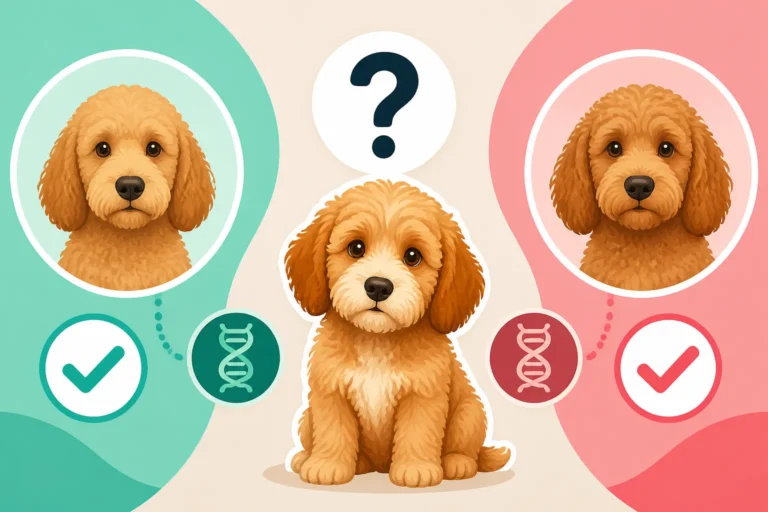
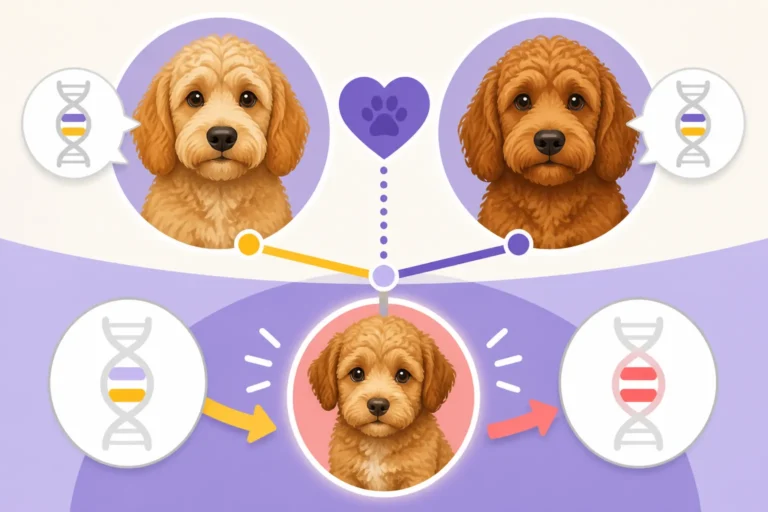
FN is inherited in an autosomal recessive pattern. This means a Cockapoo needs to inherit two copies of the defective gene – one from each parent – to actually develop the disease. If a dog inherits only one copy of the gene, they are considered a 'carrier.' Carriers do not typically show any symptoms of FN themselves, but they can pass the defective gene on to their offspring. This is where the complexity and the critical importance of breeder testing come in.
Think of it like this:
- Clear dogs have two normal genes and cannot get FN or pass it on.
- Carrier dogs have one normal gene and one defective gene. They are healthy but can pass the defective gene to half of their puppies.
- Affected dogs have two defective genes. They will develop FN.
So, if you breed two carriers together, there’s a 25% chance of producing an affected puppy, a 50% chance of producing a carrier puppy, and a 25% chance of producing a clear puppy. This hidden genetic risk is why simply "seeing healthy parents" isn't enough. Without DNA testing, a breeder could unknowingly be breeding two carriers, producing puppies destined for a short, painful life. This is the exact reason Why Two Carrier Parents Produce an Affected Cockapoo is such a crucial piece of knowledge for any prospective owner.
The Importance of DNA Testing and Certificates
Knowing the genetic reality of FN, it becomes crystal clear why DNA testing is not just a 'nice-to-have' but an absolute necessity for responsible Cockapoo breeding. A reputable breeder understands this and takes proactive steps to ensure their puppies have the best possible start in life, free from preventable inherited diseases like FN.
What the FN DNA Test Involves
Fortunately, there is a reliable DNA test available for Familial Nephropathy. The FN DNA test is usually done by taking a simple cheek swab or blood sample from the parent dogs. This sample is then sent to a specialized veterinary genetic testing laboratory. Labs like Paw Print Genetics offer comprehensive panels that include FN, making it straightforward for breeders to screen their breeding stock. These tests are incredibly accurate and will classify a dog as "Clear," "Carrier," or "Affected."
A "Clear" result means the dog does not carry the gene for FN and therefore cannot pass it on to its puppies. A "Carrier" result means the dog carries one copy of the gene; while healthy itself, it should only be bred with a "Clear" mate to ensure no affected puppies are produced. An "Affected" result means the dog has two copies of the gene and will develop the disease. Dogs with an "Affected" result should never be used for breeding. This testing provides definitive answers and eliminates the guesswork that can lead to tragic outcomes. Learning about The FN DNA Test a Cockapoo Breeder Runs can give you a deeper understanding of the process.
Why You Need to See the Certificates
Asking a Cockapoo breeder for the FN certificate is your right as a prospective puppy owner. This certificate is physical proof from a reputable lab that the parent dogs have been tested for FN and what their genetic status is. Without this certificate, you're essentially taking the breeder's word for it, and unfortunately, not all breeders are equally transparent or diligent.
Think of it as verifying a car's VIN before purchase – you wouldn't just trust a seller saying "it's fine!" You want the paperwork. A legitimate certificate will usually include:
- The dog's registered name and/or microchip number.
- The breed (Cocker Spaniel or Cockapoo, or Poodle if from the Poodle side, though FN is predominantly Cocker-linked).
- The test performed (e.g., Familial Nephropathy).
- The result (Clear, Carrier, or Affected).
- The name of the testing laboratory.
- The date the test was performed.
This documentation is non-negotiable. It shows that the breeder has invested in the health of their lines and is actively working to prevent the spread of genetic diseases. A breeder who cannot or will not produce these certificates for both parent dogs is a red flag, plain and simple. It's not about being distrustful; it's about being responsible for the health of your future family member.
Here's a quick reference table for what you should expect from a responsible breeder:
| Characteristic | Responsible Breeder | Questionable Breeder |
|---|---|---|
| FN DNA Test Results | Provides certificates for both parents (Clear or Carrier x Clear) | May claim parents are "healthy" or "vet-checked" without DNA proof |
| Transparency | Eager to share all health testing, answer questions openly | Defensive, vague, or dismissive about health testing |
| Parent Access | Allows you to meet the mother (and sometimes the father) | May make excuses, only show you the puppy, or meet in a neutral location |
| Knowledge of Breed | Deep understanding of Cockapoo genetics and health issues | Limited knowledge beyond basic care, focused on puppy cuteness |
| Contract/Guarantee | Provides a health guarantee (often 1-2 years) for genetic diseases | No written guarantee, or a very limited one |
How to Approach a Breeder About FN Certificates
Bringing up health testing with a breeder can sometimes feel a bit awkward, like you're questioning their integrity. But a truly responsible breeder will welcome your questions and appreciate your diligence. They understand that educated buyers are essential for improving breeding practices across the board.
Crafting Your Questions Carefully
When you contact a breeder, start by expressing your interest in their puppies and ask about their overall breeding philosophy. This sets a positive tone. Then, transition into health testing. Instead of saying "Do you test for FN?", which can sound accusatory, try phrases like:
- "I'm very keen on finding a puppy from health-tested parents. Could you please tell me about the genetic health screening you do for your breeding dogs?"
- "Given the Cocker Spaniel heritage, I'm particularly interested in Familial Nephropathy. Can you share the FN DNA test results for both the dam and sire?"
- "I've been learning about inherited conditions like Familial Nephropathy and Progressive Retinal Atrophy in Cockapoos. Could you show me the health certificates for the parents of the litter I'm interested in?" (This shows you've done your homework!)
Ask for the actual certificates, not just a verbal confirmation. Offer to view them in person or ask if they can email copies to you. A good breeder will have these readily available and be proud to share them. They want to ensure their puppies go to knowledgeable homes. This conversation is part of your due diligence, just like you might discuss Whether Both Cockapoo Parents Must Be prcd-PRA Clear with regard to eye health.
What to Look for on the Certificate
Once you have the certificates in hand (or on screen), carefully review them. Check the names and/or microchip numbers to ensure they match the parent dogs of the litter you are considering. Confirm that the test is specifically for Familial Nephropathy (FN). Most importantly, check the results for both parents.
Ideally, you want both parents to be "Clear." If one parent is a "Carrier," the other must be "Clear" to ensure no affected puppies can be produced. If you see a "Carrier" bred to another "Carrier," or if either parent is "Affected," that is a huge warning sign, and you should walk away. This goes back to the basic genetics of the disease: Whether a Carrier Cockapoo Ever Gets Sick is important to understand – a carrier won't, but their offspring might. Ensure the lab listed on the certificate is a recognized veterinary genetic testing facility, not just an obscure or unknown entity.
What to Do If a Breeder Doesn't Provide Documentation
This is where things can get tricky, and it’s a moment that requires a firm stance for the sake of your future pet. If a breeder hedges, makes excuses, or flat-out refuses to provide FN certificates, it's a massive red flag that should not be ignored.
Recognizing Red Flags and Walking Away
There are several responses from a breeder that should make you seriously reconsider.
- "My dogs are healthy, I don't need tests." This shows a fundamental misunderstanding or disregard for genetic health. A dog can be a carrier and appear perfectly healthy, but still produce affected puppies.
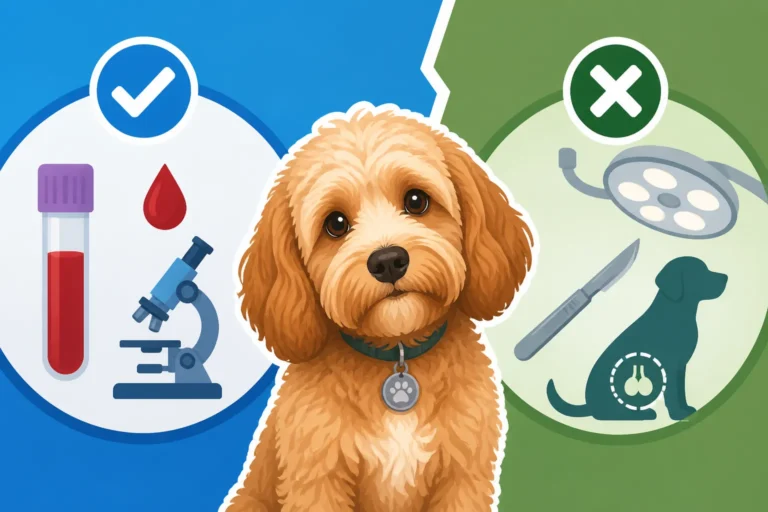
- "My vet says they're fine." A standard vet check does not include genetic testing. Blood work for kidney function might not show issues in a young carrier or even a mildly affected puppy. Only a DNA test can confirm FN status.
- "It's too expensive/too much hassle." This indicates a breeder prioritizes profit over puppy health. Responsible breeding requires investment.
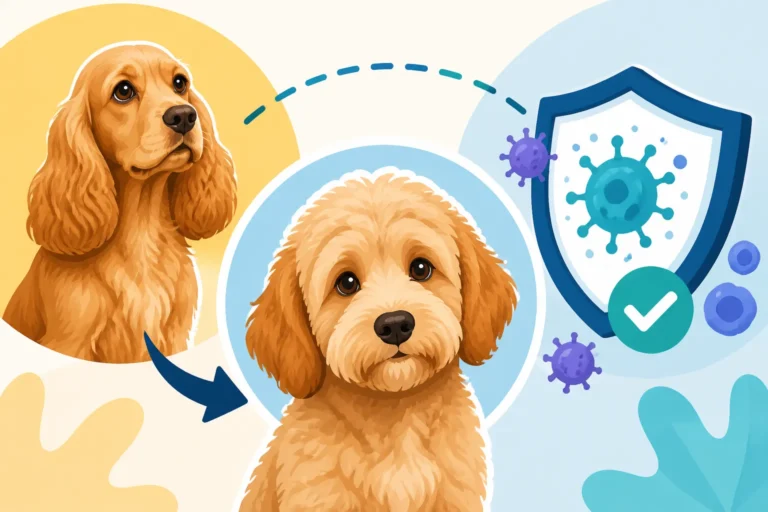
- "I only breed 'F1' Cockapoos, so they're healthier." While F1 crosses sometimes boast "hybrid vigor," this doesn't magically eliminate all inherited diseases. FN is a specific genetic mutation that can be passed down in any generation if parents aren't tested. An F1 Cockapoo Can Be Affected by FN if their Cocker parent is a carrier.
- "I don't know what FN is." This is perhaps the biggest red flag. A breeder who is unaware of such a serious and prevalent genetic condition in their parent breed (Cocker Spaniels) is simply not doing their due diligence.
If you encounter any of these responses, it’s a clear sign to walk away. The emotional investment you make in a puppy is huge, and choosing a puppy from untested parents is a gamble with potentially devastating consequences. The cost of dealing with a dog suffering from kidney failure far outweighs the "savings" you might get from a cheaper puppy from an irresponsible breeder.
The Long-Term Implications of Untested Parents
Choosing a puppy from parents who haven't been tested for FN carries a significant and often tragic risk. You could unknowingly bring home a puppy that will develop progressive, fatal kidney disease as a young adult. This means facing huge veterinary bills, the emotional agony of watching your beloved pet suffer, and ultimately, the heartache of losing them far too soon. For instance, treatment for an affected Cockapoo can be incredibly costly, involving special diets, medications, and frequent vet visits. While pet insurance can help mitigate some of these costs, it often doesn't cover pre-existing conditions or inherited diseases if the genetic testing wasn't done or provided prior to policy activation. Providers like Healthy Paws are excellent, but they, like others, have terms and conditions regarding inherited conditions that weren't disclosed or tested for. This highlights why that certificate is crucial.
If a puppy does become affected, you'll be asking yourself Whether an Affected Cockapoo Can Be Treated, and the answer is usually just management, not a cure. Imagine the stress of seeing The First Signs of Kidney Failure in a Cockapoo and realizing it was preventable. Beyond the emotional toll, the financial burden can be immense. While some insurance plans like Healthy Paws are comprehensive, the best protection is prevention through responsible breeding. You want to ensure that you have done everything possible to avoid such a heartbreaking scenario. Always prioritize health testing and responsible breeding over aesthetics or immediate availability. It truly is the most loving choice you can make for your future Cockapoo.
Disclaimer
The information provided in this article is for educational purposes only and should not be considered a substitute for professional veterinary advice. Always consult with a qualified veterinarian regarding your pet's health and medical conditions. Genetic testing results should be interpreted in conjunction with a veterinarian or a canine genetics expert.