What a Cockapoo Groom Costs by Coat Type
The boundless energy and charming personality of a Cockapoo are truly captivating, aren't they? But let's be honest, that gorgeous, fluffy coat, while undeniably adorable, often comes with a hefty price tag when it comes to grooming. If you've ever found yourself staring at your latest grooming bill with a mix of love and dread, or wondering why your furry friend's cousin, the Goldendoodle, seems to cost less at the salon, you're certainly not alone. This comprehensive guide is here to demystify those grooming costs, breaking down exactly what a Cockapoo groom costs by coat type, so you can plan your budget without sacrificing your pup's comfort or style.
The Genetic Blueprint: Understanding Your Cockapoo's Coat
Before we dive into the nitty-gritty of prices, it’s crucial to understand what makes your Cockapoo’s coat unique. Unlike many purebreds with predictable coat types, Cockapoos, being a hybrid, can inherit a wide array of textures and densities from their Cocker Spaniel and Poodle parents. This genetic lottery plays the biggest role in how much time, effort, and ultimately, money you'll spend on grooming.
The Furnishings Gene and Its Impact on Shedding
The distinctive "doodle look" – that adorable beard, mustache, and eyebrows – isn't just for show. It's dictated by a gene called RSPO2, often referred to as the "furnishings" gene. When a Cockapoo inherits two copies of this gene (FF) or even one copy (Ff), they'll have those characteristic facial furnishings and, crucially, a coat that tends to shed minimally. This is often what people are seeking when they opt for a Cockapoo, especially those with allergies.
However, a coat with furnishings, even if low-shedding, still grows continuously. This means it's constantly collecting debris, tangling, and matting if not properly maintained. If your Cockapoo lacks furnishings (often called an "improper coat" or "flat coat"), they will typically shed more, similar to a Cocker Spaniel, and might have a smoother, shorter facial hair, which can sometimes be easier to brush but still requires attention. Understanding your Cockapoo's genetic makeup, particularly concerning What the Curl Gene Does in a Cockapoo, can give you early clues about its future grooming needs.
For those with a furnished coat, the growing hair acts like Velcro, catching everything. Think about how human hair tangles; now imagine hair that never stops growing, combined with an active dog. This continuous growth, while great for allergy sufferers, means continuous grooming to prevent painful mats from forming close to the skin. It’s a trade-off: less shedding means more brushing.
Decoding Curl Type: Straight, Wavy, and Curly
Beyond furnishings, the type and tightness of your Cockapoo's curl significantly dictate grooming intensity. Cockapoos can exhibit three primary coat types, each with its own set of grooming challenges and corresponding costs. These curl patterns are also influenced by genetics, specifically the KRT71 gene, which determines the degree of curl.
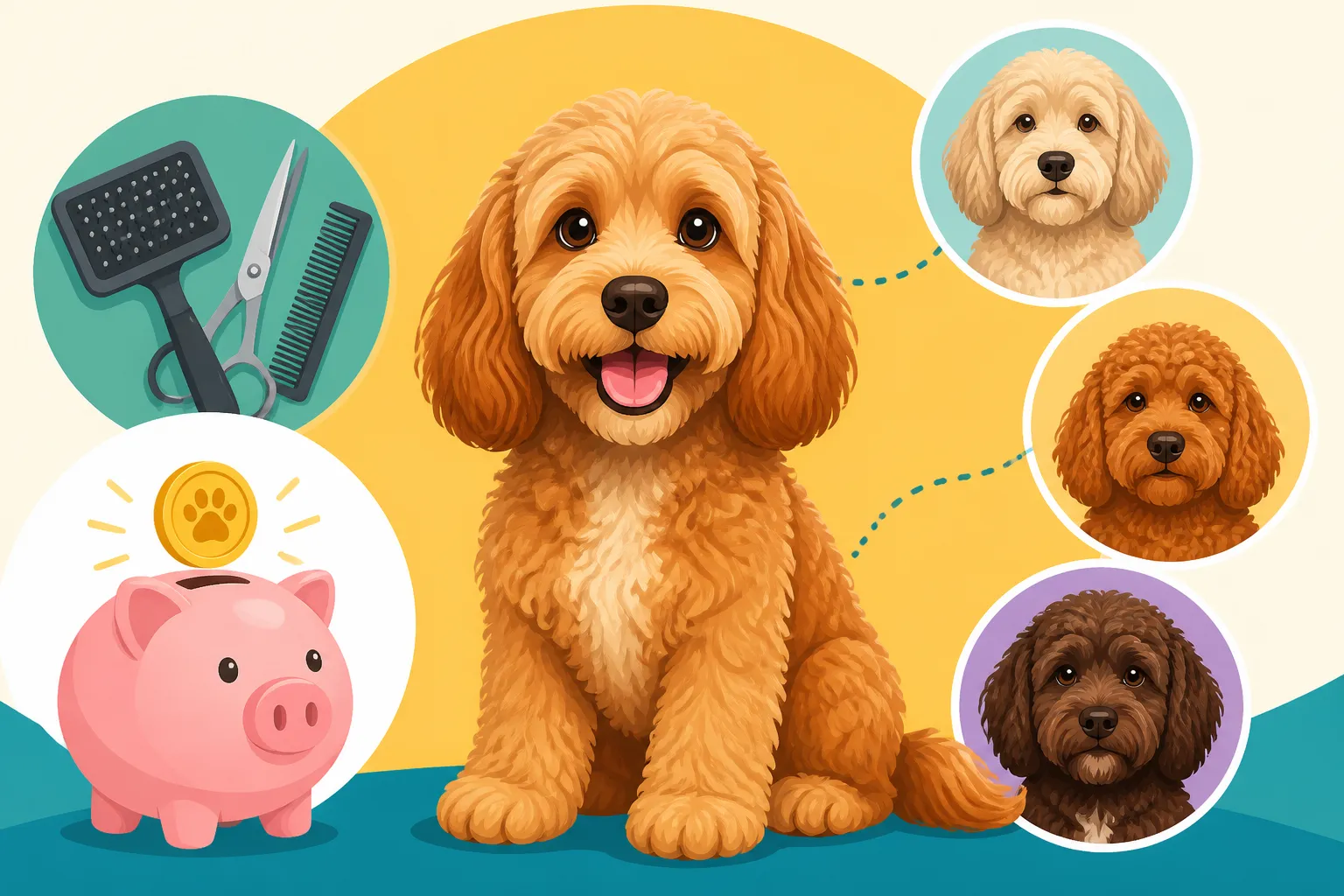
A straight coat, often resembling a purebred Cocker Spaniel more closely, tends to be the easiest to manage, but may shed more. The wavy coat, often referred to as the "fleece" coat, is perhaps the most common and sought-after, offering that classic teddy bear look with a soft, flowing wave. Then there's the curly coat, which leans heavily into the Poodle heritage, featuring tight, dense curls that are virtually non-shedding but incredibly prone to matting. Each of these textures requires a different approach to grooming, both at home and professionally. You can learn more about The Curl Gene and Where a Cockapoo's Coat Lands to understand your dog's specific genetic predispositions.
The more curl and density your Cockapoo has, the more challenging it becomes to maintain. Straight coats typically require less frequent brushing and professional intervention. Wavy coats demand regular, thorough brushing to prevent tangles from setting in. Curly coats, however, are a full-time commitment, often requiring daily brushing and very frequent professional grooming to prevent discomfort and health issues.
Navigating the Infamous "Coat Change" Period
If you're a new Cockapoo owner, prepare yourself for the "coat change" – a period that can ambush even the most prepared pet parents. Typically occurring between 6 to 18 months of age, this is when your puppy's soft, easy-to-manage puppy coat transitions into its denser, adult coat. It's often likened to a human teenager's awkward phase, but for their fur!
During this transition, the new adult hair begins to grow in alongside the shedding puppy coat. These two different textures intertwine, creating a perfect storm for matting. What might have been an easy 15-minute brush before can suddenly become an hour-long battle against dense knots that form almost overnight. Many owners find themselves in tears, and their dogs in discomfort, during this phase.
This period demands a significant increase in home grooming vigilance and often necessitates more frequent professional grooming appointments. Ignoring it will inevitably lead to painful mats that pull at the skin, making grooming a traumatic experience for your dog and potentially requiring a full shave-down by a professional groomer. It's a critical time when understanding The Coat Change That Ambushes a Cockapoo Owner at Ten Months becomes paramount to maintaining your dog's comfort and coat health. Be prepared to dedicate more time and potentially more money during these challenging months.
Straight-Coated Cockapoos: The Easiest on the Wallet (Relatively Speaking)
For those Cockapoo owners whose furry friends sport a straight coat, you've typically hit the jackpot in terms of lower grooming demands and costs. While no Cockapoo is truly "maintenance-free," the straight coat generally requires less intensive care compared to its wavy or curly counterparts.
Identifying the Straight Coat and Minimal Grooming Needs
A straight-coated Cockapoo often presents with hair that lies flat or has only a very slight wave. It might be soft and silky, much like a Cocker Spaniel's coat. These coats usually possess fewer furnishings, meaning they lack the pronounced beard and eyebrows commonly associated with the "doodle" look. The benefit here is that they are less prone to developing the dense, tight mats that can plague curlier coats.
While they may shed more than other Cockapoo coat types, this shedding is often manageable with regular brushing. The absence of tight curls means that dead hair can fall out more easily, rather than getting trapped and creating tangles. This translates directly into less frequent and less expensive trips to the professional groomer, and less time spent on daily brushing at home. It's a coat type that can still be stunning, offering a more classic canine aesthetic without the intensive upkeep of a true "doodle" coat.
The key to managing a straight coat is consistency, though not necessarily daily intensity. Regular brushing helps remove loose hair, prevents minor tangles, and distributes natural oils, keeping the coat shiny and healthy. Without the complex curl structure, the brush can glide through more easily, making grooming a quicker and more pleasant experience for both you and your dog.
DIY Grooming Essentials and Time Commitment for Straight Coats
Even with a straight coat, a basic home grooming kit is essential. You'll want a good quality slicker brush, a metal comb, nail clippers, ear cleaning solution, and dog-specific shampoo and conditioner. Investing in these tools upfront can save you a significant amount over your dog's lifetime, allowing you to handle routine maintenance yourself.
For a straight-coated Cockapoo, you're likely looking at a weekly brushing session of about 30-60 minutes, focusing on areas that might still tangle, like behind the ears, under the legs, and around the tail. Baths can be given as needed, typically every 4-8 weeks, depending on how quickly your dog gets dirty. How Many Minutes a Straight Coated Cockapoo Takes for these home sessions is generally much less than for their curlier siblings, making DIY grooming a more feasible and less daunting task.
The cost savings here are substantial. If you're comfortable handling basic trims around the paws or sanitary areas with blunt-nosed scissors, you can further extend the time between professional visits. This coat type is definitely the most forgiving for the novice home groomer, allowing for a good balance between maintaining a healthy coat and managing expenses.
Professional Grooming Expectations for Straight Coats
While home grooming can handle much of the maintenance for a straight-coated Cockapoo, professional grooms are still beneficial, if less frequent. A professional groomer can provide a thorough bath, blow-dry, and de-shedding treatment that your home equipment might not achieve. They also offer precise trims, nail clips, and ear cleaning, ensuring your dog looks its best and stays healthy.
For a straight-coated Cockapoo, you might find yourself booking a professional groom every 8-12 weeks. This schedule helps keep the coat tidy, prevents any minor matting that could develop, and ensures nails and ears are properly cared for. The average cost for a professional groom for a straight-coated Cockapoo typically ranges from $60 to $90, depending on your location, the dog's size, and any specific services requested.
This cost is usually at the lower end of the Cockapoo grooming spectrum. The groomer spends less time on dematting and intricate clipping, which keeps the price down. If you maintain regular brushing at home, your groomer will have an easier job, potentially leading to even quicker appointments and a happier dog.
Wavy-Coated Cockapoos: The Beloved Look, Moderate Effort & Cost
The wavy coat is arguably the most iconic and desired Cockapoo look, often referred to as the "fleece" or "teddy bear" coat. It strikes a beautiful balance between the Cocker Spaniel's softness and the Poodle's curl, resulting in those lovely loose waves. However, this popular look comes with a moderate commitment to grooming, both in terms of time and money.
Recognizing the Signature Wavy Look and Its Unique Challenges
A wavy-coated Cockapoo will typically have soft, flowing curls that aren't tight and springy like a Poodle's, nor entirely flat like a Cocker's. This coat is often what people envision when they think of a Cockapoo – cuddly, fluffy, and incredibly endearing. These coats usually have furnishings, contributing to the distinct "doodle" facial features and low-shedding quality.
The challenge with the wavy coat lies in its texture. While it doesn't mat as quickly or as densely as a tight curly coat, those waves provide ample opportunity for hairs to intertwine and tangle. If left unbrushed for even a few days, especially in high-friction areas like the armpits, behind the ears, and around the collar, mats can form rapidly. These mats, while not always as difficult to remove as those in a curly coat, can still be painful and time-consuming to address.
Owners of wavy-coated Cockapoos must be vigilant. The coat can look perfectly fine on the surface while tangles are brewing underneath, close to the skin. This stealthy matting is a common frustration, requiring a dedicated brushing technique to ensure thoroughness.
Daily Maintenance to Prevent Matting in Wavy Coats
To keep a wavy-coated Cockapoo looking its best and, more importantly, feeling comfortable, a consistent home grooming routine is non-negotiable. You'll need a high-quality slicker brush and a sturdy metal comb. The key technique is "line brushing," where you systematically brush small sections of the coat from the skin outwards, ensuring you get through all the layers and not just the top coat.
Expect to dedicate about 15-30 minutes every day or every other day to brushing, making sure to check all those mat-prone areas. How Many Minutes a Wavy Cockapoo Takes for this daily ritual can vary based on coat length and density, but consistency is far more important than intensity. Using a good detangling spray before brushing can make a world of difference, helping the brush glide through and minimizing static. You can find a wide range of these grooming tools and products, including specialized detangling sprays and conditioners, on sites like Chewy, making it easy to keep your grooming arsenal well-stocked.
Regular bathing every 3-4 weeks is also helpful, always ensuring you brush out any tangles before the bath. Water can tighten existing mats, making them even harder to remove post-bath. A good conditioner is crucial for wavy coats to keep the hair soft and manageable.
Professional Grooming Strategies for Wavy Coats
For wavy-coated Cockapoos, professional grooming becomes a more frequent necessity. While home care is vital, groomers possess the tools and expertise to give a thorough wash, blow-dry, and trim that’s hard to replicate at home. They can also spot and address minor skin issues or ear problems that might be missed during home grooming.
Most owners of wavy-coated Cockapoos find that professional grooms every 6-8 weeks strike the right balance. This schedule prevents mats from becoming severe, keeps the coat at a manageable length, and allows for regular nail trims and ear cleanings. A professional groomer will also be skilled in shaping the coat to maintain that desirable "teddy bear" look, which is often harder to achieve with DIY clipping.
The average cost for a wavy-coated Cockapoo groom typically falls between $75 and $110. This price reflects the increased time and effort required to thoroughly brush, dry, and clip a coat that is prone to tangling, especially compared to a straight coat. These prices are estimates, of course, and can vary widely based on where you live and the specific groomer. For a more detailed breakdown of What Each Cockapoo Coat Type Costs at the Groomer, checking local salon rates is always a good idea. Groomers are truly artists when it comes to shaping these popular coats!
Curly-Coated Cockapoos: The Poodle Influence, Max Grooming Investment
For those Cockapoo owners blessed with a dog sporting a tight, curly coat – think more Poodle than Cocker Spaniel – you're looking at the highest grooming commitment and, subsequently, the highest costs. This coat type, while often lauded for its minimal shedding, demands relentless attention to prevent discomfort and maintain health.
Dense Curls and the Constant Battle Against Matting
The curly-coated Cockapoo inherits its tight, dense curls directly from its Poodle lineage. These coats are typically non-shedding, which is excellent news for allergy sufferers, but it means that any dead hair gets trapped within the dense curls, creating a perfect environment for mats to form. These mats can quickly become painful, pulling at the skin and creating hot spots for skin infections if not addressed immediately.
Because of the extreme density and curl, this coat type acts like a magnet for debris – leaves, burrs, dirt, and even dust get woven into the curls. Moisture also exacerbates matting, tightening the curls and making tangles almost impossible to brush out once wet. Even seemingly innocuous activities like wearing a harness or rubbing against furniture can cause friction that leads to mats.
Owners often describe this coat as a beautiful but demanding beast. It requires an advanced level of dedication to home grooming, and any lapse in routine can lead to severe matting that only a professional can humanely resolve. This isn't a coat type for the faint of heart, or for those who prefer minimal daily maintenance.
The Non-Negotiable Daily Routine for Curly Coats
When you have a curly-coated Cockapoo, daily grooming isn't a suggestion; it's a necessity. You'll need an arsenal of tools: a sturdy slicker brush, a long-toothed metal comb that can reach the skin, and potentially a dematting comb or rake for any minor tangles. The technique of line brushing is absolutely critical, ensuring you're working through the entire depth of the coat, section by section, down to the skin.
Expect to spend at least 30-60 minutes daily on brushing, possibly more if your dog has a longer coat or is particularly active outdoors. This thoroughness is key to preventing mats from forming. Neglecting a curly coat for even a couple of days can lead to a tangled mess that will take hours to undo, if it can be undone at all without professional intervention. How Many Minutes a Curly Cockapoo Takes for this daily regimen can feel like a significant chunk of your day, but it's essential for your dog's well-being.
Bathing should also be more frequent, typically every 2-3 weeks, using a good quality moisturizing shampoo and conditioner to keep the curls soft and less prone to breakage. Always, always brush thoroughly before bathing, and blow-dry completely afterward, brushing as you go, to prevent mats from tightening. For further insights into managing this demanding coat, check out Why a Tight Curl Doubles a Cockapoo Owner's Week.
Professional Grooming Costs and Requirements for Curly Coats
Due to the intensive nature of their coats, curly-coated Cockapoos require the most frequent professional grooming appointments. These aren't just for aesthetics; they are crucial for health and comfort. Most owners find that booking their curly-coated Cockapoo for a professional groom every 4-6 weeks is necessary to keep mats at bay and maintain a healthy, manageable coat. Some may even go every 3 weeks, especially if they prefer a longer coat style.
The groomer's work involves a meticulous process of washing, drying, and often extensive brushing before any clipping can even begin. The dense curls take longer to dry completely and are more challenging to clip evenly. This increased time and effort are directly reflected in the cost.
The average cost for a professional groom for a curly-coated Cockapoo typically ranges from $90 to $150 or more, making it the highest grooming investment among the coat types. Factors like the dog's size, the length of the desired cut, and the presence of any matting will push this price higher. It's a significant financial commitment, but one that is absolutely necessary to prevent severe matting, which can lead to painful skin infections, restricted movement, and expensive veterinary visits.
Beyond Coat Type: Other Factors Influencing Grooming Expenses
While coat type is a primary determinant of grooming costs, it's far from the only one. Several other variables can significantly impact how much you'll pay at the groomer's salon. Understanding these additional factors will help you better predict and manage your Cockapoo's overall grooming budget.
Size, Temperament, and Geographical Location
First up, your Cockapoo's size matters, perhaps more than you think. A tiny Teacup Cockapoo requires less time and product than a Maxi Cockapoo, which can weigh upwards of 25-30 pounds. Groomers often price based on size categories, as bigger dogs take more time to bathe, dry, and clip, and require more grooming products. So, while all Cockapoos need attention, a larger one will naturally incur higher costs.
Temperament is another huge factor. A calm, cooperative Cockapoo that stands still for brushing, bathing, and clipping will always be less expensive to groom than a nervous, wiggly, or even aggressive dog. Groomers value well-behaved dogs because they make the process safer and more efficient. Dogs that require extra handling, breaks, or even a second groomer to assist may incur an additional "difficult dog" fee. These fees aren't meant to punish; they compensate the groomer for the increased time, patience, and potential risk involved.
Finally, where you live plays a significant role. Grooming prices can vary dramatically from one region to another, reflecting the local cost of living and demand for services. A groom in a bustling metropolitan area like New York City or Los Angeles will almost certainly cost more than the same service in a rural town. To get a sense of how location affects pricing, it's worth exploring Where in the Country Cockapoos Are Priced Highest to understand regional variations. Always call local salons for quotes specific to your area.
The Price of Neglect: Matting, Dematting, and Shave Downs
This is where grooming costs can really skyrocket. If your Cockapoo's coat becomes severely matted, it's not just an aesthetic issue; it's a health and comfort concern. Mats pull at the skin, can cause bruising, restrict blood flow, hide parasites, and even lead to skin infections due to trapped moisture. Professional groomers view matting as a serious issue, and addressing it requires specialized care and significantly more time.
Dematting is an arduous process that involves carefully separating and brushing out tangles. It's time-consuming, requires immense patience, and can be uncomfortable for the dog, even with the most skilled groomer. Consequently, groomers charge additional "dematting fees" on top of the regular groom price, often billed hourly. What a Groomer Charges by the Hour to Demat a Cockapoo can range from $1-$2 per minute, adding $60-$120+ to your bill if your dog needs an hour or more of dematting.
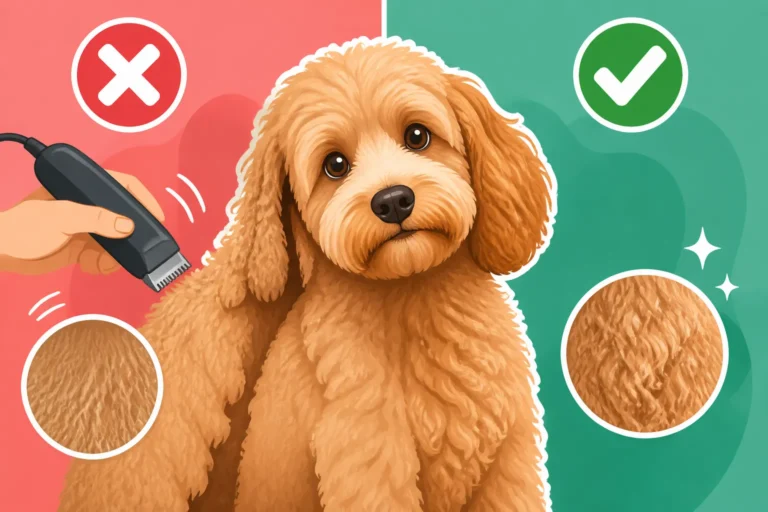
In severe cases, where the matting is extensive and tight to the skin, a groomer may recommend a full shave down. This is often the most humane option for a severely matted dog, as trying to brush out painful mats can be traumatic. While a shave down may seem drastic, it offers a fresh start for the coat and immediate relief for the dog. While it saves on dematting fees, some groomers might still charge extra for the dulling of blades or the extra care needed for a coat that is compromised. The best way to avoid these extra charges, and more importantly, your dog's discomfort, is consistent home grooming.
Special Services and Health-Related Grooming Needs
Many grooming salons offer a variety of add-on services that, while not always mandatory, can enhance your Cockapoo's comfort and appearance. These can include specialized shampoos (hypoallergenic, medicated for skin conditions), deep conditioning treatments, de-shedding services (more relevant for straight-coated Cockapoos), teeth brushing, anal gland expression, paw pad conditioning, or even nail grinding instead of clipping. Each of these services comes with an additional cost, usually ranging from $5 to $25 per service.
Beyond elective add-ons, sometimes health issues necessitate specific grooming interventions, which can add to your overall costs. For instance, chronic ear infections, a common issue for Cockapoos due to their floppy ears, might require specialized ear cleaning solutions or even medicated flushes as part of a vet-recommended grooming regimen. If you've ever wondered Whether a Cockapoo Needs Its Ears Cultured due to recurring infections, this might lead to additional vet costs that then inform specialized grooming. Similarly, if your Cockapoo has sensitive skin or allergies, a groomer might need to use specific, gentle products, which could be more expensive or require you to provide your own vet-prescribed shampoo.
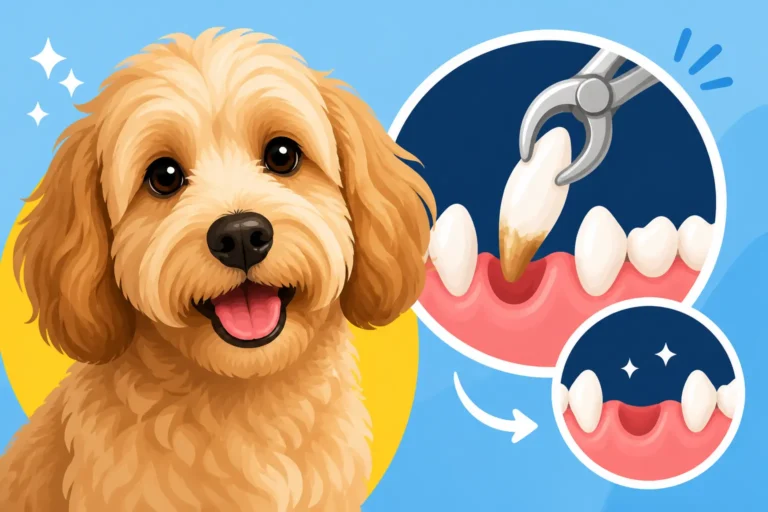
Dental care, while not directly part of a grooming appointment, is a crucial aspect of your Cockapoo's overall health and can incur significant costs. Small dogs like Cockapoos are particularly prone to Dental Crowding in a Small Cockapoo, which can lead to plaque buildup, gum disease, and eventual tooth loss. If neglected, you could face hundreds or even thousands of dollars in vet bills for What Scaling a Cockapoo's Crowded Teeth Costs or extractions. While some groomers offer "dental brushing" as an add-on, it's primarily cosmetic and doesn't replace professional veterinary dental cleanings.
The Financial Equation: DIY vs. Professional Grooming
When you bring a Cockapoo into your life, you're not just getting a furry companion; you're also signing up for their grooming needs. The big question for many owners is often whether to take on the challenge of grooming at home or to rely solely on professional groomers. Both options have their financial implications, and understanding them is key to making the best choice for your budget and your dog.
Initial Investment in Home Grooming Tools
If you decide to embark on the journey of home grooming, you’ll quickly realize there’s an initial investment involved in acquiring the right tools. This isn't just a pair of scissors and a cheap brush from the pet store. For any Cockapoo, you'll need a good quality slicker brush, a sturdy metal comb (preferably with both wide and fine teeth), a pair of sharp, blunt-nosed scissors for trimming around sensitive areas, nail clippers or a grinder, ear cleaning solution, and dog-specific shampoo and conditioner. For curlier coats, you might also need a dematting comb or rake.
A decent starter kit for home grooming can range anywhere from $50 to $200, depending on the brands and quality you choose. While this might seem like a significant upfront cost, it pales in comparison to the cumulative expense of frequent professional grooms over your dog's lifespan. For example, a quality pair of clippers for full body trims could cost $150-$300, but they can last for years. Investing in durable, effective tools not only makes home grooming easier but also protects your dog's coat and skin. Websites like Chewy offer a vast selection of professional-grade grooming supplies, often at competitive prices, making it easier to build your kit.
The long-term savings from this initial investment are substantial. If a professional groom costs, say, $80 every 6 weeks, that's over $690 a year. By handling some or all of the grooming yourself, your initial investment in tools can pay for itself within a few months, allowing you to reallocate those funds towards other pet expenses like quality food or vet care.
Time, Skill, and the Learning Curve of DIY Grooming
While home grooming undoubtedly saves money, it comes at the cost of your time and requires a significant learning curve. Grooming a Cockapoo, especially one with a wavy or curly coat, is an art and a science. It involves mastering specific techniques like line brushing, understanding coat growth patterns, safely using clippers and scissors, and managing a possibly squirming dog. This isn't a skill you acquire overnight.
Initially, grooming sessions might be long, frustrating, and not result in the perfectly coiffed look you envision. You might inadvertently give your dog an uneven trim, or worse, cause "clipper burn" or a nick if you're not careful. It takes patience, practice, and a willingness to learn. Many owners start with basic brushing and bathing, then gradually add nail trims, sanitary trims, and eventually attempt full body clips. There are numerous online tutorials, books, and even local workshops that can teach you the ropes.
For those considering this path, you must realistically assess your schedule and patience. A curly-coated Cockapoo might need 30-60 minutes of daily brushing, plus a few hours every few weeks for a full home groom. This time commitment is substantial. However, the bonding experience and the control you have over your dog's comfort can be incredibly rewarding. If you're serious about saving money, Whether Grooming a Cockapoo at Home Saves Money really depends on your commitment to consistently learning and doing the work yourself.
When Professional Grooming Becomes Indispensable
Despite the potential savings of DIY grooming, there are definitely times and situations where professional grooming becomes not just an option, but an indispensable necessity. The most obvious scenario is severe matting. If your Cockapoo's coat has become tightly matted close to the skin, attempting to brush it out yourself can be incredibly painful for your dog and potentially cause injury. Professional groomers have specialized tools, techniques, and the expertise to humanely address severe matting, often recommending a full shave down if it’s the kindest option.
Beyond matting, a professional groomer brings a level of skill and artistry that is difficult for most home groomers to replicate. If you desire a specific breed-standard cut or a perfectly symmetrical "teddy bear" trim, a professional will achieve it with precision. They also have industrial-grade equipment, like high-velocity dryers, that significantly reduce drying time and help straighten curly hair for a more even cut.
Furthermore, a professional groomer can be invaluable if your dog is particularly anxious or reactive to grooming. Their experience with different temperaments allows them to safely and calmly manage difficult dogs, minimizing stress for both the dog and owner. They can also often spot subtle health issues – like skin irritations, lumps, ear infections, or dental problems – that might be missed during a casual home grooming session, acting as an extra set of observant eyes for your dog's overall well-being.
Optimizing Your Cockapoo's Grooming Budget
Grooming is an ongoing expense, but it doesn't have to break the bank. By being proactive and strategic, you can keep your Cockapoo looking and feeling great without overspending. It's all about consistency, smart choices, and understanding the nuances of your dog's specific needs.
Maintaining Regularity to Extend Professional Grooming Intervals
The single most effective way to optimize your grooming budget is to be consistent with home maintenance. Think of it like dental hygiene: brushing your teeth daily means fewer expensive dentist visits. The same applies to your Cockapoo's coat. Regular, thorough brushing at home – even for just 15-20 minutes daily for curlier coats – prevents mats from forming and keeps the coat in good condition.
When your dog arrives at the groomer without mats, the groomer's job is quicker, easier, and therefore, often cheaper, as they don't have to charge for extensive dematting time. If you can keep the coat mat-free, you might be able to extend the time between full professional grooms by an extra week or two, which adds up significantly over a year. For example, moving from a 6-week schedule to an 8-week schedule for a wavy-coated Cockapoo means one less groom per year, saving you $75-$110. For a clearer picture of your overall annual outlay, consider calculating The Yearly Grooming Total on a Cockapoo based on your dog's coat type and your desired frequency.
Many salons also offer "mini-grooms" or "tidy-ups" which are less expensive than a full groom but help maintain areas that get messy quickly, like the face, paws, and sanitary area. These interim appointments can extend the life of a full groom and keep your dog comfortable.
Finding the Right Groomer and Asking the Right Questions
Finding a skilled, trustworthy groomer who understands Cockapoo coats is paramount. Don't just pick the cheapest option; an inexperienced groomer can cause discomfort, trauma, or even injury to your dog. Start by asking for recommendations from other Cockapoo owners in your area or from your veterinarian. Look for groomers who specialize in doodles or have extensive experience with Poodle-mix coats.
When you call or visit a potential groomer, don't hesitate to ask detailed questions:
- What is your experience with Cockapoos and their coat types?
- What is your standard pricing for my dog's size and coat type? Are there additional fees for dematting or difficult temperaments?
- What services are included in a full groom (e.g., bath, dry, cut, nails, ears, anal glands)?
- How do you handle nervous or anxious dogs?
- Can I see your facility? Is it clean and safe?
- Do you require proof of vaccinations?
Transparency in pricing is key. A good groomer will be upfront about their fees and explain any potential extra charges. Building a long-term relationship with a groomer who truly understands and cares for your Cockapoo is an investment that pays dividends in comfort and peace of mind.
Nutrition's Role in Coat Health and Overall Well-being
It might seem indirect, but your Cockapoo's diet plays a crucial role in the health and manageability of their coat. A dog fed a high-quality, nutritious diet will typically have a healthier, shinier coat and skin, which in turn makes grooming easier and potentially less frequent. Dry, brittle hair or oily, flaky skin can lead to more tangles, breakage, and even skin issues that complicate grooming.
Look for dog foods that list real meat as the first ingredient and contain beneficial fatty acids like Omega-3s and Omega-6s, which are vital for skin and coat health. Brands like Ollie, known for their fresh, human-grade dog food, emphasize ingredients that support overall health, including vibrant skin and a lustrous coat. A healthy coat is less prone to excessive shedding, dryness, or excessive oiliness, all of which can make brushing and professional grooming more challenging.
Furthermore, a well-nourished dog is a healthier dog, and good health can indirectly impact grooming costs. For instance, if your Cockapoo has chronic skin allergies that cause excessive itching and matting, leading to frequent medicated baths or vet visits, a good diet might help manage the symptoms. In such cases, having pet insurance from providers like Healthy Paws might help cover the veterinary costs associated with these underlying health conditions, including vet-recommended medicated baths, reducing the overall financial burden of health-related grooming. By investing in your dog's nutrition, you're not just supporting their internal health, but also making your grooming routine more effective and potentially less costly in the long run.
Comparative Grooming Costs by Coat Type: A Snapshot
To help visualize the differences in grooming expenses, here's a table summarizing estimated costs and time commitments for each Cockapoo coat type. Please remember, these are average estimates, and actual prices can vary based on location, groomer experience, dog size, and individual coat condition.
| Coat Type | Home Grooming (Weekly Time) | Pro Grooming Frequency | Estimated Pro Groom Cost (US Avg) | Key Grooming Challenges |
|---|---|---|---|---|
| Straight Coat | 1-2 hours | Every 8-12 weeks | $60 – $90 | Seasonal shedding, minor tangles |
| Wavy Coat | 2-4 hours (every 1-2 days) | Every 6-8 weeks | $75 – $110 | Moderate matting, subtle tangles |
| Curly Coat | 4-7 hours (daily) | Every 4-6 weeks | $90 – $150+ | Severe matting, high density, rapid tangling |
This table clearly illustrates that as the curl and density of your Cockapoo's coat increase, so too do the time commitment for home grooming and the frequency and cost of professional services. Being prepared for these demands is the first step towards a happy, well-groomed Cockapoo.
Disclaimer
The information provided in this guide is for general informational purposes only and does not constitute professional veterinary or grooming advice. Always consult with a qualified veterinarian for any health concerns or a professional groomer for personalized grooming recommendations tailored to your specific Cockapoo. Prices are estimates and can vary significantly based on location, individual groomer, and specific services rendered.