Whether a Coat DNA Test Is Worth the Money
Ah, the Cockapoo coat! It's one of the most delightful, yet often baffling, aspects of owning these wonderful dogs. Many of us fall in love with their fluffy, Teddy bear appearance, only to find ourselves scratching our heads (and sometimes our carpets) wondering if our particular pup is going to be low-shedding, matted, or something entirely different. This guide is here to explore whether a coat DNA test is a worthwhile investment for understanding and managing your Cockapoo's unique locks.
Unraveling the Mystery of the Cockapoo Coat
Let's face it, the promise of a low-shedding, hypoallergenic dog is a huge draw for many Cockapoo hopefuls. We dream of that perfect, non-shedding companion that won't leave a trail of fur across our dark furniture. But then reality hits, and sometimes our sweet, innocent-looking puppy starts to shed, or their coat becomes a matting nightmare. It can be incredibly frustrating when you've done your research, thought you knew what you were getting, and then find yourself constantly battling tangles or sweeping up hair.
The Frustration of the Unpredictable Coat
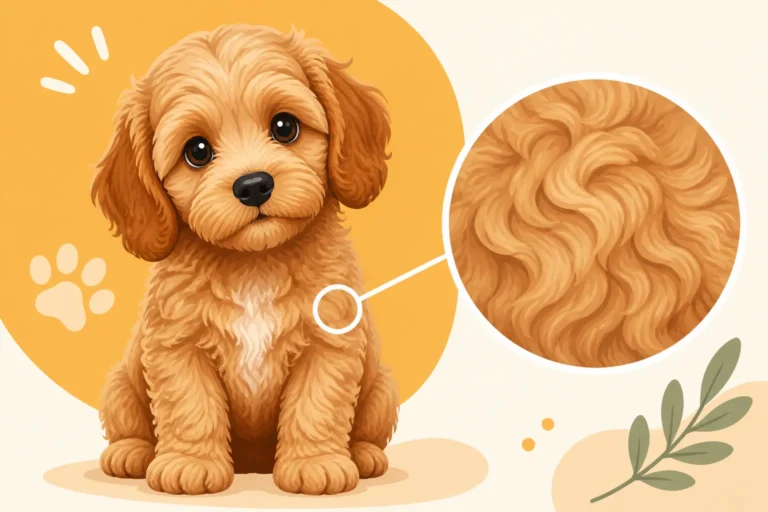
It's a common story. You bring home your adorable Cockapoo puppy, all soft and fluffy, and for the first few months, life is blissfully shedding-free. Then, around that 6 to 10-month mark, something shifts. That soft puppy coat starts to change, becoming denser, wavier, or even quite coarse. Suddenly, brushing becomes a daily chore, and mats appear as if by magic, seemingly overnight. You might find yourself asking, "Is this normal? Is my dog actually shedding? Did I get the wrong coat type?" This period, often called the "coat change," can be a real shock for new owners who weren't prepared for the intensity of the grooming commitment. The truth is, the Cockapoo's coat can be incredibly diverse, ranging from nearly straight and shedding to tightly curled and requiring extensive maintenance. There's a wide spectrum, and predicting exactly where your puppy will land can feel like a roll of the dice without more information.
What a Coat DNA Test Aims to Reveal
This is where coat DNA tests come into play. Instead of guessing or waiting for the "coat change" to reveal all, a DNA test looks at the specific genetic markers your Cockapoo carries for various coat traits. Think of it as a peek behind the curtain, giving you scientific insight into what kind of hair your dog is genetically programmed to grow. These tests typically focus on a few key areas: furnishings, curl, and shedding. By understanding the genetic blueprint, you can gain a much clearer picture of your dog's likely adult coat, its maintenance needs, and its potential for shedding. This proactive approach can alleviate a lot of anxiety and help you prepare much more effectively for the grooming journey ahead. It's about taking some of the guesswork out of an otherwise unpredictable aspect of Cockapoo ownership.
Decoding the Key Coat Genes for Your Cockapoo
The Cockapoo's coat is a fascinating blend of its Cocker Spaniel and Poodle heritage, and understanding the specific genes involved can really illuminate why your dog looks and feels the way it does. These aren't just abstract scientific terms; they directly impact your daily life with your furry friend.
Furnishings: The Secret to the Doodle Look
Perhaps the most talked-about gene in the "doodle" world is the one responsible for "furnishings," often referred to as the RSPO2 gene. What exactly are furnishings? They're the longer hair on a dog's face – the distinctive beard, mustache, and eyebrows that give many Cockapoos and other doodles that adorable, perpetually puppy-like expression. More importantly, this gene is strongly linked to the low-shedding trait.
Dogs typically carry two copies of each gene. For furnishings, your Cockapoo could have:
- F/F (Furnished/Furnished): This means your dog has two copies of the furnishings gene. They will have a prominent beard and are very likely to be low-shedding. This is often the desired outcome for those seeking an allergy-friendly dog. Whether a Furnished Cockapoo Suits an Allergic Home
- F/IC (Furnished/Improper Coat): Your dog has one copy of the furnishings gene and one copy of the "improper coat" gene. They will still express furnishings (the beard and eyebrows), but they are carriers of the improper coat gene. This means if bred to another carrier, they could produce puppies with improper coats.
- IC/IC (Improper Coat/Improper Coat): Your dog has two copies of the "improper coat" gene. This means they will not have furnishings – no beard, no distinct eyebrows. Instead, their face will look more like a traditional Cocker Spaniel or Poodle (depending on which parent's facial hair they lean towards), and critically, they are much more likely to shed significantly. This can be a real surprise for owners expecting a "doodle" coat. What an Improper Coated Cockapoo Looks Like Knowing What RSPO2 Testing Tells a Cockapoo Breeder can prevent these surprises in a litter. It really highlights Whether a Cockapoo Needs Furnishings to Be Low Shedding if shedding is your primary concern.
Curl and Shedding: Beyond Just Wavy or Curly
Beyond furnishings, the KRT71 gene plays a major role in determining the texture of your Cockapoo's coat, specifically how curly it is. This is crucial for grooming because curl dictates how prone your dog will be to matting and how much time you'll spend brushing.
Here's a simplified look at the curl gene possibilities:
- C/C (Curly/Curly): Your Cockapoo has two copies of the curl gene, resulting in a tight, often dense curl similar to a Poodle. While beautiful, this coat type is a magnet for mats and requires diligent, daily grooming to keep it free of tangles. You'll spend How Many Minutes a Curly Cockapoo Takes!
- C/T (Curly/Straight): Your dog has one copy of the curl gene and one copy of the straight hair gene. This typically produces the lovely, loose waves often associated with the "classic" Cockapoo look. This coat is still prone to matting, but generally less intensely than a tightly curled coat. You can learn more about What KRT71 Says About a Cockapoo's Curl.
- T/T (Straight/Straight): Your Cockapoo has two copies of the straight hair gene. Their coat will be straighter, more like a Cocker Spaniel's, and may have minimal wave. While less prone to matting, these coats are usually higher shedding.
When you combine these curl genes with the furnishings gene, you start to see the vast array of Cockapoo coat types. A furnished dog with a straight coat might still shed very little but have a wavy, easy-to-manage beard. A dog with a tight curl and no furnishings (IC/IC) would be an anomaly in the doodle world, likely still low-shedding if the RSPO2 is at least F/IC, but with a Poodle-like curl and a smooth face. It's truly a complex puzzle, and The Curl Gene and Where a Cockapoo's Coat Lands is a major piece of it.
Practical Value of Coat DNA Testing for Owners and Breeders
So, you've learned a bit about the science behind the Cockapoo coat. But what does all this genetic information actually mean for you, the owner, or for someone considering getting a Cockapoo? The real value lies in its practical application, allowing for more informed decisions and better preparation.
Making Informed Decisions Before Bringing a Puppy Home
For prospective Cockapoo owners, a coat DNA test can be an incredibly powerful tool. Imagine you or a family member has allergies, and you're specifically seeking a low-shedding dog. Relying solely on a breeder's word or a puppy's initial fluffy appearance can be risky. A breeder who tests their parent dogs, or even the puppies themselves, can provide you with a coat DNA report that clearly shows the genetic makeup for furnishings and curl. This report, like What a Cockapoo Coat Panel Actually Reports, can confirm whether a particular puppy is F/F (fully furnished, lowest shedding potential) and give you an idea of their curl type.
This isn't just about allergies, though. It's also about managing expectations. If you're hoping for that iconic "Teddy bear" look, you want a furnished dog. If a breeder shows you results indicating an IC/IC puppy, you'll know that puppy will have a smoother face and likely shed more, allowing you to make a choice that fits your preferences. This transparency means you're not gambling on the future appearance and maintenance of your dog, which can be a huge relief. Think of it as having a crystal ball for your puppy's fur future, helping you Reading a Cockapoo Coat Report Before You Choose with confidence. It also helps in Picking the Puppy in a Cockapoo Litter That Will Shed Least.
Managing Grooming Expectations and Routines
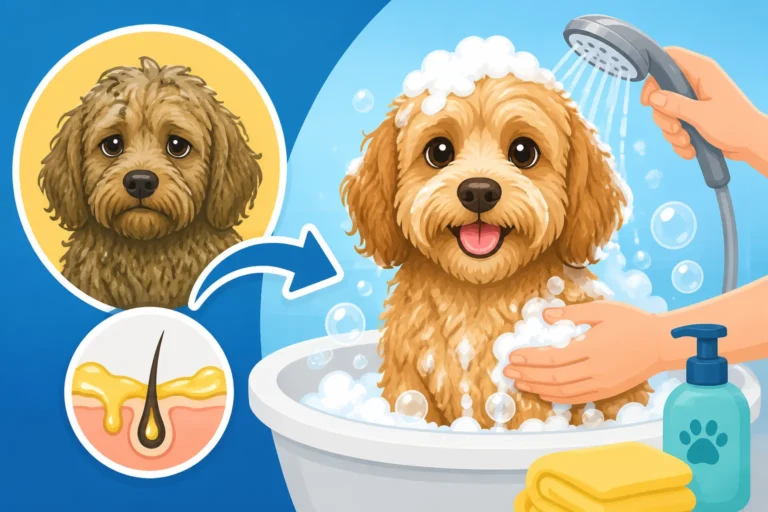
For those who already own a Cockapoo, especially one whose coat has proven to be a challenge, a DNA test can provide much-needed answers and help you refine your grooming strategy. Have you been constantly battling mats despite regular brushing? A DNA test might reveal your dog has a tight curl genotype (C/C), explaining the matting nightmare. Knowing this, you can adjust your routine, perhaps investing in more specialized tools or scheduling more frequent professional grooming. You might even discover that you need to be line brushing daily to get to the root of the mats, especially in those dense curly areas.
Conversely, if your Cockapoo sheds more than you anticipated, a test showing an IC/IC genotype (improper coat) will explain why. This knowledge helps you let go of the "non-shedding" expectation and focus on managing the shedding with appropriate brushes and cleaning routines. No more wondering "what am I doing wrong?" Instead, you understand your dog's genetics and can work with their coat, rather than constantly fighting it. For example, if you find your dog is prone to a particularly dense and mat-prone coat, understanding its genetic makeup can guide your purchases. You might look for specialized detangling sprays and brushes from retailers like Amazon or Chewy, specifically designed for curly or dense coats, rather than generic grooming tools. The Three Cockapoo Coat Types and Their Upkeep vary wildly, and genetic insight clarifies which type you have. This also prepares you for The Coat Change That Ambushes a Cockapoo Owner at Ten Months.
The Investment: Is a Coat DNA Test Worth It for You?
When it comes to any specialized test for your pet, the question of "Is it worth the money?" naturally arises. Coat DNA tests for Cockapoos are no different. They come with a price tag, and it's important to weigh that cost against the potential benefits for your specific situation.
Weighing the Costs Against the Benefits
Let's talk about the cost of a coat DNA test. These tests typically fall within a certain price range, often comparable to a single vet visit or a couple of professional grooming sessions. However, the value derived from that investment can be substantial, depending on your priorities and circumstances.
Consider these scenarios:
| Scenario | Potential Benefits of DNA Test | Is it Worth the Money? |
|---|---|---|
| Prospective Owner (Allergy Sufferer) | Confidence in selecting a truly low-shedding puppy; avoidance of allergic reactions and potential rehoming. | High: Small upfront cost compared to long-term health issues or rehoming fees. |
| Prospective Owner (Grooming Conscious) | Knowing the expected grooming needs (daily vs. weekly brushing, professional frequency) allows for better preparation and budget planning. | Moderate to High: Prevents unexpected grooming expenses and frustration; helps choose a dog that fits lifestyle. |
| Current Owner (Coat Challenges) | Understanding why your dog's coat behaves the way it does; allows for targeted grooming strategies and tool purchases. | Moderate: Provides answers and reduces ongoing frustration; may save money on ineffective products. |
| Breeder | Ensures responsible breeding practices; can guarantee certain coat types to buyers; improves breed integrity. | Very High: Essential for reputation, ethical breeding, and meeting buyer expectations. |
| Owner with No Specific Concerns | General curiosity; confirmation of expected traits. | Low: Less critical if you're happy with your dog's coat regardless of its genetic makeup. |
For many, the peace of mind and the ability to proactively manage their Cockapoo's coat can easily outweigh the initial expense. Think about the recurring costs of professional de-matting at the groomer, which can add up quickly if your dog has a genetically challenging coat. Or the emotional toll of dealing with allergies that flare up because your supposedly "non-shedding" dog actually sheds due to an improper coat gene. Investing in a test can potentially save you more money and stress down the line. You might decide to invest in high-quality, targeted grooming products from Chewy or Amazon once you know your dog's specific coat type, rather than trying a generic range of products that may or may not work. You might also explore specialized diets, like those offered by Ollie, which some owners believe can support coat health, especially if their dog's genetic coat type is particularly demanding.
When It's Probably Not Worth It (and When It Is)
A coat DNA test isn't a universal must-have for every Cockapoo owner. For someone who isn't particularly bothered by shedding, enjoys the grooming process, or simply loves their dog regardless of its coat type, the test might just be an interesting piece of trivia rather than a vital tool. If you have no known allergies, and you're prepared for whatever grooming demands your Cockapoo's coat throws your way, then you might decide to skip the test and put that money towards a fancy new collar or some extra treats.
However, if you fall into one of the "high value" scenarios outlined in the table above, the test is absolutely worth considering. If allergies are a concern, if you have specific grooming expectations, or if you're a breeder committed to producing predictable and healthy puppies, a coat DNA test provides invaluable, actionable information. It shifts the narrative from hoping for the best to knowing what to expect, empowering you to make the most informed choices for your Cockapoo's care and well-being. Ultimately, the decision comes down to your individual needs, expectations, and how much value you place on definitive genetic insight into your dog's coat.
Disclaimer
This article is for general informational purposes only and does not constitute professional advice. Laws, prices and regulations vary by location and change over time. Consult a qualified professional for guidance on your specific situation.