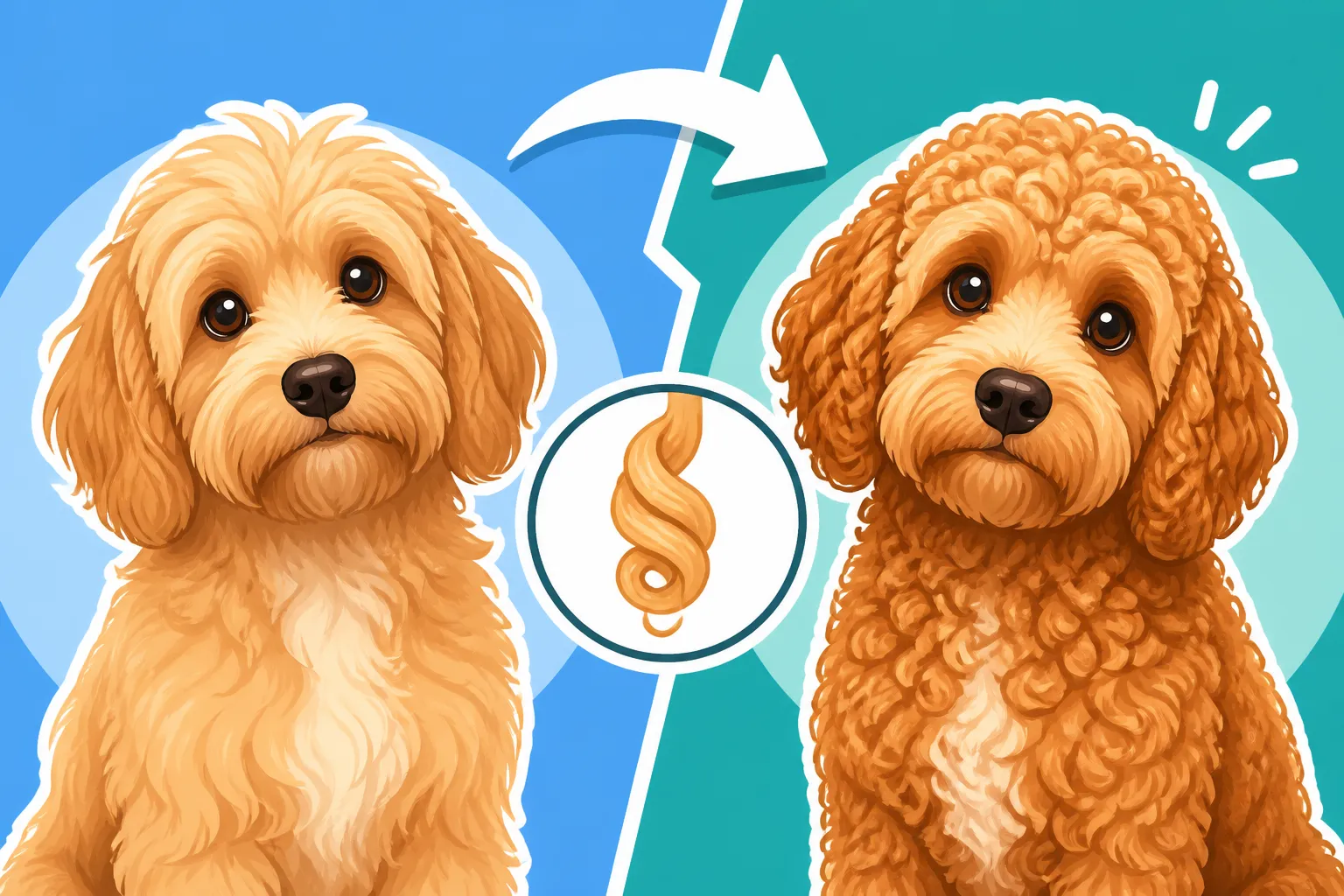
Whether a Cockapoo’s Curl Tightens After Two
One of the most common worries for Cockapoo owners, especially as their beloved furry friend transitions from puppyhood to adulthood, revolves around that magnificent, often unpredictable coat. You’ve probably heard stories or seen pictures of Cockapoos with impossibly tight, curly locks, and if your pup's coat is still relatively wavy or loose past its first birthday, you might start to wonder, "Will my Cockapoo's curl truly tighten after two years of age?" It’s a completely valid question, born from the unique genetic lottery that makes each Cockapoo's coat a beautiful surprise. This guide is here to unravel the mysteries of the maturing Cockapoo coat and help you understand what to expect, and what's largely a myth, regarding those delightful curls.
Understanding Cockapoo Coat Development
The journey of a Cockapoo's coat is rarely linear. It's a fascinating mix of genetics from both the Poodle and the Cocker Spaniel parents, and it often goes through several transformations before settling into its final adult state. Understanding these early stages can set realistic expectations for what comes later.
The "Puppy Uglies" and the First Coat Change
Ah, the "puppy uglies" – a term that, while not particularly flattering, perfectly describes the sometimes awkward phase your Cockapoo goes through as their baby coat gives way to their adult one. This typically starts around 6-10 months of age, but can vary greatly from one pup to another. During this time, you might notice the texture of your Cockapoo’s fur changing dramatically. What was once soft, fluffy puppy hair might become denser, coarser, or start to develop more waves or curls. It’s also the period when the infamous matting battles often begin, as the new adult coat pushes through and intertwines with the shedding puppy fluff.
Many owners are caught off guard by this transition. One day you have a soft, easy-to-manage puppy coat, and the next, it feels like a tangled mess just waiting to happen. This isn't just about shedding; it's a complete change in hair structure. The diameter of the hair shafts can change, and the way the hair grows from the follicle can become more angled, contributing to the development of curl. This initial coat change is arguably the most significant your Cockapoo will experience, laying the groundwork for their adult coat. If you’re navigating this tricky period, you might find solace in our guide on A Cockapoo's Coat Through the Ten Month Change.
Genetic Factors Influencing Curl
The curl in your Cockapoo's coat is primarily dictated by genetics, specifically genes inherited from its Poodle parent. The main gene responsible for curl is KRT71, and depending on whether your Cockapoo inherits one or two copies of the dominant curly allele, their coat will exhibit different levels of curl. A Cockapoo with two copies (KRT71/KRT71) is likely to have a very tight, curly coat, while one with only one copy (KRT71/krt71) will often have a wavier, looser curl. The Cocker Spaniel parent typically contributes a straighter or wavy coat gene, tempering the Poodle's strong curl.
Beyond curl, there's also the "furnishings" gene (RSPO2), which gives Cockapoos their distinctive facial hair – the beard, mustache, and eyebrows – and is crucial for their low-shedding qualities. A furnished Cockapoo will often appear curlier due to the volume and texture of this hair, even if the body coat itself is wavy. This combination of genes determines the overall coat type – straight, wavy, or curly – and largely sets its characteristics for life. This is why a breeder’s Cockapoo coat report can be so insightful!
The Maturing Coat from One to Two Years
After the initial "puppy uglies" phase, usually by around 12-18 months, your Cockapoo's coat generally starts to settle. This doesn't mean it's entirely static, but the dramatic shifts seen in early puppyhood usually subside. During this period, the coat often fills out, gaining density and volume. The texture might refine further, becoming softer or silkier, or conversely, a bit coarser, depending on the individual dog's genetics.
For many Cockapoo owners, this is when they truly start to see the character of their dog's adult coat emerge. The waves become more defined, or the curls might become more pronounced. However, it's important to differentiate between the coat filling out and looking denser, and the actual tightening of the individual hair strands' curl. While the coat can certainly appear more substantial and defined, a fundamental change in the genetic expression of curl – meaning, individual hairs suddenly becoming much curlier than before – is less common after this initial maturation. This is usually when owners begin to establish a regular grooming routine, which is vital for managing the developing adult coat. You might notice that A Cockapoo's Coat at Eighteen Months often presents a fuller picture of its adult appearance.
Does the Curl Tighten Post-Two Years?
This is the million-dollar question for many Cockapoo owners! You've likely made it through the "puppy uglies," your dog is past their first birthday, maybe even approaching two, and you're still hoping for those ringlets you envisioned.
The General Expectation vs. Reality
In reality, once a Cockapoo's coat has passed the primary coat change phase (typically by 18-24 months), and especially after two years of age, significant tightening of the curl on a fundamental, genetic level is uncommon. The coat you largely see at two years old is generally the coat you'll have for the remainder of your dog's adult life.
Think of it like human hair: once your hair type is established in adulthood, it doesn't suddenly become much curlier or straighter on its own. While the coat may continue to gain a little more density or length, leading to a fuller appearance, the actual tightness of the curl in each hair strand is pretty much set. If your Cockapoo has a wavy coat at two, it's highly likely to remain a wavy coat. If it's already curly, it will likely stay curly. Breeders generally understand that by the time a Cockapoo is approaching two years, its coat characteristics are quite well-defined.
Factors That Might Influence Curl Appearance (But Not Actual Tightening)
While the genetic curl won't fundamentally change, several factors can influence the appearance of your Cockapoo's curl, making it seem either more or less defined.
- Grooming Routine and Products: This is a big one! How you brush, bathe, and dry your Cockapoo can dramatically impact how curly or wavy their coat appears. Using curl-enhancing shampoos and conditioners, allowing the coat to air dry naturally, or even certain brushing techniques can make the natural curl more pronounced. Conversely, aggressive blow-drying and brushing can pull out waves, making the coat appear straighter. Regular grooming is essential, and understanding Line Brushing a Cockapoo and Why the Top Coat Lies can make a huge difference in maintaining their coat's health and appearance.
- Humidity and Weather: Just like human hair, a Cockapoo's coat can react to environmental humidity. In damp or humid conditions, curls might spring up more readily and appear tighter. In very dry conditions, the coat might lie flatter. This is a temporary effect, of course, but it can contribute to the perception of change.
- Coat Length: A longer coat often allows curls and waves to form more distinctly due to the added weight and length. If your Cockapoo typically wears a short "puppy cut" or "teddy bear clip," growing out the coat a bit might reveal more of its natural curl pattern. Shorter hair tends to reduce the appearance of curl.
- Underlying Skin or Coat Health: A healthy coat with good moisture balance will often present its natural texture best. Dry, damaged, or unhealthy coats might appear dull, flat, or even frizzy rather than nicely curled. Ensuring your Cockapoo has a balanced diet and addressing any skin issues can contribute to optimal coat health. Whether a Cockapoo's Coat Sits Greasy or Dry can be a sign of underlying issues affecting coat presentation.
Why You Might Perceive a Tighter Curl
It's entirely possible for owners to perceive their Cockapoo's curl as tightening after two years, even if no fundamental genetic change is occurring. This often comes down to a few reasons:
- Increased Density: As a Cockapoo fully matures, its coat often becomes denser and thicker. More hair strands packed together can give the overall impression of a fuller, more substantial, and thus curlier coat, even if the individual curl pattern hasn't changed. The increased volume can enhance the existing waves or curls.
- Improved Grooming: As owners become more experienced with their dog's specific coat type, they often refine their grooming techniques. Learning which brushes work best, how often to bathe, and which products enhance natural texture can lead to a coat that looks its absolute best, with curls more prominently displayed than before. Perhaps you’ve learned The Comb That Finds Mats a Slicker Misses and are now tackling tangles more effectively, which allows the curl to truly shine.
- Maturity and Settling: Just as dogs settle into their personalities, their physical attributes, including their coat, often find their most stable state in adulthood. The wild, unpredictable nature of the puppy coat gives way to a more consistent adult texture. This consistency, combined with density and length, can lead to the perception of a more 'set' or 'tightened' curl pattern.
Managing a Mature Cockapoo Coat
Regardless of whether your Cockapoo's curl tightens or stays wonderfully wavy, managing their mature coat is a continuous effort that directly impacts its health and appearance.
Grooming Strategies for a Settled Coat
Once your Cockapoo's coat has matured, you'll want to establish a consistent grooming routine tailored to its specific texture.
- Regular Brushing: This is paramount for any Cockapoo, but especially those with wavy or curly coats. Aim for daily brushing, or at least every other day, to prevent mats and tangles. A good slicker brush followed by a metal comb is usually the winning combination. Focus on areas prone to matting, like behind the ears, armpits, and under the tail.
- Appropriate Bathing: The frequency of bathing depends on your dog's activity level and coat type. Generally, every 3-4 weeks is sufficient, using a high-quality dog shampoo and conditioner. Be sure to rinse thoroughly to avoid skin irritation. If your Cockapoo has particularly oily skin, you might need specific products. You might be interested in whether Bathing a Cockapoo Whose Skin Is Greasy requires a special approach.
- Professional Grooming: Even if you do a lot of at-home grooming, regular trips to a professional groomer are crucial. They can trim the coat to a manageable length, especially around the face, paws, and sanitary areas, and deal with any challenging mats you might miss. Discussing your desired look – whether it’s a short "puppy cut" or a slightly longer "teddy bear clip" – will help them tailor their services. Ask them What a Teddy Bear Clip Looks Like on a Cockapoo if you're unsure.
| Coat Type | Expected Curl Tightness After Two Years | Grooming Frequency (Brushing) | Professional Grooming Interval | Common Perceptions vs. Reality |
|---|---|---|---|---|
| Straight/Flat | Unlikely to tighten significantly | 2-3 times per week | Every 6-8 weeks | Often perceived as "shedding more," but less prone to matting. |
| Wavy | Will likely remain wavy; may appear denser | 3-4 times per week | Every 4-6 weeks | Often hoped to tighten to curly, but usually settles as a beautiful wave. Can still mat! |
| Curly | Will likely remain curly | Daily | Every 4-6 weeks | Might appear to tighten due to increased density, but individual curl pattern is stable. Prone to severe matting if neglected. |
Nutritional Support for Coat Health
A healthy coat truly starts from within. The food you provide plays a significant role in the luster, strength, and overall condition of your Cockapoo's fur.
- High-Quality Diet: Choose a dog food with high-quality protein sources as the primary ingredient. Look for formulas that include essential fatty acids like Omega-3 and Omega-6, often found in ingredients like fish oil, flaxseed, and chicken fat. These fatty acids are crucial for skin and coat health, contributing to shine and reducing dryness. Brands like Chewy often offer a wide selection of premium dog foods that prioritize these ingredients.
- Supplements: Some owners find success adding specific supplements to their dog's diet, especially if their coat seems dull or dry. Fish oil supplements, rich in EPA and DHA, can greatly improve coat quality and reduce skin issues. Biotin is another popular supplement known for its benefits to hair and nail health. Always consult your vet before introducing any new supplements.
- Hydration: Don't underestimate the power of fresh water! Proper hydration is vital for every bodily function, including skin and coat health. Ensure your Cockapoo always has access to clean, fresh water.
If you're considering a fresh food diet, keep in mind Whether Fresh Food Is Affordable at Cockapoo Portions and research carefully.
When to Consult a Professional Groomer or Vet
Sometimes, what appears to be a coat issue might be something more. Don't hesitate to seek professional advice if you notice persistent problems.
- Excessive Matting: If, despite regular grooming, your Cockapoo is constantly getting severely matted, it might be time to re-evaluate your tools, techniques, or seek advice from an experienced groomer. They can offer hands-on demonstrations and suggest the best clip for your dog’s lifestyle and coat type. Sometimes, a very short clip is the kindest option for a severely matted dog, even if it feels drastic. Whether a Matted Cockapoo Has to Be Shaved explores this difficult decision.
- Skin Irritation or Changes: Redness, scratching, flaky skin, or an unusual odor from the coat can indicate underlying skin conditions, allergies, or infections. These need veterinary attention, as they can severely impact coat health. For example, Whether a Cockapoo Itches From the Cocker Side can be a clue to potential allergic reactions.
- Sudden Coat Changes: While subtle changes are normal with age, a sudden, drastic change in coat texture, excessive shedding, or hair loss could be a symptom of a health issue like a thyroid problem or other systemic illness. Your veterinarian can perform tests to rule out any medical causes.
The journey with your Cockapoo's coat is an ongoing adventure, but generally, by the time they reach two years of age, you'll have a very good idea of their permanent curl pattern. Focus on consistent, loving care, and your Cockapoo will always have a beautiful coat, no matter its curl.
Disclaimer
This article is for general informational purposes only and does not constitute professional advice. Laws, prices and regulations vary by location and change over time. Consult a qualified professional for guidance on your specific situation.