Whether a Cockapoo Still Hunts Cover
It’s a common scenario for Cockapoo owners: you’re out on a walk, enjoying the fresh air, and suddenly your sweet, cuddly companion transforms into a nose-to-the-ground, tail-wagging explorer, diving headfirst into every clump of bushes or rustling patch of tall grass. This guide will delve into whether that inherent drive to "hunt cover" is still a strong instinct in our beloved Cockapoos, why it happens, and how you can understand, manage, and even celebrate this fascinating part of their heritage.
Deciphering "Hunting Cover" in the Modern Cockapoo
When we talk about a dog "hunting cover," we're really touching on a deep-seated instinct passed down through generations of working dogs. For a Cockapoo, this behavior is a direct echo of their ancestry, particularly from the Cocker Spaniel side. It's not about aggression or predatory intent in the way you might think, but rather a specialized form of exploration driven by scent.
What "Cover" Means for a Spaniel
To a Cocker Spaniel, "cover" isn't just a pretty hedgerow or a thicket of weeds; it's a potential hideout for small game birds and other critters. Spaniels were, and still are, bred to work close to hunters, flushing game out of dense vegetation so it can be retrieved. This means they are designed to meticulously search through bushes, tall grasses, brambles, and undergrowth, pushing their way in to discover what lies within. Their soft mouths also made them excellent retrievers once the game was flushed. For your Cockapoo, this translates into a powerful, almost irresistible urge to investigate anything that looks like a potential hiding spot for something interesting – a squirrel, a rabbit, or even just a fascinating smell. It's a fundamental part of their genetic makeup.
The Difference Between a Hunting Dog and a Pet
It’s important to distinguish between a Cockapoo bred for the field and your beloved family pet. While your Cockapoo may possess the instinct to hunt cover, they likely haven't been trained for it in a formal sense. A true hunting spaniel undergoes rigorous training to work cooperatively with a gunner, quartering fields in a specific pattern, responding to whistles, and flushing on command. Your pet Cockapoo, on the other hand, is simply following a natural inclination that feels good and rewarding to them. They might be driven by the joy of discovery, the thrill of the chase (even if it's just a leaf blowing past), or simply the rich tapestry of smells that dense cover offers. Understanding this difference helps you manage the behavior constructively rather than fighting against an ingrained drive.
Why Owners Might Notice This Behavior
You might notice your Cockapoo displaying "hunting cover" behaviors in a variety of everyday situations. Perhaps it's on a leash walk where they pull towards every bush. Or maybe it’s in your own backyard, where they meticulously patrol the fence line, nose to the ground, before launching themselves into your rose bushes. It's not uncommon to see them disappear momentarily into a dense shrub, only to re-emerge moments later, tail wagging, perhaps with a twig or a particularly interesting leaf. This behavior often becomes more pronounced when they're off-leash in an exciting environment like a park or a hiking trail. The world, to a Cockapoo, is an endless scent-filled adventure, and "cover" represents the most exciting parts of that adventure.
The Cocker Spaniel's Enduring Legacy
There's no denying that the Cocker Spaniel half of your Cockapoo brings a significant genetic blueprint to the table when it comes to scenting and hunting behaviors. These dogs were quite literally bred for it, with generations of selective breeding creating a highly specialized companion for the hunt.
The Innate Drive to Flush
The primary job of a flushing spaniel like the Cocker is to "flush" game. This means running ahead of the hunter, weaving back and forth through cover, and startling hidden birds into flight. This instinct is incredibly strong in many Cockapoos. You’ll often see it manifest as a sudden burst of speed into a dense patch of undergrowth, followed by enthusiastic sniffing and rummaging. It's a truly exhilarating experience for them, tapping into millennia of instinct. This innate drive means that even if your Cockapoo has never seen a bird hunted, the urge to explore, stir things up, and chase whatever emerges from the undergrowth can be very powerful. This is a key aspect of The Flushing Drive Still Alive in a Cockapoo.
Nose-Down Work and Scenting Ability
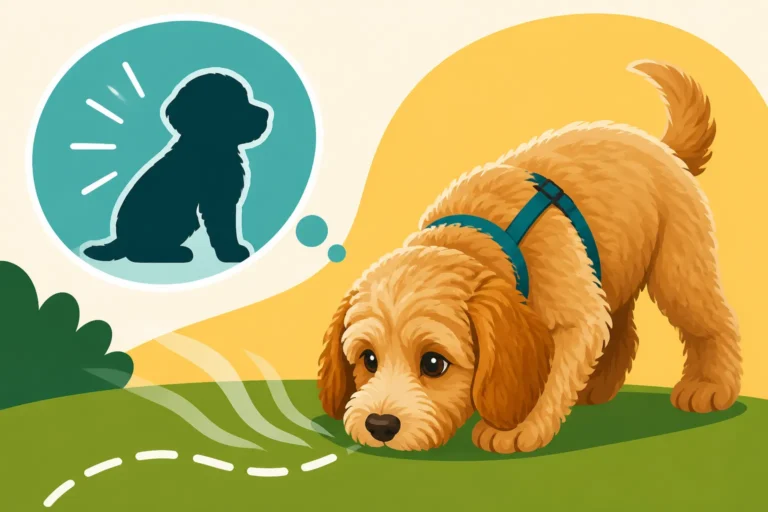
Cockapoos inherited their amazing noses from both sides, but the Cocker contribution is particularly notable for ground-scenting. Cocker Spaniels are renowned for their ability to follow complex scent trails, with their long ears helping to funnel scents towards their noses. This manifests in your Cockapoo as a dog that spends a significant portion of their walks with their nose glued to the ground, meticulously dissecting the aromatic stories left by other animals. They're not just looking; they're reading the ground with their powerful olfactory senses. This intense focus on scent can sometimes make them appear oblivious to their surroundings, especially when they've picked up an interesting trail. It's a full-body experience for them, and the joy they get from it is palpable.
Body Language of a Dog "Hunting Cover"
Observing your Cockapoo's body language when they are "hunting cover" can be quite fascinating. You'll often see a low head carriage, tail wagging furiously (sometimes in a characteristic "spaniel wag" that involves the whole back end), and a determined, focused expression. Their nose will be working overtime, inhaling every nuance of scent. They might push their way into thickets with surprising force, their soft coat providing a natural protective barrier. Sometimes, they'll freeze for a moment, ears swiveling, trying to pinpoint a sound or a shifting scent. Then, just as quickly, they'll plunge deeper. This is a very different demeanor from a casual stroll; it’s a dog fully engaged in an instinctive activity, completely in their element. You might also notice Whether a Cockapoo Zigzags on a Walk as they follow scent trails.
The Poodle's Influence on Instinct and Trainability
While the Cocker Spaniel provides the core "hunting cover" instinct, the Poodle side of your Cockapoo offers a wonderful counterbalance of intelligence, biddability, and a unique working heritage of its own. This combination results in a dog that is both driven and trainable.
Intelligence and Adaptability
Poodles are incredibly intelligent dogs, originally bred for retrieving from water. Their sharp minds and desire to please mean that while your Cockapoo might have a strong instinct to hunt, they also have the capacity to learn when and where that instinct is appropriate. This intelligence makes them highly adaptable, capable of thriving in various roles beyond traditional hunting. They can quickly learn to respond to commands, even when their noses are in overdrive, and can be taught to channel their natural drives into acceptable and enjoyable activities. This is where a good training program, like the one offered by BAXTER & Bella, can truly shine, helping you communicate effectively with your smart Cockapoo. Their sharp minds are often why Whether a Cockapoo Learns Faster Than a Cocker is a common question.
The Poodle's Own Hunting History
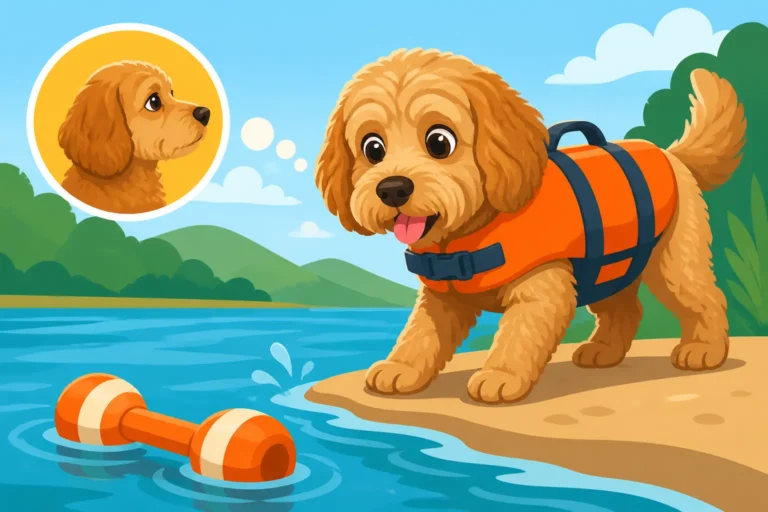
It's easy to forget that Poodles, especially the Standard Poodle, were originally working dogs, bred to retrieve waterfowl. Their curly, water-resistant coats, and webbed feet made them excellent swimmers. While their hunting style was different from a flushing spaniel—more focused on retrieving shot game from water—they still possess a strong prey drive and an instinct for working alongside humans. This means your Cockapoo isn't just getting one dose of hunting instinct; they're getting it from both sides of their family tree. This dual heritage contributes to their keen senses and their joy in outdoor activities, including Introducing a Cockapoo to Water Safely and engaging with novel environments.
Blending Instinct with Biddability
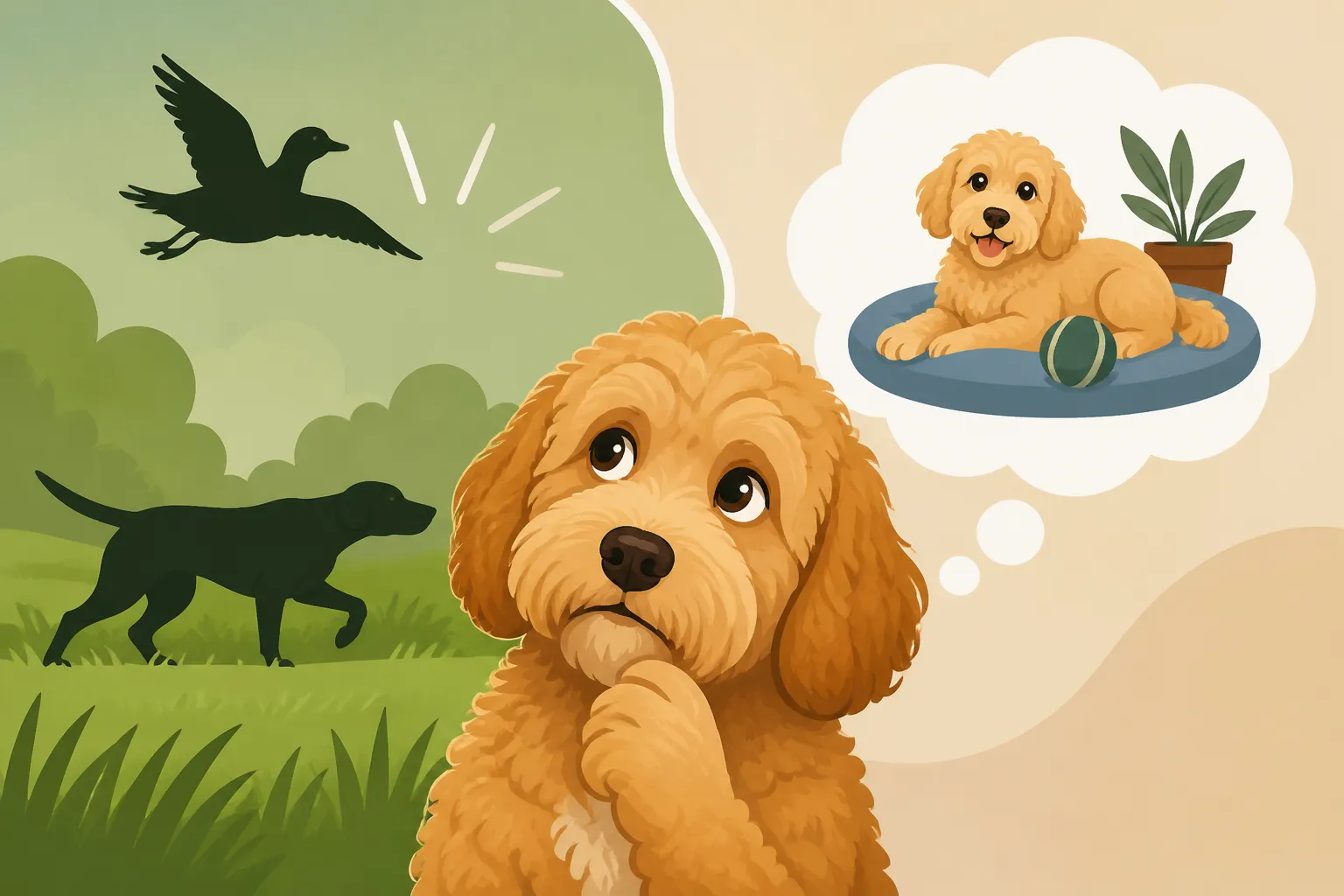
The magic of the Cockapoo lies in this blend. You have the strong, instinctive drive from the Cocker, combined with the Poodle's exceptional trainability and desire to work with you. This means that while your Cockapoo will likely always have that urge to explore every bush and follow every scent, they are also highly capable of learning boundaries, developing a reliable recall, and engaging in structured activities that satisfy their natural inclinations in a safe and controlled way. It's not about suppressing the instinct entirely, but rather about guiding and channeling it. This unique combination is why many Cockapoo owners find them so rewarding to train and live with.
How Your Pet Cockapoo Might Display This Instinct
So, what does this "hunting cover" instinct actually look like in a typical pet Cockapoo in your daily life? It’s not always dramatic, but once you know what to look for, you’ll recognize it everywhere.
Zigzagging on Walks and Exploring Bushes
One of the most common manifestations is the zigzagging pattern many Cockapoos adopt during walks. Instead of walking in a straight line, they will crisscross the path, veering towards every patch of grass, clump of weeds, or shrub. Their nose will be down, scanning for scents, and they’ll pull towards anything that looks like a potential hiding spot. They might disappear briefly into a rose bush, rustling around before emerging with a satisfied sniff. This isn’t misbehavior; it's them actively "working" the environment, just as their ancestors would have worked a field. This thorough exploration is a good indicator of their active scenting abilities and why Whether a Cockapoo Zigzags on a Walk is such a common observation.
Interest in Small Critters and Rustling Sounds
That sudden, intense focus when a squirrel scurries up a tree, or a bird flits into a hedge? That’s the hunting instinct kicking in. Cockapoos have excellent hearing and sight, which, combined with their potent sense of smell, makes them incredibly aware of the small wildlife around them. A rustle in the leaves or a distant chirp can trigger their investigative drive. They might stalk slowly, ears perked, before pouncing or dashing into the source of the sound. While they might not catch anything, the act of pursuit and investigation is highly rewarding for them. This can sometimes lead to challenges with Teaching a Cockapoo to Ignore Birds or other small animals.
Yard Exploration and "Quartering" Behavior
Even in your own backyard, you might observe these behaviors. A Cockapoo will often patrol the perimeter, especially where fences meet dense vegetation, meticulously sniffing every inch. You might notice them adopting a "quartering" pattern – moving back and forth in a methodical search, much like a spaniel would in a field. This is their way of surveying their territory, checking for new scents, and ensuring no exciting critter has dared to intrude. It’s their personal hunting ground, and they take its exploration very seriously. This is exactly why Why a Cockapoo Quarters the Yard is such an interesting observation in Cockapoo behavior.
Managing and Channeling the Instinct
Recognizing and understanding your Cockapoo's hunting cover instinct is the first step. The next is learning how to manage it positively and channel that boundless energy and intelligence into fun, constructive activities.
Safe Outlets for Scent Work and Exploration
Instead of fighting this natural drive, embrace it! Scent work is a fantastic way to engage your Cockapoo's mind and body. You can set up simple "find it" games at home, hiding treats around the house or yard and encouraging them to use their nose. There are also formal scent work classes and competitions that your Cockapoo might excel at. Scent Work That Satisfies a Cockapoo is an excellent way to bond with your dog and tire them out mentally. Consider investing in a snuffle mat or puzzle toys that require them to use their nose to earn a reward. These activities provide a safe and enriching outlet for their hunting instincts without them disappearing into the neighbor's prize-winning petunias. Many great scent work toys are available on Amazon, from snuffle balls to treat-dispensing toys.
Training for Controlled Exploration
While their instinct is strong, a Cockapoo's intelligence means they can be taught to engage in controlled exploration. This involves building a rock-solid recall, so you can call them back even when they're intensely focused on a scent. A long line can be an invaluable tool for practicing recall in more open, stimulating environments, allowing them to explore further while still giving you control. How Long a Long Line a Cockapoo Needs will depend on the environment and your dog's current training level, but it's crucial for safety. Teach a strong "leave it" command to redirect their attention from undesirable "cover" or potential prey. Positive reinforcement training, using high-value treats and praise, is key to making these lessons stick.
Environmental Enrichment at Home
Don't underestimate the power of environmental enrichment to keep your Cockapoo mentally stimulated and less likely to seek out undesirable "hunting" opportunities. This can include rotating toys, providing chew toys that last, and even setting up small "mini-hunts" in your home or yard. For instance, hide their breakfast kibble in various spots around a room, making them sniff it out instead of just eating from a bowl. This taps into their natural foraging and scenting behaviors in a controlled setting. Remember, a bored Cockapoo is more likely to create their own "fun," which might not align with your preferences.
Training to Harness or Redirect the Drive
Training is essential for living harmoniously with a dog whose instincts are so closely tied to exploration and scent. It’s about building a partnership where you guide their natural talents.
Building a Reliable Recall
A reliable recall is paramount for any Cockapoo owner, especially those whose dogs possess a strong flushing drive. Imagine your Cockapoo sniffing a promising scent and bolting into a thicket; a good recall means they'll come back to you regardless of the exciting distraction. Start recall training in a low-distraction environment, using a long line to ensure safety and success. Make coming back to you the most rewarding thing in the world, with enthusiastic praise and high-value treats. Practice consistently, gradually increasing distractions. Consider using a whistle for recall; sometimes a consistent, unique sound can cut through distractions better than your voice, especially for a dog so focused on scent. Whether a Whistle Recall Beats a Voice on a Cockapoo is often debated, but many owners find it highly effective.
Teaching a "Leave It" Command
The "leave it" command is your best friend when your Cockapoo is about to dive into something undesirable, whether it's a patch of poison ivy or a suspicious-looking discarded item. This command teaches them to disengage from an interesting object or area. Start simple, with a treat on the floor covered by your hand. When they look away from the treat, mark the behavior and reward them with a different, even higher-value treat. Gradually increase the difficulty, moving to uncovered treats, then objects, and eventually to real-world distractions like tantalizing smells or tempting patches of cover. Consistency is crucial here.
Engaging in Structured Scent Games
Formal or informal scent games can be incredibly satisfying for a Cockapoo. Nosework, barn hunt, or even just homemade "hide and seek" games with treats can provide immense mental stimulation and fulfill their innate desire to use their noses. These activities allow them to engage their hunting instincts in a controlled environment, burning mental energy and building confidence. You can even purchase scent training kits on Amazon to start your own detection games at home, using specific essential oils. Think of it as intellectual hunting for your dog! Whether a Cockapoo Can Do Detection Work is a testament to their intelligence and keen sense of smell. Organizations like BAXTER & Bella also provide guidance on enriching activities and positive training methods that can incorporate scent work and recall practice, turning potential challenges into fun opportunities. These types of games and training methods help ensure Whether a Cockapoo Needs a Sport to Be Manageable is a resounding yes!
Here’s a quick comparison of the ancestral traits influencing your Cockapoo's "hunting cover" behavior:
| Trait Aspect | Cocker Spaniel Contribution | Poodle Contribution | Combined Effect in Cockapoo |
|---|---|---|---|
| Primary Drive | Flushing game from dense cover | Retrieving game, often from water | Strong drive to explore, chase, and retrieve |
| Scenting | Excellent ground-scenting, nose-down work | Good general scenting, often more air-scenting focused | Highly developed sense of smell for both ground and air |
| Body Type | Compact, sturdy, designed for pushing through brush | Athletic, elegant, built for agility and swimming | Agile, resilient, capable of navigating varied terrain |
| Trainability | Biddable, eager to please, can be sensitive | Highly intelligent, quick learner, eager to work | Very trainable, responsive to positive reinforcement |
| Persistence | High persistence in following a scent or working cover | Persistent in tasks, good problem-solvers | Driven and focused when engaged in scent-related activities |
| Energy Level | High energy, requires significant exercise and mental work | High energy, requires significant exercise and mental work | Energetic, needs regular physical and mental stimulation |
This article is for general informational purposes only and does not constitute professional advice. Laws, prices and regulations vary by location and change over time. Consult a qualified professional for guidance on your specific situation.