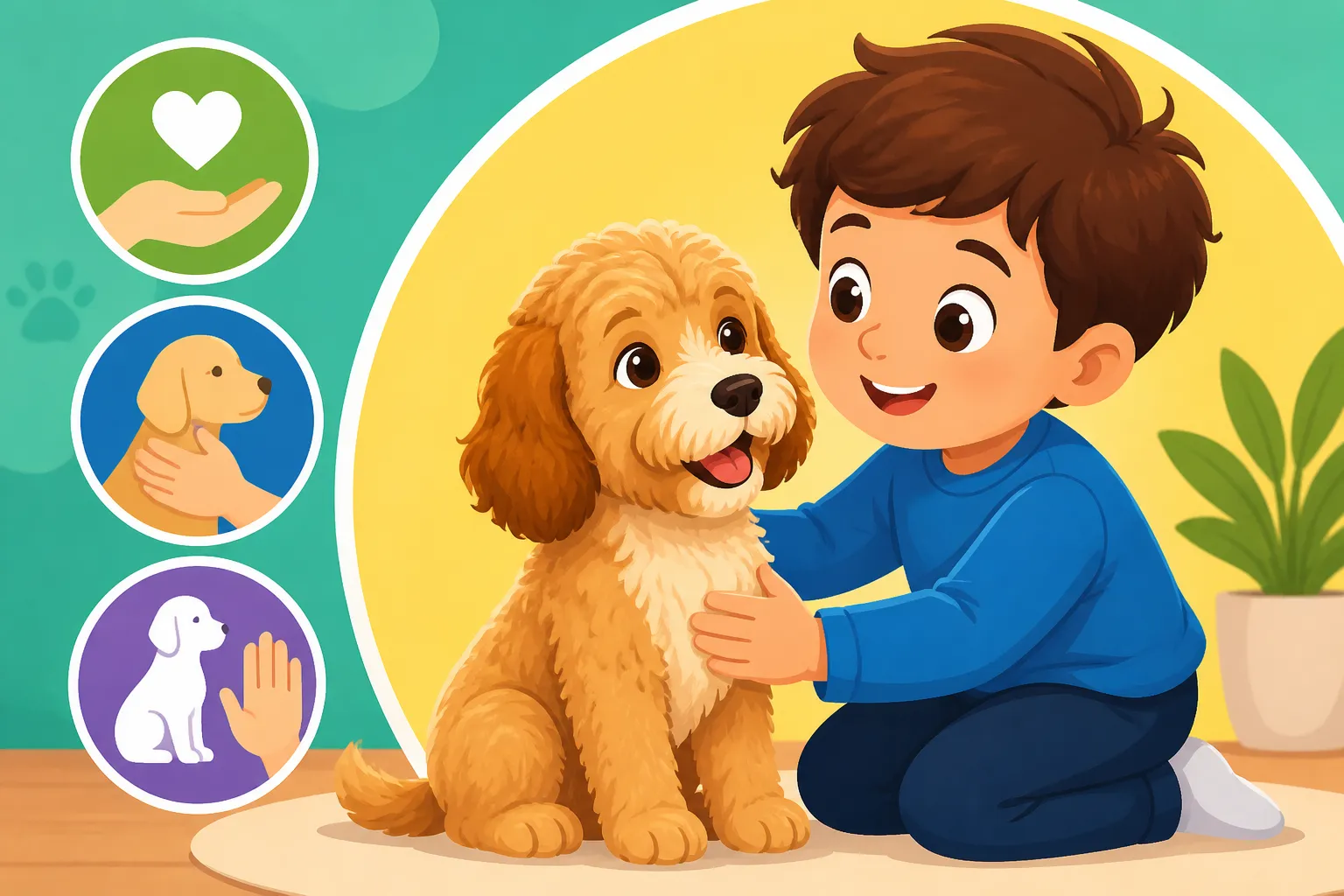
Teaching Children to Handle a Cockapoo
Bringing a Cockapoo into a home with children is a beautiful, exciting prospect, but let's be realistic: it's also a recipe for potential misunderstandings if everyone isn't on the same page. Children, with all their boundless energy and innocent curiosity, often don't instinctively know how to interact respectfully and safely with a dog, and this can lead to stressed puppies, accidental nips, or even fearful behaviors down the line. This guide will walk you through practical, empathetic strategies for teaching your children how to properly handle and live harmoniously with your beloved Cockapoo, ensuring a happy, safe environment for every member of your family.
Understanding Your Cockapoo's Perspective on Children
It's easy to assume that all dogs, especially cute, cuddly Cockapoos, will naturally adore children. While many do, it's crucial to remember that a dog's world is very different from ours, and a child's unpredictable movements, loud noises, and sometimes clumsy affection can be genuinely frightening or overwhelming for a dog, especially a young puppy. Your Cockapoo isn't being "naughty" if they retreat or snap; they're communicating their discomfort.
Why Your Cockapoo Might Feel Overwhelmed
Imagine being much smaller than everyone else in your home, and suddenly, a giant, unpredictable being comes running at you, waving their arms, making high-pitched sounds, and wanting to grab you. That's often how a child can appear to a Cockapoo, particularly if the dog hasn't been extensively socialized with children before joining your family. Cockapoos, with their sensitive Cocker Spaniel lineage, can be prone to being a little soft-natured and might startle easily. The Poodle side brings intelligence and a desire for routine, which can be disrupted by chaotic child play. A child might not understand that a dog's tail isn't a pull-toy, or that their ears aren't handles. They might get too close to the dog's face, or disturb them while they're eating or sleeping. These are all common, innocent actions from a child that can quickly escalate stress in a dog.
The Importance of a Safe Retreat for Your Dog
Every dog, and especially a Cockapoo sharing a home with active children, needs a designated safe space where they can retreat and be undisturbed. This isn't just a "nice to have"; it's a fundamental requirement for their well-being and for preventing incidents. Think of it as their bedroom, a place where they can escape the hustle and bustle when things get too much. This could be a crate, a dog bed tucked away in a quiet corner, or even a specific room behind a baby gate that only the dog can access. Whether a Cockapoo Copes in a Loud House often depends heavily on whether they have this sanctuary. Teach your children from day one that when the Cockapoo is in their bed or crate, they are off-limits. No petting, no talking to, no looking directly at, and certainly no poking or prodding. Respecting this boundary teaches children empathy and also prevents your dog from feeling trapped or needing to escalate their warning signals.
Establishing Ground Rules and Boundaries for Children
Once you understand your Cockapoo's perspective, the next step is to clearly define the rules for your children. Consistency is key, and every adult in the household needs to enforce these rules without exception. These aren't just rules for the dog; they're rules for the whole family that ensure everyone's safety and happiness.
The "Four Paws on the Floor" Rule
This is a fantastic foundational rule for teaching children how to greet a Cockapoo politely. It simply means that your Cockapoo should only be petted when all four of their paws are on the floor. This prevents jumping, which can be scary for smaller children and can unintentionally reinforce unwanted greeting behaviors. When your Cockapoo jumps up, even if it's just out of excitement, teach your children to turn their back, cross their arms, and stand still like a tree. Only when the dog calms down and has all four paws on the ground should they be rewarded with attention and gentle petting. This might take some patience, but it teaches both dog and child appropriate greeting manners. You can use this for visitors too, extending the courtesy beyond just family members.
Supervised Interactions: Always and Forever
This rule is non-negotiable, especially with young children and puppies. No child, regardless of their age or how "good" they are with the dog, should ever be left unsupervised with your Cockapoo. Accidents can happen in an instant, and it's your responsibility as the adult to prevent them. Supervised interactions mean you are actively watching, listening, and ready to intervene. This allows you to guide your children, correct any inappropriate behavior, and read your Cockapoo's body language to ensure they are comfortable. Think of it as being a referee, ensuring fair play and preventing anyone from getting hurt. This oversight is vital in helping your Cockapoo build positive associations with your children and vice versa. Even as your Cockapoo matures, sustained supervision around young children is important.
Teaching Gentle Handling Techniques
Children often mean well, but their natural exuberance can translate into rough handling. Teaching them how to gently interact is paramount. This isn't about stifling their affection, but channeling it into ways that are comfortable and safe for your Cockapoo.
The "Petting Zones" and the "Pat-Pet-Pause" Method
Show your children where your Cockapoo generally enjoys being petted. For most dogs, this means the chest, shoulders, and sides. Areas like the top of the head, tail, ears, and paws are often more sensitive or less preferred, especially by strangers or when the dog is not entirely comfortable. Teach your children to use a soft, flat hand, not grabby fingers.
A great technique to teach is "Pat-Pet-Pause." Have your child pat the dog gently a few times, then pause and remove their hand. If the Cockapoo leans into them, nudges their hand, or seeks more attention, that's a signal that they're enjoying it and the child can continue. If the dog moves away, licks its lips, turns its head, or seems otherwise uncomfortable, the child must stop. This teaches children to be observant and respect the dog's choices. You can practice this with treats, rewarding both the child for gentle interaction and the dog for calmly accepting it. You might find resources from organizations like the BAXTER & Bella online puppy school useful here, as they often have specific modules on child-dog interactions that can reinforce these lessons.
| Acceptable Petting Zones | Less Preferred/Sensitive Zones | What to Watch For (Dog's Signals) |
|---|---|---|
| Chest | Top of head | Leaning in, nudging, relaxed posture |
| Shoulders | Tail | Lip licking, yawning, turning head away |
| Back (gently) | Paws | Stiffening, tucking tail, growling |
| Sides | Ears | Moving away, whale eye, snapping |
Soft Hands and Quiet Voices
Children, especially when excited, can be loud and quick in their movements. Explain to them that dogs have much more sensitive hearing than humans, and loud shouts can be startling. Encourage them to use "inside voices" and gentle tones when interacting with your Cockapoo. Similarly, demonstrate how to use "soft hands." No grabbing, squeezing, or pulling. Practice by having them pet a stuffed animal first, mimicking the gentle strokes you want them to use on your Cockapoo. This consistent practice helps to build muscle memory for gentle handling. This is especially vital when considering Whether a Cockapoo Is Gentle With Toddlers, as toddlers often lack fine motor control and impulse inhibition.
Reading Your Cockapoo's Body Language
This is perhaps the most critical skill to impart to your children. Dogs communicate constantly through their body language, and understanding these signals is essential for preventing conflict and fostering a respectful relationship. It teaches children to be empathetic and responsive to their dog's needs, rather than just treating them like a furry toy.
Recognizing Signs of Comfort and Discomfort
Spend time with your children observing your Cockapoo. Point out subtle cues. "See how Luna's tail is wagging loosely? That means she's happy and relaxed." Or, "Look, Max just licked his lips – that often means he's feeling a little unsure or stressed, so let's give him some space."
Signs of Comfort:
- Loose, wagging tail: Not a stiff, fast wag, but a relaxed, sweeping motion.
- Soft eyes: Not staring directly, but blinking, with a relaxed gaze.
- Open, relaxed mouth: Panting gently, tongue slightly out, no tension around the lips.
- Relaxed posture: Not stiff, weight evenly distributed, possibly leaning into attention.
- Soliciting attention: Nudging, pawing gently, bringing a toy.
Signs of Discomfort/Stress:
- Lip licking: Often a quick, subtle flick of the tongue.
- Yawning: Out of context (not tired).
- Turning head away/averting gaze: Trying to avoid interaction.
- Stiff body: Holding still, tense muscles.
- Ears flattened back: Indicating fear or anxiety.
- Tail tucked: Held low, sometimes between the legs.
- "Whale eye": When you can see the whites of the dog's eyes.
- Growling: This is a clear warning sign that should always be respected. Never punish a growl; it's your dog telling you they're uncomfortable before they resort to a bite. If your Cockapoo growls, immediately remove the child and give the dog space. This might make you wonder Whether a Cockapoo Mouths Children's Hands – and preventing those initial signs of discomfort from escalating is how you avoid it.
Teaching children to identify these signals empowers them to understand when to continue interaction and, more importantly, when to back off.
When to Give Space: The "Leave the Dog Alone" Rule
Reinforce the idea that sometimes, your Cockapoo just wants to be left alone. This is particularly important when your dog is eating, sleeping, or chewing on a special toy or bone. These are all situations where a dog is naturally more vulnerable or possessive, and disturbing them can lead to an adverse reaction. Teach your children to respect meal times by staying away from the dog's bowl and not approaching them while they're eating. The same goes for sleep: "Let sleeping dogs lie" isn't just a saying; it's a safety rule. Provide your Cockapoo with their safe space, like a crate with a comfy bed, and instruct children never to disturb them when they are in it. Products like baby gates, readily available on platforms like Amazon, can be incredibly useful to create these physical barriers and ensure the dog's peace is undisturbed in certain areas. Whether a Cockapoo Hides From Visitors can often be mitigated if they know they have a safe haven children (and indeed, adults) respect.
Integrating Your Cockapoo into Family Life with Children
Beyond the specific rules, it's about fostering a positive relationship through shared, structured activities that build bonds and respect.
Structured Play and Training Together
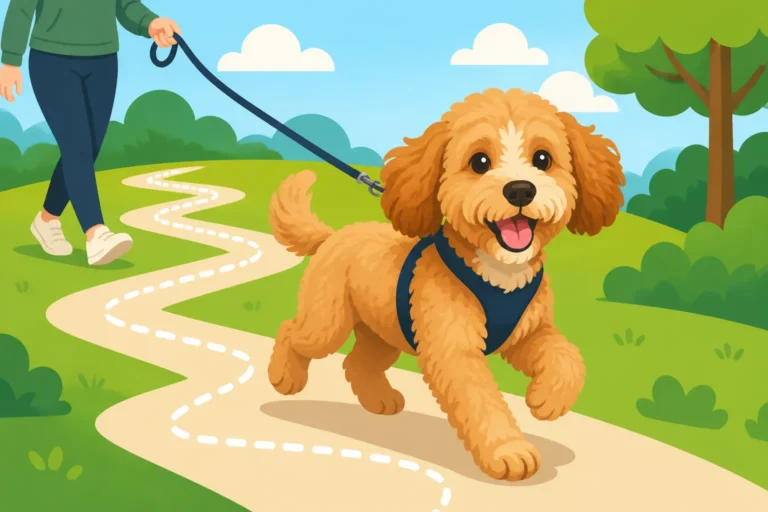
Involve your children in positive, structured interactions with your Cockapoo. This could be playing fetch in the yard, rolling a treat across the floor, or practicing simple obedience commands like "sit" or "stay." Make sure the play is calm and supervised. Using a long line during outdoor play, which you can also find on Amazon, can ensure safety while allowing some freedom. Teach your children how to properly hold the leash (without wrapping it around their hand) and how to walk calmly beside you and the dog. Raising a Cockapoo Puppy involves a lot of training, and having children participate, even if just giving a treat after a command, reinforces the dog's positive association with them.
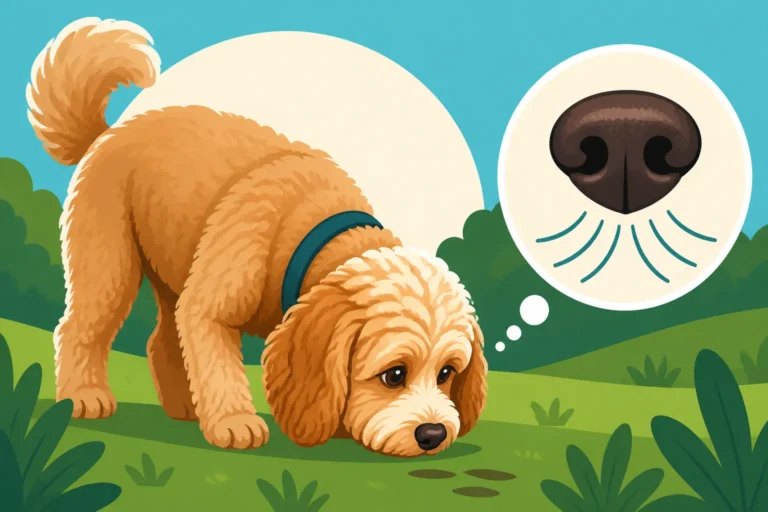
You can also use gentle games that engage their natural Cockapoo instincts. Simple scent games, where children hide a treat for the dog to find, can be a wonderful, low-impact way for them to interact. Scent Work That Satisfies a Cockapoo is an excellent outlet for their intelligence and nose, and children can be actively involved in preparing the hiding places under your guidance.
Consistently Enforcing Rules for Everyone
Remember, children learn by example and through consistent reinforcement. Every adult in the household needs to enforce the rules for interacting with the Cockapoo, every single time. If one parent lets the child climb on the dog, but the other doesn't, it sends a confusing and potentially dangerous message. Have family meetings to discuss the rules, review body language cues, and celebrate successes. If a rule is broken, calmly correct the behavior and explain why the rule exists (e.g., "We don't pull Max's tail because it hurts him, and he might not want to play with you anymore"). This consistent boundary setting is critical, not just for the Cockapoo's welfare but for teaching children responsibility and respect for living beings. Consider using a positive reinforcement online training program like BAXTER & Bella, as they often provide materials that can help families establish these consistent training protocols.
What to Do When Issues Arise
Even with the best intentions and consistent training, situations can arise. Knowing how to calmly and effectively manage them is essential.
When Your Cockapoo Shows Discomfort or Aggression
If your Cockapoo ever shows signs of serious discomfort, such as a prolonged growl, a snap, or a quick nip, your immediate priority is to safely separate the dog and child. Do not scold or punish the dog for growling or snapping, as this can teach them to suppress their warning signals and go straight to a bite next time. Instead, acknowledge their communication and remove them from the stressful situation. This is a clear indicator that the boundaries or supervision broke down, and you need to re-evaluate the interaction.
Once the immediate situation is defused, calmly assess what happened. Was the dog cornered? Was a child bothering them while they were eating? Was the dog startled? Identifying the trigger is key to preventing future incidents. If aggressive behavior persists or escalates, seek help from a certified professional dog trainer or a veterinary behaviorist immediately. They can provide tailored advice and intervention strategies. Whether a Cockapoo Is Too Soft for Correction is important to remember here; harsh punishments are counterproductive and damaging to the bond.
When Children Struggle with the Rules
Sometimes, children, especially younger ones, might struggle to remember or follow the rules consistently. It's important to approach this with patience and understanding, not anger.
- Re-explain and demonstrate: Go back to basics. Show them again, physically guiding their hands, practicing with a stuffed animal.
- Positive reinforcement for kids: Praise and reward children when they interact gently and respectfully with the dog. "Great job petting Fluffy so gently!"
- Time-outs from the dog: If a child is repeatedly being too rough or not listening, a temporary "time-out" from interacting with the dog might be necessary. Explain that they can play with the dog again once they're ready to use soft hands and quiet voices.
- Increase supervision: If struggles continue, it's a sign that even closer supervision is needed. You might need to physically separate the dog and child more often, perhaps using baby gates in the home to manage their access to each other.
Remember that teaching children and training a puppy are ongoing processes. There will be good days and challenging days, but with patience, consistency, and a deep understanding of both your child and your Cockapoo, you can build a loving, respectful, and safe relationship for everyone. Whether a Toddler and a Cockapoo Can Be Left Together is a hard no – always supervise.
Disclaimer
This article is for general informational purposes only and does not constitute professional advice. Laws, prices and regulations vary by location and change over time. Consult a qualified professional for guidance on your specific situation.