Teaching a Cockapoo to Ignore Birds
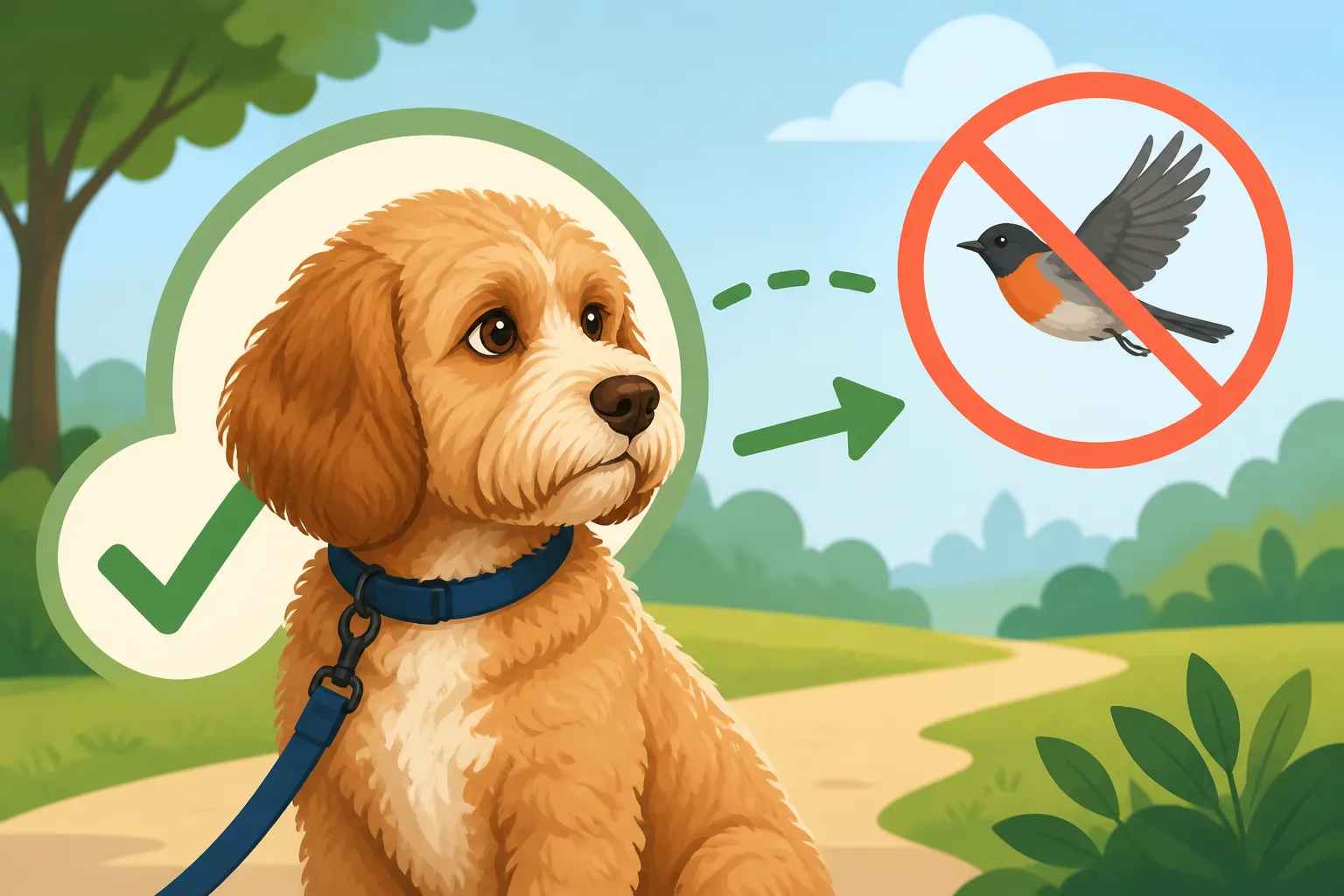
One of the most common frustrations for Cockapoo owners is watching their sweet, cuddly companion suddenly transform into a driven hunter at the sight of a bird. That instinctive lunge, the deafening barks, the desperate pull on the leash – it can feel like all your hard work on manners goes right out the window. If you've ever felt embarrassed or exhausted by your Cockapoo's bird obsession, you're certainly not alone. This comprehensive guide will walk you through understanding why your Cockapoo behaves this way and provide practical, empathetic strategies to teach them to ignore birds, making your walks more peaceful and enjoyable for both of you.
Understanding Your Cockapoo's Instinctual Drive
It's easy to get frustrated when your Cockapoo seemingly "ignores" you for a feathered friend, but it's crucial to remember that this behavior isn't about disobedience; it's deeply rooted in their genetics. Your Cockapoo is a delightful blend of two highly intelligent and active breeds, both of which carry strong working instincts. Understanding these ancestral traits is the first step toward working with your dog, rather than against them.
The Cocker Spaniel's Flushing Heritage
The Cocker Spaniel, one half of your Cockapoo's genetic makeup, was originally bred to be a flushing dog. What does that mean? Their job was to dive into dense cover, find game birds, and "flush" them out for hunters. This isn't a quiet, patient wait; it's an explosive, energetic burst of activity. Imagine a dog quartering a field, nose to the ground, then suddenly exploding forward when a bird takes flight. This is The Flushing Drive Still Alive in a Cockapoo. They're not retrieving the bird (that was a different job), but rather startling it into the air.
This heritage manifests in your Cockapoo as that sudden, irresistible urge to chase anything that moves quickly or takes flight. It's why they might zigzag across a field, nose to the ground, only to suddenly rocket off when a pigeon flutters by. They are hardwired for that initial, exhilarating chase. When you see your Cockapoo ignore your calls and surge towards a bird, they're not being stubborn; they're simply fulfilling a deeply ingrained, self-rewarding instinct that has been honed over generations. It's a powerful urge, and it feels good to them.
The Poodle's Natural Retrieve and Biddability
On the other side of the family tree, we have the Poodle. While often seen as sophisticated show dogs, Poodles were originally bred as water retrievers, much like a Labrador. They are incredibly smart, athletic, and eager to please their human companions. This biddability, their strong desire to work with you and for your praise, is a wonderful asset in training. However, their retrieving background also means they are naturally drawn to movement and can have a strong prey drive themselves, albeit often expressed differently than the Cocker's flushing instinct.
The combination of these two drives in a Cockapoo can be a bit of a double-edged sword when it comes to birds. You have the Cocker's intense flushing instinct, prompting the initial chase, paired with the Poodle's intelligence and desire to do something with that energy. This means your Cockapoo isn't just chasing for the sake of it; they're often highly engaged and focused on the "task" of the chase, making it incredibly difficult to break their concentration. While the Poodle side offers a strong inclination to learn and please, the raw excitement of the chase can easily override even the most well-practiced commands if not carefully managed. It highlights the importance of making you more rewarding than the bird.
Why Birds Are Such Irresistible Targets
Think about what makes birds so captivating to a dog: sudden, erratic movement, flapping wings, quick take-offs, and often high-pitched chirps or squawks. These are all powerful triggers that activate a dog's predatory sequence: orient, stare, stalk, chase, grab bite, kill bite, dissect. With birds, the sequence usually stops at the chase, as most Cockapoos aren't actual hunters in that sense. But that chase, that adrenaline rush, is incredibly rewarding in itself.
A flock of pigeons suddenly scattering, a robin darting from a bush, or a seagull gliding overhead – these are all irresistible calls to action for a dog with a strong prey drive. The unpredictability of bird movement makes them even more alluring. Your Cockapoo isn't thinking, "Oh, I should ignore that for my human." Their ancient brain is shouting, "Prey! Chase! Fun!" This primal urge is much stronger than any desire to maintain a loose leash or come when called, especially if the training for these behaviors hasn't been consistently proofed around such high-level distractions. It's a natural, hardwired response, and acknowledging that helps us approach the training with more empathy and understanding.
Early Socialization and Foundation Training
Starting early and building a solid foundation is paramount when you want to teach your Cockapoo to ignore birds. Just like building a house, if the foundation isn't strong, the whole structure can wobble when faced with a strong wind – or a flock of pigeons. Puppyhood is a critical window for shaping behavior, but even adult Cockapoos can benefit from revisiting these foundational steps.
Starting Young: Puppyhood Introductions
The key during puppyhood is controlled exposure and positive association. You don't want to expose your tiny Cockapoo puppy to a chaotic park full of birds and expect them to calmly observe. Instead, think about gentle, positive introductions. For example, sit on a park bench with your puppy in your lap or at your feet on a leash, offering high-value treats every time a bird flies by and your puppy doesn't react. The goal is to make the presence of birds a cue for delicious treats from you, rather than a cue for an exciting chase.
This early desensitization is about building neutrality, or even positive feelings, towards birds. If your puppy starts to fixate, gently redirect their attention with a treat or a soft call, then praise and reward when they look at you. Keep these sessions short and sweet, ending before your puppy gets overstimulated. Remember, puppies are still developing their impulse control, so setting them up for success is vital. You're trying to build a new association: "Birds mean good things happen from my human." This positive reinforcement helps to counteract the innate excitement of the chase. You also want to make sure your puppy is comfortable with general handling from an early age, especially before things like their first seven days of being home, setting them up for a calm demeanor in various situations, including grooming or vet visits, which can sometimes impact their overall stress levels and reactivity.
Building a Rock-Solid Recall
If your Cockapoo tends to bolt after birds, the single most important command you can teach and proof is a reliable recall. A Cockapoo with a strong recall can be called back to you even when highly distracted, which is critical for their safety and your peace of mind. Without it, you're constantly gambling on walks. Building a Recall a Cockapoo Answers involves making yourself the most exciting thing in their environment, even when a bird appears.
Start recall training indoors, in a quiet environment, with minimal distractions. Use a unique word or sound (like a whistle, more on that later) and pair it with a super high-value treat – something they only get for recall. Call their name, say your recall word, and when they come, immediately reward them lavishly. Gradually increase the distractions, moving to a fenced yard, then a quiet park on a long line. Every single time they come, even if it's slow, reward them generously. Never scold them if they take a moment to come; that only poisons the recall. Your goal is to create a positive emotional response to being called back, making it more appealing than whatever distraction has their attention. Recall on a Cockapoo That Has Found a Scent can be a huge challenge, so be patient and consistent.
Teaching "Leave It" and "Watch Me" Commands
These two commands are indispensable tools for managing your Cockapoo's bird interest. "Leave It" teaches your dog to disengage from something tempting, while "Watch Me" teaches them to focus their attention squarely on you, no matter what else is happening.
"Leave It": Start by holding a low-value treat in your closed fist. When your dog tries to get it, ignore them. The moment they pull back, even slightly, say "yes!" and reward them with a different, higher-value treat from your other hand. Repeat this until they consistently pull back from your closed fist. Then, place the low-value treat on the floor, cover it with your hand, and repeat the process. Gradually, you'll be able to say "Leave It" and have them turn away from the temptation. Practice this with various items, working up to toys, food on the ground, and eventually, birds at a distance.
"Watch Me": Hold a treat near your eye and say "Watch Me." The instant your dog makes eye contact, mark it with "yes!" or a clicker and reward them. Repeat this many times until they reliably look at your face when you give the cue. This command is a powerful way to redirect their focus away from a bird and back to you before the chase even begins. It's about building a strong connection and making you the center of their world, even in distracting environments. Integrating these commands into your daily routine, even when birds aren't around, builds the muscle memory for when you really need them.
Practical Strategies for Managing Bird Chasing on Walks
Even with excellent foundation training, navigating the real world with a bird-obsessed Cockapoo requires practical, on-the-spot management strategies. The goal isn't just to stop the chase, but to prevent it from even starting, thereby preventing your dog from self-rewarding the unwanted behavior.
Equipment Choices for Better Control
The right equipment can make a world of difference in managing a Cockapoo with a strong prey drive. While a standard flat collar might be fine for some dogs, it often offers little control when a Cockapoo suddenly lunges after a bird, potentially causing neck strain or allowing them to slip free.
Many owners find a no-pull harness to be a game-changer. These harnesses, like those from brands you might find on Amazon, typically have a front clip, which redirects your dog to the side when they pull, making it much harder for them to gain traction for a lunge. They're designed to discourage pulling without causing discomfort. Another valuable tool is a long line, perhaps 15-30 feet in length. This allows your Cockapoo to explore safely in an open area while still giving you control to practice recall and "leave it" commands, preventing them from actually reaching any birds. Just ensure you know How Long a Long Line a Cockapoo Needs for effective practice. The key is to choose equipment that gives you maximum control and keeps your Cockapoo safe, especially while you're in the active training phase. Avoid retractable leashes, as they can teach your dog to pull and offer minimal control in an emergency.
| Equipment Type | Pros | Cons | Best Use Cases |
|---|---|---|---|
| Flat Collar | Simple, common, good for ID tags | Little control for lunging, can strain neck | Calm dogs, ID, short controlled walks with no distractions |
| No-Pull Harness | Redirects pulling, less neck strain, better control | Can be tricky to fit, some dogs dislike the feel | Dogs that pull, initial training for bird-reactive dogs |
| Head Halter | Excellent control, mimics bridle on horse | Requires desensitization, some dogs dislike it, can look like a muzzle | Strong pullers, highly reactive dogs, precise control needed |
| Long Line (15-30ft) | Allows freedom to explore safely, great for recall practice | Can get tangled, requires open space, supervision needed | Off-leash practice in safe areas, proofing recall around distractions |
| Short Leash (4-6ft) | Standard, good control in close quarters | Restricts movement, can feel restrictive for active dogs | City walks, crowded areas, close proximity training |
Redirection Techniques Before the Chase Begins
The best defense is a good offense. Instead of reacting after your Cockapoo has already launched into a chase, learn to anticipate and redirect before they have a chance to fixate. This requires you to be hyper-aware of your surroundings on walks.
As you walk, scan ahead for potential bird hotspots: busy bushes, bird feeders, grassy areas, or water features. The moment you spot a bird, before your Cockapoo does (or just as they start to notice it), immediately say their name in a cheerful voice. As they look at you, quickly offer a high-value treat right at their nose, walking them past the bird while keeping their attention on you. You can also change direction abruptly, distracting them with the sudden shift in movement and requiring them to re-engage with you. The key is speed and consistency. Every time you successfully redirect before the chase, you're reinforcing the idea that focusing on you is more rewarding than chasing the bird. This might feel like you're constantly "treating" for doing nothing, but you're actually treating for ignoring the bird, which is exactly what you want.
Managing Unexpected Encounters
Life happens, and sometimes a bird will dart out of nowhere, catching both you and your Cockapoo by surprise. In these moments, it's crucial to stay calm and avoid getting angry or yelling. Yelling can escalate your dog's excitement or make them anxious, neither of which helps.
If your Cockapoo lunges or barks, tighten your grip on the leash (assuming you have a secure no-pull harness) and calmly move away from the distraction. Don't pull or yank aggressively; simply apply steady pressure to guide them. Once you're a safe distance away and they are calmer, ask for a simple sit or a "watch me," and reward them. The goal is not to punish them for their instinct, but to gently guide them away from the stimulating situation and back into a calm, focused state with you. This teaches them that even when birds appear suddenly, focusing on you leads to good things and a return to peace. Consistent, calm management helps them learn that unexpected bird encounters are not a green light for an immediate chase.
Introducing Controlled Encounters and Desensitization
Once your Cockapoo has a solid foundation in recall and basic commands, and you're adept at managing distractions on walks, you can start to intentionally introduce controlled encounters with birds. This isn't about letting them chase; it's about systematically desensitizing them to the presence of birds, teaching them that birds are just part of the scenery.
Gradual Exposure in Low-Stimulus Environments
The key word here is "gradual." You wouldn't throw a child who can barely swim into the deep end of a pool, and you shouldn't throw your bird-obsessed Cockapoo into a park teeming with pigeons right away. Start small. Choose a location where birds are present but not abundant, and where they tend to be further away. A large, open park with a few scattered birds, rather than a busy duck pond, would be ideal.
Use a long line here – this gives your dog a sense of freedom while maintaining your control. When your Cockapoo spots a bird, before they have a chance to react strongly, immediately interrupt their gaze with a cheerful "Good boy/girl!" and offer a high-value treat. The moment they look at the bird, you're redirecting them back to you and rewarding that split-second decision to disengage. If they lunge, simply hold the long line steadily until they calm, then try to redirect. Keep these sessions short, positive, and end them on a high note before your dog gets overwhelmed. Over time, you're building a new habit: "Bird appears, I look at my human, and I get something awesome."
Positive Reinforcement for Ignoring Birds
This is where the magic really happens. You're not just rewarding your Cockapoo for coming when called away from a bird; you're actively rewarding them for not reacting to birds. This is often called "capturing calmness" or "default behavior."
Walk your Cockapoo on a leash in an area where you know birds might be present. When a bird flies by or pecks on the ground and your Cockapoo notices it but doesn't lunge or bark, immediately mark that moment with a clicker or a verbal marker like "Yes!" and give them a treat. The trick is to reward the absence of the unwanted behavior. If they simply glance at a bird and then look away, that's a rewardable moment. If they walk past a bird without pulling, that's a rewardable moment. You are quite literally paying them to ignore birds. Make sure your treats are incredibly high value – think cooked chicken, cheese, or hot dogs – something truly irresistible. This positive association overrides the self-rewarding nature of the chase. Over time, your Cockapoo learns that keeping their cool around birds brings better rewards than chasing them.
"Set Up" Scenarios for Practice
Once your Cockapoo is consistently doing well in low-distraction environments, you can start to create controlled "set up" scenarios. This allows you to practice in a more predictable way and reinforce the desired behavior. One way to do this is to enlist a friend. Have your friend pretend to "release" a bird (a fake toy bird on a string can work, or if you're feeling adventurous, a live bird in a cage from a safe distance) while you have your dog on a leash, ready to work.
Your friend can "launch" the toy bird, and as your Cockapoo tenses, you immediately use your "watch me" or "leave it" command, rewarding heavily when they comply. The key is to control the intensity and duration of the "bird" appearance. Gradually, you can increase the realism and proximity. You could also practice near a public bird feeder, but starting at a very far distance. Each time your Cockapoo successfully ignores the "bird" and focuses on you, you're strengthening that neural pathway. This methodical practice in controlled settings allows you to slowly build their tolerance and proof their commands in increasingly challenging situations, bridging the gap between training and real-world encounters.
Advanced Training Techniques and Consistency
Moving beyond the basics, there are advanced techniques that can help solidify your Cockapoo's ability to ignore birds, especially when their instincts are running high. These strategies focus on deeper engagement with you and more reliable response patterns.
Integrating Scent Work and Alternative Focus
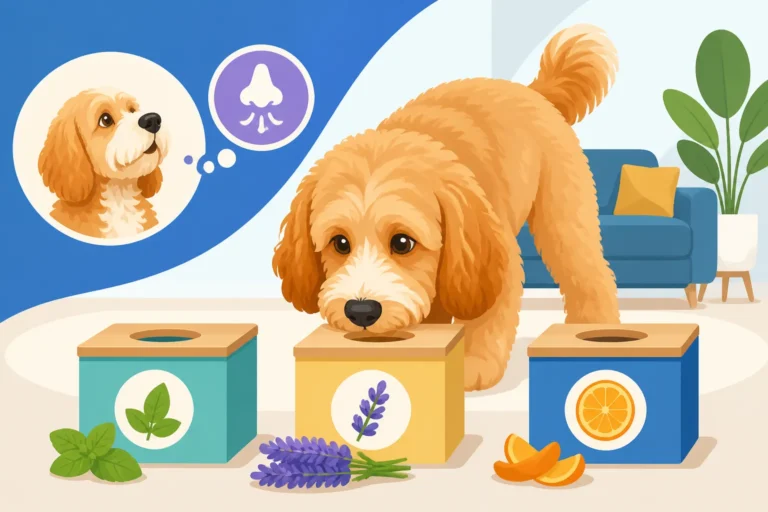
Your Cockapoo has a phenomenal nose, thanks to both their Cocker and Poodle heritage. That drive to find and investigate scents is a powerful instinct that you can harness and redirect. Instead of fighting their prey drive, you can channel it into a constructive, mentally stimulating activity like scent work. Scent Work That Satisfies a Cockapoo provides a fantastic outlet for their natural drives without involving chasing live animals.
You can start with simple "find it" games at home, hiding treats around the house and encouraging your Cockapoo to sniff them out. As they get better, you can introduce specific scents, like essential oils (birch, anise, clove are common in dog sports), using specialized scent kits. BAXTER & Bella, for example, offers online training programs that include scent work introductions and kits you might find on Amazon. The beauty of scent work is that it deeply engages their mind and their most powerful sense, offering a highly rewarding alternative to visual prey. When your Cockapoo is focused on a scent puzzle or game, their attention is fully on that task, making them less likely to scan for birds. Regularly engaging in scent work can help your Cockapoo learn to choose to focus on your directed activities rather than environmental distractions.
The Role of a Whistle Recall
For many dogs with a strong prey drive, a whistle recall can be significantly more effective than a verbal recall, especially when they're far away or highly stimulated. A whistle emits a consistent sound that cuts through environmental noise and doesn't carry the emotional tone of a human voice, which can sometimes be lost or misinterpreted. Whether a Whistle Works on a Cockapoo is often a resounding yes for this very reason.
To train a whistle recall, start exactly as you would a verbal recall: in a quiet environment with high-value treats. Blow your chosen whistle sequence (often two short toots), then immediately offer a treat the moment your dog turns towards you or starts to move in your direction. Repeat this dozens of times, gradually increasing distance and distractions. The whistle should always predict something wonderful. It's not a punishment or a warning; it's a signal for an immediate party at your side. Over time, the whistle becomes a powerful cue that overrides other stimuli, including the sight or sound of birds. Practice with a long line in open areas to proof this command, ensuring that your Cockapoo will return to you reliably even when they're excited.
Proofing Commands in High-Distraction Areas
"Proofing" is the process of practicing a command in every conceivable environment and around every imaginable distraction, until your dog performs it reliably, no matter what. For bird-ignoring, this means gradually increasing the difficulty of your training environments. Start with quiet parks with a few birds, then move to areas with more bird activity, like open fields or even urban parks with pigeons.
The key is to set your Cockapoo up for success, not failure. Don't go from a quiet backyard to a duck pond in one leap. Slowly escalate the challenge. Begin at a distance from the bird-heavy area, rewarding heavily for any calm behavior or successful "watch me" commands. As your Cockapoo improves, slowly decrease the distance. If they fail, that's not a reason for punishment; it simply means you've asked for too much too soon, and you need to take a step back to an easier environment. Consistency is vital here. Regular, short training sessions in varied environments will build your Cockapoo's confidence and reliability, teaching them that your commands are non-negotiable, even when birds are abundant. Remember, the goal is not perfection every single time, but steady improvement and a higher percentage of successful disengagements.
Enrichment and Alternative Outlets for Prey Drive
Successfully teaching your Cockapoo to ignore birds isn't just about direct training; it's also about fulfilling their inherent needs and drives in appropriate ways. A bored or under-exercised Cockapoo is more likely to create their own "fun" by chasing birds, whereas a dog with a full and enriched life is more likely to be calm and attentive.
Providing Appropriate Mental and Physical Exercise
Cockapoos are intelligent and energetic dogs. Both the Cocker Spaniel and Poodle require significant physical and mental stimulation. If these needs aren't met, they'll find their own outlets, and chasing birds is a highly self-rewarding one. Regular, structured exercise is crucial. This means more than just a quick trot around the block. Aim for at least 30-60 minutes of vigorous activity daily, tailored to your Cockapoo's age and size. This could include brisk walks, fetch in a secure yard, or structured playtime.
Mental exercise is just as important. Puzzle toys, like those found on Amazon, that dispense treats when manipulated, or interactive feeders that make them work for their meal, can be excellent for engaging their minds. Regularly practicing obedience commands, learning new tricks, or even just having short, engaging training sessions throughout the day can prevent boredom. A Cockapoo whose mind and body are tired from constructive activities is less likely to be "on the hunt" for feathered distractions. Think about The Miles a Cockapoo Wants Every Day and make sure you're meeting that need.
Engaging in Dog Sports and Activities
Dog sports are a fantastic way to channel a Cockapoo's energy, intelligence, and even their prey drive into structured, acceptable outlets. While they may not be traditional "working" dogs in the field, their instincts can shine in other arenas. Agility, for example, taps into their athleticism and problem-solving skills, requiring them to focus on you while navigating obstacles. Flyball or disc dog competitions appeal to their chase and retrieve instincts.
For their strong scent drive, sports like Barn Hunt or K9 Nose Work (scent detection) are incredibly rewarding. In Barn Hunt, dogs use their noses to locate rats (safely enclosed in aerated tubes) hidden in bales of hay, mimicking a natural hunting scenario without harming any animals. Whether Scent Work Suits a Cockapoo Better Than Agility is often a personal choice, but both provide incredible mental and physical engagement. These activities give your Cockapoo a "job" to do, satisfying their innate desires in a controlled environment and strengthening their bond with you. The mental and physical exertion involved leaves them less inclined to seek out uncontrolled chases.
Managing the Home Environment
Your home environment also plays a role in managing bird-chasing behavior. If your Cockapoo spends hours staring intently at birds at a backyard feeder or through a window, they are constantly reinforcing that intense fixation. While it's natural for dogs to observe their surroundings, prolonged, excited "bird watching" can heighten their reactivity outdoors.
Consider strategically placing bird feeders away from windows your dog frequently looks out of. If they're obsessed with a particular window, you might use frosted film or even simply close the blinds during peak bird activity. Creating a secure yard is non-negotiable; a Cockapoo with a strong prey drive can quickly dig under or jump over a fence if a bird catches their eye. Always supervise them when they are outdoors, especially if there are birds present. Providing them with engaging indoor toys, chew bones, or a designated "safe space" where they can relax away from window distractions can also help lower their overall arousal levels, making them less reactive when they do encounter birds on walks.
Troubleshooting Common Challenges
Even with the best intentions and consistent training, you're bound to hit bumps in the road. It's completely normal for progress to be non-linear. Understanding how to navigate plateaus and manage your own frustration is key to long-term success.
When Training Plateaus or Regresses
You might find that after weeks of steady improvement, your Cockapoo suddenly seems to "forget" everything they've learned, lunging at every pigeon in sight. This can be incredibly disheartening, but it's a common part of dog training, especially with instinctual behaviors. When this happens, it's not a sign of failure, but a signal to reassess.
First, revisit the basics. Go back to lower-distraction environments. Practice your "watch me," "leave it," and recall in your home or a quiet, fenced yard. Re-establish those strong foundations before increasing the difficulty again. Second, identify any new triggers or changes in the environment. Is there a new, particularly noisy bird species? Is a new neighbor feeding birds heavily? Is your Cockapoo getting less exercise or mental stimulation lately? Sometimes, a change in routine or a new stimulus can cause a temporary regression. Third, consider if your training has become inconsistent. Have you been slacking on rewards, or letting a few "minor" lunges slide? Dogs thrive on consistency. Use these plateaus as an opportunity to review and strengthen your methods, not as a reason to give up. The Age a Cockapoo's Recall Falls Apart sometimes happens during adolescence, for instance, which means you need to be extra vigilant and consistent during those periods.
Overcoming Owner Frustration and Maintaining Patience
Let's be honest: having your arm nearly pulled off by a lunging Cockapoo when you're just trying to enjoy a peaceful walk is frustrating. It's easy to get angry, feel defeated, or even blame your dog. However, frustration is counterproductive in dog training. Dogs are highly attuned to our emotions, and your frustration can make them anxious, less willing to engage, or even more reactive.
It's vital to remember that your Cockapoo isn't trying to annoy you; they're responding to powerful, innate instincts. This isn't a quick fix; it's a marathon of consistent effort and patience. Celebrate the small victories: the time they glanced at a bird and then looked back at you, the time they only did a little lunge instead of a full-blown one. Adjust your expectations. Maybe for now, "ignoring birds" means only reacting to one out of ten, and that's a huge step forward. Take breaks when you feel your patience wearing thin. If you're having a particularly tough walk, it's okay to shorten it, go home, and try again later. Remind yourself that you're teaching a complex behavior against a strong instinct, and that takes time, understanding, and a whole lot of love.
The Impact of Age and Development
A Cockapoo's behavior, including their prey drive, can change throughout their life. Puppyhood is a critical time for shaping behavior, but adolescence (typically between 6 months and 2 years) can bring new challenges. During adolescence, many dogs go through a "rebellious" phase, where previously reliable commands seem to vanish. Their hormones are surging, they're testing boundaries, and their prey drive might become even stronger. This is when consistency is more important than ever. Don't assume they've forgotten everything; simply double down on your training efforts and perhaps temporarily reduce distractions.
As Cockapoos age, their energy levels might decrease, and some may become less reactive to birds. However, others might maintain a strong prey drive well into their senior years. While an older dog can absolutely learn new habits, it might take a bit more time and repetition to overwrite deeply ingrained behaviors. Be mindful of their physical capabilities as they age; don't ask an older dog with joint issues to perform quick, sharp recalls. Regardless of age, the principles remain the same: positive reinforcement, consistency, and understanding their individual needs and drives.
When to Seek Professional Help
While many owners can make significant progress with consistent training at home, there are times when seeking professional guidance is the smartest and safest course of action. It's not a sign of failure, but a testament to your commitment to your Cockapoo's well-being.
Recognizing Signs That You Need Assistance
There are several indicators that it might be time to call in a professional. If your Cockapoo's bird chasing is escalating to aggressive behavior, such as growling, snapping, or trying to bite when you try to redirect them, that's a serious red flag. If their lunging is so intense that you fear they will injure themselves or you, or if they regularly slip their leash and bolt, putting them in danger, professional intervention is critical.
Another sign is if your own frustration has become so overwhelming that training sessions are consistently negative, or if you feel completely stuck and aren't seeing any progress despite your best efforts. Sometimes, an outside perspective from someone experienced can break through a plateau. If the behavior is causing significant stress for you or your dog, or if you're avoiding walks altogether because of the problem, it's definitely time to get help. Don't wait until the situation becomes unsafe or unmanageable.
Types of Professionals Who Can Help
Not all dog trainers are created equal, and it's important to choose the right type of professional for your specific needs.
- Certified Professional Dog Trainers (CPDT-KA, KPA CTP): These trainers have undergone rigorous education and certification processes. They focus on positive, force-free, and science-based methods. A good trainer will help you develop a customized training plan, teach you the mechanics of the exercises, and provide ongoing support. Look for trainers who have experience with Cockapoos or other spaniel/poodle mixes and working with prey drive.
- Veterinary Behaviorists (DACVB): For more severe cases, especially if aggression or deep-seated anxiety is involved, a veterinary behaviorist is a veterinarian who has specialized in animal behavior. They can diagnose underlying medical conditions that might be contributing to the behavior and can prescribe medication if necessary, in conjunction with a behavior modification plan. They are the highest level of behavioral expertise.
- Certified Applied Animal Behaviorists (CAAB): These individuals typically have a Ph.D. in animal behavior but are not veterinarians. They also work on complex behavior cases using science-based principles.
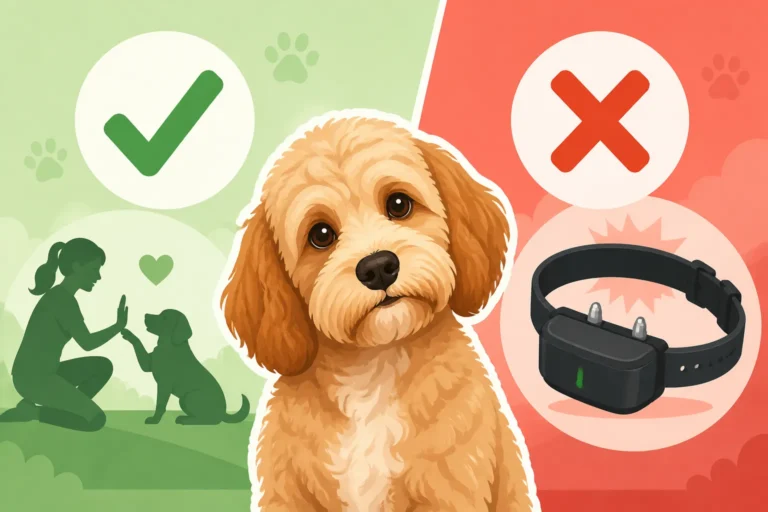
When looking for a professional, always ask about their certifications, methods, and experience. Avoid anyone who uses punitive methods, shock collars, or promises instant fixes, as these can often do more harm than good in the long run, especially with sensitive breeds like Cockapoos.
What to Expect from Professional Training
When you engage a professional, expect a thorough assessment. They will likely ask you detailed questions about your Cockapoo's history, daily routine, the specific problem behaviors, and your living situation. They may observe your dog in various environments. Based on this, they will create a customized training plan that is specific to your dog's needs and your goals.
Professional training will always involve you, the owner. A good trainer doesn't just "fix" your dog; they teach you how to understand and communicate with your dog effectively. You'll learn the techniques, the timing of rewards, and how to consistently apply the training plan. This often means homework between sessions. The focus will be on positive reinforcement, building your Cockapoo's confidence, and strengthening your bond. The process can take time and consistent effort, but with the right guidance, you can significantly improve your Cockapoo's ability to ignore birds, leading to a much more harmonious life together.
Disclaimer
This article is for general informational purposes only and does not constitute professional advice. Laws, prices and regulations vary by location and change over time. Consult a qualified professional for guidance on your specific situation.