Whether a Cockapoo Zigzags on a Walk
It's a familiar scene for many Cockapoo owners: you step out for what you hope will be a relaxing stroll, only to find your furry friend transforming into a canine zigzag machine, darting from one side of the path to the other, sniffing every blade of grass, and pulling you in a dozen different directions. This isn't just a quirky habit; it can make walks frustrating, challenging, and sometimes even a little dangerous for both of you. This guide will delve into why your Cockapoo might be zig-zagging, what instincts drive this behavior, and most importantly, how you can work together to enjoy more peaceful, predictable walks.
The Instincts Behind the Zigzag Pattern
That characteristic Cockapoo zigzag isn't random; it's often deeply rooted in the genetic heritage of their parent breeds. Understanding these foundational instincts is the first step toward managing them.
The Cocker Spaniel's Flushing Drive
The Cocker Spaniel, one half of your Cockapoo's lineage, was originally bred as a gundog, specifically for flushing game birds out of dense cover for hunters. To do this effectively, they developed a "quartering" pattern – a systematic, zigzagging search of an area. They weren't meant to run in a straight line; their job was to cover ground thoroughly, using their incredible sense of smell to locate hidden birds.
When you're out walking with your Cockapoo, this ingrained hunting pattern often kicks in. Every rustle in the bushes, every interesting scent wafting from a lamppost, or even just the open expanse of a park can trigger this natural quartering behavior. Your dog isn't being disobedient; they're simply following an ancient instruction embedded in their DNA. This drive means they’re constantly scanning, sniffing, and pivoting, leading to that erratic, side-to-side movement you experience on the leash. It’s their way of exploring their environment thoroughly, just as their ancestors explored fields for game. This strong instinct for investigation means you might also notice The Flushing Drive Still Alive in a Cockapoo when they're off-leash in a yard or park.
The Poodle's Intelligence and Curiosity
On the other side of the family tree, we have the Poodle – a highly intelligent and observant breed. Poodles were also originally working dogs, bred to retrieve waterfowl, and their smarts and attentiveness were crucial for this role. While they might not have the same "quartering" drive as a Cocker, their intelligence fuels an immense curiosity about their surroundings.
A Poodle's keen mind means they're constantly processing information. Every new sound, sight, or scent is an opportunity for learning and exploration. This translates to a walk where your Cockapoo might suddenly change direction not just to flush a phantom bird, but to investigate a fascinating patch of sidewalk, inspect a discarded wrapper, or check out a person walking by. They are engaged with their environment on a mental level, and this engagement often manifests as unpredictable movements. It's less about a primal hunting pattern and more about a cognitive exploration, a desire to understand and interact with everything around them.
Scent-Driven Exploration
Both Cocker Spaniels and Poodles possess an excellent sense of smell, but the Cocker's nose, in particular, is a powerful tool for navigating the world. For a Cockapoo, a walk isn't just about getting from point A to point B; it's a rich tapestry of smells, a living newspaper written in odors.
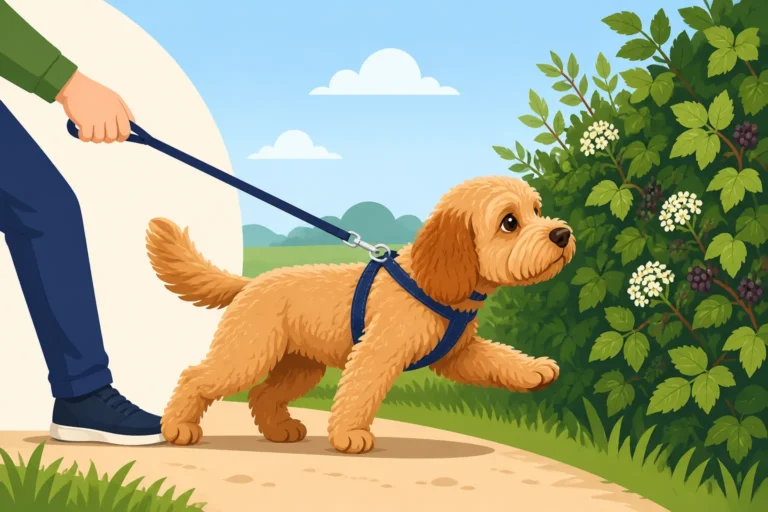
Every fire hydrant, every tree trunk, every patch of grass tells a story, and your Cockapoo is driven to read every single headline and editorial. They're processing a complex array of information through their nose – who walked there, what they ate, if another dog was stressed, if a squirrel recently buried a nut. This intense focus on scent is a primary reason for zigzagging. They will follow a scent trail as it meanders across the path, suddenly veer off into the bushes to investigate a particularly intriguing odor, or stop dead in their tracks to deeply inhale a spot. This isn't them ignoring you; it's them being completely engrossed in their olfactory world. You might find that Whether a Cockapoo Ignores You Once It Scents Something is a very real challenge when a compelling scent presents itself. This powerful instinct makes structured training around scent work incredibly beneficial for their mental stimulation.
Understanding the "Why" of Unpredictable Walks
Beyond the core instincts, several factors contribute to why your Cockapoo might be turning your pleasant walk into a canine slalom course. Pinpointing these can help you develop a more effective training strategy.
The Thrill of the Chase
Cockapoos, inheriting traits from both active parent breeds, often have a strong prey drive. This means small, fast-moving objects are incredibly exciting and can trigger an immediate chase response.
Imagine your Cockapoo calmly walking, and suddenly, a squirrel darts across their path, a bird flutters out of a bush, or even a leaf skitters across the pavement in a gust of wind. In an instant, their instincts can take over, and they'll lunge, pull, and zigzag after the perceived prey. This isn't them being naughty; it's a hardwired response. The thrill of the chase is immensely rewarding for them, and each successful "hunt" (even if it's just chasing the squirrel up a tree) reinforces the behavior. Managing this requires proactive engagement and teaching a strong "leave it" command. It's a common challenge, and many owners wonder Whether a Cockapoo Chases Squirrels or even smaller prey with similar enthusiasm.
Overwhelm and Distraction
The world is a vibrant, bustling place, and for a dog with heightened senses, it can sometimes be overwhelming. A busy street with cars, people, other dogs, and a cacophony of sounds can easily lead to a Cockapoo becoming overstimulated and reactive.
When a Cockapoo feels overwhelmed, their focus can scatter. They might try to avoid perceived threats by darting away, or become so engrossed in processing every input that they lose track of your lead. This can look like erratic movements, pulling in random directions, or sudden stops and starts. They might be trying to get closer to something interesting, or get away from something scary. A calm, quiet environment helps them focus, but the reality of urban or suburban walks means they're constantly bombarded. This is where consistent training and creating a sense of security can make a huge difference, helping them to tune into you rather than every single distraction.
Lack of Leash Training Consistency
Ultimately, much of the zigzagging and pulling comes down to a lack of consistent, clear communication about leash manners. Dogs aren't born knowing how to walk politely on a leash; it's a skill they need to be taught, patiently and consistently.
If your Cockapoo has learned that pulling in any direction eventually gets them where they want to go – whether it's to that interesting sniff spot or to catch up to another dog – then they will continue to do so. Inconsistency from the handler, such as sometimes allowing pulling and sometimes correcting it, can confuse the dog and make the behavior worse. They need to understand that the leash is a cooperative tool, not a restraint to be fought against. Building a strong foundation of Building a Recall a Cockapoo Answers in various environments also indirectly supports better leash manners, as a dog that reliably checks in with you off-leash is more likely to be attentive on-leash. Without this foundation, your Cockapoo might literally be leading you on the walk.
Strategies to Tame the Zigzagging Walk
While you can't erase a Cockapoo's innate instincts, you can absolutely teach them to channel those drives into a more enjoyable and controlled walk. Consistency and the right tools are your best friends here.
Mastering Loose-Leash Walking
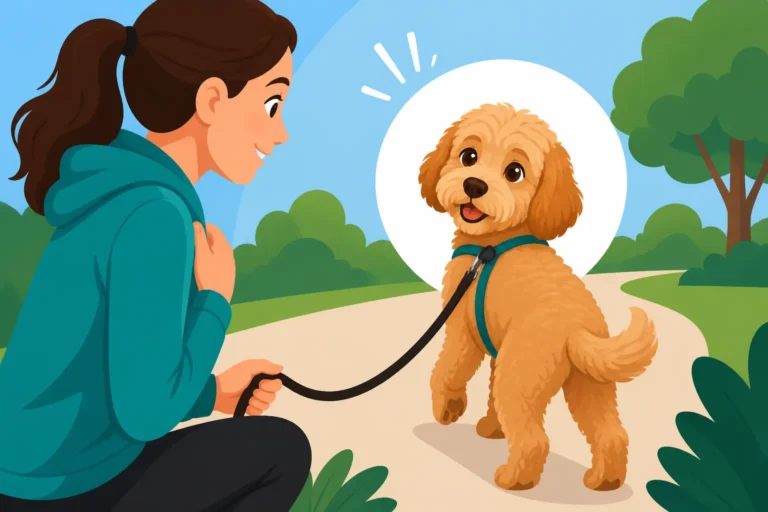
Teaching loose-leash walking is paramount. This isn't just about preventing pulling; it's about establishing a cooperative partnership on your walks.
- The "Stop-Start" Method: This classic technique is incredibly effective. As soon as your Cockapoo's leash tightens, stop walking. Stand still until the leash slackens, even if it's just for a second. The moment it slackens, praise them warmly (a simple "Good!" or "Yes!") and start walking again. If they pull, stop again. Your Cockapoo quickly learns that pulling makes the walk stop, and a loose leash makes it continue. This can feel tedious at first, but with persistence, you'll see a breakthrough.
- Changing Direction: Instead of letting your Cockapoo drag you, try frequently changing direction. If they're veering left, turn right. If they're pulling forward, pivot and walk the other way. This keeps them paying attention to you and prevents them from establishing a consistent pulling pattern. Again, reward generously with praise or a small, high-value treat when they respond by reorienting to you. Consider using a marker word like "Yes!" to pinpoint the exact moment of correct behavior, as discussed in Whether a Marker Word Beats a Clicker on a Cockapoo.
- Rewarding Eye Contact and Proximity: Don't just reward a loose leash; actively reward your Cockapoo for checking in with you or walking close to your side. Carry high-value treats and dispense them frequently when they are in the desired position, making you the most interesting thing on the walk.
Engaging Their Senses Productively
Since their noses and curiosity are such powerful drivers, let's use them to our advantage rather than fighting against them.
- Structured Sniff Breaks: Instead of letting your Cockapoo randomly pull to every sniff spot, build in deliberate "sniff breaks." Designate a specific bush or patch of grass and give them a cue like "Go sniff!" Allow them to have a good, thorough sniff for 30 seconds to a minute, then gently call them away and resume walking. This gives them a legitimate outlet for their olfactory needs without derailing the entire walk. It teaches them that you control when and where the sniffing happens.
- Scent Work Games: Incorporate actual scent work into your routine. This could be as simple as hiding treats in the grass in your yard and letting them find them, or using snuffle mats and puzzle toys at home. Engaging their nose in a structured way before or after a walk can reduce their frantic need to sniff every inch of the pavement. Activities like these, explored in Scent Work That Satisfies a Cockapoo, are fantastic for mental enrichment and tire them out in a different way than physical exercise alone. For those interested in more advanced activities, Whether a Cockapoo Needs a Sport to Be Manageable often highlights how engaging their minds can lead to a calmer dog overall.
- "Find It" on Walks: During your walk, occasionally toss a treat into the grass a few feet ahead of you and say "Find it!" This gives them a focused scent task that they can complete, and it encourages them to look to you for direction and reward.
Tools and Techniques for Better Control
The right equipment can make a world of difference when you're working on leash manners with a zigzagging Cockapoo.
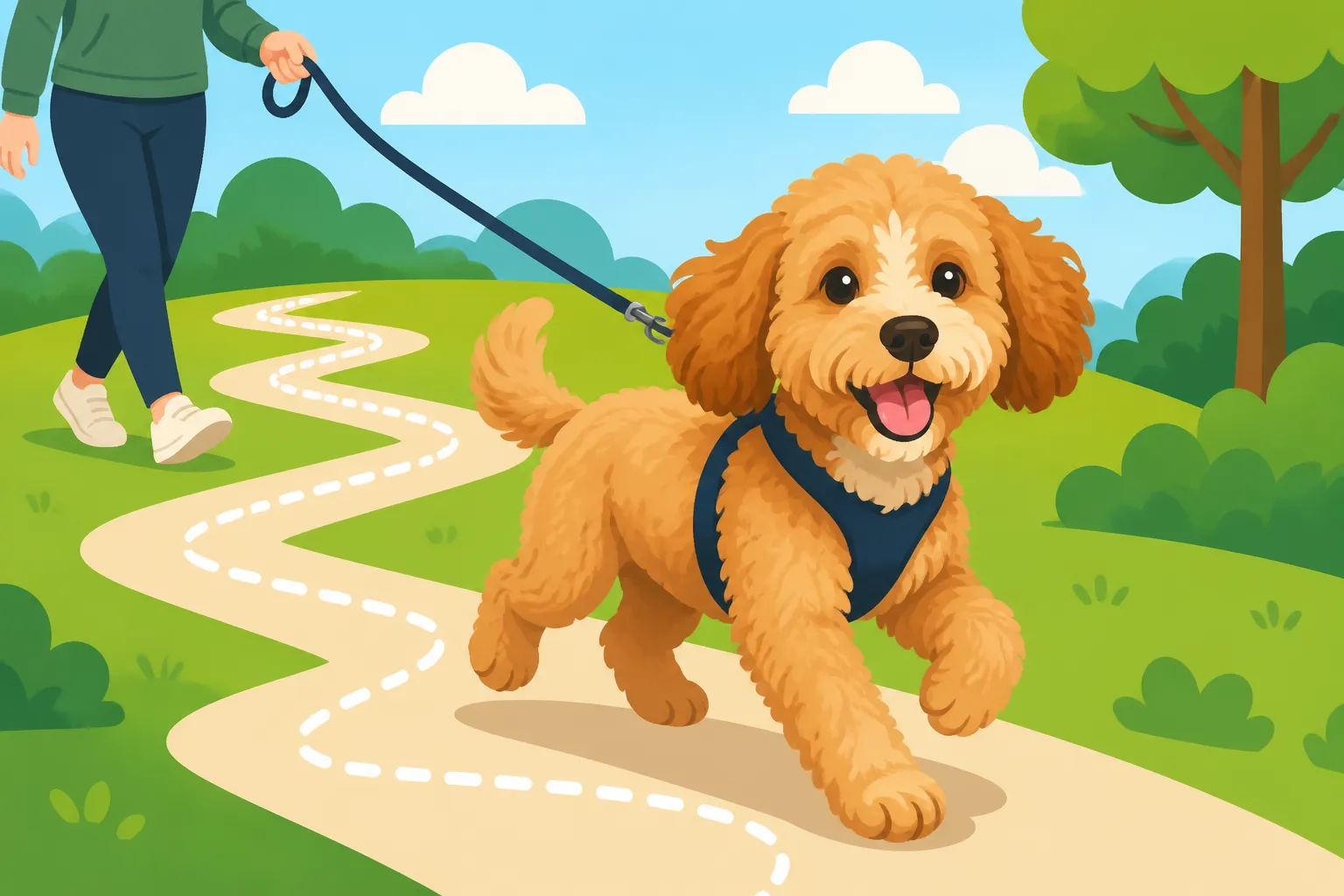
- Front-Clip Harnesses: These are often a game-changer for pullers. A front-clip harness has the leash attachment point on your dog's chest, rather than their back. When your Cockapoo pulls, the harness gently redirects their body sideways, making it difficult for them to continue pulling forward with force. This provides immediate, gentle feedback without causing discomfort to their throat like a collar might. Brands like Blue-9 Balance Harness or the Easy Walk Harness (available on Amazon) are popular choices.
- Long Lines: For safe, controlled exploration in open, secure areas (like a fenced park), a long line can be invaluable. It allows your Cockapoo to roam and sniff more freely while you still maintain control. This can help satisfy their desire for exploration without the constant battle on a short leash. Just be sure to practice handling a long line safely to avoid tangles or rope burns. You can find various lengths and materials on Amazon. For guidance on how to use them, you might want to read Working a Cockapoo on a Long Line.
- Consistency is Your Superpower: No tool or technique will work if you're not consistent. Every walk is a training opportunity. If you let them pull sometimes, they'll always try their luck. Everyone in the household who walks the dog needs to be on the same page.
- Online Training Resources: Sometimes, having a structured approach can really help. Online training programs, like those offered by BAXTER & Bella, can provide step-by-step guidance and support for common leash-walking challenges, including managing a dog's natural sniffing and quartering instincts.
Here's a quick comparison of common walking tools:
| Walking Tool | Attachment Point | Primary Benefit for Zigzagging/Pulling | Potential Drawbacks | Best Use Case |
|---|---|---|---|---|
| Flat Collar | Neck | Minimal equipment, allows freedom of movement | Can cause choking/gagging if dog pulls, less control over strong pullers | Well-trained dogs, ID tag holder |
| Back-Clip Harness | Back | Comfortable, reduces pressure on neck | Can encourage pulling as dogs can lean into it, less steering control | Dogs with good leash manners, smaller dogs, seniors |
| Front-Clip Harness | Chest | Redirects pulling, gentle steering control | Can tangle legs if not fitted correctly, may not suit all body shapes | Dogs learning loose-leash walking, moderate pullers |
| Head Halter (Gentle Leader) | Muzzle | Excellent control, steers the dog's head, which steers the body | Can be intimidating for dog and owner, requires desensitization | Strong pullers, highly reactive dogs |
Remember, the goal is to find what works best for your Cockapoo and your walking style, always prioritizing their comfort and safety.
Realistic Expectations and Patience
It's easy to get frustrated when your Cockapoo seems determined to explore every single scent on the planet, but it's important to remember that they are dogs, driven by instincts that have served their ancestors for generations.
A Cockapoo's Innate Nature
Let's be real: your Cockapoo is never going to walk in a perfectly straight line like a robot. They are curious, intelligent, and scent-driven animals. Their Cocker Spaniel heritage gives them a desire to quarter and flush, and their Poodle smarts ensure they're always investigating. Expecting them to ignore every intriguing smell or sight is unrealistic and, frankly, unfair to their nature.
Instead, the goal is to manage this instinct, not eliminate it entirely. Think of it as guiding their natural curiosity rather than suppressing it. You're aiming for a walk where you can enjoy each other's company, where they can still indulge in some sniffing (on your terms!), and where you both feel safe and in control. This understanding is part of The Thing Cockapoo Buyers Find Out Too Late – that these delightful dogs come with a good dose of working dog energy and drive.
Consistency is Key
Training is not a one-and-done event; it's an ongoing conversation. One good walk doesn't mean your Cockapoo is "cured" of zigzagging, and one bad walk doesn't mean all your efforts are wasted. Consistency means:
- Every walk is a training session: Approach each outing with the mindset that you are teaching and reinforcing good habits.
- Everyone in the household participates: Ensure that every family member who walks the dog uses the same commands, the same corrections (or lack thereof), and the same rewards. Mixed signals will only confuse your Cockapoo.
- Patience, patience, patience: There will be days when it feels like you're taking two steps back for every step forward. That's normal. Celebrate the small victories, stay positive, and remember that building good habits takes time and repetition.
When to Seek Professional Help
If you've tried various techniques and tools, and your Cockapoo's zigzagging and pulling are still unmanageable, causing you stress, or leading to dangerous situations (e.g., pulling into traffic, causing you to fall), don't hesitate to reach out to a professional.
A certified professional dog trainer can assess your specific situation, observe your Cockapoo's behavior, and provide personalized guidance. They can help identify underlying issues, refine your techniques, and even work with you directly on improving your Cockapoo's leash manners. Sometimes, an outside perspective and expert advice can make all the difference, transforming your frustrating walks into enjoyable adventures with your beloved Cockapoo.
Disclaimer
This article is for general informational purposes only and does not constitute professional advice. Laws, prices and regulations vary by location and change over time. Consult a qualified professional for guidance on your specific situation.