The Age a Cockapoo Starts Following Scent
There's a moment in every Cockapoo owner's journey when their sweet, attentive puppy, who once followed their every command, suddenly transforms into a four-legged, nose-to-the-ground explorer, completely oblivious to their frantic calls. This sudden shift, often a source of both amusement and frustration, happens when their innate scenting ability truly awakens. This guide will explore when you can expect your Cockapoo to start following scent, what that looks like, and how you can work with, rather than against, this powerful instinct.
The Deep Roots of Scenting in Your Cockapoo's Ancestry
To truly understand why your Cockapoo suddenly seems to have forgotten your existence the moment a compelling scent hits their nose, we need to delve a little into their incredible heritage. Your Cockapoo is a blend of two incredibly intelligent and active breeds: the Cocker Spaniel and the Poodle. Both bring something unique to the table, but when it comes to scenting, the Cocker Spaniel side really shines through.
The Cocker Spaniel's Hunting Legacy
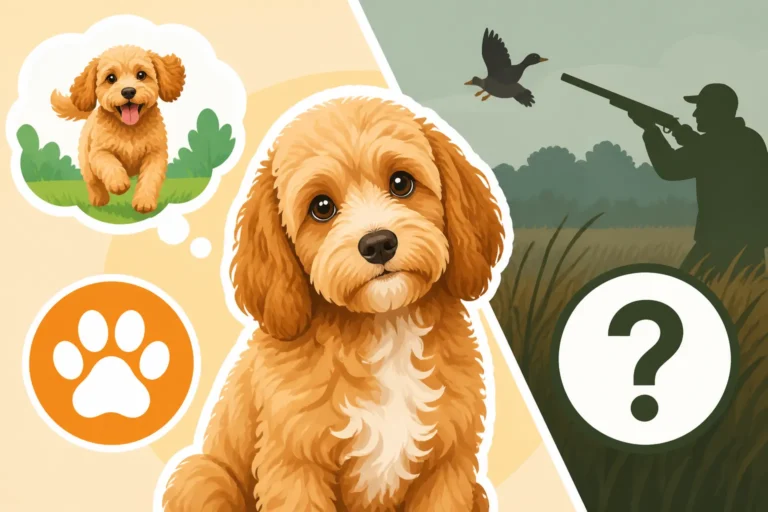
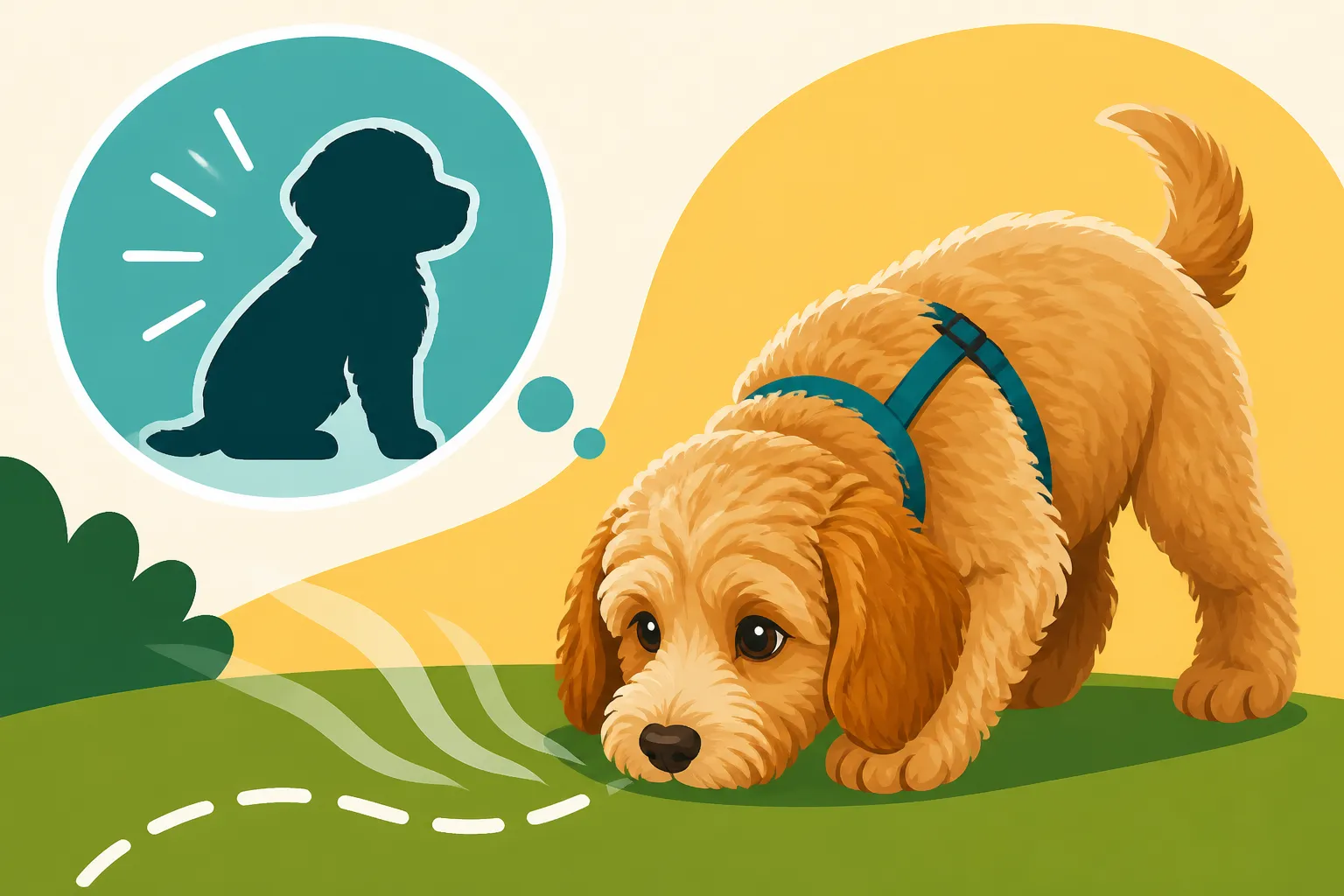
Cocker Spaniels, whether American or English, were originally bred for hunting. Their job was primarily to "flush" game birds from dense cover, driving them out for the hunter. To do this effectively, they needed an exceptional nose. They'd quarter the ground – move back and forth in a zigzag pattern – systematically sweeping an area for any whiff of a bird or small animal. This isn't just a casual sniffing; it's an intense, focused activity where their entire world narrows down to that one fascinating trail of odor.
This deep-seated instinct isn't something that breeders have managed to "breed out" simply because Cockapoos are now companion animals. It's hardwired. So, when your Cockapoo's nose hits the ground and they take off, they’re not being disobedient; they're simply doing what generations of their ancestors have done, responding to an incredibly powerful natural drive. It’s part of The Flushing Drive Still Alive in a Cockapoo. Think of it like a human seeing a delicious slice of pizza – it’s hard to ignore!
The Poodle's Contribution to the Scenting Mix
While Poodles aren't typically known for flushing game, they are incredibly intelligent and were historically used as water retrievers. This means they also possess a keen sense of smell and a strong desire to "work." Their intelligence and trainability mean they can be fantastic at scent work, often excelling in canine detection sports. When combined with the Cocker's natural hunting nose, you get a dog with a powerful olfactory system and the brains to use it effectively. This dual heritage means your Cockapoo often has both the drive and the mental capacity to become a true scenting superstar if given the opportunity.
When Does the Scenting Drive Typically Emerge in a Cockapoo?
It's not usually an overnight transformation, but rather a gradual awakening that becomes more pronounced as your Cockapoo matures. Understanding this timeline can help you prepare and adapt your training.
Puppyhood: The First Sniffs (8-16 Weeks)
Even as tiny puppies, Cockapoos are naturally curious. You’ll see them sniffing around the yard, exploring new smells, and interacting with their environment primarily through their nose. At this age, it's more about general exploration than focused scent following. They might briefly track a leaf blown by the wind or a spot where another dog has been, but they're still very much "velcro puppies," highly attuned to their human. This is a critical time for foundational training, especially recall, before the scent drive truly kicks into high gear. Teach them that you are the most interesting thing in the environment. What a Cockapoo Puppy Should Learn First often includes a strong recall from distractions.
Adolescence: The Drive Kicks In (4-8 Months)
This is typically when you'll start noticing a significant shift. Around four to six months, and often intensifying up to eight months and beyond, your Cockapoo's scenting drive can really start to take hold. They're growing in confidence, their world is expanding, and those ancestral instincts are pushing to the forefront.
You might observe:
- Nose to the ground: Their head will drop, and they'll become intensely focused on a trail, often ignoring your calls.
- Zigzagging patterns: They might start quartering the ground, moving back and forth in a systematic way, especially in grassy areas.
- Sudden bursts of speed: A compelling scent can act like an invisible leash, pulling them forward with surprising speed and determination.
- "Selective deafness": This is the classic scenario where they seem to completely tune you out. They aren't being stubborn; they are literally overwhelmed by the information their nose is providing. Whether a Cockapoo Ignores You Once It Scents Something delves into this common frustration.
This period is often a frustrating one for owners who aren't expecting it. Your once-perfect recall might suddenly fail in a stimulating outdoor environment. It's not a sign of poor training, but rather the powerful force of nature asserting itself.
Maturity: Refinement and Channeling (8 Months Onwards)
By the time your Cockapoo reaches maturity, typically around 8-12 months, their scenting ability is fully developed. While the intensity might remain, you have a better opportunity to channel and manage it. This is where consistent training, appropriate outlets, and a good understanding of their instincts become paramount. If you've laid a good foundation, you can teach them to enjoy scent work with you, rather than constantly battling their natural urges on every walk. The Age a Cockapoo's Recall Falls Apart is a related read that helps explain why consistency is key during this period.
Navigating the Scenting Journey: Practical Steps
Dealing with a scent-driven Cockapoo requires patience, understanding, and proactive strategies. You can't eliminate the instinct, but you can certainly manage and even celebrate it.
Reinforcing Recall (And Why It's Always a Work in Progress)
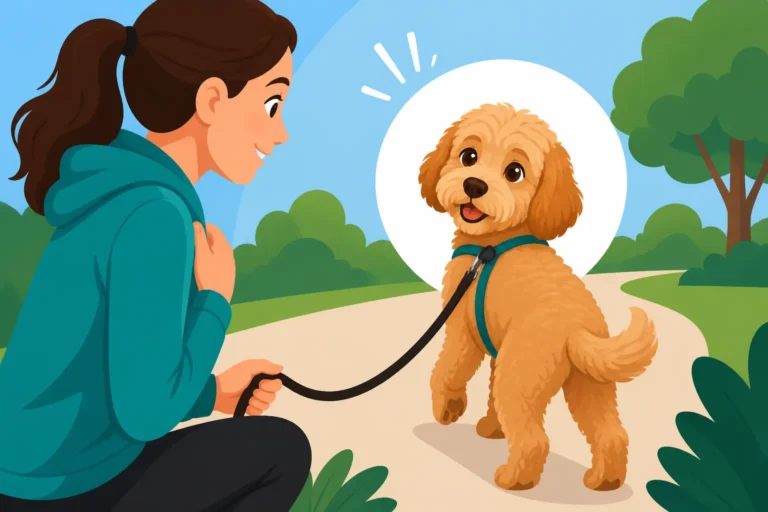
Even with the strongest scent drive, a reliable recall is your most important safety tool. Start early, make it fun, and practice in increasingly distracting environments. Use high-value treats and enthusiastic praise every single time they come back.
| Age Stage | Scenting Behavior | Recall Training Focus | Key Takeaways |
|---|---|---|---|
| 8-16 Weeks (Puppy) | General curiosity, light sniffing | Foundational, fun, positive reinforcement | Build strong bond, make coming to you rewarding |
| 4-8 Months (Adolescent) | Intense focus on trails, selective deafness | Practice in varied environments, use long lines | Consistency is crucial; manage distractions |
| 8+ Months (Adult) | Fully developed scent drive | Advanced recall with distractions, emergency recall | Channel drive into appropriate activities |
Remember, a solid recall isn't just about yelling "come!" louder. It's about teaching your Cockapoo that returning to you is always the best decision, even when a fascinating squirrel trail beckons. Consider a whistle recall, as sometimes a distinct sound can cut through scent-induced focus better than your voice. Whether a Whistle Recall Beats a Voice on a Cockapoo is an interesting article on this topic.
The Mighty Long Line: Your Best Friend
For safe exploration in open, non-fenced areas, a long line (think 15-30 feet) is indispensable. It allows your Cockapoo to explore scents with a bit of freedom while keeping them safely connected to you. This is crucial for their mental well-being; they get to indulge their instincts without the risk of bolting into danger. You can find excellent quality long lines on platforms like Amazon, offering different lengths and materials suitable for various environments. How Long a Long Line a Cockapoo Needs will give you more insight into choosing the right one. Practice handling the long line in an open area first, ensuring it doesn't get tangled or trip you or your dog.
Channeling the Drive: Scent Work Activities
Instead of fighting your Cockapoo's natural inclination, embrace it! Scent work is a fantastic way to satisfy their innate drive in a controlled and rewarding manner. It's mentally stimulating, builds confidence, and strengthens your bond.
Scent Games at Home
You don't need fancy equipment to start. Hide treats around your house and encourage your Cockapoo to find them. Start easy, then make it more challenging. You can use old boxes, towels, or even empty toilet paper rolls to create simple puzzle toys. Many resources are available online, including those offered by platforms like BAXTER & Bella, which often provide step-by-step guides for introducing your dog to nose work games.
Formal Nose Work or Detection Classes
If your Cockapoo truly loves sniffing, consider enrolling in a formal nose work or detection class. These classes teach dogs to find specific scents, mimicking the work of professional detection dogs. It's incredibly rewarding for both dog and owner. Your Cockapoo's sharp nose and eagerness to please make them excellent candidates for such activities. You'd be amazed at how much a dog loves to use its nose on purpose! Scent Work That Satisfies a Cockapoo offers more ideas for engaging their sense of smell. You can also explore Setting Up Scent Boxes for a Cockapoo at Home to create a fun, stimulating environment right where you live.
Common Challenges and Solutions
Even with the best intentions, managing a scent-driven Cockapoo can present unique challenges.
The "Deaf" Cockapoo on a Scent Trail
Challenge: Your Cockapoo catches a scent and completely ignores your commands, often running off to investigate.
Solution: Prevention is key. If you're in an area with high distraction (e.g., a park known for squirrels or rabbits), keep them on a long line. If they do get locked onto a scent, don't chase them – that often makes them run faster, thinking it's a game. Instead, try running away from them (safely), calling their name excitedly, or making a sudden, happy noise. Sometimes, breaking their focus with an unexpected positive sound can work. Always reward heavily when they return, even if it took a while. For some Cockapoos, How Long a Cockapoo Works Before Its Nose Wins can be a very short amount of time!
Safety Concerns in Scent-Rich Environments
Challenge: Worry about your Cockapoo running into traffic, getting lost, or encountering wildlife while following a scent.
Solution: Prioritize safety. Never let a scent-driven Cockapoo off-leash in unfenced areas near roads or other hazards. Use a long line, or seek out secure, fenced dog parks where they can explore safely. Consider a GPS collar for added peace of mind if you do venture into larger, more open spaces where off-leash work is permitted. Teaching your Cockapoo to Teach a Cockapoo to Check In on a Walk is a valuable skill that encourages them to periodically look to you, even when exploring.
Dealing with Frustration (Yours!)
Challenge: It can be incredibly frustrating when your dog ignores you or seems to disregard all your training efforts.
Solution: Remember, it's not personal. Their nose is a powerful tool, and following scent is as natural to them as breathing. Reframe it: instead of seeing it as disobedience, view it as an opportunity to engage their natural talents. Focus on the positive – when they do check in with you or respond to a command in a distracting environment, celebrate it like they just won an Olympic medal! Patience and consistency are your most powerful allies.
Your Cockapoo's incredible sense of smell is a gift, a connection to their ancestral past, and a wonderful avenue for shared activities. By understanding when this instinct kicks in and how to respectfully work with it, you can foster a deeper bond and ensure a happy, fulfilling life for your scent-loving companion.
Disclaimer
This article is for general informational purposes only and does not constitute professional advice. Laws, prices and regulations vary by location and change over time. Consult a qualified professional for guidance on your specific situation.