Scent Work That Satisfies a Cockapoo
Many Cockapoo owners find themselves scratching their heads, wondering why their adorable, fluffy companion seems to have an insatiable desire to sniff every blade of grass, roll in every mysterious scent, and ignore all calls when a particularly interesting smell catches their attention. It’s not naughtiness; it's instinct! This guide dives deep into the incredible world of scent work, revealing how this engaging activity can not only satisfy your Cockapoo's innate drive but also provide immense mental stimulation, build confidence, and strengthen your bond in ways you might never have imagined.
Understanding Your Cockapoo's Incredible Nose
Your Cockapoo, with its charming blend of Cocker Spaniel and Poodle, inherits a powerful genetic legacy when it comes to scent. This isn't just a casual sniff; it's a deep-seated instinct that, if not properly channeled, can lead to endless frustration for both you and your furry friend. Tapping into this drive is key to a happy, well-adjusted Cockapoo.
The Cocker Spaniel's Scenting Heritage
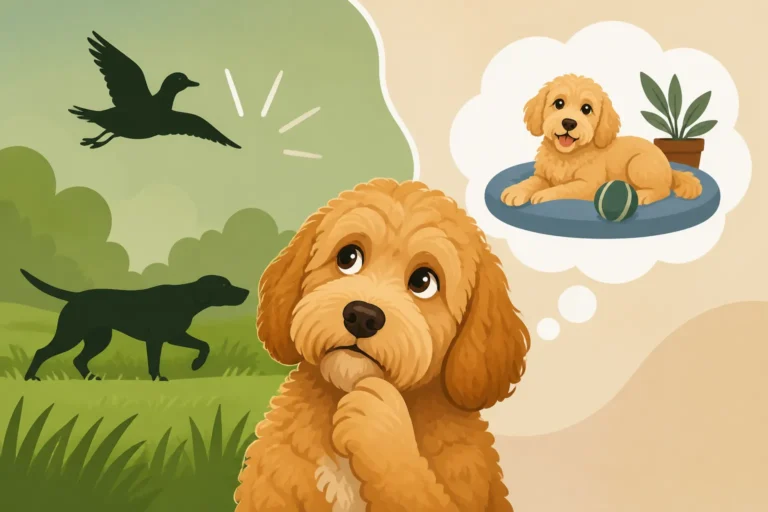
Let's talk about the Cocker Spaniel side first. These dogs were bred for centuries to be gun dogs, specifically "flushing" birds and small game out of dense cover for hunters. What does that mean for their noses? It means they are genetically programmed to work with their nose to the ground, meticulously quartering an area, following scent trails with an intense focus that can make them seem oblivious to the rest of the world. They're not just smelling; they're interpreting a complex tapestry of odors, understanding where a creature moved, how long ago, and in what direction.
Imagine a Cocker in a field, nose pressed to the damp earth, working tirelessly through tall grass. That same deep-seated drive is alive and well in your Cockapoo. You'll see it when they lock onto a scent during a walk, dragging you towards the source with surprising strength, or when they spend an inordinate amount of time investigating a patch of sidewalk. This isn't just curiosity; it's their heritage calling, a powerful urge to follow and understand scent. Many owners struggle with The Flushing Drive Still Alive in a Cockapoo because it's such a strong, primal instinct that's hard to counter without an appropriate outlet.
The Poodle's Often-Overlooked Scent Abilities
Now, let's not forget the Poodle. While often seen as elegant show dogs or clever circus performers, Poodles were originally water retrievers. They are incredibly intelligent, highly trainable, and possess a keen sense of smell that is often underestimated. Their sharp minds and desire to work alongside their human companions make them exceptional candidates for all sorts of canine activities, including sophisticated scent detection work. In fact, many Poodles excel in competitive scent sports and even professional detection roles, proving that their brains are just as potent as their brawn.
Poodles bring an element of methodical problem-solving to the scent equation. Where a Cocker might exuberantly follow a trail, a Poodle might more deliberately analyze the scent puzzle, using its intelligence to decipher the nuances. They learn quickly and thrive on mental challenges, making them perfect partners for structured scent activities. Their focus and ability to concentrate for extended periods are invaluable assets in formal scent work.
How This Blends in Your Cockapoo
So, what happens when you combine the tenacious, ground-scenting drive of a Cocker Spaniel with the intelligent, methodical scenting prowess of a Poodle? You get a Cockapoo with an absolutely phenomenal nose and an innate desire to use it! Your Cockapoo is essentially a finely tuned scenting machine, built to explore the world through smell. This blend means they not only have the drive to pursue scent, but also the intelligence and focus to learn complex scent tasks.
This is why, despite their charming appearance, many Cockapoos can become quite bored or even destructive if their mental and olfactory needs aren't met. A walk around the block, while good for physical exercise, often doesn't cut it for their highly active brains and noses. They need purposeful sniffing, tasks that engage their natural abilities and challenge them to think. Understanding this fundamental aspect of your Cockapoo's makeup is the first step towards providing them with truly fulfilling activities. It’s also why owners often despair at their Cockapoo’s Recall on a Cockapoo That Has Found a Scent – that scent is simply more compelling than your voice, and it takes dedicated training and mental fulfillment to create a balanced response.
Why Scent Work is More Than Just a Game for Your Cockapoo
Scent work isn't just a frivolous pastime; it's a powerful tool for enhancing your Cockapoo's overall well-being. It goes beyond simple entertainment, addressing core needs that often go overlooked in our busy human lives.
Mental Stimulation and Enrichment
One of the biggest struggles for owners of intelligent dogs like Cockapoos is providing enough mental stimulation. You can walk them for miles, but if their brains aren't engaged, they can still come home feeling restless and ready to find their own "jobs" – which often translates into unwanted behaviors like excessive barking, chewing, or even anxiety. Scent work is incredibly mentally tiring. When your Cockapoo is focused on deciphering a scent puzzle, their brain is working overtime, processing information, making decisions, and problem-solving.
Think of it like this: a half-hour scent session can often be more exhausting for your Cockapoo than an hour of fetch. It taps into their natural instincts and forces them to concentrate, leading to a much more satisfied and relaxed dog afterward. This kind of enrichment prevents boredom, which is a common trigger for destructive behaviors. It gives them a productive way to "think" and "work," which is exactly what their genetic makeup craves. It’s a fantastic way to give their busy minds a workout, far beyond just physical exertion.
Building Confidence and Reducing Anxiety
For shy or nervous Cockapoos, scent work can be a game-changer. When a dog successfully finds a hidden treat or target odor, they experience a surge of accomplishment. This positive reinforcement, purely driven by their own abilities, can significantly boost their self-confidence. They learn to trust their nose and their own judgment, rather than constantly looking to you for direction.
This self-assurance can then spill over into other areas of their life. A dog that feels capable and successful in scent games might be more inclined to explore new environments, approach unfamiliar people (carefully and on their own terms, of course), or even cope better with being left alone. For Cockapoos prone to anxiety, the focused nature of scent work can be incredibly grounding. It provides a task that demands their full attention, drawing them away from anxious thoughts or environmental triggers. It gives them a sense of control and purpose, which are vital for reducing stress.
Strengthening Your Bond
Working together on scent tasks is a fantastic way to deepen the relationship you have with your Cockapoo. Unlike obedience training, where you are often giving commands, scent work is more about observation and collaboration. You become your dog's assistant, setting up the puzzle and then learning to "read" their body language as they work. You celebrate their successes, and they learn to rely on you to provide these engaging opportunities.
This shared activity builds mutual trust and understanding. You start to notice the subtle flick of an ear, the slight twitch of a nose, or the change in their breathing that indicates they're "on scent." They learn that when you say "find it," something good is about to happen, and that you are their partner in this exciting endeavor. This kind of collaborative play is incredibly powerful for strengthening the emotional connection between you and your dog, creating a team dynamic that enriches both your lives. These kinds of activities are often key to preventing The Thing Cockapoo Buyers Find Out Too Late – that without enough mental engagement, a clever Cockapoo can invent their own, less desirable, pastimes.
Getting Started with Simple Scent Games at Home
You don't need fancy equipment or a special degree to start enjoying scent work with your Cockapoo. Some of the most effective and enriching games can be played right in your living room with items you already have. These simple exercises are perfect for building their confidence and developing their natural scenting abilities.
The "Find It" Game – A Beginner's Delight
The "Find It" game is the absolute foundation of scent work and every dog loves it because it involves treats! It's super easy to teach and instantly rewarding.
Here's how to play:
- Start Simple: Have your Cockapoo in a "stay" or have a family member gently hold them in another room. Show your Cockapoo a small, high-value treat – something really delicious like a tiny piece of cooked chicken or cheese.
- Hide the Treat: With your dog out of sight, hide the treat in a very obvious spot in the same room. Start with it clearly visible on the floor, perhaps just under the edge of a rug or beside a table leg.
- Release and Command: Go back to your dog, give your release command (like "okay!") and say "Find it!" with an enthusiastic tone.
- Praise and Repeat: As soon as they sniff out and eat the treat, give them lots of verbal praise ("Good find!"). Repeat this several times, making the hides progressively (but slightly!) harder. Move from visible spots to partially covered ones, then to completely hidden but easily accessible places.
- Gradually Increase Difficulty: Once your Cockapoo understands the game, start hiding treats in different rooms, under furniture, or behind cushions. The key is to make it challenging enough to be engaging, but easy enough that they always succeed, building their confidence.
This game teaches them the concept of searching for a hidden reward using their nose, and it's something you can do for a few minutes every day to provide a quick burst of mental stimulation.
Muffin Tin Game – A Brain Teaser
This is a classic enrichment puzzle that utilizes their sniffing skills and a bit of problem-solving. All you need is a muffin tin and some tennis balls.
How to play:
- Gather Supplies: Get a standard 6 or 12-cup muffin tin. You'll also need enough tennis balls (or other small, dog-safe balls) to cover all the holes. And, of course, some irresistible treats.
- Hide the Treats: Place a small treat in just a few of the muffin tin cups to start. As they get better, you can put treats in more cups.
- Cover the Cups: Place a tennis ball over each muffin cup, whether it has a treat or not. This forces your Cockapoo to sniff out the right cups and then figure out how to move the ball.
- Introduce the Puzzle: Present the muffin tin to your Cockapoo. Encourage them with "Find it!" or "Where's the treat?" They'll likely start by nudging the balls with their nose, eventually learning to move them aside to get to the prize.
- Vary the Challenge: To increase the difficulty, you can start by only putting treats in some cups and covering all. This makes them really work their nose to discriminate between empty and full cups. You can also try using different types of covers, like small toys or even a light cloth, once they master the balls. This game is fantastic for engaging their analytical mind and their nose simultaneously.
Hide and Seek with Toys
Once your Cockapoo is a pro at finding treats, you can graduate to hiding their favorite toys. This taps into their emotional connection to certain objects, making the search even more motivating.
Playing Hide and Seek:
- Choose a Favorite Toy: Select a toy that your Cockapoo absolutely adores – one that gets them excited every time they see it.
- Initial Hides: Start by showing them the toy, then place it in a semi-hidden spot while they watch. Say "Find your [toy's name]!" or "Where's your bear?"
- Increase Stealth: As they understand, have them "stay" or wait in another room. Go hide the toy in a more challenging spot, similar to how you would with treats. Think behind a curtain, under a blanket, or even in a low shelf.
- Encourage the Search: Release your Cockapoo and give them the "Find your toy!" command. Praise them enthusiastically when they locate it.
- Make it a Game: You can also turn this into a game of hide and seek with you being the hidden "toy." Hide in another room and call their name excitedly, encouraging them to track you down by scent and sound. This is great for building confidence and recall in a fun, low-pressure way. It reinforces that using their nose can lead to finding valued things, whether it's a treat, a toy, or even their beloved human. Some Cockapoos love Scent Games a Cockapoo Never Tires Of, and this is definitely one of them!
Introducing Formal Scent Work Disciplines
While at-home games are a wonderful starting point, formal scent work introduces new levels of challenge, structure, and precision that can truly harness your Cockapoo's incredible olfactory abilities. These structured activities mimic the work of professional detection dogs, teaching your dog to identify and alert to specific target odors.
The Basics of K9 Nose Work/Scent Work
K9 Nose Work, often referred to simply as "Scent Work," is a dog sport that teaches dogs to find specific target odors hidden in various environments. It's based on the training methods used for professional detection dogs (like those that sniff out drugs, explosives, or even bed bugs), but adapted for companion dogs to be fun and accessible. The goal is simple: find the hidden scent and let your handler know you've found it. This can be immensely satisfying for a Cockapoo, providing a legitimate "job" for their nose.
The beauty of K9 Nose Work is that it's open to all dogs, regardless of age, breed, or physical limitations. Because it relies purely on their nose, it's low-impact and inclusive. Dogs work one at a time, which is perfect for dogs who might be shy or reactive around other canines. The primary objective is to build your dog's confidence and harness their natural ability to hunt for scent. It teaches them a specific skill set: how to systematically search an area, pinpoint a tiny odor source, and communicate their find to you. For a Cockapoo, who has both the drive and the intelligence, this can be an incredibly rewarding venture, and many dogs can actually Whether a Cockapoo Can Earn a Scent Work Title through recognized organizations.
Essential Gear for Novice Scent Work
You don't need a huge investment to get started, but a few specific items will make your formal scent work journey much smoother.
Here's what you'll typically need:
- Target Odor: The most common starting odor is Birch. You'll buy a small bottle of pure essential oil. Other common odors include Anise and Clove. It's crucial to use pure essential oils, not synthetic fragrance oils.
- Scented Q-tips: You'll transfer a tiny amount of the essential oil onto cotton swabs (Q-tips). It's best to do this in a separate area, away from your dog, and wear gloves to avoid contaminating the Q-tips with your own scent. Store these in an airtight glass jar away from other odors.
- Scent Vessels: These are small, non-porous containers to hold the scented Q-tip. They can be something as simple as a small tin with holes punched in the lid, a magnet holder, or a plastic vial. The goal is to allow the scent to permeate while protecting the Q-tip itself.
- Search Containers: For initial training, you'll need several identical, clean cardboard boxes. These will be your first "hides."
- High-Value Rewards: The reward for a successful find needs to be super motivating. Think tiny pieces of hot dog, cheese, or cooked chicken. Keep them small so your dog can eat them quickly and get back to work.
- A Leash and Collar/Harness: While dogs work off-leash in trials, you'll often start training on a leash to guide and manage them. A comfortable harness is ideal.
- A "Scent Work" Mat (Optional): Some trainers use a mat to define the "search area" in early stages.
You can find most of these items, especially the essential oils and small tins, quite easily online. Many reputable pet supply retailers or even general online marketplaces like Amazon offer starter kits or individual components for K9 Nose Work. Just be sure the essential oils are therapeutic grade and pure.
The First Odor: Birch
Introducing your Cockapoo to their first target odor is an exciting step! Birch is usually chosen because it's a distinct, easily recognizable scent that dogs tend to enjoy. The key here is association: teaching your dog that this specific smell predicts a fantastic reward.
Here’s a common way to introduce Birch:
- Set Up the Hide: Take one scented Q-tip (prepared and stored as above) and place it securely in a scent vessel. Put this vessel inside one of your clean cardboard boxes. Leave the other boxes empty.
- The Box Game (Initial Stages): Place the boxes in a line or semicircle in front of your Cockapoo. With your dog on a leash (or held by a helper), present the boxes. When your dog shows any interest in the scented box (a sniff, a glance), immediately mark the behavior (a verbal "yes!" or a clicker) and reward them with a high-value treat at the source of the odor. This is crucial – the treat must appear right where the scent is, reinforcing the association.
- Repeat and Generalize: Repeat this process many times over several short sessions. Always ensure success. Gradually make the game slightly harder by:
- Adding more empty boxes.
- Varying the placement of the scented box.
- Placing the boxes further apart.
- Making the hide slightly more difficult within the box (e.g., tucking the scent vessel under a flap).
- Building the "Search" Command: Once your Cockapoo reliably goes to the scented box, you can add a verbal cue like "Search!" before you release them to investigate the boxes.
The goal is for your Cockapoo to eagerly seek out the Birch odor, knowing that finding it leads to a wonderful reward. This builds their understanding and excitement for formal scent work, establishing the foundation for more complex searches. Remember, consistency and positive reinforcement are key here. You want to make this an incredibly positive and fun experience for your dog.
Progressing Your Cockapoo's Scenting Skills
Once your Cockapoo has confidently grasped the concept of finding a target odor in simple box searches, it's time to expand their horizons. Progressing their skills involves introducing new environments, increasing the complexity of the hides, and refining your ability to read their "alert" signals.
Advancing Search Locations
Moving beyond a controlled indoor environment is a big step in scent work. The real world offers a vast array of smells and distractions, teaching your Cockapoo to focus their search.
Here's how to gradually introduce new locations:
- Indoor Room Searches: Start within your own home. Instead of just boxes, hide the Birch scent vessel in various spots in a single room. Think under a chair, on a low shelf, behind a door, or even taped to the underside of a table. Begin with easy, obvious hides and gradually make them more challenging, ensuring your dog can always succeed. This teaches them to systematically clear a space.
- Building Familiarity: Once your Cockapoo is proficient in one room, introduce a new room. The familiar context of being indoors helps them transition. They learn that the game isn't just about "the boxes" but about finding the specific scent, no matter where it is.
- Outdoor Introduction: When they're confident indoors, move to a quiet outdoor space, like your backyard. The shift from indoor air currents to outdoor breezes is a significant challenge. Start with very easy hides – perhaps the scent vessel placed on a brick, under a plant pot, or near a tree trunk. Focus on short, successful searches.
- Public Spaces (Controlled): Eventually, you can graduate to quiet public parks or open areas, always keeping your dog on a long line and ensuring the safety of the environment. The sheer volume of new smells can be overwhelming initially, so keep hides easy and sessions short, celebrating every success. The objective here is to teach your dog to work through distractions and trust their nose in increasingly complex odor landscapes.
Increasing Difficulty with Distractions and Elevation
Making hides harder isn't just about hiding them better; it's about challenging your Cockapoo with environmental factors and elevated placements.
Consider these ways to step up the game:
- Introducing Distractions: Once your dog is proficient at finding the target odor, you can start adding distractions. This could be placing a smelly dog toy (one not associated with the target odor) near a hide, or even an un-scented treat to see if your dog can still discriminate the target odor. The goal isn't to trick them, but to help them learn to focus. Start with mild distractions and gradually increase. This prepares them for the complex "odor landscapes" of real-world searches.
- Elevated Hides: Dogs naturally sniff at ground level, but odors travel, and real-world hides can be anywhere. Start placing hides slightly higher than ground level – on a low chair, a window sill, or a plant stand. This teaches your Cockapoo to scan higher and consider three-dimensional space. Progress gradually to higher hides on shelves, fences, or even hanging from branches. Always ensure the hide is secure and won't fall, and that your dog can safely access it to "alert" and receive their reward.
- Proximity to Humans/Other Animals: For advanced work, you might introduce a "passive" person standing near a hide, or even a different dog's crate in the search area (with the dogs separated, of course). These are high-level distractions that require significant focus from your Cockapoo. Remember, every step should be built on success, gradually pushing their boundaries while keeping it positive and fun. This progressive training ensures your Cockapoo builds confidence and skill without becoming frustrated.
Understanding and Rewarding Alerts
An "alert" is how your Cockapoo tells you, "Hey, human, I found the odor!" Unlike professional detection dogs who might be trained to sit or paw at the source, in K9 Nose Work, a dog's alert is often a subtle change in behavior when they pinpoint the odor source. Learning to read these signals is key to being a good scent work partner.
Here's what to look for and how to reward:
- Subtle Behavioral Changes: Your Cockapoo might freeze, stare intently at the hide, give a soft nose poke, or even start to dig gently (though you'll want to redirect true digging in formal settings). Some dogs will wag their tail furiously, while others might become very still and focused. Their breathing might change, or their body language might shift from active searching to intense focus. These are often called "changes in behavior" or "alerts."
- Marking and Rewarding at Source: The moment you see an alert, you need to mark it immediately (with a verbal "yes!" or a click) and deliver the high-value treat directly at the source of the odor. This reinforces the connection: "When I show this specific behavior at this smell, I get rewarded here." If you pull them away to give the treat, you're teaching them the reward comes from you, not the source.
- Building a Formal Alert (Optional): Some owners choose to train a more formal alert, like a nose-touch or a sit, especially if their dog's natural alert is very subtle. This is often done after the dog understands the game and is reliably finding the odor. You would mark their natural alert, then lure them into the desired formal alert (e.g., holding a treat to their nose, then moving it to their rear for a sit) and reward that.
- Consistency is Key: Always reward for a successful find, even if it took a while. Avoid giving treats for "false alerts" or when they're simply sniffing around an empty area, as this can confuse them. If they're struggling, make the hide easier, rather than letting them fail repeatedly. Consistent, accurate rewarding builds a strong, confident scent worker. It also helps you understand Whether a Cockapoo Works Harder for Scent Than Food or other rewards, tailoring your approach to their deepest motivations.
Troubleshooting Common Scent Work Challenges
Even the most enthusiastic Cockapoo can hit a snag in their scent work journey. It’s completely normal! Understanding why these challenges arise and having strategies to overcome them will keep the experience positive and productive for both of you.
When Your Cockapoo Loses Interest
There’s nothing more disheartening than your normally energetic Cockapoo suddenly looking bored or disengaged during a scent session. But don't despair; it's usually a sign that something needs adjusting.
Here are a few common reasons and solutions:
- Difficulty Level is Off:
- Too Hard: If your dog isn't finding the scent consistently, they'll get frustrated and give up. Dial it back immediately. Go back to super easy, almost visible hides where success is guaranteed. End every session on a win.
- Too Easy: Believe it or not, some intelligent Cockapoos can get bored if the game isn't challenging enough. Once they've mastered a level, it’s time to slowly introduce a new variable (a new search area, a slightly higher hide, an extra empty box).
- Low-Value Reward: Is your treat really exciting? For scent work, you need the absolute best stuff – tiny pieces of cheese, hot dogs, cooked meat, or commercial high-value training treats. If your dog isn't motivated by the reward, they won't put in the effort. Switch it up!
- Too Long Sessions: Scent work is mentally taxing. Keep sessions short, especially when starting out. 5-10 minutes of intense focus is far better than 20 minutes of half-hearted sniffing. End before they get bored.
- Environmental Distractions: Is the training area too noisy or busy? Too many competing smells? Try a quieter, less stimulating environment.
- Physical Needs Unmet: Is your Cockapoo tired, hungry, or needs a potty break? Address these basic needs before a scent session.
Re-engaging often involves simplifying, boosting the reward, and shortening the session. Always remember, the goal is fun and success.
Handling False Alerts and Frustration
False alerts – when your dog indicates a find where there is no odor – and general frustration are common hurdles. The key is to manage them gently and constructively, avoiding punishment.
- For False Alerts:
- Do Not Reward: The most important rule is never to reward a false alert. If your dog indicates a spot and there's no odor, simply say "Nope, try again!" (or a similar neutral phrase) and calmly walk away from that spot. You're not punishing them, just letting them know this isn't the right spot for a reward.
- Guide Away, Not Tell: If they're fixated on an empty spot, gently guide them away (e.g., leash pressure, a body block) and then re-present the search area or a known easy hide. Don't tell them "no" harshly or yank them; keep the atmosphere positive.
- Re-evaluate Hide Placement: Sometimes false alerts happen because the odor is "ghosting" – lingering in an area near the actual hide. Ensure your hide placement is clean and distinct.
- For Frustration (Yours or Theirs):
- Shorten Sessions: If either of you is getting frustrated, end the session immediately. Seriously, just stop. Take a break.
- Make it Easier: If your dog is whining, pacing, or becoming frantic, the search is too hard. Go back to a super easy hide where they can succeed quickly.
- Be a Calm Partner: Your energy directly impacts your dog. If you're stressed, they'll feel it. Stay calm, positive, and encouraging. Your job is to be their supportive team member, not their drill sergeant.
- Check Odor Quality/Freshness: Is your odor vial sealed properly? Are your q-tips fresh? Fading odor can be confusing.
Remember, every "mistake" is an opportunity to learn. The goal is to build clarity and confidence, not create pressure.
Overcoming Environmental Distractions
Training in your quiet living room is one thing; moving to a park with squirrels, other dogs, and interesting human smells is another entirely. Environmental distractions are often the biggest challenge.
- Gradual Exposure: Never jump from a quiet room to a busy park. Follow the progression: quiet room -> busy room -> quiet backyard -> quiet park -> busier park.
- Start with Easy Hides: When introducing a new, distracting environment, make the hides incredibly easy. Your Cockapoo needs to succeed despite the distractions.
- Focus on One Variable: If you're introducing a new environment, don't also introduce a new odor or a new hide type. Change one thing at a time.
- Use a Long Line: In outdoor settings, a long line (a lightweight leash 15-30 feet long) allows your Cockapoo freedom to search while still giving you control if a distraction becomes too overwhelming. This is particularly useful for dogs whose Whether a Cockapoo Ignores You Once It Scents Something is a known issue.
- Timing is Everything: Choose times when distractions are naturally lower. Early mornings or late evenings in parks can be quieter.
- High-Value, High-Frequency Rewards: When working in distracting environments, your rewards need to be even more motivating and delivered more frequently. This helps your Cockapoo focus on the task and you.
- Be Patient: Overcoming distractions takes time and consistency. Celebrate small wins, and don't get discouraged if a session doesn't go perfectly. Every little bit of exposure and success builds resilience. For a highly driven Cockapoo, this kind of focused engagement is crucial to preventing them from developing behaviors like Whether a Cockapoo Runs Off at a Dog Park if their scent drive is not satisfied.
Beyond the Backyard: Competing and Community
Once your Cockapoo is confidently finding odors at home and in various environments, you might find yourself wondering what's next. The world of formal scent work offers opportunities for structured learning, community engagement, and even competition, which can be incredibly enriching for both of you.
Local Classes and Online Resources
Taking a class, either in person or online, can provide invaluable guidance and structure for advancing your Cockapoo's scent work skills.
- In-Person Classes: Many local dog training facilities offer K9 Nose Work or Scent Work classes. These classes provide:
- Expert Guidance: Experienced instructors can observe your dog's working style, help you read their alerts, and troubleshoot specific challenges.
- Structured Progression: Classes follow a curriculum, ensuring you learn foundational skills before moving to more complex scenarios.
- Varied Environments: Training centers often have different rooms, outdoor areas, and props, exposing your dog to diverse search challenges.
- Community: You meet other passionate dog owners, share experiences, and cheer each other on.
- Online Resources and Courses: If in-person classes aren't available or don't fit your schedule, there's a wealth of online resources. Many organizations offer virtual courses, tutorials, and communities. These can be particularly good for learning at your own pace. Some online training platforms, such as BAXTER & Bella, offer comprehensive programs that include modules on scent work, providing structured lessons and video examples you can follow from home. Just ensure that any online resource you choose is from a reputable source, often affiliated with national scent work organizations. This structured learning can really help advance your Cockapoo's skills in a clear, systematic way.
The Joy of Competition (or Just Community)
Scent work trials are formal events where dogs and handlers demonstrate their ability to find specific odors under various conditions. While the idea of competition might sound daunting, for many, it's more about the journey and the sense of accomplishment than winning a ribbon.
- What to Expect at a Trial: In a trial, dogs typically search different "elements": Container searches (boxes, luggage), Interior searches (rooms, buildings), Exterior searches (outdoor areas), and Vehicle searches (cars, trucks). Each dog searches individually, and the goal is to find all hidden odors within a set time limit.
- Benefits Beyond the Win:
- Validation of Training: Trials offer an objective measure of your team's progress. Successfully navigating a trial course, even without placing, is a huge confidence booster for both you and your Cockapoo.
- Challenge and Growth: The pressure and novel environments of a trial push you and your dog to perform at your best, highlighting areas for further training and growth.
- Community and Camaraderie: Trial environments are incredibly supportive. You meet dedicated scent work enthusiasts, share stories, and develop friendships. It's a wonderful way to connect with like-minded people.
- Mental Exercise: The sheer focus required in a trial provides immense mental stimulation for your Cockapoo.
Even if you never plan to compete, simply attending a trial as a spectator can be educational and inspiring. Understanding Whether a Cockapoo Needs a Sport to Be Manageable often comes down to providing an outlet for their intelligence and drive, and scent work definitely fits the bill, whether for fun or competition.
Keeping Scent Work Fun and Engaging Long-Term
To ensure scent work remains a beloved activity for your Cockapoo over the years, variety and continued engagement are key.
- Vary Your Hides and Environments: Don't always hide in the same spots or use the same room. Change it up constantly. Explore new walking trails where you can hide a small scent vessel for a "scent walk."
- Introduce New Odors (Gradually): Once your Cockapoo is proficient in Birch, you can slowly introduce Anise, then Clove. Always introduce one new odor at a time, ensuring they master the new scent before adding another.
- Learn New Skills: Explore different types of search patterns, learn about "pooling" (where scent gathers), and how environmental factors like wind and temperature affect odor dispersal. There's always more to learn!
- Incorporate into Daily Life: As discussed in the next section, weave scent games into your daily routine. A few minutes here and there can keep their skills sharp and their minds engaged.
- Keep it Positive: Always end sessions on a high note, even if it means going back to an incredibly easy hide. The goal is for your Cockapoo to always be excited when you bring out the scent kit. Scent work should be a joyful, collaborative experience that deepens your bond and provides lasting mental enrichment for your intelligent Cockapoo. Setting Up Scent Boxes for a Cockapoo at Home is a simple start, but the possibilities truly are endless.
Integrating Scent Work into Daily Life
Scent work doesn't have to be a dedicated, structured activity that only happens in a classroom or during specific training times. You can seamlessly weave elements of scent enrichment into your Cockapoo's everyday life, transforming routine moments into engaging mental challenges.
Scent Walks
For many Cockapoo owners, walks are often a quick trot around the block with a strict "heel" or "loose leash" policy. While good manners are important, sometimes your Cockapoo just needs to sniff. Turning a regular walk into a "scent walk" can be incredibly enriching.
Here's how to do it:
- Allocate Sniffing Time: Designate specific portions of your walk where your Cockapoo is allowed, even encouraged, to have their nose to the ground. This could be a particular patch of grass, a tree line, or a stretch of sidewalk.
- Give Permission: Use a cue like "Go sniff!" or "Find it!" as you release them from a tight heel, letting them know it's "nose time."
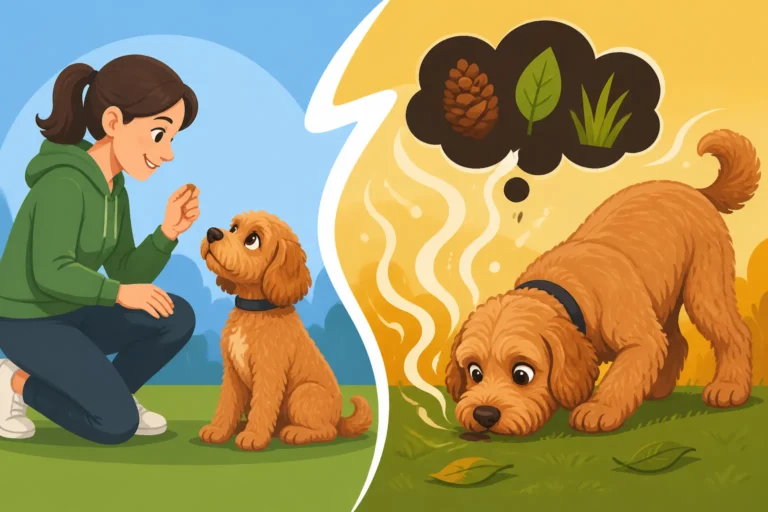
- Read the Environment: Let your Cockapoo choose their sniffing targets. They'll naturally be drawn to areas where other animals have been, or where interesting plants grow. This allows them to process the complex olfactory information of the world around them.
- Hide Treats Along the Way: If you're in a safe, controlled area (like your own yard or a quiet park you know well), you can pre-hide a few treats before your walk, then guide your Cockapoo to "find" them as you stroll. This turns the walk into a gentle scavenger hunt.
- Let Them Linger: Resist the urge to constantly pull them along. If they're deeply engaged in a scent, give them a few extra moments to fully investigate. This focused sniffing is mentally stimulating and can be just as tiring as physical exercise. It’s a wonderful way to satisfy their natural inclination to put The Age a Cockapoo Starts Following Scent to good use.
Using Scent to Manage Behavior
Scent work isn't just for fun; it can be a powerful tool for redirecting unwanted behaviors or managing challenging situations.
Consider these scenarios:
- Calming Hyperactivity: If your Cockapoo is over-aroused or has a burst of zoomies, a short, focused scent game can help them calm down. Setting up a quick "Find It" game in their crate or a quiet room can redirect their frenetic energy into a constructive, calming activity. Their brain has to switch from high-energy processing to focused problem-solving.
- Managing Guests: When visitors arrive, some Cockapoos can become overly excited, jumping or barking. Before guests come over, or during their arrival, you can set up a "search" for your Cockapoo in another room. This gives them a positive, engaging task to focus on, keeping them happily occupied while your guests settle in.
- Reducing Destructive Chewing: If your Cockapoo is chewing on inappropriate items out of boredom, scent games can provide a much-needed mental outlet. Instead of a chew toy, offer a puzzle toy stuffed with treats that they have to sniff out, or a snuffle mat where they have to use their nose to find hidden kibble. This teaches them to channel their energy into acceptable, brain-engaging activities.
- Transitioning and Settling: Scent work can help your Cockapoo transition between activities or settle down for the night. A quiet "Find It" game before bedtime can help them wind down and prepare for rest, providing a final burst of mental engagement that leaves them feeling content. It's a structured way to give their natural drives an outlet, which is a core component of Whether a Cockapoo Needs a Sport to Be Manageable.
Scent Games for Senior Cockapoos
As Cockapoos age, their physical abilities might diminish, but their minds and noses often remain sharp. Scent work is an ideal activity for senior dogs, providing mental enrichment without putting strain on their joints or bodies.
Here's how to adapt scent games for your older Cockapoo:
- Low Impact Hides: Keep hides at easily accessible heights. Avoid placing scents in spots that require jumping, extensive crouching, or navigating obstacles. Stick to ground-level or slightly elevated hides that they can comfortably reach.
- Shorter Sessions: Senior dogs tire more easily, both physically and mentally. Keep scent sessions very short – just a few minutes at a time, followed by ample rest.
- Familiar Environments: Stick to familiar, safe environments where your senior Cockapoo feels comfortable and secure. New places can be disorienting or stressful for older dogs.
- Boost the Rewards: Use even higher-value treats to keep them motivated. A senior Cockapoo might need a little extra encouragement to get going, and an irresistible reward can make all the difference.
- Focus on Success: Always ensure they succeed in finding the odor. Frustration can be more impactful for older dogs. Make the game easy, fun, and confidence-boosting.
- Scent-Based Puzzle Toys: Invest in snuffle mats, slow feeder bowls, or simple puzzle toys that require sniffing and gentle manipulation to get treats. These are perfect for keeping their minds engaged during meal times or quiet periods.
Scent work for senior Cockapoos is about celebrating their enduring mental capabilities and providing gentle, enjoyable enrichment that honors their changing physical needs. It's a beautiful way to continue bonding and keeping their quality of life high as they enter their golden years.
Here's a quick comparison of some popular scent work activities:
| Activity | Requires Special Gear? | Best For | Benefits | Time Commitment | Difficulty |
|---|---|---|---|---|---|
| "Find It" Game | No (just treats) | Beginners, all ages | Builds confidence, easy to set up | Short | Easy |
| Muffin Tin Game | Muffin tin, tennis balls | Mental stimulation, problem-solving | Engages brain, physical interaction | Short | Easy-Medium |
| Toy Hide & Seek | Favorite toy | Engaging, fun, recall practice | Strengthens bond, utilizes natural drive | Short | Easy-Medium |
| K9 Nose Work/Scent Work | Odor oils, scent vessels | Formal training, competition | Focus, precision, confidence, professional skills | Medium-Long | Medium-Hard |
| Scent Walks | No | Daily enrichment | Natural outlet, reduces pulling | Varies | Easy |
| Snuffle Mats/Puzzle Toys | Yes (specific toys) | Meal times, boredom busting | Mental stimulation, slows eating | Short | Easy-Medium |
Disclaimer
This article is for general informational purposes only and does not constitute professional advice. Laws, prices and regulations vary by location and change over time. Consult a qualified professional for guidance on your specific situation.