Whether a Cockapoo Raids the Trash
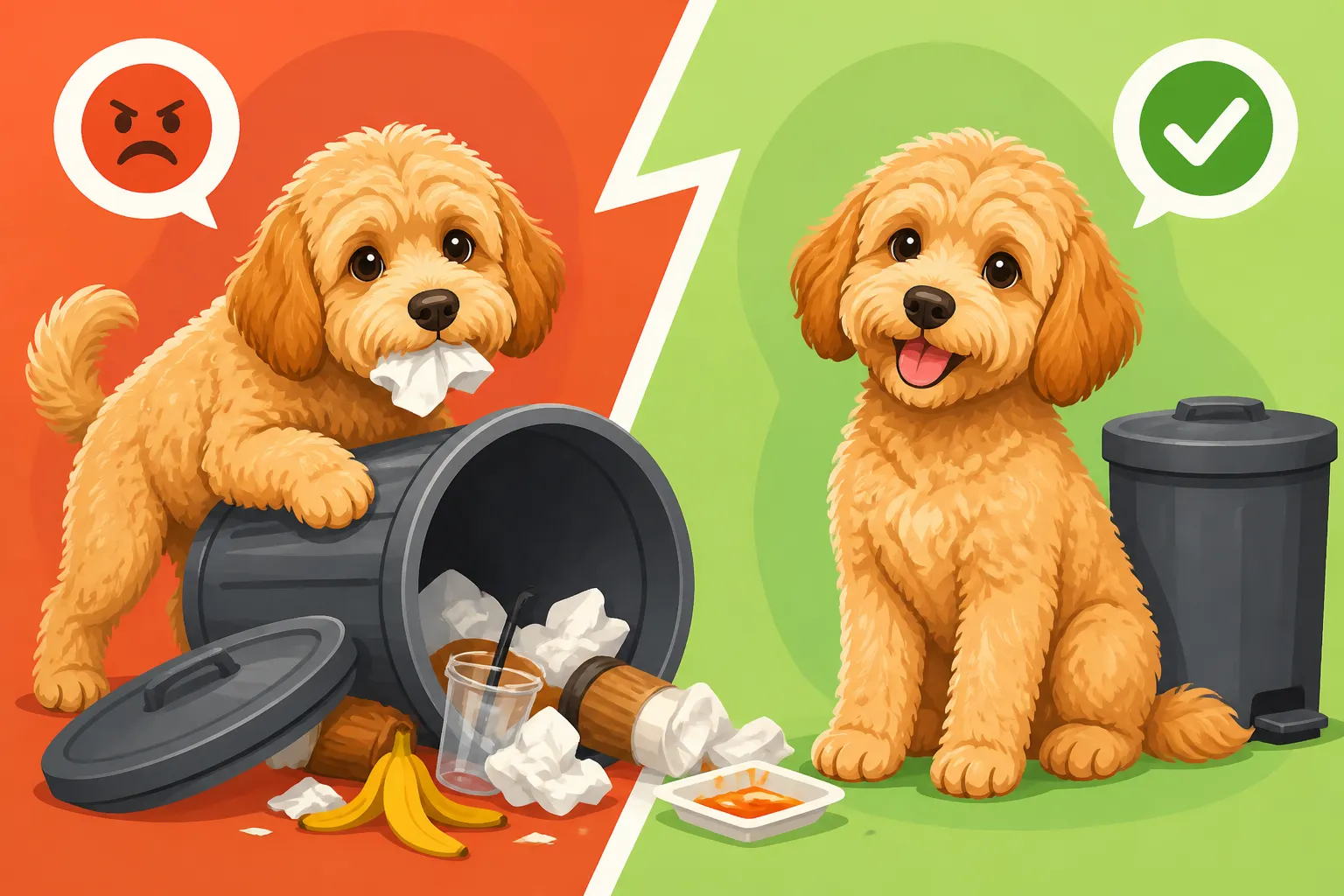
Oh, the sheer frustration of walking into your kitchen only to find that your usually adorable Cockapoo has transformed into a furry, four-legged whirlwind of destruction, scattering yesterday's dinner scraps across the floor! If you've ever asked yourself, "Does my Cockapoo really need to inspect every single item in the trash can?" then you're not alone. This guide is here to help you understand why your Cockapoo might be turning into a garbage gourmet and, more importantly, how to put a stop to this messy—and potentially dangerous—habit.
Why Cockapoos Are Drawn to the Forbidden Treasure Trove
It's easy to assume your Cockapoo is just being naughty when they dive headfirst into the trash, but there are often deeper, instinctual reasons behind this behavior. Understanding these motivations is the first step toward managing them. Remember, our Cockapoos are a delightful mix of two intelligent, active breeds, and sometimes those ancestral traits surface in unexpected ways.
The Hunter-Gatherer Instinct and Scent Drive
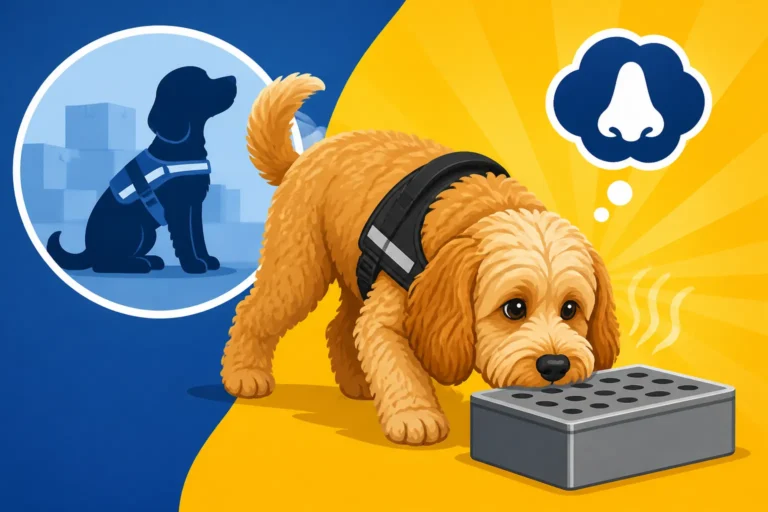
Both Cocker Spaniels and Poodles, the parent breeds of our beloved Cockapoos, have a history rooted in hunting and retrieval. Cocker Spaniels were bred to flush out game and retrieve it, often working close to the ground, using their incredible sense of smell. Poodles, particularly the Standard Poodle, were originally water retrievers, highly intelligent and driven by purpose. This strong olfactory sense and drive to investigate means that even the faintest whiff of something interesting—a forgotten food scrap, a crinkly wrapper, or even just the lingering scent of something you touched—can be an irresistible call to adventure for your Cockapoo.
Imagine it from their perspective: that trash can isn't just a container for discards; it's a treasure chest of smells, a puzzle to be solved, and potentially a source of delicious, unexpected treats. Their powerful noses tell them there's something there, and their innate drive compels them to explore it. It's not malice; it's pure, unadulterated canine curiosity and instinct. This can be especially true for a Cockapoo with a strong The Flushing Drive Still Alive in a Cockapoo. They're simply following their nose and their programming.
Boredom and a Quest for Engagement
A bored Cockapoo is a creative Cockapoo, and unfortunately, "creative" often translates to "destructive" in our human homes. If your Cockapoo isn't getting enough physical exercise, mental stimulation, or simply isn't engaged enough during the day, they will find ways to entertain themselves. The trash can offers a multi-sensory experience: it smells, it makes interesting noises as they rummage, and it might even yield a prize.
Think about it: when you're busy, perhaps working or out of the house, your Cockapoo might spend a good portion of the day just waiting. If their environment isn't rich with appropriate toys, puzzles, or opportunities for play, that seemingly innocent trash can becomes the most exciting thing in the room. It’s a challenge, an investigation, and a way to burn off some of that pent-up energy and intelligence. Many Cockapoo owners find that their dogs are quite smart and need jobs to do, otherwise, they invent their own. If you find your Cockapoo is also prone to behaviors like chewing furniture or excessive barking, it might be a clear sign they are bored and need more to do, as discussed in What a Bored Cockapoo Chews Through.
Opportunistic Scavengers
Let's be honest, dogs are opportunistic by nature. If there's an easy meal or an interesting object within reach, many dogs will take it. Our Cockapoos are no different. They quickly learn what's allowed and what's not, but a dangling hot dog wrapper or a half-eaten apple core sitting precariously close to the rim of an open trash can is often just too tempting to resist. They're not thinking about your house rules or the potential consequences; they're thinking, "Free snack!"
This scavenging behavior is often reinforced, even inadvertently. If your Cockapoo occasionally finds a leftover treat in the trash, they've just hit the jackpot. This positive reinforcement—the delicious taste of that discarded chicken bone—makes them more likely to try again. They learn that trash can equals reward, and that's a powerful motivator. It’s similar to Whether a Cockapoo Steals Food Off Counters – if it’s accessible and smells good, it’s fair game!
The Risks and Dangers of Trash Raiding
Beyond the mess and annoyance, trash raiding poses significant health risks to your beloved Cockapoo. It's not just about a little extra cleanup; it could lead to an emergency vet visit, which is a stressful and costly experience no one wants.
Choking Hazards and Foreign Objects
The contents of a typical household trash can are full of potential dangers. Chicken bones, especially cooked ones, can splinter and cause internal damage or lead to choking. Plastic wrappers, aluminum foil, corn cobs, fruit pits (like avocado or peach), and even used coffee filters can all become choking hazards or cause obstructions in your dog's digestive tract.
Imagine your Cockapoo, in their excitement, trying to wolf down a plastic bag with some leftover grease. That bag can easily get lodged in their throat, blocking their airway. Or consider a splintered bone working its way through their intestines, potentially perforating the delicate lining. These are not minor issues; they are life-threatening situations that require immediate veterinary intervention. Even seemingly innocuous items, like dryer sheets, can contain chemicals harmful if ingested.
Toxic Foods and Contaminants
Many common human foods are toxic to dogs, and these often end up in the trash. Chocolate, onions, garlic, grapes, raisins, xylitol (an artificial sweetener found in many sugar-free products), and avocado pits are just a few examples that can cause severe illness, organ damage, or even death in dogs. A Cockapoo rummaging through the trash might ingest enough of these toxic items to become seriously ill.
Beyond specific foods, discarded cleaning products, medication bottles, batteries, or even moldy food can all lead to poisoning. Moldy items, for instance, can contain tremorgenic mycotoxins that cause tremors and seizures in dogs. It's a terrifying thought to consider your playful Cockapoo suffering from poisoning because of something simple thrown in the bin. To learn more about what your scavenging Cockapoo should never eat, check out What a Scavapoong Cockapoo Must Never Reach.
Dental Damage and Gastrointestinal Issues
Sharp objects like broken glass, metal shards from cans, or even hard plastic can cause severe cuts or punctures in your Cockapoo's mouth, tongue, esophagus, or stomach. Dental damage, like chipped or broken teeth, can also occur if they try to chew on hard, inappropriate items.
Furthermore, ingesting large quantities of unusual or spoiled food can lead to acute gastrointestinal upset. This might manifest as severe vomiting, diarrhea, pancreatitis (inflammation of the pancreas, which can be very serious and painful), or even bloat, particularly if they're eating rapidly and swallowing air. The sudden introduction of rich, fatty, or spoiled foods can overwhelm their digestive system, leading to uncomfortable and potentially dangerous conditions requiring extensive veterinary care.
Practical Strategies to Prevent Trash Raiding
Now that we understand why Cockapoos raid the trash and the very real dangers involved, let's talk about how to stop it. Prevention is truly the best medicine here, combined with good training and management.
Secure Your Trash Cans
This is the most immediate and effective step you can take. If your Cockapoo can't get into the trash, they can't raid it. There are several options for securing your bins, from simple child locks to specialized pet-proof designs.
Here's a comparison of common trash can security features:
| Feature Type | Description | Pros | Cons |
|---|---|---|---|
| Latching Lids | Lids that actively latch or snap into place, often with a button or lever mechanism. | Highly effective against most dogs. Prevents accidental spills. | Can be inconvenient for quick disposal. Latches can break over time. Some clever dogs might figure them out. |
| Foot Pedal Operated | Lids that open with a foot pedal, often closing automatically. | Hands-free operation. Keeps lid closed when not in use. | Lids may not latch. Determined dogs can sometimes push the pedal or nose the lid open. |
| Heavy/Weighted Lids | Lids that are too heavy for a dog to easily lift or knock off. | Simple, no moving parts to break. | Not entirely dog-proof if the dog is strong enough or can get leverage. Still open to tipping. |
| Built-in Cabinets | Trash cans integrated into kitchen cabinets, hiding them completely. | Aesthetically pleasing. Completely out of sight and reach. | Requires cabinet modification. Less portable. Can be costly. |
| Child Safety Locks | Aftermarket straps or locks that secure the lid to the base, or cabinet doors shut. | Cost-effective for existing cans/cabinets. Versatile. | Requires consistent re-application. Can be fiddly for humans. Not always durable against persistent dogs. |
For outdoor bins, consider bungee cords or heavy-duty straps, and ensure they are stored in a secure shed or garage where your Cockapoo cannot access them. For indoor bins, look for models specifically advertised as "pet-proof" or "dog-proof." Many of these are available through retailers like Amazon, offering various sizes and designs to blend with your home decor while keeping your furry friend out of trouble.
Environmental Enrichment and Mental Stimulation
Remember that a bored Cockapoo is a trash-raiding Cockapoo. Providing ample mental and physical stimulation can significantly reduce their inclination to seek out illicit entertainment.
- Regular Exercise: Cockapoos are energetic dogs! They need daily walks, playtime in the yard, and opportunities to run. A tired dog is a good dog. If your Cockapoo is consistently well-exercised, they'll be less likely to have the energy or desire to get into trouble.
- Puzzle Toys and Treat Dispensers: These are fantastic for engaging your Cockapoo's brain and keeping them busy. Toys that dispense kibble or treats as your dog manipulates them can turn mealtime into a mental game. Brands like Kong and Outward Hound offer a wide range of options that can keep your Cockapoo occupied for a good chunk of time. This fulfills their desire to "work" for food in a safe, constructive way.
- Scent Work Games: Capitalize on your Cockapoo's incredible nose! Scent work is incredibly enriching and tiring for dogs. Hide treats around the house or yard and encourage them to find them. This can be as simple as a game of "find it" with their kibble. You can also explore formal Scent Work That Satisfies a Cockapoo classes or kits, which can be a wonderful bonding experience and a great outlet for their natural instincts.
- Training Sessions: Short, daily training sessions, even just 5-10 minutes, are excellent for mental stimulation. Practicing known commands or teaching new tricks builds their confidence and strengthens your bond. It's a great way to give them a "job" and keep their intelligent minds sharp.
Training for Impulse Control and "Leave It"
Training is crucial. While management (securing the trash) prevents the behavior, training teaches your Cockapoo the appropriate response when confronted with temptations.
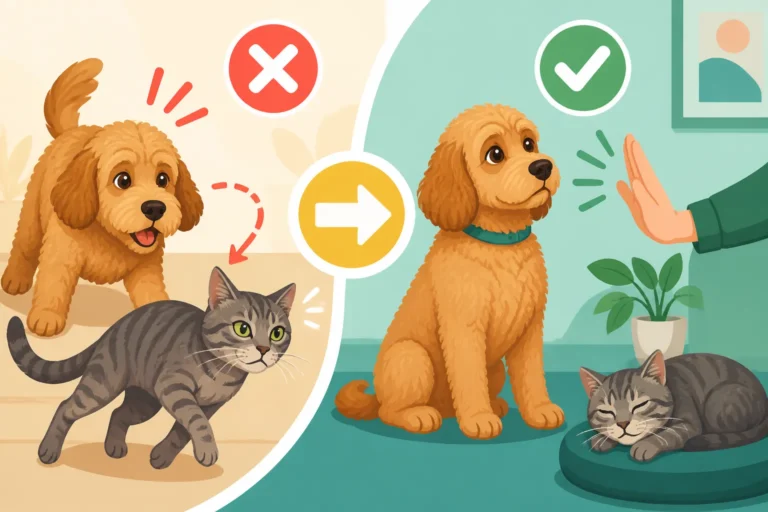
- "Leave It" Command: This command is invaluable. Start practicing "leave it" with low-value items (like a piece of kibble on the floor) and gradually increase the difficulty to more tempting items. The goal is for your Cockapoo to disengage from the item and look to you for a reward. Consistent practice in various environments will make this command reliable.
- "Go to Place" or "Settle": Teach your Cockapoo to go to a designated spot (like their bed or a mat) and stay there calmly when asked. This is particularly useful if you're cooking or dealing with something that creates a lot of tempting smells or activity in the kitchen.
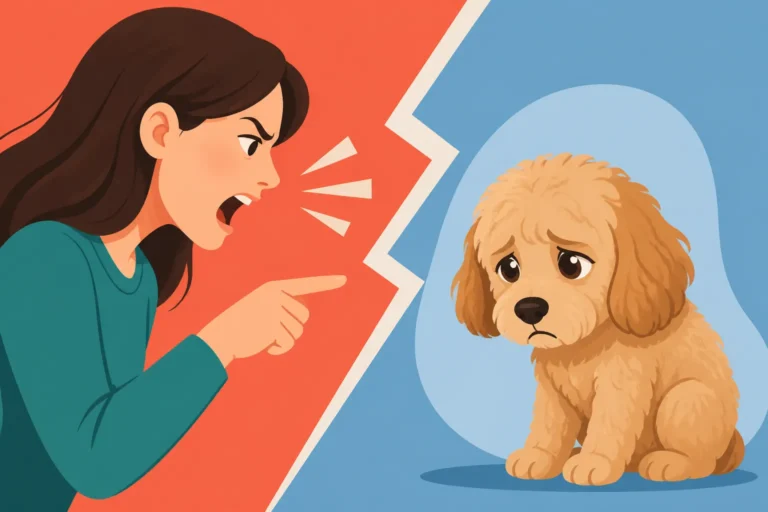
- Positive Reinforcement: Always use positive reinforcement (treats, praise, toys) when your Cockapoo obeys. Never punish them for raiding the trash after the fact. Dogs don't connect punishment to past actions; they only connect it to what's happening right now. If you scold them after they've made a mess, they'll learn to fear you or simply become sneakier about their trash adventures. Catch them before they get into the trash, redirect them, and reward them for making the right choice.
- Consistency is Key: Everyone in the household needs to be on the same page with commands and expectations. If one person allows trash raiding or is inconsistent with training, it undermines all your efforts.
Management During Absence
Trash raiding often happens when you're not around to supervise. This is where strategic management comes into play.
- Crate Training: A well-crate-trained Cockapoo can be safely confined in their crate when you're unable to supervise them. Their crate should be a comfortable, positive space, not a punishment. This ensures they can't access forbidden areas or items.
- Restricted Access: If crating isn't an option or isn't needed for short periods, restrict your Cockapoo's access to areas where trash cans are kept. Use baby gates to block off the kitchen or laundry room if those are problem areas. Even a seemingly clear kitchen can become a hazard if a curious Cockapoo decides to test boundaries.
- Consider a Dog Walker or Daycare: If you work long hours, consider hiring a dog walker to break up your Cockapoo's day or enrolling them in a reputable doggy daycare a few times a week. This provides exercise, socialization, and mental stimulation, reducing boredom and anxiety that can lead to destructive behaviors like trash raiding. Remember that How Many Hours a Cockapoo Can Be Left is a crucial consideration for their well-being.
- Preparation Before Leaving: Before you leave the house, do a quick "Cockapoo-proof" sweep. Ensure all trash cans are secured, counters are cleared, and any tempting items are put away. Leave them with appropriate, engaging toys, perhaps a puzzle feeder filled with a portion of their meal, to keep them occupied. Online training programs like BAXTER & Bella can offer structured guidance on building good habits and managing your Cockapoo when alone.
When to Seek Professional Help
If, despite your best efforts, your Cockapoo's trash raiding persists or is accompanied by other concerning behaviors, it might be time to enlist the help of a professional.
- Certified Professional Dog Trainer (CPDT): A certified trainer can assess your Cockapoo's behavior, identify underlying causes, and develop a personalized training plan. They can teach you effective techniques for impulse control, reinforce "leave it" in challenging scenarios, and help you address any gaps in your current approach.
- Veterinary Behaviorist: In some cases, trash raiding can be linked to anxiety, particularly separation anxiety, or other behavioral issues. A veterinary behaviorist is a veterinarian with specialized training in animal behavior. They can rule out medical causes for the behavior and, if necessary, prescribe medication in conjunction with a behavior modification plan. This is especially important if you notice other signs of distress when you leave, like excessive barking, house-soiling, or destructive chewing that goes beyond simple boredom. Building a Cockapoo's Tolerance for Being Alone can be a complex issue that sometimes requires expert intervention.
- Consistent Reinforcement: The key to success with any training is consistency. If you're struggling to maintain consistency or feel overwhelmed, a professional can provide the guidance and support needed to keep you and your Cockapoo on track.
Dealing with a Cockapoo that raids the trash can be frustrating, but with understanding, patience, and the right strategies, you can turn this messy habit around. Your Cockapoo's health and safety are paramount, so investing the time and effort into prevention and training is always worth it.
Disclaimer
This article is for general informational purposes only and does not constitute professional advice. Laws, prices and regulations vary by location and change over time. Consult a qualified professional for guidance on your specific situation.