Whether a Cockapoo’s Ear Canal Narrows With Age
One concern that often comes up as our beloved Cockapoos gracefully mature is the health of their ears, especially whether their ear canals might narrow with age. It’s a valid worry for any pet parent, as ear issues can be incredibly uncomfortable for our furry friends and often lead to frustrating, recurring problems. This guide is here to shed some light on the reality of ear canal narrowing in Cockapoos, what causes it, and how we can best support their ear health throughout their lives.
Understanding the Cockapoo Ear Canal Anatomy
When we talk about a Cockapoo's ears, we're really talking about a fascinating blend of two distinct parent breeds: the Cocker Spaniel and the Poodle. Both breeds have their own unique ear characteristics, and these combine in the Cockapoo, sometimes creating a predisposition to certain issues.
The Unique Blend of Cocker Spaniel and Poodle Ears
The Cocker Spaniel, whether American or English, is famous for its long, heavy, pendulous ears. These beautiful ears, while part of their charm, tend to hang close to the side of the head, effectively reducing airflow to the ear canal. This creates a warm, moist, and dark environment—the perfect breeding ground for bacteria and yeast. Combine that with the Cocker's natural tendency for a more profuse amount of hair within the ear canal itself, and you have a recipe for potential trouble. This excessive hair and lack of ventilation can trap moisture, debris, and microorganisms, leading to frequent ear infections.
On the other side of the family, we have the Poodle. Poodles also have pendulous ears, though typically not quite as heavy or long as a Cocker's. What truly sets the Poodle ear apart is the abundant hair growth inside the ear canal. This Poodle characteristic is a significant factor in Cockapoos. While the hair growth is sometimes touted as a benefit because it "traps" debris before it reaches the eardrum, in reality, it often acts like a magnet for wax and foreign material, and then prevents proper cleaning and airflow. This can lead to a build-up that irritates the delicate lining of the ear canal.
So, a Cockapoo often inherits the pendulous ear shape from both parents and the tendency for significant hair growth deep within the ear canal from the Poodle side. This combination means that Cockapoo ears are, unfortunately, often high-maintenance. It's not uncommon for owners to wonder Whether a Cockapoo's Ears Are Better Than a Cocker's, and while they might look less prone to issues due to slightly less heavy leather, the internal structure often means similar challenges.
How Chronic Inflammation Can Lead to Narrowing
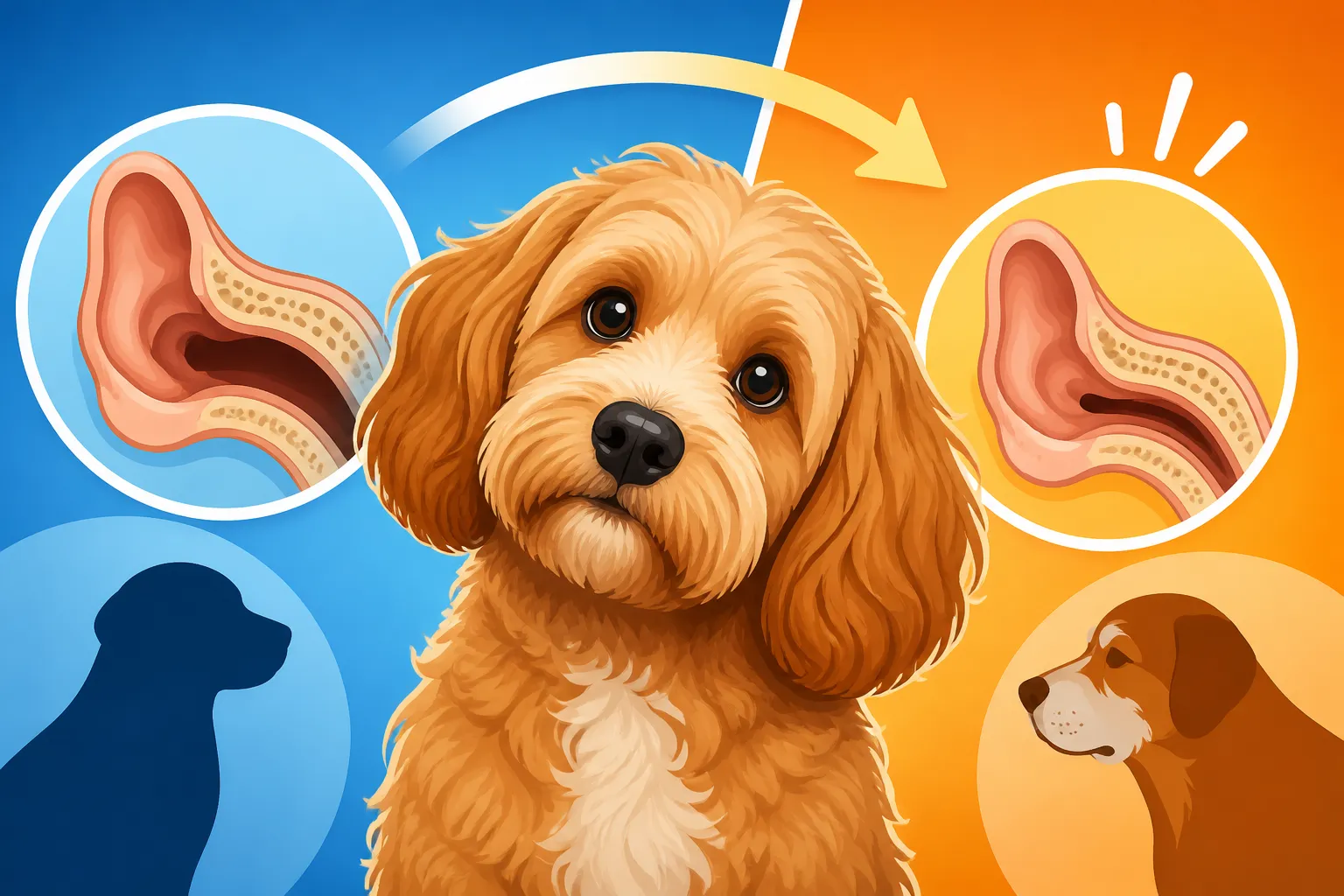
It’s not necessarily age itself that directly causes a Cockapoo's ear canal to narrow. Instead, it’s often the cumulative effect of chronic inflammation and recurrent infections over many years. Imagine it like this: every time your Cockapoo gets an ear infection, the lining of the ear canal becomes inflamed. It swells, it gets red, and it’s painful. With proper treatment, this inflammation usually subsides.
However, if these infections become frequent, or if an infection is left untreated for too long, the inflammation becomes chronic. The body, in an attempt to protect itself and heal, starts to lay down scar tissue within the ear canal. This scar tissue is thicker and less pliable than the original delicate tissue. Over time, as more and more scar tissue builds up, and the glandular tissue lining the canal becomes hyperactive and thickens, the ear canal physically starts to narrow. This process is called proliferative otitis externa. In severe, long-standing cases, the entire ear canal can become calcified, turning stiff and bone-like, a condition known as End-Stage Ear Disease.
This narrowing makes it even harder for air to circulate, even easier for moisture and debris to get trapped, and incredibly difficult for ear cleaning solutions or medications to penetrate. It creates a vicious cycle: narrowing leads to more infections, which in turn leads to more narrowing. This is why addressing ear issues promptly and consistently throughout your Cockapoo's life is so crucial to preventing this irreversible progression.
Recognizing the Signs of Ear Canal Narrowing
Catching ear problems early is key, especially with a breed like the Cockapoo that can be prone to them. It's not always obvious that the canal itself is narrowing, but certain signs can point to underlying chronic issues that might be leading in that direction.
Behavioral Cues and Physical Changes
Your Cockapoo can't tell you in words that their ears hurt, but they certainly communicate it through their behavior. One of the most common signs is persistent head shaking or ear scratching. It might start subtly, a little scratch here, a little shake there, but if it becomes frequent or intense, it's a huge red flag. You might notice them rubbing their head against furniture or the carpet, trying to relieve the itch or discomfort.
Another telling sign is a change in their demeanor. A usually playful Cockapoo might become withdrawn, grumpy, or even snap if you try to touch their head or ears. They might tilt their head to one side more often, or even seem a bit off-balance if the infection has impacted their inner ear.
Physically, you'll want to keep an eye (and nose!) on the ears themselves. Look for redness or swelling around the opening of the ear canal. If you gently lift their ear flap, do you see discharge? This could be waxy, dark brown, yellowish, or even pus-like. A foul odor emanating from the ear is almost always a sign of infection, and often one of the first things owners notice. It’s important to note that Whether a Cockapoo Smells Between Baths can sometimes be linked to underlying ear issues, not just general hygiene.
As the condition progresses, you might start to see thickening of the ear flap itself, or the skin around the ear opening becoming more leathery and dark. In severe cases of chronic narrowing, the ear opening might appear significantly smaller, almost like a slit, and you might not be able to see down into the canal at all.
Distinguishing Age-Related Changes from Infections
It's easy to dismiss some of these signs as "just old age" or typical ear wax, but it’s crucial to know the difference. While older dogs might produce slightly more ear wax, or their skin might naturally thicken a bit, these changes shouldn't be accompanied by pain, redness, discharge, or a strong odor. If you notice your senior Cockapoo developing a consistently gunky ear or shaking their head more, don't just assume it's normal for their age.
Age can make dogs more susceptible to infections due to a slightly weaker immune system or other underlying health conditions, but age itself doesn't cause the infection or the narrowing directly. The narrowing is a pathological process, meaning it's a result of disease, not just normal aging.
Think of it this way: your older Cockapoo might slow down a bit and get Arthritis in a Cockapoo at Eleven, but that doesn't mean joint pain should be ignored as just "getting old." Similarly, ear pain and chronic infections, even in an older dog, warrant investigation and treatment. If you’re seeing any of these signs, especially if they’re recurring, it’s time to talk to your vet. Don’t let discomfort be an accepted part of your Cockapoo’s golden years.
Proactive Care for Healthy Cockapoo Ears
Because Cockapoos are inherently prone to ear issues due to their genetics and ear structure, proactive and consistent care is not just recommended, it's essential. Establishing a good routine early can save you and your furry friend a lot of heartache (and vet bills!) down the line.
Regular Cleaning and Grooming Routines
One of the most important aspects of managing a Cockapoo’s ear health is a consistent cleaning routine. How often you clean their ears will depend on your individual dog, their activity level, and their history of ear issues. For some, a weekly or bi-weekly cleaning might suffice, while others might need it more frequently, especially if they love swimming.
Always use a vet-approved ear cleaning solution designed for dogs. These solutions are formulated to be gentle, help break down wax, and dry out the ear canal without causing irritation. Never use harsh chemicals, rubbing alcohol, or hydrogen peroxide, as these can do more harm than good.
To clean, gently lift the ear flap and squirt the solution directly into the ear canal until it's full. Then, gently massage the base of the ear for about 30 seconds. You should hear a squishy sound. This helps the solution loosen wax and debris. After massaging, let your Cockapoo shake their head (have a towel ready!). Then, use a cotton ball or a soft cloth to wipe away any visible discharge and debris from the outer ear and the opening of the canal. Never use cotton swabs (Q-tips) inside the ear canal, as this can push debris further in or even damage the eardrum.
Grooming plays a crucial role too. Because Cockapoos typically have a lot of hair growth inside their ear canals, regular plucking or trimming of this hair is vital for improving airflow and preventing wax and debris from getting trapped. This is something your professional groomer can do during their regular appointments. Many groomers include ear plucking as part of a standard service. However, if your Cockapoo has sensitive ears or is prone to irritation after plucking, discuss this with your vet, as sometimes plucking can cause micro-trauma, leading to more issues. Your groomer can also advise on maintaining the feathering around the ear flap itself, as Whether a Cockapoo's Ear Feathering Traps Damp is a legitimate concern. For home grooming, tools like thin blunt-tipped scissors or electric trimmers can be used carefully to trim hair at the entrance of the canal, but always exercise extreme caution or leave this to a professional.
Nutritional Support and Environmental Factors
Beyond direct ear care, a holistic approach to your Cockapoo's health can significantly impact their ear well-being. Nutrition is a cornerstone of this. A high-quality, balanced diet supports a strong immune system, which in turn helps your dog fend off infections, including ear infections. Some dogs, particularly those with allergies, may experience chronic ear issues as a symptom of food sensitivities. If your Cockapoo has recurrent ear infections despite diligent cleaning, talk to your vet about whether a prescription diet or a limited ingredient diet might be beneficial. Supplements like omega-3 fatty acids can also support skin and coat health, which includes the delicate skin lining the ear canal.
Environmental factors are also important. If your Cockapoo loves to swim, which many do, it's absolutely critical to dry their ears thoroughly after every dip. Residual moisture creates that ideal warm, damp environment for infections to flourish. Consider using an ear-drying solution after swimming. Similarly, if you live in a humid climate, or if your home is particularly damp, being extra vigilant with ear checks and cleanings is a good idea.
Allergies, whether environmental (like pollen or dust mites) or food-related, are a huge culprit behind chronic ear inflammation in dogs. If your Cockapoo constantly licks their paws, scratches excessively, or has recurring skin issues, these could all be signs of allergies, with ear infections being a common secondary symptom. Identifying and managing these allergies, often with the help of your veterinarian, can dramatically reduce the incidence of ear problems. This comprehensive approach means looking at the whole dog, not just the ears in isolation. Insurance providers like Healthy Paws are often helpful in covering diagnostic tests and ongoing treatment for chronic conditions that stem from allergies or other underlying issues, helping you manage the costs of keeping your Cockapoo comfortable.
When to Seek Veterinary Intervention
Despite our best efforts, ear issues can still arise in Cockapoos. Knowing when to simply clean at home and when to rush to the vet can make all the difference in preventing minor irritations from escalating into severe, chronic problems like ear canal narrowing.
Diagnostic Tools and Treatment Options
If you notice any of the warning signs – persistent scratching, head shaking, redness, swelling, discharge, or a foul odor – it’s time for a vet visit. Don't try to self-diagnose or treat with old medications at home, as this can make the situation worse, mask symptoms, or delay proper treatment.
When you take your Cockapoo to the vet for an ear problem, they will perform a thorough examination. This usually starts with looking into the ear canal with an otoscope, a special instrument that allows them to see deep inside. They’ll be checking for inflammation, swelling, foreign bodies, tumors, and of course, the degree of narrowing if any. They’ll also take a sample of the discharge (if present) to examine under a microscope. This is called cytology. Cytology helps them identify whether the infection is bacterial, yeast, or a combination, and often guides the choice of medication. Sometimes, if the infection is particularly stubborn or recurrent, Whether a Cockapoo Needs Its Ears Cultured might be necessary to identify the specific type of bacteria and determine which antibiotics will be most effective.
Treatment will depend on the diagnosis. For simple infections, topical ear drops containing antibiotics, antifungals, and/or steroids are common. Oral medications might be prescribed for more severe infections or those that extend beyond the ear canal. If the ear canal is very painful, swollen, or full of debris, your vet might recommend a professional ear cleaning under sedation to properly flush out the canal and allow medications to penetrate effectively. In cases where significant narrowing or calcification has already occurred, surgical intervention, such as a Total Ear Canal Ablation (TECA), might be the only option to provide relief. This is a major surgery where the entire diseased ear canal is removed, usually reserved for end-stage cases where medical management is no longer effective.
Long-Term Management and Preventing Recurrence
For Cockapoos prone to ear problems, long-term management is often necessary. This isn't just about treating the immediate infection; it's about breaking the cycle of recurrence that can lead to permanent ear canal changes. Your vet might recommend a maintenance cleaning schedule, even when the ears look healthy, or suggest specific ear drops to use periodically.
If allergies are the underlying cause, managing those allergies through diet, medication, or environmental control is paramount. This might involve working with a veterinary dermatologist to pinpoint the specific allergens and develop a comprehensive plan. Regularly checking your Cockapoo's ears at home, even if they seem fine, is also a good habit. Just a quick lift of the flap and a sniff can give you an early heads-up about a brewing problem.
Staying on top of grooming, especially ear hair management, is another key aspect of long-term prevention. If you groom your Cockapoo at home, make sure you're confident and gentle; if you use a professional groomer, ensure they understand your Cockapoo's ear history and special needs. Financial planning for these ongoing health needs is also important. Pet insurance, like that offered by Healthy Paws, can be an invaluable tool to help cover the costs of diagnostics, medications, and potential surgeries for chronic conditions, allowing you to prioritize your Cockapoo's health without financial stress. Remember, consistency and vigilance are your best allies in keeping your Cockapoo’s ears healthy and preventing the irreversible narrowing that can so severely impact their quality of life.
Disclaimer
This article is for general informational purposes only and does not constitute professional advice. Laws, prices and regulations vary by location and change over time. Consult a qualified professional for guidance on your specific situation.