Whether a Curly Cockapoo Struggles in Summer
It’s a common worry for us Cockapoo parents, especially as the temperatures climb: "Is my sweet, curly-coated companion truly comfortable in this summer heat, or are they quietly struggling?" You see them panting a little more, maybe seeking out cooler spots, and suddenly that beautiful, fluffy coat that brings so much joy in winter becomes a source of concern. This guide is here to walk you through why a curly Cockapoo might find summer particularly challenging and, more importantly, what you can do to ensure they stay happy, healthy, and cool when the mercury rises.
The Unique Challenge of the Curly Cockapoo Coat in Summer
Let's be honest, that gorgeous curl is one of the main reasons many of us fell head over heels for our Cockapoos. It's soft, it's bouncy, and it often means less shedding, which is a huge plus! But when summer rolls around, that very curl can become a double-edged sword. Unlike dogs with single, sleek coats that allow heat to escape more easily, the dense, often multi-layered curl of a Cockapoo can trap heat like a cozy winter blanket.
Think about how your own hair feels when it’s long and thick on a hot day versus a short, breezy cut. It’s similar for our furry friends. The Poodle side of our Cockapoos, which contributes that delightful curl, was originally bred for water retrieval, and their dense coats offered insulation in cold water. But on a hot summer day, away from the refreshing cool of a lake, that insulation works against them, holding body heat close instead of allowing it to dissipate. This is especially true for those Cockapoos whose genetics blessed them with a tighter, denser curl, often determined by The Curl Gene and Where a Cockapoo's Coat Lands. The density and texture of their coat play a massive role in how well they can regulate their body temperature naturally.
Moreover, the very structure of the curl can make it harder for air to circulate close to their skin. Picture a dense wool sweater versus a thin cotton shirt. The wool, much like a curly coat, has many air pockets that trap warmth. This means that even with a good brushing, the air flow isn't as free as it would be with a straighter or thinner coat. Owners of straight or wavy coated Cockapoos might notice their dogs seem to handle the heat a bit better, simply because their coats aren't quite as effective at holding onto warmth. It’s not just about the length, but the actual texture and density.
Heat Traps and Trouble Spots: Specific Summer Concerns for Curly Cockapoos
Beyond the general insulating effect, the curly coat structure creates specific vulnerabilities when summer temperatures soar. These aren't just minor inconveniences; they can lead to serious health issues if not properly managed.
Overheating and Heatstroke Risk
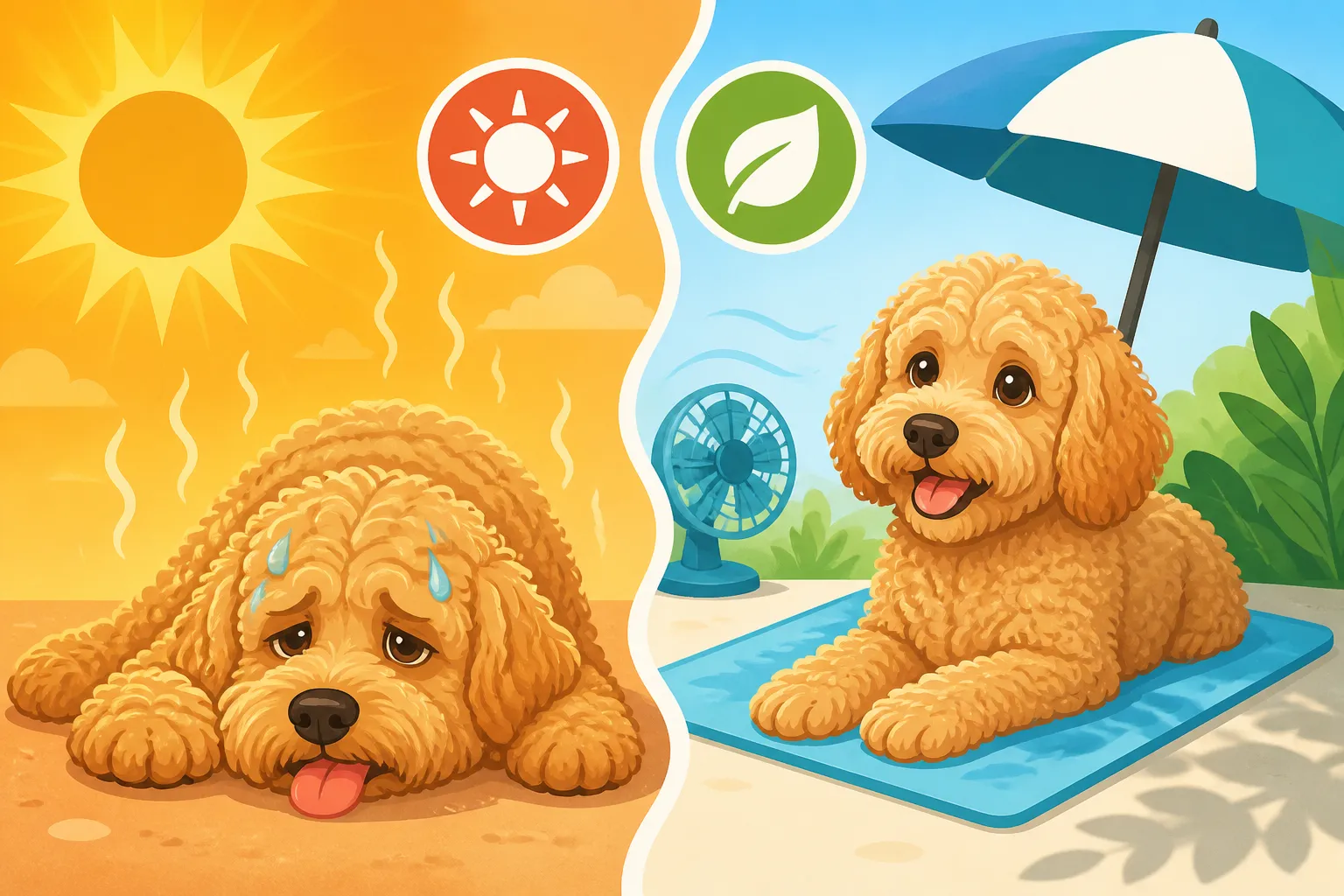
The most critical concern is, of course, overheating. A dog’s primary way of cooling down is through panting, and to a lesser extent, through their paw pads. If their body heat can't escape due to an insulating coat and limited airflow, they can quickly become overwhelmed. This is where a curly Cockapoo can really struggle. Their dense fur can prevent the efficient evaporation of moisture from their skin and the air circulation needed to carry heat away.
Imagine a dog with a thick, curly coat trying to cool down. They pant, but the hot air gets trapped within their fur, making their efforts less effective. This can escalate quickly into heat exhaustion and then potentially fatal heatstroke. It's not just about direct sun exposure; even a humid, warm day indoors can be dangerous if the air isn't moving and their coat is trapping heat. Owners need to be extra vigilant, as a dog might look fine one minute and be in distress the next. The dangers of a rapid onset of heatstroke are very real, and recognizing early signs is paramount.
Matting and Skin Irritations from Summer Moisture
Summer brings humidity, swimming, and more outdoor adventures. For a curly Cockapoo, this often means dampness getting trapped deep within their coat. That gorgeous curl, which we adore, is a prime candidate for matting when wet hair dries improperly or when moisture combines with loose undercoat. Mats aren't just unsightly; they pull on the skin, causing discomfort, and can create a breeding ground for bacteria and yeast infections.
When a Cockapoo with a curly coat gets wet – whether from a swim in the lake, a romp through dew-laden grass, or even just profuse sweating on a hot day – that moisture can sit against the skin if the coat isn't thoroughly dried. This moist environment, combined with the warmth of summer, is a perfect recipe for skin irritations like "hot spots." Hot spots are acute moist dermatitis, rapidly developing, red, inflamed, oozing lesions that are incredibly itchy and painful. They can appear seemingly overnight and spread quickly, often hidden beneath the dense curls until they become quite severe.
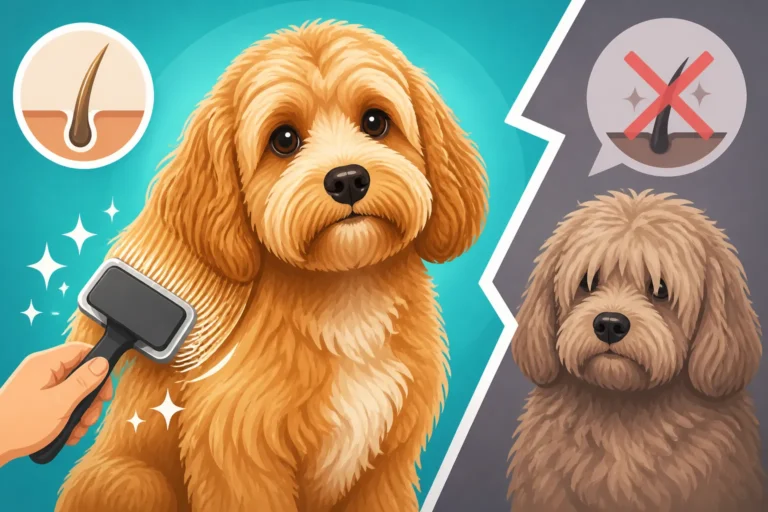
Preventing these issues means meticulous drying after any water exposure and consistent grooming to ensure air can reach the skin. Sometimes, even the regular brushing schedule that works wonders the rest of the year might not be enough to combat the intense matting potential that comes with summer activities and humidity. Understanding Where a Curly Cockapoo Mats First can help you target your grooming efforts.
Ear Infections and Eye Irritations
Those adorable floppy ears are another area of concern, especially for Cockapoos whose Cocker Spaniel lineage gives them longer ear leather. Curly hair inside the ear canal can already limit airflow, but when you add summer humidity, swims, and perhaps a bit of pollen, the risk of ear infections skyrockets. Trapped moisture creates a warm, damp, dark environment that yeast and bacteria absolutely love. Regular ear cleaning and ensuring the ears are completely dry after any water exposure become even more critical in summer.
Similarly, the hair around a Cockapoo's eyes, especially if left long, can trap sweat, dirt, and allergens, leading to irritation, excessive tearing, and even secondary infections. Keeping the hair around the eyes trimmed or gently tied back can help prevent these issues, ensuring their vision isn't obscured and their eyes stay clear and healthy.
Keeping Your Curly Cockapoo Cool: Practical Summer Strategies
So, what can we do to make summer a safe and enjoyable time for our curly-haired companions? It really boils down to proactive management of their environment, their coat, and their activity levels.
Strategic Grooming: The Summer Clip
This is arguably one of the most impactful steps you can take. While a long, flowing coat is beautiful, it's simply not practical or safe for many curly Cockapoos in hot climates. A shorter clip can make an enormous difference in their ability to regulate body temperature. Discuss with your groomer what length would be appropriate – you don't necessarily need to shave them down to the skin, as a very short cut can expose them to sunburn, especially if they have lighter skin. A "summer cut" or "kennel clip" that leaves about an inch or two of hair is often ideal.
This shorter length dramatically improves air circulation and reduces the insulating effect. It also makes it much easier to keep them free of mats, which can become incredibly dense and uncomfortable in damp conditions. A shorter coat also means less hair to absorb and hold water, making drying times quicker after a swim or bath. Some owners worry that clipping will "ruin" the coat, but for a curly Cockapoo, the health and comfort benefits far outweigh aesthetic concerns during the hottest months. In fact, Whether a Clipped Cockapoo Mats Less is generally a resounding yes, which is a huge relief to many owners.
Remember, even with a shorter cut, regular brushing is still important to prevent any remaining mats and to distribute natural oils, keeping their skin healthy. Make sure your groomer knows you want to prioritize their comfort and health for the summer.
Hydration and Cooling Aids
Constant access to fresh, cool water is non-negotiable. Place multiple water bowls around the house and yard, and consider a portable water bottle or collapsible bowl for walks. Some dogs enjoy ice cubes in their water or even frozen treats made from dog-safe ingredients like diluted broth or pureed fruit.
Beyond water, there are many fantastic products designed to help dogs stay cool:
- Cooling Mats: These often contain a gel that activates with pressure, providing a cool spot for your dog to lie on. Brands like The Green Pet Shop or K&H Pet Products offer popular options. You can often find these readily available on platforms like Amazon or Chewy.
- Cooling Vests or Bandanas: These typically get wet and then use evaporative cooling to help lower your dog's body temperature. Look for lightweight, breathable materials.
- Splash Pools: A shallow kiddie pool filled with a few inches of water can be a fantastic way for your Cockapoo to cool off in the backyard, especially after some gentle playtime.
- Fans and Air Conditioning: Indoors, ensure good air circulation. A fan positioned near their favorite resting spot or access to air conditioning can be a lifesaesaver on scorching days.
Adjusting Exercise Routines
Your curly Cockapoo might normally love The Miles a Cockapoo Wants Every Day, but in summer, that routine needs to be reconsidered. Avoid exercising during the hottest parts of the day (typically late morning to late afternoon). Early mornings and late evenings are much safer. Keep walks shorter and less intense. If the pavement is too hot for your bare hand, it's too hot for their paws!
Consider alternative activities:
- Indoor Brain Games: Puzzle toys, training sessions, or scent work games (like those described in Scent Work That Satisfies a Cockapoo) can provide mental stimulation without the physical exertion of a long walk in the heat.
- Swimming: If your Cockapoo enjoys it and you have access to a safe, clean body of water, swimming is an excellent low-impact way to exercise and cool down. Always supervise your dog near water and ensure they are thoroughly rinsed and dried afterward to prevent skin issues.
When you are out, even for a short potty break, be mindful. If your dog starts panting excessively, slows down, or seeks shade, it's time to head home immediately. Always carry water for both of you.
Dietary Considerations
While food alone won't solve heat problems, proper nutrition supports overall health, which in turn helps your dog cope with stress, including heat. Ensure your Cockapoo is eating a high-quality diet. Some owners find that adding a little extra moisture to kibble or incorporating fresh food options helps with hydration. Companies like Ollie focus on fresh, human-grade ingredients that are naturally hydrating. You can discuss with your vet if any specific dietary adjustments might benefit your dog during summer, especially if they have any underlying health concerns.
Recognizing and Responding to Heat Stress in Your Cockapoo
Even with the best preventative measures, it's crucial to know the signs of heat stress and heatstroke so you can act quickly. Our Cockapoos often try to be brave, but their bodies can reach dangerous temperatures faster than we realize.
Early Warning Signs of Heat Stress
Keep an eye out for these subtle indicators that your Cockapoo is getting too hot:
- Excessive Panting: While some panting is normal for cooling, excessive, rapid, or labored panting is a red flag.
- Increased Thirst: They might be constantly seeking water.
- Bright Red Gums or Tongue: This indicates increased blood flow and a heightened body temperature.
- Drooling: More drool than usual, often thick and ropey.
- Seeking Shade or Cool Surfaces: An obvious sign they're trying to escape the heat.
- Reduced Energy or Lethargy: They might become unusually quiet or reluctant to move.
If you notice any of these signs, move your Cockapoo to a cooler environment immediately. Offer them water, and begin mild cooling efforts like wetting their paws and belly with cool (not ice cold) water.
Symptoms of Heatstroke: An Emergency Situation
Heatstroke is a medical emergency that requires immediate veterinary attention. These symptoms are more severe and indicate a dangerous rise in body temperature:
- Gasping or Difficulty Breathing: This is beyond normal panting; it looks like they are struggling to get air.
- Wobbliness or Stumbling: Loss of coordination.
- Vomiting or Diarrhea: Especially if it's bloody.
- Mental Confusion or Disorientation: They might seem dazed or unresponsive.
- Seizures or Tremors: Involuntary muscle contractions.
- Collapse or Loss of Consciousness: This is a critical stage.
- Dark Red or Purple Gums/Tongue: A very serious sign of poor circulation and oxygenation.
If you suspect heatstroke, do not hesitate. Call your veterinarian immediately while initiating first aid cooling measures. Apply cool water to their body, focusing on the belly, armpits, and groin. Use fans to increase air movement. Do not use ice water, as this can cause blood vessels to constrict and actually hinder cooling. Get them to the vet as quickly as possible, even if they seem to improve with your efforts. The internal damage can be severe, and professional medical care is vital.
Preparing for the Hottest Days
Being prepared can make all the difference for your curly Cockapoo during summer. Think about what you need to have on hand and how your daily routine might shift.
Emergency Contact and Supplies
Have your vet's number readily available, and know the location of the nearest emergency veterinary clinic. Keep a small "cooling kit" ready for walks or car trips: a water bottle, a collapsible bowl, and perhaps a small spray bottle for misting. Many online retailers like Chewy offer comprehensive first-aid kits that include items useful for heat emergencies.
Car Safety
Never, ever leave your Cockapoo in a parked car, even for "just a minute," and even if the windows are cracked. The temperature inside a car can rise to dangerous levels incredibly quickly, even on a mild day. It’s a silent killer that claims too many beloved pets each year. If your Cockapoo must travel, ensure the AC is on and they have access to water. Consider a car fan that clips onto their crate if they travel that way.
Training and Acclimatization
While you can't train a dog to tolerate heat, you can help them become accustomed to different grooming routines and handling, which will make summer care easier. Getting them comfortable with regular brushing and drying, especially after getting wet, is invaluable. Early exposure to clippers (if you plan to clip at home) or positive experiences at the groomer will reduce stress during their summer trims. Teaching a Cockapoo to Accept the Groomer is a skill that pays dividends year-round but is especially crucial in summer.
A curly Cockapoo can absolutely thrive in summer, but it takes a bit more vigilance and proactive care from their human companions. By understanding the unique challenges of their coat, adjusting their routines, utilizing cooling aids, and knowing how to respond to signs of heat stress, you can ensure your beloved companion enjoys the sunny season safely and comfortably.
Disclaimer
This article is for general informational purposes only and does not constitute professional advice. Laws, prices and regulations vary by location and change over time. Consult a qualified professional for guidance on your specific situation.