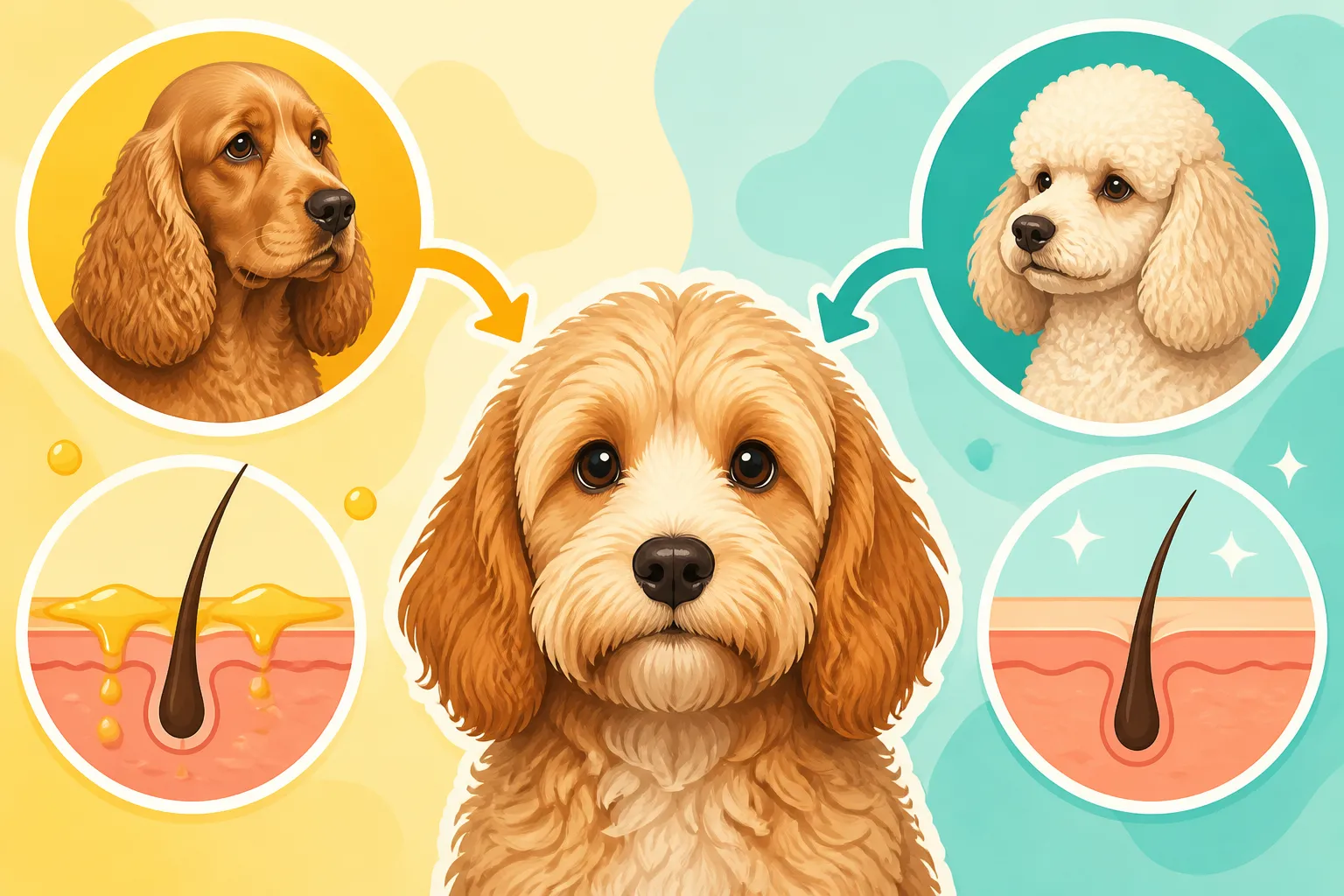
Whether a Cockapoo Inherits the Cocker’s Oily Skin
It's a common question for us Cockapoo owners, and a valid worry! You’ve probably heard stories about Cocker Spaniels having that distinct "doggy smell" or chronic skin issues, and it's natural to wonder if your fluffy Cockapoo is going to inherit those traits. This guide will dive deep into the fascinating genetics of Cockapoo skin and coat, exploring exactly how your beloved companion might inherit the Cocker's oily skin tendencies, what to look out for, and how to manage it.
Understanding the Parent Breeds: Cocker Spaniel's Oily Skin and Poodle's Drier Coat
To truly understand your Cockapoo's skin, we first need to look at the two distinct blueprints that make them up: the Cocker Spaniel and the Poodle. These two breeds bring very different characteristics to the genetic table, and their combination can result in a wide spectrum of outcomes for your Cockapoo's skin and coat health.
The Cocker Spaniel's Predisposition to Oily Skin
Cocker Spaniels, particularly American Cockers, are renowned for their luxurious, flowing coats, but this beauty often comes with a trade-off: a predisposition to oily skin. Their skin tends to produce more sebum, the natural oil that helps protect the skin and keep the coat healthy. While a certain amount of sebum is good, an overproduction can lead to that characteristic "Cocker smell" – a distinct, sometimes musky odor that can linger even after a bath.
This increased sebaceous gland activity, combined with their dense undercoat and long feathering, can create an environment where moisture and oils get trapped against the skin. This isn't just about smell; it can lead to various skin conditions like seborrhea, which manifests as greasy, flaky, and sometimes itchy skin. Their floppy ears are also notorious for trapping moisture and warmth, making them prone to ear infections, which can sometimes be exacerbated by underlying skin issues. If you've ever owned a Cocker or spent time around one, you know that managing their skin and coat often requires diligent grooming and attention.
The Poodle's Tendency Towards Drier Skin
On the other side of the genetic coin, we have the Poodle. Poodles are known for their dense, curly, single-layer coats that are often touted as "hypoallergenic" because they shed minimally. This coat type typically requires a very different grooming regimen than a Cocker's. What's often overlooked is how their coat type impacts their skin. Poodles generally have less active sebaceous glands compared to Cockers, leading to skin that tends to be on the drier side.
Their tightly curled coats, while fantastic for trapping loose hair and reducing shedding, don't trap moisture and oil against the skin in the same way a dense, double-coated breed might. This can make them less prone to the greasy skin issues that plague some Cockers. However, drier skin can also come with its own challenges, such as susceptibility to dryness, flakiness, or even sensitivities to harsh shampoos if not properly managed. The Poodle's coat, while seemingly low-maintenance in terms of shedding, is high-maintenance in terms of preventing mats and keeping the skin underneath healthy.
How This Genetic Mix Manifests
When you breed a Cocker Spaniel with a Poodle to create a Cockapoo, you're essentially rolling the genetic dice. Your Cockapoo isn't guaranteed to be 50% Cocker and 50% Poodle in every single trait; instead, they inherit a unique blend of genes from both parents. This means their skin and coat can take on characteristics from either side, or even a truly novel combination. Some Cockapoos might inherit the Poodle's single, curly, lower-shedding coat and drier skin, while others might lean more towards the Cocker's thicker, more prone-to-shedding coat with increased sebaceous activity and oiliness.
It's this unpredictability that makes each Cockapoo so unique, but also challenging for new owners. You might have envisioned a Cockapoo with a perfectly non-shedding, easy-to-manage coat, only to find your pup has a dense, somewhat greasy coat that requires frequent grooming. This genetic lottery is why you can see such a variety in Cockapoo appearances, temperaments, and yes, even skin types. Understanding this blend is the first step in providing the right care for your individual dog.
The Genetic Blend: How Skin and Coat Traits are Inherited
Understanding the specific genetic factors at play can help shed light on why your Cockapoo's skin behaves the way it does. It's not just about a general "mix"; it's about specific genes that dictate coat texture, hair growth, and even skin gland function.
The Role of the Furnishings Gene and Coat Type
One of the most defining characteristics of a Cockapoo is its "doodle" look, which largely comes from a gene called RSPO2, often referred to as the furnishings gene. This gene is responsible for the longer facial hair (beard, mustache, eyebrows) that gives Doodles their distinct appearance and contributes significantly to their low-shedding quality. Poodles typically carry two copies of the furnishings gene (F/F), while Cocker Spaniels usually carry two copies of the non-furnishings gene (f/f).
A true F1 Cockapoo (first cross) will inherit one copy of the furnishings gene from the Poodle and one non-furnishings copy from the Cocker (F/f). This is what generally gives them their wavy, low-shedding coat. However, even with furnishings, the underlying coat texture and density can vary greatly, influencing how air circulates and how oils accumulate. A dense, wavy coat, even a furnished one, can still trap more moisture and oil than a very loose, open wave or a super tight Poodle-like curl. If you're curious about your own pup, you might want to look into The Furnishings Gene That Decides a Cockapoo's Face to understand this better. An improper coat (IC), where the Cockapoo lacks furnishings, is much more likely to exhibit a shed-prone coat with skin issues reminiscent of the Cocker.
Inheriting Skin Gland Characteristics
Beyond the furnishings gene, there are other, less talked about, genetic factors that determine the activity of sebaceous glands in the skin. These glands produce sebum, the oily, waxy substance that moisturizes and protects the skin and coat. Cockapoos inherit a combination of genes that regulate these glands from both their Poodle and Cocker parents.
If your Cockapoo inherits more of the Cocker Spaniel's genetic predisposition for highly active sebaceous glands, they will naturally produce more oil. This isn't necessarily a bad thing in moderation, as sebum is vital for healthy skin and a shiny coat. However, an imbalance or overproduction can lead to that greasy feel and smell that many Cocker owners are familiar with. It's a complex inheritance, and while we can't always predict it perfectly, observing your dog's skin and coat from a young age can give you clues. It's a direct reflection of the inner workings of their skin, a testament to the unique genetic tapestry woven from two different breeds.
Why Some Cockapoos Have More Oily Skin
So, why does one Cockapoo have lovely, dry Poodle-like skin while another has noticeably oily skin, even within the same litter? It boils down to that genetic lottery we mentioned. Some Cockapoos simply receive a stronger genetic influence from their Cocker Spaniel parent when it comes to skin and sebaceous gland activity. This means they'll produce more sebum, regardless of whether their coat looks more Poodle or Cocker.
It's not just about the external appearance of the coat, either. Even a Cockapoo with a curly, furnished coat that seems low-shedding can still have underlying skin that is excessively oily. This can be particularly frustrating because the dense, curly coat, which is so great for allergy sufferers, can also inadvertently trap that excess oil against the skin, leading to a build-up and a strong odor. This makes the job of keeping them clean and fresh a bit more demanding. The specific mix of genetic traits from their parents is truly unique for every single Cockapoo, making personalized care essential.
Recognizing Oily Skin in Your Cockapoo
Spotting oily skin in your Cockapoo might seem obvious, but sometimes the signs can be subtle or easily confused with other dermatological issues. Early recognition is key to effective management and preventing secondary problems.
Common Signs and Symptoms
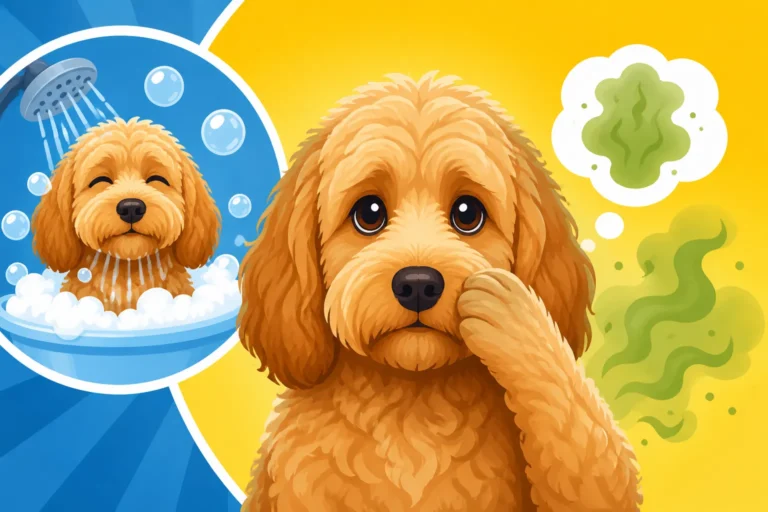
The most telling sign of oily skin in a Cockapoo is, of course, a greasy or slick feeling to their fur, especially along the back, ears, and around the tail base. You might notice their coat clumps together more easily, or even appears somewhat dull rather than shiny, despite being well-brushed. A distinctive, strong "doggy" smell, even shortly after a bath, is another huge indicator. Many owners describe it as a musky, yeasty, or even rancid odor. This smell often worsens between baths and can be quite persistent. If you've been wondering What a Cockapoo's Skin Smell Means, it's often a direct symptom of this sebaceous overactivity.
Beyond the feel and smell, look for visible signs on the skin itself. Your Cockapoo might develop flaky skin (though this can also happen with dry skin), which can look like dandruff, particularly if the oil is contributing to a condition called seborrhea sicca (dry seborrhea) or seborrhea oleosa (oily seborrhea). Redness, itching, and recurrent ear infections are also common accompanying symptoms. Owners often report their Cockapoo constantly scratching or licking certain areas, leading to further irritation or hot spots.
Differentiating Oily Skin from Other Issues
It's vital to distinguish between naturally oily skin and other underlying conditions that might present similarly. For instance, skin allergies, whether environmental (atopy) or food-related, can cause itching, redness, and a greasy coat due to inflammation and secondary infections. Parasites like fleas or mites can also lead to intense itching and skin irritation that mimics other problems. Fungal or yeast infections, often a secondary complication of oily skin, can also cause a strong odor, redness, and a greasy, scaly appearance.
If your Cockapoo's skin issues are accompanied by hair loss, open sores, persistent scratching, or if the smell is overwhelmingly yeasty, it's likely more than just oily skin. For example, recurrent ear infections could be a sign of allergies, as discussed in Whether Ear Infections Mean a Cockapoo Has Allergies, or simply due to their floppy ear conformation coupled with excess oil. It's important not to self-diagnose based solely on a greasy coat. A vet visit is essential to rule out more serious medical conditions and ensure your pup gets the right treatment. Sometimes, unexpected vet costs related to these issues can be a burden, which is why many owners consider pet insurance options like those offered by Healthy Paws.
When to Seek Veterinary Advice
While some degree of oiliness can be managed at home, persistent or worsening symptoms absolutely warrant a trip to your veterinarian. You should seek professional advice if your Cockapoo is experiencing:
- Intense, continuous itching or scratching that causes them discomfort or breaks the skin.
- Significant hair loss, especially in patches, or areas of redness and inflammation.
- A persistent, strong, or foul odor that doesn't improve with regular bathing or seems to worsen.
- Recurrent ear infections or irritation within the ear canals.
- Any lumps, bumps, or sores on the skin that don't resolve quickly.
- Changes in appetite, lethargy, or other general signs of illness alongside skin issues.
Your vet will be able to perform a thorough examination, which may include skin scrapes, cytology (examining cells from the skin under a microscope), blood tests, or even allergy testing to pinpoint the exact cause of the problem. They can differentiate between primary seborrhea (where the skin itself is the main issue) and secondary seborrhea (where the oiliness is a symptom of another condition, like allergies or hypothyroidism). Don't hesitate to reach out to your vet; early intervention can prevent minor issues from escalating into chronic, uncomfortable problems for your Cockapoo. If you're concerned about Whether a Cockapoo's Ears Count as Preexisting condition for insurance, it's always best to check with providers like Healthy Paws early on.
Managing Oily Skin and Coat Issues in Cockapoos
Dealing with a Cockapoo that has inherited oily skin can definitely feel like a constant battle, but with the right approach to grooming, diet, and product selection, you can keep them comfortable and smelling fresh. It's all about finding a routine that works for your individual dog's needs.
Grooming Practices for Oily Coats
When it comes to managing an oily Cockapoo coat, regular and correct bathing is your first line of defense. You might find you need to bathe your Cockapoo more frequently than you would a dog with drier skin, perhaps every 2-4 weeks, depending on the severity of the oiliness and odor. However, simply shampooing with any old dog shampoo won't cut it. You'll want to look for shampoos specifically formulated for oily skin, or even medicated shampoos if recommended by your vet. These often contain ingredients like benzoyl peroxide, salicylic acid, or sulfur, which help to degrease the skin and hair follicles, removing excess oil and debris. Bathing a Cockapoo Whose Skin Is Greasy often requires a specialized approach.
Make sure to thoroughly rinse your Cockapoo, as shampoo residue can exacerbate skin issues and lead to dull, greasy-feeling fur. After bathing, gently towel dry and then use a low-heat blow dryer, brushing the coat as you go to ensure it dries completely and prevents matting. Regular brushing between baths is also crucial. Use a slicker brush and a metal comb to get down to the skin, helping to distribute natural oils evenly and remove loose hair and dander. For a curly-coated Cockapoo, line brushing is particularly important to prevent mats from forming close to the skin, which can trap oil and moisture, leading to further irritation.
Dietary Considerations and Supplements
What your Cockapoo eats plays a significant role in the health of their skin and coat. A diet rich in high-quality protein, essential fatty acids, and balanced nutrients can help support healthy skin function from the inside out. If your Cockapoo struggles with oily skin, it's worth reviewing their diet with your veterinarian. Sometimes, an inappropriate diet or even certain food sensitivities can manifest as skin issues.
Omega-3 and Omega-6 fatty acids are particularly beneficial for skin health. These can be found in fish oil supplements or diets formulated with ingredients like salmon, flaxseed, or chia seeds. Whether Omega Oils Help a Cockapoo's Coat is a common question, and for oily skin, they can certainly assist in regulating skin cell production and reducing inflammation, which in turn can help manage sebum production. Consider supplementing with a good quality fish oil. However, always consult your vet before making significant changes to your dog's diet or introducing new supplements, as too much of a good thing can sometimes be detrimental. Also, Whether Diet Changes a Cockapoo's Coat Condition is a valid concern, and a vet can guide you to a formula that is truly beneficial.
Specific Products and Treatments
Beyond general grooming and diet, there are specific products and treatments that can provide targeted relief for oily skin in Cockapoos. Your vet might recommend medicated shampoos, as mentioned, to control bacterial or yeast overgrowth that often accompanies oily skin. Products like chlorhexidine or miconazole shampoos are common choices. Whether Medicated Baths Help a Cockapoo greatly depends on the underlying cause, but for managing oily skin with secondary infections, they can be highly effective.
Topical treatments like sprays or wipes containing salicylic acid, witch hazel, or other astringent properties can help to dry out greasy areas and reduce odor between baths. For persistent issues, your vet might explore oral medications, such as antibiotics for bacterial infections, antifungals for yeast overgrowth, or even medications to help regulate sebaceous gland activity in more severe cases of seborrhea. Always follow your vet's instructions carefully when using any medicated product. Regular use of these specialized products, combined with consistent grooming and dietary support, forms a comprehensive plan to keep your Cockapoo's oily skin under control and their coat looking its best.
Preventative Care and Long-Term Skin Health
Preventative care is paramount when dealing with a Cockapoo that has a tendency towards oily skin. It's not just about managing flare-ups; it's about establishing a routine that supports their skin health consistently to avoid problems in the first place.
Regular Health Checks and Early Detection
Routine veterinary check-ups are absolutely non-negotiable for a Cockapoo, especially if they have a predisposition to skin issues. During these visits, your vet can thoroughly examine your dog's skin, ears, and coat, often noticing subtle changes that might go unnoticed by even the most vigilant owner. They can perform diagnostic tests if needed, catching potential problems like Whether a Cockapoo's Coat Feels Oily at the Roots becoming a full-blown infection or Whether a Cockapoo Gets Dandruff indicating a larger issue, before they become severe.
Early detection is key to preventing discomfort and costly, prolonged treatments down the line. A vet can also discuss breed-specific predispositions and guide you on whether certain preventative measures, like specialized ear cleaners or dermatological supplements, are appropriate for your individual Cockapoo. Building a strong relationship with your vet ensures that your dog's health, including their skin, is monitored by a professional who knows their history. For any unexpected health issues, having pet insurance like Healthy Paws can truly alleviate the financial stress, allowing you to focus on your Cockapoo's recovery without worrying about the bill.
Environmental Factors and Lifestyle Adjustments
Beyond genetics, environmental factors and your Cockapoo's lifestyle can significantly impact their skin health. High humidity can sometimes exacerbate oily skin conditions, as it creates a damp environment that encourages bacterial and yeast growth. If you live in a humid climate, ensuring your Cockapoo's coat is thoroughly dried after baths or swims is even more critical. Similarly, frequent swimming, while great exercise, can sometimes strip natural oils or, conversely, leave moisture trapped against the skin, contributing to issues. Always rinse your Cockapoo thoroughly with clean water after swimming and dry them completely.
Consider their bedding and living environment too. Regular washing of dog beds and blankets can reduce the accumulation of allergens, dirt, and oils that can contribute to skin irritation. If your Cockapoo spends a lot of time outdoors, especially rolling in interesting scents (which many Cockers love to do!), this can also introduce irritants and bacteria to their skin. Adapting your lifestyle slightly to address these factors, such as more frequent grooming during humid seasons or immediately after outdoor adventures, can make a real difference in preventing skin flare-ups.
The Importance of a Good Vet Partnership
Ultimately, navigating the nuances of a Cockapoo's skin health, especially if they've inherited those oily tendencies, is a team effort. Your ongoing partnership with a knowledgeable veterinarian is invaluable. They can help you develop a customized care plan that considers your dog's specific genetic background, environmental exposures, and overall health. Don't be afraid to ask questions, voice concerns, and explore different options with your vet.
This collaboration is especially crucial if your Cockapoo develops chronic skin issues, which can be complex and frustrating to manage. Your vet might recommend specialized consultations with a veterinary dermatologist if the problem is persistent or unusual. Remember, skin conditions are often a symptom of something deeper, and a holistic approach is best. For a broader overview of concerns, you can also explore topics like Skin and Coat Disease in a Cockapoo, which delves into many potential issues. A proactive and informed approach, backed by professional veterinary guidance and potentially a robust pet insurance plan from providers like Healthy Paws, will give your Cockapoo the best chance at a comfortable and healthy life.
Comparing Skin and Coat Characteristics
Here's a quick overview of how the skin and coat characteristics typically differ between the parent breeds and what you might observe in your Cockapoo.
| Characteristic | Cocker Spaniel (Typical) | Poodle (Typical) | Cockapoo (Potential Range) |
|---|---|---|---|
| Sebaceous Gland Activity | High; prone to oiliness, "doggy smell" | Lower; prone to drier skin | Varies widely: can range from very oily to very dry, often a moderate blend or leaning towards one parent. |
| Coat Type | Double coat, long feathering, sheds, prone to matting | Single coat, dense curly, non-shedding, prone to matting if neglected | Single to double coat, wavy to curly, low-shedding (if furnished), variable matting risk. |
| Skin Conditions | Seborrhea (oily/dry), allergies, ear infections | Dryness, sensitivities, sometimes allergies | Can inherit predispositions from either parent, common issues include allergies, oily skin, ear infections. |
| Grooming Needs | High; frequent brushing, professional grooming, ear care | High; frequent brushing, professional grooming | High; daily brushing (wavy/curly), regular professional grooming every 6-8 weeks, specific ear and skin care. |
| Odor | Distinctive "Cocker smell" due to oil and yeast accumulation | Generally low odor if well-maintained | Can develop a strong "doggy smell" if oily skin is inherited and not properly managed. |
Disclaimer
This article is intended for informational purposes only and does not constitute veterinary advice. Always consult with a qualified veterinarian for any health concerns or before making any decisions about your pet's medical care or diet.