Hot Spots on a Cockapoo That Has Been Swimming
Oh, the joy of watching your Cockapoo splash and play in the water! There’s nothing quite like seeing their exuberant spirit come alive, whether it’s a dip in the lake, a romp in the ocean, or even just a splash in the backyard kiddie pool. But then, the dread sets in: that red, angry, weeping patch of skin that seems to appear out of nowhere – the dreaded hot spot. It’s a common and incredibly frustrating issue for Cockapoo owners, often turning a fun day into a miserable, itchy nightmare. This guide is here to walk you through exactly what these raw spots are, why swimming can trigger them in our beloved Cockapoos, and most importantly, how to treat them and prevent them from ruining future water adventures.
Understanding Hot Spots on Your Cockapoo
Hot spots are one of those things that can seemingly pop up overnight, escalating from a tiny irritation to a large, painful lesion in a matter of hours. They’re a classic "doodle dilemma," and our water-loving Cockapoos are particularly susceptible.
What Exactly is a Hot Spot?
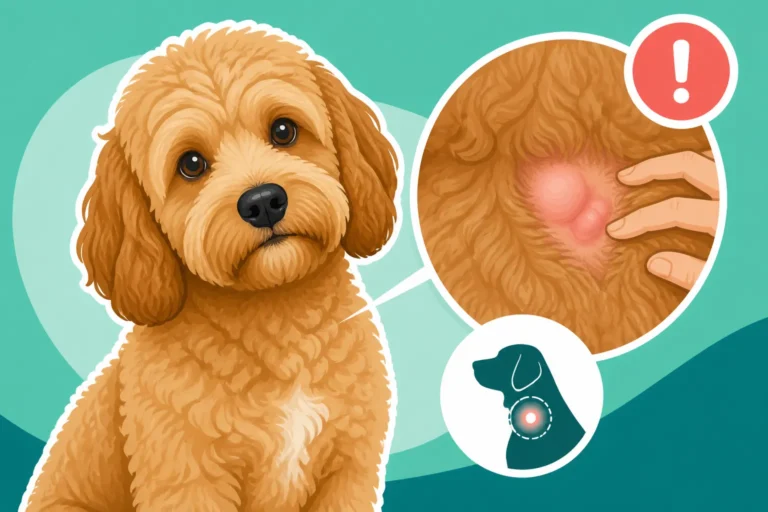
Let's get a little technical for a moment, but I promise to keep it relatable. A hot spot is medically known as acute moist dermatitis, and that name pretty much tells you everything you need to know: it’s an acute (sudden, rapidly developing) inflammatory skin condition that is moist (weepy, oozing), and a dermatitis (skin inflammation). You’ll spot them as red, inflamed, often oozing, and sometimes crusty skin lesions that are incredibly itchy and painful for your dog. They often appear circular and can grow quite large very quickly.
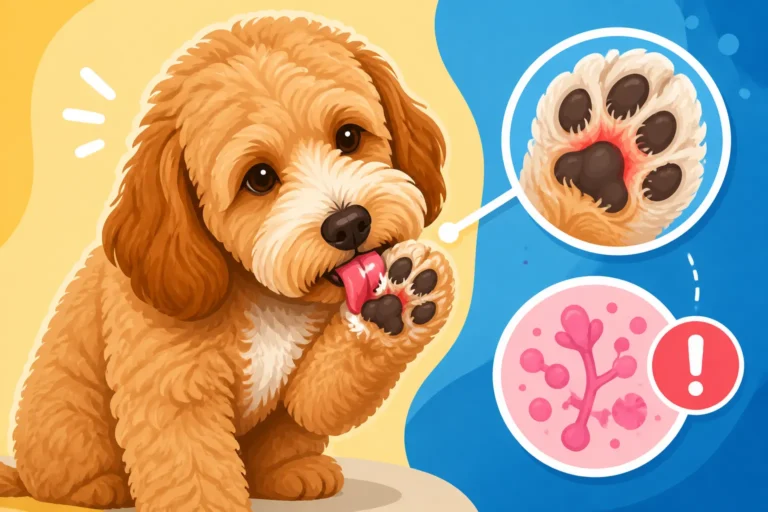
The thing about Cockapoos is that they inherit a wonderful, often dense and curly coat from their Poodle side, combined with the delightful, floppy ears and sometimes thicker fur of their Cocker Spaniel heritage. This luxurious coat, while beautiful, can become a perfect breeding ground for bacteria and yeast when it stays damp for too long. Imagine thick, wet hair plastered against the skin, trapping heat and moisture – it’s a recipe for disaster. What often starts as a minor itch or irritation, perhaps from a bug bite, an allergy flare-up, or just some trapped moisture, quickly escalates. Your Cockapoo starts licking, chewing, or scratching the spot, and this self-trauma further breaks the skin barrier, allowing surface bacteria to invade and create that nasty infection. It's a vicious cycle that leaves them feeling pretty miserable.
Why Swimming Makes Cockapoos Prone to Hot Spots
If your Cockapoo loves a good swim, you're not alone. Many of them adore water, but this joy comes with a specific set of challenges for their skin. The primary culprit is, you guessed it, moisture. When your Cockapoo takes a dip, whether it's in a chlorinated pool, a murky pond, or the refreshing ocean, their dense coat acts like a sponge.
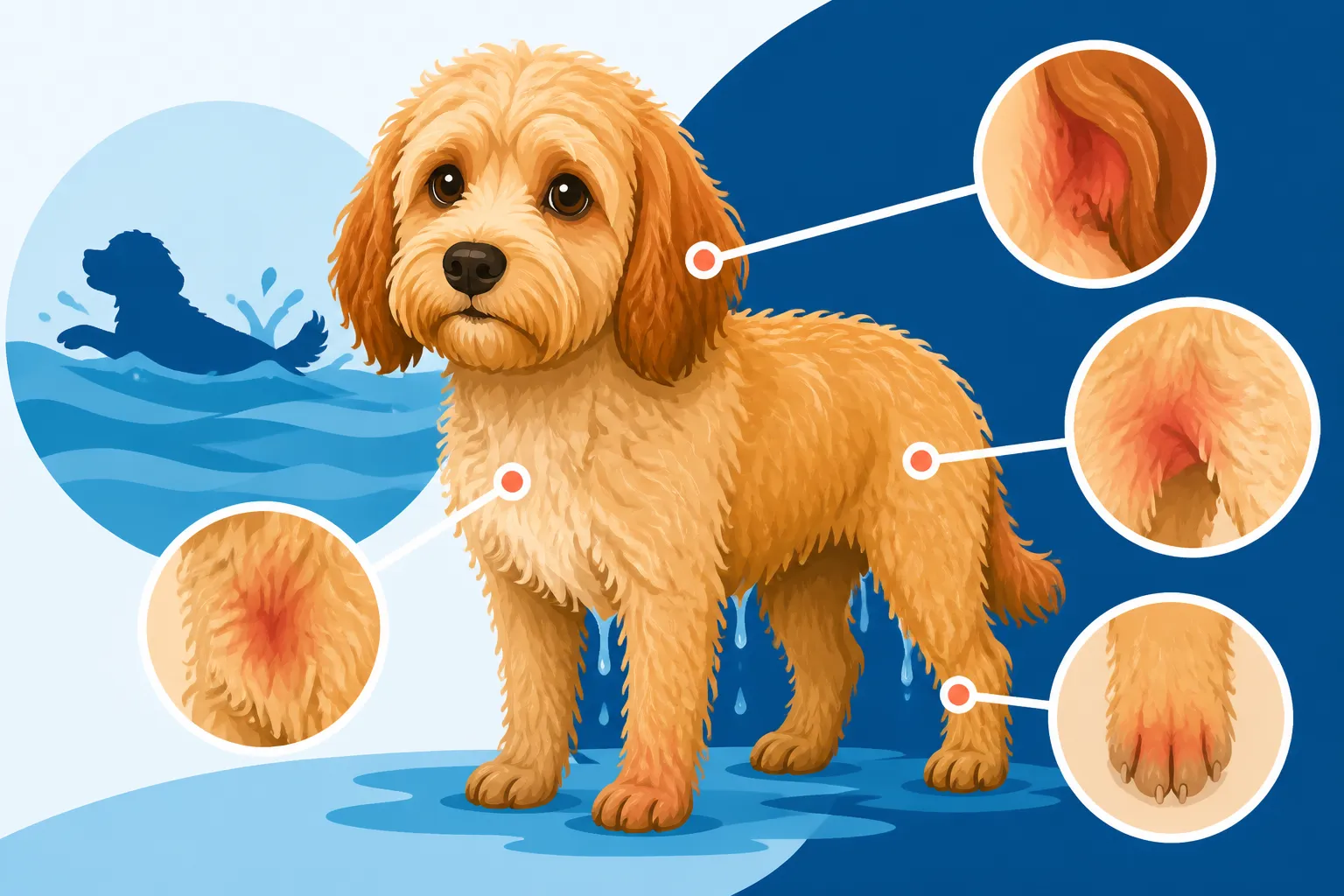
Think about it: after a swim, the outside of their fur might feel dry to the touch, especially if they shake vigorously. But deep down, close to the skin, moisture can linger for hours, particularly in thicker areas like the neck, behind the ears, under the armpits, or around the base of the tail. This warm, damp environment is an absolute paradise for bacteria and yeast that naturally live on your dog’s skin. They seize the opportunity to multiply rapidly, leading to irritation and infection. This is especially true if you don't rinse off your Cockapoo after swimming. Chlorine from pools can be highly irritating, stripping natural oils and drying the skin, making it more vulnerable. Saltwater can also leave irritating residues, while ponds and lakes can introduce all sorts of environmental allergens, bacteria, and even algae that can cause skin flare-ups.
Furthermore, our Cockapoos, with their adorable floppy ears, are also prone to ear issues after swimming. While the Poodle's ear canal structure can sometimes offer better ventilation than a purebred Cocker, the overall floppy nature means moisture can still get trapped. This moist, warm environment can lead to ear infections, which are often caused by the same bacteria and yeast that contribute to hot spots elsewhere on the body. A dog scratching persistently at an itchy ear can inadvertently irritate the skin behind the ear, leading to a hot spot. You might want to explore Whether a Cockapoo's Ears Are Better Than a Cocker's or Whether a Cockapoo's Ear Canal Narrows With Age for more insights into their ear health.
Recognizing the Signs and Acting Quickly
Catching a hot spot early is absolutely critical. The faster you act, the less severe it will become, and the quicker your Cockapoo will recover.
Early Warning Signs You Might Miss
Hot spots are sneaky. They often start small, perhaps a tiny patch of skin that feels slightly damp or matted, hidden beneath a thick layer of fur. As a devoted Cockapoo owner, you're probably used to their playful antics and sweet demands, but it's vital to become a detective of their skin, especially after water activities.
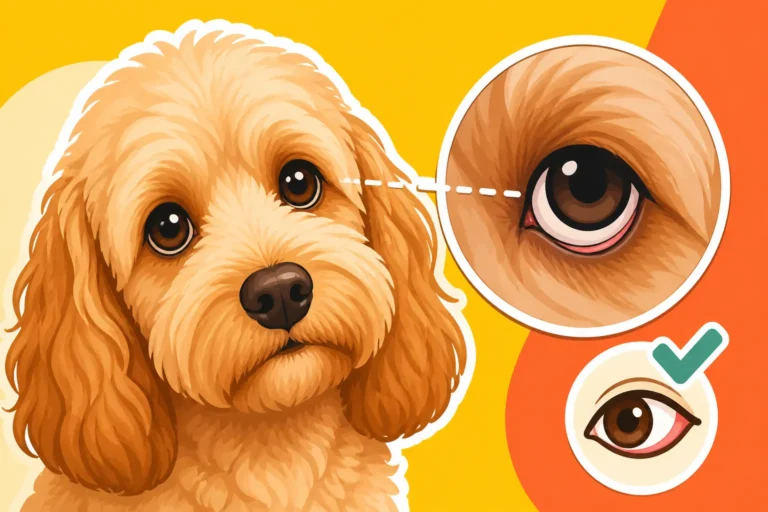
Keep an eye out for any changes in their behavior, particularly increased licking, chewing, or scratching in a specific area. They might be subtly working on a spot while you're not looking. You might notice them favoring one side, or perhaps you'll see a small patch of fur that looks a bit disheveled or matted, even after a good brush. When you gently part their fur, look for any redness, swelling, or a slight ooze that might not be immediately obvious. The skin might feel warmer to the touch in that area. Some Cockapoos might also become a bit sensitive or even vocal if you touch the developing lesion, indicating it's already causing them discomfort. Being proactive with regular grooming and checking their skin from nose to tail, particularly in moisture-prone areas like the armpits, groin, behind the ears, and around their beautiful tail, can make all the difference. Remember how quickly these things can escalate – a tiny, innocent itch can become a full-blown hot spot within hours. If you're wondering about other skin issues, Whether a Cockapoo Itches From the Cocker Side offers some good context.
When to Contact Your Vet Immediately
While some minor hot spots might respond to diligent at-home care, there are definite red flags that mean it's time to call your veterinarian without delay. If the hot spot is rapidly expanding, if the redness is intense and spreading, or if you see signs of deep infection like pus, a foul odor, or fever (your dog might be lethargic, refusing food, or just generally unwell), these are all clear indicators that professional help is needed right away. A severely painful lesion, or one that your Cockapoo simply won't let you touch, also warrants an immediate vet visit.
The scary truth is that hot spots can worsen at an alarming rate. What looks like a small irritation in the morning can be a golf-ball-sized weeping lesion by evening. Ignoring these signs can lead to deeper skin infections (pyoderma), more extensive hair loss, and a much longer, more complicated recovery process for your furry friend. Your vet can accurately diagnose the severity, rule out other underlying skin conditions, and prescribe appropriate medication, which might include antibiotics (oral or topical), anti-inflammatory drugs, or stronger medicated shampoos.
This is also where having good pet insurance can really be a lifesaver. Companies like Healthy Paws understand that emergencies happen, and they can help cover the costs of unexpected vet visits, diagnostics, and medications, allowing you to focus on your Cockapoo's health without added financial stress. Taking prompt action not only alleviates your Cockapoo's pain faster but can also prevent the hot spot from becoming a chronic, recurring problem.
First Aid and Prevention Strategies for Water-Loving Cockapoos
Prevention truly is the best medicine when it comes to hot spots, but knowing how to react if one does appear is equally important.
Immediate At-Home Care for a Mild Hot Spot
If you catch a hot spot in its very early stages and it's small, not deeply infected, and your dog isn't in severe pain, you can often start with some gentle at-home care before heading to the vet. This isn't a substitute for professional advice for more serious cases, but it can make a big difference for those minor flare-ups.
First things first: you need to expose the area to air and stop your Cockapoo from licking or scratching. This means carefully and safely trimming the hair around the hot spot. Use blunt-nosed scissors or electric clippers with a guard. You want to create a margin of at least an inch of clear skin around the red area. This allows the skin to breathe and makes it easier to clean. Be incredibly gentle, as the skin underneath is likely very tender. Once trimmed, gently clean the area with an antiseptic solution. A diluted povidone-iodine solution (like Betadine, diluted to a weak tea color) or chlorhexidine wipes are often recommended by vets. Pat the area dry with a clean cloth or paper towel. Never rub vigorously.
After cleaning, you can apply a thin layer of a veterinarian-approved topical treatment. This might be an antibiotic cream, a drying agent, or a soothing spray. Never use human topical creams (like Neosporin or hydrocortisone) without explicit instructions from your vet, as many contain ingredients that can be harmful if ingested by your dog, and they might not be effective for canine skin. The most crucial step here is preventing further self-trauma. You must get a proper-fitting Elizabethan collar (e-collar or "cone of shame") for your Cockapoo. While they might look utterly dejected wearing it, it's non-negotiable for healing. Without it, they'll just keep licking and chewing, turning a mild irritation into a raging infection. Keep the area clean and dry, change topical applications as directed, and monitor the spot closely. If it doesn't improve within 24-48 hours, or if it worsens, it’s time for a vet visit.
Preventing Hot Spots After Every Swim
The best way to deal with hot spots is to ensure they never even get a chance to start! This takes a little diligence, especially for our water-loving Cockapoos.
The absolute golden rule after any water activity is thorough drying. Don't just towel dry the topcoat; you need to get right down to the skin. Use highly absorbent towels and gently blot and rub all areas, paying extra attention to the dense fur around the neck, chest, armpits, groin, and under those adorable floppy ears. A dog-specific blow dryer on a cool or low-heat setting can be incredibly helpful for getting the undercoat completely dry. Just be mindful not to burn their skin. If your Cockapoo has been swimming in chlorinated pool water or saltwater, a quick rinse with fresh, clean water before drying is essential. This washes away irritating chemicals and residues that can dry out or irritate their sensitive skin.
Beyond drying, regular grooming plays a massive role. Matted fur traps moisture like nothing else, creating the perfect warm, damp pocket for bacteria to flourish. Keep your Cockapoo's coat brushed regularly to prevent mats, especially after swimming. If your Cockapoo has a particularly dense or curly coat, a professional groomer can help maintain a manageable length that dries more easily. You can explore The Three Cockapoo Coat Types and Their Upkeep for more detailed grooming insights. And don't forget those ears! After every swim, gently clean their ears with a vet-approved ear cleaning solution to prevent moisture-related ear infections, which can sometimes be a precursor to a hot spot if they scratch aggressively. Whether a Cockapoo's Ears Should Be Tied Back to Swim might be an interesting read for water safety.
Long-Term Management and Lifestyle Adjustments
For some Cockapoos, hot spots can be a recurring nightmare, pointing to underlying issues that need more comprehensive management. Regular professional grooming appointments, typically every 6-8 weeks, can make a huge difference in managing their coat and preventing mats that trap moisture. Talk to your groomer about a "swim cut" if your Cockapoo is a frequent swimmer, keeping the fur a bit shorter in areas prone to dampness.
Often, hot spots are just the tip of the iceberg, indicative of allergies. Cockapoos, like both parent breeds, can be prone to environmental allergies (atopy) or food allergies. If your Cockapoo seems to get hot spots frequently, even with diligent post-swim care, it’s worth investigating potential allergens with your vet. This might involve diet trials or allergy testing. Whether Allergy Testing a Cockapoo Is Worth It can provide more information on this path. Managing these underlying allergies through diet, medication, or immunotherapy can dramatically reduce the incidence of hot spots. Supplementing their diet with omega-3 fatty acids can also promote healthier skin and a stronger skin barrier, making them less susceptible to irritation. Quality fish oil or krill oil supplements, given under vet guidance, can be beneficial.
Lastly, consistent vet check-ups are key to staying ahead of any developing health concerns, including skin issues. Your vet can provide tailored advice and intervention as needed. And again, having pet insurance like Healthy Paws can provide immense peace of mind. Knowing that the costs of ongoing allergy management, specialized vet consultations, or emergency treatments for persistent hot spots are largely covered means you can always prioritize your Cockapoo's health and comfort.
| Action Item | Importance | Details |
|---|---|---|
| Thorough Drying Post-Swim | Critical | Towel blot, use low-heat dog dryer to reach skin; focus on dense fur areas (neck, armpits, ears, tail base). |
| Rinse After Swimming | High | Especially after chlorinated or saltwater; removes irritants and residues. |
| Regular Grooming & Brushing | High | Prevent mats; mats trap moisture. Consider shorter clips if your Cockapoo is a frequent swimmer. |
| Ear Cleaning | High | Use vet-approved solution after swimming to prevent moisture-related ear infections. |
| Daily Skin Checks | High | Particularly after water activities; look for redness, excessive licking, matting. |
| Identify & Manage Allergies | Medium | If hot spots are recurrent, consult vet for allergy testing or diet trials. |
| Omega-3 Supplements | Low-Medium | Can support overall skin health; discuss with vet. |
| E-Collar for Mild Cases | Critical | Essential to prevent self-trauma from licking/chewing if a hot spot develops. |
| Vet Consultation for Worsening Spots | Critical | If spreading rapidly, oozing pus, very painful, or accompanied by lethargy/fever, seek immediate veterinary care. |
Disclaimer
The information provided in this article is for general informational purposes only and is not a substitute for professional veterinary advice, diagnosis, or treatment. Always seek the advice of your veterinarian or other qualified health provider with any questions you may have regarding a medical condition or the health and welfare of your pet.