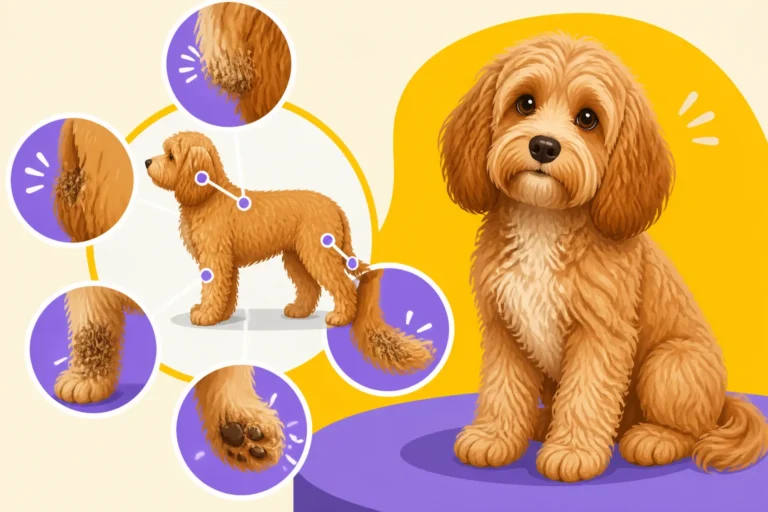
The Straight Coated Cockapoo
One of the biggest surprises, and sometimes frustrations, for new Cockapoo parents is realizing that not every puppy from this delightful cross will sport those iconic soft, wavy, or tightly curled coats. Many people fall in love with the image of a fluffy, low-shedding companion, only to find their puppy grows up with a much straighter, often more traditional Spaniel-like coat. This can lead to a lot of questions about genetics, grooming, and what it truly means for your furry family member. This guide is here to shed light on the straight-coated Cockapoo, exploring why it happens, what to expect, and how to best care for this often misunderstood, but equally charming, coat type.
Understanding the Genetics Behind a Straight Coat
It’s easy to think of a Cockapoo’s coat as simply "curly" or "not curly," but the reality is a fascinating dance of genetics, primarily involving a couple of key genes that determine texture and the presence of "furnishings" – those adorable longer hairs on the face, eyebrows, and legs. When you get a straight-coated Cockapoo, it's often because of how these genes were inherited from their Cocker Spaniel and Poodle parents.
The Furnishings Gene (RSPO2) and Its Role
The Furnishings gene, scientifically known as RSPO2, is arguably the most impactful gene when it comes to a Cockapoo's appearance and shedding characteristics. This gene dictates whether a dog has the longer facial hair (beard, mustache, eyebrows) and leg furnishings that contribute to the classic "doodle" look. Without at least one copy of the dominant F allele for furnishings, a Cockapoo will have what's called an "improper coat" (IC) – essentially, a coat that lacks these longer furnishings and often presents as straighter and more prone to shedding.
Many people assume a Cockapoo will automatically have furnishings because of the Poodle parent, but if the Cocker Spaniel parent doesn't carry a furnishing gene (which many do not, especially American Cockers), and if the Poodle parent only passes on one copy, or if both parents are carriers of the non-furnished gene, you can end up with a puppy that inherits two copies of the non-furnished gene (known as the 'ic' allele). This means no furnishings, a shorter facial coat, and often a much straighter body coat. This is a common point of confusion, and breeders often use DNA tests to predict this. You can learn more about The Furnishings Gene That Decides a Cockapoo's Face.
The Curl Gene (KRT71) and What It Means for Straightness
Beyond furnishings, there's also the curl gene, KRT71. This gene directly influences the texture of the hair, determining whether it’s straight, wavy, or tightly curled. While furnishings give the overall "doodle" look, KRT71 dictates the actual spring and bounce of the coat. A Cockapoo gets two copies of this gene, one from each parent. If a Cockapoo inherits two copies of the straight (non-curly) allele, often denoted as "cc," then regardless of furnishings, their coat will be straight. Even if they have furnishings, a straight-coated dog can still be quite low-shedding if they have the furnishings gene, but the texture will be unmistakably straight, not wavy or curly. This is a crucial distinction, as a straight-coated dog with furnishings will look very different from a straight-coated dog without furnishings (an improper coat). This is where understanding What KRT71 Says About a Cockapoo's Curl becomes really important.
How Parentage Influences a Straight Coat
The genetic lottery for a Cockapoo's coat begins with its parents. An F1 Cockapoo, resulting from a direct cross between a purebred Cocker Spaniel and a purebred Poodle, has a 50/50 chance of inheriting various coat traits. The Cocker Spaniel typically carries genes for a flatter, shedding coat and often lacks the dominant furnishing gene, while the Poodle carries the dominant furnishing gene and strong curl genes.
- F1 Generation: If the Poodle parent is homozygous for furnishings (FF) and curl (CC), all F1 puppies will likely have furnishings and at least a wavy coat, even if the Cocker is straight-coated and non-furnished. However, if the Poodle is heterozygous (Ff or Cc), there's a chance some F1 puppies might inherit the non-furnished or straight-coat genes from both parents. This is why Whether an F1 Cockapoo's Coat Is a Coin Flip is a relevant concern for many prospective owners.
- F1b and Beyond: When you move to F1b (Cockapoo bred back to a Poodle) or later generations (F2, F3, Multigen), breeders often aim to solidify certain coat traits, like non-shedding and curl. However, if a breeder isn't diligent with DNA testing for both furnishings and curl, a straight-coated puppy can still appear, especially if a parent was a carrier for these recessive traits. The risk increases significantly if one parent is an improper-coated Cockapoo itself, as they would pass on two copies of the non-furnished gene. Understanding Whether a Breeder Can Guarantee a Cockapoo's Coat highlights the importance of asking for genetic test results.
What a Straight Coated Cockapoo Actually Looks Like
When people imagine a Cockapoo, they often picture a fluffy, teddy-bear-faced dog. So, encountering a straight-coated Cockapoo can be quite a visual departure from that expectation. It's not necessarily "bad" or "wrong," just different, and it's essential to appreciate their unique beauty.
Visual Characteristics and Appearance
A straight-coated Cockapoo, depending on whether it has furnishings, can present in a couple of ways.
- Straight Coat with Furnishings: This type might still have the longer facial hair, eyebrows, and beard that many associate with doodles. However, the body coat itself will be straight, falling smoothly rather than waving or curling. Imagine a beautiful English Setter or a well-groomed Cavalier King Charles Spaniel, but with a bit more length on the face. Their coat will still have a soft, silky texture, but it won't hold curl. These dogs often look elegant and sleek. They might still have some feathering on their legs and tail, reminiscent of a Cocker Spaniel, but without the tight Poodle curl.
- Straight Coat without Furnishings (Improper Coat): This is where the appearance truly diverges from the typical "doodle" look. These Cockapoos will have a shorter, smoother coat on their face, much like a purebred Cocker Spaniel or even a short-coated Poodle prior to being clipped into the traditional Poodle style. Their body coat will be straight, often lying flatter against the body. They lack the characteristic beard, mustache, and fluffy eyebrows. This can often lead people to mistake them for a purebred Cocker Spaniel or another type of spaniel mix, rather than a Cockapoo. They might not look like the "poster child" Cockapoo, but they are genetically just as much a Cockapoo as their curlier siblings. What an Improper Coated Cockapoo Looks Like delves deeper into this specific appearance.
The Misconception of a "Flat Coat"
The term "flat coat" is sometimes used interchangeably with "straight coat," but it's worth clarifying. A true "flat coat" can sometimes refer to a coat that lacks furnishings and lies very close to the body, resembling a Labrador Retriever or certain types of Spaniels. While a straight-coated Cockapoo, especially one without furnishings, might have a coat that lies flatter than a curly one, it typically still has some length and softness inherited from the Poodle side. It's not usually as coarse or short as a true "flat coat" of some other breeds.
The main takeaway is that "straight" refers to the absence of wave or curl in the hair strands themselves, whereas "flat" often implies both lack of furnishings and a very smooth, non-voluminous lie. A straight-coated Cockapoo will have individual hairs that are straight, which impacts how light reflects off their coat and how it moves.
Shedding Realities with a Straight Coat
This is often the most significant concern for owners of straight-coated Cockapoos, especially if they chose the breed specifically for its low-shedding reputation. It’s important to be realistic:
- Furnished and Straight: A straight-coated Cockapoo with furnishings will still shed less than a purebred Cocker Spaniel. The furnishings gene is strongly linked to low shedding, even if the curl gene isn't present. You'll likely still find some hair, but it typically won't be in tumbleweeds. Regular brushing will help manage this. This is part of the nuance of Whether Any Cockapoo Is Truly Non Shedding.
- Improper Coat (Straight and No Furnishings): This is the scenario where shedding will be most noticeable. An improper-coated Cockapoo will shed much like a Cocker Spaniel, sometimes even more, especially during seasonal changes. This is because the lack of furnishings is directly correlated with a shedding coat. If low shedding was a primary reason for choosing a Cockapoo, an improper-coated dog can be a significant surprise. This reality is why articles like Why an Improper Coated Cockapoo Sheds are so crucial for managing expectations. For homes with allergies, this type of coat is usually problematic. Whether a Furnished Cockapoo Suits an Allergic Home explores this topic further.
Grooming Needs for the Straight Coated Cockapoo
Caring for a straight-coated Cockapoo requires a different approach than their curly-haired siblings. While you might avoid some of the intense matting issues associated with tight curls, straight coats have their own unique demands to keep them healthy and beautiful.
Daily Brushing and Preventative Care
Even without the tight curls prone to knotting, a straight coat still needs regular attention. The longer, softer hairs can still tangle, especially behind the ears, in the armpits, and on the belly, where friction is common.
- Frequency: Aim for brushing at least every other day, and ideally daily, especially if your dog spends a lot of time outdoors or has longer feathering. This prevents small tangles from becoming larger mats and helps distribute natural skin oils, keeping the coat healthy and shiny.
- Tools: A good quality slicker brush is essential for getting through the coat, followed by a metal comb to check for any missed tangles, particularly in those problem areas. A pin brush can also be useful for longer feathering. Investing in a good grooming spray can help loosen tangles and reduce static during brushing. You can find excellent grooming tools on platforms like Amazon or Chewy. The Kit Needed to Groom a Cockapoo at Home provides a detailed list of what you'll need.
- Technique: Use a technique called "line brushing," where you part the hair and brush in small sections, working from the skin outwards. This ensures you're getting all the way to the root and not just skimming the surface, which is how mats often form underneath the top layer.
Bathing and Coat Maintenance
Bathing frequency will depend on your dog's lifestyle and coat condition. Over-bathing can strip natural oils, leading to dry skin, while too little can result in a greasy, smelly coat.
- Shampoo and Conditioner: Choose a dog-specific shampoo that is gentle and moisturizing. Follow up with a good conditioner to help keep the hair soft and manageable, reducing tangles. If your Cockapoo has any skin sensitivities, consult your vet for a hypoallergenic option.
- Drying: Always towel dry thoroughly first, then use a dog-specific forced-air dryer on a cool or low-heat setting. This helps to straighten the coat, prevent matting, and ensures the skin is completely dry, which is important for preventing skin infections. Never let a damp coat air dry for too long, as this can encourage bacterial growth and matting.
- Professional Trims: While straight coats may not need the intricate shaping of curly coats, they still benefit from regular trims. The feathering on the legs, belly, and tail can grow quite long and become a magnet for dirt and debris. Trimming around the paws and sanitary areas is also crucial for hygiene. A professional groomer can give your straight-coated Cockapoo a tidy, well-maintained look. While a wavy coat might take How Many Minutes a Wavy Cockapoo Takes, a straight coat can still demand significant time. How Many Minutes a Straight Coated Cockapoo Takes discusses this specifically.
Professional Grooming Considerations
Even if you handle much of the grooming at home, professional grooming appointments are often still a good idea for straight-coated Cockapoos.
- Frequency: Depending on how fast their coat grows and how long you prefer to keep it, a professional groomer visit every 6-12 weeks might be sufficient. This allows for professional bathing, thorough drying, and precise trims that are hard to achieve at home.
- Specialized Services: Groomers can offer services like ear cleaning and plucking (if necessary), nail trims, and expression of anal glands – all important aspects of overall hygiene that some owners might be uncomfortable doing themselves. They also have specialized equipment, like high-velocity dryers, that make the process quicker and more effective.
- Communication is Key: When you take your straight-coated Cockapoo to a groomer, be very clear about the look you want. Bring pictures if possible! Explain that your dog has a straight coat and you want to maintain its natural texture, perhaps just tidying up length and feathering, rather than trying to force it into a "doodle" cut that won't suit its coat type.
Common Challenges and Owner Expectations
Having a straight-coated Cockapoo, especially one without furnishings, can bring some unexpected challenges, mainly due to common misconceptions about the breed. Managing these expectations is crucial for a happy owner-dog relationship.
Managing Shedding and Allergies
This is often the elephant in the room. Many people get Cockapoos specifically because they are advertised as "hypoallergenic" or "non-shedding." While many Cockapoos live up to this promise, the straight-coated variety, particularly those without furnishings, will certainly challenge that expectation.
- Shedding: As discussed, if your straight-coated Cockapoo lacks furnishings, expect shedding. This means finding hair on your furniture, clothes, and floors. It's a reality, not a defect. Regular brushing can help, but it won't eliminate it. Daily vacuuming might become a new routine.
- Allergies: For families with allergies, an improper-coated, straight-haired Cockapoo is likely not a good fit. The dander, which is often attached to shed hair, is what triggers most allergies, and a shedding coat will release more of it into the environment. It's a tough truth, but it's important for allergic individuals to understand this before committing to a puppy. Whether a Furnished Cockapoo Suits an Allergic Home directly addresses this concern.
- Managing Expectations: If you adopted a straight-coated Cockapoo and now face shedding or allergy issues, focus on management. HEPA air filters, frequent cleaning, dog-specific vacuums (Chewy has a great selection!), and a strict grooming schedule can help reduce the impact. But ultimately, you might need to adjust your expectations about a "hypoallergenic" dog.
Differences in Matting from Wavy/Curly Coats
While a straight coat doesn't typically form the dense, felt-like mats that can quickly develop in tight curls, it's not entirely mat-proof. The mats that do occur tend to be different in nature.
- Less Frequent, Still Possible: Straight coats are generally less prone to matting because the individual hair strands slide past each other more easily. However, friction areas—like where a harness rubs, behind the ears, in the armpits, and around the tail—can still develop tangles. These tangles can quickly tighten into mats if ignored, especially if the coat is long.
- Easier to Resolve: The good news is that mats in a straight coat are often easier to brush out than those in a curly coat, provided they haven't become severe. Regular brushing, as mentioned, is your best defense. If you find a mat, gently work at it with your fingers, then use a comb or a mat splitter, always being careful not to pull on the skin.
- The "Double Coat" Myth: Some straight-coated Cockapoos might appear to have a thicker undercoat, giving the impression of a double coat. While true double coats (like in a Husky or German Shepherd) are not typical for Cockapoos, some lines might produce a denser, more plush straight coat. This can exacerbate shedding, but again, good brushing habits are key.
The "Un-Cockapoo" Look and Owner Acceptance
One of the less tangible but equally significant challenges can be the emotional aspect of owning a straight-coated Cockapoo. People often receive comments or questions like "Is that really a Cockapoo?" or "I thought Cockapoos were curly!" This can be disheartening for owners who were expecting a particular look.
- Embrace Individuality: It's important to remember that every dog is an individual. Your straight-coated Cockapoo is just as much a Cockapoo as any other, regardless of their hair type. Their personality, intelligence, and loving nature are what truly define them.
- Education is Power: Being able to explain the genetics behind your dog's coat can be empowering. A simple explanation about the furnishings and curl genes can help others understand that coat variations are a normal part of hybrid breeding.
- Focus on Health and Happiness: Ultimately, the most important thing is your dog's health and happiness. As long as they are well-cared for, loved, and thrive in your home, their coat type is secondary. Many owners grow to adore their straight-coated Cockapoos, often finding their sleek appearance quite elegant and distinctive. Don't let external perceptions diminish your bond with your unique companion.
Living with a Straight Coated Cockapoo
Bringing any Cockapoo into your home is a joy, and a straight-coated one is no different. While their grooming needs might vary, their core Cockapoo traits, health considerations, and overall lifestyle remain much the same.
Skin Health and Coat Condition
Regardless of curl, maintaining good skin and coat health is paramount for any Cockapoo. Their skin can still be sensitive, and issues can arise from either the Cocker or Poodle lineage.
- Balanced Diet: A high-quality diet is the foundation of a healthy coat. Look for dog foods with good sources of Omega-3 and Omega-6 fatty acids, which are crucial for skin and coat health. Brands like Ollie often emphasize fresh, whole ingredients that can contribute to a lustrous coat. You can also add supplements, but always discuss this with your vet. Whether Diet Changes a Cockapoo's Coat Condition explores this in detail.
- Environmental Factors: Dry indoor air, especially in winter, can lead to dry, flaky skin. Consider a humidifier if this is an issue. Regular bathing with appropriate shampoo and conditioner helps maintain moisture.
- Allergies and Sensitivities: Even straight-coated Cockapoos can inherit sensitivities from either parent breed. Watch for excessive scratching, redness, or paw licking, which could indicate allergies or other skin irritations. Whether a Cockapoo Itches From the Cocker Side can provide more insight into potential skin issues.
Exercise and Activity Levels
A Cockapoo's energy levels aren't determined by its coat type. Whether straight, wavy, or curly, these dogs are typically active, intelligent, and eager to please, needing a good amount of physical and mental stimulation.
- Daily Exercise: Plan for at least 30-60 minutes of moderate to vigorous exercise daily. This could include walks, runs, fetch in the park, or playing in a securely fenced yard. Without adequate exercise, a Cockapoo, regardless of coat, can become bored, destructive, or anxious.
- Mental Stimulation: Don't forget about their smart Poodle brains! Puzzle toys, training sessions, and interactive games are just as important as physical exercise. Consider activities like Scent Work That Satisfies a Cockapoo to tap into their natural instincts and keep them mentally engaged.
- Breed Size Matters: Remember that Cockapoos come in various sizes (Teacup, Toy, Miniature, Maxi). A Maxi Cockapoo will naturally require more exercise than a Teacup Cockapoo, but even the smallest ones need to burn off energy. The Miles a Cockapoo Wants Every Day highlights the general exercise needs of the breed.
Temperament and Personality
The hallmark Cockapoo temperament – intelligent, friendly, affectionate, and playful – remains constant regardless of coat type. Their coat may be straight, but their heart is pure Cockapoo.
- Social and Affectionate: Straight-coated Cockapoos are typically very sociable and love being part of the family. They thrive on human companionship and can be prone to separation anxiety if left alone for long periods. They are usually wonderful with children and other pets, though early socialization is always key. A Cockapoo With Children covers how well they integrate into family life.
- Intelligent and Trainable: The Poodle intelligence shines through, making them highly trainable. They respond well to positive reinforcement and enjoy learning new commands and tricks. This makes them excellent candidates for obedience classes or dog sports. You can find many training resources on platforms like Amazon or Chewy.
- Lively and Playful: They retain the Cocker Spaniel's joyful, sometimes boisterous, nature. They love to play and often have a silly, clownish side that will keep you entertained for years. They are truly companions for life, offering between The Fourteen to Eighteen Years a Cockapoo Lives of joy.
A straight-coated Cockapoo is a fantastic companion, full of the same zest for life and loving spirit as their curlier counterparts. Understanding their unique coat genetics and needs will help you provide the best possible care and appreciate them for the wonderful, individual dogs they are.
| Coat Characteristic | Curly Coated Cockapoo | Wavy Coated Cockapoo | Straight Coated Cockapoo (with furnishings) | Straight Coated Cockapoo (Improper Coat – no furnishings) |
|---|---|---|---|---|
| Furnishings | Yes (typically) | Yes (typically) | Yes | No |
| Curl Type | Tight spiral curls | Loose waves/curls | Straight/slightly feathered | Straight, lies flatter against body |
| Shedding Level | Very low to non-shedding | Low to moderate | Low to moderate | Moderate to high |
| Matting Risk | High (dense mats) | Moderate | Low (friction tangles) | Low (friction tangles) |
| Grooming Time | High (daily extensive brushing) | Medium-High (daily brushing) | Medium (regular brushing) | Low-Medium (regular brushing, less matting focus) |
| Allergy Friendliness | Best option for allergy sufferers | Good for mild allergies | Moderate to low (depends on shedding) | Not recommended for allergy sufferers |
| "Doodle" Look | Strong | Moderate-Strong | Moderate (due to facial hair) | Minimal to None |
Disclaimer
This article is for general informational purposes only and does not constitute professional advice. Laws, prices and regulations vary by location and change over time. Consult a qualified professional for guidance on your specific situation.