A Cockapoo With Children
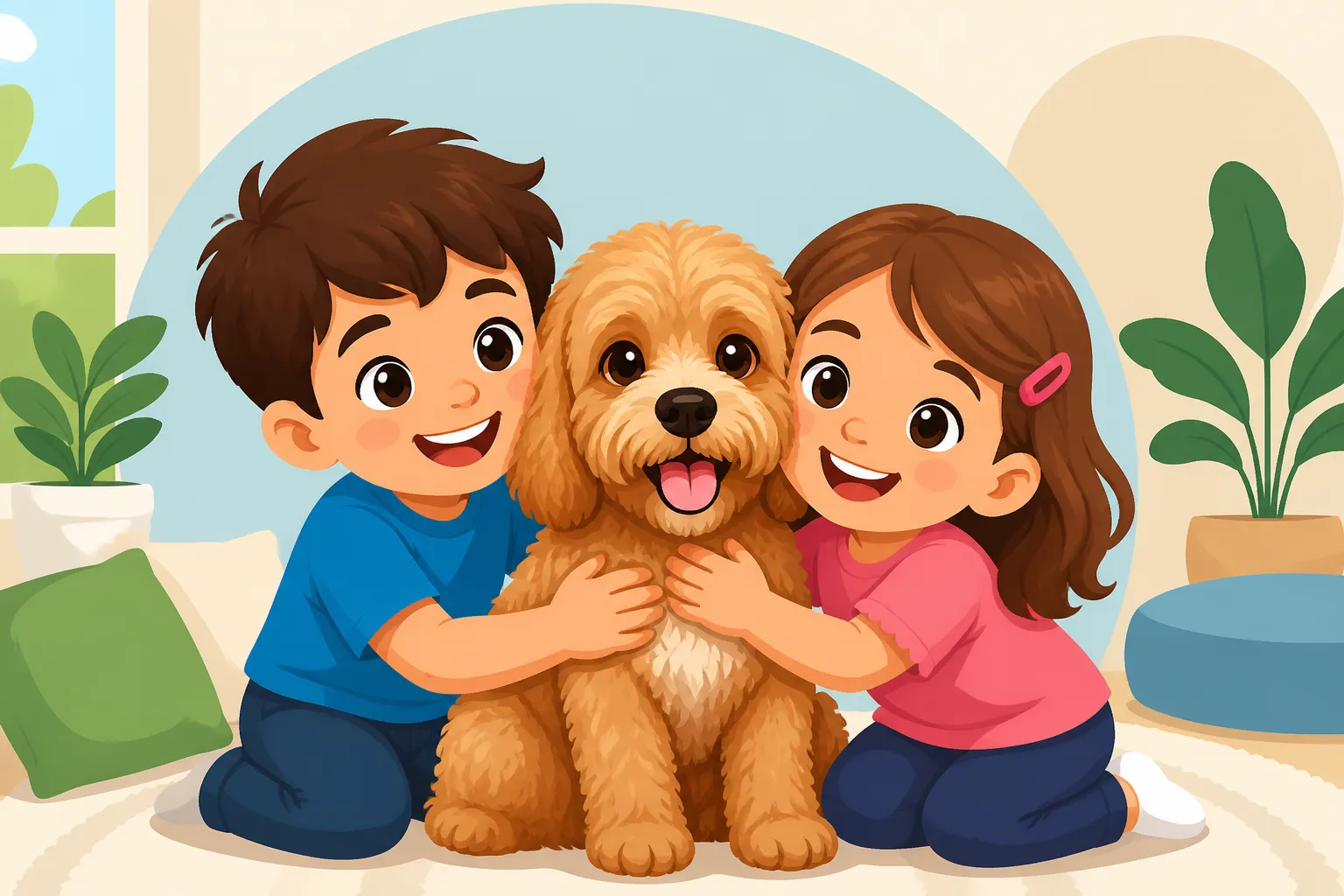
Bringing a Cockapoo into a home with children is often a dream come true, picturing joyful romps and cuddles, but the reality can sometimes feel a bit overwhelming, especially when you're trying to navigate the boundless energy of both your dog and your little ones. You might worry about how a lively Cockapoo will react to curious hands, sudden noises, or even just the general chaos that often comes with kids. This comprehensive guide is here to walk you through everything you need to know about fostering a safe, happy, and harmonious relationship between your Cockapoo and your children, from understanding their natural inclinations to setting up successful interactions.
Understanding the Cockapoo Temperament with Children
Many families choose a Cockapoo because they've heard wonderful things about their cheerful dispositions and their supposed suitability for family life. While it's true that Cockapoos generally possess many traits that make them fantastic companions, it's also crucial to understand the nuances of their temperament, which is a delightful blend of the American Cocker Spaniel or English Cocker Spaniel and the Poodle. Each parent breed contributes distinct characteristics that will influence how your Cockapoo interacts with children. It's not always as simple as a "one size fits all" label.
The Influence of Cocker Spaniel Traits
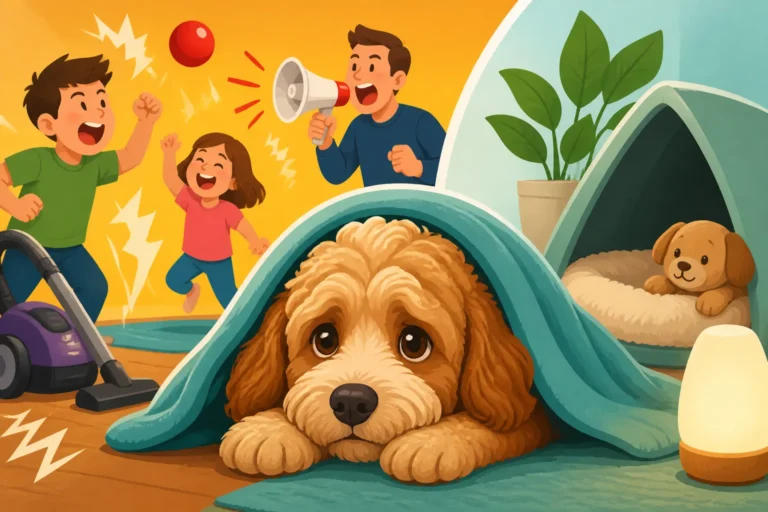
The Cocker Spaniel side of your Cockapoo brings a legacy of being merry, biddable, and quite affectionate. These dogs were originally bred as gun dogs, flushing game from dense cover, and as such, they possess a strong desire to be involved and to please their people. This often translates into a loving dog that thrives on human companionship and seeks to be part of the family's activities. They can be incredibly gentle and patient, especially when properly socialized from a young age. However, Cockers can also be sensitive souls. Loud noises, sudden movements, or rough handling can startle them, and a truly frightened or hurt Cocker might react defensively. It's vital to remember that not all Cockers are identical, and some may have a lower tolerance for the unpredictability that comes with small children. Their gentle nature often shines through, but their sensitivity is something owners need to be aware of and respect, particularly when introducing them to the boisterous energy of kids.
The Poodle's Contribution to Calm and Intelligence
From the Poodle side, your Cockapoo inherits intelligence, trainability, and often a more refined sense of self. Poodles, regardless of their size, are known for being quick learners and highly adaptable. This intelligence can be a huge asset when training your Cockapoo to interact appropriately with children, as they can quickly pick up on cues and boundaries. They often exhibit a calm demeanor, especially when they feel secure and have had their mental and physical needs met. However, Poodles can also be quite sensitive and prone to certain anxieties if not properly socialized and exercised. A bored Poodle, or one who feels overwhelmed, might retreat or become snappy. The Poodle's innate desire for routine and order means they might not always appreciate the spontaneous chaos that young children can bring. Understanding this dual heritage helps you appreciate why some Cockapoos are incredibly resilient and joyful with kids, while others might require more careful management and training to ensure comfort for everyone. It's never about the dog "being bad," but rather about understanding their inherited predispositions and working with them.
What Makes a Cockapoo Generally Good with Kids
When these two breeds combine, you often get a dog that is intelligent, eager to please, and generally quite friendly. Their moderate size, especially the Miniature and Toy varieties, can make them less intimidating to younger children than larger breeds. They typically enjoy playing games and engaging with their family, making them excellent companions for active children who understand how to interact respectfully with a dog. Many Cockapoos also possess a lovely sense of humor and a playful streak that can keep kids entertained for hours, whether it's chasing a ball in the yard or snuggling up for a story. Their low-shedding coats, a trait often sought after from the Poodle side, can also be a bonus for families concerned about allergies, making them a more accessible option for some households. However, these positive traits are maximized when the dog is well-bred, socialized early, and raised in an environment that teaches both the dog and the children how to coexist peacefully.
Preparing Your Home and Children for a Cockapoo
Bringing a Cockapoo into a home with children isn't something to do on a whim. It requires careful preparation of both your physical environment and, perhaps more importantly, the young humans who will be sharing their space with a new furry family member. Rushing this stage can lead to stress for everyone involved and potentially set up problematic behaviors down the line. A little foresight goes a long way in ensuring a smooth transition and a happy future for all.
Childproofing for Your Cockapoo's Safety
Just as you would childproof your home for a curious toddler, you need to "dog-proof" it for your new Cockapoo, especially if you have young children. Think about everything from small toys that could be swallowed to electrical cords that could be chewed. Small Lego bricks, doll accessories, or even tiny puzzle pieces can be serious choking hazards or cause internal blockages if ingested by a curious puppy. Secure cabinets where cleaning supplies are kept, and make sure any medications are well out of reach. Consider investing in baby gates (you can find a wide variety on platforms like Amazon) to create safe zones where your Cockapoo can retreat from active children, or conversely, where children can be separated from the dog when supervision isn't possible. This is particularly important during meal times, or when your Cockapoo is settling down for a nap. Remember, a Cockapoo puppy is very much like a human toddler – they explore with their mouths and don't understand danger. Removing potential hazards protects both your dog and helps prevent stressful situations for you.
Teaching Children How to Interact with Dogs
This is arguably the most critical step. Children, especially very young ones, don't instinctively know how to behave around dogs. They need explicit, patient, and consistent teaching. Start well before the Cockapoo arrives. Use stuffed animals to demonstrate gentle petting, how to avoid pulling ears or tails, and how to recognize a dog's body language (e.g., a wagging tail isn't always a sign of happiness; a tucked tail or averted eyes might mean fear). Emphasize that dogs need space, especially when eating, sleeping, or playing with their own toys. Teach them the "leave it" command for toys that belong to the dog. The mantra "be a tree" (stand still and quiet) or "be a rock" (curl up small and still) can be life-saving if a dog ever becomes overstimulated or fearful. For older children, involve them in learning about positive reinforcement training. Resources like the BAXTER & Bella online puppy school often have modules that are great for educating the whole family on how to build a positive relationship with a new puppy. Instilling respect and understanding in your children will lay the groundwork for a truly loving and safe bond. Teaching Children to Handle a Cockapoo is an essential read for any family.
Establishing Family Rules and Routines
Consistency is key when integrating a new dog into a family, especially one with children. Before your Cockapoo comes home, sit down as a family and establish clear rules about interactions. Who is responsible for feeding? Who takes the dog out for potty breaks? Where is the dog allowed to be? Are children allowed to wake a sleeping dog? (The answer should always be a firm "no!") Create a schedule for feeding, potty breaks, and playtime, and try to stick to it as much as possible. This predictability helps both the dog and the children feel more secure. For instance, if the Cockapoo has a designated "safe spot" (like a crate or a bed in a quiet corner), children need to understand that this is the dog's private area and they are not to disturb the dog there. These boundaries aren't about restricting fun; they're about building trust and mutual respect between your Cockapoo and your kids, ensuring that both feel safe and understood in their shared home.
Introducing Your Cockapoo to Children Safely
The first impressions between a Cockapoo and your children can set the tone for their entire relationship. It's tempting to let everyone rush in with excitement, but a controlled, positive, and supervised introduction is paramount to building a strong foundation of trust and comfort. Remember, your Cockapoo is entering a new environment, and children, especially young ones, can be overwhelming.
The Initial Meeting: Calm and Controlled
When your new Cockapoo first arrives, whether it's a puppy or an adult dog, the initial meeting with children should be carefully managed. Avoid a chaotic scene where multiple children rush the dog. Instead, introduce them one at a time, or in small groups, always with an adult closely supervising. Keep the environment calm and quiet. Have the children sit down, perhaps on the floor, and instruct them to remain still and speak in soft voices. Allow the Cockapoo to approach them on their own terms, sniffing and exploring. If the dog shows interest, guide the children to offer a gentle, open hand for sniffing. Only then, teach them to stroke the dog gently on the back or shoulder, avoiding the head, ears, or tail at first. Keep these initial encounters short and positive, ending before either the dog or the child shows signs of stress or over-excitement. For a puppy, this might just be a few minutes. Reinforce positive interactions with quiet praise and perhaps a small, high-value treat for the dog.
Creating a Safe Space for Your Cockapoo
It’s absolutely essential that your Cockapoo has a designated "safe space" where they can retreat and be undisturbed. This could be a crate, a dog bed in a quiet room, or a corner sectioned off by baby gates. Crucially, teach your children that this space is off-limits to them. It's the dog's personal sanctuary. This helps prevent overstimulation and gives your Cockapoo a sense of security, knowing they always have a place to go when they need a break from the hustle and bustle of family life. If a child approaches the dog in its safe space, gently redirect the child and remind them of the rule. Consistently upholding this boundary will build trust between your Cockapoo and the children, as the dog learns that their safe haven is truly respected. This is particularly important for How Many Hours a Cockapoo Can Be Left and ensuring they have a calm retreat when alone.
Supervised Interactions and Positive Reinforcement
Every interaction between your Cockapoo and your children, especially in the early days, must be actively supervised by an adult. This isn't about distrust; it's about teaching and guiding both parties. Look for signs of discomfort in your Cockapoo: yawning, lip licking, head turning away, growling, or retreating are all signals that they are feeling anxious or stressed. Likewise, watch your children for signs of rough play or inappropriate behavior. Guide their hands, remind them to use gentle voices, and praise them enthusiastically when they interact appropriately. Use positive reinforcement for your Cockapoo too. When they show calm, accepting behavior towards the children, reward them with a treat or calm praise. This helps them associate children with positive experiences. For effective training methods that integrate positive reinforcement, look into programs like BAXTER & Bella, which emphasize building a bond through trust and rewards. Over time, as trust grows and good habits are established, supervision can become less intense, but it should never entirely disappear, especially with young children.
Managing Interactions: Supervision and Boundaries
Even after initial introductions, ongoing management of interactions between your Cockapoo and children is vital. It's a continuous process of teaching, reinforcing, and adapting as both the dog and the children grow and change. This isn't about stifling their relationship, but nurturing it in a way that prioritizes safety and mutual respect.
The Importance of Constant Adult Supervision
I can't stress this enough: never leave young children unsupervised with any dog, regardless of how trustworthy you believe the dog to be. Accidents can happen in an instant, often without malicious intent from either party. A child might accidentally step on a paw, pull an ear, or stumble onto a sleeping dog, provoking a startle reaction. A dog, even a sweet Cockapoo, might snap out of fear or pain. Constant adult supervision means an adult is actively observing and ready to intervene at all times. This isn't just about preventing bites; it's about teaching both the dog and the children appropriate behaviors. If you need to step away for even a moment, separate your Cockapoo and the children using a crate, playpen, or baby gate. This vigilant approach ensures that positive patterns are established and negative ones are avoided before they become ingrained.
Setting Clear Boundaries for Both Dog and Children
Boundaries are the bedrock of a harmonious multi-species household. For your Cockapoo, this means teaching commands like "leave it," "off," and "stay" to manage their excitement around children, especially during playtime or mealtimes. You might need to teach your Cockapoo to stay off furniture if that's a rule for the children, or to wait patiently for attention rather than jumping up. Resources like BAXTER & Bella’s online training programs can be incredibly helpful for teaching these foundational obedience commands.
For children, boundaries mean understanding the dog's personal space and physical limits. Teach them:
- No disturbing the dog while eating or sleeping. This is a non-negotiable rule.
- No roughhousing or chasing the dog. This can teach the dog to be fearful or to chase back, which can escalate quickly.
- No pulling ears, tails, or climbing on the dog. These are sensitive areas, and even the most patient dog has limits.
- Always ask an adult before approaching the dog. This encourages a respectful approach and ensures supervision.
- No taking the dog's toys or food. This prevents resource guarding issues.
Regularly reinforce these rules with your children, using age-appropriate explanations. A visual chart with pictures of appropriate and inappropriate interactions can be very effective for younger kids.
Recognizing and Respecting a Cockapoo's Signals
Learning to read your Cockapoo's body language is critical for preventing problems. Dogs communicate constantly, and often their signals are subtle. Teach yourself and your children to look for:
- Signs of stress: Yawning, lip licking, averting eyes, a tucked tail, whale eye (when the whites of the eyes are visible), trembling, or a tense body posture. These mean the dog is uncomfortable.
- Signs of over-excitement: Excessive jumping, nipping, frantic tail wagging (which isn't always happy), or loud barking. This might mean the dog needs a break or redirection.
- Signs of fear: Cowering, retreating, growling (a warning, never to be punished), or snapping. These are serious signals that require immediate intervention and separation.
If your Cockapoo is showing any signs of discomfort or stress around your children, it's your responsibility to step in immediately. Separate them calmly, give the dog space, and reassess the situation. Perhaps the interaction was too long, too loud, or too physically intense. Respecting these signals isn't just kind; it's a vital safety measure that protects both your dog and your children. Understanding these subtle cues can help you prevent issues like Whether a Cockapoo Is Gentle With Toddlers from becoming a problem.
Training for a Child-Friendly Cockapoo
A well-trained Cockapoo is a happier, safer Cockapoo, especially in a home with children. Training isn't just about obedience; it's about building communication, trust, and setting expectations for appropriate behavior. This process should ideally start the moment your Cockapoo puppy comes home, or as soon as you adopt an adult dog, and it should be an ongoing endeavor.
Early Socialization and Puppy Classes
Socialization is arguably the most crucial aspect of raising a well-adjusted Cockapoo that is comfortable around children. This needs to begin early, during their critical socialization period (roughly 3-16 weeks of age). Expose your Cockapoo puppy to a wide variety of sights, sounds, people, and experiences, including calm, well-behaved children of various ages. Always ensure these experiences are positive and non-threatening. For instance, have children offer treats gently or engage in calm play. Puppy classes are an excellent way to continue this socialization in a structured environment. They teach basic obedience, expose your puppy to other dogs and people, and build confidence. Many trainers can also offer specific advice on managing interactions with children. A good puppy class will emphasize positive reinforcement and help you understand your Cockapoo's learning style. Remember, proper socialization helps prevent fear-based reactions later in life, making your Cockapoo more resilient to the unpredictable nature of children. Don't forget to look into Raising a Cockapoo Puppy for more foundational advice.
Essential Commands for a Family Dog
Beyond basic obedience, certain commands are absolutely essential for a Cockapoo living with children. These commands provide you with control and help manage potential conflicts or over-excitement:
- "Sit" and "Stay": These are foundational. Teach your Cockapoo to sit calmly when children approach or when they're excited about playtime. A "stay" command can be used to keep your dog in a designated spot while children are moving around or playing.
- "Down" or "Place": Teaching your Cockapoo to go to their bed or a specific mat on command is invaluable. This creates a predictable retreat for them and gives you a tool to manage their presence in high-traffic areas or during potentially overwhelming moments for the dog.
- "Leave It": This command is critical for teaching your Cockapoo to ignore items they shouldn't touch – be it a child's toy, spilled food, or even a child themselves if they are being too boisterous.
- "Off": For preventing jumping on children or furniture. Jumping, even out of excitement, can knock over a small child or scare them.
- "Gentle": This can be taught to encourage soft mouth behavior, especially if your Cockapoo puppy is prone to nipping. While puppies explore with their mouths, teaching them bite inhibition is vital.
Practice these commands regularly, in short, fun sessions, using high-value treats and praise. Make training a positive experience that strengthens your bond. Consistency across all family members, including older children, will accelerate learning. What a Cockapoo Puppy Should Learn First provides excellent insights into starting off on the right paw.
Professional Training Programs
Sometimes, despite your best efforts, you might encounter specific behavioral challenges, or you might simply want the guidance of an expert. Don't hesitate to seek out professional dog trainers or behaviorists. Look for trainers who use positive reinforcement methods and have experience working with family dogs and children. They can provide tailored advice, help you troubleshoot specific issues, and offer hands-on guidance. Online platforms like BAXTER & Bella offer virtual training programs that can be incredibly convenient for busy families, providing structured lessons and support from certified trainers. These programs can guide you through everything from basic manners to more complex behaviors, ensuring that your Cockapoo becomes a well-integrated, polite, and safe member of your family, comfortable and happy living alongside your children. They can also help you with Whether a Cockapoo Concentrates in a Class and make the most of your training efforts.
Common Challenges and How to Address Them
While Cockapoos are generally wonderful family dogs, there are common challenges that can arise when they share a home with children. Recognizing these potential pitfalls early and knowing how to address them effectively can save a lot of stress and reinforce a positive relationship.
Nipping and Mouthing in Cockapoo Puppies
Cockapoo puppies, like most puppies, explore the world with their mouths. Nipping and mouthing are completely normal puppy behaviors, but they can be painful and frightening for children. It's crucial to teach bite inhibition from a young age. When your puppy mouths too hard, let out a sharp "ouch!" or "yip!" and immediately withdraw attention or remove yourself from the interaction for a few seconds. This teaches them that hard bites end the fun. Redirect their mouthing onto appropriate chew toys, which you can easily stock up on from Amazon. Always ensure children understand not to "play" with a nippy puppy using their hands or feet; instead, they should use toys or simply walk away. Consistency is key here. Every family member needs to respond to mouthing in the same way so the puppy understands the rules. This phase usually passes as they mature, especially with consistent training.
Over-Excitement and Jumping
Cockapoos are often exuberant dogs, and their excitement can manifest as jumping up on people, including children. While it might seem cute from a tiny puppy, it can quickly become problematic as they grow, potentially knocking over small children or causing scratches. The key to stopping jumping is consistency:
- Ignore the jump: When your Cockapoo jumps, turn your back, cross your arms, and completely ignore them. Only give attention when all four paws are on the floor.
- Reward calm greetings: As soon as your Cockapoo settles, even for a second, reward them with calm praise and a treat.
- Teach an alternative behavior: Teach a "sit" command for greetings. When someone approaches, ask for a sit and reward it.
Ensure children are also taught to only give attention to the dog when it's not jumping. It's hard for kids to resist the enthusiasm of a bouncy puppy, but unwavering consistency from everyone is the only way to teach your Cockapoo that polite greetings get rewarded. This applies equally to Whether a Cockapoo Is Too Busy for Small Children and helping them learn appropriate energy levels.
Resource Guarding Around Children's Toys or Food
Resource guarding is when a dog becomes possessive over certain items, growling or snapping if someone (or another pet) approaches their valued possession. This can be particularly dangerous when children are involved, as they may not understand the warning signs. To prevent resource guarding:
- Manage the environment: Keep children's toys separate from dog toys. Don't leave food or high-value treats unsupervised with your Cockapoo.
- Teach "trade": Practice trading your dog's toys for even higher-value treats. This teaches them that giving up an item leads to something better, making them less likely to guard.
- Positive associations: When your Cockapoo is eating or chewing a toy, calmly approach, toss a high-value treat, and walk away. This helps them associate people approaching their resources with positive outcomes.
- Never punish growling: A growl is a warning. Punishing a growl teaches a dog not to warn, which can lead to a sudden bite without any precursor. Instead, respect the growl, remove the child from the situation, and seek professional help from a qualified behaviorist.
If you suspect resource guarding, it's crucial to consult a professional dog trainer or behaviorist to develop a safe and effective management plan. This is a serious issue that needs expert guidance.
Dealing with Fear-Based Reactions
Sometimes, a Cockapoo might develop fear or anxiety around children, perhaps due to a negative past experience, insufficient socialization, or simply a sensitive personality. Signs might include hiding, trembling, growling, or attempting to bite.
- Identify triggers: Try to figure out what specific actions or situations trigger your Cockapoo's fear. Is it loud noises, quick movements, specific children, or certain games?
- Create distance: Increase the distance between your Cockapoo and the trigger. This helps them feel safer.
- Positive associations: While at a safe distance from the trigger, offer high-value treats and praise to your Cockapoo. The goal is to change their emotional response from fear to positive anticipation.
- Controlled exposure: Slowly and gradually expose your Cockapoo to children in very controlled, positive environments, always keeping them below their fear threshold. This is a process called desensitization and counter-conditioning.
- Professional help: Fear-based aggression or anxiety can be complex. Consulting a certified professional dog behaviorist is highly recommended to ensure safety and implement an effective behavior modification plan. Trying to address this alone can inadvertently make the problem worse. This is when understanding Whether a Sharp Word Shuts a Cockapoo Down becomes particularly relevant, as harsh corrections will only exacerbate fear.
Age-Appropriate Activities for Cockapoos and Kids
A huge part of fostering a wonderful relationship between your Cockapoo and your children is engaging them in fun, safe, and age-appropriate activities together. This builds their bond, provides essential exercise and mental stimulation for your dog, and teaches children responsibility and empathy.
Gentle Play for Toddlers and Young Children
For toddlers and very young children (under 5-6 years old), interactions with a Cockapoo should be carefully structured and focused on calm, gentle activities. Active games of chase are generally not appropriate as they can overstimulate the dog and potentially lead to accidental nips or scratches.
- Supervised Petting Sessions: Teach children to sit quietly and offer gentle strokes on the dog's back or chest, avoiding sensitive areas like the head and tail. Reward the dog with treats for calm acceptance. Keep these sessions short.
- Reading to the Dog: Encourage children to sit calmly and read a book aloud to their Cockapoo. This teaches both calm interaction and can be surprisingly soothing for both child and dog.
- Treat Dispensing: Under strict adult supervision, allow young children to offer treats to the Cockapoo, teaching them to do so gently and respectfully. This can be through a flat palm or by dropping the treat into a designated bowl.
- Bubble Chasing: Many Cockapoos love chasing bubbles! This is a great, low-impact activity that allows the dog to play without direct physical contact with the child. Ensure the bubbles are pet-safe.
Always remember that even gentle play needs an adult eye. Teach children to retreat if the Cockapoo shows any signs of discomfort or disinterest. The goal is positive, short, and sweet encounters.
Engaging Activities for School-Aged Children
School-aged children (6-12 years old) are often old enough to participate more actively in their Cockapoo's care and training, under adult guidance. This is a fantastic age to really solidify their bond.
- Fetch and Tug (with rules): These classic games are great for burning off Cockapoo energy. Teach children how to play fetch safely (throwing the toy away from themselves) and how to play tug-of-war with rules (e.g., the game ends if the dog's teeth touch skin, and the dog must "drop it" on command). Use durable toys, many of which can be found on Amazon.
- Basic Obedience Training: Older children can be taught how to give basic commands like "sit," "stay," "down," and "come." This is empowering for the child and great for the dog's manners. Online resources like BAXTER & Bella can offer structured lessons that children can follow with adult help. What a Cockapoo Puppy Should Learn First can guide you on initial training.
- Walks (on leash): Depending on the child's strength and the dog's leash manners, older children can help with walks, always supervised by an adult. This teaches responsibility and gets everyone outdoors.
- Hide-and-Seek: Children can hide treats around the house for the Cockapoo to find, or play hide-and-seek with the dog, practicing their "stay" and "come" commands. This engages the Cockapoo's natural scent drive.
- Grooming Assistance: Children can help with brushing the Cockapoo's coat, teaching them gentle handling and contributing to the dog's well-being. This is an important part of The Three Cockapoo Coat Types and Their Upkeep.
These activities build a sense of partnership and shared enjoyment, teaching children about responsible pet ownership.
Advanced Fun for Teenagers
Teenagers (13+) can often take on significant responsibility for their Cockapoo's care and can explore more advanced activities, further strengthening their bond and providing great mental and physical stimulation for the dog.
- Advanced Training and Dog Sports: Teenagers can get involved in more advanced obedience, agility, rally, or even scent work with their Cockapoo. These activities are fantastic for mental stimulation and build confidence in both the dog and the handler. Whether a Cockapoo Needs a Sport to Be Manageable is a great resource here.
- Junior Handling: If your teen is interested, they can explore junior handling competitions, which teach presentation and ring craft skills.
- Extended Walks and Hikes: Teenagers can take the Cockapoo on longer walks, jogs, or hikes, providing excellent exercise. Always ensure the dog is leash-trained and the teenager is strong enough to handle them.
- Trick Training: Cockapoos are smart and love to learn. Teenagers can have a blast teaching them fun tricks, which is excellent for mental engagement.
- Responsible Pet Care: Teenagers can take on primary responsibility for feeding, grooming, and ensuring the Cockapoo gets adequate exercise, under the supervision of a parent. This fosters a deep sense of commitment and care.
Encouraging teenagers to be actively involved in these ways not only benefits the Cockapoo but also helps teenagers develop invaluable life skills, a sense of empathy, and a strong, positive relationship with their furry friend.
| Activity Category | Child's Age Group | Cockapoo Role | Key Benefit |
|---|---|---|---|
| Calm Interaction | Toddlers (1-4 years) | Gentle receiver of pets | Teaches gentle touch, builds positive association for dog |
| Simple Play | Young Children (4-8 years) | Chaser of bubbles, listener for stories | Encourages calm play, develops empathy in child |
| Active Games | School-Aged (8-12 years) | Fetch partner, obedience student | Teaches rules, burns energy, fosters teamwork |
| Responsible Care | Pre-Teens (10-13 years) | Grooming recipient, walk companion | Develops responsibility, strengthens bond, basic handling skills |
| Advanced Training | Teenagers (13+ years) | Dog sport participant, trick learner | Builds partnership, provides mental/physical challenge |
When to Seek Professional Help
While many Cockapoo and child relationships thrive with consistent training and management, there are times when it’s absolutely necessary to call in the experts. Ignoring warning signs can lead to escalating problems and potentially dangerous situations. Knowing when to seek professional help is a sign of responsible pet ownership.
Persistent Behavioral Issues
If you're dealing with persistent behavioral issues that you can't resolve on your own, it's time to seek professional help. These might include:
- Excessive nipping or biting: If your Cockapoo, especially an adult, continues to nip or bite children, even gently, despite your efforts, it’s a red flag.
- Aggression: Any signs of aggression, such as growling, snarling, snapping, or lunging at children, must be addressed immediately by a professional. Never dismiss these as "just playing" or "being grumpy."
- Severe anxiety or fear: If your Cockapoo is constantly hiding, trembling, urinating out of fear, or showing extreme anxiety around children, it’s impacting their quality of life and needs intervention.
- Resource Guarding: As mentioned, if your Cockapoo is consistently guarding toys, food, or even a particular spot from children with aggressive displays, it's a serious safety concern.
These behaviors indicate a deeper issue that requires the expertise of a certified professional dog trainer or a veterinary behaviorist. They can assess the situation, identify the root cause, and develop a safe and effective modification plan tailored to your specific situation. Don't wait for an accident to happen.
Impact on Family Dynamics and Child Safety
The relationship between a dog and children should enhance family life, not detract from it or create constant stress. If the presence of your Cockapoo is causing significant strain on your family, or if you constantly worry about your children's safety around the dog, it's a clear signal that you need external support. For instance, if you find yourself constantly separating the dog and children, or if your children are becoming fearful of the dog, these are indicators of an unsustainable situation. A professional can help you mediate these interactions, create a safer environment, and teach everyone involved how to better understand and communicate with each other. Sometimes, it's not just about the dog's behavior, but also about refining the children's interactions or the family's management strategies.
Consulting a Certified Professional Dog Trainer or Behaviorist
When you decide to seek professional help, it's crucial to choose the right kind of expert. Look for professionals who are:
- Certified: Ensure they have reputable certifications from organizations that emphasize positive reinforcement, force-free methods. Avoid anyone who suggests harsh corrections, punitive tools (like shock collars), or uses intimidation.
- Experienced with family dogs: Find someone with specific experience in integrating dogs into homes with children and addressing related behavioral issues.
- Recommended: Ask for referrals from your veterinarian, trusted friends, or local humane societies.
- Observational: A good trainer will want to observe your Cockapoo and your children in your home environment to get a full picture of the dynamics.
A professional will work with you to implement strategies that are safe, humane, and effective. They can help you implement a consistent training plan, refine your management techniques, and provide you with the tools and knowledge to foster a harmonious relationship between your Cockapoo and your children, ensuring a happy and safe home for everyone. This can be critical for topics such as Whether a Cockapoo Is Too Soft for Correction, ensuring you use methods that don't damage their sensitive nature.
Disclaimer
This article is for general informational purposes only and does not constitute professional advice. Laws, prices and regulations vary by location and change over time. Consult a qualified professional for guidance on your specific situation.