Settling a Cockapoo That Came From a Mill
Bringing home a Cockapoo from a difficult past, especially one rescued from a puppy mill situation, can be incredibly challenging. You might be facing a dog that is terrified of the world, unsure of human touch, and completely bewildered by a normal home environment. This guide is here to walk you through the journey of helping your mill-bred Cockapoo find comfort, trust, and happiness in their new, loving home.
Understanding the Mill-Bred Cockapoo's Past
When you open your home to a Cockapoo from a mill, you're not just adopting a dog; you're taking in a survivor. These dogs have often endured unimaginable conditions, and understanding their background is the first step toward helping them heal. Their past dictates many of the struggles you might see in their initial days, weeks, and even months with you. It’s crucial to remember that their reactions aren't personal, but a direct result of their previous environment.
The Harsh Realities of Puppy Mill Life
Puppy mills, unfortunately, are notorious for prioritizing profit over welfare. Dogs in these facilities often live in cramped, unsanitary conditions, sometimes in cages stacked one on top of another. They might never feel grass beneath their paws or experience the warmth of a soft bed. Their world is often one of concrete, wire, and neglect. This stark existence means they often miss out on crucial developmental stages that other puppies experience.
Imagine a Cockapoo puppy spending its formative weeks without proper human interaction. They might have been handled roughly, if at all, and have never learned that human hands can offer comfort rather than fear. Noise is often constant and overwhelming in a mill, from barking dogs to machinery, leading to heightened anxiety and sound sensitivity. Nutritional deficiencies are rampant, impacting their physical development, coat quality, and overall immune system. They might have constant health issues that go untreated, creating a cycle of pain and discomfort.
This lack of positive early experiences fundamentally shapes their perception of the world. They don't understand normal household sounds, routine, or even kindness. It's a truly heartbreaking reality, and it means that your new Cockapoo is starting from a place of profound disadvantage, having missed out on vital early socialization and proper care.
Common Behavioral Issues Stemming from This Trauma
The trauma of a mill environment manifests in various behavioral challenges. One of the most prevalent is profound fear and anxiety. Your Cockapoo might cower, shake, or attempt to hide when approached, even gently. Loud noises, sudden movements, or even a raised hand can trigger an extreme flight response. This isn't naughtiness; it's pure terror, born from a life where such things often meant pain or neglect.
Another common issue is a complete lack of house training. In a mill, dogs are often forced to relieve themselves wherever they are confined, with no concept of designated potty areas. This means you'll essentially be starting from scratch, teaching them the very basic concept of going outside. They might also exhibit resource guarding, fiercely protecting food, toys, or even their designated safe space. This stems from a history of scarcity and competition, where they had to fight for every morsel or comfort. This behavior can be concerning, but it's important to approach it with understanding and specific training techniques.
You might also observe fear of touch, especially in certain areas like their head or paws, which could indicate a history of painful handling or untreated injuries. Noise sensitivity, as mentioned, is common, making everyday sounds like a doorbell, vacuum cleaner, or even a sudden laugh incredibly startling. Some mill dogs develop compulsive behaviors, like pacing, spinning, or excessive licking, as a coping mechanism for stress and boredom. Each of these behaviors is a cry for help, a sign of their past, and requires an immense amount of patience and gentle guidance from you. To truly understand the full scope of potential issues, it's worth reading about The Thing Cockapoo Buyers Find Out Too Late.
Health Concerns Often Found in Mill Dogs
Beyond the behavioral scars, mill-bred Cockapoos frequently arrive with a host of physical ailments that require immediate attention. Due to poor sanitation, untreated parasites (both internal and external like fleas and mites) are almost a given. These can range from intestinal worms to skin infestations that cause constant itching and discomfort. It's not uncommon to find a rescue Cockapoo needing extensive deworming and flea treatment right off the bat.
Dental issues are another widespread problem. Dogs in mills often receive inadequate nutrition, and dental care is non-existent. This leads to severe tartar buildup, gingivitis, tooth decay, and sometimes even abscesses at a very young age. Many mill dogs require costly dental cleanings and extractions, which can be a significant undertaking. In some cases, neglected dental health can even contribute to other systemic infections. If you're wondering about the financial implications, What a Mill Bred Cockapoo Costs You Later can provide further insight.
Furthermore, genetic problems can be rampant. Mill breeders often prioritize quantity over quality, breeding dogs without proper health screening or consideration for hereditary diseases. This means your Cockapoo could be at a higher risk for conditions like hip dysplasia, patellar luxation, eye diseases like Progressive Retinal Atrophy (PRA), or even Familial Nephropathy and the Kidneys a Cockapoo Can Inherit. Skin infections, ear infections, and respiratory issues are also common due to overcrowding and poor ventilation. A thorough veterinary check-up, often involving bloodwork and screening for common issues, is one of the very first and most critical steps you'll take.
Creating a Safe and Predictable Environment
The cornerstone of rehabilitation for a mill-bred Cockapoo is providing a safe, predictable, and calm environment. They need to learn that their new home is a sanctuary, a place where they are secure, loved, and free from the constant fear they once knew. This takes time, consistency, and a deep well of patience.
Setting Up a Sanctuary Space
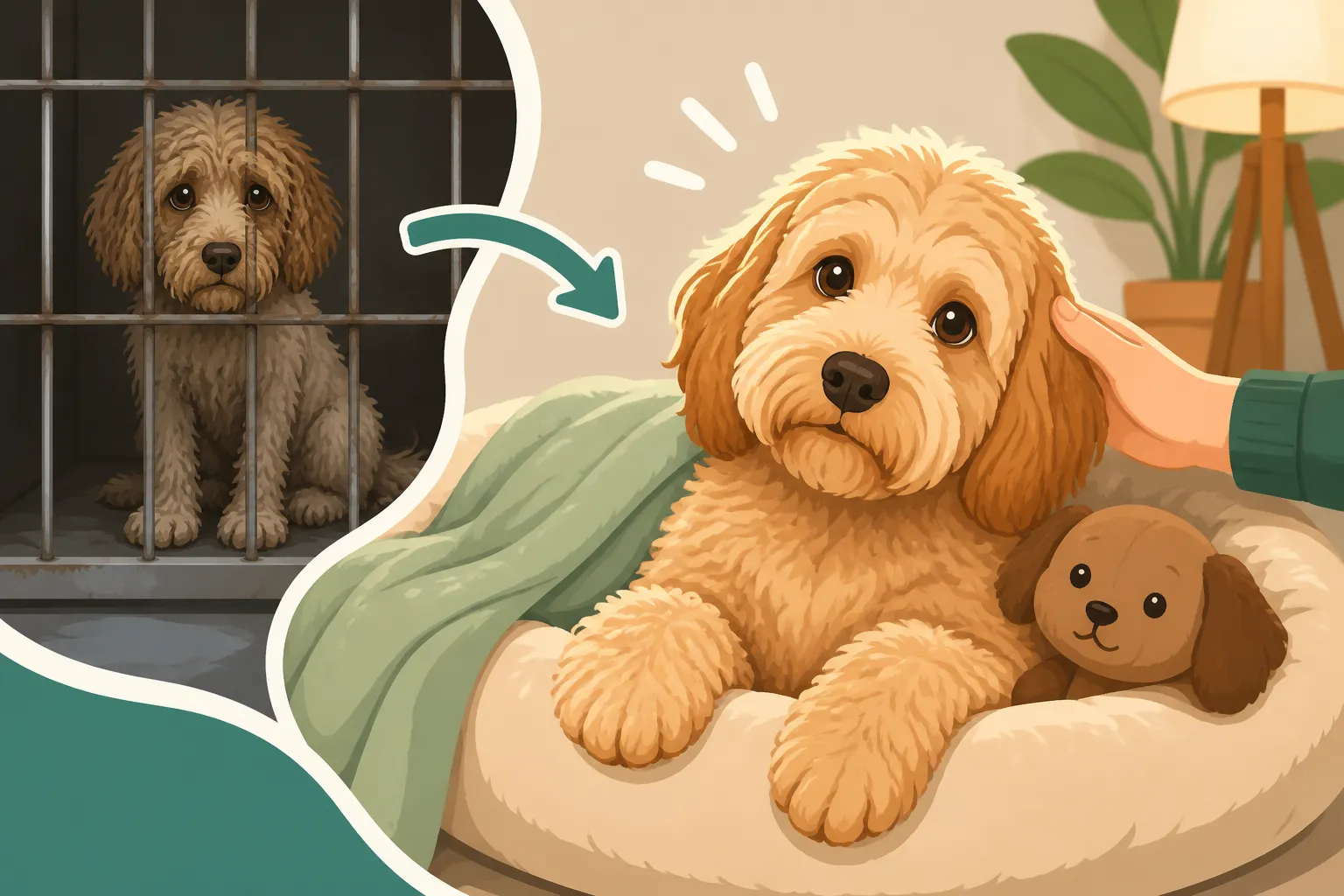
Your Cockapoo needs a safe haven, a small, enclosed space that is exclusively theirs and where they can retreat when feeling overwhelmed. A wire crate, if introduced positively, can become this sanctuary. Cover it with a blanket to create a den-like feel, and fill it with soft bedding and a few comforting toys. The goal isn't to trap them, but to offer them a secure place where they feel protected and can observe their new world from a distance. Never use the crate for punishment. Instead, associate it with positive experiences by feeding meals inside and offering high-value treats. You can find excellent crates and bedding options easily on Amazon.
Beyond the crate, consider designating a quiet room in your home that isn't high-traffic. This space can be gated off, allowing your Cockapoo to gradually adjust to household sounds and movements without being constantly exposed or overwhelmed. Soft lighting, quiet classical music, or a white noise machine can also help muffle startling outside sounds. Ensure there are no sharp edges or potential hazards, as an anxious dog might try to squeeze into small spaces or chew inappropriately. Having a predictable place to rest is vital for their mental recovery.
Remember that everything is new and potentially scary to them. The floor might be different, the air smells unfamiliar, and every shadow could be a threat. Their safe space offers them a consistent anchor in a confusing new world. Don't force them out of it; let them come to you when they feel ready.
Establishing a Consistent Routine
Consistency is like a language your mill-bred Cockapoo needs to learn. In their past life, chaos was the norm. A predictable routine helps them understand what to expect, reducing anxiety and building trust. Establish set times for feeding, potty breaks, short play sessions, and quiet rest. Stick to this schedule as closely as possible every single day. For instance, if they eat at 7 AM and 5 PM, try to maintain those times. If potty breaks are every two hours in the morning, make it happen.
A consistent routine also helps with house training. By taking them out at regular intervals – first thing in the morning, after meals, before bed, and frequently in between – you increase their chances of success and build a positive association with going outside. Each successful potty trip can be celebrated with quiet praise and a tiny, delicious treat. You might also want to look into The First Week With a Cockapoo Puppy for more general guidance on establishing a new routine.
Predictability extends to your interactions too. Use a calm, soft voice. Avoid sudden movements or loud exclamations. Always approach them slowly, perhaps even crouching down, and let them initiate contact. Offer your hand for them to sniff before attempting to pet. This consistency in your behavior helps them learn that you are a safe and reliable presence, not another source of fear or unpredictability. The more they can anticipate what happens next, the less anxious they will be.
Patience and Positive Reinforcement
This might be the most crucial section of all. Patience is not just a virtue here; it's a requirement. Your Cockapoo has a long road to recovery, and there will be setbacks. Do not get discouraged. Celebrate the tiny victories: a wag of the tail, a moment of eye contact, taking a treat from your hand. These small steps are monumental for a dog that has known nothing but fear.
Positive reinforcement is the only way forward. This means rewarding desired behaviors and ignoring (or redirecting) unwanted ones. If your Cockapoo takes a step towards you, quietly praise them and toss a treat. If they potty outside, reward them lavishly. If they show interest in a toy, encourage it gently. Never, ever punish a mill dog. Scolding, yelling, or physical corrections will only reinforce their existing fears and likely cause them to regress. They don't understand why they are being punished, only that humans can be scary.
Think of yourself as a safe harbor, a beacon of kindness in their storm. Every positive interaction, no matter how small, adds a drop to their bucket of trust. This process can be slow, sometimes agonizingly so, but the bond you build through unwavering patience and positive reinforcement will be incredibly strong and rewarding. Remember, it's about rebuilding their entire perception of the world, one gentle moment at a time.
Addressing Specific Behavioral Challenges
Once your Cockapoo has a stable routine and a safe space, you can begin to gently address some of the specific behavioral hurdles they face. This isn't a race; each step should be taken at your dog's pace, always prioritizing their comfort and well-being.
House Training and Potty Protocol
House training a mill-bred Cockapoo often feels like training a brand new puppy, sometimes even more challenging, because they might have a lifetime of ingrained habits. The key is extreme vigilance and consistency. Take your Cockapoo out frequently – every hour or two initially, and definitely after waking, eating, and playing. Use a consistent phrase like "Go potty" each time, and immediately reward with a high-value treat and quiet praise the moment they relieve themselves outside. Make it the best thing ever when they go outside.
Accidents will happen, and they are not failures on your part or your dog's. When an accident occurs indoors, clean it up thoroughly with an enzymatic cleaner to remove all scent. Never scold or punish your Cockapoo for an indoor accident. They simply don't understand, and punishment will only teach them to hide their accidents from you, making the problem worse. Instead, if you catch them in the act, calmly interrupt them, pick them up (if safe and possible), and immediately take them outside to their designated potty spot. Reward if they finish outside. For more on this, you can read How Long a Cockapoo Takes to Stop Having Accidents.
Consider using puppy pads initially if your Cockapoo is absolutely terrified of going outside, but the long-term goal should be outdoor elimination. Gradually transition them by moving the pad closer to the door, and then eventually outside. This can be a long process, but with patience and positive reinforcement, your Cockapoo will eventually grasp the concept.
Building Trust and Handling Fears
Building trust with a fearful mill dog is a delicate dance. Start with very gentle, non-threatening interactions. Instead of reaching for them, sit quietly near their safe space, perhaps reading a book or gently talking to them in a soft voice. Let them approach you. Toss treats a short distance away, gradually shortening the distance as they become more comfortable. High-value treats are your secret weapon here – think small pieces of cooked chicken, cheese, or hot dogs.
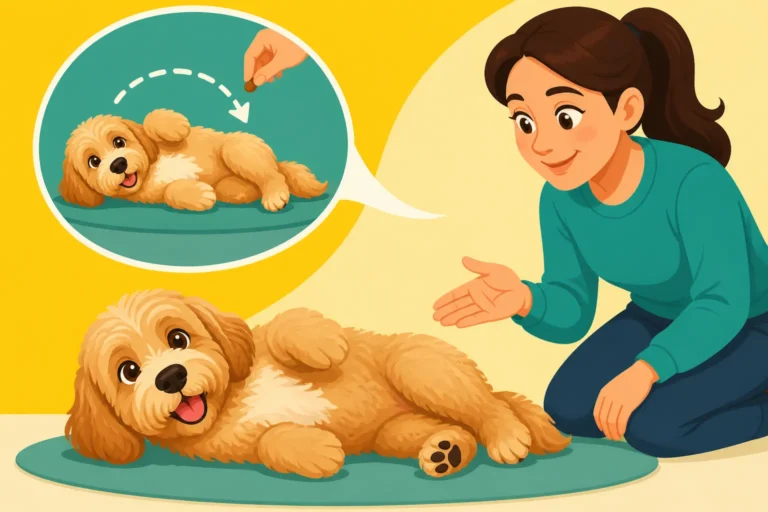
When they do allow touch, keep it brief and predictable. Start with a gentle stroke on their shoulder or chest, avoiding sensitive areas like their head or hindquarters initially. Watch their body language closely. If they tense up, pull away, or show any signs of discomfort, stop immediately. It's crucial to empower them to choose interaction. Forcing physical contact will break the fragile trust you're trying to build. Training simple commands like "sit" or "down" with positive reinforcement can also build confidence and create positive associations with interaction. Teaching them to accept handling for things like grooming or nail trims will also require immense patience; exploring topics like Teaching a Cockapoo to Give a Foot for Nails can offer valuable tips for these specific fears.
Overcoming fear is not about "fixing" them quickly; it's about showing them, day after day, that the world, and especially you, are safe. This is where programs like those offered by BAXTER & Bella can be incredibly helpful, providing structured, positive approaches to behavioral issues and confidence building that you can do at home. Their online resources and community support can be a lifeline for owners navigating these challenges.
Socialization at Their Pace
The idea of "socialization" for a mill-bred Cockapoo is often very different from a typical puppy. You're not looking to have them immediately interact with every dog and person they meet. Instead, it's about gradual, controlled exposure to new sights, sounds, and experiences in a way that doesn't overwhelm them. Start small: expose them to new things from a distance. Sit in your car at a park and let them observe people and other dogs from the safety of the vehicle.
When introducing them to new people, choose calm, understanding individuals who know how to interact with a fearful dog. Ask them to ignore your Cockapoo initially, perhaps tossing treats their way without making direct eye contact or sudden movements. Let your dog initiate the approach. For dog-to-dog introductions, select a very calm, well-socialized, and gentle dog that you trust implicitly. Keep it brief, on neutral territory, and always have an escape route for your Cockapoo if they become overwhelmed. Issues like Whether a Cockapoo Can Be Taught to Leave the Cat can also be approached with this same slow, desensitization method.
The goal is to create positive associations. Every new experience should be paired with praise and high-value treats. If they show signs of stress (lip-licking, yawning, tail tucked, cowering), remove them from the situation immediately. Pushing them too far too fast can cause significant setbacks. Remember, it's about quality over quantity; a few positive, short exposures are infinitely more beneficial than one overwhelming encounter.
Managing Separation Anxiety
Many mill dogs develop separation anxiety due to their past isolation and then suddenly being in a loving home, forming intense attachments. This manifests as distress when left alone, barking, howling, destructive chewing, or inappropriate urination. Topics like Whether a Cockapoo Barks When Left or Whether a Cockapoo Needs Company Most of the Day highlight the intensity of this challenge. The key to managing this is teaching them that being alone isn't scary, and that you always come back.
Start by creating very short, positive periods of separation. Leave them in their safe space with a high-value, long-lasting chew toy (like a Kong stuffed with peanut butter or cream cheese) or a puzzle toy, and step out of the room for just a minute or two. Come back before they start to show signs of distress. As they get comfortable with this, gradually increase the time you're away. Never make a big deal about leaving or returning; keep departures and arrivals calm and low-key.
Enrichment toys are crucial for keeping their minds occupied when alone. Interactive feeders, snuffle mats, and puzzle toys can provide mental stimulation and distract them from your absence. Some dogs benefit from having a radio or TV left on quietly to mask outside noises. For more detailed strategies on gradually extending alone time, explore Building a Cockapoo's Tolerance for Being Alone and The Hours a Cockapoo Tolerates Alone. This is a marathon, not a sprint, and may require professional guidance from a certified dog behaviorist if severe.
| Common Mill Dog Behavior | Underlying Cause (Likely) | Positive Reinforcement Strategy |
|---|---|---|
| Hiding/Cowering | Fear, lack of safety | Provide a secure den, low-stress environment, gentle approach, toss treats from distance. |
| Accidents Indoors | No house training, anxiety | Frequent potty breaks outside, high-value rewards for success, enzymatic cleaners for accidents. |
| Fear of Touch | Rough handling, pain | Start with consensual touch on shoulder/chest, use treats, stop if dog shows discomfort. |
| Resource Guarding | Scarcity, competition | "Trade-up" game (offer better treat for guarded item), hand-feed meals, separate eating spaces. |
| Noise Sensitivity | Constant overwhelming noise | White noise, classical music, gradual desensitization, pair startling sounds with treats. |
| Destructive Chewing | Anxiety, boredom | Provide appropriate chew toys, puzzle feeders, increase mental stimulation. |
| Separation Anxiety | Past isolation, intense attachment | Gradual increase in alone time, high-value chews for distraction, calm departures/arrivals. |
Long-Term Care and Ongoing Support
Bringing a mill-bred Cockapoo into your life is a profound commitment, but the rewards are immeasurable. Their long-term care will continue to involve patience, understanding, and a commitment to their physical and emotional well-being.
Working with Professionals
Don't hesitate to enlist professional help. Your veterinarian is your first and most important partner. They can address any lingering health issues, recommend specialized diets if needed, and rule out any medical causes for behavioral problems. Regular check-ups are vital, as mill dogs often have compromised immune systems or hidden conditions. The Kidney and Eye Checks a Cockapoo Needs Yearly are particularly important.
Beyond the vet, consider consulting with a certified professional dog trainer or a veterinary behaviorist. These experts have experience with fearful and traumatized dogs and can provide tailored strategies and support that are specific to your Cockapoo's needs. They can guide you through desensitization protocols, counter-conditioning techniques, and help you interpret your dog's subtle body language. While BAXTER & Bella offers fantastic online resources and community, sometimes an in-person, experienced professional can make all the difference, especially with deep-seated fears or aggression. Remember, seeking help is a sign of strength and dedication, not failure.
Continued Enrichment and Mental Stimulation
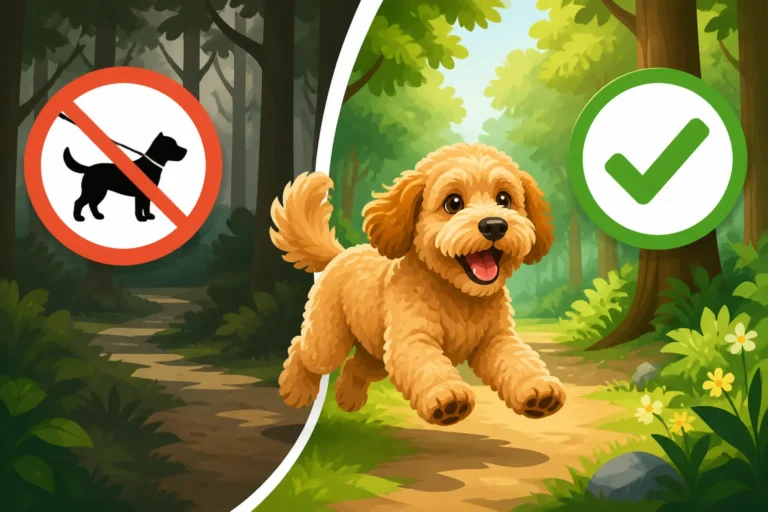
Once your Cockapoo starts to feel more comfortable, providing ongoing mental and physical enrichment is key to their well-being. While they might not be ready for a busy dog park, controlled walks in quiet areas, allowing them to sniff and explore, are wonderful. Scent work games, like hiding treats around the house for them to find, can be incredibly satisfying and confidence-boosting for a Cockapoo. Setting Up Scent Boxes for a Cockapoo at Home provides a great guide for this.
Puzzle toys, interactive feeders, and short, positive training sessions not only provide mental stimulation but also strengthen your bond. Teaching new tricks, even simple ones, builds their confidence and teaches them that learning can be fun and rewarding. Rotate toys to keep things interesting, and encourage independent play in their safe space. This continued engagement helps prevent boredom, which can lead to anxiety and destructive behaviors.
The Unconditional Love They Deserve
Ultimately, the most powerful tool in your rehabilitation toolbox is unconditional love. Your Cockapoo has been through so much, and your consistent kindness, patience, and understanding will heal wounds that no amount of training alone can fix. There will be days that feel overwhelming, days when you question your progress, and days when you feel like you're not making a difference. On those days, remember how far they've come and the incredible journey you're on together.
The transformation of a mill-bred Cockapoo is often profound. From a terrified, cowering creature, they can blossom into a loving, playful, and confident companion. It takes immense dedication, but witnessing that transformation and earning the trust of such a resilient dog is one of the most heartwarming experiences a person can have. You are not just providing a home; you are providing a second chance at life, and that is a truly beautiful thing.
Disclaimer
This article is for general informational purposes only and does not constitute professional advice. Laws, prices and regulations vary by location and change over time. Consult a qualified professional for guidance on your specific situation.