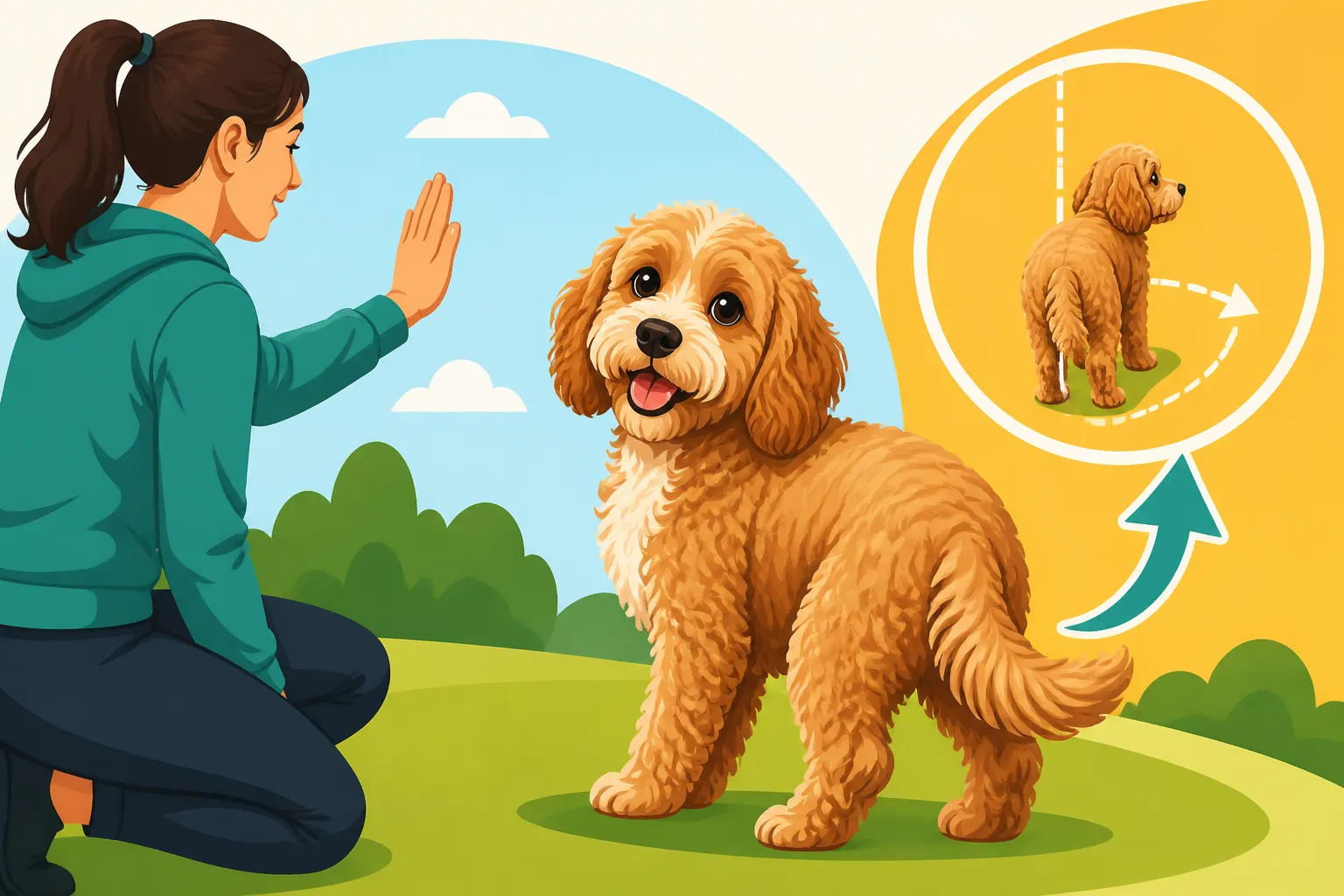
Teaching a Cockapoo to Quarter on Command
It’s a familiar scene for so many Cockapoo owners: you let your fluffy companion out into the yard, and within seconds, their nose is to the ground, sniffing every blade of grass, zigzagging with an almost frantic energy. It’s charming, yes, but sometimes you wish there was a bit more purpose, a bit more direction to that boundless enthusiasm. This guide is all about channeling that incredible drive into something structured and fun: teaching your Cockapoo to quarter on command. We’ll explore how to harness their natural instincts to create a predictable, engaging pattern of searching that benefits both their physical and mental well-being, turning random sniffing into a focused activity you can enjoy together.
Understanding Your Cockapoo's Instincts
Before we dive into the "how-to" of quartering, it’s really helpful to take a moment to appreciate why your Cockapoo is so naturally inclined to do it. These aren't just cute, fluffy companions; they carry a strong genetic legacy that drives their desire to explore and hunt with their noses. Understanding this background helps us work with their nature, rather than against it.
The Cocker Spaniel's Hunting Heritage
When you look at your Cockapoo, especially if they have that distinctive Cocker Spaniel ear set or a slightly stockier build, you’re looking at generations of a dog bred for a very specific job: flushing game birds. English Cocker Spaniels and American Cocker Spaniels, both parent breeds for the Cockapoo, were developed to work closely with hunters, covering ground in a systematic, zigzag pattern to find birds hiding in cover. This isn't about chasing or retrieving over long distances; it’s about methodical, close-range searching, bursting into action to flush birds into the air for the hunter. This "flushing drive" is still very much alive in your Cockapoo, even if their closest encounter with a bird is in your local park. They love to scour areas, working the edges and moving back and forth, because it’s embedded deep in their DNA. It’s what makes them such diligent explorers in your yard, endlessly investigating every new scent. The Flushing Drive Still Alive in a Cockapoo explores this in more detail.
The Poodle's Intelligence and Trainability
Then there's the Poodle side of your Cockapoo, a breed renowned not just for its fancy haircuts, but for its incredible intelligence and eagerness to please. Poodles were originally water retrievers, highly athletic and highly biddable. They needed to be smart enough to understand complex commands and agile enough to execute them in challenging environments. This intelligence means your Cockapoo isn't just driven by instinct; they're also capable of learning intricate tasks and responding to cues. They thrive on mental stimulation and enjoy having a "job" to do, especially when it involves working with you. This combination of a strong hunting instinct from the Cocker and the Poodle's sharp mind makes the Cockapoo an ideal candidate for activities like quartering, where they can use both their nose and their brain. They want to learn, and they want to engage with you, making the training process a rewarding experience for both of you.
Why Quartering Appeals to the Cockapoo
So, why does teaching a quartering pattern make so much sense for a Cockapoo? It’s because it’s literally what they were born to do, just in a more structured way. When a Cockapoo quarters, they’re utilizing that natural zigzagging motion to systematically cover a defined area, moving back and forth in front of you. This satisfies several of their core instincts:
- Scent-driven exploration: It allows them to use their incredible nose, which is one of their most powerful tools. They get to investigate new smells and track subtle trails, providing immense mental enrichment. Whether a Cockapoo Hunts With Its Nose Down talks more about their nose work.
- Purposeful movement: Instead of aimlessly wandering, they have a clear mission: clear the field, find the "invisible bird," or simply sweep the area. This focus helps burn off energy in a constructive way.
- Working with a handler: Your Cockapoo loves to feel connected to you. Quartering is a team effort, where they look to you for direction and you guide them, strengthening your bond and communication.
- Mental stimulation: Figuring out the pattern, responding to your commands, and staying engaged keeps their intelligent Poodle brain happily occupied. A tired Cockapoo, both physically and mentally, is a happy Cockapoo (and a much calmer one!).
By teaching them to quarter, you're not trying to extinguish their natural drives; you're simply giving them a fun, cooperative framework within which to express them. It turns their inherent desire to explore into a wonderful game you can play anywhere.
Essential Foundations Before Quartering
Before you even think about teaching your Cockapoo to perform a precise quartering pattern, it's absolutely crucial to have some foundational obedience skills in place. Think of these as the building blocks; trying to construct a complex behavior without them is like trying to build a house on sand. You'll only frustrate yourself and your dog.
Building a Solid Recall
This is arguably the most important foundation for any off-leash activity, including quartering. Your Cockapoo needs to come back to you reliably, every single time, no matter what exciting smells or squirrels might be distracting them. Their spaniel heritage means they can easily get caught up in a scent trail and suddenly seem to go "deaf" to your calls. You don't want them wandering off while you're trying to teach them to work in front of you.
Start recall training in a low-distraction environment, like your living room or a fenced yard. Use a happy, excited tone and reward them generously with high-value treats and praise every time they come. Gradually introduce more distractions. Many owners find a long line indispensable for practicing recall in open spaces before trusting their Cockapoo entirely off-leash. Companies like BAXTER & Bella offer excellent online courses that emphasize building a bulletproof recall, which can be invaluable before moving onto more advanced behaviors like quartering. Building a Recall a Cockapoo Answers delves into strategies for achieving this. Remember, a strong recall isn't just about control; it's about safety and freedom for your Cockapoo.
Establishing Hand Signals and Voice Commands
Quartering involves a lot of directional cues, and dogs often respond incredibly well to visual signals as much as, if not more than, verbal ones. Start by teaching basic directional commands like "left" and "right" or "go out" and "come in" using clear, consistent hand signals. For example, a sweep of your arm to the left combined with the word "left." Pair these with treats and praise when your Cockapoo moves in the desired direction.
Practice these signals frequently, even when not specifically training for quartering. If you're walking them on a leash and you turn left, give the left command and signal. The goal is for your Cockapoo to associate the visual and auditory cues with specific movements, making it much easier when they're further away and needing to cover ground. These early lessons in communication are vital for a seamless transition into quartering.
Leash Manners and Long Line Practice
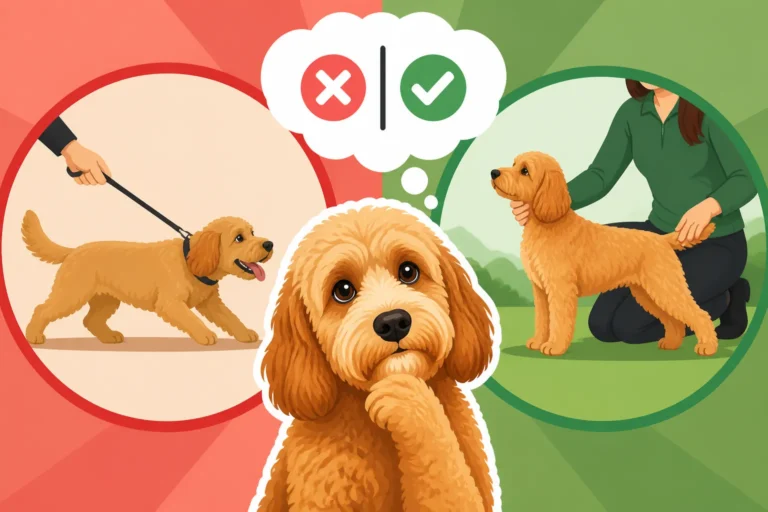
Before you let your Cockapoo roam freely in a quartering pattern, they need to have excellent leash manners. This isn't just about preventing pulling on walks; it’s about teaching them to respond to your guidance and stay connected to you, even when there are tempting distractions. If your Cockapoo constantly pulls or is easily distracted on a regular leash, it will be much harder to teach them to work in a pattern.
Once leash manners are solid, introduce a long line. A 15-30 foot long line is a fantastic training tool. It gives your Cockapoo a taste of freedom while still allowing you to maintain control. Practice your recall and directional signals while your Cockapoo is on the long line. Let them explore, but guide them gently with the line and your commands to encourage those initial back-and-forth movements. This bridge between a short leash and off-leash work is critical for building confidence in both you and your Cockapoo. You can find a wide variety of long lines on platforms like Amazon, making sure to choose one that's comfortable for you to hold and appropriate for your Cockapoo's size. Working a Cockapoo on a Long Line provides further insights into using this tool effectively.
Introducing the Quartering Concept
Now that your Cockapoo has a solid foundation in recall, basic commands, and long line work, you're ready to start introducing the actual concept of quartering. The key here is to start small, keep it fun, and build success gradually. Don't expect perfection overnight; this is a process of shaping their natural behaviors into a cooperative game.
Starting in a Controlled Environment
The absolute best place to begin teaching quartering is in a small, enclosed, and low-distraction area. Think of your fenced backyard, a quiet tennis court (if allowed), or even a large, empty room indoors. The goal is to minimize external stimuli so your Cockapoo can focus entirely on you and the task at hand.
Start by placing a few high-value treats (or even small toys if your Cockapoo is more toy-motivated) in a loose zigzag pattern across the short width of the area, just a few feet in front of you. Walk forward slowly, encouraging your Cockapoo to find each treat as they move back and forth. You're not asking for a precise pattern yet, just encouraging the side-to-side motion. Use an enthusiastic voice to praise them for finding the treats and for any natural sweeping motion they make. The idea is to make this initial stage feel like a fun scavenger hunt with you as their guide.
Lure and Reward Techniques
Luring is going to be your best friend in these early stages. Hold a treat near your Cockapoo's nose and use it to guide them in the direction you want them to go. For example, if you want them to move left, hold the treat out to the left and take a step in that direction, encouraging them to follow. As they move, give your verbal cue (e.g., "Left!") and your hand signal. As soon as they take a step or two in the correct direction, reward them with the treat and enthusiastic praise.
The moment they turn and start heading back the other way, do the same: lure them with a treat, give your "Right!" command and signal, and reward the turn. Repeat this, gradually increasing the distance they move in each direction before you reward. Your goal is to get them to do two or three sweeps across the small area, turning on cue, before receiving a jackpot reward (several treats or a quick game of tug). Keep these sessions short – 5-10 minutes tops – to maintain their enthusiasm and prevent them from getting bored or frustrated.
Gradually Expanding the Search Area
Once your Cockapoo is consistently doing a few back-and-forth sweeps in your small, controlled space, it's time to gradually expand the area. Move to a slightly larger fenced space, like a bigger section of your yard or a quiet dog park during off-peak hours. Continue to use the same lure-and-reward techniques, but now you can start to encourage them to range a little wider in front of you.
Instead of placing treats directly, you might now toss a treat a short distance to the left, and as they go to get it, give your "Left!" command. When they come back to you, toss a treat to the right with the "Right!" command. This teaches them to anticipate the direction and move proactively, rather than just following a lure. Keep your body language clear – your steps and the direction of your throws will help them understand the pattern. Remember, Why a Cockapoo Quarters the Yard explains why they do this naturally, so you're just formalizing an existing behavior.
Developing a Consistent Quartering Pattern
You've laid the groundwork, and your Cockapoo understands the basic back-and-forth movement. Now, the focus shifts to refining that into a consistent quartering pattern, making the turns smoother and more predictable, and integrating more subtle cues. This is where the magic really starts to happen, turning those independent sweeps into a synchronized dance between you and your dog.
Using a Whistle for Direction
A whistle can be an incredibly powerful tool for communicating with your Cockapoo, especially over distance or in distracting environments. Unlike your voice, a whistle carries further and has a consistent tone, which prevents your cues from sounding different based on your mood or stress level. Introduce the whistle by pairing a short, sharp blast with your existing directional commands.
For instance, when you want your Cockapoo to turn left, give your hand signal, say "Left!", and immediately blow a specific whistle signal (e.g., one short blast). When they turn, reward them. For a right turn, use a different whistle signal (e.g., two short blasts). Practice this extensively in your expanded, controlled environments. The goal is for your Cockapoo to eventually associate the whistle signal directly with the turn, allowing you to use it as a primary cue when they’re ranging further away. Many hunting dog enthusiasts swear by whistles for field work, and your Cockapoo, with its spaniel heritage, often responds remarkably well. Whether a Whistle Works on a Cockapoo delves into how effective whistle training can be.
Adding Verbal Cues
While the whistle is fantastic for distance, having clear verbal cues as backups or for closer work is still very valuable. You've already started pairing "Left!" and "Right!" with your hand signals and lures. Now, work on fading the lure and making the verbal cue the prompt for the turn. As your Cockapoo is moving across the field, just as they reach the imagined "edge" of their sweep, give your verbal "Left!" or "Right!" command.
Praise and reward generously when they make the turn without needing a physical lure. Over time, you can start to combine these cues with a command like "Seek!" or "Find!" when you send them out to begin quartering. The key is consistency in your word choice and tone. Make it clear, concise, and upbeat. This combination of hand signals, verbal cues, and whistle commands gives you a comprehensive communication system for quartering.
Troubleshooting Common Challenges
Even with a strong foundation, you're likely to encounter a few bumps in the road. It's totally normal!
- Drifting or Wide Turns: If your Cockapoo is making too wide of a turn, or drifting out of the desired range, tighten your turns by quickly moving your body in the opposite direction you want them to go. For example, if they're sweeping left and going too far, take a quick step right as you give your "Right!" command. This helps to "push" them back into the pattern. You can also use a long line at this stage to gently guide them if they struggle to maintain the desired width.
- Getting Distracted by Scents: This is a classic Cockapoo challenge. If they lock onto a scent and ignore your commands, immediately go to them on the long line, redirect their attention with a treat, and bring them back to the last place they were quartering. Restart the exercise from there, perhaps in a slightly less distracting area, and reward more frequently for staying engaged. Remember, Recall on a Cockapoo That Has Found a Scent talks about this common issue.
- Lack of Enthusiasm: If your Cockapoo seems bored, you might be practicing for too long, or your rewards aren't exciting enough. Shorten your sessions, switch to higher-value treats, or incorporate a quick game of tug as a reward. Make it a fun, engaging game, not a chore.
- Anticipating Turns: Sometimes a smart Cockapoo will start to anticipate the turns and cut corners. To counter this, occasionally vary the width or length of your "field." If they're always turning at the same spot, wait a moment longer or ask for a slightly wider sweep before giving the command. This keeps them paying attention to you for the cue.
| Challenge | Common Cause | Solution |
|---|---|---|
| Drifting / Wide Turns | Lack of clear boundaries, over-excitement | Use long line, quick body turns, narrow the practice area temporarily |
| Scent Distraction | High drive, environment too stimulating | High-value treats, short sessions, less distracting environment, strong recall practice |
| Low Enthusiasm | Long sessions, low-value rewards, boredom | Shorten sessions, use jackpot rewards (tugs, favorite treats), keep it fun |
| Anticipating Turns | Predictable pattern | Vary length/width of sweeps, delay commands, reward for waiting for cue |
| Ignoring Commands | Distraction, weak foundation | Revert to more controlled environment, reinforce recall & basic obedience, use whistle |
Advanced Quartering and Real-World Application
Once your Cockapoo is confidently quartering in a familiar, controlled environment, you're ready to take their skills to the next level. This means introducing new challenges, different settings, and incorporating more natural elements, making the quartering skill truly versatile and deeply rewarding for both of you.
Quartering in Different Terrains
The real test of a well-trained quartering pattern is its application in various environments. Start by slowly introducing new terrains and cover types. If you've been practicing on a flat, open lawn, try a slightly uneven field with taller grass, or an area with some low bushes. The natural cover helps to stimulate their inherent desire to "hunt" and find things.
Begin with shorter, more frequent turns in these new areas to help your Cockapoo adjust. Be prepared to go back to using your long line if needed, especially in areas with potential distractions or uneven footing. The goal is for them to generalize the quartering behavior, understanding that the pattern applies regardless of the surface under their paws. This keeps them mentally engaged and strengthens their confidence in unfamiliar settings. Think about how Whether a Cockapoo Still Hunts Cover relates to this natural inclination.
Incorporating Scent Work
Quartering is inherently about using their nose, so integrating formal scent work takes the exercise to an even more enriching level. Instead of just "clearing" an area, you can now have them search for specific items. Start with easy finds: hide a high-value treat in the grass before you send them out to quarter. As they perform their sweeps, they'll naturally encounter the scent.
Once they find it, give enthusiastic praise and let them enjoy the reward. Gradually move to hiding a specific "target odor" (like a favorite toy or a piece of cloth with a unique scent) and rewarding them when they indicate they've found it (e.g., pawing, sitting, or hovering over it). There are many online resources and classes for introducing formal scent work, and your Cockapoo's natural sniffing prowess will make them a star. Scent Work That Satisfies a Cockapoo is an excellent read if you want to explore this further. You can get scent training kits or even just small, easily hidden toys and treats from places like Amazon to get started.
Maintaining the Skill Over Time
Like any learned behavior, quartering requires ongoing practice to keep it sharp. Don't just train it and forget it. Incorporate short quartering sessions into your regular walks or yard time. Even a quick 5-minute session once a day can make a huge difference in maintaining their proficiency and enthusiasm.
Vary the fields, change the patterns occasionally (though stick mostly to the zigzag), and keep the rewards high. You can also work on increasing the distance they quarter from you, gradually stepping back as they maintain their pattern. This allows them to cover more ground independently while still remaining connected to your commands. Remember to always end on a positive note, with a big reward and lots of praise, so your Cockapoo always sees quartering as a fun and rewarding activity. This continuous engagement strengthens your bond and provides endless mental and physical stimulation for your intelligent companion.
Disclaimer
This article is for general informational purposes only and does not constitute professional advice. Laws, prices and regulations vary by location and change over time. Consult a qualified professional for guidance on your specific situation.