Whether a Cockapoo Needs Bird Dog Style Handling
Many Cockapoo owners find themselves completely charmed by their delightful companions, yet sometimes bewildered by certain behaviors that pop up. You might have envisioned a cuddly, calm lap dog, only to discover your Cockapoo has an insatiable curiosity for every rustle in the bushes, an uncanny ability to follow a scent trail for miles, or a sudden burst of speed when a squirrel dares to cross their path. This guide is here to unravel why your Cockapoo might act this way and explore whether incorporating "bird dog style handling" can help you build a more harmonious and fulfilling life together.
Understanding the Cockapoo's Deep-Seated Hunting Instincts
It’s easy to forget, amidst all the fluff and charm, that the Cockapoo comes from two working breeds: the Cocker Spaniel and the Poodle. Both were originally bred to assist hunters, and those instincts, even generations removed from the field, are very much alive and well in your furry friend. The Cocker Spaniel, in particular, is a "flushing dog," meaning its job was to dive into dense cover, flush birds out for the hunter, and often retrieve them.
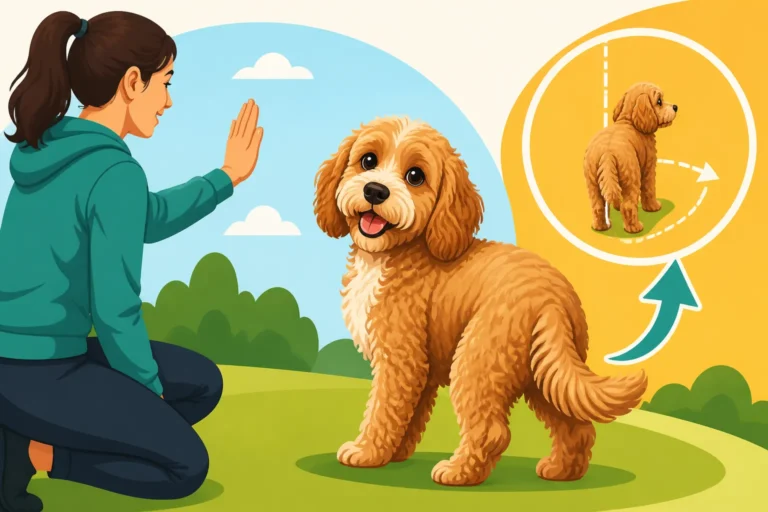
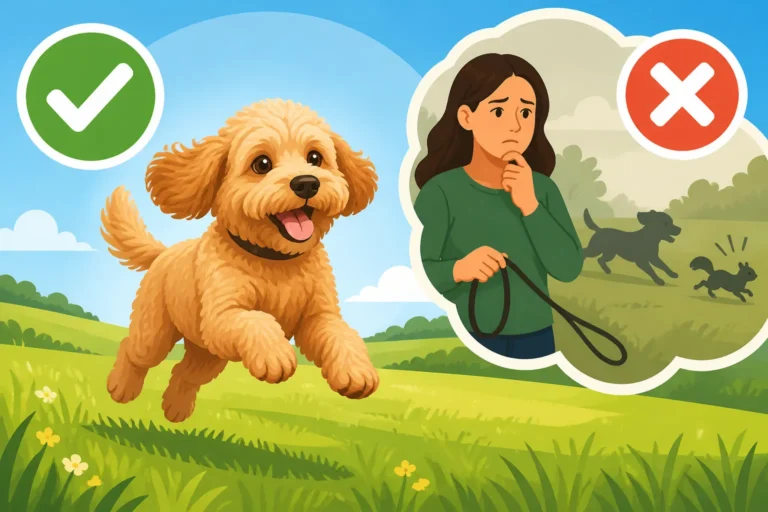
Imagine your Cockapoo’s ancestor, a lively Cocker, quartering a field (moving back and forth in a systematic pattern) with its nose to the ground, eyes alert, and tail wagging furiously as it picked up the scent of game. That intense focus, that sudden burst of energy, that drive to find something – it's all still there, bubbling under the surface of your adorable Cockapoo. When your dog suddenly becomes "deaf" to your calls because they've caught a fascinating scent, or darts off after a bird, it's not defiance; it's their heritage kicking in. They're simply doing what generations of their ancestors were selectively bred to do. It can be incredibly frustrating for owners, especially those who haven't experienced a dog with such a strong working drive before. You want them to be safe and responsive, but their instincts are powerful.
The Poodle side, too, contributes to this intelligence and drive. Poodles were originally water retrievers, highly intelligent and athletic, capable of intricate tasks. This means your Cockapoo isn't just driven by instinct; they're also smart enough to figure out how to get what they want, be it a forgotten crumb or the thrilling chase of a leaf blowing in the wind. So, when we talk about "bird dog style handling," we're not suggesting you turn your beloved pet into a hunting machine, but rather that understanding and constructively channeling these deep-rooted instincts can unlock a happier, more manageable companion.
Does a Cockapoo Need Bird Dog Handling?
The short answer is: they might not need to retrieve a pheasant, but they certainly need an outlet for the drives that make them excellent at it. Ignoring these inherent traits can lead to a host of behavioral issues. A Cockapoo with unfulfilled instincts is often a bored, frustrated, and sometimes destructive Cockapoo.
Think about it from their perspective. They have this incredible nose, an urge to chase, and a brain that loves to solve puzzles. If these natural talents aren't given a positive channel, they'll find their own "jobs." This could manifest as digging up your flowerbeds because they're "hunting" moles, obsessively chasing squirrels to the point of ignoring recall, becoming destructive with household items out of boredom, or even incessant barking because they're under-stimulated. Many owners find their Cockapoo to be quite a handful, always on the go, and they might attribute it simply to "puppy energy" or a "naughty streak." In reality, it's often a cry for mental and physical engagement that speaks to their genetic predispositions.
Therefore, while most Cockapoos aren't destined for the field, incorporating elements of bird dog training principles can be incredibly beneficial. These principles focus on understanding a dog's natural drives (scent, chase, retrieve), shaping them through positive reinforcement, and giving them appropriate ways to express themselves. It's about working with your dog's nature, not against it, which ultimately strengthens your bond and helps them be a well-adjusted member of your family. It's not about turning them into a competitive working dog, but about using those time-tested methods to manage their energy and intelligence effectively in a pet home.
Practical Ways to Channel Your Cockapoo's Instincts
So, how do you actually apply "bird dog style handling" without actually hunting? It's all about providing constructive outlets for their natural drives. Here are some actionable steps you can take:
Embrace Scent Work Activities
Your Cockapoo's nose is their superpower, courtesy of their spaniel heritage. Instead of letting them pull you along every fascinating scent trail on walks, engage their incredible sense of smell in structured, fun ways.
- Hide-and-Seek with Treats or Toys: Start simple. Have your Cockapoo "stay" in one room while you hide a high-value treat or a favorite toy in another. Then release them with a "find it!" command. As they get better, increase the difficulty by hiding items in more challenging spots or under blankets. This game is fantastic for mental stimulation and builds confidence.
- Snuffle Mats and Puzzle Toys: These are fantastic tools. A snuffle mat allows you to hide kibble or treats deep within fabric strips, forcing your dog to use their nose and "forage" for their food. Puzzle toys, widely available on platforms like Amazon, require your dog to manipulate levers, slide panels, or lift pieces to get to a reward. Both keep their minds busy and their noses working.
- Formal Scent Detection Classes: If you really want to lean into it, consider signing up for a local scent work class. These classes teach dogs to find specific target odors, much like detection dogs. It's incredibly rewarding for both dog and owner, and taps directly into that innate drive to hunt with their nose. You might be amazed at how quickly your Cockapoo picks it up! Many dogs thrive on having a "job" to do, and scent work provides an unparalleled mental workout. You can learn more about this by reading Scent Work That Satisfies a Cockapoo.
Develop a Rock-Solid Recall and Impulse Control
Given their strong prey drive and inclination to follow scents, a reliable recall is paramount for a Cockapoo's safety and your peace of mind.
- Start in Low-Distraction Environments: Begin recall training in your backyard, using a long line (a lightweight leash 15-30 feet long) for safety. Reward generously with high-value treats and enthusiastic praise every time they come when called. Make coming back to you the most rewarding thing ever.
- Use a Whistle: A whistle can be incredibly effective for recall, especially when your dog is distracted or at a distance. It's a consistent sound that cuts through distractions better than your voice. Introduce it by pairing the whistle blast with treats, then practice calling them with the whistle. Over time, your Cockapoo will associate the sound with coming back to you for a reward. For more on this, check out Whether a Whistle Recall Beats a Voice on a Cockapoo.
- Practice Impulse Control: Teach commands like "leave it" and "wait." These are crucial for managing their urge to chase. Practice "leave it" with tempting items on the floor, gradually increasing the difficulty. "Wait" can be used before going out the door, before eating, or when a squirrel runs by. Building these skills makes a huge difference in managing their spaniel brain. Online training platforms, such as BAXTER & Bella, often have comprehensive modules dedicated to perfecting recall and impulse control, offering structured lessons and expert guidance.
Engage Their Natural "Quartering" and Retrieving Instincts
That zig-zagging pattern your Cockapoo does in the park? That's quartering! You can harness this naturally occurring behavior.
- Structured Quartering Games: In a safe, fenced area, scatter treats or small toys in a wide pattern. Encourage your Cockapoo to systematically search the area, moving back and forth. You can even use a specific verbal cue like "find!" to encourage this behavior. This mimics the searching pattern of a flushing dog. Teaching a Cockapoo to Quarter on Command can provide more detail on how to set this up effectively.
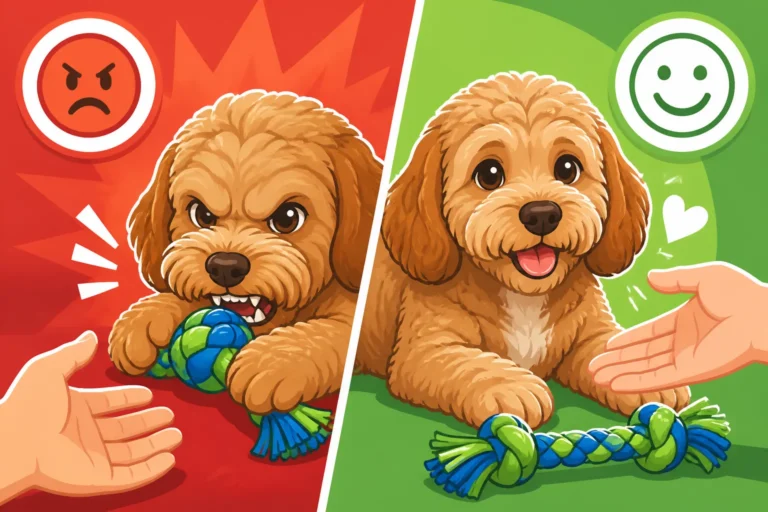
- Retrieve Games with a Purpose: Many Cockapoos love to carry things. Instead of just playing fetch, turn it into a more structured retrieve. Teach them to "hold" an item, bring it back to you, and "give" it on command. Use various textures and weights of toys to keep it interesting. If your Cockapoo is hesitant to bring items back, start with a long line to gently guide them. Read Teaching a Cockapoo to Bring the Ball Back for helpful tips on perfecting this skill.
- Introduce New Textures and Scents: Gently introduce items with different textures, perhaps even a training dummy infused with a safe, appealing scent. This can further engage their senses and make retrieve games more stimulating. Remember, the goal is fun and engagement, not perfection.
The Benefits of Acknowledging Their Ancestry
When you embrace your Cockapoo's natural instincts instead of fighting them, you'll discover a world of benefits for both of you. It's not about forcing them into a role they weren't born for, but rather understanding their intrinsic motivations and providing them with appropriate, positive outlets.
Firstly, you'll often see a significant reduction in unwanted behaviors. A Cockapoo that gets regular mental and physical stimulation tailored to their breed traits is less likely to be destructive, excessively bark, or struggle with separation anxiety. They're simply too happily tired from "working" their brain and body in a constructive way. Secondly, it deepens your bond. When you engage with your dog on a level that speaks to their core being, you become a more interesting and trusted leader. They see you as the source of exciting activities and fulfilling challenges, not just the person who tells them "no."
Finally, it leads to a truly happier, more well-adjusted dog. Imagine the joy your Cockapoo feels when they successfully sniff out a hidden treat, or when they execute a perfect recall from a tempting distraction. These successes build confidence and a sense of purpose. It’s about letting a Cockapoo be a Cockapoo – a clever, active, and deeply engaging companion whose natural drives, when properly understood and channeled, are a source of endless fun and enrichment.
Here's a quick overview of how acknowledging these instincts can impact your Cockapoo's life:
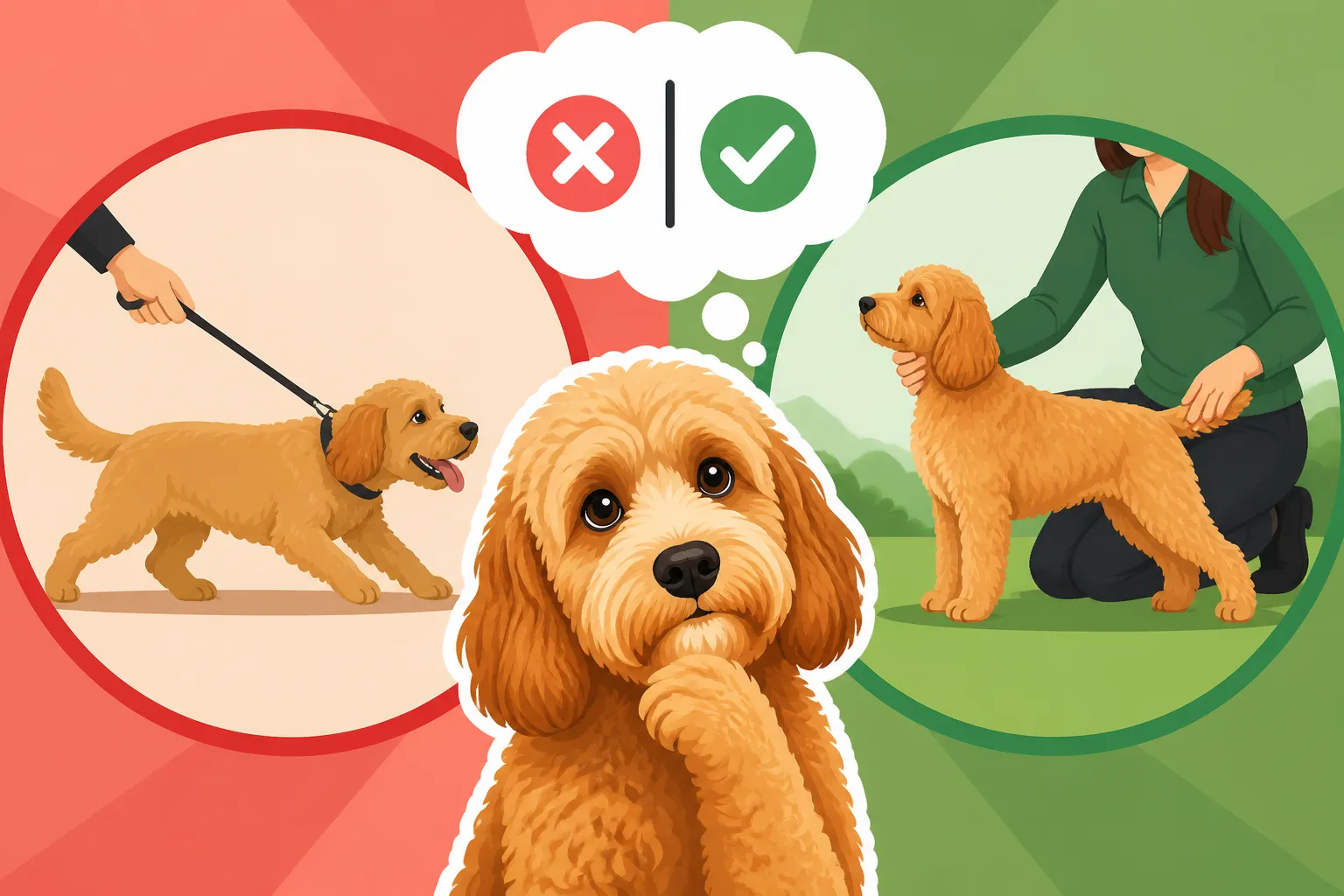
| Aspect | Ignoring Natural Instincts | Engaging Natural Instincts (Bird Dog Principles) |
|---|---|---|
| Common Behaviors | Excessive sniffing (without purpose), chasing, digging, barking, boredom-induced destruction, "selective deafness." | Focused scent work, enthusiastic retrieving, improved recall, calmer demeanor indoors, purposeful outdoor exploration. |
| Mental Stimulation | Low, leading to frustration and self-directed, often destructive, entertainment. | High, satisfying their innate intelligence and problem-solving drive. |
| Physical Activity | Often sporadic and unfulfilling chasing, or undirected zoomies. | Purposeful exercise, combining physical exertion with mental tasks, leading to better overall fitness. |
| Owner Experience | Frustration, feeling ignored, constant management of unwanted behaviors, potential damage to home/yard. | Enjoyment, stronger bond, pride in their dog's abilities, fewer behavioral issues, more peaceful coexistence. |
| Dog's Well-being | Boredom, anxiety, unfulfilled drives, potential for stress-related behaviors. | Confidence, happiness, feeling understood, productive outlets for energy. |
Ultimately, whether your Cockapoo needs "bird dog style handling" comes down to how well you understand and respect their heritage. By integrating activities that tap into their natural gifts for scenting, chasing, and retrieving, you won't just have a better-behaved dog; you'll have a truly content, confident, and deeply bonded companion.
Disclaimer
This article is for general informational purposes only and does not constitute professional advice. Laws, prices and regulations vary by location and change over time. Consult a qualified professional for guidance on your specific situation.