What a Bored Cockapoo Chews Through
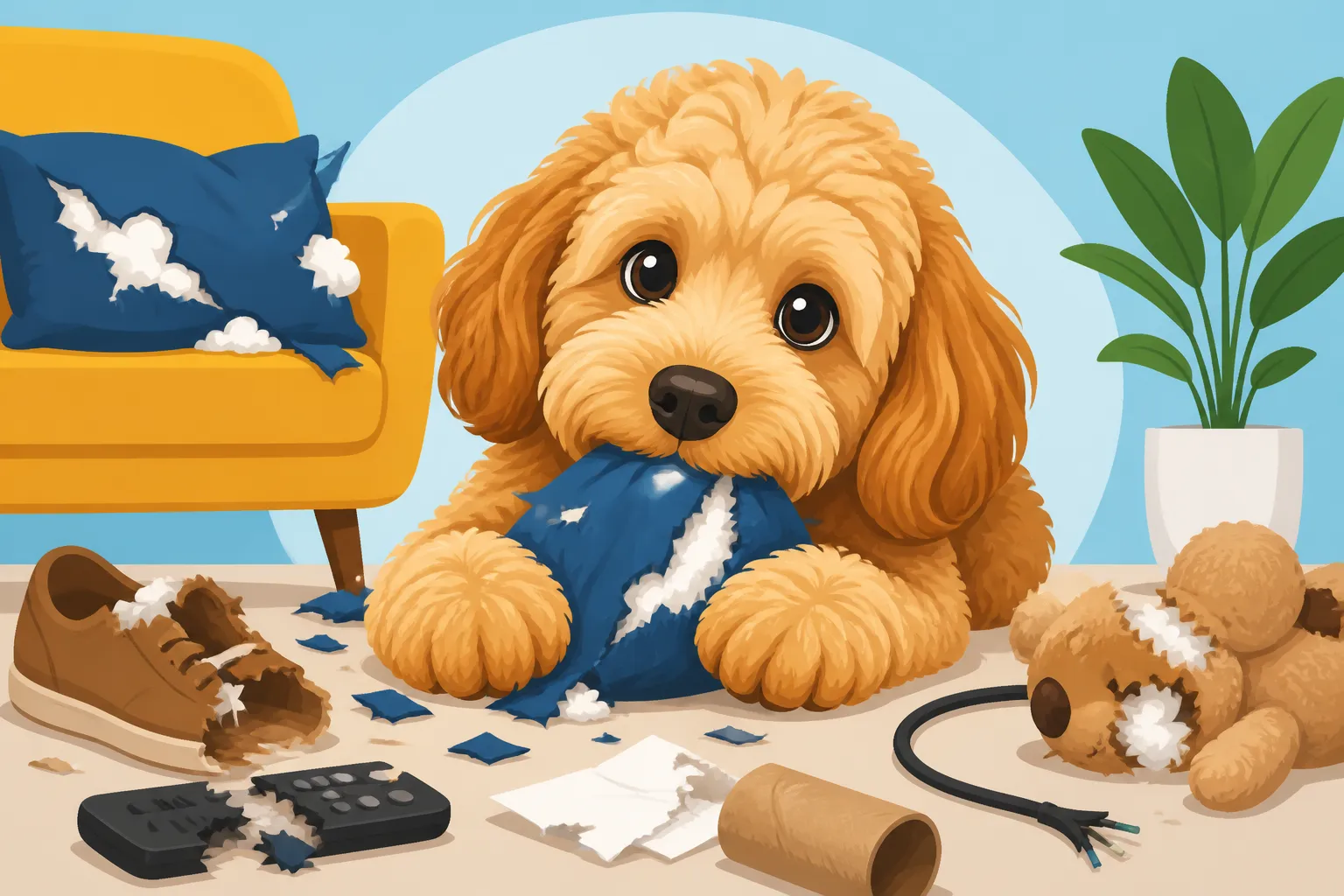
There’s almost nothing more frustrating for a Cockapoo owner than walking into a room only to find a beloved slipper shredded, a remote control gnawed beyond recognition, or, worse, something truly valuable or dangerous reduced to splinters. If you’ve ever wondered why your normally sweet-natured Cockapoo turns into a little destroyer, often it boils down to one primary culprit: boredom. This guide will delve deep into why boredom fuels this destructive chewing, what items often fall victim, and most importantly, how to redirect this natural urge into healthier, safer outlets.
Understanding the "Why" Behind Boredom Chewing in Cockapoos
It's easy to feel personally offended when your Cockapoo chews up your favorite throw blanket, but it's rarely malicious. For a dog, especially one as intelligent and energetic as a Cockapoo, chewing is a fundamental behavior. When mental and physical needs aren't met, that natural urge has to find an outlet, and your belongings often pay the price.
The Cockapoo's Innate Drive for Activity
Let's face it, Cockapoos are a wonderful blend of two very active, intelligent breeds: the Cocker Spaniel and the Poodle. From the Cocker side, they inherit a strong instinct for flushing game, following scents, and generally being busy. They were bred to work, to cover ground, and to use their keen noses. This means they often have a deep-seated The Flushing Drive Still Alive in a Cockapoo that needs an outlet.
Then there's the Poodle, a breed renowned for its sharp mind and athletic prowess. Poodles are not just pretty show dogs; they are incredibly smart and were originally bred as water retrievers. This intelligence, combined with their active nature, means a Cockapoo needs more than just a quick walk around the block. If their minds aren't engaged, they will find ways to entertain themselves, and unfortunately, that often involves chewing things they shouldn't. A Cockapoo with unmet energy or mental stimulation needs is essentially a problem-solver looking for a problem, and your furniture might just be the most accessible one.
Chewing as a Self-Soothing and Exploratory Behavior
Chewing isn't always about outright destruction; it serves many purposes for a dog. For puppies, it’s a crucial part of exploring their world and alleviating the discomfort of teething. They learn about textures, tastes, and how things feel in their mouths. Even as they grow into adulthood, this exploratory urge doesn't entirely disappear.
For a bored Cockapoo, chewing can also be a significant self-soothing mechanism. When left alone or feeling under-stimulated, the rhythmic action of chewing can help reduce stress, release pent-up energy, and provide a sense of comfort. It's their way of coping with feelings of loneliness or restlessness. Think of it like a child fidgeting or humming when bored – it’s a way to occupy themselves. Without appropriate chew toys, they'll seek out whatever is available, and that’s where your favorite items become targets.
Differentiating Boredom Chewing from Other Causes
It's important to understand that while boredom is a common driver, chewing can sometimes stem from other issues. One of the most frequently confused behaviors is separation anxiety. While a bored dog chews to pass the time, a dog with separation anxiety often exhibits more frantic, desperate chewing, often directed at escape routes like doorframes or window sills. This kind of chewing is usually accompanied by other symptoms like excessive barking or howling, pacing, house-soiling, and intense greeting behaviors upon your return.
Less commonly, chewing can sometimes be linked to nutritional deficiencies or even underlying medical issues like dental pain or gastrointestinal upset. However, these are usually accompanied by other clinical signs such as reluctance to eat, drooling, pawing at the mouth, or changes in stool. If you suspect your Cockapoo's chewing is unusual, excessive, or accompanied by other concerning symptoms, a visit to your veterinarian is always the first step to rule out any health-related causes. For the vast majority of cases, though, destructive chewing boils down to a dog with too much energy and not enough to do.
Common Targets for a Bored Cockapoo's Jaws
When a Cockapoo is bored, almost anything left within reach can become fair game. They aren't particular; they're just looking for an outlet for that chewing instinct. This section covers some of the most frequent victims of a bored Cockapoo's dental exploration.
Household Items of High Sentimental or Practical Value
This is where the real heartache often comes in. Dogs are scent-driven creatures, and items that smell strongly of their favorite humans are incredibly appealing. Your shoes, socks, and other clothing items are often the first to go. Imagine it: a plush, squishy sock, smelling exactly like you, just begging to be shredded. Or a leather shoe, offering a satisfying texture for those powerful jaws. It's not personal; it's just irresistible.
Furniture legs and chair rungs are another classic target. They’re usually at the perfect height, stationary, and offer a dense, satisfying texture to chew on. Before you know it, that antique dining chair has a new, "customized" look. And let's not forget the modern marvels: remote controls, eyeglasses, and mobile phones. These items are often left carelessly on coffee tables or low shelves, making them easy prey. They have interesting shapes, buttons, and sometimes even residual food smells from our hands, making them a fascinating (and expensive) chew toy for a bored dog. The crinkle of plastic, the give of rubber, it’s all part of the sensory experience for them.
Items Presenting Safety Hazards
Beyond the inconvenience and cost of replacing chewed items, there's a serious danger aspect when a bored Cockapoo decides to explore with their mouth. Electrical cords are a huge concern. The thin, tough casing and the satisfying 'snap' they might make when bitten can be incredibly tempting. This, of course, poses a severe risk of electrocution or burns. Always check behind furniture and under rugs for exposed cords, and consider using cord covers available on Amazon to shield them.
Houseplants, while seemingly innocuous, can also be quite hazardous. Many common houseplants are toxic to dogs, ranging from causing mild gastrointestinal upset to severe organ damage. A bored Cockapoo might simply be exploring the interesting textures of leaves and soil, but the consequences can be dire. Similarly, small objects like coins, batteries, children's toys, or even pieces of fabric can become choking hazards or lead to dangerous internal obstructions if swallowed. It's a constant battle to keep these items out of reach, but it’s crucial for your Cockapoo's safety.
Your Dog's Own Belongings (When Not Engaging Enough)
Sometimes, the victim isn't your stuff, but your Cockapoo's own. If their existing toys aren't engaging enough, or if they lack sufficient mental and physical outlets, they might turn their destructive tendencies inward. Their beds, blankets, and plush toys might be torn to shreds. This isn't necessarily a sign of anger but more often extreme boredom or frustration. If a soft bed is the only thing readily available that offers some resistance and texture, it becomes the next best (or worst) thing to chew on.
Chewing on their crates or kennel bars, however, is a different story. This usually signifies more than just boredom; it often points to distress or anxiety about confinement. If your Cockapoo is chewing at the bars of their crate, accompanied by whining or frantic attempts to escape, it's a strong indicator that they are not comfortable with being crated or are experiencing separation anxiety. While related to being left alone, this isn't pure boredom; it's a cry for help or a manifestation of stress. Addressing this requires a different approach, focusing on positive crate association and gradually building tolerance for being alone, rather than just providing more chew toys. You might find guidance in articles like Building a Cockapoo's Tolerance for Being Alone.
Strategies to Curb Boredom Chewing
The good news is that destructive chewing stemming from boredom is highly manageable. It requires a multi-pronged approach combining increased stimulation, careful environmental management, and consistent training.
Increasing Mental and Physical Stimulation
This is the cornerstone of preventing boredom chewing. A tired Cockapoo is a good Cockapoo, and a mentally engaged Cockapoo is even better. Regular, sufficient exercise is non-negotiable. This means more than just letting them out in the backyard. Aim for brisk walks, games of fetch, or even structured runs. A Cockapoo loves to explore, so varying your walking routes provides novelty and mental stimulation. You can learn more about their exercise needs in The Miles a Cockapoo Wants Every Day.
Beyond physical exertion, engage their bright minds. Interactive toys like puzzle feeders (such as those from Kong) are fantastic. You can stuff them with peanut butter, yogurt, or even their kibble and freeze them for a long-lasting challenge. These toys make them "work" for their food, replicating a more natural foraging behavior. Durable chew toys, specifically designed for strong chewers, should always be available. Rotate these toys to keep them interesting.
Don't underestimate the power of training. Short, daily training sessions (even just 10-15 minutes) can be incredibly stimulating. Teach new tricks, practice obedience commands, or work on impulse control. Resources like BAXTER & Bella offer excellent online training programs that can help you with structured activities and keep your Cockapoo engaged. Also, consider activities that tap into their natural instincts, like scent work. Setting up simple "find it" games around the house or yard can be immensely satisfying for a Cockapoo, fulfilling their innate drive to use their nose, as discussed in Scent Work That Satisfies a Cockapoo. If you're away from home for extended periods, consider a reputable dog walker or doggy daycare to break up their day and provide much-needed interaction.
Environmental Management and Puppy-Proofing
Prevention is often easier than cure. Before you leave your Cockapoo alone, even for a short while, scan the area. Remove any tempting items – shoes, remote controls, books, plants, children's toys – and place them out of reach. Think like a curious Cockapoo: if it's on a low shelf, it's fair game.
For items that can't be removed, like furniture legs or electrical cords, consider deterrents. Bitter sprays can be applied to surfaces you don't want chewed. While not all dogs dislike the taste, many find it off-putting. For electrical cords, invest in cord covers or conduit to make them inaccessible and safe.
When you can't actively supervise your Cockapoo, creating a safe, confined space is crucial. A properly sized crate, when introduced positively, can be an excellent den where your dog feels secure and can't get into mischief. A sturdy playpen can also offer a larger, safe area. This helps limit their access to inappropriate items and gives you peace of mind. Remember, the goal isn't punishment, but rather to prevent opportunities for unwanted behavior and teach them what is acceptable to chew.
Teaching Appropriate Chewing Habits
It’s not enough to just give them toys; you need to actively teach your Cockapoo what is and isn't okay to chew. If you catch your dog chewing on something inappropriate, calmly interrupt them. Don't scold harshly, as this can create fear or make them sneak-chew. Instead, use a firm but gentle "No" or "Leave it," and immediately redirect them to an appropriate chew toy. As soon as they take the correct toy in their mouth, offer enthusiastic praise and a small treat. This helps them understand, "Ah, this is what I'm supposed to chew on for good things!"
Offer a variety of appropriate chew toys made from different materials – rubber, nylon, natural chews (like bully sticks or dental chews, always supervised). Some Cockapoos prefer softer, plush toys, while others love the challenge of a tough, durable Nylabone. Observe what your dog enjoys most and stock up. Always supervise new chew toys, especially natural ones, to ensure they don't break off large pieces or ingest anything harmful. Establishing good chewing habits early on, perhaps even while your Cockapoo is still a puppy, can prevent many headaches down the line, as puppies are natural chewers and What a Cockapoo Puppy Chews Through in Six Months can be quite extensive.
Here's a quick comparison of common chew toy types for your Cockapoo:
| Chew Toy Type | Benefits | Considerations |
|---|---|---|
| Rubber Chews | Durable, often stuffable (e.g., Kongs), good for mental stimulation, satisfies gnawing. | Can be expensive, some dogs might ignore them if not stuffed. |
| Nylon Chews | Very durable, good for strong chewers, helps clean teeth. | Very hard, can be noisy, some dogs find them too hard or boring. |
| Rope Toys | Good for tugging, helps clean teeth, satisfying texture. | Can fray and be ingested, always supervise to prevent choking. |
| Dental Chews | Designed to reduce plaque and tartar, often palatable. | Can be consumed quickly, some have high calorie content. |
| Bully Sticks | Natural, highly palatable, digestible, long-lasting. | Can be expensive, supervise to prevent choking on small pieces. |
| Puzzle Toys | Excellent for mental stimulation, dispenses treats. | Requires owner involvement to fill, some dogs solve them too quickly. |
When to Seek Professional Help
Even with the best intentions and consistent effort, sometimes destructive chewing can feel overwhelming or indicate a deeper issue. Knowing when to reach out for professional guidance is key to ensuring both your peace of mind and your Cockapoo's well-being.
Persistent, Destructive Chewing Despite Interventions
If you've diligently applied all the strategies mentioned – increased exercise, mental stimulation, proper chew toys, and environmental management – but your Cockapoo continues to be intensely destructive, it might be time for outside help. This is especially true if the chewing is escalating, targeting essential household structures like walls or doorframes, or if your dog is exhibiting self-harm (like broken teeth or bleeding gums from chewing inappropriately).
When the damage goes beyond a few chewed shoes and starts affecting the structural integrity of your home, or constantly puts your dog in danger, it's a clear sign that the problem is beyond typical boredom. It means your interventions aren't hitting the root cause effectively, or there's a more complex behavioral issue at play that needs an expert eye to diagnose.
Signs of Underlying Anxiety or Stress
As mentioned earlier, sometimes destructive chewing isn't just boredom; it's a symptom of anxiety, most commonly separation anxiety. Look for a cluster of symptoms beyond just chewing when you're gone. Does your Cockapoo also pace excessively, whine or bark continuously, attempt to escape by scratching at doors, or have accidents (urination/defecation) indoors despite being house-trained? These are strong indicators of anxiety rather than simple boredom. You might want to refer to Signs a Cockapoo Is Anxious Rather Than Bored for a more in-depth look.
Before jumping to behavioral conclusions, always consult your veterinarian first. They can rule out any medical conditions that might be contributing to the behavior, such as dental pain, gastrointestinal issues, or even neurological problems that could manifest as unusual behaviors. Once medical causes are eliminated, you'll know you're dealing with a purely behavioral challenge.
Working with a Certified Professional Dog Trainer or Behaviorist
If you've ruled out medical issues and the problem persists, the next step is to engage a certified professional dog trainer or a veterinary behaviorist. These experts have the knowledge and experience to assess your Cockapoo's specific situation, understand the nuances of their behavior, and develop a tailored behavior modification plan.
A certified professional dog trainer, particularly one specializing in positive reinforcement, can teach you effective techniques for redirecting chewing, managing anxiety, and increasing appropriate engagement. They can observe your Cockapoo in your home environment and offer personalized advice that a general guide simply cannot. For more complex cases involving severe anxiety, a veterinary behaviorist (a DVM with specialized training in animal behavior) can prescribe medication to help manage anxiety while you implement behavior modification techniques. Many online platforms, like BAXTER & Bella, offer virtual consultations and structured programs that can be a great starting point, connecting you with certified trainers who can provide guidance and support regardless of your location. They can offer invaluable insights into why your Cockapoo exhibits certain behaviors and how to effectively adjust your routine and training to support them better.
Disclaimer
This article is for general informational purposes only and does not constitute professional advice. Laws, prices and regulations vary by location and change over time. Consult a qualified professional for guidance on your specific situation.