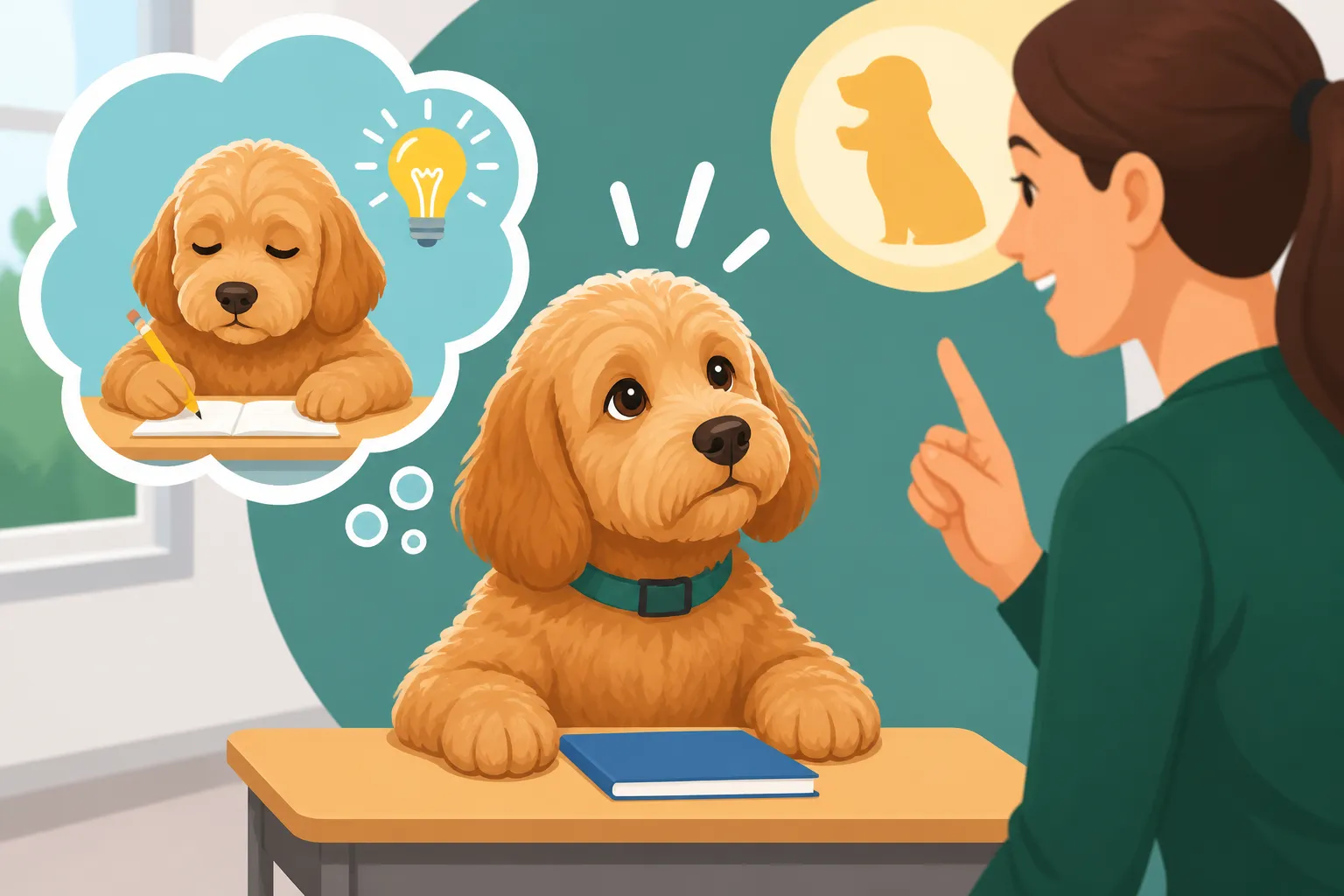
Whether a Cockapoo Concentrates in a Class
It's incredibly frustrating when you've invested time, energy, and money into a puppy class or obedience training, only to find your bright-eyed Cockapoo seems more interested in literally everything but you. You see other dogs sitting politely, making eye contact, and responding to cues, while your sweet, fuzzy companion is dragging you towards a sniffy patch on the floor, barking at a passing car, or trying to initiate a play session with the Labrador next door. This guide is all about understanding why your Cockapoo might struggle with focus in a class setting and, more importantly, what you can do to help them concentrate and truly enjoy learning.
Understanding Your Cockapoo's Energetic Nature
Cockapoos are a wonderful blend of two intelligent, active breeds: the Cocker Spaniel and the Poodle. This means they inherit a fascinating mix of traits that can both aid and hinder their concentration in a stimulating environment like a training class. It's not that they're unintelligent or stubborn; it's often a case of their natural instincts taking over.
The Influence of the Cocker Spaniel's Hunting Instincts
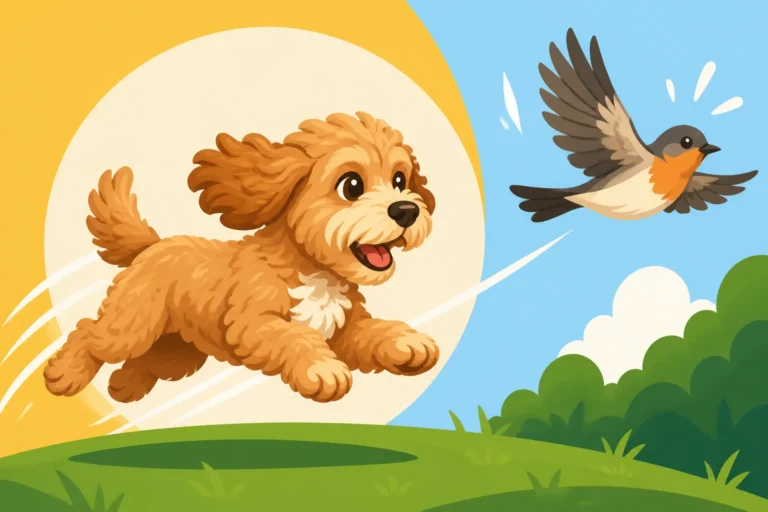
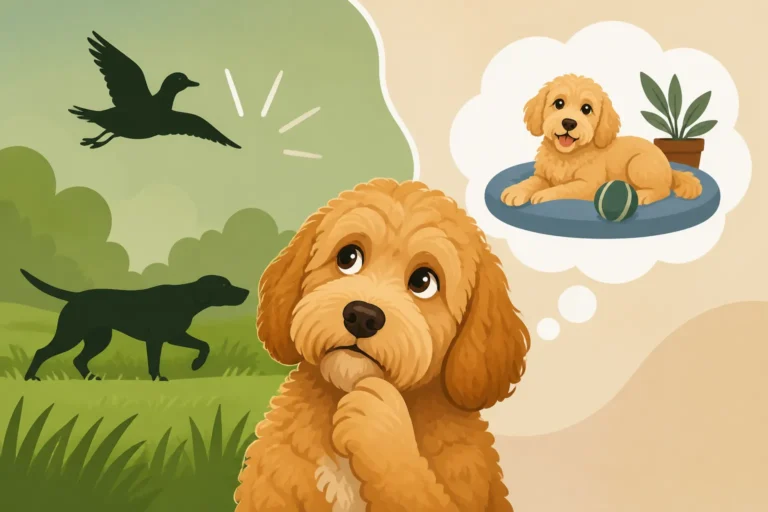
From the Cocker Spaniel side, your Cockapoo likely carries a strong "flushing drive." Cocker Spaniels were bred to work closely with hunters, flushing game from cover and retrieving it. This means they are inherently wired to use their nose, eyes, and ears to scan for exciting things in their environment. In a class, this translates to:
- Scent-driven exploration: Every stray crumb, every patch of grass outside, every spot another dog has visited becomes an irresistible puzzle for their nose. They want to investigate, follow trails, and see what stories the ground has to tell. You might find them with their nose glued to the floor, seemingly deaf to your calls. This is their natural instinct at play. The Flushing Drive Still Alive in a Cockapoo
- Visual scanning: Their eyes are constantly darting, picking up on the slightest movement – a falling leaf, another dog shifting weight, a person walking by the window. This isn't naughtiness; it's them being attentive to their surroundings, a trait that was once crucial for their ancestors in the field.
- A desire to work with you, but also for themselves: While Cockers are known for being biddable, their independent hunting streak means they can get tunnel vision when something truly interesting grabs their attention. It can feel like you're competing with the entire environment for their focus, and often, the environment wins in a busy class.
The Poodle's Intelligence and Potential for Over-Excitement
Then there's the Poodle influence. Poodles are incredibly smart, often ranking among the most intelligent dog breeds. They are eager to please and can learn commands quickly. However, this high intelligence also means:
- Easily bored if not challenged: If the training isn't engaging enough, or if they've already grasped a concept, a Poodle-brained Cockapoo might start looking for more interesting things to do – which often means causing their own fun, much to their owner's chagrin.
- Can be highly sensitive to their environment: Poodles can be quite attuned to their owner's emotions and the general atmosphere. A busy, noisy class with lots of other dogs and people can be overstimulating for some, leading to an inability to focus, or even anxiety.
- Prone to "bouncing off the walls" with excitement: That joyful, bouncy energy is part of what makes Cockapoos so endearing, but it can also make settling down and concentrating a real challenge. They want to greet everyone, play with every dog, and explore every corner. This is where Whether the Cocker or the Poodle Shows Up in Training really highlights the dynamic interplay.
When these two strong genetic backgrounds combine, you get a Cockapoo that is generally intelligent and eager to please, but also highly alert, easily distracted by novel stimuli, and sometimes prone to over-excitement or quick boredom. Recognizing these inherent traits is the first step toward managing them effectively in a training class.
Common Distractions in a Training Class Environment
A training class is essentially a giant playground of distractions for a Cockapoo. What might seem like minor background noise to us can be a symphony of irresistible temptations for our dogs. Understanding these common culprits can help us anticipate and prepare.
Other Dogs and Their Allure
Let's be honest, for many Cockapoos, other dogs are the ultimate distraction. They are social creatures, and the presence of new canine friends offers a world of exciting possibilities:
- Play invitations: Even if you're trying to practice a 'stay,' another dog's wagging tail, playful bow, or even a sudden bark can instantly divert your Cockapoo's attention. They're wired for social interaction, and resisting a play invitation can be incredibly hard.
- Novel scents: Each dog carries a unique scent signature, and your Cockapoo's incredible nose is eager to "read" these olfactory messages. They might try to sniff another dog's rear, investigate where another dog has relieved itself, or simply be captivated by the general doggy aroma in the room.
- Movement and sound: The rustle of a leash, the jingle of tags, a playful growl, or even just another dog shifting position is enough to break your Cockapoo's concentration, pulling their eyes and mind away from you.
- Competition for attention: Some Cockapoos might feel a subtle competition, wanting to "out-perform" or "be the center of attention," which can manifest as barking, whining, or disruptive behavior to get noticed.
The Appeal of New People and Their Pockets
Beyond other dogs, new people are often a huge draw for friendly Cockapoos. They're often enthusiastic greeters, seeing every human as a potential source of pets, praise, or even a dropped treat.
- Greeting rituals: Your Cockapoo might pull on the leash, whine, or jump up to say hello, especially if they haven't learned impulse control around new people. This is particularly true if they've been rewarded for such behavior in the past by well-meaning strangers.
- The "treat magnet": If other people are holding treats, or if they've had positive interactions with strangers giving them food, your Cockapoo will quickly associate new people with potential snacks, making it hard for them to focus on your treats and your commands.
- Instructor focus: Even the instructor can be a distraction! Their voice, their movements, and their general presence can pull your Cockapoo's attention away from you, their primary handler.
Environmental Stimuli: Sounds, Smells, and Sights
Finally, the general environment itself is a sensory overload. Think about all the things we barely notice but a dog's keen senses pick up on:
- Odors: The lingering smell of the previous class, cleaning products, outdoor scents wafting in, or even just the scent of the training facility itself can be incredibly distracting for a scent-driven dog. They're processing a whole world of information through their nose.
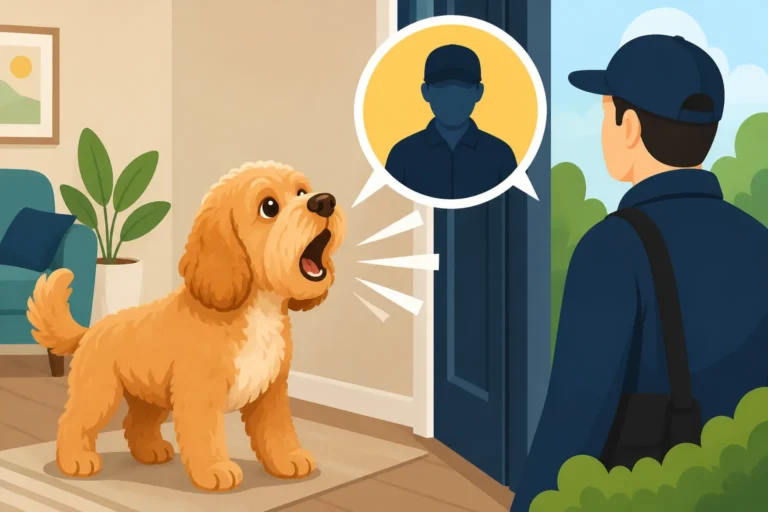
- Sounds: The clatter of equipment, cars outside, distant sirens, human chatter, or even the air conditioning unit can all capture your Cockapoo's attention. Whether a Cockapoo Barks Enough to Annoy Neighbors explores their vocal nature, which can be heightened in such environments.
- Visual novelty: A new banner, a piece of equipment, a person's hat, or simply the layout of the room can be endlessly fascinating. Their curious nature compels them to investigate and understand their surroundings, rather than focusing solely on you.
It’s important to remember that these aren't signs of a "bad" dog. They are normal, natural responses for a curious, active, and social animal like a Cockapoo. Our job as their guardians and trainers is to help them navigate this complex world of distractions and learn to choose to focus on us.
Practical Strategies for Boosting Your Cockapoo's Focus
Helping your Cockapoo concentrate in a busy class isn't about eliminating distractions entirely – that's impossible and impractical. It's about teaching them to choose to focus on you despite the distractions. This takes patience, consistency, and a multi-faceted approach.
Preparation is Key: Before You Even Step into Class
A little planning before you go can make a huge difference in your Cockapoo's ability to concentrate:
- Pre-class exercise: A tired dog is often a more focused dog. Take your Cockapoo for a good walk or a vigorous play session before class, but don't overdo it to the point of exhaustion. The goal is to burn off excess energy, not deplete their mental reserves. A brisk 20-30 minute walk or a game of fetch often works wonders.
- Potty break: Ensure your Cockapoo has had ample opportunity to relieve themselves before class starts. A full bladder or bowel is a major distraction, and an uncomfortable dog won't be able to learn.
- Avoid pre-class feeding: While you want your Cockapoo to be receptive to treats, a full stomach can make them less motivated. A slightly hungry dog is often more food-motivated. However, don't starve them; just ensure they're not absolutely stuffed right before class.
- The right gear: Make sure you have a comfortable, secure harness or flat collar and a standard 6-foot leash. Avoid retractable leashes as they offer little control and can teach your dog to pull. A good harness that fits well and doesn't rub can make your Cockapoo more comfortable and less likely to fuss with their equipment.
The Power of High-Value Rewards
In a distracting environment, your everyday kibble might not cut it. You need to pull out the big guns!
- What truly motivates your Cockapoo? This is individual. For some, it's tiny pieces of cooked chicken, cheese, or hot dogs. For others, it might be a squeaky toy or a quick game of tug. Experiment at home to find your Cockapoo's absolute favorite, "jackpot" reward.
- Variety is important: Don't always use the same treat. Mix it up to keep them guessing and excited. You can find a vast array of training treats on Amazon, from soft and chewy options to crunchy, high-protein bites, allowing you to discover what your Cockapoo goes wild for.
- Timeliness and delivery: The reward must be delivered immediately (within 1-2 seconds) after the desired behavior. If you delay, your Cockapoo might not associate the treat with the action you want to reinforce. Keep treats easily accessible in a pouch or pocket, ready to dispense quickly.
Engaging Training Sessions and Management Tools
Keeping your Cockapoo mentally engaged is crucial.
- Short, frequent bursts: Don't expect your Cockapoo to hold a 'stay' for five minutes in their first class. Break exercises into tiny, achievable steps. Work for 30 seconds, then release them for a quick sniff or stretch, then re-engage. This builds their stamina for focus gradually.
- Positive reinforcement is paramount: Whether a Sharp Word Shuts a Cockapoo Down highlights their sensitive nature. Cockapoos thrive on praise and positive reinforcement. Avoid harsh corrections or punishment, as this can make them shut down, become anxious, or even make them less likely to offer behaviors.
- "Watch Me" or "Look": Teach a reliable "watch me" cue at home in low-distraction environments first. This cue means they should make eye contact with you. Practice this everywhere, gradually adding distractions. When they make eye contact, reward them generously. This is a foundational skill for focus.
- Creating a "settle" spot: Bring a mat or bed to class and teach your Cockapoo that this spot means "relax" or "settle." Start at home, rewarding them for lying calmly on it. In class, this mat can become a portable "safe zone" where they know they can relax without pressure.
- Utilize your body language: Cockapoos are highly attuned to their owners. Use clear, consistent body language. Stand tall, use hand signals that are easy to see, and use an upbeat, encouraging voice. Your enthusiasm can be contagious!
- Practice building a solid recall: While not directly about concentration in class, having a strong recall at home can help build their responsiveness to you. Building a Recall a Cockapoo Answers emphasizes consistency and high-value rewards to achieve this.
Gradual Desensitization to Distractions
The key to class success is often practice outside of class, gradually introducing distractions.
- Start small, add slowly: Don't go from your quiet living room to a bustling dog park. Start practicing your "watch me" or basic cues in your backyard, then a quiet park, then near a school when it's empty, gradually working up to busier environments.
- Distance is your friend: The further away a distraction is, the less impact it has. Practice commands with other dogs or people far away, and only move closer as your Cockapoo maintains focus. If they get overwhelmed, increase the distance again.
- Engage their natural drives: Incorporate games that appeal to their natural instincts but redirect them towards you. Scent work, for example, can be a fantastic way to engage their nose in a structured, focused manner, building their ability to concentrate on a task. Scent Work That Satisfies a Cockapoo offers great ideas for this. You can find simple sniff-mats and puzzle toys on Amazon that are excellent for mental enrichment at home.
By proactively preparing, using the right motivation, and systematically practicing, you can help your Cockapoo learn to filter out distractions and truly shine in their training classes. Remember that building focus is a journey, not a destination, and celebrating small victories will keep both you and your Cockapoo motivated.
When to Consider Alternative Training Approaches
Sometimes, despite our best efforts, a traditional group class environment might just be too overwhelming or simply not the right fit for a particular Cockapoo, at least not initially. Recognizing when to pivot to an alternative approach isn't a failure; it's smart dog ownership that prioritizes your dog's learning and well-being.
The Benefits of Private Training Sessions
If group classes are proving too distracting, one-on-one sessions with a certified professional dog trainer can be a game-changer.
- Tailored attention: In private sessions, your Cockapoo receives the trainer's undivided attention. The trainer can observe your dog's specific triggers and learning style, then customize the curriculum to address their individual needs.
- Controlled environment: You can start training in your home or a quiet, neutral location, gradually introducing distractions as your Cockapoo builds confidence and focus. This controlled exposure is much less overwhelming than being plunged into a room with multiple dogs and people.
- Addressing specific issues: If your Cockapoo has specific behaviors that are particularly disruptive in class, like excessive barking or pulling, a private trainer can devote time to those issues directly without impacting the progress of other class members. This can be especially helpful if you're feeling frustrated or embarrassed, as it allows for a more relaxed learning environment for everyone.
Exploring Online Training Programs
The rise of online learning has opened up fantastic opportunities for dog owners, and many platforms offer high-quality, structured training programs.
- Learn at your own pace: Online courses allow you to work through lessons when and where it suits you and your Cockapoo. You can repeat modules, spend more time on challenging exercises, and progress when your dog is truly ready. This is particularly beneficial for dogs who get overwhelmed easily.
- Control the environment: You decide the level of distraction. Start in your quiet living room, then move to the backyard, gradually adding background noise or a family member as a distraction.
- Foundational skills first: Many online programs are excellent for building a strong foundation of obedience and focus before attempting a group class. For instance, BAXTER & Bella offers comprehensive online puppy training programs that guide you step-by-step through core commands and important behaviors, all from the comfort and control of your home. This can be an invaluable tool for establishing a strong bond and reliable responses before testing them in a highly distracting group setting.
- Cost-effective: While private training can be expensive, many online programs offer a more affordable way to access expert guidance and a structured curriculum.
Considering Small Group Classes or Activity-Based Training
If private or online training isn't the end goal, but a traditional large class is too much, there are other options:
- Smaller class sizes: Look for trainers who offer smaller group classes. Fewer dogs and people mean fewer distractions and more individual attention from the instructor. This can be a perfect stepping stone between private training and a larger group setting.
- Activity-based classes: Some Cockapoos thrive when their innate drives are channeled into a specific activity. Classes like agility, flyball, or advanced Scent Work That Satisfies a Cockapoo can be incredibly effective. These activities naturally build focus because they're inherently engaging for dogs. They also provide mental and physical stimulation, which can reduce disruptive behaviors caused by boredom or excess energy. Whether a Cockapoo Needs a Sport to Be Manageable truly speaks to this approach. Your Cockapoo's natural enthusiasm for work can be harnessed, making training feel less like a chore and more like a game.
- "Real-world" classes: Some trainers offer classes specifically designed to practice obedience in real-world settings like parks or pet-friendly stores. These are usually for dogs with a solid foundation, but they can be great for proofing behaviors once your Cockapoo has developed better focus.
Ultimately, the goal is to find what works best for your unique Cockapoo. Every dog is an individual, and a flexible approach to their training journey is often the most successful. Don't be afraid to try different avenues until you find the perfect fit that helps your Cockapoo concentrate, learn, and grow into a well-mannered companion.
Table: Common Distractions and Focus-Building Strategies
| Distraction Type | Impact on Cockapoo | Effective Focus-Building Strategies | Product/Resource Examples |
|---|---|---|---|
| Other Dogs | Over-excitement, desire to play, pulling, barking, sniffing. | High-Value Treats: Use irresistible rewards to redirect focus. "Watch Me" Cue: Practice eye contact. Distance Management: Work further away initially. Pre-Class Exercise: Burn off some energy beforehand. | Amazon for premium training treats (e.g., dehydrated chicken, cheese bits), BAXTER & Bella online course for "Watch Me" tutorials. |
| New People | Jumping, seeking attention/pets, pulling towards them. | "Leave It" Command: Teach them to ignore people. Impulse Control: Practice greeting manners away from class. Rewarding Calmness: Treat for relaxed behavior around people. | BAXTER & Bella for impulse control exercises, a comfortable front-clip harness from Amazon for better leash control. |
| Sounds & Smells | Nose to the ground, ears perked up, startling, scanning. | Desensitization: Gradually expose to sounds/smells at home. Engaging Games: Make you more interesting than the environment. Mat Training: Teach a "place" cue for settling. | Snuffle mats or puzzle feeders from Amazon for scent work at home, white noise app/machine for desensitization, specific chews/toys from Amazon only used during class to hold attention. |
| General Environment | Curiosity, exploring, anxiety, pacing. | Short Sessions: Keep training bursts brief. Positive Reinforcement: Make learning fun. Structure & Routine: Predictable class structure helps. Private Training: Start in a less distracting environment. | Private trainer consultation, BAXTER & Bella for structured online lessons to build foundational skills at home, a favorite blanket or mat from Amazon to create a familiar "safe zone." |
Disclaimer
This article is for general informational purposes only and does not constitute professional advice. Laws, prices and regulations vary by location and change over time. Consult a qualified professional for guidance on your specific situation.