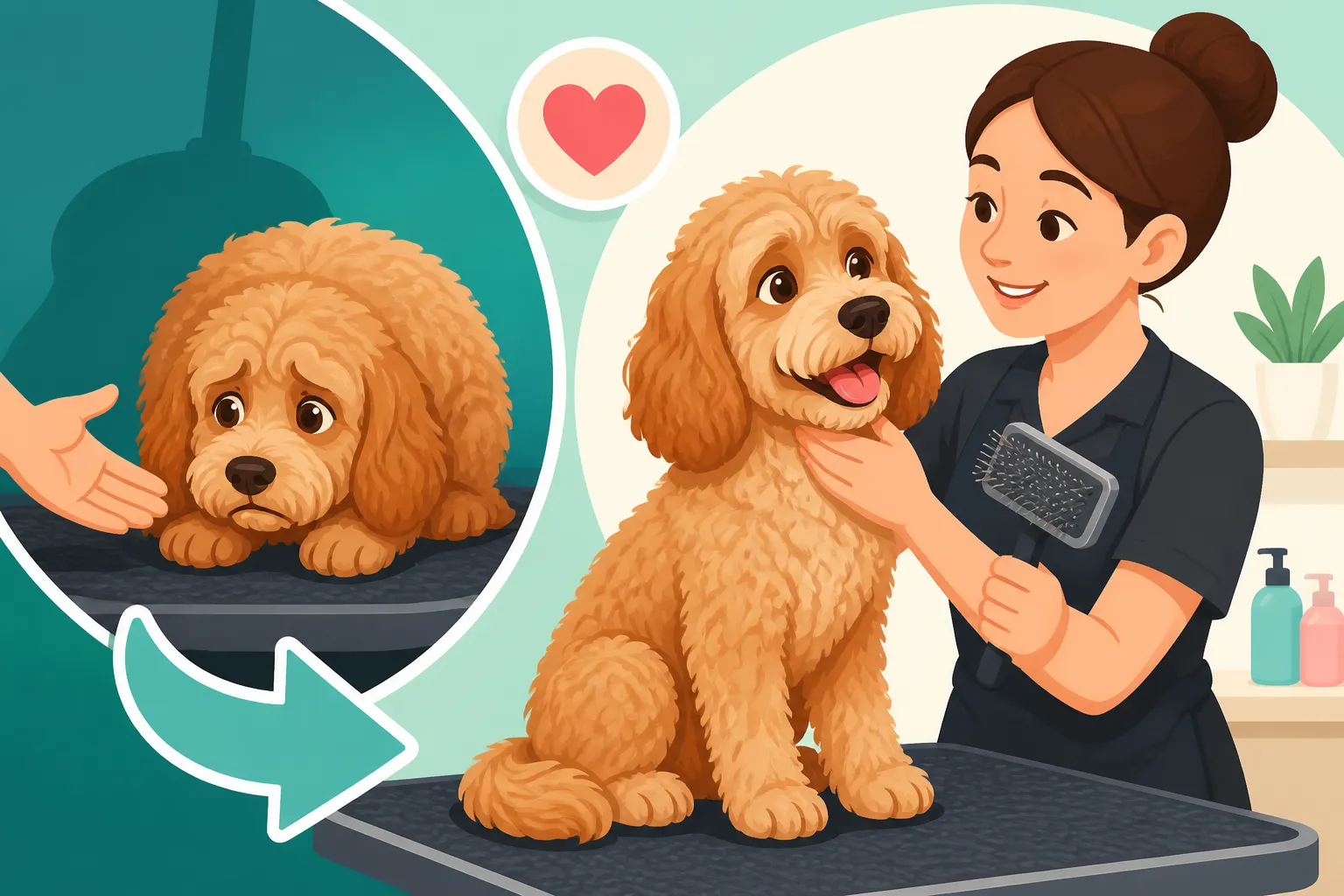
Teaching a Cockapoo to Accept the Groomer
It’s a scenario many Cockapoo parents know all too well: the car ride to the groomer’s office starts with a happy wagging tail, but as soon as you pull into the parking lot, your sweet, bouncy pup transforms into a trembling, anxious bundle of fur. The truth is, getting a Cockapoo to accept the groomer, let alone enjoy the experience, can feel like an uphill battle. But it doesn’t have to be this way! This comprehensive guide will walk you through everything you need to know, from understanding your Cockapoo’s unique needs to implementing strategies that turn grooming into a positive, comfortable routine for both of you.
Understanding Your Cockapoo's Grooming Predispositions
Before we even talk about clippers or bath time, it's crucial to understand what makes your Cockapoo tick, especially when it comes to their grooming experience. They're a delightful blend of two distinct breeds, and those genetics play a huge role in how they perceive and react to being handled.
The Double-Edged Sword of the Cockapoo Coat
The Cockapoo's coat is often the very reason people fall in love with them – those soft, curly, often low-shedding locks are undeniably charming. However, this beautiful coat is also the primary source of many grooming challenges. Unlike some breeds with simpler coats, a Cockapoo's fur, especially the wavy or curly types, is prone to matting and tangling with incredible speed.
Think about it: the fine, often dense Poodle coat blended with the Cocker Spaniel's sometimes silky, sometimes woolly fur creates a unique texture. This combination is like Velcro for debris, burrs, and shed undercoat. A few missed brushing sessions, and suddenly you have knots that tug at the skin, causing discomfort and pain. When your dog associates grooming with this discomfort, it's natural for them to resist. This isn't stubbornness; it's a learned response to a painful experience. Understanding The Three Cockapoo Coat Types and Their Upkeep is really the first step in managing their grooming needs effectively.
Inherited Sensitivities from Cocker and Poodle Lines
Beyond the coat itself, Cockapoos can inherit sensitivities from both their parent breeds that influence their grooming temperament. Cocker Spaniels, for instance, are known for their long, floppy ears which, while adorable, are highly susceptible to ear infections. This means that a Cockapoo might come to associate ear handling or cleaning with past discomfort, making them wary. The Poodle side, on the other hand, can contribute to sensitive skin, especially if not properly dried after a bath, leading to "hot spots" or irritation.
Both parent breeds are also generally intelligent and sensitive. This means they pick up on our emotions and intentions quickly. If you approach grooming with anxiety or frustration, your Cockapoo will absolutely feel that. They might also be prone to dental crowding, a common issue in smaller breeds, which makes mouth handling uncomfortable if they haven't been desensitized to it early on. Recognizing these potential sensitivities upfront helps you approach grooming with greater empathy and patience. It's not just about getting the job done; it's about making it a gentle, positive interaction for your dog.
Starting Early: Puppy Foundations for Grooming Acceptance
The single most impactful thing you can do to ensure your Cockapoo accepts the groomer willingly is to start early. Seriously, the moment that little fluffball comes home, the grooming education begins. This isn't about giving them a professional clip right away, but about building positive associations with handling, tools, and the overall experience.
The Critical Window: Early Exposure to Touch and Tools
The period between 8 and 16 weeks is often called the "socialization window" for puppies. This is when they're most open to new experiences and form lasting impressions. During this time, every interaction with grooming tools, sights, and sounds should be positive and low-stress. Don't wait until their first professional groom is looming to introduce a brush or a nail clipper.
Start by simply touching your puppy all over their body—their paws, ears, tail, muzzle. Make it a game with gentle praise and tiny, high-value treats. As they get comfortable, introduce a soft brush, letting them sniff it, then gently stroke their coat for just a few seconds. The goal isn't to get them perfectly brushed, but to associate the brush with good things. Do the same with nail clippers, just touching them to a paw, then treating. Many people find excellent advice on Handling a Cockapoo Puppy Before Its First Groom, which emphasizes the importance of these early interactions. These small, frequent sessions are far more effective than one long, stressful ordeal.
Positive Reinforcement: Making Grooming a Game
Positive reinforcement is your best friend when it comes to grooming. Every successful, calm interaction, no matter how brief, deserves a reward. This could be a delicious treat, enthusiastic verbal praise, or a favorite toy. The key is to make grooming feel less like a chore and more like a game or a special bonding time.
For example, when introducing a comb, let your puppy lick a spoonful of peanut butter (xylitol-free!) while you gently comb a small section of their fur. This distracts them and creates a positive association with the activity. Keep sessions short, ending before your puppy gets squirmish or stressed. If they start to resist, stop, wait a moment, then try again for just a second or two, rewarding heavily when they comply. It's about building trust and showing them that grooming isn't something to be feared. The team at BAXTER & Bella offers some fantastic online puppy training resources that often include specific modules for handling and grooming desensitization, which can be a huge help for new owners.
Desensitization to Sounds and Sensations
Grooming isn't just about touch; it's also about sounds and sensations. The whirring of clippers, the blast of a dryer, the vibration of a Dremel – these can be incredibly alarming to a sensitive Cockapoo if they haven't been properly introduced. Desensitization means gradually exposing your dog to these stimuli in a non-threatening way.
Start by turning on the clippers or dryer in another room, far enough away that your puppy barely notices the sound. Reward them for simply existing calmly. Over days or weeks, slowly move the appliance closer, always watching your puppy's reaction. If they show any signs of stress (tail tucked, ears back, lip licking), you've moved too fast. Go back a step. Eventually, you can turn on the clippers next to them, without even touching them to the fur, just letting them get used to the sound and vibration, all while doling out treats. Remember, it’s a marathon, not a sprint. This careful, gradual approach can prevent future meltdowns at the grooming salon and prevent a Cockapoo That Panics at the Dryer.
Home Grooming: Building a Bridge to Professional Sessions
Consistent home grooming isn't just about keeping your Cockapoo looking neat; it's a vital bridge to making professional grooming a more comfortable experience. The more accustomed your dog is to regular handling and basic tool use at home, the less stressful the salon will be. Think of it as homework for a successful professional groom.
Essential Tools for the Home Groomer
Equipping yourself with the right tools is paramount. Skimping here will only lead to frustration for both you and your Cockapoo. You don't need a professional grooming setup, but a few key items will make a world of difference:
- Slicker Brush: This is your primary weapon against mats. Look for one with fine, bent wire bristles.
- Metal Comb: A good quality, sturdy metal comb with both fine and wide teeth is essential for checking your work after brushing and finding hidden tangles.
- Detangling Spray: A good quality detangling spray can make brushing much easier and less painful, especially for longer coats.
- Nail Clippers or Dremel: Choose whichever you're most comfortable with. Introduce them early and use them regularly.
- Ear Cleaner and Cotton Balls: For regular ear maintenance, especially for those floppy Cockapoo ears. Always consult your vet for product recommendations and proper technique.
- High-Quality Shampoo and Conditioner: Specially formulated for dogs. Avoid human products.
You can find many of these items easily on Amazon, with a wide range of options to suit your budget and your Cockapoo's specific coat type. Investing in quality now will save you headaches (and potential vet bills from skin issues caused by poor grooming) later.
Mastering the Art of Line Brushing
Line brushing is the holy grail of Cockapoo grooming. It’s the technique that ensures you’re actually getting through their dense, multi-layered coat down to the skin, preventing painful mats from forming. Simply brushing over the top coat does nothing for the undercoat or the new growth closest to the skin, which is where most mats begin.
Here’s how you do it:
- Section the Coat: Start with your Cockapoo lying on their side or standing on a non-slip surface. Begin at the bottom of a leg or flank. Part the hair horizontally with your free hand, creating a "line" of exposed skin.
- Brush from the Skin Out: Using your slicker brush, brush up from the skin, through that small section of hair, slowly allowing more hair to fall into the section you’re working on.
- Comb to Check: Once you've brushed a section, run your metal comb through it. If the comb glides smoothly from root to tip, you've done your job. If it snags, go back with the slicker brush until it passes through easily.
- Work Systematically: Continue section by section, working your way up the body. Don't forget the armpits, behind the ears, the tail, and the groin area – these are common matting hotspots.
This technique is time-consuming, especially for a curly Cockapoo, but it's crucial. Regular line brushing, even for short durations, keeps tangles at bay and makes professional grooms infinitely easier and less traumatic for your dog. For a wavy coated Cockapoo, you might get away with less frequent, but still thorough, sessions.
The Importance of Regular Baths and Nail Trims
Beyond brushing, regular bathing and nail trims are fundamental aspects of home grooming. A clean coat is less prone to matting and easier to brush, and healthy nails prevent discomfort and potential paw problems.
- Bathing: How often you bathe your Cockapoo depends on their activity level and coat type, but generally, every 3-6 weeks is a good guideline. Use lukewarm water and a dog-specific shampoo. Lather gently, rinse thoroughly, and always, always dry them completely. Leaving a Cockapoo's coat damp can lead to skin irritation or exacerbate matting. Introduce the blow dryer slowly and positively, as discussed earlier.
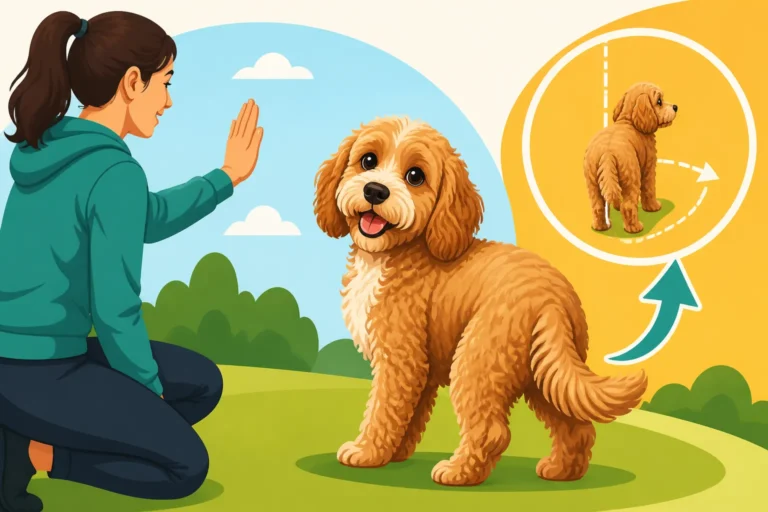
- Nail Trims: Overgrown nails can be painful, affect your dog's gait, and even lead to joint problems. Aim to trim nails every 2-4 weeks. If you're nervous about cutting the quick, start by just trimming the very tips. Many owners find a Dremel tool less intimidating as it grinds the nail down slowly, reducing the risk of a quick cut. Again, positive reinforcement is key – lots of praise and treats for calm cooperation. Learning Teaching a Cockapoo to Give a Foot for Nails will make this task much simpler.
By consistently performing these home grooming tasks, you're not only maintaining your Cockapoo's health and comfort but also reinforcing their acceptance of handling and the tools used in a grooming salon.
Addressing Common Grooming Challenges
Even with the best intentions and early training, you might encounter specific challenges when grooming your Cockapoo. These aren't insurmountable, but they do require patience, a consistent approach, and sometimes, a little creativity.
Dealing with Matting and Tangled Fur
Matting is probably the number one grooming frustration for Cockapoo owners. These tight knots can pull at the skin, cause pain, and even lead to skin infections if left untreated. Prevention is always better than cure, and that goes back to consistent line brushing.
If you do find mats:
- Don't bathe a matted dog: Water makes mats tighter and harder to remove. Always try to demat before bathing.
- Use detangling spray: Liberally spray the mat with a good detangling product. Let it sit for a few minutes to penetrate the hair.
- Work gently with a comb: Start at the very edge of the mat, teasing out small sections of hair with the wide-toothed side of your metal comb. Work slowly, holding the hair at the base of the mat near the skin to minimize pulling. Many people find a dedicated "mat splitter" tool can help break up larger mats, but extreme caution is advised to avoid cutting the skin.
- When in doubt, shave it out: If a mat is too tight, too close to the skin, or too large, don't torture your dog. It's far kinder to carefully cut it out with blunt-nosed scissors (pointing away from the skin!) or, better yet, shave it off with clippers. A professional groomer can often do this safely and efficiently. Remember, Whether a Matted Cockapoo Has to Be Shaved is often a reality, and it's always better for their comfort than prolonged dematting.
The key is to address mats as soon as you find them. Small mats are much easier to deal with than large, felted ones.
Overcoming Fear of Clippers and Scissors
Some Cockapoos develop a real fear of clippers or scissors, often due to a negative past experience or insufficient desensitization. This fear can manifest as struggling, biting, or even panicking.
- Restart desensitization: Go back to basics. Turn on the clippers or hold the scissors in another room, associating the sound/sight with high-value treats and praise. Gradually move closer, never forcing interaction.
- Use a calming presence: Your calm demeanor is crucial. If you're tense, your dog will be too. Speak in a soothing voice, offer gentle reassurance.
- Treat-luring and distraction: Have someone hold a lick mat with peanut butter or cream cheese, or offer a continuous stream of small treats while you work quickly on a small, non-sensitive area.
- Blunt-nosed tools: When using scissors, always opt for blunt-nosed grooming scissors for safety, especially around the face and paws. Always cut away from the skin, and never cut if your dog is wiggling.
- Professional help: If the fear is severe, a professional groomer who specializes in anxious dogs or a certified professional dog trainer can provide invaluable guidance and hands-on help. They have techniques and tools designed to make the experience less stressful.
Patience is vital here. You are rebuilding trust, and that takes time and consistent positive experiences.
Handling Sensitive Paws and Ears
Paws and ears are often the most sensitive areas for Cockapoos during grooming, and for good reason. They are areas frequently handled during nail trims, ear cleaning, and general coat care.
- Paws:
- Early handling: As mentioned before, start touching and massaging paws from puppyhood.
- Regular trims: Keep the hair between the paw pads trimmed short. This prevents debris from accumulating, reduces slipping, and makes the paw less sensitive to touch.
- Gentle touch: When trimming nails, hold the paw firmly but gently. If your dog pulls away, release, wait for them to settle, then try again for a moment, rewarding heavily.
- Reward generously: Every time they allow you to touch their paws calmly, they get a treat. This creates a strong positive association.
- Ears:
- Regular checks: Inspect your Cockapoo's ears weekly for redness, odor, or discharge, which could indicate an infection. Early detection prevents discomfort.
- Gentle cleaning: Your vet can recommend a suitable ear cleaner. Squirt a small amount into the ear canal (don't use Q-tips!), massage the base of the ear, and then let your dog shake their head. Wipe away any debris with a cotton ball or soft cloth.
- Hair removal: Some Cockapoos require hair removal from their ear canals to prevent infections and allow airflow. This can be painful if done improperly. Consult your vet or groomer about whether plucking or trimming is best for your specific dog and how to do it safely. Whether a Cockapoo's Ear Canal Narrows With Age is a concern, so good ear care is essential throughout their life.
- Positive association: Just like with paws, associate ear handling with treats. Gently lift their ear flap, look inside, and immediately reward.
By addressing these common challenges head-on with patience and positive reinforcement, you can significantly improve your Cockapoo's acceptance of grooming, both at home and at the professional salon.
Finding the Right Professional Groomer for Your Cockapoo
Even if you're a dedicated home groomer, most Cockapoos will benefit from regular professional grooming to maintain their coat and ensure proper hygiene. But finding the right groomer is crucial, especially for a breed as sensitive and prone to matting as a Cockapoo. It’s not just about who’s closest or cheapest; it’s about finding someone who understands their unique needs and prioritizes their comfort.
Qualities of a Cockapoo-Friendly Groomer
A great groomer for a Cockapoo isn't just skilled with clippers; they possess a blend of patience, empathy, and breed-specific knowledge. Here’s what to look for:
- Experience with Doodles/Poodle-mixes: This is non-negotiable. A groomer who understands the unique texture and matting tendencies of a Cockapoo coat will approach it differently than, say, a Labrador's coat. Ask about their experience with this specific type of coat.
- Emphasis on comfort over speed: A groomer who rushes through a session, especially for an anxious dog, will only worsen the problem. Look for someone who values a calm, stress-free experience, even if it takes a bit longer.
- Positive reinforcement techniques: Do they use treats and praise? Are they willing to take breaks if your dog gets stressed? A groomer who understands dog behavior and uses gentle handling is invaluable.
- Transparency and communication: A good groomer will be open about their methods, communicate any issues they encounter (like matting or skin irritation), and be willing to discuss your preferences for coat length and style.
- Clean and safe environment: The salon should be visibly clean, well-lit, and organized. Ask about their safety protocols, especially regarding dogs left unsupervised or during drying.
- Recommendations and reviews: Ask other Cockapoo owners in your area for recommendations. Online reviews can also provide insight, but take them with a grain of salt and focus on comments related to dog comfort and handling.
The "Meet and Greet" and Trial Sessions
Don't just drop your Cockapoo off with a new groomer without an introduction. A "meet and greet" is an excellent way to gauge the groomer's rapport with your dog and their facility.
During a meet and greet:
- Observe interaction: How does the groomer interact with your Cockapoo? Are they calm and gentle? Does your dog seem comfortable around them?
- Tour the facility: Get a feel for the environment. Is it noisy? Does it seem overwhelming?
- Ask questions: This is your opportunity to discuss your dog's temperament, any fears they have, and your grooming goals.
Some groomers offer "puppy intro" or "desensitization" sessions, which are fantastic for young Cockapoos or anxious adults. These are short, low-stress visits where the dog might just get a bath, nail trim, or even just be introduced to the sounds of the salon with lots of treats. These trial runs can be incredibly helpful in building a positive association before a full groom. This approach aligns well with general advice on How Early a Cockapoo Should Meet a Groomer.
Communicating Your Cockapoo's Needs
Effective communication with your groomer is paramount for a successful experience. They can't read your mind, or your dog's, so be clear and concise.
- Be honest about temperament: Don't sugarcoat your dog's anxiety or any quirks. Let the groomer know if your Cockapoo is shy, reactive to certain sounds, or sensitive about specific body parts (e.g., ears, paws).
- Discuss coat condition: If your dog has mats, inform the groomer upfront. This allows them to allocate enough time and manage expectations. Be prepared for the possibility of a shorter clip if matting is severe.
- Specify cut preferences: Bring photos if you have a particular style in mind (e.g., a "teddy bear clip" or a shorter "puppy cut"). Discuss length, especially if your Cockapoo struggles with matting and you want a more manageable style.
- Mention health concerns: Alert the groomer to any skin conditions, allergies, or physical limitations. For example, if your Cockapoo has Slipping Kneecaps in a Toy Cockapoo, they may need to be handled more carefully during positioning.
- Request updates: Ask the groomer to call you if your dog is particularly stressed or if they encounter any unexpected issues.
By providing clear, comprehensive information, you empower your groomer to tailor the session to your Cockapoo’s individual needs, leading to a much better experience for everyone involved.
Strategies for a Stress-Free Grooming Appointment
Once you've done your homework at home and found a fantastic groomer, there are still things you can do on the day of the appointment to maximize the chances of a calm, positive experience for your Cockapoo.
Pre-Grooming Preparation at Home
The day of the groom isn't the time to introduce new stressors. Instead, focus on making the morning as routine and calming as possible.
- Exercise beforehand: A tired dog is often a calm dog. Take your Cockapoo for a good, brisk walk or a play session a few hours before their appointment. This helps burn off excess energy and makes them more likely to settle down at the groomer's. Just be mindful of getting them too dirty right before!
- Light meal: Give them a small, easily digestible meal a couple of hours before the appointment. A full stomach can sometimes lead to an upset stomach during stress.
- Potty break: Always, always give your Cockapoo a good potty break right before you leave for the groomer. This prevents accidents at the salon and adds to their comfort.
- Last-minute brush-through: Even if you've been diligently brushing, a quick comb-through right before leaving can catch any new tangles and signals to your dog that this is part of the routine. This also shows your groomer that you're an engaged owner.
- Stay calm: Your emotional state directly influences your dog's. If you're stressed or anxious about leaving them, they will pick up on that. Project calm confidence.
Managing Separation Anxiety at the Salon
Many Cockapoos, being companion dogs, can develop separation anxiety, which can be exacerbated when being left at the groomer's. This isn't just about sadness; it's genuine distress.
- Keep drop-offs brief and unemotional: Avoid drawn-out, tearful goodbyes. A quick, calm "Be a good boy/girl, I'll be back!" is sufficient. Your casual demeanor helps reinforce that there's nothing to be worried about.
- Don't sneak out: While avoiding a big fuss is good, don't try to sneak away. Your dog needs to understand that you are leaving but will return.
- Provide a comfort item (if allowed): Some groomers might allow you to leave a familiar blanket or a toy that smells like home, which can provide comfort. Always check with the groomer first.
- Consider calming aids: For highly anxious dogs, talk to your vet about natural calming supplements or pheromone sprays that can be administered before the appointment. For very severe cases, your vet might even discuss mild anti-anxiety medication for specific stressful events like grooming.
- Discuss with the groomer: Let your groomer know if your dog has separation anxiety. They may have strategies or a quiet area to help your dog settle in.
Remember, the goal is to make the experience as predictable and positive as possible.
Post-Grooming Rewards and Reinforcement
The grooming experience isn't over when you pick your Cockapoo up. The moments immediately after are crucial for reinforcing positive associations.
- Praise and gentle reunion: When you pick up your Cockapoo, greet them calmly and happily. Excessive excitement can inadvertently teach them that being at the groomer was a terrible ordeal from which they've finally been "rescued."
- Inspection and appreciation: Take a moment to inspect their groom, ensuring you're happy with the cut and that there are no obvious nicks or irritations. Thank the groomer for their work.
- High-value treat or activity: Once home, reward your Cockapoo with a special, high-value treat or a favorite activity. This could be a new chew toy you purchased from Amazon, a visit to the dog park, or an extended cuddle session. This helps them link the entire grooming event (even the part they didn't love) with something positive.
- Maintain the coat: Don't let their beautifully groomed coat go to waste! Resume your regular home brushing and care immediately. This not only keeps them comfortable but also reinforces the routine.
By consistently applying these pre- and post-grooming strategies, you’re not just setting your Cockapoo up for a successful grooming appointment but also solidifying their trust in you and the grooming process.
When Professional Help is Needed: Consulting a Behaviorist
Sometimes, despite all your best efforts with early socialization, positive reinforcement, and a great groomer, your Cockapoo might still exhibit extreme fear or aggression related to grooming. This isn't a sign of failure on your part, but rather an indication that a deeper behavioral issue might be at play, requiring specialized professional intervention.
Recognizing Signs of Extreme Grooming Anxiety
It's important to differentiate between mild discomfort or nervousness and genuine, debilitating anxiety or fear-based aggression. If you observe any of the following, it might be time to seek expert help:
- Extreme trembling or shaking: Beyond a slight shiver, constant, uncontrollable trembling.
- Excessive drooling or panting: Even in a cool environment, these can be signs of intense stress.
- Urination or defecation: Inappropriate elimination due to fear.
- Persistent hiding or trying to escape: Actively trying to get away from the grooming situation or person.
- Vocalizations: Constant whining, barking, or crying that doesn't subside.
- Aggression: Growling, snapping, baring teeth, or attempting to bite the groomer or owner. This is particularly dangerous and needs immediate attention.
- Self-mutilation: Licking, chewing, or scratching themselves excessively during or after a grooming session.
- Shutdown: Becoming completely still, unresponsive, or "freezing" out of fear.
These are not normal responses to grooming and indicate a significant level of distress that your Cockapoo cannot simply "get over." They might also be exhibiting signs of A Cockapoo That Cannot Be Left for grooming, signaling deeper separation anxiety issues.
How a Certified Professional Dog Trainer Can Help
A certified professional dog trainer or a veterinary behaviorist can be an absolute lifesaver in these situations. They specialize in understanding and modifying complex canine behaviors.
- Assessment: They will conduct a thorough assessment of your Cockapoo's behavior, often observing them in a mock grooming scenario, to understand the root cause of the anxiety or aggression. They'll also ask detailed questions about your dog's history, health, and daily routine.
- Behavior modification plan: Based on their assessment, they'll develop a customized behavior modification plan. This often involves very gradual desensitization and counter-conditioning techniques, breaking down grooming into tiny, manageable steps and pairing each step with overwhelmingly positive reinforcement. For instance, they might start by simply having the groomer present in the room, then gradually moving closer, then touching, all while your dog receives high-value treats.
- Tools and techniques: They can introduce specialized tools or techniques that might help, such as specific types of muzzles for safety during training, or different types of brushes and clippers that might feel less threatening.
- Owner coaching: A large part of their role is coaching you, the owner, on how to implement these techniques consistently and effectively at home. They empower you to become part of the solution. The BAXTER & Bella program, for example, emphasizes positive training methods that could be a great complement to a behaviorist's plan.
It’s crucial to find a trainer who uses force-free, positive reinforcement methods. Avoid anyone who suggests punitive techniques or "dominance" theory, as these can severely worsen fear and aggression.
Veterinary Consultation for Underlying Issues
In some cases, a Cockapoo's extreme aversion to grooming might stem from an underlying medical condition rather than purely behavioral issues. Pain or discomfort can make a dog react strongly to touch or handling.
- Physical examination: Your veterinarian can perform a thorough physical examination to rule out any medical causes. This might include checking for skin infections, ear infections, orthopedic pain (such as in the joints), dental problems, or even neurological issues that could make them overly sensitive. For instance, if your Cockapoo has Hypothyroidism in a Middle Aged Cockapoo, they might have skin issues that make grooming uncomfortable.
- Pain management: If pain is identified, your vet can prescribe appropriate pain relief or treatment. Addressing the physical discomfort can significantly reduce the behavioral reaction to grooming.
- Anxiety medication: For severe anxiety that impacts a dog's quality of life, your vet might discuss anti-anxiety medication. This isn't a "quick fix" but can be used in conjunction with behavior modification to help reduce your dog's overall stress levels, making them more receptive to training. It can lower their baseline anxiety enough for the behavior modification to actually take effect.
Working collaboratively with your veterinarian and a certified professional dog trainer provides the most comprehensive approach to helping a Cockapoo overcome extreme grooming challenges, ensuring their comfort and well-being in the long run.
Disclaimer
This article is for general informational purposes only and does not constitute professional advice. Laws, prices and regulations vary by location and change over time. Consult a qualified professional for guidance on your specific situation.