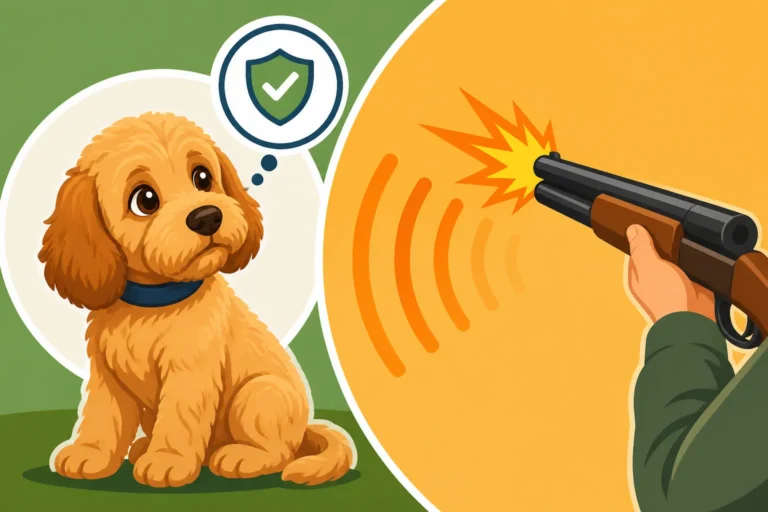
What a Cockapoo Picks Up in Seven Days
Bringing home a new Cockapoo puppy is an incredibly exciting time, filled with anticipation and a touch of understandable nervousness. You’re embarking on a brand-new adventure, and it’s perfectly normal to wonder how quickly your little fluffball will settle in, what they’ll learn, and what you can realistically expect in those crucial first seven days. This guide aims to demystify that initial week, offering insights into the developmental leaps and foundational behaviors your Cockapoo puppy is likely to exhibit and absorb, laying the groundwork for a happy, well-adjusted companion.
The Whirlwind of Arrival: Adjusting to a New World
Imagine being picked up from everything you've ever known – your littermates, your mother, the familiar scents and sounds of your birth home – and suddenly placed in a completely new environment. That's precisely what your Cockapoo puppy experiences on day one. Their little world has been turned upside down, and the first few days are all about processing this massive change. It’s a huge undertaking for such a tiny creature, and their initial responses will be a mix of curiosity, apprehension, and exhaustion.
The First 24 to 48 Hours: Sensory Overload and Seeking Comfort
When your Cockapoo puppy first arrives, their primary instinct is to seek security and comfort. They might be quiet, perhaps a little withdrawn, or conversely, very whiny and attention-seeking. This isn't naughtiness; it's a natural response to feeling vulnerable. They're taking in a huge amount of new sensory information – the smell of your home, the sound of your voice, the texture of their new bed, the faces of new people. Their little brains are working overtime.
During these first couple of days, your main goal is to be a consistent source of calm and reassurance. Establish a safe, quiet space for them, ideally a crate or a puppy pen, that's just their own. This 'den' should be comfy with a soft blanket, perhaps one that smells of their littermates if the breeder provided one. They'll likely spend a lot of time sleeping, and that's absolutely fine. Sleep is vital for puppies to process all their new experiences and grow. Resist the urge to constantly pick them up or introduce them to too many new people at once. Let them observe and adjust at their own pace. Remember, they’re still learning What a Cockapoo Puppy Should Learn First from their environment.
Observing and Adapting: Getting the Lay of the Land
As the first day or two pass, your Cockapoo will start to venture out a bit more, slowly getting a feel for their surroundings. You'll notice them sniffing every corner, exploring the edges of their designated puppy-safe area, and maybe even trying out a few toys. This is them beginning to build a mental map of their new home. They’re figuring out where the food bowl is, where the water is, and hopefully, where their potty spot is.
They're also keenly observing you and your family. They're learning your routines, the sound of your footsteps, the tone of your voice. Consistency is paramount during this phase. If you've decided on a specific feeding schedule, stick to it. If you want them to potty outside, take them out frequently and to the same spot. Every consistent action on your part helps them predict what will happen next, which in turn builds their confidence and trust in you. This quiet observation period is actually a huge part of their learning process.
Laying the Groundwork: Potty Training and Crate Acclimation
The first week is foundational for two of the most critical aspects of puppy ownership: potty training and crate training. These aren't just about convenience; they're about teaching your Cockapoo appropriate boundaries and providing them with a safe, secure space. It takes patience and consistency, but even in seven days, you can make significant strides.
Establishing a Potty Training Foundation
Potty training feels like a full-time job in the first week, doesn't it? You're essentially teaching a tiny creature a brand-new language about where to relieve themselves. Cockapoos, being smart and eager to please, can pick up on the concept of going outside quite quickly, but perfecting it takes time. In the first seven days, your goal is to prevent accidents indoors as much as possible and create a strong positive association with going outside.
This means taking them out constantly. Think every 30-60 minutes, after waking up, after eating, after playing, and right before bedtime. When they do go outside, make it a huge celebration! Happy verbal praise, a cheerful tone, and maybe a small, delicious treat. The goal is to make going potty outside the most rewarding thing they can do. If they have an accident inside, interrupt them gently, take them outside, and clean up thoroughly with an enzymatic cleaner to remove the scent, which can attract them back to the same spot. Don't punish them for accidents; they simply don't understand yet. Focus on preventing future mishaps and rewarding success. Knowing How Long a Cockapoo Puppy Holds It Overnight can help you set realistic expectations for nighttime trips.
Making the Crate a Safe Haven
For many new puppy owners, the idea of crating feels a bit harsh, but a crate, introduced correctly, becomes a Cockapoo's private den – a secure, comfortable space where they can feel safe and relax. In the first week, your aim is to introduce the crate as a positive place, not a punishment. This is crucial for building a Cockapoo's Building a Cockapoo's Tolerance for Being Alone.
Start by making the crate inviting with soft bedding, a puzzle toy filled with a treat, or a safe chew. Leave the door open and let them explore it at their leisure. Feed meals inside the crate with the door open, or closed for very short periods while you're right there. Gradually increase the time the door is closed, always returning before they get anxious. If they cry, wait for a brief lull in their whining before opening the door, so you don't accidentally teach them that crying gets them out. Many online resources, like those offered by BAXTER & Bella, provide structured plans for successful crate training, emphasizing positive reinforcement. You can also find great chew toys and crate accessories on Amazon to make the space extra appealing.
First Lessons: Name Recognition and Basic Manners
While your Cockapoo is still very young, they are sponges, soaking up information about their new world. The first week is an excellent time to introduce their name and start laying the groundwork for basic manners. Don't expect perfection, but consistent, positive interactions will make a huge difference.
Learning Their Name Is Key
One of the very first things your Cockapoo puppy will learn is their name. This is their identifier, the cue that tells them "Hey, I'm talking to you!" Start by using their name frequently in a happy, upbeat tone, especially when you're giving them something good, like food, a treat, or gentle praise. Say their name, and when they look at you, immediately reward them.
Practice this throughout the day in short, fun sessions. Don't just call their name when you're about to scold them or do something they dislike, or they'll start associating their name with negative experiences. In these initial seven days, your Cockapoo should begin to perk up, turn their head, or even start to come towards you when they hear their name. This small step is a giant leap in communication and a fundamental building block for all future training.
Gentle Bites and Chewing Habits
Cockapoo puppies explore the world with their mouths, and they also communicate through nipping and mouthing. This is completely normal puppy behavior, but it's important to start teaching them bite inhibition from day one. In their first week, your puppy will likely try to mouth your hands, feet, and even clothing.
When they nip too hard, let out a high-pitched "ouch!" or "yip!" and immediately withdraw your hand and attention for a few seconds. This mimics how littermates communicate when one bites too hard. Once they calm down, offer them an appropriate chew toy. This teaches them that human skin is sensitive and that toys are for chewing. Be consistent, and make sure everyone in the household follows the same rules, including any children who are learning Teaching Children to Handle a Cockapoo. You might find a wide array of durable, puppy-safe chew toys on Amazon that can help redirect this natural urge.
Early Socialization and Environmental Exposure
Socialization isn't just about meeting other dogs and people; it's about safely exposing your Cockapoo puppy to a variety of sights, sounds, and textures during their critical developmental window. In the first week, while they might not have full vaccination coverage yet, you can still begin this vital process carefully within your home and controlled environments.
Gentle Introductions to Family and Friends
Your immediate family are the first people your Cockapoo puppy needs to bond with. Encourage gentle, calm interactions. If you have children, supervise them closely and teach them how to interact respectfully with the puppy, understanding that the puppy needs quiet time and shouldn't be overwhelmed. For close friends or relatives who are calm and understand puppy etiquette, carefully controlled, brief introductions can begin.
The key here is quality over quantity. A positive, calm interaction with one new person is far more beneficial than being passed around a noisy group. Always ensure the puppy has an escape route or a safe retreat if they feel overwhelmed. The goal is for your Cockapoo to associate new people with positive experiences, building their confidence and friendliness. This is a critical period for Raising a Cockapoo Puppy to be well-adjusted.
New Sights, Sounds, and Textures in a Controlled Way
Even before your puppy can safely explore the great outdoors, you can introduce them to many new sensory experiences within your home. Think about the sounds of a vacuum cleaner, a washing machine, the TV, or even different types of music. Play these at a low volume initially, rewarding your puppy for calm reactions. Gradually increase the volume as they become accustomed to them.
Introduce different textures: a rug, a tile floor, a blanket, even a small patch of grass in your secure backyard. Let them walk on and explore these surfaces. Hold them and let them watch the world go by from a safe distance, maybe from a window overlooking a quiet street. The goal isn't to startle them, but to calmly expose them to the normal occurrences of life, teaching them that these things are not scary. This builds resilience and helps prevent future anxieties. Consider taking online courses from platforms like BAXTER & Bella that often include specific modules on early puppy socialization.
Establishing a Routine and Building Trust
Dogs thrive on predictability, and Cockapoos are no exception. A consistent routine provides a sense of security, helping your puppy understand what to expect throughout their day. This predictability, combined with positive reinforcement, is the bedrock for building a strong, trusting relationship with your new companion during their first week.
Predictability is Key: Feeding and Sleep Schedules
One of the most impactful things you can do in the first seven days is to establish a solid feeding and sleep schedule. Puppies need a lot of sleep – often 18-20 hours a day – and structured nap times prevent them from becoming overtired and cranky, which can lead to increased nipping or unwanted behaviors. Set regular meal times, offering food at the same intervals each day. This also helps predict when they’ll need to go potty.
A consistent routine helps regulate their biological clock, making potty training easier and reducing anxiety. Knowing when to expect food, playtime, and quiet time allows them to relax and feel safe in their new environment. It’s a bit like creating a comforting rhythm for them, a predictable song they can hum along to.
Playtime and Quiet Time: Balancing Energy
Cockapoo puppies are bundles of energy, but they also need ample quiet time. In their first week, you'll want to balance bursts of playtime with enforced naps. Play sessions should be short and engaging, focusing on appropriate toys and gentle interaction. This is a great time to start introducing short games of fetch or tug-of-war (with rules, of course!).
However, just as important are those periods of quiet rest. An overtired puppy is often a bitey, unruly puppy. Schedule regular nap times in their crate or designated quiet area. This teaches them to settle down and relax, a vital skill for a well-behaved adult dog. During these quiet times, you can also start practicing Getting a Cockapoo Used to Ear Handling or Whether a Cockapoo Puppy Needs Brushing Before Four Months in short, positive bursts, getting them comfortable with being touched and groomed.
Navigating the Challenges: Managing Common Puppy Behaviors
The first week isn't just about adorable cuddles; it will also present its share of challenges. Puppies, like human toddlers, are still learning the rules of the world. Understanding common puppy behaviors and how to gently guide your Cockapoo through them is crucial for a smooth transition.
The Inevitable Nipping and Mouthing Phase
As mentioned earlier, nipping and mouthing are par for the course with puppies. But in the first week, it can feel constant and overwhelming. Your Cockapoo isn't trying to be aggressive; they're exploring, playing, and learning about their world. They’re still figuring out that those squishy human hands aren’t another puppy’s fur.
Continue with the "ouch!" and redirection strategy. Always have a variety of appropriate chew toys readily available. When your puppy starts to mouth you, immediately offer a toy. If they latch onto the toy, praise them enthusiastically. Consistency is the secret sauce here. Everyone in the household needs to use the same method. This also helps with Stopping a Cockapoo Puppy Jumping at Faces, as redirecting their energy to an appropriate outlet is key.
Handling Nighttime Woes and Separation Anxiety
The first few nights with a new puppy can be tough. It's common for puppies to cry, whine, or bark in their crate, especially during the first week. They're lonely, they miss their littermates, and they're in a strange new place. This isn't manipulation; it's genuine distress.
Place their crate in your bedroom for the first few nights, so they can hear and smell you. This provides comfort and security. You can also try a "heartbeat" toy or a warm hot water bottle (wrapped in a towel) to mimic the warmth and sound of their mother. Take them out for one last potty break right before bed, and immediately return them to the crate. If they cry, try to avoid rushing to them immediately unless you're certain they need to potty. Waiting for a lull in the crying before briefly reassuring them, or letting them cry it out for short, increasing periods, teaches them that they are safe but don't get released for crying. Remember your goal of Building a Cockapoo's Tolerance for Being Alone.
Introducing Simple Commands and Positive Reinforcement
Even in the first week, you can introduce very basic commands using positive reinforcement. Their name, as discussed, is paramount. You can also start working on "sit." Hold a small, high-value treat near their nose and slowly move it back over their head. As their nose follows the treat, their rear end will naturally lower into a sit. The moment their bottom touches the ground, say "Sit!" in a cheerful voice and give them the treat.
Keep these training sessions very short – just a minute or two, a few times a day – and always end on a positive note. The goal is to make learning fun and rewarding. This early positive association with training sets them up for a lifetime of enjoying learning with you. Some trainers believe Whether a Marker Word Beats a Clicker on a Cockapoo depending on the dog, so experiment with what your Cockapoo responds to best.
The Journey Ahead: What Comes Next
Congratulations! Making it through the first week with your Cockapoo puppy is a huge accomplishment for both of you. You've navigated the initial shock, started building crucial routines, and begun to form an incredible bond. What your Cockapoo picks up in seven days might seem subtle, but these early experiences are deeply imprinted. They learn that you are their provider of food and safety, that their new home is a predictable place, and that learning can be fun.
This first week is truly just the beginning. The foundations you’ve laid – consistent potty breaks, positive crate experiences, early socialization, and gentle guidance on nipping – will serve as the bedrock for all future training and development. Keep up the patience, the positive reinforcement, and the boundless love, and watch your Cockapoo blossom into a wonderful family member.
| Day of the Week | Key Learning Focus | Cockapoo's Probable Behavior | Your Primary Role |
|---|---|---|---|
| Day 1-2 | Adjustment & Security | Quiet, reserved, whiny, lots of sleep, exploring edges. | Calm reassurance, provide safe space (crate), minimal interaction, establish potty spot. |
| Day 3-4 | Routine & Observation | More active exploration, observing routines, starting to recognize name. | Stick to strict potty & feeding schedule, positive reinforcement for outside potty, short name recognition games. |
| Day 5-7 | Basic Manners & Socialization | Increased mouthing/nipping, starting to associate name with you, showing signs of settling in. | Continue potty training, introduce crate positivity, redirect nipping to toys, gentle family introductions, expose to household sounds. |
Disclaimer
This article is for general informational purposes only and does not constitute professional advice. Laws, prices and regulations vary by location and change over time. Consult a qualified professional for guidance on your specific situation.