Hypothyroidism in a Middle Aged Cockapoo
It’s a scenario many of us dread: you look at your beloved middle-aged Cockapoo, who used to be a ball of boundless energy, and notice a subtle shift. They’re sleeping more, perhaps not as eager for walks, and maybe they’ve put on a little weight despite no change in their food. It’s easy to dismiss these changes as just "getting old," but sometimes, these signals can point to an underlying, treatable condition. This guide will help you understand hypothyroidism in middle-aged Cockapoos, how to spot the signs, get a proper diagnosis, and manage it effectively, so your furry friend can enjoy their golden years to the fullest.
Understanding Hypothyroidism in Cockapoos
When your Cockapoo starts to slow down, it’s natural to feel a pang of worry. Is it just age, or is something more serious at play? Hypothyroidism is one of those conditions that can sneak up on us, mimicking general aging, but it’s crucial to understand what it is and why it matters, especially for our charming Cockapoo companions.
What is Hypothyroidism and Why It Matters for Cockapoos?
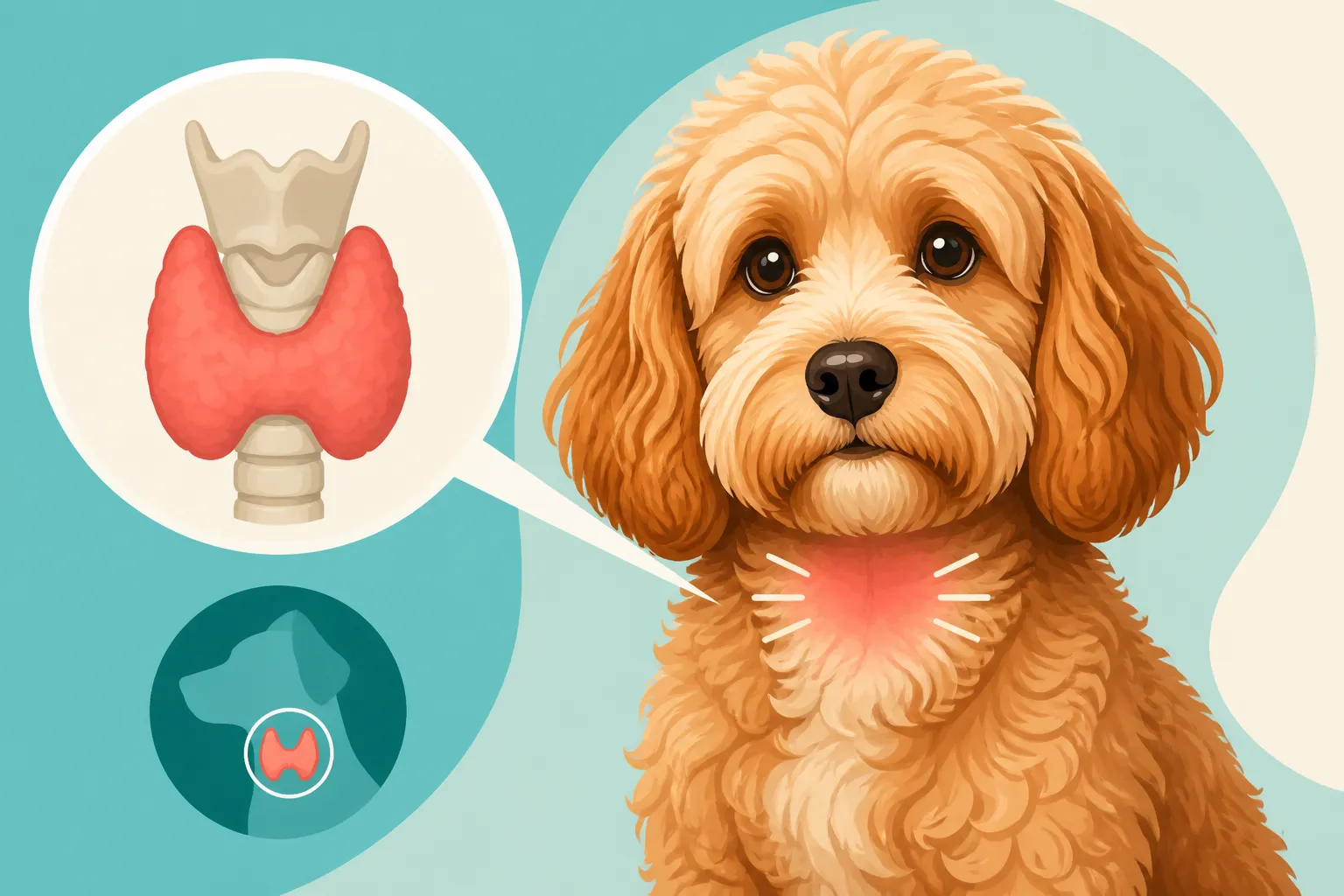
At the base of your Cockapoo's neck, nestled right by the windpipe, are two small but mighty glands: the thyroid. These glands are like the body's internal thermostat, producing hormones that regulate metabolism. Think of metabolism as the engine that keeps every cell in the body running efficiently. It dictates how quickly food is converted into energy, how fast cells grow and repair, and even how body temperature is maintained.
Hypothyroidism is the medical term for an underactive thyroid. In simple terms, it means these crucial glands aren't producing enough thyroid hormone. When this happens, the body's entire system slows down. It's like trying to drive a car with a partially blocked fuel line – everything becomes sluggish. For a Cockapoo, whose zest for life is often one of their most endearing qualities, this metabolic slowdown can manifest in a myriad of confusing ways. It’s not just about energy levels; it impacts their skin, coat, weight, and even their cognitive function. This makes it a significant concern, as early detection and treatment can dramatically improve their quality of life.
The Genetic Link to Thyroid Issues in Cockapoos
It’s often said that mixed breeds are inherently healthier than purebreds due to "hybrid vigor," but this isn't always a blanket truth. Cockapoos, being a cross between Cocker Spaniels and Poodles, can inherit predispositions to certain health conditions from both parent breeds. Unfortunately, thyroid issues, particularly hypothyroidism, are among those concerns. Both American Cocker Spaniels and Poodles (especially Miniature and Standard Poodles) have a higher incidence of autoimmune thyroiditis, which is the most common cause of hypothyroidism in dogs.
Autoimmune thyroiditis occurs when the dog's immune system mistakenly attacks its own thyroid gland, gradually destroying the cells that produce thyroid hormones. This isn't something that happens overnight but is a slow, progressive process. While responsible breeders work diligently to screen for many inherited conditions, like those mentioned in The Autoimmune Diseases a Cockapoo Can Inherit, directly screening for the genetic markers of autoimmune thyroiditis isn't as straightforward as some other DNA tests. What breeders can do is screen their breeding stock for healthy thyroid function and avoid breeding dogs with a known history of the disease in their immediate lineage. Understanding this genetic predisposition means that if your middle-aged Cockapoo starts showing signs, hypothyroidism should definitely be on your vet's diagnostic radar.
Recognizing the Subtle Signs of Hypothyroidism in Your Middle-Aged Cockapoo
One of the biggest frustrations for Cockapoo owners is when their once-lively dog starts acting "old" prematurely. It's hard to tell if it's just a natural part of aging, or if there's something else at play. Hypothyroidism often presents with a collection of subtle changes that, when viewed together, can paint a clear picture.
Behavioral and Energy Changes That Signal a Problem
Perhaps the most common and heartbreaking signs of hypothyroidism in a middle-aged Cockapoo are the shifts in their energy levels and behavior. You might notice your dog, who once eagerly greeted you at the door with a wagging tail and a toy in their mouth, is now slow to rise, perhaps just offering a languid tail thump. Their morning zoomies have disappeared, replaced by a preference for their cozy bed. They might seem generally "slowing down" – a phrase that makes us owners sigh, accepting it as an inevitable part of canine senior citizenship.
However, this lethargy and reduced activity could be more than just age. A hypothyroid Cockapoo often becomes reluctant to play, showing less interest in their favorite games of fetch or tug-of-war. They might even seem mentally duller, less responsive to commands, or simply not as engaged with the family. Many owners report an increase in sleeping hours, often seeking out warmer spots in the house, perhaps because their slowed metabolism makes them more susceptible to feeling cold. Coupled with this, unexplained weight gain is a huge red flag. Your Cockapoo might be eating the same amount, or even less, and getting the same exercise, but the pounds just seem to creep on. This isn’t a sign of laziness; it’s a symptom of a body running in slow motion. If you're seeing these changes, don't just write them off as your Cockapoo hitting the big "ten" – it could be a call for help. For more insights into age-related changes, you can read about What Changes in a Cockapoo After Ten.
Physical Manifestations and Skin & Coat Clues
Beyond the behavioral changes, hypothyroidism often leaves its most visible calling card on a Cockapoo's skin and coat. Given their heritage, Cockapoos are known for their beautiful, often curly or wavy coats. A noticeable deterioration in this hallmark feature is a significant indicator. You might observe a dry, brittle texture to their fur, or a dullness that no amount of brushing seems to fix. Excessive shedding, far beyond their usual seasonal cycle, can leave your home perpetually covered in wisps of hair. In some cases, owners report a "rat tail" appearance, where the fur on their tail thins drastically.
The skin beneath the coat can also tell a story. It might become dry, flaky, or even excessively oily in some areas. You could notice increased pigmentation, where the skin darkens, especially in areas of friction or thinning hair. Recurrent skin infections, often bacterial or yeast-related, become more frequent and harder to clear up. This happens because a compromised immune system and unhealthy skin barrier make them more vulnerable. While not as common, some hypothyroid dogs develop a peculiar facial expression that vets sometimes describe as a "tragic" or "sad" look, due to thickening of the skin around the face. Additionally, persistent ear infections can also be a sign, as the skin lining the ear canal can also be affected by the hormonal imbalance, tying into issues like Whether a Cockapoo's Ears Are Better Than a Cocker's or Whether Ear Infections Mean a Cockapoo Has Allergies. These skin and coat issues, alongside general Skin and Coat Disease in a Cockapoo, can be incredibly uncomfortable for your dog and frustrating for you, signaling a clear need for veterinary attention.
Diagnosing Hypothyroidism: Beyond a Hunch
Spotting the signs is the first crucial step, but confirming hypothyroidism in your Cockapoo requires a thorough veterinary assessment. It’s not just about matching symptoms to a checklist; it’s about ruling out other conditions and getting a precise diagnosis to ensure the right treatment.
The Initial Vet Visit and Physical Examination
When you first bring your middle-aged Cockapoo to the vet with concerns about their slowing down, weight gain, or coat changes, being as detailed as possible is incredibly helpful. Don't hold back any observations, no matter how small they seem. Describe their eating habits, exercise routine, changes in thirst or urination, and any alterations in their personality. This comprehensive history gives your veterinarian a critical starting point.
During the physical exam, your vet will meticulously check your Cockapoo from nose to tail. They'll pay close attention to their body condition score, looking for excess weight or muscle loss. The skin and coat will be thoroughly inspected for dryness, flakiness, thinning hair, or any signs of infection. Your vet will also palpate their neck area, though the thyroid glands themselves are usually too small to feel unless significantly enlarged. They'll listen to their heart rate, which can sometimes be slower in hypothyroid dogs, and check their overall demeanor. It's essential for your vet to consider other potential conditions that mimic hypothyroidism, such as Arthritis in a Cockapoo at Eleven causing a reluctance to move, or other metabolic issues that affect energy levels. A good vet will be thinking broadly to ensure they don't miss anything.
Blood Tests: Unraveling the Thyroid Puzzle
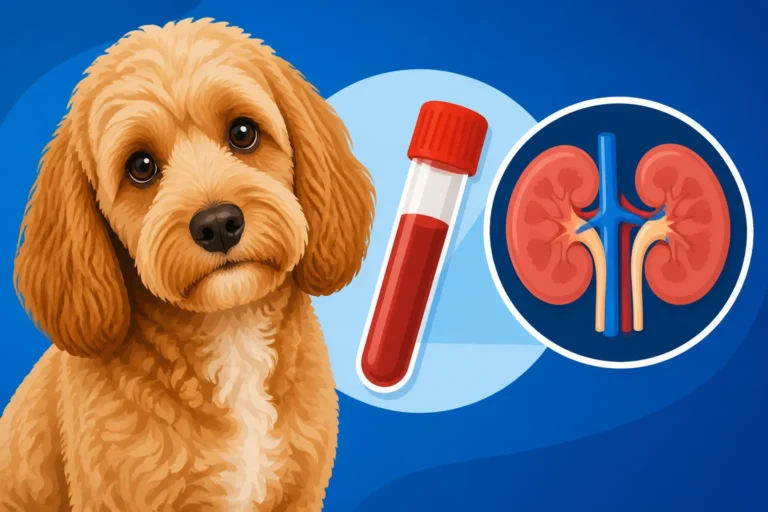
The definitive diagnosis of hypothyroidism in dogs, including our Cockapoos, relies heavily on blood tests. It’s not just one single test, but usually a panel of tests that helps your vet piece together the thyroid puzzle. The most common tests include:
- Total T4 (TT4): This measures the total amount of thyroxine (T4) hormone circulating in the blood. A low TT4 can indicate hypothyroidism, but it can also be affected by other illnesses or medications, making it not always a clear-cut answer on its own.
- Free T4 (fT4): This measures the unbound, biologically active form of T4. It's often considered a more accurate indicator than TT4, as it's less influenced by non-thyroidal factors.
- TSH (Thyroid Stimulating Hormone): This hormone is produced by the pituitary gland in the brain. When thyroid hormone levels are low, the pituitary gland should pump out more TSH to try and stimulate the thyroid. So, in most cases of true hypothyroidism, TSH levels will be elevated.
- Thyroglobulin Autoantibodies (TgAA): This test helps identify if the hypothyroidism is autoimmune in nature. If positive, it means the dog's immune system is attacking its own thyroid.
Interpreting these results can be a bit nuanced. Sometimes, a dog might have a low T4 due to another illness or certain medications (a phenomenon known as "sick euthyroid syndrome"), rather than true hypothyroidism. This is why a complete thyroid panel, including TSH and fT4, is crucial for an accurate diagnosis. Your vet might recommend sending samples to a specialized veterinary endocrinology lab, such as the Michigan State University Diagnostic Center for Population and Animal Health, which has extensive experience in canine thyroid testing. While waiting for results can be nerve-wracking, this comprehensive approach ensures that if your Cockapoo truly has hypothyroidism, it will be correctly identified, distinguishing it from other conditions that might require different interventions, like those found through The Bloodwork That Catches a Cockapoo's Kidney Disease.
| Symptom Category | Normal Aging (Expected) | Hypothyroidism (Potential) |
|---|---|---|
| Energy Level | Gradual decrease, shorter play sessions, more naps after activity | Marked lethargy, reluctance to play, increased sleeping, seeking warmth all day |
| Weight | Stable with consistent diet/exercise, or slight changes due to muscle loss | Unexplained weight gain despite no change in diet or activity |
| Coat/Skin | Mild thinning or graying, occasional dry skin due to aging | Dry, brittle, dull, excessive shedding, 'rat tail', recurrent skin infections, hyperpigmentation |
| Behavior | Occasional forgetfulness, slower response to commands, less tolerant of change | Mental dullness, lack of enthusiasm, reduced engagement, sometimes irritable |
| Temperature | No significant change | Increased sensitivity to cold, seeking warm spots |
| Other | Normal appetite, occasional joint stiffness | Constipation, slow heart rate, persistent ear infections |
Managing Hypothyroidism: Getting Your Cockapoo Back to Their Best
Receiving a diagnosis of hypothyroidism can feel daunting at first, but the good news is that it’s a very manageable condition. With the right treatment, many Cockapoos can make a full recovery and live long, vibrant lives.
Lifelong Medication and What to Expect
The cornerstone of treating canine hypothyroidism is lifelong medication, specifically a synthetic thyroid hormone called levothyroxine. This medication effectively replaces the hormones your Cockapoo's body isn't producing enough of. It's typically given once or twice a day, and consistency is key. It's vital to administer the medication exactly as prescribed by your vet, ideally at the same time each day, and often on an empty stomach for optimal absorption. This becomes part of your daily routine, much like administering Daily Thyroid Medication for a Cockapoo.
Owners often see improvements fairly quickly, which is incredibly encouraging. The first thing you'll likely notice is a boost in your Cockapoo's energy levels and a return of their enthusiasm. This can happen within a few weeks. The mental dullness tends to lift, and they might seem more engaged and bright-eyed. However, patience is required for physical changes, especially with their coat and skin. It can take several months – sometimes even up to six months or a year – for their fur to fully grow back, for the dryness to resolve, and for skin infections to clear up completely. It's a journey, not a sprint. It's also important to be aware that if the dosage is too high, it can lead to signs of hyperthyroidism, such as restlessness, increased thirst, and weight loss. Your vet will guide you through this, making sure the dosage is perfectly tailored to your Cockapoo. The goal is to bring them back to their normal, happy selves, not to overcompensate.
Monitoring and Adjusting Treatment
Treating hypothyroidism isn't a "set it and forget it" situation. Because every dog is unique and can respond differently to medication, regular monitoring is essential to ensure your Cockapoo is receiving the correct dose of levothyroxine. Initially, your vet will schedule follow-up blood tests, often within 4-8 weeks of starting medication, to check their thyroid hormone levels and adjust the dosage if necessary. These tests are typically performed a few hours after their morning dose to get an accurate reading of peak hormone levels.
Once your Cockapoo's thyroid levels are stable and their symptoms have significantly improved, the frequency of these blood tests usually decreases to once or twice a year. However, if symptoms recur or new ones appear, your vet might recommend more frequent testing. As the owner, your observations are invaluable. You are your Cockapoo's best advocate, and noting any changes in their energy, weight, appetite, or coat condition between vet visits is crucial. Don't hesitate to communicate these observations to your veterinary team. While the cost of lifelong medication and regular blood tests can add up, many pet insurance providers, like Healthy Paws, offer coverage for chronic conditions such as hypothyroidism, which can significantly ease the financial burden over your Cockapoo's lifespan. It’s always a good idea to research pet insurance options early on to help manage unexpected and ongoing veterinary expenses.
Living with a Hypothyroid Cockapoo: Practical Tips and Ongoing Care
A diagnosis of hypothyroidism doesn't mean your Cockapoo's best years are behind them. With consistent management, they can continue to thrive. It's all about making a few adjustments to their daily routine and remaining vigilant.
Dietary and Lifestyle Adjustments
One of the most common symptoms of hypothyroidism is unexplained weight gain. Once your Cockapoo starts on thyroid medication, their metabolism will kick back into gear, and you'll likely see the weight begin to normalize. However, it's still important to be mindful of their diet. While there isn't a specific "hypothyroid diet" per se, feeding a high-quality, balanced dog food appropriate for their age and activity level is always recommended. If they've gained a significant amount of weight, your vet might suggest a calorie-controlled diet to help them reach a healthy weight more quickly. Always avoid drastic cuts; gradual, controlled weight loss is healthier. Knowing What Kibble Costs for a Cockapoo or investigating Whether Fresh Food Is Affordable at Cockapoo Portions can help you plan your budget for their nutritional needs.
Exercise also plays a vital role. As their energy levels return, encourage regular, moderate exercise. This doesn't mean demanding marathon runs; consistent daily walks, playtime in the yard, and mental enrichment activities are perfect for a middle-aged Cockapoo. The goal is to keep them active and engaged, preventing boredom and supporting their overall well-being. Even if they're not quite as spry as they were as a puppy, keeping their minds active with puzzle toys or short training sessions can be just as beneficial.
Supporting Skin and Coat Health
The changes in a Cockapoo’s coat and skin due to hypothyroidism can be quite dramatic, but with treatment, these will improve. However, ongoing support for their skin and coat health is beneficial. Regular grooming routines, including gentle brushing, are essential. This not only helps stimulate circulation and distribute natural oils but also allows you to regularly inspect their skin for any returning dryness, flakiness, or new infections.
For bathing, choose gentle, moisturizing shampoos and conditioners formulated for sensitive skin. Avoid harsh chemicals or excessive washing that could strip natural oils and exacerbate dryness, especially since a Cockapoo's skin can sometimes lean towards the sensitive side, as discussed in Whether a Cockapoo's Skin Dries Out From Washing. If your Cockapoo has a history of recurrent skin infections, your vet might recommend medicated shampoos or topical treatments in conjunction with their systemic medication. Additionally, some vets recommend incorporating omega-3 fatty acid supplements into their diet. These healthy fats are known to support skin barrier function and promote a healthy, shiny coat, as highlighted in Whether Omega Oils Help a Cockapoo's Coat. Always discuss any supplements with your vet first to ensure they are appropriate for your Cockapoo and won't interact negatively with their thyroid medication or any other health conditions.
Disclaimer
The information provided in this article is for general informational purposes only and is not intended as a substitute for professional veterinary advice. Always consult with a qualified veterinarian regarding any medical concerns or before making any decisions about your Cockapoo's health or treatment.