A Cockapoo That Cannot Be Left
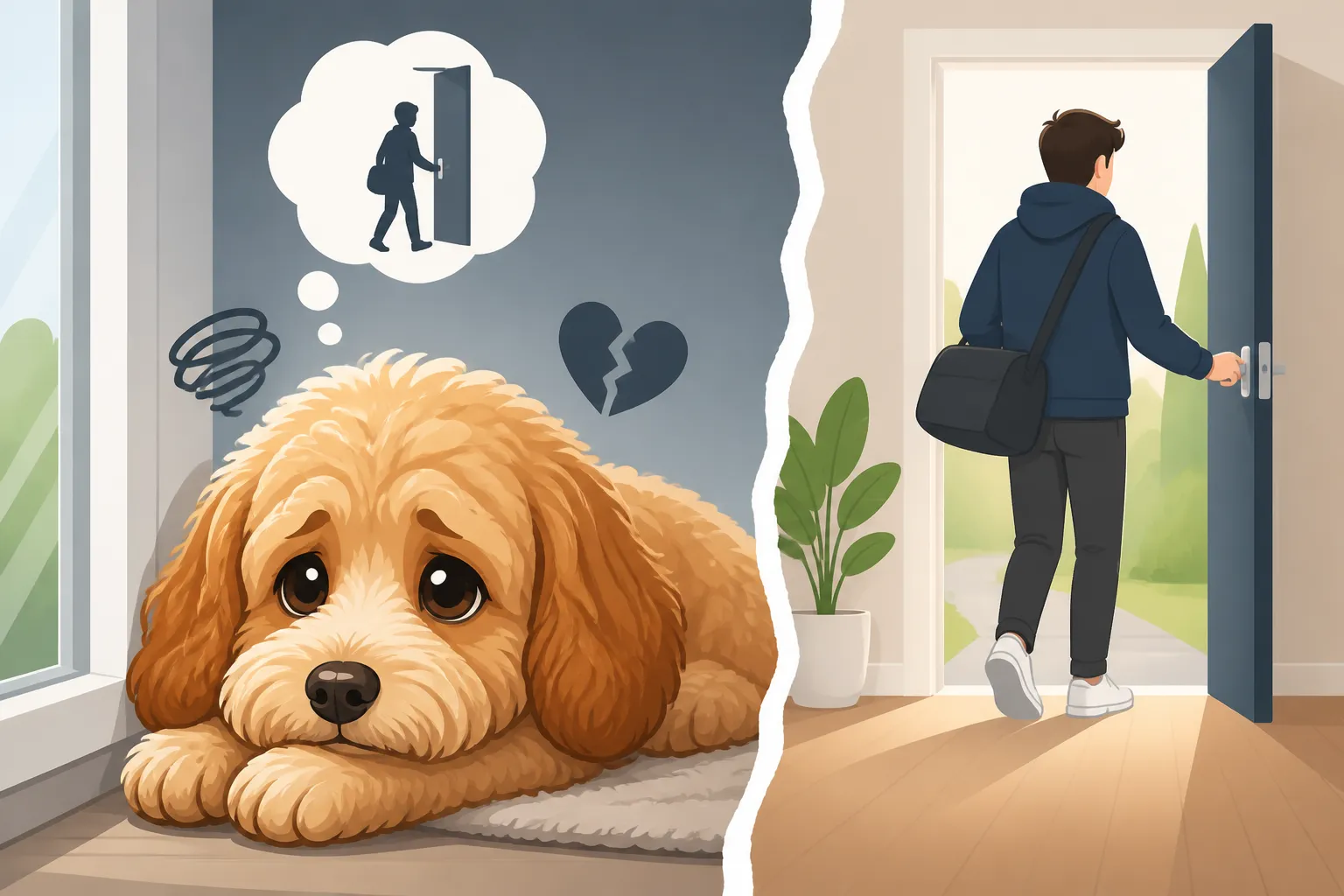
It's a heartbreaking and incredibly frustrating situation for any Cockapoo owner: you love your furry companion, but every time you try to leave the house, even for a short errand, chaos erupts. The barking starts, the scratching at the door, the frantic pacing – maybe even accidents or destructive chewing. You dream of a world where your sweet Cockapoo is calm and settled when you're away, but right now, it feels like an impossible dream. This comprehensive guide is here to walk you through understanding why your Cockapoo struggles with being left alone, how to differentiate between simple boredom and true separation anxiety, and most importantly, what practical, empathetic steps you can take to help them feel safe and secure, even when you're not right by their side.
Understanding the Roots of Separation Issues in Cockapoos
Cockapoos are delightful dogs, a wonderful blend of intelligence and charm. But these very qualities can sometimes make them predisposed to difficulties when left alone. It's not about them being "bad" dogs; it's often a deep-seated instinct and learned behavior that needs gentle, consistent guidance to reshape.
The Inherited Need for Company
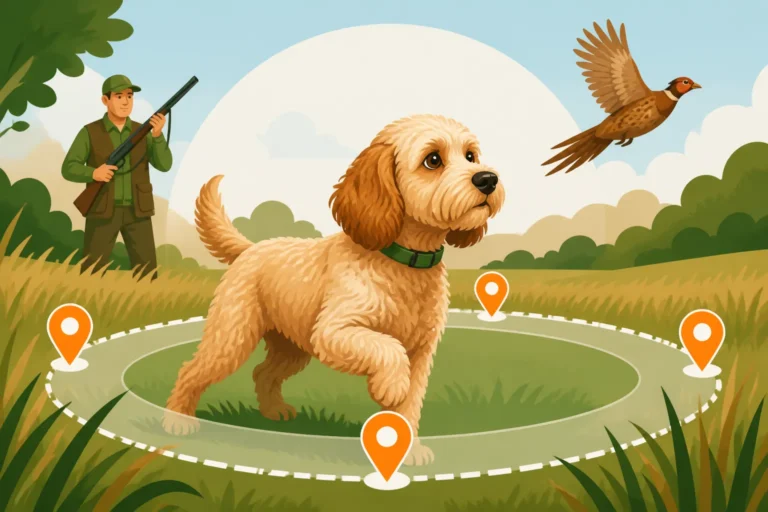
Think about the parent breeds of a Cockapoo. You have the Cocker Spaniel, originally bred to flush game, always working closely with a human hunter. They are famously affectionate, "velcro" dogs who thrive on companionship and physical closeness. Then you have the Poodle, highly intelligent, people-oriented, and historically used as retrievers, again, closely bonded with their handlers. Both breeds were developed to be interactive and present with their humans. When you combine these traits, you get a Cockapoo that often possesses an intense desire to be part of the family unit, almost constantly. This isn't a flaw; it's part of their charming nature, but it can make solitude genuinely distressing for them. They haven't been bred for independent work, but for partnership.
This inherent drive for connection means that for many Cockapoos, being left alone goes against their very grain. It's not just a preference; it can feel fundamentally wrong or scary to them. They're not deliberately trying to be difficult or destructive; they are simply reacting to a situation that causes them immense anxiety and confusion. Understanding this deep-seated need for company is the first step in approaching their struggles with empathy and patience.
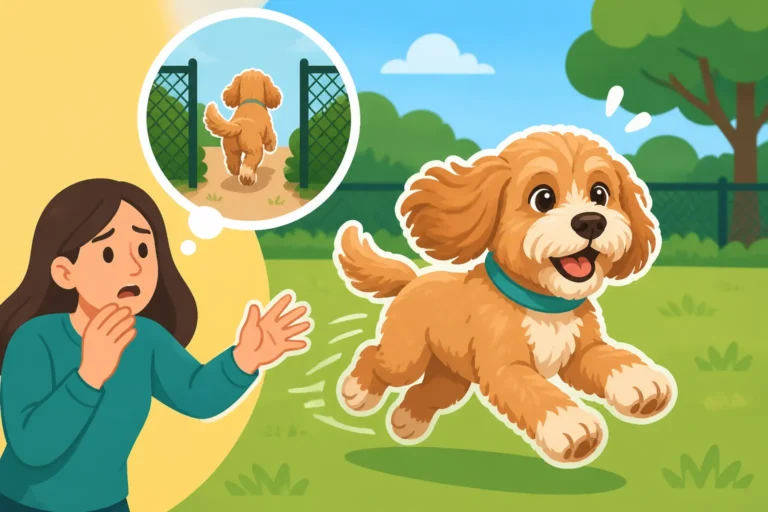
When a Cockapoo, with this strong genetic predisposition for companionship, suddenly finds themselves alone, their instincts can kick in. They might not understand why their human, their pack, has left them, and their natural response is to try and call them back, or to find a way to alleviate the stress. This can manifest in barking, howling, destructive chewing, or even attempts to escape, all driven by a deep sense of unease. It's crucial to remember that this isn't defiance; it's distress.
Early Experiences and Their Impact
A Cockapoo's early weeks and months can significantly shape their ability to cope with solitude. Puppies, especially those from reputable breeders who focus on early socialization, should ideally be exposed to short periods of alone time from a young age, building up their confidence gradually. However, not all puppies get this foundation. A puppy mill or backyard breeder situation, where puppies might be kept in overcrowded, stressful conditions, or suddenly thrown into a new home with little preparation, can leave them ill-equipped to handle being alone. They might associate solitude with fear, abandonment, or simply an unknown, scary experience.
Furthermore, how you introduce alone time when your Cockapoo first comes home makes a huge difference. If you immediately shower them with constant attention for weeks on end, and then suddenly try to leave them for hours, it can be a shock to their system. They haven't learned that your departure is temporary and that they can feel safe without you. This lack of early, positive exposure to gradual alone time can create a pattern of dependence that quickly spirals into full-blown anxiety.
Even well-meaning owners can inadvertently contribute to separation issues by making departures and arrivals overly dramatic. Lots of fuss when you leave ("Oh, I'm so sorry, sweetie, I'll be back soon!") and an excited reunion ("Oh my goodness, I missed you so much!") can inadvertently signal to your Cockapoo that your absence is indeed a big, traumatic event. Instead, a calm, matter-of-fact approach from the very beginning helps them understand that it's just a normal part of life.
The Hyper-Attachment Trap
It’s easy to fall into the hyper-attachment trap with a Cockapoo. They are so endearing, so eager to please, and they love to cuddle. Who wouldn't want to spend every waking moment with such a charming companion? However, allowing your Cockapoo to follow you from room to room, never spending a moment out of your sight, or constantly being picked up and held, can inadvertently create a situation where they become overly dependent on your physical presence. They start to believe that their safety and well-being are intrinsically linked to being right beside you, all the time.
This isn't to say you shouldn't enjoy your Cockapoo's affection! But there's a delicate balance. If they never learn to settle independently, even just in another room, or to entertain themselves while you're busy nearby, they haven't developed the internal coping mechanisms needed for when you do have to leave. The line between a loving bond and unhealthy dependence can be very fine, and it often becomes apparent only when you attempt to create distance.
The consequences of this hyper-attachment become glaringly obvious the first time you step out the door. A dog that has never learned to be a "party of one" will likely panic. They haven't had the opportunity to build self-soothing behaviors or to understand that your absence is temporary and safe. This can be particularly true for A Cockapoo That Cannot Be Left. Breaking this pattern requires conscious effort to encourage independence and build their confidence, even in small, manageable steps.
Distinguishing Between Boredom and True Separation Anxiety
This is a critical distinction, because the solutions for a bored Cockapoo are very different from those for a dog suffering from genuine separation anxiety. Misdiagnosing the problem can lead to ineffective training and continued distress for your dog (and for you!).
Signs Your Cockapoo is Simply Bored
Sometimes, what looks like separation anxiety is actually just a very intelligent and energetic Cockapoo who hasn't had enough mental or physical stimulation. When left alone, a bored Cockapoo might engage in behaviors simply because they have nothing better to do. They have excess energy, a curious mind, and a natural urge to chew, dig, or explore.
Common signs of boredom when left alone include:
- Chewing on inappropriate items: This might be a shoe, a rug, or furniture, but it's often more about finding something to do with their mouth and less about frantic destruction. The items might be casually destroyed, not shredded in a panic.
- Exploring "forbidden" areas: They might get into the trash, open cabinets, or jump on counters if they haven't been properly puppy-proofed or given alternatives.
- Casual barking or whining: They might bark a few times, then settle, or whine intermittently, as if asking for attention or expressing mild dissatisfaction, rather than sustained, panicked vocalizations.
- Relatively calm demeanor upon your return: While they'll be happy to see you, their initial greeting might not be overly frantic, and they might quickly return to their normal settled state.
- No other signs of distress: They typically won't be panting excessively, trembling, or drooling, nor will they try to escape their confinement with extreme force.
If your Cockapoo just needs more to do, introducing engaging toys, puzzle feeders (easily found on Amazon), and ensuring they get plenty of exercise before you leave can make a world of difference. Boredom is often easier to address with environmental enrichment and a structured routine that meets their needs for activity and mental stimulation.
Red Flags for Separation Anxiety
True separation anxiety is a much more intense and often distressing condition. It's characterized by a profound panic response when the dog perceives they are being left alone. The behaviors are not just an outlet for energy; they are frantic attempts to cope with overwhelming fear and perceived abandonment.
Key red flags for separation anxiety include:
- Excessive and sustained vocalization: This is often frantic barking, howling, or whining that begins shortly after you leave and can continue for the entire duration of your absence. Neighbors often report this.
- Destructive behavior, especially around exit points: This is not casual chewing. Dogs with separation anxiety might chew through doorframes, window sills, or crates in desperate attempts to escape and find you. The destruction often seems driven by panic.
- Inappropriate urination or defecation: Even a fully house-trained Cockapoo might have accidents indoors when left alone, despite having been given ample opportunity to relieve themselves before departure. This is not defiance; it's an involuntary physical manifestation of extreme stress.
- Excessive drooling, panting, or trembling: These are physical signs of high anxiety and fear. You might return to a very wet floor from drool, even if your dog hasn't been drinking water.
- Pacing, circling, or hyper-vigilance: Your Cockapoo might constantly move around, unable to settle, searching for you or for a way out.
- Self-harm: In severe cases, dogs can injure themselves trying to escape, such as broken nails, bloody paws, or chipped teeth.
- Predictable onset: The anxiety often starts building as soon as your Cockapoo sees your "departure cues" (picking up keys, putting on shoes) and escalates the moment you walk out the door.
- Frantic greetings upon return: While any dog is happy to see their owner, a dog with separation anxiety will often greet you with overwhelming, almost uncontrolled excitement and relief, struggling to calm down for some time.
If you suspect your Cockapoo has separation anxiety, it’s vital to recognize that this isn't a behavior problem to be "punished." It's an emotional disorder that requires a compassionate, structured approach, often with professional guidance. Forcing a dog with true anxiety to "tough it out" can worsen the problem and cause them immense suffering.
The Grey Area: When Boredom Escalates
Sometimes, what starts as simple boredom can, over time, escalate into something resembling separation anxiety, or at least a highly destructive and vocal form of loneliness. Imagine a Cockapoo puppy who is left alone for increasing periods without adequate mental stimulation or a proper foundation in alone time training. Initially, they might just chew a pillow out of curiosity. But if that behavior consistently leads to attention (even negative attention upon your return) or if the loneliness persists and intensifies, their frustration can build.
This isn't true panic, but it can manifest as increasingly desperate attempts to alleviate their discomfort or get a reaction. A Cockapoo who barks out of mild boredom might eventually learn that continuous, loud barking gets more attention, or that shredding the couch is a much more effective way to pass the time than merely napping. The underlying emotion might still be boredom or frustration, but the intensity of the behavior might mimic anxiety. This is where it becomes crucial to observe the full range of behaviors and your Cockapoo's demeanor. Is there genuine fear in their eyes, or is it more like a restless, attention-seeking energy?
The table below offers a quick comparison to help you discern the difference, but always remember that a professional can provide the most accurate diagnosis.
| Symptom / Behavior | Boredom (Less Severe) | Separation Anxiety (More Severe) |
|---|---|---|
| Vocalization | Intermittent barking/whining, may settle quickly | Persistent, frantic barking, howling, whining; hard to stop |
| Destructive Chewing | Targets accessible items, mild to moderate damage | Targets exit points (doors, windows, crates), severe damage, self-harm possible |
| House Soiling | Rare, usually due to lack of pre-departure potty break | Frequent accidents despite recent potty break; involuntary |
| Physical Signs | Relaxed, maybe some sighing | Excessive panting, drooling, trembling, pacing |
| Onset of Behavior | May start after 10-15 minutes of alone time | Starts immediately or shortly after owner leaves; anticipation of departure triggers symptoms |
| Owner's Departure Cues | Little reaction | Heightened anxiety, clinginess, follow-me behavior |
| Owner's Return | Happy to see you, settles quickly | Frantic, uncontrollable greetings, takes time to calm down |
| Motivation | Lack of mental/physical stimulation, seeking activity | Panic, fear of abandonment, distress at being alone |
Understanding this distinction is foundational to implementing the right training and management plan for your Cockapoo. If you’re unsure, it’s always best to err on the side of caution and consult a professional.
Setting the Foundation: Preventing Separation Issues from Puppyhood
The best defense against separation issues is a strong offense, meaning proactive training from the moment your Cockapoo puppy comes home. Establishing good habits early on can save a world of heartache later.
Gradual Alone Time Training for Puppies
From day one, it's crucial to introduce alone time in tiny, positive increments. Don't wait until you have to leave for work for eight hours. Start with something as simple as stepping into the bathroom for two minutes while your puppy is settled in their designated safe space, like a crate or a puppy-proofed room. The First Week With a Cockapoo Puppy is critical for this foundation.
The key is "gradual." Start with seconds, literally. Put your puppy in their crate with a high-value chew or puzzle toy (like a Kong stuffed with peanut butter or wet dog food and frozen solid). Step out of sight for 10-20 seconds, then return before they start to fuss. Don't make a big deal of your return; simply walk back in, maybe offer a quiet praise, and then let them continue with their toy. Slowly, over days and weeks, you can increase the duration. The goal is for them to learn that you always come back, and that alone time can be associated with pleasant things. If they do start to cry, wait for a brief lull in the vocalization before returning, so you're not accidentally rewarding the crying.
Consistency is also paramount. These short, positive "alone time" sessions should happen multiple times a day, even when you're home. It teaches them that sometimes you're just not immediately available, and that's okay. This isn't about ignoring your puppy; it's about building their resilience and independence in a safe, controlled way.
The Importance of a Secure Den or Crate
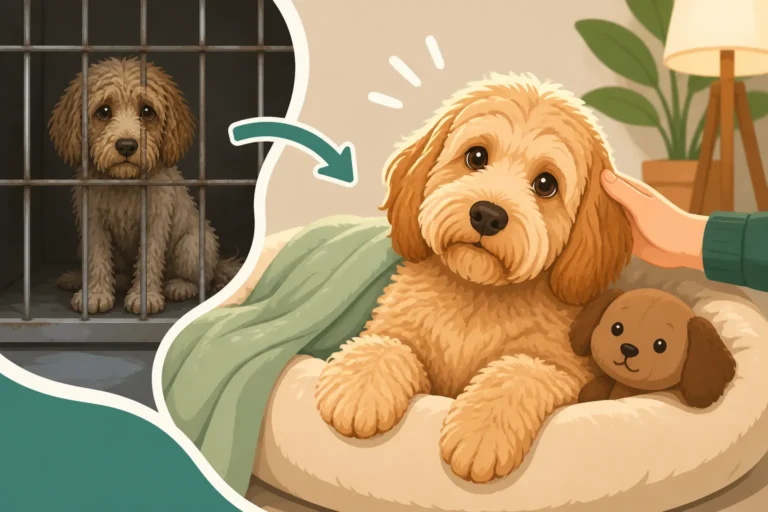
Every Cockapoo, especially a puppy, benefits immensely from having a designated safe space or "den" where they can feel secure when left alone. For many dogs, this is a crate. A crate, when introduced positively and never used for punishment, becomes a cozy, private retreat, not a prison. Fill it with soft bedding, a comfort item that smells like you (an old t-shirt, for example), and those fantastic puzzle toys we mentioned earlier. This is their quiet zone, a place where they can relax without feeling overwhelmed by the whole house.
When selecting a crate, make sure it's appropriately sized – large enough for them to stand up, turn around, and lie down comfortably, but not so large that they can use one end as a potty area. For larger Cockapoos, you might start with a divider to adjust the size as they grow. The crate should be in a central but not overly busy part of the house, like your living room or bedroom, so they still feel connected but aren't constantly disturbed. This helps them feel secure even when you are just moving around the house or stepping out for a moment.
Beyond crates, some owners prefer a dedicated puppy-proofed room or a large exercise pen. The principle is the same: a safe, confined space where they can't get into trouble or become overwhelmed, and where they can learn to relax independently. Always ensure it's stocked with fresh water and appropriate, safe chew toys. Crate Time Settles a Cockapoo is an excellent resource for deeper insights into successful crating.
Building Independence with Enrichment
Beyond simply being in a crate, a Cockapoo needs to learn how to entertain themselves and feel confident without constant human interaction. This means integrating enrichment into their daily routine. Engage their intelligent Poodle brain and their Cocker Spaniel nose!
- Puzzle Toys: These are fantastic for mental stimulation. Toys that dispense kibble or treats as your dog manipulates them (rolling, pushing, flipping) can keep them engaged for significant periods. Start with easy ones and gradually introduce more challenging puzzles.
- Chew Items: Safe, durable chew toys are essential. Chewing is a natural, self-soothing behavior for dogs. Provide a variety of textures and types to keep their interest. Always supervise new chew toys to ensure they are safe and appropriate for your dog's chewing style.
- Scent Work: Cockapoos often inherit a wonderful nose from their Cocker side. Scent Work That Satisfies a Cockapoo is an activity that can be done indoors and helps build independence. Hide treats around the house for them to find before you leave, or set up simple "snuffle mats." This engages their instincts and tires them out mentally.
- Independent Play: Encourage your Cockapoo to play with toys on their own. Instead of always initiating play, sometimes just toss a toy and let them retrieve and entertain themselves for a bit.
By providing these outlets, you’re teaching your Cockapoo that alone time can be productive, stimulating, and even fun, rather than a void filled with anxiety. It’s about empowering them to self-entertain and self-regulate, reducing their reliance on you for constant engagement.
Implementing a Gradual Departure Training Plan
Once you've set the foundation, the next step is to systematically desensitize your Cockapoo to your departure. This isn't about tricking them; it's about teaching them that your coming and going are uneventful, predictable parts of life.
Desensitizing Departure Cues
Think about all the little things you do before you leave the house: picking up your keys, grabbing your purse or wallet, putting on your shoes, jingling your coat. For a dog with separation anxiety, these "departure cues" become highly anxiety-inducing signals that you're about to abandon them. The key is to break this association.
Start by doing these actions randomly throughout the day, without actually leaving. Pick up your keys, jingle them, then put them back down and sit on the couch. Put on your coat, walk into another room, and then take it off. Do this dozens of times a day, until your Cockapoo barely registers these actions. They should become meaningless background noise. You can find helpful key hooks and organizers on Amazon to make this easier. This process helps to defuse the panic that builds before you even open the door.
Once your Cockapoo is nonchalant about these cues, you can add a new, positive cue for your actual departure. This could be giving them a special long-lasting chew only when you leave, or turning on some calming music. This new cue signals that something good is about to happen, rather than something scary. The goal is to make departures feel utterly routine and boring.
The "Go Away and Come Back" Game
This is a core exercise for building confidence in alone time. It’s all about ultra-short, non-eventful absences. The principle is simple:
- Prepare: Make sure your Cockapoo has gone to the bathroom, has a high-value, long-lasting chew or puzzle toy, and is in their designated safe space (crate, pen, or puppy-proofed room).
- Depart Calmly: Say nothing. Don't make eye contact. Simply walk out the door.
- Return Quickly: Come back in before your Cockapoo has a chance to get anxious or vocalize. This might mean returning after 5 seconds, 10 seconds, or 30 seconds to start.
- No Fuss Reunion: When you return, again, no excited greetings. Just quietly walk in, put your keys down, and maybe ignore your dog for a minute or two until they settle, then calmly praise them or give a gentle pat. The goal is to make your return as boring as your departure.
Repeat this game dozens of times a day, slowly increasing the duration of your absence by mere seconds. The crucial part is to always return before they start to panic. If they do start to get distressed, you've gone too far too fast. The next time, reduce the duration. This teaches them that you always come back, and that their anxiety doesn't prevent your return.
Lengthening Absence Incrementally
Once your Cockapoo can comfortably handle short periods (a few minutes) of you leaving and returning without fuss, you can start to incrementally increase the duration of your absences. This phase requires patience and consistency.
- Vary the Time: Don't just increase by one minute each time. Vary your durations: 5 minutes, then 3 minutes, then 7 minutes, then 4 minutes. This prevents your Cockapoo from anticipating a pattern and getting anxious if you break it.
- Use a Monitor: A pet camera (many available on Amazon) can be incredibly helpful here. You can monitor your Cockapoo's behavior in real-time and return before they escalate to full panic. This is much more effective than guessing or relying on neighbor complaints.
- Practice, Practice, Practice: Do these practice departures daily, even if you don't actually need to leave the house. Work up to longer periods (15 minutes, 30 minutes, an hour), always ensuring they remain calm. If they show signs of distress, shorten the duration in your next practice session.
- The Power of Pre-Departure Exercise: A tired Cockapoo is a good Cockapoo. Before any extended period of alone time, ensure your dog has had plenty of physical exercise and mental stimulation. A long walk, a vigorous game of fetch, or a Scent Work That Satisfies a Cockapoo session can burn off excess energy and make them more likely to settle down and sleep while you're gone. The Miles a Cockapoo Wants Every Day varies, but ensuring they're genuinely tired helps immensely.
Remember, this is not a race. Each Cockapoo is an individual, and some will progress faster than others. Celebrate the small victories, and don't get discouraged by setbacks. The goal is to build genuine confidence and comfort, not just obedience.
Tools and Strategies to Support Your Cockapoo When Alone
Beyond training, there are many practical tools and strategies that can help make alone time more tolerable and even enjoyable for your Cockapoo. These aids can provide comfort, distraction, and a sense of security.
Smart Toys and Treat Dispensers
One of the most effective ways to help a Cockapoo cope with loneliness or mild anxiety is to keep their busy brains and mouths occupied. This is where smart toys and treat dispensers really shine.
- Interactive Puzzle Toys: As mentioned, these are fantastic. Brands like Kong, Nina Ottosson, or Busy Buddy offer a range of difficulty levels. You can stuff a Kong with their meal or a delicious paste, then freeze it, making it last much longer. This provides a positive association with your departure and can keep them engaged for 30 minutes to an hour or more. You can find a huge variety of these on Amazon.
- Automatic Treat Dispensers: Some devices allow you to dispense treats remotely via an app on your phone. This means you can reward calm behavior or distract them if you see them starting to get restless on your pet camera. It also provides an element of unpredictability, keeping them engaged.
- Snuffle Mats: These fabric mats with hidden pockets and flaps are perfect for engaging your Cockapoo's natural sniffing instincts. Scatter their kibble or small treats throughout the mat, and they'll spend time "hunting" for their meal. This is mentally tiring and satisfying for their Cocker lineage.
- Long-Lasting Chews: High-quality, safe chews (like bully sticks, dental chews, or appropriately sized yak chews) can provide sustained comfort and distraction. Always ensure the chew is safe and won't splinter or be a choking hazard for your specific Cockapoo. Introducing these just as you leave can create a positive routine.
The key is to introduce these items before you leave and only offer them during alone time. This makes them special and something to look forward to, rather than just another toy.
Calming Aids and Environmental Support
Sometimes, a little extra help can go a long way in creating a serene environment for your Cockapoo when they're on their own.
- Calming Pheromone Diffusers or Sprays: Products that release synthetic canine appeasing pheromones (similar to those produced by a mother dog to calm her puppies) can help create a sense of security. Plug-in diffusers can cover a room, or sprays can be used on bedding or in their crate. These are often subtle but can make a difference for some dogs.
- Thundershirts or Anxiety Wraps: These snug-fitting garments apply gentle, constant pressure, similar to swaddling a baby. Many dogs find this comforting and it can help reduce anxiety. They're particularly useful for dogs who respond well to deep pressure.
- White Noise Machines or Calming Music: Background noise can mask external sounds that might trigger barking or anxiety, such as distant sirens, mail carriers, or neighbors. Specific "calming dog music" playlists are designed with frequencies and tempos that promote relaxation. Many people just use a radio tuned to a talk show station or soft classical music.
- Blackout Curtains: For some dogs, visual stimulation from outside (people walking by, other dogs) can increase anxiety. Blackout curtains can help create a calmer, less stimulating environment, especially if your Cockapoo tends to bark at everything outside the window.
Experiment with these aids to see what works best for your individual Cockapoo. What soothes one dog might not affect another, so a bit of trial and error is often necessary.
Technology for Monitoring and Interaction
In this modern age, technology offers some fantastic solutions for supporting your Cockapoo and your peace of mind while you're away.
- Pet Cameras: These are a game-changer for owners dealing with separation issues. You can stream live video of your Cockapoo from your phone, allowing you to observe their behavior, identify triggers, and confirm whether they are truly resting or panicking. Many cameras offer two-way audio, so you can speak to your dog (though this should be used cautiously, as it can sometimes escalate anxiety rather than calm it). Some advanced models even have treat dispensers built-in. Companies like Furbo or Wyze offer excellent, affordable options on Amazon.
- Smart Home Integration: If you have smart lighting or sound systems, you can schedule lights to turn on and off or music to play automatically, creating a more dynamic and less isolated environment for your Cockapoo.
- Smart Collars/Trackers: While not directly for separation anxiety, activity trackers can help you monitor your Cockapoo's activity levels throughout the day. If they're restless and pacing for hours, it's a clear indicator of distress, providing valuable data to share with a professional.
Using these tools responsibly means understanding that they are aids to training, not replacements for it. A pet camera is invaluable for gathering information about your dog's distress levels and timing your return during training sessions, helping you refine your approach rather than just observing the problem.
Addressing Severe Cases: When Professional Help is Needed
It’s important to be realistic about what you can achieve on your own. For severe cases of separation anxiety, trying to muddle through can prolong your Cockapoo's suffering and your own stress. Knowing when to call in the cavalry is a sign of responsible pet ownership.
Recognizing When You've Reached Your Limit
There comes a point where despite your best efforts – consistent training, implementing all the tips, endless patience – your Cockapoo's separation anxiety isn't improving, or perhaps it's even getting worse. This is not a failure on your part; it's a recognition that some issues are too complex for a DIY approach.
Signs you've reached your limit and need professional intervention might include:
- No progress after weeks or months of consistent training: If your dog is still showing significant distress after a dedicated effort, the underlying anxiety might be too severe for home remedies alone.
- Escalating destructive behavior or self-harm: If your Cockapoo is regularly destroying property or, worse, injuring themselves (broken nails, bloody paws, raw spots from licking, chipped teeth from chewing crate bars), it's an emergency that warrants immediate professional help.
- Impact on your quality of life: If you're constantly stressed, unable to leave the house, losing sleep, or your relationship with your dog is suffering due to the anxiety, it's time to get help. Your mental well-being matters too.
- Uncertainty about the cause: If you're still not sure if it's boredom, anxiety, or something else entirely, a professional can offer clarity.
Don't feel guilty about seeking help. It's a proactive step that shows how much you care about your Cockapoo's welfare.
Consulting a Certified Professional Dog Trainer or Behaviorist
When you hit that wall, the next step is to find a qualified professional. Not all dog trainers are equipped to handle true separation anxiety. You'll want to look for someone with specific expertise in behavior modification and, ideally, certification in dealing with anxiety disorders.
- Certified Professional Dog Trainers (CPDT-KA/KPA-CTP): These trainers have a strong understanding of learning theory and can help you implement effective desensitization and counter-conditioning protocols. They focus on positive reinforcement methods.
- Certified Separation Anxiety Trainers (CSAT): These specialists have undergone specific training to address separation anxiety exclusively. They are experts in creating tailored, step-by-step plans for your dog's unique situation.
- Veterinary Behaviorists (DACVB): These are veterinarians who have gone on to specialize in animal behavior. They are qualified to diagnose and treat behavioral conditions, including prescribing medication if necessary, and working in conjunction with a trainer. They are often the best choice for severe or medically complicated cases.
When looking for a professional, ask about their experience with separation anxiety, their methodology (ensure it's positive reinforcement-based), and their certifications. Many offer remote consultations, which can be incredibly helpful for separation anxiety, as they can guide you through exercises in your home environment. BAXTER & Bella, for example, offers online training resources and programs that can be invaluable for owners seeking structured guidance and support for a variety of behavioral challenges, including those related to alone time. They provide comprehensive modules and live support that can really empower owners through the training process.
A professional will typically observe your Cockapoo's behavior, ask detailed questions about their history and routine, and then develop a custom training plan. This plan might involve very specific, short-duration exercises, management strategies, and potentially a referral for medication if the anxiety is severe.
Veterinary Intervention and Medication
For many Cockapoos suffering from moderate to severe separation anxiety, medication can be a vital component of the treatment plan, not as a standalone solution, but as an aid to behavioral modification. Think of it like someone with severe panic attacks taking medication while also going to therapy; the medication helps calm the brain enough for the therapy to be effective.
Your veterinarian or a veterinary behaviorist can discuss anti-anxiety medications that can help reduce your Cockapoo's panic response, allowing them to be more receptive to training. These medications are typically prescribed short-term or long-term, depending on the severity and individual response, and are always used in conjunction with a structured behavioral program.
It’s crucial to understand that medication isn't a "magic pill" that makes the problem disappear. It works by reducing the intense physiological distress, making it possible for your Cockapoo to learn new, calmer associations with being alone. Without the behavioral component, the underlying issue won't be resolved. Your vet will monitor your dog's response and adjust dosages as needed. This integrated approach, combining professional training and veterinary support, often yields the most successful outcomes for dogs with significant separation anxiety.
Living with a Cockapoo Prone to Separation Issues
Managing a Cockapoo with separation issues is a marathon, not a sprint. It requires patience, understanding, and a willingness to adapt your lifestyle. It’s about creating a stable, predictable, and supportive environment for your beloved companion.
Lifestyle Adjustments for Dedicated Owners
Living with a dog who struggles when left alone often means making some significant adjustments to your daily life. This isn't always easy, but it's a testament to your commitment to your Cockapoo's well-being.
- Scheduling Around Your Dog's Needs: This might mean staggering work schedules with a partner, hiring a trusted dog walker or sitter, or utilizing doggy daycare (though ensure your dog enjoys daycare and isn't just more stressed there). The goal is to minimize prolonged periods of alone time, especially during the initial stages of training.
- Prioritizing Exercise and Mental Stimulation: Before any planned absence, ensure your Cockapoo has had ample physical exercise and mental engagement. A long walk, a good run, a vigorous game of fetch, or a challenging puzzle toy session can significantly increase the likelihood of them settling peacefully. A tired body and a satisfied mind are less prone to anxiety.
- Minimizing Drama: Keep departures and arrivals calm and low-key. Avoid effusive goodbyes or excited greetings. Acknowledge your Cockapoo with a quiet pet or praise after they've settled for a minute or two upon your return. This reinforces that your comings and goings are not emotionally charged events.
- Managing Expectations: Understand that complete "cure" might not always be possible, but significant improvement and management are absolutely achievable. Some Cockapoos may always have a baseline sensitivity to being left alone, but with the right strategies, their distress can be drastically reduced. Celebrate every small step forward.
These adjustments are an act of love. They show your Cockapoo that you're dedicated to helping them feel safe and secure, even if it means changing your own routines. How Many Hours a Cockapoo Can Be Left is a crucial question, and often the answer is "fewer than you think" especially for those prone to anxiety.
The Role of Routine and Predictability
Dogs, especially those prone to anxiety, thrive on routine and predictability. A consistent daily schedule helps them understand what to expect, reducing uncertainty and the stress it can cause.
- Consistent Schedule: Establish a regular schedule for feeding, potty breaks, walks, playtime, and training sessions. This means trying to leave and return at similar times each day if possible, at least during the initial training phases. This helps them learn the rhythm of their day and understand that your departure is a temporary phase within that rhythm.
- Predictable Pre-Departure Rituals: While you desensitize departure cues, you can also establish a calming pre-departure routine. This might involve a specific potty break, a quiet play session, offering a special chew, and then calmly walking out. The predictability of this sequence can be very soothing.
- Consistent Environment: Keep their "safe space" (crate or dedicated room) consistent. Don't constantly move it around or change its setup. Familiarity provides comfort.
- Post-Return Routine: Just as departures should be calm, so should arrivals. Stick to a low-key greeting, allow your Cockapoo to settle, and then proceed with your usual post-arrival routine (another potty break, quiet time together).
By creating a structured and predictable environment, you're building a framework of trust and security for your Cockapoo. They learn that even when you're not there, life continues in an expected, safe manner. This steady foundation is crucial for managing any anxiety.
The Long-Term Commitment
Helping a Cockapoo with separation issues is truly a long-term commitment. It's not a quick fix, and there will likely be ups and downs along the way. But with dedication, patience, and often professional guidance, you can significantly improve your Cockapoo's quality of life and your relationship with them.
- Ongoing Reinforcement: Even after your Cockapoo shows significant improvement, it's wise to continue reinforcing good habits. Don't stop the occasional practice departures, continue to provide enriching activities, and maintain a consistent routine. Relapses can occur, especially during times of change or stress, so staying vigilant helps prevent them.
- Adapting to Life Changes: Major life events like a new baby, a move, or a change in your work schedule can potentially trigger a resurgence of anxiety. Be prepared to re-engage with your training protocols during these times and provide extra support and reassurance.
- Empathy and Understanding: Always approach your Cockapoo's struggles with empathy. They aren't misbehaving out of spite; they are genuinely distressed. Your understanding and patience are the most powerful tools you have. Celebrate the small victories, learn from setbacks, and remember the loving bond you share.
- Consider a Second Dog (Carefully!): While sometimes a second dog can help with separation anxiety, it's not a guaranteed solution and can sometimes make things worse (you might end up with two anxious dogs!). If you consider this, discuss it with a behavior professional. Whether Two Cockapoos Live Well Together depends heavily on individual personalities and proper introduction.
Ultimately, your Cockapoo relies on you to be their advocate and their guide through this challenging behavior. With consistent effort and love, you can help them become a confident, happy companion who can comfortably handle being home alone when needed, transforming a source of stress into a manageable part of your shared life.
Disclaimer
This article is for general informational purposes only and does not constitute professional advice. Laws, prices and regulations vary by location and change over time. Consult a qualified professional for guidance on your specific situation.