Raising a Cockapoo Puppy
Bringing a new Cockapoo puppy home is an incredibly exciting time, full of joy and adorable moments, but it can also feel overwhelming. Suddenly, you're responsible for a tiny, energetic creature who has no idea about house rules or leash manners, and figuring out where to even begin can be a real challenge. This comprehensive guide is here to walk you through everything you need to know about successfully raising a Cockapoo puppy, from their first days with you to navigating adolescence and becoming a well-adjusted adult.
Preparing Your Home for a Cockapoo Puppy
Before your little furball even steps paw inside, getting your home ready is crucial. Think of it like baby-proofing, but for a curious, chewing, and sometimes clumsy puppy. A well-prepared environment not only keeps your puppy safe but also sets you both up for success by minimizing potential hazards and establishing clear boundaries from the start.
Puppy-Proofing Your Living Space
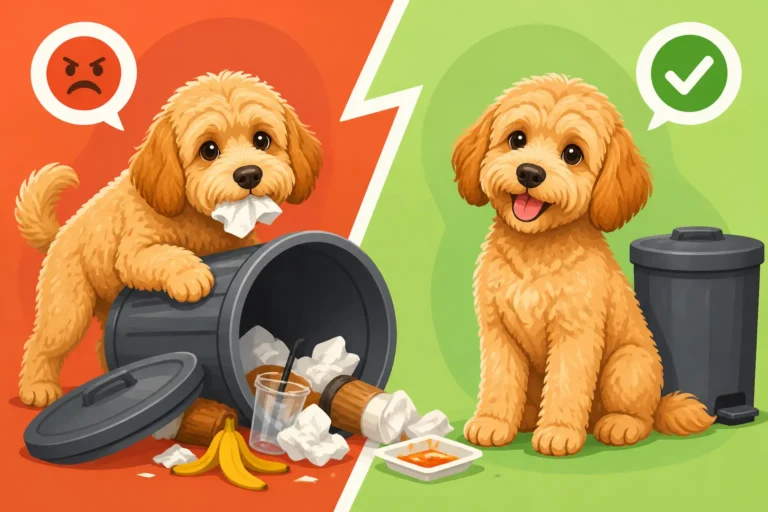
Cockapoo puppies, much like their Poodle and Cocker Spaniel parents, are naturally curious and love to explore with their mouths. This means anything within reach is fair game for chewing, from electrical cords to your favorite throw pillows. It’s not about being naughty; it’s just how they interact with their new world.
Start by getting down on your hands and knees and looking at your home from a puppy's perspective. Are there loose electrical wires they could chew? Secure them with cord covers or move them out of reach. Remove small items that could be choked on, like children's toys, loose coins, or even low-lying decorative pieces. Houseplants can be toxic, so either move them to higher shelves or consider temporary rehoming until your puppy is past the chewing phase. Make sure all cleaning supplies, medications, and chemicals are stored securely in locked cabinets. Even seemingly innocuous items like rubber bands or hair ties can cause serious internal blockages if ingested. It feels like a big task initially, but taking these steps now will save you a lot of worry and potential emergency vet visits later.
Essential Supplies for Arrival Day
Having all your puppy's necessities ready before they arrive will make the transition much smoother for everyone. Imagine scrambling to find a food bowl while your hungry puppy cries – not ideal! A shopping list is your best friend here.
First on the list should be a properly sized crate. This isn't just a cage; it's going to be your puppy's safe den, a place for quiet time, and a critical tool for potty training. Choose one large enough for them to stand, turn around, and lie down comfortably, but not so big that they can use one end as a potty area. You can get a larger crate with a divider to adjust the space as they grow. Next, you’ll need food and water bowls, preferably non-slip and easy to clean. Ask your breeder what food the puppy has been eating and try to stick with that brand for the first few weeks to avoid an upset stomach during an already stressful transition. High-quality puppy kibble is essential for their growth. Don’t forget a comfortable bed or soft blanket for their crate, and a variety of safe chew toys to redirect that natural chewing instinct. Having a few different textures and types of toys, perhaps from a brand like Amazon, can help you discover what your Cockapoo puppy prefers. A leash, collar, or harness, and potty bags complete the outdoor necessities. Having these items lined up means you can focus entirely on helping your puppy settle in during The First Week With a Cockapoo Puppy.
Creating a Safe and Cozy Den
Your Cockapoo puppy needs a designated safe space where they can retreat, feel secure, and sleep undisturbed. For most puppies, this is their crate. Introducing the crate positively is key. Never use it as punishment; it should always be a comfortable, happy place.
Place the crate in a central area of your home, like the living room or your bedroom, so your puppy doesn’t feel isolated but can still observe family activity. Drape a blanket over part of the crate to make it feel more den-like and less like an open cage. Inside, put a soft bed and a favorite chew toy. Encourage your puppy to go into the crate with treats and praise, making it a game. Feed them meals in the crate, and occasionally toss a treat inside for them to discover. The goal is for them to associate the crate with positive experiences and comfort, not confinement. When they're tired, gently guide them into their crate for naps. This consistent positive reinforcement will help them view their den as their personal sanctuary, a place where they feel safe and can truly relax.
Establishing a Routine from Day One
Dogs thrive on predictability, and Cockapoo puppies are no exception. A consistent daily routine will be your secret weapon for successful potty training, establishing good habits, and helping your puppy feel secure and confident in their new home. It removes uncertainty and allows them to anticipate what comes next, reducing anxiety.
The Importance of a Predictable Schedule
Puppies, especially young Cockapoos, have tiny bladders and stomachs, meaning they need frequent potty breaks and meals. A structured schedule helps you manage these needs effectively and prevents accidents. Think of it as a predictable rhythm to their day: wake up, potty, eat, play, potty, nap, potty, eat, play, potty, sleep.
Beyond just potty training, a routine helps integrate your puppy into your family's life. They learn when to expect attention, when it's quiet time, and when playtime is on. This consistency helps prevent common behavioral issues that stem from boredom or confusion. For instance, if your puppy knows they'll have dedicated playtime in the afternoon, they're less likely to seek out inappropriate ways to entertain themselves, like chewing furniture. It also aids in developing self-regulation; they learn to settle down for naps and understand that you will return after you leave. This isn't about being rigid, but about providing a framework that brings comfort and order to your puppy's world.
Potty Training Fundamentals
Potty training is often the biggest concern for new puppy owners, and it requires patience, consistency, and a solid routine. Cockapoos are smart, but they need clear guidance. The golden rule is simple: prevent accidents and reward successes.
Take your puppy out frequently – every 1-2 hours when they’re very young, immediately after waking up, after eating or drinking, and before bedtime. Choose a specific spot in the yard and always take them there. Use a consistent phrase like "go potty" to associate the action with the command. When they successfully relieve themselves, celebrate with enthusiastic praise and a high-value treat. Don't just give them a quick pat; make it clear they've done something wonderful! If an accident happens indoors, don't scold them. They won't understand what they did wrong, and it can make them fearful of eliminating in front of you. Simply clean it up thoroughly with an enzymatic cleaner to remove the scent and prevent them from returning to the same spot. Taking your puppy out often and rewarding heavily will reinforce the desired behavior, and you’ll find The Weeks a Cockapoo Takes to Ask to Go Out will fly by.
Here's a sample schedule you might adapt for your Cockapoo puppy:
| Time | Activity | Notes |
|---|---|---|
| 6:30 AM | Wake Up & Potty Break | Immediate trip outside, praise & treat for success |
| 6:45 AM | Breakfast | In crate or designated feeding area |
| 7:00 AM | Potty Break & Short Play | Quick outside trip after eating, then gentle play |
| 7:30 AM | Crate Time / Quiet Nap | Essential for puppies to rest and prevent accidents |
| 9:00 AM | Potty Break & Play/Training | Longer play session, start introducing basic commands |
| 10:30 AM | Crate Time / Nap | Rotate toys for mental stimulation in crate |
| 12:00 PM | Potty Break & Lunch | Followed by another potty trip |
| 12:30 PM | Supervised Play / Chewing | Engage with appropriate chew toys |
| 2:00 PM | Potty Break & Nap/Crate Time | Opportunity for handler to get things done |
| 4:00 PM | Potty Break & Play/Training | Socialization opportunities (if cleared by vet) |
| 5:00 PM | Dinner | In crate or designated feeding area |
| 5:30 PM | Potty Break | Crucial after dinner |
| 6:00 PM – 8:00 PM | Family Time / Supervised Play & Potty Breaks (multiple) | Continue frequent outdoor trips as needed |
| 8:00 PM | Last Potty Break | Essential before settling for the night |
| 8:15 PM | Bedtime in Crate | Offer a final chew toy or Kong to help settle |
This is a sample and should be adjusted to your puppy's age, specific needs, and your family's schedule.
Feeding Schedules and Nutrition
Proper nutrition is foundational for your Cockapoo puppy's healthy development. Just like us, puppies need consistent meal times to regulate their metabolism and aid in digestion. Free-feeding, where food is left out all day, can make potty training harder, lead to overeating, and isn't ideal for monitoring appetite, which can be an early indicator of illness.
Most Cockapoo puppies, especially when very young, need to eat three times a day. As they get a little older (around 4-6 months, depending on the individual and size), you can gradually transition them to two meals a day. Always follow the feeding guidelines on your chosen puppy food, adjusting as needed for your individual puppy's activity level and growth. For instance, Feeding a Toy Cockapoo might involve smaller, more frequent meals than a Maxi Cockapoo. Choose a high-quality puppy food specifically formulated for small or medium breeds, depending on your Cockapoo's expected adult size. Look for ingredients where meat is listed as the first few items. Water should always be available, fresh, and clean. Make sure to consult your vet about the best food for your individual puppy and any dietary concerns you might have.
Socialization and Early Experiences
The period from roughly 3 to 16 weeks of age is a critical socialization window for puppies. During this time, every positive new experience helps shape your Cockapoo's future temperament, making them more confident, adaptable, and less prone to fear-based behaviors as an adult. Don't underestimate the power of this phase!
The Critical Socialization Window
This crucial window is when your Cockapoo puppy is most receptive to new experiences and forming associations with the world around them. It’s when they learn what’s safe, what’s scary, and how to appropriately react to different stimuli. Missing this window can lead to a dog who is fearful, anxious, or reactive to things they haven't been exposed to positively during this formative time.
The goal isn't just exposure, but positive exposure. You want your puppy to associate new sights, sounds, people, and other dogs with pleasant feelings, not fear. This means keeping experiences brief, positive, and never forcing your puppy into a situation they're clearly uncomfortable with. Always have treats on hand and offer gentle praise. Even if your puppy can't yet walk freely in public due to vaccination status, you can carry them in a sling or a bag to expose them to the sounds of traffic, children playing, or people walking by. Think of this as building a strong foundation for a well-adjusted, confident companion.
Controlled Introductions to New Sights and Sounds
Beyond just carrying your puppy, you need to actively introduce them to a wide variety of everyday things in a safe, controlled manner. Start with sounds: play different noises at a low volume – thunderstorms, sirens, babies crying, vacuum cleaners – and gradually increase the volume as your puppy remains calm. Reward their calm behavior.
Visually, expose them to people wearing hats, sunglasses, carrying umbrellas, or using mobility aids. Let them see bikes, strollers, and even larger animals (from a safe distance, of course). The key is always to make these experiences positive. For instance, if you want your Cockapoo to be comfortable with the vacuum cleaner, bring it out, let them sniff it while it's off, give treats, then turn it on for a second far away, reward, and gradually decrease the distance. Your aim is to teach them that unusual things aren't necessarily threats. This helps prevent them from becoming shy or reactive to common stimuli as they grow, contributing to a happy, confident dog that can manage at home and in various public settings.
Meeting Other Dogs and People Safely
Socialization also extends to appropriate interactions with other living beings. When your puppy has received their initial vaccinations and your vet gives the green light, enroll them in a puppy class. These classes offer a controlled environment for puppies to interact, learn basic manners, and build confidence.
Outside of classes, arrange playdates with healthy, vaccinated, adult dogs who are known to be gentle and well-socialized. Avoid dog parks until your puppy is older, fully vaccinated, and has good recall, as they can be overwhelming and scary for a young puppy. When introducing your Cockapoo to new people, encourage them to offer a treat or engage in gentle play. Ensure that children know how to interact respectfully with a puppy, avoiding pulling tails or ears. Always supervise interactions closely, and if your puppy seems overwhelmed, remove them from the situation. The goal is positive association – every new person or dog should mean fun and treats, not fear. Where to Take a Cockapoo Puppy Before Full Cover is a common concern, and controlled home visits or puppy classes are often the safest bet.
Foundations of Obedience Training
Training your Cockapoo puppy is about more than just teaching commands; it's about building a strong bond, establishing clear communication, and nurturing their natural intelligence. Cockapoos are eager to please and generally intelligent, making them a joy to train with the right approach.
Positive Reinforcement and Lure-Reward Training
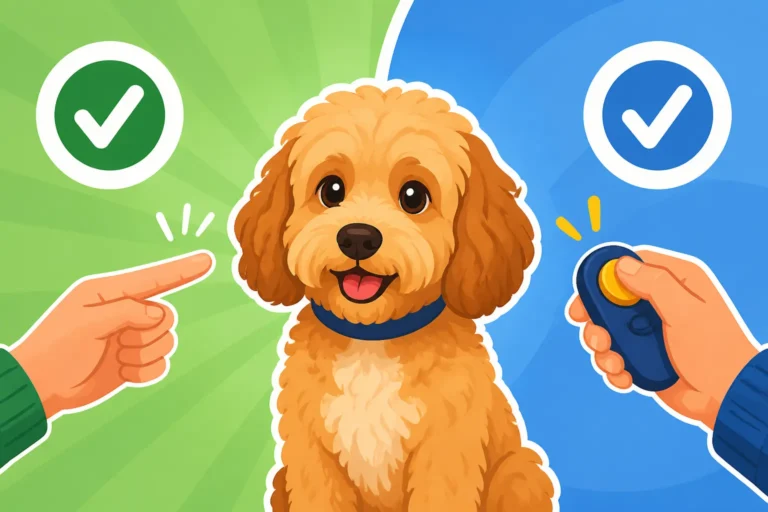
The most effective way to train a Cockapoo puppy is through positive reinforcement. This means rewarding desired behaviors, which makes your puppy more likely to repeat them. Punishment, on the other hand, can create fear, damage your bond, and suppress behaviors without teaching an alternative.
Lure-reward training is a fantastic method for puppies. Use a tasty treat (their kibble, small pieces of cheese, or cooked chicken work wonders) to guide them into a desired position. For example, to teach "sit," hold a treat near their nose and slowly move it back and over their head. As their nose follows the treat, their rear end will naturally lower into a sit. The moment their bottom touches the ground, say "yes!" or "good!" and give them the treat. Repeat this many times in short, fun sessions throughout the day. Once they consistently sit when lured, start adding the verbal cue "sit" just before you lure them. Eventually, they'll associate the word with the action. Consistency and keeping training sessions short and positive are key. For more in-depth guidance, online platforms like BAXTER & Bella offer comprehensive puppy training programs that utilize these effective, positive methods.
Teaching Basic Commands: Sit, Stay, Come
These foundational commands are not just tricks; they are vital for your Cockapoo’s safety and your peace of mind. "Sit" and "stay" can prevent your puppy from bolting out the door or jumping on guests. "Come" (recall) is perhaps the most important, a life-saving command that ensures your puppy returns to you when called, even in distracting environments.
Start with "sit" as described above. Once they've mastered "sit," you can move to "stay." Have them sit, say "stay," and take one step back. If they remain, step back, release them with a happy "okay!" or "free!", and reward. Gradually increase distance and duration. For "come," use a happy, excited voice. Crouch down, open your arms, and call their name followed by "come!" As they approach, reward them enthusiastically. Practice in a quiet, enclosed area first, then gradually introduce distractions. Never use "come" when you're angry or to do something unpleasant (like giving medication), or they might associate it with negative experiences. Remember, What a Cockapoo Puppy Should Learn First should always focus on these core life skills.
Managing Nipping and Biting
Puppy nipping and biting is a common and often frustrating phase for new Cockapoo owners. Puppies explore with their mouths, and they also learn bite inhibition (how hard they can bite) through playing with their littermates. When they come home, they need you to teach them appropriate bite pressure.
It's natural, but it needs to be managed. When your puppy nips too hard, immediately let out a high-pitched yelp, as a littermate would, and withdraw your hand. If they continue, calmly remove yourself from the situation (get up and walk away) or put your puppy in a brief "time out" in their crate for a minute or two. The message is: "If you bite too hard, playtime stops." Redirect their biting to appropriate chew toys. Always have a suitable toy ready to offer when they start to mouth you. This teaches them what they can bite. Be consistent, and everyone in the household needs to follow the same rules. This phase will pass as their needle teeth go, but consistent guidance is vital for them to learn appropriate mouth manners.
Grooming and Handling Early On
Many Cockapoo owners are drawn to the breed's adorable looks and reputation for being low-shedding. However, this beautiful coat comes with grooming responsibilities. Starting early and making grooming a positive experience is paramount to avoiding future struggles and expensive de-matting sessions.
Introducing Brushing and Combing
Your Cockapoo puppy's coat, whether wavy or curly, will eventually require regular brushing to prevent mats and tangles. Waiting until they are older and matted to introduce grooming tools can lead to fear and resistance.
Start with short, positive sessions right away, even before they have a lot of coat to brush. Use a soft slicker brush and a wide-toothed comb, perhaps from a selection you can find on Amazon. Gently brush a small section of their body, like a leg or their back, for just a minute or two. Follow immediately with a treat and praise. The goal isn't to get them perfectly brushed initially, but to associate the brush with good things. Gradually increase the duration and coverage of your sessions, making sure to work through all layers of the coat, especially in areas prone to matting like behind the ears, armpits, and groin. This early desensitization is crucial for them to learn that brushing is a normal, even pleasant, part of life. Remember, How Early a Cockapoo Should Meet a Groomer means starting these home sessions almost immediately.
Desensitization to Nail Trims and Ear Cleaning
Beyond brushing, your Cockapoo will need regular nail trims and ear cleanings. These are often dreaded by both dogs and owners if not introduced properly in puppyhood. Fear of these procedures can lead to struggles, pain, and even aggression.
For nail trims, start by simply touching your puppy's paws and toes, again, pairing it with treats and praise. Get them comfortable with you handling their feet. Then, introduce the nail clippers or grinder. Don't even clip a nail initially; just show them the tool, let them sniff it, and give a treat. Gradually progress to touching the clippers to a nail, then just snipping off the very tip of one nail, rewarding heavily. Build up slowly. The same goes for ear cleaning. Gently lift their ears, touch the inside, and give a treat. Introduce ear cleaning solution by letting them sniff it, then put a tiny bit on a cotton ball and gently wipe the outer folds of their ear. Always reward calm behavior. The more positive these early experiences are, the less stressful these essential hygiene tasks will be throughout their life.
Making Bath Time a Positive Experience
While Cockapoos don't need daily baths, regular washing is necessary to keep their coat clean and healthy, especially if they have an active outdoor lifestyle. A traumatic first bath can create a lifelong aversion to water.
Start with warm water, not too hot or cold, and use a gentle, puppy-safe shampoo. Make the bathroom a positive space. You can put a non-slip mat in the tub or use a small basin. Begin by gently wetting their paws, rewarding calm behavior. Slowly move to their body, using a soft voice and plenty of praise. Avoid getting water or shampoo in their eyes or ears. If they show signs of stress, take a break. Once clean, gently towel dry them, offering treats. You can introduce the sound of a hairdryer from a distance, again, pairing it with treats, before ever using it on their coat. The key is to make it a gradual, low-stress process where they feel safe and comfortable. If you’re really struggling, a professional groomer can help Teach a Cockapoo to Accept the Groomer but starting at home with positive experiences is always best.
Understanding Cockapoo Specific Behaviors
Cockapoos are a wonderful blend of their parent breeds, the Cocker Spaniel and the Poodle. This means they inherit a unique mix of traits, some of which require understanding and specific management strategies from puppyhood.
Managing the Cocker's Flushing Drive
One of the defining characteristics inherited from the Cocker Spaniel side is a strong flushing drive. Cocker Spaniels were originally bred to flush out game birds from dense cover, and this instinct is often present in Cockapoos. This can manifest as an intense interest in birds, squirrels, or anything small and quick moving, and a tendency to "quarter" (zigzag search) in grassy areas.
While adorable, this instinct can make recall challenging if your Cockapoo spots something interesting on a walk. It’s not that they're ignoring you; their instincts are just incredibly powerful. Therefore, early and consistent recall training is paramount. Practice "come" in a variety of environments, always making coming back to you the most rewarding thing they can do. Consider using a long line in safe, open areas to allow them to explore scents while still being securely attached. The Flushing Drive Still Alive in a Cockapoo means you need to be proactive in channeling this energy, perhaps through scent games or engaging toys, rather than letting it become a problem.
Addressing Poodle Intelligence and Curiosity
From their Poodle lineage, Cockapoos inherit keen intelligence and a natural curiosity. This makes them highly trainable and quick learners, but it also means they require mental stimulation to prevent boredom. A bored Cockapoo is often a destructive Cockapoo!
This intelligence can be a double-edged sword. While it makes teaching commands easier, it also means they'll quickly figure out how to open cabinets, solve puzzle toys, or even try to counter surf if not appropriately challenged. Incorporate daily brain games into their routine: puzzle feeders, sniff mats, or hiding treats for them to find. Short, engaging training sessions not only teach them new skills but also provide much-needed mental exercise. Embrace their cleverness by giving them appropriate outlets for it. If they aren't given productive ways to use their brains, they'll invent their own, which might not always align with your household rules.
Dealing with Separation Sensitivity
Both Poodles and Cocker Spaniels are breeds known for forming strong bonds with their families, and this often translates into Cockapoos. While lovely, this can sometimes lead to separation sensitivity or anxiety if not managed from puppyhood. They love to be with their people!
It’s tempting to constantly cuddle your new puppy, but it’s vital to teach them that being alone is okay and not something to fear. Start with very short periods of separation from day one. Put your puppy in their crate with a high-value, long-lasting chew toy (like a Kong filled with peanut butter) and leave the room for just a minute or two. Return before they start to fuss. Gradually increase the duration of these absences. Don’t make a big fuss when you leave or return; keep it calm and low-key. This teaches them that you always come back and that being alone can be a relaxing time. Ensuring your puppy has learned How Many Hours a Cockapoo Can Be Left is a gradual process that requires patience and consistency.
Health and Wellness in Puppyhood
Beyond training and socialization, ensuring your Cockapoo puppy's physical health is paramount. A healthy puppy is a happy puppy, and establishing good veterinary care from the start will lay the groundwork for a long, healthy life.
First Vet Visits and Vaccinations
One of the first things you'll do after bringing your Cockapoo puppy home is schedule a visit with your veterinarian. This initial check-up is incredibly important. Your vet will perform a thorough physical examination to ensure your puppy is healthy, check for any congenital issues, and discuss their vaccination schedule.
Puppies typically receive a series of vaccinations to protect them from serious and potentially fatal diseases like distemper, parvovirus, adenovirus, and rabies. Your vet will outline the specific schedule based on your puppy's age and local disease prevalence. It's crucial to complete this entire series to ensure your puppy has full protection. Until they are fully vaccinated, it's generally advised to limit their exposure to public places where unvaccinated dogs might frequent, such as dog parks. Your vet will also discuss deworming protocols and heartworm prevention. This first visit is also a great opportunity to ask any questions you have about their specific breed mix, The Five Certificates a Cockapoo Breeder Should Show, and general puppy care.
Parasite Prevention
Puppies are particularly susceptible to internal and external parasites, which can significantly impact their health. These tiny invaders can cause a range of issues, from discomfort to serious illness.
Your vet will likely recommend a deworming schedule for your Cockapoo puppy, as many puppies come with intestinal worms acquired from their mother. Regular fecal exams can help identify any parasites. Beyond intestinal worms, fleas, ticks, and heartworms are significant concerns. Fleas can cause intense itching, skin infections, and even transmit tapeworms. Ticks can transmit various serious diseases like Lyme disease. Heartworms, carried by mosquitoes, can cause severe lung disease and heart failure. Fortunately, there are many effective preventive medications available. Your vet will help you choose the best monthly or quarterly preventive treatment for your Cockapoo based on your location and lifestyle. Sticking to this schedule is critical for keeping your puppy parasite-free.
Recognizing Signs of Illness
As a new Cockapoo owner, you'll quickly learn your puppy's normal behaviors, energy levels, and appetite. Any significant deviation from this norm can be a sign of illness and warrants a call to your vet. Don't hesitate to seek veterinary advice if you're concerned; it's always better to be safe than sorry.
Key signs to watch out for include changes in appetite or water intake, lethargy or unusual sluggishness, vomiting, diarrhea, difficulty breathing, limping, excessive scratching or licking, frequent urination, or any sudden changes in behavior. For example, if your normally playful puppy seems withdrawn and uninterested in food, it's a red flag. Puppies can dehydrate quickly, so persistent vomiting or diarrhea is always an emergency. Familiarize yourself with these potential warning signs, and have your vet's contact information readily available. Understanding What an Untested Cockapoo Costs You in Year Two can often highlight the importance of proactive health monitoring and early intervention.
Advancing Training and Problem Solving
As your Cockapoo puppy matures through adolescence, their training journey continues. While the puppy phase is full of foundational learning, the adolescent period often brings new challenges and opportunities for more advanced training.
Beyond Basic Obedience
Once your Cockapoo has a solid grasp of basic commands, you can start to expand their repertoire. This not only keeps their intelligent Poodle brain engaged but also strengthens your bond and makes them a more well-behaved companion in various situations.
Consider enrolling in intermediate obedience classes or exploring dog sports like agility, scent work, or canine freestyle. Cockapoos, with their intelligence and athleticism, often excel in these activities. Learning advanced commands like "leave it" (crucial for preventing them from eating something dangerous on a walk), "drop it" (to give up an item they shouldn't have), or working on a solid "stay" with distractions can be incredibly rewarding. Think about what activities you enjoy and how your Cockapoo can participate. Maybe it's hiking, where a reliable "come" and good leash manners are essential, or visiting friends, where a calm "place" command is helpful. Continuously challenging your Cockapoo mentally will prevent boredom and solidify good manners. Whether a Cockapoo Learns Faster Than a Cocker is often a question, and with their Poodle smarts, many Cockapoos pick up new concepts quickly!
Addressing Common Adolescent Challenges
The adolescent phase, typically from around 6 months to 18-24 months, can feel like a step backward in training. Your once perfectly behaved puppy might suddenly seem deaf to commands, test boundaries, or develop new, frustrating behaviors. This is a normal part of development, similar to human teenagers.
Common challenges include increased selective hearing (especially for recall), renewed chewing or destructive behavior, increased reactivity to other dogs or people, and a surge in energy. Your Cockapoo isn't being stubborn or malicious; their hormones are shifting, and they're testing their independence. The key is to remain consistent and patient. Double down on training, practice commands in increasingly distracting environments, and provide plenty of physical and mental exercise. If they're chewing inappropriately, ensure they have ample appropriate chew toys. If recall is faltering, go back to basics in a secure area, making coming to you the most exciting thing ever. This phase requires understanding, but with continued effort, your Cockapoo will emerge as a well-rounded adult.
Seeking Professional Help
While many puppy challenges can be overcome with consistent home training, there are times when professional guidance is invaluable. Don't view seeking help as a failure; view it as an investment in your Cockapoo's well-being and your relationship.
If you're struggling with specific behavioral issues like excessive barking, separation anxiety, aggression towards other dogs or people, or if you feel overwhelmed by training, a certified professional dog trainer or a veterinary behaviorist can provide tailored strategies. They can observe your Cockapoo, identify the root cause of the behavior, and teach you effective, humane methods to address it. Look for trainers who use positive reinforcement techniques and have experience with Cockapoos or similar breeds. Your vet can often provide recommendations for reputable professionals in your area. Sometimes, an objective perspective and expert knowledge are all you need to get back on track and ensure your Cockapoo grows into a happy, confident, and well-behaved companion.
Disclaimer
This article is for general informational purposes only and does not constitute professional advice. Laws, prices and regulations vary by location and change over time. Consult a qualified professional for guidance on your specific situation.