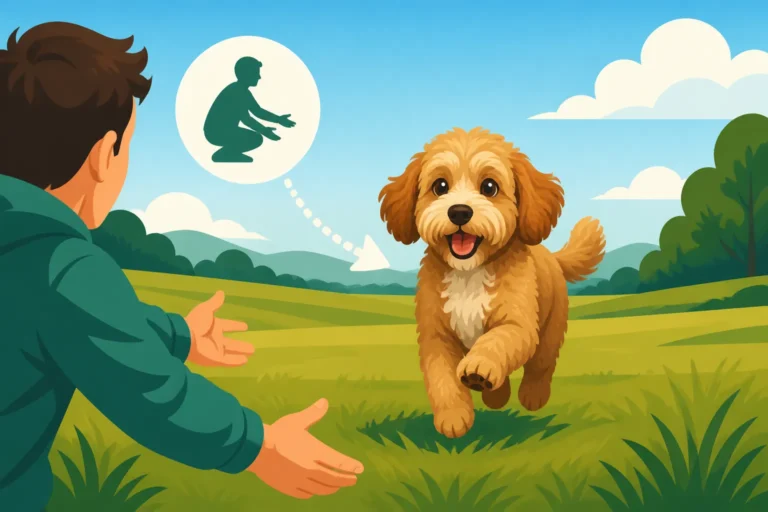
Whether a Cockapoo Works Harder for Scent Than Food
It's a question many Cockapoo parents ponder: what truly gets their furry friend's tail wagging and their brain engaged more – a tasty morsel or an intriguing scent? We often default to food rewards because, let's face it, they're easy, immediate, and undeniably effective for many dogs. But if you've ever seen your Cockapoo seemingly go "deaf" the moment their nose hits a particularly exciting trail, you'll know that scent can be a powerful, almost primal, motivator. This guide will dive deep into understanding your Cockapoo's unique drives, helping you discover whether scent or food holds more sway for your individual companion, and how to harness both for optimal training and enrichment.
Understanding Your Cockapoo's Innate Drives: The Scent Connection
Cockapoos are a wonderful blend of two intelligent, driven breeds: the Cocker Spaniel and the Poodle. Both bring their own unique contributions to the table when it comes to motivation, and understanding these ancestral traits is key to figuring out what makes your particular pup tick. It's not always a simple answer, as the "mix" means you get a wonderful cocktail of possibilities!
The Cocker Spaniel's Legacy: A Nose for Adventure
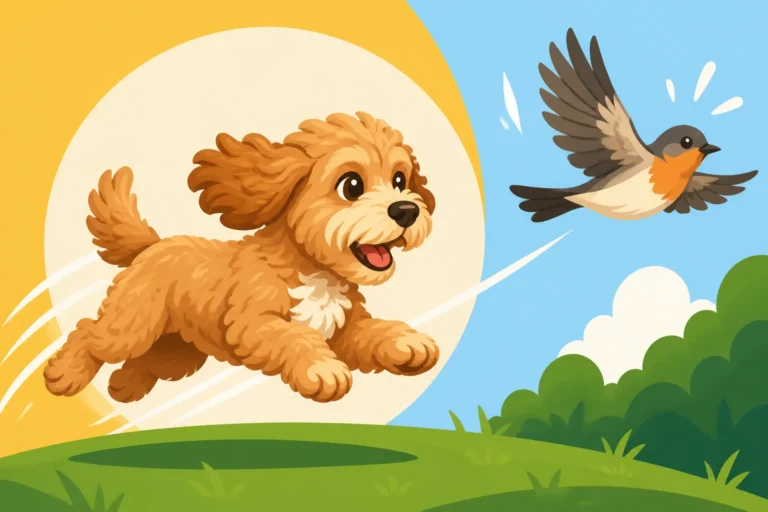
Let's talk about the Cocker Spaniel side first. These dogs were originally bred as gun dogs, specifically designed to flush game birds from dense cover. What does that mean for their nose? It means they have an incredible, highly developed sense of smell and a deep-seated instinct to follow those tantalizing wafts of scent. When a Cocker Spaniel picked up a scent, their job was to ignore everything else – every other sight, sound, and yes, even the promise of a treat – and focus solely on the trail, driving the game out for the hunter. This isn't just a quirky habit; it's thousands of years of selective breeding making them truly exceptional scent hounds.
This intense focus on scent often translates directly to your Cockapoo. You might notice it on walks: their nose is glued to the ground, pulling them along a fascinating trail, oblivious to your calls. They're not being stubborn or disobedient; they're simply responding to an instinctual drive that is incredibly powerful. For many Cockapoos, the thrill of tracking a scent, whether it's a rabbit that ran through the yard or the remnants of someone's dropped sandwich on the sidewalk, is an almost irresistible force. It's their heritage bubbling to the surface, showing us The Flushing Drive Still Alive in a Cockapoo. This drive to explore the world through their nose can be a huge asset in training if you know how to tap into it.
The Poodle's Intelligence: Working for Reward
Then we have the Poodle side – a breed renowned for its intelligence, trainability, and versatility. Poodles were originally water retrievers, which also required a strong drive and focus. While not as singularly scent-driven as a spaniel for ground trails, Poodles are incredibly smart and eager to please, especially when there's a clear reward. They excel in obedience, agility, and even advanced scent detection work, proving they can be motivated by a wide range of rewards, from food to toys to praise.
The Poodle's influence means your Cockapoo likely has a strong capacity for learning and problem-solving. They understand cause and effect very well: "If I do X, I get Y." This makes them highly receptive to traditional, food-based training methods, where a quick treat follows a desired behavior. They are quick studies, and their desire for interaction and mental stimulation means they often thrive when given tasks and challenges. They appreciate a clear "job" and the satisfaction of a reward well-earned.
The Hybrid Vigor: A Blend of Both Worlds
When you combine these two incredible breeds, you get the Cockapoo – a dog that often embodies the best of both worlds. Many Cockapoos inherit the Cocker's insatiable curiosity for scent and the Poodle's sharp mind and desire to work. This can manifest in a dog that is highly motivated by both food and scent, making them incredibly versatile in training. However, it also means that sometimes one drive might temporarily overshadow the other, depending on the situation.
For instance, your Cockapoo might be a super star in obedience class, perfectly executing "sit" and "stay" for a piece of chicken. But the moment you step outside and they catch a whiff of something truly exciting, that food reward might suddenly seem insignificant compared to the primal thrill of following that trail. It’s not that they don’t like food anymore; it’s that their brain has switched into "hunter mode," and the scent has become the ultimate, most rewarding experience at that particular moment. Understanding this dynamic is crucial for effective training, especially when working on things like Recall on a Cockapoo That Has Found a Scent.
The Power of Food as a Motivator for Cockapoos
For most dog owners, food is the default and often the most straightforward way to motivate their Cockapoo. It’s universally understood by dogs and provides immediate, tangible gratification.
Food's Universal Appeal: Instant Gratification
Think about it: a piece of delicious chicken or a favorite crunchy treat is an undeniable, immediate reward for most dogs. When you're teaching a new command like "sit" or "down," being able to instantly place a treat in your Cockapoo's mouth the second their rear hits the ground or their body relaxes is incredibly powerful. This instant positive reinforcement helps them quickly connect the action with the reward. There's no ambiguity, no waiting for a game to unfold; it's a simple transaction that speaks directly to their most basic desires.
This immediate gratification makes food an excellent tool for shaping behaviors, especially in the early stages of training. It helps build a strong foundation of understanding and trust, showing your Cockapoo that listening to you leads to good things. Many Cockapoos are highly food-motivated, a trait often enhanced by the Poodle's biddable nature, making them eager participants in any activity that involves snacks.
Types of Food Rewards and Their Effectiveness
Not all food is created equal in the eyes (or noses!) of a Cockapoo. Just like us, they have their preferences, and understanding the hierarchy of treats can significantly boost your training success.
- Low-Value Treats: These are typically your Cockapoo's regular kibble or common, easily available store-bought biscuits. They're great for everyday training in low-distraction environments, like practicing commands in your living room. They keep your dog engaged without over-stimulating them or over-feeding.
- Medium-Value Treats: Think slightly more interesting options, like small pieces of store-bought soft training treats or plain Cheerios. These are good for practicing in moderately distracting environments, like your backyard, or for reinforcing behaviors they already know well but need to perform with a bit more focus.
- High-Value Treats: This is where you pull out the big guns! Small pieces of cooked chicken, cheese, hot dogs, liverwurst, or even special gourmet training treats. These are essential for teaching new, challenging behaviors, working in highly distracting environments (like a park), or when you need to really capture and hold your Cockapoo's attention. When trying to teach something tricky, or to regain focus when they are tempted to ignore you, high-value treats are your best friend.
You can purchase a variety of treats on platforms like Amazon, from standard training kibble to more specialized, softer options that are easy to break into tiny pieces. Experiment to see what your Cockapoo considers "high value." Some dogs go crazy for cheese, while others prefer chicken. Remember to keep treat sizes very small to avoid over-feeding.
When Food Might Fall Short: Distractions and Drive
As much as food is a powerful motivator, there are indeed times when it simply isn't enough, especially for a Cockapoo. If your dog has a particularly strong Cocker Spaniel influence, or is just having an "off" day where their nose is leading the way, even the most delicious piece of chicken might get completely ignored. This is particularly true in outdoor environments where novel scents abound.
Imagine you're at the park, trying to practice recall with your Cockapoo. They spot a squirrel, or even worse, catch a whiff of a fascinating scent trail left by another dog or wildlife. You wave their favorite high-value treat, call their name, and they might not even lift their head from the ground. In these moments, their innate scent drive has completely taken over. It’s a powerful, primal instinct that, for some Cockapoos, can override even the most tempting culinary offer. It's when Whether a Cockapoo Ignores You Once It Scents Something becomes a very real challenge. Understanding this isn't a failure on your part, but rather an insight into the profound influence of their genetics.
Tapping into the Cockapoo's Superior Scent Drive
While food is great, for many Cockapoos, scent work isn't just a motivator; it's an entire world of engagement, an intellectual challenge, and a deeply satisfying activity that fulfills their natural instincts.
The Irresistible Call of the Nose: Why Scent Dominates
For a dog like a Cockapoo, with a strong hunting heritage from the Cocker Spaniel, the act of finding something using their nose can be far more intrinsically rewarding than simply eating a treat that's handed to them. It taps into their natural prey drive and problem-solving abilities. The anticipation, the chase (even if it's just following a scent trail), and the ultimate discovery are all incredibly stimulating and fulfilling.
Think of it like a puzzle. Eating a piece of food is like being handed the answer. Solving a scent puzzle, however, is like working through the clues, using their amazing sense of smell to unravel a mystery. This mental engagement is often far more exhausting and satisfying for a Cockapoo than a purely physical activity. It engages their brain in a way that simply asking for a "sit" and rewarding with a treat often doesn't. This deep engagement is why, for many, scent can be a more potent and enduring motivator than food alone, especially for complex tasks or in distracting environments.
Practical Scent Work for Training and Enrichment
Harnessing your Cockapoo's scent drive can open up a whole new world of training and enrichment. You don't need to be a professional detector dog trainer to incorporate fun and stimulating scent work into your daily routine.
Here are a few ideas:
- "Find It" Games: Start simple. Hide a treat or a favorite toy in plain sight, say "Find it!", and let your Cockapoo sniff it out. Gradually increase the difficulty by hiding it under a towel, behind a chair, or in another room.
- Snuffle Mats and Puzzle Toys: These are fantastic for engaging their nose and brain. A snuffle mat (easily found on Amazon) allows you to hide kibble or small treats in fabric folds, forcing your Cockapoo to sniff and forage. Puzzle toys achieve a similar goal, requiring them to manipulate parts to release food.
- Scent Trails in the Yard: Drag a high-value treat along a winding path in your yard, then hide the treat at the end. Encourage your Cockapoo to follow the scent. This mimics natural tracking behavior and can be incredibly rewarding.
- Official Scent Work Classes: If your Cockapoo truly loves nose work, consider enrolling in a formal scent work class. Organizations like the American Kennel Club (AKC) offer Scent Work titles, where dogs learn to identify specific target odors. It's an amazing way to fulfill their instincts and build confidence. You'd be amazed at how much they love it, and how it can make them feel like they have a "job." This is a perfect example of Scent Work That Satisfies a Cockapoo.
Combining Scent and Food Rewards for Maximum Impact
While some Cockapoos might prefer scent work, and others food, the most effective strategy often involves combining both. Think of it as a motivational superpower. You can use food to initially teach a behavior, then transition to scent-based rewards or integrate scent as a higher-level reward.
For example, when training a recall, you might start by always rewarding your Cockapoo with a high-value treat when they come. Once they're reliably coming back, you can sometimes reward them by throwing a handful of treats into the grass for them to "find," or by playing a quick game of "find the toy" that you've quickly hidden nearby. This elevates the reward beyond a simple snack, adding the exciting element of discovery.
You could also embed food within scent work. For instance, creating a scent discrimination game where your Cockapoo has to find a specific scented object, and the reward for finding it is a super tasty treat hidden with the object. This blends the thrill of the hunt with the satisfaction of the gastronomic prize, often getting a better response than either motivator used alone. It’s all about making training a dynamic and engaging experience for your Cockapoo.
Tailoring Your Approach to Your Unique Cockapoo
Ultimately, every Cockapoo is an individual, and what truly motivates one might be different for another. Observing your dog's specific reactions and preferences is the most critical step in figuring out their motivational sweet spot.
Observing Your Dog's Preferences: The Key to Success
No amount of advice can replace spending time watching your own dog. Pay close attention to how your Cockapoo reacts in different situations.
- When do they tune you out? Is it always when their nose is to the ground? Or when they're simply not interested in the treat you're offering?
- What genuinely excites them? Is it the rustle of a treat bag, or the moment you step outside and they catch a new smell?
- Do they work harder for a difficult puzzle that leads to a tiny reward, or an easy treat for a simple trick?
Keep a mental note, or even a literal journal, of what makes your Cockapoo most engaged and responsive. Some might have a stronger Poodle drive, making them very food-motivated and eager to please in a structured way. Others might lean more into their Cocker Spaniel heritage, becoming utterly absorbed by a scent trail. Don't fall into the trap of thinking one motivator is "better" than the other; it's about finding what works best for your furry family member. This personal touch is often why Whether a Cockapoo Would Rather Have Cheese or a Word depends entirely on the dog!
Environmental Factors and Situational Motivation
It's also important to remember that motivation isn't a static thing. What works wonderfully in your quiet living room might completely fail at a bustling dog park. The environment plays a huge role in how competing stimuli affect your Cockapoo's focus and what motivates them most effectively.
| Environment | Primary Motivator Strategy | Notes |
|---|---|---|
| Quiet Home | High-value food, praise, low-value treats | Great for learning new cues; less distraction. |
| Familiar Backyard | Medium-value food, short scent games, praise | Some distractions but still relatively controlled. |
| Busy Park/Trail | High-value food (rarely), strong scent work | Scent competition is high; food may be ignored. Focus on natural drives. |
| New Environment | Novelty, exploratory sniff walks, high-value food | Curiosity is high; use new scents as rewards; food for refocusing. |
In a highly stimulating outdoor environment, your Cockapoo's natural sniffing and exploring instincts often kick into overdrive. This is where leaning into their scent drive can be far more effective than trying to compete with a treat. Instead of getting frustrated that they aren't listening to "come" for a hot dog, try to make coming to you part of a fun "find the hidden treat" game, where the process of finding is the primary reward. This kind of nuanced approach helps build Building a Recall a Cockapoo Answers that holds up in the real world.
Incorporating Play and Praise: A Holistic Approach
While we've focused heavily on food and scent, it's crucial to remember that your Cockapoo is also motivated by play, affection, and verbal praise. A holistic approach to motivation combines all these elements to create a well-rounded and deeply bonded training experience.
Play can be an incredibly powerful reward, especially for a high-energy breed like the Cockapoo. A quick game of tug, a chase after a favorite squeaky toy (like those available from BAXTER & Bella or on Amazon), or a session with a flirt pole can reinforce desired behaviors just as effectively as food, sometimes even more so because it's interactive and fun. For dogs who love to play, making play the reward for a job well done can make them incredibly eager to work with you.
Don't underestimate the power of your voice and touch, either! Enthusiastic "Good dog!" and a loving scratch behind the ears can reinforce positive behaviors and strengthen your bond. For some sensitive Cockapoos, harsh words can be very detrimental, so always aim for positive, upbeat interactions. Whether a Marker Word Beats a Clicker on a Cockapoo often comes down to individual preference, but a happy, encouraging tone is always a winner. By blending food, scent, play, and praise, you create a rich tapestry of motivators that keeps your Cockapoo engaged, happy, and eager to learn, truly optimizing their potential.
Disclaimer
This article is for general informational purposes only and does not constitute professional advice. Laws, prices and regulations vary by location and change over time. Consult a qualified professional for guidance on your specific situation.