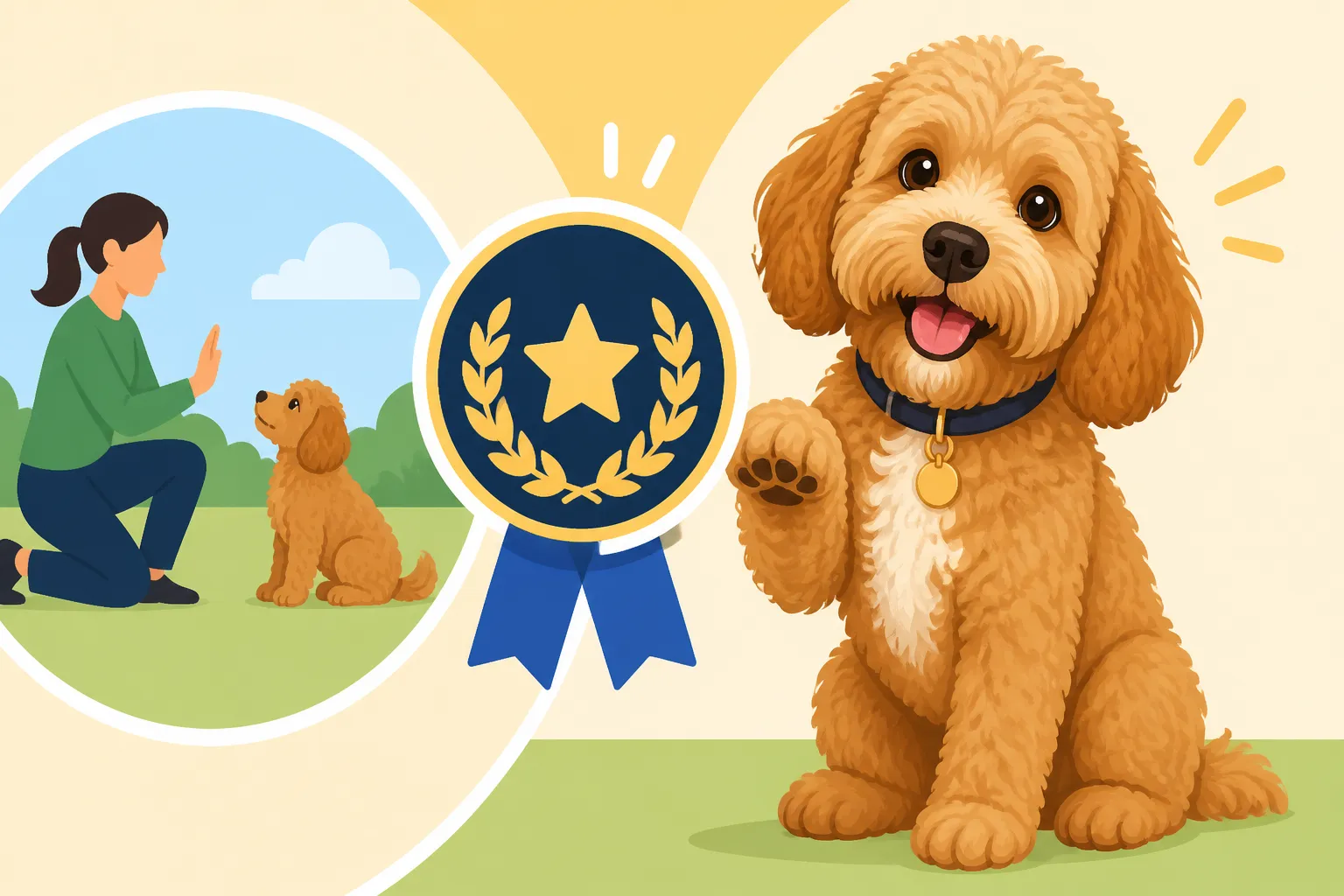
Whether a Cockapoo Passes an Obedience Title
It’s a common scenario for many Cockapoo owners: you’re at the park, admiring a perfectly behaved dog performing tricks on command, or maybe you've seen videos of dogs acing formal obedience trials. A little voice in your head wonders, "Could my mischievous, squirrel-chasing, endlessly energetic Cockapoo ever do that?" You love your Cockapoo fiercely, but sometimes their boundless enthusiasm and independent streak make the idea of them earning an obedience title seem like a far-fetched dream. This guide is here to tell you that not only is it possible for a Cockapoo to achieve formal obedience titles, but it’s also a deeply rewarding journey that strengthens your bond and unlocks new potentials for your furry family member.
Understanding Obedience Titles and the Cockapoo Temperament
When we talk about obedience titles, we're venturing beyond basic 'sit' and 'stay' into the realm of structured, precise command execution. This might sound intimidating, especially if your Cockapoo is more famous for greeting visitors with an ecstatic leap than a polite sit. However, understanding what these titles entail and how your Cockapoo's unique blend of traits plays into it is the first step.
What Does an Obedience Title Actually Mean?
An obedience title isn't just about a dog knowing commands; it's about reliable performance under various conditions, demonstrating a strong partnership between dog and handler. These titles are often awarded through organizations that set specific rules and exercises. For instance, many organizations offer titles like Companion Dog (CD), Companion Dog Excellent (CDX), and Utility Dog (UD).
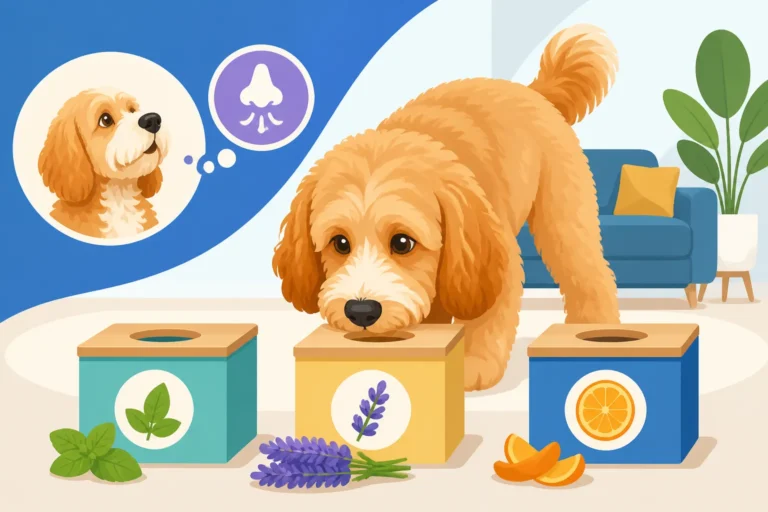
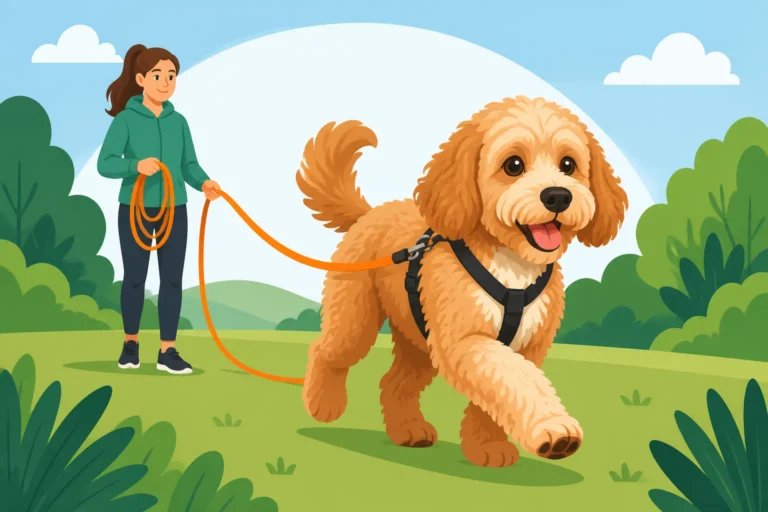
The Companion Dog (CD) title is often the entry-level, focusing on foundational exercises. Dogs must reliably perform heel on leash and off leash, stand for examination, recall when called (come), and perform a long sit and a long down stay. Imagine your Cockapoo staying perfectly put while you walk across a room and back, or trotting happily beside you without a leash, ignoring every interesting sniff and sound. That's the goal! Moving up to Companion Dog Excellent (CDX) introduces more complex challenges, often involving retrieving dumbbells, broad jumps, and out-of-sight stays. The Utility Dog (UD) title is for the true superstars, with exercises like scent discrimination, signal exercises (commands given by hand signals only), and directed retrieving. While these levels require significant dedication, it's a testament to a dog's intelligence and training, and many Cockapoos absolutely thrive in this structured environment.
The Cockapoo's Innate Qualities for Obedience
Your Cockapoo, with its Poodle and Cocker Spaniel heritage, actually comes equipped with a fantastic toolkit for obedience training. From the Poodle side, you get incredible intelligence and an eagerness to please. Poodles are renowned for their trainability and sharp minds, often excelling in complex tasks and quickly grasping new concepts. This means your Cockapoo is likely to pick up commands faster than many other breeds. They genuinely enjoy learning and engaging with their people.
Then there's the Cocker Spaniel influence, which brings biddability and a cheerful disposition. Cockers are typically sweet-natured, loyal, and want to be involved in whatever their family is doing. This combination often results in a dog that is not only smart enough to understand what you want but also motivated by your praise and affection to deliver it. They thrive on positive reinforcement and the joy of working alongside you. This inherent willingness to please, coupled with their brainpower, forms a strong foundation for any level of obedience training.
Challenges Posed by the Cockapoo's Heritage
Despite their many talents, Cockapoos aren't without their unique quirks that can make obedience training a delightful challenge. The Cocker Spaniel in them means they often have a strong hunting or "flushing" drive. This instinct to discover and pursue scents can be incredibly distracting, especially when you're trying to get them to focus on you in an environment full of tempting smells, like a park or an outdoor training venue. The Flushing Drive Still Alive in a Cockapoo is a real phenomenon that can make recall a game of chance if not properly addressed.
Imagine your Cockapoo is doing a perfect heel, and then a sudden gust of wind carries the tantalizing scent of a rabbit or an interesting patch of grass. Their nose can immediately take over, leading them to "go deaf" to your commands. This isn't defiance; it's instinct. Similarly, their boundless energy, while charming, can sometimes manifest as a short attention span in the face of repetition, or an over-excitement that makes calm, focused work difficult. It's about recognizing these tendencies and developing strategies to channel them, rather than fighting against them. Understanding that these are natural inclinations, not character flaws, helps you approach training with more patience and effective methods.
Preparing Your Cockapoo for Formal Obedience Training
Successfully navigating formal obedience trials starts long before you ever step foot in a competition ring. It begins with building a strong relationship, establishing clear communication, and consistently reinforcing good habits in everyday life. Think of it as building a house – a solid foundation is absolutely essential for a sturdy structure.
Laying the Foundation with Puppy Classes and Basic Manners
The earliest days with your Cockapoo puppy are crucial. Puppy classes are fantastic for socialization, exposing your young pup to new sights, sounds, people, and other dogs in a controlled, positive environment. This early exposure helps them develop into confident, well-adjusted adults, which is a huge asset in the potentially stressful environment of an obedience trial. More than just teaching basic commands, these classes teach you how to communicate effectively with your dog using positive reinforcement, rewarding desired behaviors with treats, praise, or toys.
Consistency is truly key. Everyone in the household needs to use the same commands and expectations. If "sit" means one thing to you and another to your partner, your Cockapoo will become confused. Many owners find that online courses, such as those offered by BAXTER & Bella, are incredibly helpful for establishing this consistent foundation right from the comfort of your home. They provide structured lessons you can follow at your own pace, ensuring you cover all the basics thoroughly. This initial groundwork of basic manners – a reliable sit, stay, come, and leash manners – is the scaffolding upon which all advanced obedience is built. Without it, you’ll constantly be fighting against ingrained habits rather than building new ones.
Building Focus and Engagement
One of the biggest hurdles for an enthusiastic Cockapoo is maintaining focus on you amidst distractions. Their natural curiosity and love for sniffing out new things can pull their attention away in an instant. Building engagement means making yourself the most interesting thing in their world, even when there's a tempting squirrel across the field. Start training in quiet environments, then gradually introduce distractions. Use high-value rewards – those super special treats or favorite toys that they only get during training. This creates a strong positive association with focusing on you.
Short, frequent training sessions are far more effective than long, drawn-out ones for a Cockapoo. Keep it fun, like a game! If your Cockapoo seems to be losing interest, switch to a different exercise or end the session on a positive note. Incorporating play, like a quick game of fetch with a favorite toy, can also be a fantastic reward and a way to re-engage their attention. Think about what truly motivates your individual Cockapoo. Is it a particular squeaky toy? A piece of delicious cheese? Tailoring your rewards to what your dog loves most will dramatically increase their desire to work with you. You might also want to look into Whether a Marker Word Beats a Clicker on a Cockapoo as a way to precisely communicate when they've done something right, which can greatly enhance their understanding and focus.
Mastering the Core Exercises
Once you have a good foundation and can capture your Cockapoo's focus, it's time to refine the core exercises that form the backbone of any obedience title. This includes a rock-solid 'come' (recall), a steady 'stay' (both sit and down), and a consistent 'heel' (walking politely beside you). For a Cockapoo, 'heel' can be particularly challenging due to their spaniel desire to forage and sniff, and their poodle agility and desire to bounce. Start in a low-distraction environment and use lots of reinforcement for staying in position. Gradually add distractions, always rewarding success.
Retrieving is another key skill. Many Cockapoos naturally love to fetch, but formal retrieving in obedience means bringing a specific item directly to your hand and then releasing it on command. This takes practice. You can find many affordable training aids on Amazon to help with this, from soft retrieving dummies to scent articles. The goal is precision and reliability, not just enthusiasm. For example, for retrieve, teach your Cockapoo to enjoy holding the item, then to bring it, then to offer it, then to drop it on command. Breaking down complex behaviors into smaller, manageable steps is a hallmark of effective training, especially with a clever Cockapoo who might try to anticipate your next move. Teaching a Cockapoo to Bring the Ball Back will likely be an essential part of this training.
The Journey to Earning an Obedience Title
Deciding to pursue an obedience title is a commitment, and the journey itself is often as rewarding as the destination. It involves dedicated training, finding the right support, and maintaining a realistic perspective on the process.
Finding the Right Training Class and Instructor
While you can certainly teach your Cockapoo a great deal at home, formal obedience classes are invaluable. They provide a structured environment, introduce distractions in a controlled way, and offer expert guidance from an instructor. When looking for a class, seek out trainers who use positive reinforcement methods. Avoid anyone who suggests harsh corrections or force, as this can damage your Cockapoo's sensitive spirit and eagerness to work.
Look for instructors with experience working with companion breeds, especially Poodles or Spaniels, as they'll understand the specific temperament quirks of your Cockapoo. A good instructor will not only teach your dog but also teach you how to be a better handler. They’ll help you troubleshoot issues, refine your timing, and give you confidence. Visiting a class before signing up can give you a feel for the atmosphere and the instructor's style. You want a class that feels encouraging, supportive, and where both you and your Cockapoo feel comfortable learning. It's often helpful to find a club or facility that specifically offers competition obedience classes, as these will be geared towards the precise requirements of earning a title.
Consistency and Practice Beyond the Classroom
Class time is just a small piece of the puzzle. The real progress happens with consistent practice at home, every single day. Even short, five-minute training sessions throughout the day can make a huge difference. Incorporate obedience into your daily routine: ask for a 'sit-stay' before meals, practice heeling on your walks, or do a quick 'come' drill in the backyard. This frequent reinforcement helps solidify behaviors and makes them second nature for your Cockapoo.
Crucially, you also need to "proof" behaviors. This means practicing commands in increasingly distracting environments. A 'stay' might be perfect in your quiet living room, but will it hold up at a busy park with children playing and other dogs running by? Gradually introduce new locations, sounds, and people. This builds your Cockapoo's confidence and reliability, ensuring they can perform under various conditions – exactly what an obedience trial demands. This proofing process is where you really see the value of your training, and where your Cockapoo learns to generalize their understanding of commands, rather than only associating them with one specific place or situation. You might find that Whether a Cockapoo Concentrates in a Class is a good way to gauge where you are in this process.
Managing Expectations and Overcoming Setbacks
Earning an obedience title isn't always a straight line; there will be days when your Cockapoo seems to forget everything they’ve learned, or when a distraction is just too enticing. This is completely normal! It’s important to manage your expectations and remember that progress isn't always linear. Some days will be brilliant, and some will be frustrating. The key is to stay positive, patient, and persistent.
If you hit a roadblock, don't get discouraged. Break the behavior down into smaller steps, go back to an easier environment, and rebuild. Sometimes, taking a short break from a particular exercise and coming back to it later with fresh eyes (and paws!) can work wonders. Celebrate the small victories, no matter how tiny they seem. Remember, the ultimate goal isn't just a ribbon or a title; it's the incredible bond and understanding you build with your Cockapoo along the way. Your Cockapoo wants to please you, and a positive, encouraging approach will keep their spirits high and their tail wagging throughout the journey.
Beyond the Title: The Lasting Benefits of Obedience Training
Even if you never step into a competition ring, the rigorous training involved in pursuing an obedience title offers profound and lasting benefits for both you and your Cockapoo. It's an investment in a happier, more harmonious life together.
Strengthening the Bond with Your Cockapoo
The process of training for an obedience title is a powerful way to deepen the relationship you have with your Cockapoo. It requires clear communication, mutual trust, and a lot of shared experiences. As you work through challenges together, you learn to read your Cockapoo's body language more acutely, and they learn to understand your cues and intentions. This shared language and purpose forge an incredible bond that goes beyond simply living together; it becomes a true partnership.
The feeling of successfully executing a complex exercise, knowing that you and your dog are working as a seamless team, is immensely satisfying. This kind of collaborative effort builds a foundation of respect and love, making your Cockapoo feel valued and understood. This deeper connection often translates into a more relaxed and confident dog at home, and a more joyful companion in all aspects of your life. It's truly one of the most rewarding aspects of intensive training, enriching The Household a Cockapoo Actually Suits.
Enhancing Your Cockapoo's Quality of Life
A well-trained Cockapoo is a happier Cockapoo. Why? Because a dog with a solid foundation in obedience enjoys far more freedom and fewer restrictions. A reliable recall means they can safely enjoy off-leash adventures in appropriate areas, exploring new scents and stretching their legs without constant worry. Good leash manners make walks enjoyable for both of you, opening up more opportunities for outings. A solid 'stay' means they can be a calm, polite companion in various public settings, from outdoor cafes to friends' homes.
Conversely, a dog that lacks basic manners might be confined to the yard, or struggle with anxiety due to a lack of understanding of what's expected of them. Training provides mental stimulation, which is crucial for intelligent breeds like Cockapoos, preventing boredom and destructive behaviors. It builds their confidence, knowing they can navigate the world successfully with your guidance. Essentially, obedience training isn't about control; it's about empowerment, allowing your Cockapoo to live a richer, more integrated life within your family and the wider world.
Exploring Other Dog Sports and Activities
Once your Cockapoo has mastered the skills for an obedience title, a whole new world of canine activities opens up! Many of the foundational behaviors learned in obedience are transferable to other dog sports, offering continued mental and physical challenges for your clever companion. For example, a strong recall and focus are invaluable in agility, where dogs navigate obstacle courses at speed. Your Cockapoo's natural sniffing abilities, honed by their spaniel heritage, make them excellent candidates for Scent Work That Satisfies a Cockapoo or even barn hunt, where they use their nose to locate specific scents or "quarry."
Even if competitive titles aren't your end goal, the skills learned make your Cockapoo a fantastic candidate for therapy dog work, bringing comfort and joy to hospitals or nursing homes. They could enjoy freestyle dance, rally obedience (a less formal version of obedience), or simply being the best-behaved dog on your neighborhood walks. The confidence and training you've both gained will make any new venture easier and more enjoyable, allowing you to continually explore and strengthen your bond.
Here's a quick look at typical obedience title requirements:
| Title Level | Key Exercises | Common Requirements | Average Training Time (Est.) |
|---|---|---|---|
| Companion Dog (CD) | Heel (on/off leash), Sit-Stay, Down-Stay, Recall, Stand for Exam | Reliable performance in ring, handler-directed, basic commands. | 6-12 months |
| Companion Dog Excellent (CDX) | All CD exercises plus: Retrieve on Flat, Over Broad Jump, Out-of-Sight Stays | Advanced reliability, independent work, problem-solving, higher distractions. | 1-2 years |
| Utility Dog (UD) | All CDX exercises plus: Scent Discrimination, Directed Retrieve, Signal Exercise | High precision, complex tasks, silent commands, strong handler-dog teamwork. | 2-4+ years |
| Utility Dog Excellent (UDX) | Achieving UD title multiple times. | Sustained excellence and consistency over time. | Ongoing |
Disclaimer
This article is for general informational purposes only and does not constitute professional advice. Laws, prices and regulations vary by location and change over time. Consult a qualified professional for guidance on your specific situation.