Whether a Cockapoo Runs Off at a Dog Park
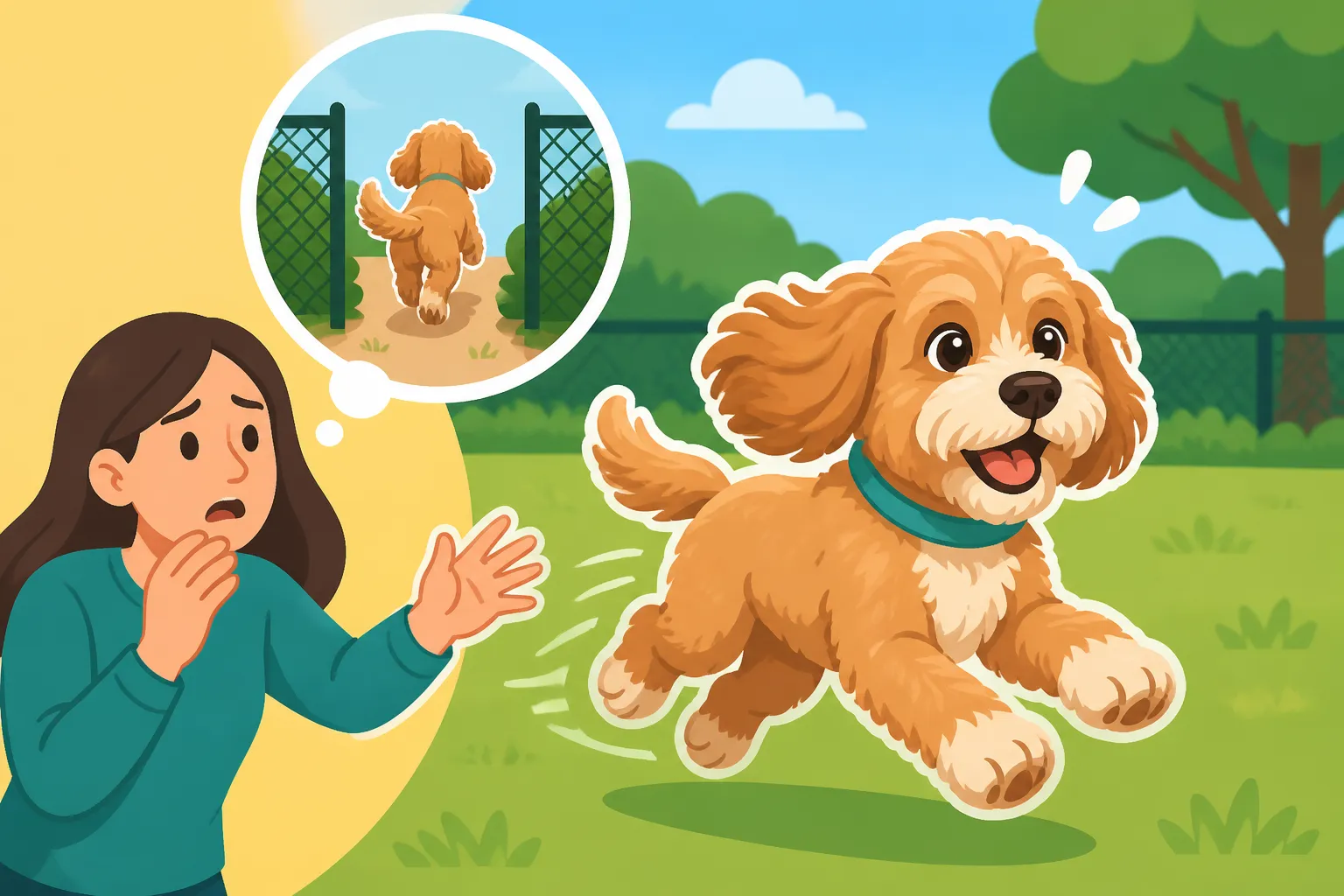
Many Cockapoo owners dream of a carefree romp at the dog park, picturing their furry friend joyfully playing with others, only to be hit with the stark reality that their beloved companion might actually take off like a rocket, seemingly deaf to their desperate calls. It's a frustrating, even terrifying, experience that leaves you questioning everything you thought you knew about your dog's loyalty. This guide is going to dive deep into why your Cockapoo might be prone to bolting in such environments and, more importantly, what you can do to build a rock-solid recall and manage their adventurous spirit for safer outings.
Understanding Your Cockapoo's Instincts and the Call of the Wild
It's easy to look at our fluffy, affectionate Cockapoos and forget that beneath that adorable exterior lies a rich tapestry of instincts from two very different working breeds. The Poodle and the Cocker Spaniel contribute a fascinating mix of traits that can both delight and challenge us, especially in a stimulating environment like a dog park.
The Undeniable Spaniel Scent Drive
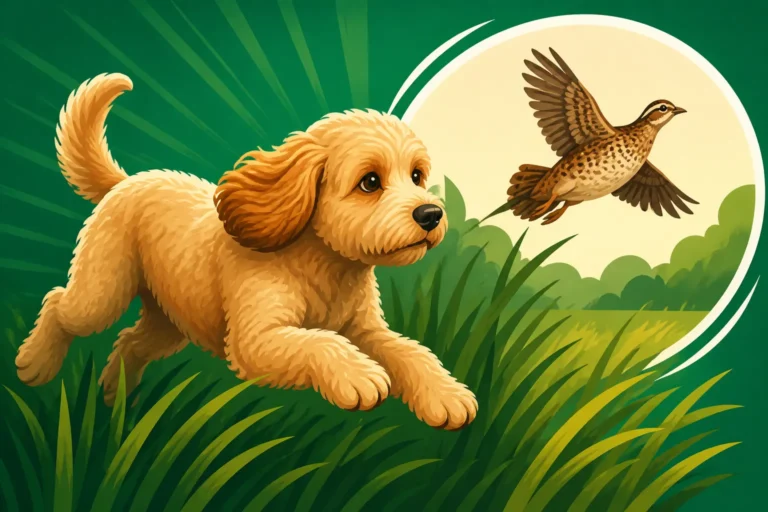
Let's be honest, the Cocker Spaniel side of your Cockapoo brings a powerful sniffing superpower to the table. Cocker Spaniels were originally bred as gun dogs, specifically designed to flush out game birds from dense cover. This means they have an incredible drive to put their nose to the ground and follow a scent trail. In a dog park, this instinct can become overwhelmingly strong. Imagine a buffet of intriguing smells: the remnants of a squirrel that dashed through moments ago, the urine markers of a dozen other dogs, even the faint aroma of someone's dropped snack. For a Cockapoo, especially one with a strong Spaniel heritage, these scents are like magnetic forces, pulling them irresistibly away.
This isn't defiance; it's instinct. Your Cockapoo isn't actively trying to ignore you; they're simply hardwired to investigate. Once their nose is engaged, the rest of the world, including your voice, can fade into the background. This can be incredibly frustrating when you're calling their name repeatedly, feeling like you're yelling into the void. It’s a common scenario where a Cockapoo might seemingly ignore you once it scents something, vanishing around a bush or across a field in pursuit of that invisible trail.
The Poodle's Intelligence and Independent Streak
Then we have the Poodle influence. Poodles are highly intelligent and historically were also working dogs, known for retrieving waterfowl. Their intelligence means they learn quickly, but it can also mean they're good at making their own decisions if they perceive a better option. While a Poodle is generally eager to please its owner, there can be an independent streak, especially if they are highly stimulated. In a dog park setting, where there are lots of exciting things happening—other dogs to play with, new people to greet, open spaces to explore—a Cockapoo might decide that chasing a playmate or investigating a new area is far more rewarding than coming back to you.
This isn't necessarily a malicious act; it's simply a matter of competing motivators. If the environment offers high-value rewards (chasing, new smells, other dogs), and your recall cue offers a lower perceived reward (just coming back to you), your clever Cockapoo might just weigh their options and pick the more exciting one. Sometimes, this can feel like they're being "deaf on purpose," but it's often a combination of strong internal drives and environmental distractions. This is also why some Cockapoos are incredibly loyal at home but seem to "forget" you when something more interesting pops up outdoors.
The "Doodle Zoomies" and Excitement Levels
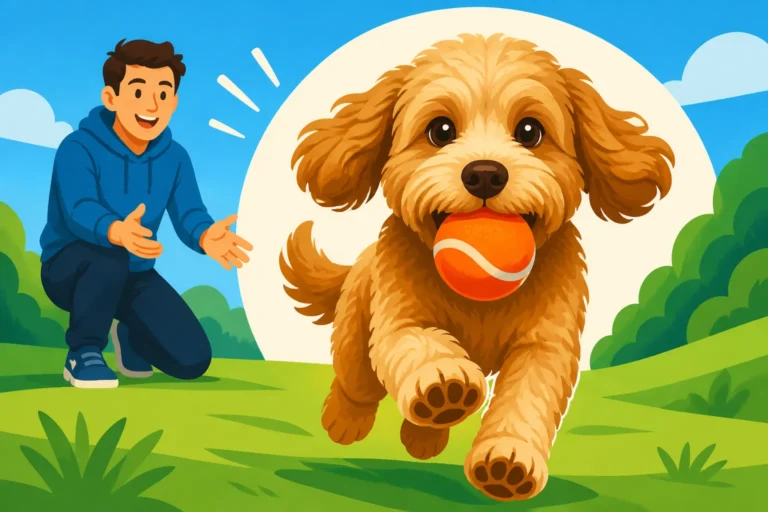
Let's not forget the sheer joy and energy that many Cockapoos possess. They love to run, play, and engage with the world around them. In a large, open space like a dog park, this energy can translate into what many owners affectionately call "zoomies." While zoomies are fun to watch, they can also lead to a Cockapoo running off at a dog park at top speed, caught up in the thrill of the chase or the sheer exuberance of being off-leash.
When a dog is in this heightened state of arousal, their ability to process commands and focus on their owner can significantly decrease. Their brain is flooded with feel-good chemicals, and they're operating on pure instinct and excitement. Trying to recall a Cockapoo mid-zoomie, especially if they're interacting with other dogs or pursuing a scent, can be like trying to catch smoke with a net. It requires consistent, high-value training that starts long before they ever step paw into such an exciting environment.
The Dog Park Environment: A Double-Edged Sword for Cockapoos
Dog parks are often seen as the ultimate playground for our canine companions, a place for them to socialize, burn energy, and just "be dogs." And for some dogs, they are. But for a Cockapoo, with their unique blend of instincts, the dog park can present a variety of challenges that make running off a very real possibility.
Overstimulation and Competing Interests
Think about a dog park from your Cockapoo's perspective. It's a sensory overload! There are new sights, sounds, and smells everywhere. Other dogs are barking, running, and wrestling. People are chatting, throwing balls, and moving around. Each of these elements can be incredibly distracting. For a Cockapoo with a strong prey drive, a bird flying overhead or a squirrel scampering along the fence line can immediately trigger their instinct to chase. Whether a Cockapoo bolts after birds is a common concern that dog park environments can exacerbate.
The sheer number of competing interests means that you, the owner, become just one of many stimuli. If you haven't diligently worked on making yourself the most rewarding thing in your Cockapoo's world, it's easy for them to prioritize the exciting, novel distractions over your calm, consistent call. This isn't a reflection of your bond; it's a reflection of natural canine behavior in a highly stimulating environment where the rules of engagement are often unspoken and constantly changing.
Unpredictable Interactions and Safety Concerns
Beyond the distractions, dog parks can be unpredictable places. Not all dogs are well-socialized, and not all owners are attentive. A negative interaction with another dog, such as being chased too aggressively or feeling threatened, could send your Cockapoo scrambling for safety. In their panic, they might run off, not necessarily away from you, but simply away from the perceived threat. This kind of sudden flight response can be incredibly difficult to redirect with a recall.
Conversely, some Cockapoos, with their friendly and sometimes bold nature, might initiate interactions that are not well-received by other dogs. This can lead to them being chased or even snapped at, prompting a flight response. While dog parks offer socialization, it's crucial to remember that it's an uncontrolled environment where not every interaction will be positive, and an escape might be their immediate coping mechanism.
The Allure of the Open Gate or Fence Line
Even the most well-behaved Cockapoos can be tempted by an open gate or a weak spot in the fence. If they're deeply engrossed in a scent trail, chasing another dog, or simply exploring, they might not even notice they're approaching an exit until it's too late. It’s not uncommon for a dog to follow a game of chase right out of the park. This is where their sheer joy of running and exploring can become a genuine danger, especially if the park is near a busy road.
The combination of strong instincts, high distractions, and potential for unpredictable scenarios makes dog parks a place where vigilance is paramount. While some Cockapoos thrive there, many owners find it's a place where their dog's adventurous spirit, combined with a momentary lapse in focus, can lead to a harrowing experience.
Building a Reliable Recall: Training Your Cockapoo for Off-Leash Safety
The key to preventing your Cockapoo from running off at a dog park, or any off-leash area, is a truly bulletproof recall. This isn't something that happens overnight or after a few training sessions in your living room; it's a lifelong commitment to making coming back to you the most rewarding thing your Cockapoo can do.
Start with the Basics: Foundation Training
Before you even think about a dog park, your Cockapoo needs to have a rock-solid recall in low-distraction environments. This means starting in your home, then your backyard, and gradually introducing more distractions. Use a distinct, consistent verbal cue (like "Come!" or "Here!") and pair it with the highest value reward you can find – think tiny pieces of cooked chicken, cheese, or hot dogs, not just their regular kibble.
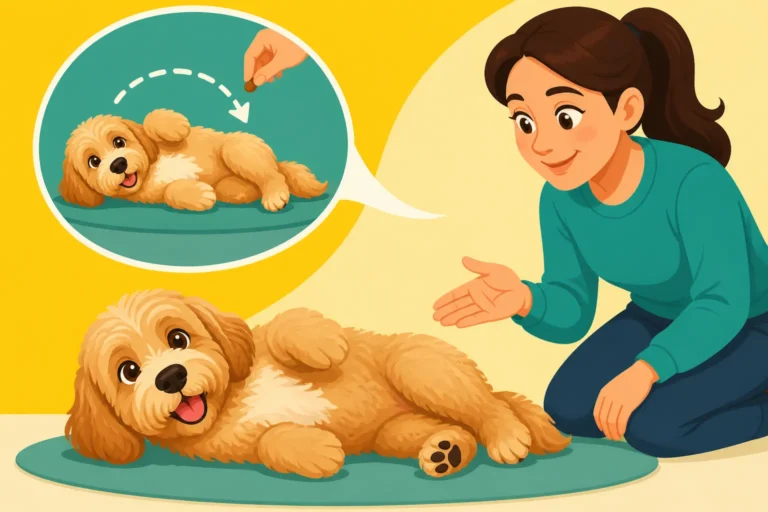
Practice frequently, in short, fun bursts. Call your Cockapoo, reward them immediately and enthusiastically when they come, then release them to play again. This makes coming to you a positive, exciting event, not a signal that playtime is over. Remember, you want them to want to come back, not feel compelled. Brands like BAXTER & Bella offer comprehensive online training programs that can guide you through these foundational steps, providing structured lessons and support to build a strong recall from the ground up, all from the comfort of your home.
Increasing Distractions Gradually
This is where many owners go wrong. They ace recall in the backyard, then leap straight to the dog park. This is too big a jump! You need to slowly increase the difficulty.
- Step 1: Backyard with a few toys out.
- Step 2: Backyard with a family member moving around.
- Step 3: A quiet, fenced park without other dogs, maybe with a few people or distant sounds.
- Step 4: A park with other dogs on leash, far away.
- Step 5: A dog park, but starting at a quieter time and only for short periods.
Always set your Cockapoo up for success. If you call and they don't respond, you've made the environment too distracting, or your reward isn't high enough. Don't repeat the command; go get them cheerfully and then go back a step in your training. Using a long line (a lightweight lead of 15-30 feet available on platforms like Amazon) during these intermediate steps is invaluable. This allows you to practice recall in open spaces while maintaining a physical connection, so you can gently reel them in if they get distracted, reinforcing the command without having them "fail." Working a Cockapoo on a long line is absolutely essential for building confidence and reliability.
The High-Value Reward Rule
At a dog park, your reward has to compete with everything else. Those delicious chicken bits might be enough to get your Cockapoo's attention when they're twenty feet away from another dog, but if they're mid-chase with their best canine buddy, you might need something even more irresistible. Think about what your Cockapoo truly loves. Is it a squeaky toy? A game of tug? A specific super-special treat?
Rotating your high-value rewards can keep them guessing and interested. Never use the same boring kibble for recall as you do for everyday meals. You want "coming to me" to be a lottery win, not just another meal ticket. The goal is to make you the most exciting thing in the dog park, even amidst all the chaos.
Practice "Check-Ins" – Not Just Full Recalls
Instead of only calling your Cockapoo when you need them to come all the way back to you, practice casual "check-ins." Call them, reward them, and then immediately tell them "Go play!" This teaches them that coming to you doesn't always mean the fun is over. In fact, it can mean a quick, delightful interaction and then more fun. This helps build a positive association with your voice and prevents them from thinking, "Oh no, if I go to Mom/Dad, I'm going home." Teaching a Cockapoo to check in on a walk is a vital skill for maintaining connection in distracting environments.
Managing Risk and Exploring Alternatives for Your Cockapoo's Exercise
Even with the best training in the world, some Cockapoos simply aren't suited for the unpredictable nature of a dog park, or perhaps their owners just aren't comfortable with the risk. That's perfectly okay! There are plenty of wonderful ways to exercise and socialize your Cockapoo without the added stress of a crowded dog park.
When to Consider Avoiding Dog Parks Altogether
It's a realistic truth that dog parks aren't for every dog. If your Cockapoo consistently struggles with recall, gets overwhelmed easily, or has a tendency to run off despite your best efforts, it might be safer and less stressful for everyone involved to simply avoid them. This isn't a failure on your part; it's a responsible decision based on your dog's individual needs and temperament.
Sometimes, the risk of a lost dog or a negative interaction outweighs the perceived benefits. Owners often feel pressure to take their dogs to dog parks for "socialization," but forced, chaotic socialization can actually be detrimental. Quality interactions are far more important than quantity.
Here's a quick comparison of dog park pros and cons for a Cockapoo:
| Aspect | Pros for Cockapoos (when well-managed) | Cons for Cockapoos (when instincts or environment are challenging) |
|---|---|---|
| Exercise & Energy Burn | Great for high-energy Cockapoos to run and play in open space. | High potential for over-arousal, leading to bolting or ignoring commands. |
| Socialization | Opportunity for appropriate play with a variety of dogs. | Risk of negative interactions with poorly socialized dogs. |
| Mental Stimulation | New sights, sounds, and smells can be mentally enriching. | Overstimulation can make focus and recall incredibly difficult. |
| Owner Convenience | Easy way to let a dog run free without a large private yard. | Constant vigilance required; can be stressful for owners. |
| Instinct Fulfillment | Can provide opportunities for chasing, sniffing (if managed). | Strong scent drive or prey drive can lead to them running off. |
Secure, Private Dog Fields
A fantastic alternative to public dog parks, especially if you have recall concerns, are privately rented, secure dog fields. These are often fully fenced, large areas where you can book a slot for just you and your Cockapoo, or with a few trusted dog friends. This offers all the benefits of off-leash running and play without the unpredictability of other dogs or the worry of an open gate. It's an ideal environment for practicing a Cockapoo recall holds in a field without the immense pressure of public distractions. You can find these by searching online for "secure dog field rental" or "private dog park" in your local area.
Engaging Activities That Tap into Their Instincts
Instead of relying solely on running wild, channel your Cockapoo's natural drives into structured activities.
- Scent Work: This is a perfect outlet for their incredible nose! Hide treats or scented items around your house or yard and let them sniff them out. Many local trainers offer scent work classes, or you can find kits on Amazon to get started at home. Scent work that satisfies a Cockapoo is an excellent way to provide mental and physical enrichment.
- Agility: Poodles excel at agility, and many Cockapoos inherit this athleticism. It builds focus, strengthens your bond, and provides a great physical workout. It teaches them to listen to cues while moving at speed, which can indirectly improve recall by increasing their responsiveness to your commands.
- Structured Walks: Instead of letting them pull you around, use a long line in safe, open spaces to practice recall commands, retrieves, and loose-leash walking. Let them sniff, but also practice checking in with you regularly. Whether a Cockapoo zigzags on a walk is often a sign of their strong scent drive, which can be managed with focused training.
- Flirt Poles: These are excellent for satisfying a Cockapoo's prey drive in a controlled way. It's a pole with a rope and a toy attached, allowing you to mimic prey movement and let your dog chase and "catch" the toy, then release it. This can be a wonderful way to burn energy and practice "leave it" and "drop it" commands.
If you decide to continue venturing into dog parks, remember that training is ongoing. Always carry high-value treats, stay engaged with your Cockapoo, and be prepared to leave if the environment becomes too overwhelming or unpredictable. Ultimately, ensuring your Cockapoo's safety and well-being is the top priority, and that might mean choosing environments that better suit their unique personality and instincts.
Disclaimer
This article is for general informational purposes only and does not constitute professional advice. Laws, prices and regulations vary by location and change over time. Consult a qualified professional for guidance on your specific situation.