How Long a Cockapoo Works Before Its Nose Wins
It’s a tale as old as time for many Cockapoo owners: you're out on a lovely walk, your furry companion is trotting along, seemingly engaged and happy, and then bam – a scent hits, and suddenly, you're talking to yourself. The world shrinks to a single, invisible trail for your Cockapoo, and your voice, once a beacon of guidance, might as well be white noise. This guide dives deep into the fascinating world of your Cockapoo's incredible nose, exploring how long they can typically hold focus before that instinctual drive takes over, and what you can do to work with, rather than against, this powerful part of their personality.
Understanding the Cockapoo's Innate Drive
Your Cockapoo is a delightful blend of two highly intelligent and energetic breeds: the Cocker Spaniel and the Poodle. Both bring a unique set of traits to the table, and understanding these ancestral instincts is key to comprehending why their nose can be such a powerful force. It’s not a failing on their part, or yours; it’s simply who they are at their core.
The Spaniel's Legacy: Scent and Flushing
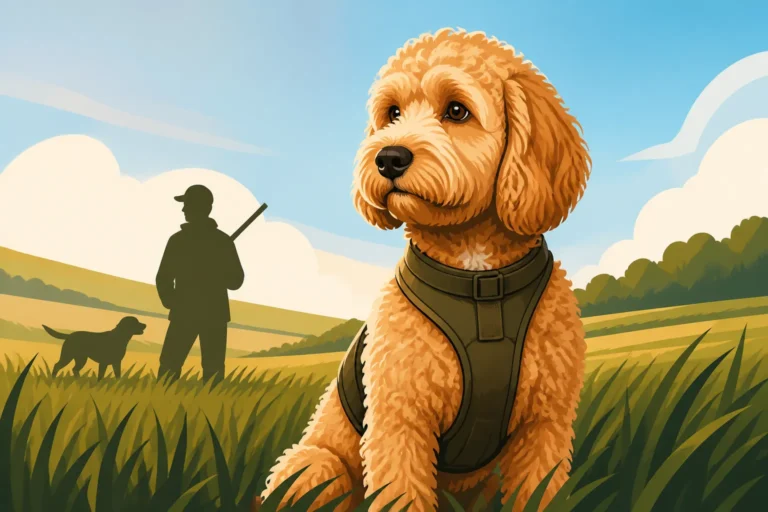
Let’s start with the Cocker Spaniel side. These dogs were bred for centuries to be gun dogs, specifically "flushing" spaniels. Their job was to work relatively close to a hunter, quartering the ground ahead of them, using their incredible noses to find birds and flush them out into the open. Once the bird was retrieved, their job was done. This history means that a Cockapoo often comes with a deeply ingrained drive to explore the world through scent. Their nose isn't just a sensory organ; it's a super-powered detector, constantly mapping out their environment, gathering information about who's been where, what they've eaten, and what exciting new smells might be just around the corner.
This instinct isn't something you can train out of them; it's part of their very essence. When your Cockapoo's nose hits a particularly interesting scent, it's like a primal switch flips. The world outside that scent trail becomes secondary, or even irrelevant. They are literally following their calling, driven by generations of selective breeding to investigate every intriguing whiff. It’s a powerful experience for them, and it often means that whatever "work" you were trying to achieve – be it a perfect heel, a sit-stay, or a rock-solid recall – suddenly becomes much less compelling. You might find them zig-zagging on a walk, nose glued to the ground, pulling you along as they trace an invisible path only they can perceive. This strong desire to follow scent is why The Flushing Drive Still Alive in a Cockapoo is such a crucial topic for owners to understand.
The Poodle's Intelligence and Focus: A Counterbalance?
Now, let's consider the Poodle influence. Poodles, in all their sizes, are renowned for their intelligence, eagerness to please, and remarkable trainability. They were originally bred as water retrievers, meaning they needed focus, problem-solving skills, and a strong bond with their handler to perform their tasks. This side of your Cockapoo's lineage often provides a wonderful counterbalance to the spaniel's independent scenting drive. A Poodle's heritage suggests a dog that enjoys learning, excels in obedience, and thrives on engaging with its human.
You'll often see this Poodle intelligence shining through in training sessions where there are minimal distractions. Your Cockapoo might pick up new commands with impressive speed, happily perform tricks for treats, and maintain excellent eye contact. They want to work with you, and their sharp minds are usually keen to figure out what you're asking. This intellectual capacity and desire for interaction are why many Cockapoos are such a joy to train. However, while the Poodle side offers incredible focus, it's not always enough to completely override the deeply rooted spaniel scent drive when a truly high-value smell presents itself. It’s like having a brilliant student who, despite their dedication, can still be completely swept away by an unexpected, irresistible distraction.
The Tipping Point: When the Nose Takes Over
For most Cockapoos, there's a delicate balance between their Poodle-inherited desire to engage with you and their Cocker-inherited urge to follow their nose. The "tipping point" where the nose wins can vary wildly depending on the individual dog, the training they've received, and perhaps most importantly, the strength of the scent distraction. It's a moment many Cockapoo owners can vividly describe, often with a mix of exasperation and grudging admiration for their dog's single-mindedness.
Environmental Triggers and High-Value Scents
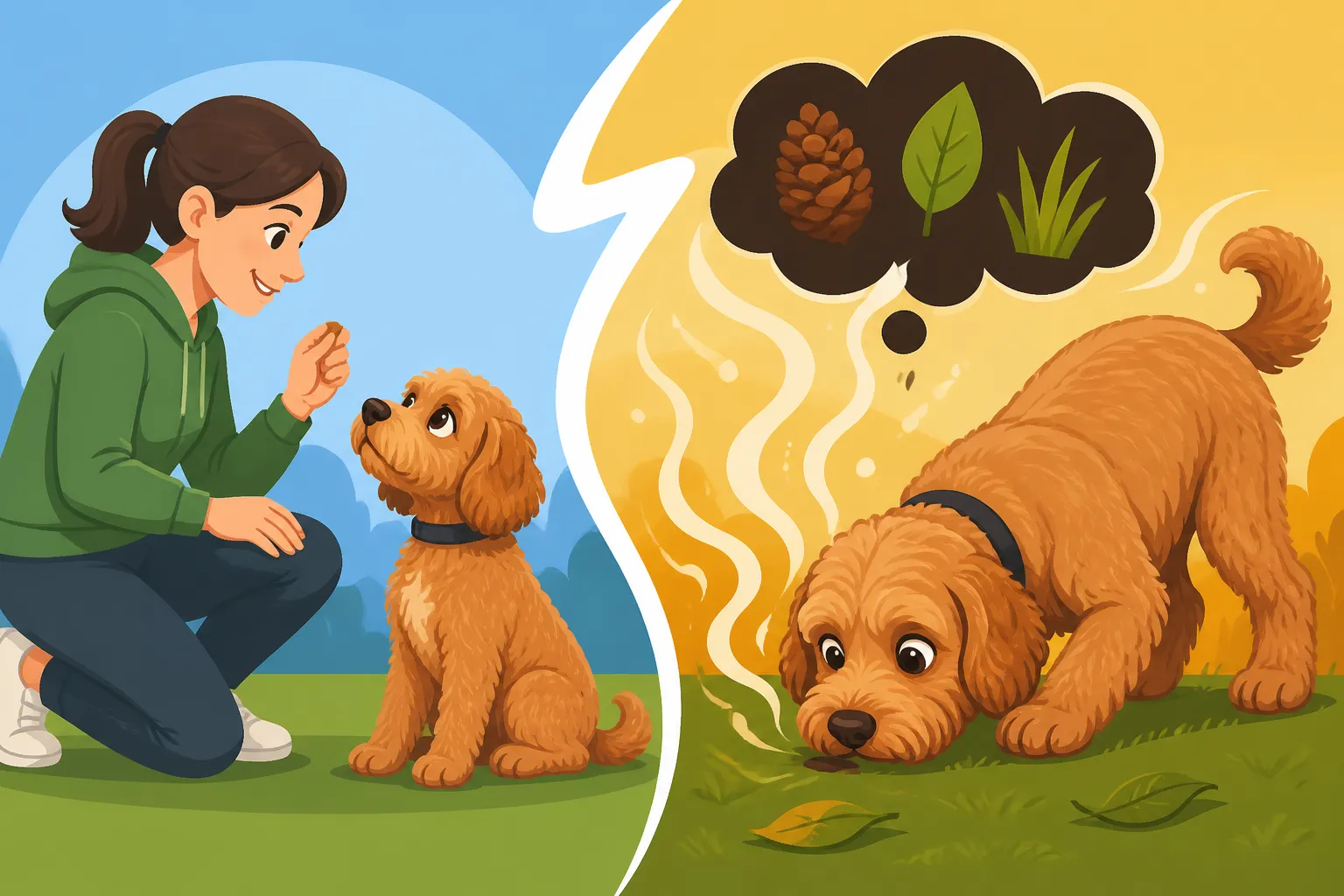
Imagine you're walking in your local park. Your Cockapoo is doing beautifully on a loose leash, checking in, responding to commands. Suddenly, they veer sharply towards a clump of bushes, nose working furiously, tail wagging like a metronome gone wild. They've just caught the faintest whiff of a rabbit that passed by hours ago. Or perhaps they discover a patch where another dog recently rolled in something truly disgusting – a scent that, to your Cockapoo, is akin to uncovering a hidden treasure map leading to untold riches. In these moments, the 'work' you were doing together ceases to exist for them. Their entire being is consumed by the pursuit of that scent.
High-value scents aren't limited to wildlife. For some Cockapoos, the smell of leftover human food dropped on the sidewalk, or the lingering aroma of a barbecue in a neighbor's yard, can be equally captivating. The stronger and fresher the scent, the less likely your Cockapoo is to hear your call, see your hand signals, or even register your presence. It's not defiance; it's pure, unadulterated instinct taking the wheel. Walking through a quiet suburban street might allow for sustained focus, but introduce a trail filled with deer tracks or squirrel chatter, and you'll quickly see the dynamic shift. This is why Whether a Cockapoo Ignores You Once It Scents Something is a common concern for owners.
The Lure of the Unknown: Why Scent is So Enticing
Why is scent so incredibly powerful? For dogs, it's not just a smell; it's a story. Each scent tells them about their environment, the presence of other animals, their emotional state, and even how long ago they were there. It's a complex tapestry of information that their brains are hardwired to unravel. The act of tracking a scent releases dopamine, a feel-good neurotransmitter, making the activity inherently rewarding. It’s a natural high for them.
This deeply ingrained reward system means that following a compelling scent is often more intrinsically motivating than any treat you might offer or any command you might give, especially if that command requires them to stop the scent-following activity. It satisfies a primal need to explore and understand their world in a way that very few other activities can. Their ancestors survived and thrived by using their noses, and even though your Cockapoo might be curled up on your sofa later, that genetic imperative remains strong. It’s a powerful part of their identity that we, as owners, need to respect and learn to manage effectively.
Strategies for Sustaining Focus and Managing Scent Drive
Living with a Cockapoo means accepting and understanding their magnificent nose. Instead of constantly fighting against it, the trick is to channel that energy, build an unshakeable bond, and equip yourself with the tools and techniques to keep them safe and engaged. It's about finding that sweet spot where their desire to work with you outweighs the siren call of a particularly interesting smell.
Building a Bulletproof Recall in a Distracting World
A reliable recall is hands down the most critical command for any Cockapoo owner, precisely because their nose can lead them astray so quickly. You need your Cockapoo to choose to return to you, even when the world is screaming with fascinating smells. This isn't about teaching them to come back sometimes; it's about making it their absolute default. Start recall training in low-distraction environments, like your living room or a securely fenced yard, using incredibly high-value rewards – think tiny pieces of cooked chicken, cheese, or their favorite squeaky toy. Practice frequently, keeping sessions short and fun.
As they master it in easy settings, gradually introduce more distractions. Take them to a quiet park on a long leash, perhaps a 20 or 30-foot training line (easily found on Amazon), and practice calling them back. Don't wait until they've found a rabbit trail to test it. Call them back before they get too engrossed in sniffing, reward heavily, and then release them to sniff again. This teaches them that coming back to you doesn't mean the fun stops; it means they get a fantastic reward and get to continue exploring. Enrolling in an online training program, like those offered by BAXTER & Bella, can provide structured lessons and expert guidance on building a strong recall in increasingly distracting environments. It's about making yourself more rewarding than the distraction. Working a Cockapoo on a Long Line is an excellent way to practice safely. If you find your Cockapoo really struggles with distractions, consider if A Cockapoo That Goes Deaf on a Trail describes your current frustration, and use these methods to rebuild their focus.
Engaging Their Nose on Your Terms: Scent Work and Enrichment
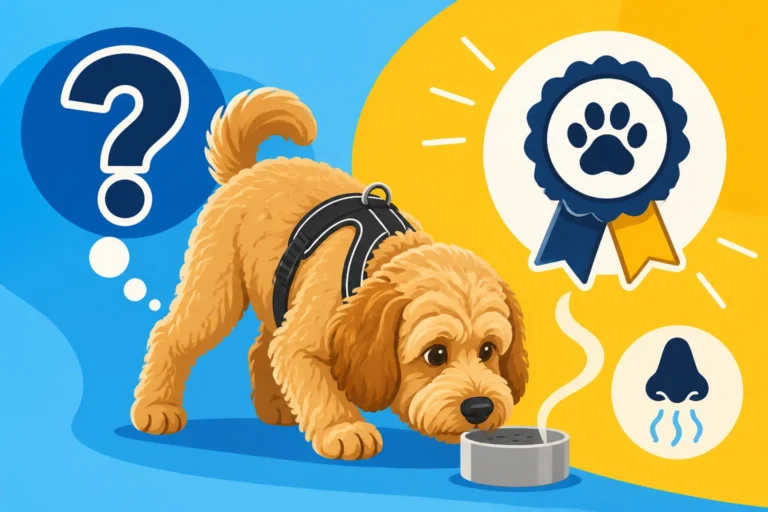
One of the most effective ways to manage a strong scent drive is to actually use it. Instead of seeing their nose as a problem, see it as a superpower you can harness! Scent work, sometimes called nose work, is an incredibly enriching activity for Cockapoos that taps directly into their natural abilities. It's mentally exhausting for them, which often translates into a calmer, more focused dog at home. You can start simply by hiding treats around the house and encouraging them to find them. Progress to hiding toys, or even introducing specific odors (like birch or anise) in scent kits.
You don't need fancy equipment to start; everyday items can become part of a fun scenting game. Hide and seek with their favorite toy, scattering their kibble in the grass for them to forage, or using puzzle feeders can all engage their powerful sense of smell. There are many excellent resources online, and training programs that can guide you through the process, even advanced ones that lead to titles. Scent Work That Satisfies a Cockapoo isn't just a hobby; it's a way to fulfill a deep-seated need for your Cockapoo, making them happier and more balanced. For practical tips on how to get started, look into Setting Up Scent Boxes for a Cockapoo at Home. You can find many scent work supplies, from snuffle mats to starter kits, readily available on Amazon.
Environmental Management and Proactive Prevention
Sometimes, the best strategy is simply to manage the environment to prevent their nose from entirely taking over. This isn't about stifling their natural instincts but ensuring their safety and your peace of mind. For walks in areas known for wildlife or heavy scent trails, keeping your Cockapoo on a leash, or a long line, is often the safest bet. This is especially true if their recall isn't yet bombproof in high-distraction settings.
Ensure your yard is securely fenced, removing any escape routes if your Cockapoo is prone to tunneling under or leaping over. Vary their exercise routines, including activities that challenge both their mind and body. A brisk walk is great, but combine it with some obedience work, a short training game, or a dedicated scent session, and you’ll have a much more contented companion. Remember, a tired Cockapoo, both physically and mentally, is often a more attentive Cockapoo. Don't underestimate the power of varied mental stimulation to prevent them from becoming bored and seeking out their own "adventures" via their nose. Consider if Whether a Cockapoo Needs a Sport to Be Manageable resonates with you; many find that structured activity helps immensely.
Recognizing When the Battle is Lost (Temporarily)
Let's be real: despite all your best efforts, there will be times when that irresistible scent hits, and your Cockapoo goes into a zone where your voice simply doesn't penetrate. It's not a failure on your part, but an acknowledgement of the sheer power of their instincts. Learning to recognize these moments, and knowing when to adjust your approach, is a vital part of living harmoniously with your scent-driven companion.
Signs Your Cockapoo is "Nose-Blind" to You
When a Cockapoo's nose truly takes over, their body language shifts dramatically. You might notice their head drops lower, their tail, which might have been wagging, becomes stiffer or ceases movement altogether as they focus intensely. Their ears might be perked forward, straining to catch every sound associated with the scent. Crucially, their gaze will be fixed downwards, or intensely in the direction of the scent, and they will likely ignore your verbal cues, even familiar ones. They might not even register you physically attempting to redirect them, tugging on the leash, or trying to break their concentration. It's like their entire processing power has been rerouted to their olfactory system, leaving very little bandwidth for anything else.
At this point, trying to demand an immediate, perfect recall can often be counterproductive. It can lead to frustration for both of you and potentially poison your recall command if they learn to associate it with an unpleasant experience (like being dragged away from something fascinating). It's a classic example of their "prey drive" kicking in, even if the "prey" is just a residual scent. Understanding these visual cues can help you intervene earlier or adjust your expectations for the moment. This is where a strong foundation in Building a Recall a Cockapoo Answers truly pays off, as it's the only hope you have in these intense moments.
When to Step Back and Re-engage
If your Cockapoo has already entered the "nose-blind" zone, the best approach is often not to fight it head-on. If they are on a leash or long line, gently but firmly guide them away from the immediate area of the compelling scent. Don't jerk or punish, but calmly remove them from the source of the overwhelming distraction. Once you've moved a little distance away, and their intensity has begun to wane, then you can try to re-engage.
This is a good time to use a high-value treat and practice a simple, well-known command like "sit" or "watch me," to bring their focus back to you. Reward heavily for any sign of attention. If you're struggling with getting them back, sometimes a distinct sound, like a whistle, can cut through the noise better than a spoken command. Consider training a whistle recall if you haven't already; Whether a Whistle Recall Beats a Voice on a Cockapoo can offer some excellent insights into this technique. The key is to be patient, remove them from the overwhelming stimulus, and then strategically re-establish your connection once they're capable of listening again. It’s a marathon, not a sprint, when it comes to managing a Cockapoo's powerful nose.
Here's a table summarizing factors that influence how long your Cockapoo's focus might last before their nose wins:
| Factor | Favors Sustained Focus | Favors Nose Winning |
|---|---|---|
| Scent Intensity | Low or familiar background scents | Fresh, novel, or high-value scents (e.g., rabbit, deer) |
| Environment | Quiet, familiar, low-distraction areas (e.g., home) | Busy, novel, high-wildlife areas (e.g., dense woods, dog park) |
| Training & Proofing | Consistent, high-reward, proofed recall in distractions | Inconsistent training, recall not proofed in high distractions |
| Cockapoo's Energy | Well-exercised, mentally stimulated, calm | Bored, under-exercised, highly aroused |
| Handler Engagement | Active interaction, fun games, high-value rewards | Passive walking, repetitive commands, low reward value |
| Motivation | Strong bond with handler, desire to please for rewards | Intrinsic reward of scent following (dopamine hit) |
Disclaimer
This article is for general informational purposes only and does not constitute professional advice. Laws, prices and regulations vary by location and change over time. Consult a qualified professional for guidance on your specific situation.