Where to Take a Cockapoo Puppy Before Full Cover
Bringing home a new Cockapoo puppy is an incredibly exciting time, but it often comes with a huge worry: how do you safely socialize your little fluffball before they're fully protected by their vaccinations? It’s a real Catch-22 – you know early socialization is crucial for a well-adjusted adult dog, but the thought of them catching something serious like parvovirus from the big wide world can be absolutely terrifying. This guide is here to walk you through how to navigate those delicate early weeks, ensuring your Cockapoo gets the vital experiences they need without compromising their health.
Understanding Puppy Vaccination Schedules and Immunity
It’s completely normal to feel overwhelmed by the conflicting advice out there regarding when and where to take your puppy. One vet might say wait until 16 weeks, another might offer a bit more leeway. Let's break down what's really happening with those shots and why there's such a tightrope walk involved.
The Critical Window for Socialization Versus Immunity
The period between approximately 3 to 16 weeks of age is often referred to as the "critical socialization window" for puppies. During this time, puppies are sponges, soaking up experiences and forming their perceptions of the world. Positive exposure to different sights, sounds, people, and friendly, vaccinated dogs can dramatically influence their temperament and behavior as adults. Missing this window can lead to fear, anxiety, and reactivity later in life, issues that are much harder to correct.
However, this critical window directly overlaps with the period when your puppy's immune system is still developing and they are most vulnerable to diseases. Puppies receive maternal antibodies from their mother's milk, which offer some protection, but these antibodies also interfere with the effectiveness of vaccines. The vaccination series is designed to overcome this maternal antibody interference, building up your puppy's own active immunity over several weeks. It’s a delicate balance, and the fear of illness is very real and valid. Many a Cockapoo owner has spent sleepless nights worrying about this very issue.
How Vaccines Work and What Full Cover Means
When your puppy receives a vaccination, it introduces a weakened or inactive form of a virus or bacteria to their immune system. This allows their body to recognize the pathogen and produce antibodies without actually getting sick. Over a series of booster shots, typically given every 3-4 weeks, their immune system becomes stronger and more prepared to fight off a real infection.
"Full cover" or "full immunity" generally refers to the point when your puppy has completed their entire initial vaccination series – usually two to three rounds of core vaccines like Distemper, Adenovirus, Parvovirus, and Parainfluenza (often called DHPP or DAPP), plus rabies – and then waited an additional 7 to 14 days for the vaccines to take full effect. Until that two-week post-final-shot mark, their protection isn't considered robust. Think of it like building a fortress: each shot is a brick, but you need all the bricks in place and the mortar to dry before it can withstand a siege. This waiting period is crucial and often misunderstood. You might be eager to explore the world with your new Cockapoo, but patience truly is a virtue here.
The Risks of Early Exposure
The diseases we vaccinate against, especially parvovirus and distemper, are highly contagious and can be deadly for unvaccinated puppies. Parvovirus is notoriously hardy and can survive in the environment for months, resisting many common disinfectants. It’s spread through the feces of infected dogs, meaning a walk in a park where an infected dog once relieved itself could be a risk. Distemper is airborne and can cause severe respiratory, gastrointestinal, and neurological symptoms. Other risks include kennel cough (though less deadly, still highly unpleasant) and leptospirosis, which can be picked up from contaminated water or urine from wildlife.
These diseases are not just a nuisance; they require intensive, expensive veterinary care, and even with treatment, survival is not guaranteed. The fear you feel about these diseases is completely justified, and it's why responsible socialization needs to be approached with caution and a clear understanding of the risks involved. You might worry that keeping your Cockapoo inside too much will hinder their development, but rushing them out to high-traffic dog areas without protection poses a far greater danger to their young lives.
Safe Socialization Strategies Before Full Vaccination
So, how do you balance the need for socialization with the imperative of protecting your vulnerable puppy? It's all about controlled, thoughtful exposure. Your goal is to introduce them to as many new, positive experiences as possible without putting them directly in harm's way.
Controlled Environments and Known Dogs
One of the safest ways to socialize your Cockapoo puppy is by introducing them to other dogs you know are fully vaccinated, healthy, and have good temperaments. Think of your friend's sweet, calm Golden Retriever or your neighbor's gentle Poodle. These interactions should happen in a clean, controlled environment, like your own backyard or inside a friend's home that hasn't had unknown dog visitors recently.
Avoid dog parks, pet stores (unless it’s a specific puppy-friendly event where protocols are strict), or other public places where many dogs frequent. These areas are potential hotbeds for pathogens. When planning playdates, ensure the adult dogs are up-to-date on all their shots, are not showing any signs of illness, and are known to be good with puppies. Supervise these interactions closely to ensure they remain positive and don't overwhelm your Cockapoo. A brief, happy play session is far more valuable than a long, stressful one. This is also a great opportunity to reinforce good manners and appropriate play behavior, preventing issues like Whether a Cockapoo Picks Fights Above Its Weight later on.
Puppy Classes and Their Protocols
Many reputable puppy socialization classes understand this critical balance and implement strict protocols to protect young puppies. These classes are often held in indoor facilities that are regularly disinfected and require proof of age-appropriate vaccinations for all attendees. This creates a much safer environment for puppies to interact with their peers and learn crucial social skills.
Beyond direct interaction, these classes expose your Cockapoo to new people, different surfaces, noises, and even gentle handling, all in a positive setting. Look for classes that prioritize positive reinforcement and focus on building confidence. Many online puppy training programs, like those offered by BAXTER & Bella, include discussions on safe socialization practices and can offer valuable virtual guidance for exercises you can do at home, even before attending an in-person class. Always inquire about the class's specific vaccination requirements and cleaning procedures before enrolling your puppy.
Car Rides, Carries, and Observation
Socialization isn't just about playing with other dogs. It's about experiencing the world. Before your Cockapoo has full immunity, you can expose them to a wealth of sights and sounds from a safe distance.
- Car Rides: Take your puppy for short, regular car rides. Let them sit in a secured crate or a car seat made for pets (you can find various options on Amazon). Drive past busy areas, through drive-thrus, and just around town. The rumble of the engine, the changing scenery, and the different sounds outside the window are all valuable exposures.
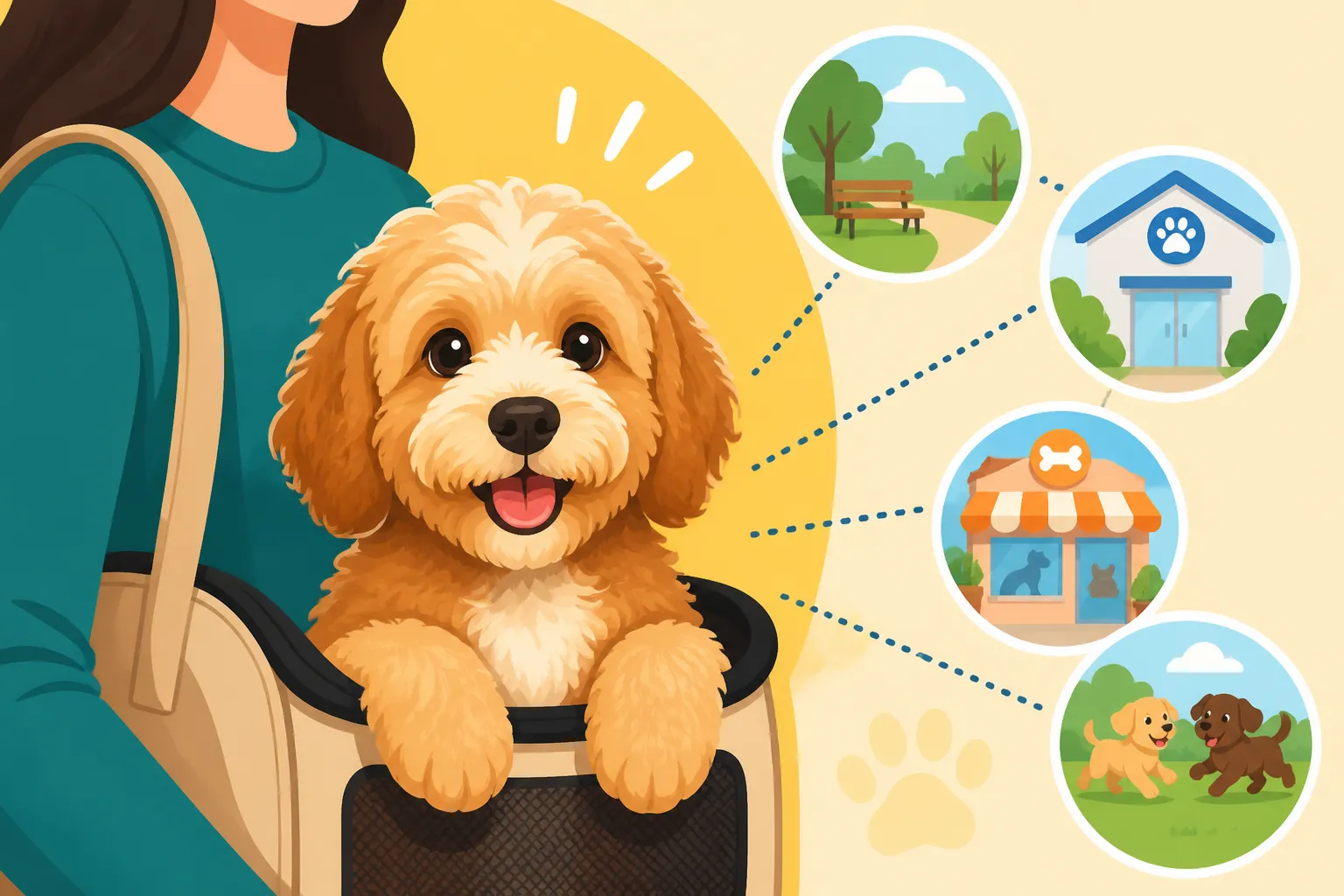
- Carries and Stroller Walks: If your Cockapoo is small enough, carry them in your arms or in a specially designed puppy sling or stroller (again, Amazon has a wide selection). This allows them to see and hear the world from a safe vantage point without touching the ground in public spaces. Sit on a bench at a park, observe people walking by, watch children play, listen to traffic. Just avoid direct contact with unknown dogs or allowing them to sniff areas where other dogs might have been.
- Observation from a Distance: Take your puppy to a quiet outdoor cafe, a school pick-up area, or a local hardware store where dogs are allowed but keep them in their carrier or your lap. The goal is exposure to the general hustle and bustle of life, not direct interaction. The sounds of passing cars, children laughing, people talking, and even the smell of different environments are all enriching experiences. Remember, every positive, low-stress encounter helps build a confident, resilient adult dog.
Safe Home Socialization
Your home environment itself can be a fantastic place for early socialization. Don't underestimate the power of everyday household experiences.
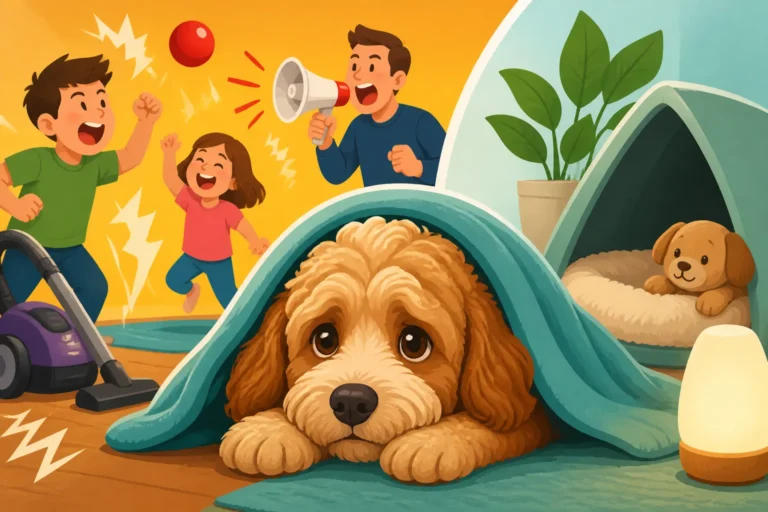
- Introducing Household Noises: Expose your Cockapoo puppy to common household sounds like vacuum cleaners, blenders, doorbells, washing machines, and televisions at a low volume, gradually increasing it as they get comfortable. Play different genres of music or even desensitization tracks designed for dogs (often found on streaming services).
- Meeting New People: Invite a few vaccinated, dog-friendly friends and family members over, one or two at a time. Ensure they interact calmly and positively with your puppy, offering treats and gentle praise. Avoid overwhelming your puppy with too many new faces at once.
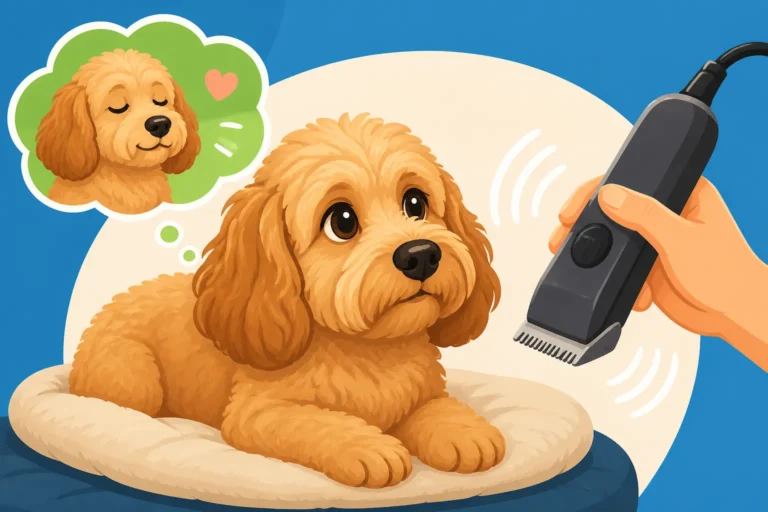
- Handling and Grooming Prep: Regularly handle your puppy's paws, ears (especially important for Cockapoos prone to ear issues, see Whether a Cockapoo's Ears Are Better Than a Cocker's), mouth, and tail. Make it a positive experience with treats. Practice brushing them with a soft puppy brush, introducing nail clippers (or a dremel) and even the sound of a hairdryer from a distance. This early positive association will make vet visits and grooming sessions much less stressful for your Cockapoo down the line, an important part of Teaching a Cockapoo to Accept the Groomer.
- Novel Objects and Surfaces: Introduce your puppy to different textures like carpet, tile, grass, concrete, and even a kiddie pool with shallow water (supervised, of course!). Let them explore safe, new objects – crinkly tunnels, various toys (stock up on a variety from Amazon!), or cardboard boxes. The goal is to make them accustomed to variety.
Creating a Safe "Bubble" for Your Cockapoo Puppy
While active socialization is key, equally important is creating a safe, controlled environment to minimize exposure to pathogens. This means being mindful of where your puppy's paws (and nose!) go.
Backyard Prep and Decontamination
If you have a private, fenced yard, it can be an excellent resource for your puppy. However, it needs to be a clean space. If other dogs (especially unknown ones) frequent your yard, or if you've recently had an infected animal there, it’s not truly safe.
To make your backyard a safe haven:
- Cleanliness: Pick up any existing dog waste immediately and regularly. While a complete decontamination of an outdoor space from parvovirus is incredibly difficult, removing organic matter is a good first step.
- Designated Potty Area: Consider creating a specific potty area that you can easily monitor and keep clean.
- Supervision: Always supervise your puppy in the yard to ensure they aren't eating things they shouldn't or interacting with unknown animals that might wander through.
- No Unvaccinated Visitors: Kindly ask friends and family not to bring their unvaccinated or ill dogs into your yard during this sensitive period.
Avoiding High-Risk Areas
This is perhaps the most crucial part of protecting your Cockapoo. Until they have full vaccination cover, certain places are simply off-limits.
- Dog Parks: Absolutely avoid dog parks. These are high-traffic areas for dogs of all vaccination statuses, and the ground can be heavily contaminated.
- Public Walking Trails/Green Spaces: While tempting, popular walking paths where many dogs exercise are also high-risk. Even if your puppy doesn't interact directly, sniffing the ground where an infected dog has passed can transmit disease.
- Pet Store Floors: Many pet stores allow dogs, which makes their floors a potential hazard. If you must go into a pet store, carry your puppy or keep them in a stroller/carrier, and do not let them walk on the floor.
- Veterinary Clinic Floors: Paradoxically, while vets keep their clinics clean, sick animals also frequent them. Carry your puppy into the vet's office and avoid letting them walk on the floor in the waiting room. Place them on a clean towel or blanket on a chair or in your lap.
Remember, this isn't forever. Once your Cockapoo puppy has completed their vaccination series and the waiting period, they'll be much more resilient to exploring these places safely.
Hygiene for Humans and Other Pets
You and any other pets in your home can inadvertently carry pathogens on your shoes, clothing, or fur.
- Shoe Removal: Make it a habit to take off your shoes at the door, especially after walking in public spaces where other dogs might have been. This prevents tracking in potential viruses like parvovirus.
- Hand Washing: Wash your hands thoroughly before and after handling your puppy, especially if you've been in public places.
- Other Pets: If you have other dogs in the household, ensure they are fully vaccinated and healthy. While adult, vaccinated dogs are usually protected, they can still potentially carry pathogens on their paws or fur if they've been in contaminated areas. A quick paw wipe after a walk in a high-traffic area can be a good precaution. Your existing dog's health is also critical, as certain conditions like Familial Nephropathy and the Kidneys a Cockapoo Can Inherit can exist without obvious symptoms but require careful management.
The Importance of Mental Stimulation and Early Training
Even when physical excursions are limited, your Cockapoo puppy's mind is always eager to learn. Mental stimulation and early training are just as vital for their development as physical socialization. This period is a golden opportunity to build a strong foundation for future learning and a deep bond with you.
Brain Games and Indoor Activities
A tired mind is often just as good as a tired body, sometimes even better for a young puppy whose joints are still developing.
- Puzzle Toys: Invest in a variety of puzzle toys that dispense treats when manipulated. These challenge your Cockapoo to think and problem-solve. You can find many excellent interactive puzzles on Amazon.
- Scent Games: Hide treats around the house and encourage your puppy to find them using their nose. Start easy and gradually increase the difficulty. Cockapoos have excellent noses thanks to their spaniel heritage, and games like this fulfill their natural desire to use them, making Scent Work That Satisfies a Cockapoo an excellent pursuit.
- Structured Play: Engage in short, interactive play sessions with appropriate toys. Tug, fetch, and gentle wrestling can build a positive relationship and help teach bite inhibition. Always end play on a positive note, before your puppy gets overtired or overstimulated.
- New Experiences at Home: Introduce your puppy to different safe objects, textures, and even sounds within your home. Crinkle tunnels, boxes to explore, or walking on different floor coverings (rugs, hardwood, blankets) can provide novelty and build confidence.
Early Leash and Crate Training
Starting these basics early, even indoors, will pay huge dividends when your puppy is ready to explore the world outside.
- Crate Training: Introduce the crate as a safe, comfortable den. Feed meals in it, offer high-value treats, and ensure it's a positive space. This helps with house-training (a massive relief for any new puppy owner!) and provides a secure place for your puppy when you can't supervise them directly, which can prevent What a Bored Cockapoo Chews Through. Programs like BAXTER & Bella offer excellent step-by-step guides for successful crate training.
- Leash Training: Even if you're not going for walks outside, get your puppy used to wearing a collar or harness and a leash. Let them drag the leash around the house (supervised, of course) for short periods. Practice walking a few steps, praising and treating them for moving with you. This makes the transition to outdoor walks much smoother. What a Cockapoo Puppy Should Learn First often includes these foundational skills.
- Potty Training: Consistent potty training is vital from day one. Take your puppy out frequently to a designated, clean area of your yard. Praise and reward immediately when they go. Be prepared for accidents, but consistency is key to helping them understand where to eliminate. For more on this, you might find tips in How Long a Cockapoo Takes to Stop Having Accidents.
Building a Strong Bond
Ultimately, this early period is about building trust and a strong, positive relationship with your Cockapoo. Every interaction, every training session, every moment of comfort you provide, strengthens that bond. Your puppy looks to you for safety, guidance, and affection.
Spend quality one-on-one time with them, engaging in gentle petting, quiet cuddles, and focused play. This foundational relationship will be the bedrock for all future training and will help your Cockapoo become a confident, well-adjusted companion who trusts you in any situation, both in your home and when they're finally ready to take on the wider world. Don't underestimate the power of simply being present and available for your puppy.
| Activity Type | Safe for Unvaccinated Puppy (Before Full Cover) | Explanation |
|---|---|---|
| Controlled Socialization | ||
| Play with known, vaccinated, friendly dogs | Yes, in a clean private home/yard | Minimizes exposure to unknown diseases while providing vital dog-dog interaction. |
| Reputable puppy classes | Yes, with strict protocols | Held in disinfected facilities, requires age-appropriate vaccines, controlled interactions. |
| Car rides | Yes | Exposure to sights/sounds/motion from a safe, contained environment. |
| Being carried in public | Yes | Allows visual and auditory exposure to the world without touching potentially contaminated ground. |
| Home visitors (vaccinated, dog-friendly) | Yes | Introduces puppy to new people in a controlled, safe environment. |
| Unsafe/High-Risk Areas | ||
| Dog parks | No | High traffic, unknown vaccination statuses, ground contamination risk is very high. |
| Public walking trails/parks | No | Similar to dog parks, high risk of pathogen exposure from unknown dogs' waste. |
| Pet store floors | No | Many dogs (sick and healthy) frequent these areas; carry your puppy or use a stroller. |
| Untended public spaces | No | Anywhere many unknown dogs might have been (e.g., rest stops, common grass areas outside shops). |
| Home Activities | ||
| Exposure to household noises | Yes | Desensitizes puppy to common sounds, preventing fear later. |
| Regular handling/grooming prep | Yes | Builds positive association with being touched for vet visits and grooming. |
| Puzzle toys & scent games | Yes | Provides crucial mental stimulation, fulfilling natural instincts without physical risk. |
| Leash & crate training | Yes, indoors | Lays the foundation for obedience and house-training, prepares them for future outdoor excursions. |
Disclaimer
This article is for general informational purposes only and does not constitute professional advice. Laws, prices and regulations vary by location and change over time. Consult a qualified professional for guidance on your specific situation.