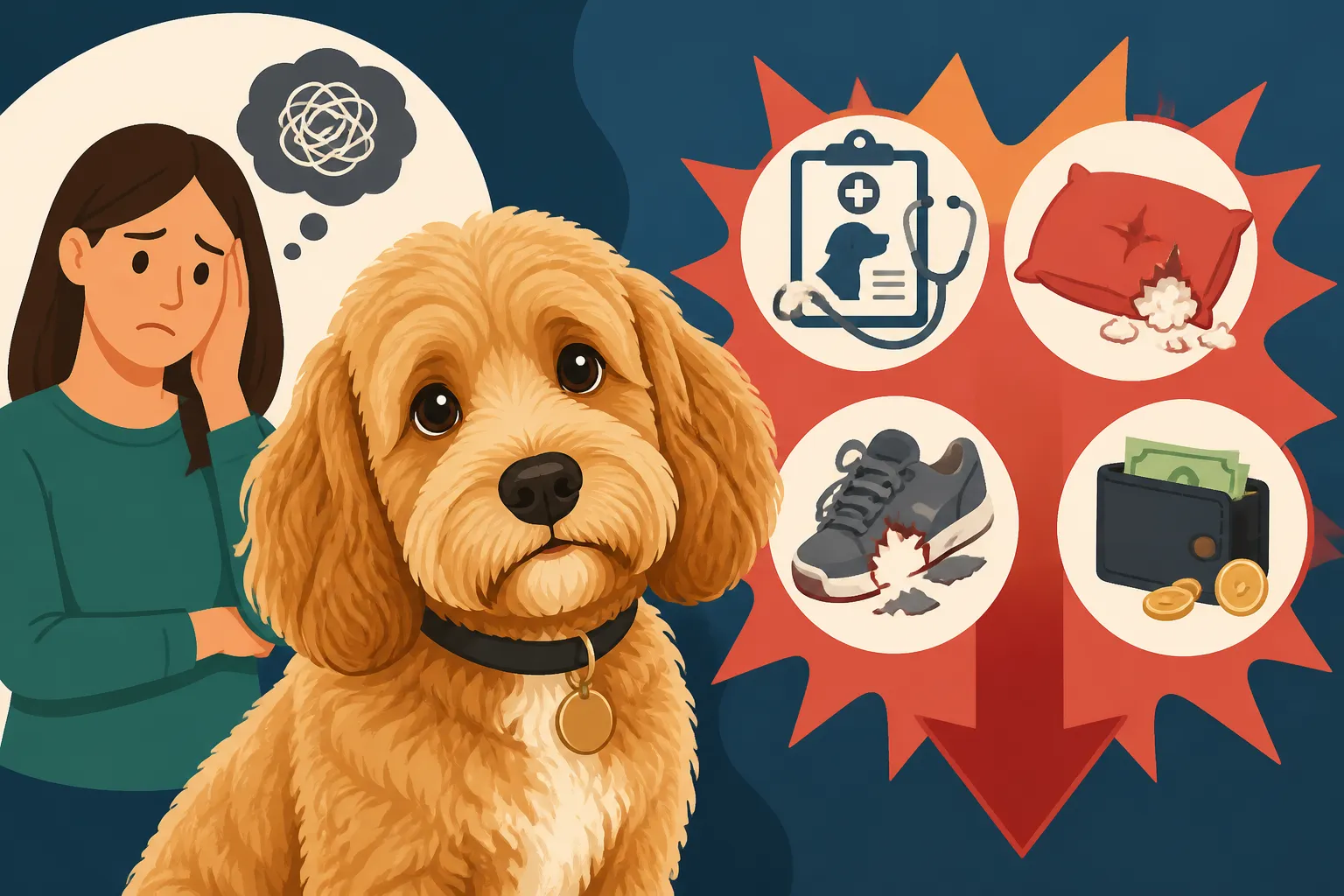
What an Untested Cockapoo Costs You in Year Two
Oh, the joy of that first year with a Cockapoo puppy! It's a whirlwind of tiny teeth, endless cuddles, and watching them grow into their adorable, fluffy selves. You think you've cleared the biggest hurdles, navigated puppy training, and found your rhythm. But then, as your Cockapoo slides into their second year, you might find yourself facing a whole new set of challenges – and costs – especially if you welcomed an untested puppy into your home. This guide is here to shed light on those often-overlooked financial burdens that can unexpectedly arise in year two for owners of Cockapoos whose parents weren't thoroughly health screened.
The Unseen Liabilities: Why 'Untested' Means Unpredictable Costs
It’s a tough truth, but that initial "bargain" price tag on an untested Cockapoo puppy can quickly turn into a significant financial strain down the road. Many aspiring dog parents, understandably, might not fully grasp the implications of a breeder skipping essential health tests. When a Cockapoo enters its second year, many hereditary conditions, which may have been simmering beneath the surface, can start to show their true colors. And trust me, the cost of dealing with these issues can far outweigh any savings made on the puppy's purchase price.
Understanding the Gaps in an Untested Background
When you choose a reputable Cockapoo breeder, they invest significant time and money into health testing their breeding stock. This isn't just a fancy extra; it's a critical step to ensure that potential genetic diseases common to both Cocker Spaniels and Poodles aren't passed down to their puppies. These tests typically cover a range of conditions, including hip and elbow dysplasia, patellar luxation, various eye conditions like Progressive Retinal Atrophy (PRA) and glaucoma, and genetic issues such as Familial Nephropathy (FN), von Willebrand's Disease (vWD), and Phosphofructokinase (PFK) Deficiency.
An "untested" Cockapoo means that these crucial screenings weren't done on the parents. This leaves a massive question mark over the puppy's genetic health. While no breeder can guarantee a dog will never get sick, proper testing drastically reduces the likelihood of inheriting devastating and costly genetic conditions. Without this foresight, you're essentially rolling the dice, and often, year two is when those dice land on a number you weren't hoping for. The temptation of a lower upfront cost for an untested puppy often blinds buyers to the very real possibility of much higher expenses later on. It’s a classic case of paying less now, only to pay a lot more later when veterinary bills start piling up.
The Ticking Clock: Conditions That Emerge as Your Cockapoo Matures
Many hereditary conditions aren't obvious in a cute, fluffy eight-week-old puppy. Some manifest later as the dog grows and matures, often right around that 12-to-24-month mark – precisely when your Cockapoo is entering its second year. For instance, orthopedic issues like hip dysplasia might not be apparent until your dog is more active and putting weight on developing joints. Early signs might be subtle stiffness or a slight limp after exercise.
Similarly, certain eye conditions like PRA, which can lead to blindness, might start with night blindness that's hard to spot at first, only becoming truly noticeable in year two or beyond. The onset of symptoms can be slow and insidious, making early detection a challenge without the benefit of knowing the parents' health history. You might just think your dog is clumsy, when in reality, their vision is deteriorating. The frustration of trying to figure out what's wrong, coupled with the emotional toll, adds another layer of cost beyond the financial.
Specific Health Concerns and Their Year-Two Price Tags
Let's get down to the nitty-gritty of what specific health problems might surface in your Cockapoo's second year if their parents weren't properly tested, and what kind of financial impact they could have. These aren't just minor sniffles; we're talking about chronic conditions that require ongoing management and can quickly empty your wallet.
Orthopedic Challenges: Hips, Knees, and Elbows
By their second birthday, many Cockapoos are energetic, playful adults. This increased activity can, unfortunately, highlight underlying structural problems in their joints. Hip dysplasia, a malformation of the hip joint, and elbow dysplasia, affecting the elbow joint, are common in both parent breeds. While severe cases might show up earlier, milder forms can start causing discomfort and lameness as your dog approaches two years old and is fully grown. You might notice them limping, struggling to jump, or showing stiffness after rest.
Patellar luxation, or "slipping kneecaps," is another concern, particularly in smaller Cockapoos. You might observe a characteristic "skip" in their gait, where they momentarily hold one back leg up. Diagnosing these issues usually involves a vet visit, physical examination, and often X-rays, which can be hundreds of dollars right off the bat. If surgery is recommended, you're looking at costs that can quickly soar into the thousands per joint. This isn't a one-and-done expense; ongoing pain management, physical therapy, or even repeat surgeries could be necessary for the lifetime of your dog. What Patella Surgery Costs on a Cockapoo can be a significant concern for owners.
Eye Conditions: The Gradual Loss of Sight
Both Cocker Spaniels and Poodles are prone to various eye conditions, and an untested Cockapoo can inherit these vulnerabilities. Progressive Retinal Atrophy (PRA) is a degenerative disease that leads to blindness, and while some forms affect puppies, others progress slowly, with signs becoming noticeable around year two or later. Night blindness is often the first symptom, followed by general vision loss. Similarly, inherited cataracts can develop early in life, clouding the lens and affecting vision. Glaucoma, a painful condition where pressure builds up in the eye, can also manifest.
If your Cockapoo starts bumping into furniture, hesitating in dim light, or showing cloudiness in their eyes, you'll need to see a veterinary ophthalmologist. This specialist visit alone can be expensive, followed by diagnostic tests like electroretinography (ERG) for PRA, or tonometry for glaucoma. While some conditions like cataracts might be treatable with surgery, the cost is substantial. For others, like PRA, there's no cure, and the costs shift to managing blindness and ensuring your dog's quality of life. Owners facing these issues often wonder The Age prcd-PRA Takes a Cockapoo's Sight and What Glaucoma Costs a Cockapoo Owner.
Internal Organ and Metabolic Issues: The Silent Threats
Some of the most heartbreaking and costly conditions are those affecting internal organs or metabolic processes, as they can be insidious and require intensive, ongoing care. Familial Nephropathy (FN) is a devastating inherited kidney disease from the Cocker Spaniel side that can cause kidney failure at a young age. While it can sometimes show up before a year, many dogs exhibit the first signs, like increased thirst, increased urination, lethargy, or weight loss, right around their second year. The First Signs of Kidney Failure in a Cockapoo are often subtle and easily missed until the disease is advanced.
Other conditions, like certain autoimmune diseases, can also begin to present clinical signs in early adulthood. For example, autoimmune hemolytic anemia can cause sudden weakness and collapse due to the immune system attacking red blood cells. Diagnosing these conditions requires extensive bloodwork, urinalysis, specialized genetic tests (if available and not done by the breeder), and sometimes biopsies or ultrasounds. These diagnostic workups can run into hundreds or even thousands of dollars. Once diagnosed, treatment often involves lifelong medication, specialized prescription diets (which you might order from places like Chewy or look into fresh options from Ollie for specific health needs), and frequent monitoring, leading to ongoing monthly expenses that never truly disappear. Why an untested Cockapoo litter is a gamble becomes clear when you face these challenges. Understanding Whether an F1 Cockapoo Can Be Affected by FN is also crucial.
| Condition | Typical Year Two Symptoms (if untested) | Diagnostic Costs (Estimated Range) | Treatment/Management Costs (Annual Estimated Range) |
|---|---|---|---|
| Hip Dysplasia | Limping, stiffness, reluctance to jump | Moderate to High (Vet exams, X-rays) | High (Pain meds, physical therapy, possible surgery) |
| Patellar Luxation | Skipping gait, occasional lameness | Moderate (Physical exam, imaging) | Moderate to High (Anti-inflammatories, possible surgery) |
| Progressive Retinal Atrophy (PRA) | Night blindness, bumping into objects | Moderate to High (Ophthalmologist exam, genetic test) | Low (No cure; focus on adaptation) |
| Familial Nephropathy (FN) | Increased thirst, urination, lethargy, weight loss | Moderate to High (Bloodwork, urinalysis, advanced tests) | High (Specialized diet, medications, regular vet checks) |
| Autoimmune Hemolytic Anemia | Lethargy, pale gums, sudden collapse | High (Extensive bloodwork, specialty diagnostics) | Very High (Immunosuppressants, potential transfusions, hospital stays) |
Financial Strategies for Unexpected Vet Bills
When these unexpected health issues arise in your Cockapoo's second year, the sticker shock from vet bills can be overwhelming. It's a hard lesson to learn when you're already deeply bonded with your furry friend, and you want to do everything you can for them. Preparing for these possibilities, even if you started with an untested dog, is crucial.
The "Pay Out of Pocket" Reality
For many, the initial response to a sick dog is to simply pay for whatever is needed. But imagine facing a $5,000 surgical bill for a torn cruciate ligament, or ongoing monthly medication costs of several hundred dollars for an autoimmune disease. These aren't small amounts, and they can quickly deplete savings accounts, especially if you didn't anticipate them. What a Mill Bred Cockapoo Costs You Later isn't just a figure, it's a constant drain.
Beyond initial diagnosis and treatment, many of these conditions require follow-up visits, specialized foods, supplements, and long-term medications. You might find yourself juggling multiple prescriptions, scheduling frequent recheck appointments, and even needing specialized equipment for dogs with mobility or vision issues. The reality is that the decision to save a few hundred dollars on an untested puppy can lead to many thousands in unforeseen expenses within just a year or two. Without a financial plan, it can become an incredibly stressful situation, forcing difficult decisions no pet owner ever wants to make.
The Role of Pet Insurance
Pet insurance can be a real lifesaver when unexpected health issues strike. Companies like Healthy Paws offer various plans that can cover a significant portion of veterinary costs for accidents and illnesses. However, here's the catch with an untested Cockapoo whose health issues might emerge in year two: pet insurance policies generally do not cover pre-existing conditions.
This means if your Cockapoo starts showing signs of hip dysplasia or PRA at 18 months, and you only buy insurance at that point, those specific conditions will likely be excluded from coverage. The best time to get pet insurance is when your puppy is young and healthy, ideally before any signs of illness appear. Even if you have an untested Cockapoo, getting insurance before year two's potential problems arise could still offer protection for other unexpected accidents or illnesses. It's not a magic bullet for existing genetic predispositions, but it can certainly soften the blow for new, unrelated issues. You should carefully compare plans and understand what hereditary conditions might be covered, keeping in mind What Insuring a Cockapoo Runs Monthly and specific exclusions.
Building an Emergency Fund
Whether you have pet insurance or not, creating a dedicated emergency fund for your Cockapoo's health is always a smart move. Think of it as a safety net specifically for your pet. Even if you're paying an insurance premium, there will always be deductibles, co-pays, and conditions that aren't fully covered. For an untested Cockapoo, this fund becomes even more critical due to the higher potential for unexpected health costs.
Consider setting aside a certain amount each month, just as you would for your own savings. Even small, consistent contributions can grow into a substantial sum over time. This fund can cover diagnostic tests, emergency vet visits, specialized consultations, or help with those out-of-pocket costs for conditions that emerge. Knowing you have a financial cushion can reduce immense stress if your Cockapoo needs urgent medical attention. Think of places like Chewy for regular food and supply purchases; if you save a little each month from that budget, it can add up. For more tips on financial planning, you can explore Setting Money Aside for a Cockapoo's Vet Bills.
The Broader Impact: Time, Stress, and Quality of Life
The financial burden of an untested Cockapoo developing health issues in year two is significant, but it's only one piece of the puzzle. The true cost extends far beyond dollars and cents, affecting your time, emotional well-being, and ultimately, your Cockapoo's quality of life.
Beyond the Monetary Cost: Time and Emotional Toll
Caring for a dog with a chronic health condition or one that requires frequent vet visits takes an incredible amount of time and emotional energy. You might find yourself spending hours researching conditions, coordinating appointments, administering medications, or performing special care routines. This can impact your work, social life, and personal time. The stress of watching your beloved pet suffer, of constantly worrying about their health, and of facing potentially grim prognoses can be incredibly draining.
The joy and carefree nature of owning a dog can be overshadowed by anxiety and sadness. This emotional toll is often an unacknowledged cost, but it's very real. It can strain family relationships and even lead to feelings of guilt if you feel you can't provide everything your dog needs. These are the hidden struggles that no one talks about when you first get a puppy, but they can become a daily reality when dealing with the consequences of an untested background.
Preventing Future Heartache: The Importance of Reputable Breeders
The best way to avoid the significant financial, emotional, and time costs associated with an untested Cockapoo's health issues in year two (and beyond) is to start with a reputable breeder who prioritizes health testing. A good breeder will be transparent about the health history of their breeding dogs, provide proof of all relevant health clearances, and be able to explain the genetic background of their lines. They stand behind their puppies and are invested in their long-term well-being.
While a puppy from a reputable, health-tested breeder might have a higher upfront cost, it's an investment in your dog's future health and your peace of mind. It significantly reduces the risk of facing those heartbreaking and budget-breaking scenarios in year two. Asking for The Five Certificates a Cockapoo Breeder Should Show is not being pushy; it's being responsible. Choosing a well-vetted Cockapoo is truly the best prevention against the potential heartache and financial strain that an untested dog can bring.
Disclaimer
This article is for general informational purposes only and does not constitute professional advice. Laws, prices and regulations vary by location and change over time. Consult a qualified professional for guidance on your specific situation.