What a Cockapoo Puppy Should Learn First
Bringing a new Cockapoo puppy home is an incredibly exciting time, but it can also feel a little overwhelming when you start thinking about everything they need to learn. You want to set them up for success, but with so much advice out there, it’s hard to know where to begin and what truly matters most in those first few weeks and months. This guide will walk you through the absolutely essential skills and experiences your Cockapoo puppy should learn first, creating a solid foundation for a happy, well-adjusted companion.
Prioritizing Early Socialization and Exposure
One of the most crucial aspects of raising a well-rounded Cockapoo puppy is early and positive socialization. It’s not just about meeting other dogs; it's about helping them understand and confidently navigate the big, wide world around them. Ignoring this critical period can lead to fear, anxiety, and behavioral issues down the road, which no one wants for their beloved furry family member.
The Critical Window for Learning
Puppies have a specific "critical socialization period," generally considered to be between 3 and 16 weeks of age. During this time, their brains are like sponges, soaking up information about their environment and forming lasting impressions. Positive experiences during this window teach them that the world is a safe and interesting place, full of things to explore rather than fear. Conversely, negative or absent experiences can lead to lifelong anxieties. It's not about forcing interactions, but rather carefully orchestrating controlled, positive encounters. Think of it as building their emotional toolkit for life. This window is fleeting, so making the most of it is paramount.
If you miss parts of this window because your puppy wasn't fully vaccinated, don't despair. You can still socialize them, but you'll need to be even more mindful of safety and positive reinforcement, perhaps starting with quieter environments and building up gradually. Reputable puppy classes, for instance, often offer safe, supervised environments for partially vaccinated pups to interact and learn. These early experiences lay the groundwork for how your Cockapoo will react to new situations, people, and other animals throughout their entire life.
Safe and Positive Experiences with the World
Socialization isn't just about playing with other puppies; it's about gentle exposure to a myriad of stimuli. This includes different surfaces (grass, pavement, carpet, gravel), various sounds (traffic, vacuums, children playing, sirens), different types of people (men, women, children, people wearing hats or glasses), and even different smells. Each new, positive experience builds confidence. Always keep these encounters brief, positive, and never force your puppy into a situation that makes them uncomfortable. The goal is positive association, not overwhelming them.
For example, when introducing them to new sounds, you could play a recording of city noises at a very low volume while they're enjoying a chew toy or a meal. Gradually increase the volume over days or weeks. When meeting new people, ask them to crouch down, offer a treat, and let the puppy approach on their own terms. Carrying your puppy in a sling or bag on busy streets can allow them to observe the world safely from a distance before they're ready to walk on a leash in such an environment. Remember, the quality of the experience vastly outweighs the quantity.
Introducing New People, Places, and Sounds
Making sure your Cockapoo puppy meets a diverse range of people is incredibly important. Think about different ages, genders, heights, and even people wearing hats, glasses, or uniforms. Each encounter should be calm and positive. Similarly, expose them to various environments like parks (after vaccinations), quiet streets, pet-friendly stores, and different rooms in your home. The more varied and positive their early experiences, the more adaptable and resilient they will become. This also includes desensitizing them to common household sounds, which can often startle sensitive puppies.
You might even consider puppy "parties" or organized socialization groups where puppies can safely interact under supervision. Resources like the BAXTER & Bella online puppy school often have excellent modules on comprehensive socialization, providing structured guidance for these crucial introductions. Don't forget about car rides, veterinary visits (just for positive greetings, not actual exams initially), and even watching children play from a safe distance. The idea is to create a mental library of positive associations with the everyday world, preventing common fears or reactivity later on.
Essential Life Skills for a Well-Adjusted Cockapoo
Beyond socialization, there are fundamental life skills that every Cockapoo puppy needs to master to become a well-behaved and happy member of the family. These aren't just about obedience; they're about creating structure, safety, and a clear understanding of expectations within your home.
Potty Training Consistency and Schedule
Potty training is often the first big hurdle for new puppy owners, and it requires immense patience and consistency. Cockapoos are smart, but they need clear guidance. Establish a very consistent schedule from day one: first thing in the morning, last thing at night, after every meal, after waking from a nap, and after playtime. Always take them to the same designated potty spot. When they succeed, lavish them with praise and a high-value treat. Accidents will happen, so clean them thoroughly with an enzymatic cleaner to eliminate odors that might encourage them to go in the same spot again.
Learning when and where to go is a huge developmental leap. Pay close attention to your puppy's cues – sniffing around, circling, or suddenly stopping play. Scoop them up and rush them outside immediately. Never scold them for an indoor accident; they won't understand what they did wrong and it can make them fearful of eliminating in front of you. Some puppies take longer than others, but with dedication, your Cockapoo will eventually learn The Weeks a Cockapoo Takes to Ask to Go Out. Remember, consistency is your best friend in this process.
Crate Training for Security and Structure
Crate training might seem harsh to some, but for a puppy, a crate can become a safe, comforting den. It's an invaluable tool for potty training (dogs are naturally reluctant to soil their sleeping area), managing separation anxiety, and ensuring their safety when you can't directly supervise them. Introduce the crate slowly and positively. Start by placing treats and toys inside, leaving the door open. Feed them meals in the crate. Never use it for punishment. The goal is for them to see it as their personal sanctuary.
Gradually increase the time your puppy spends in the crate, always ensuring they have a comfortable bed and safe chew toys. When you leave them, even for short periods, make it a calm, uneventful departure and return. This helps prevent them from associating your absence with anxiety. Many Cockapoos quickly come to love their crate, retreating there for naps or quiet time. A well-crate-trained puppy can make traveling, vet visits, and even home repairs much less stressful. For more tips on this, read up on Crate Time Settles a Cockapoo.
Building a Solid Recall from Day One
A reliable recall – teaching your Cockapoo to come when called – is perhaps the single most important command for their safety and your peace of mind. Cockapoos inherit a curious, often enthusiastic nature from both the Cocker Spaniel and Poodle sides, which means they can be easily distracted by interesting scents or sights. Start practicing recall in a quiet, distraction-free environment, such as your living room or a fenced yard. Use a happy, excited tone of voice and a distinct word like "Come!" or "Here!"
Every time your puppy comes to you, even if they were already headed your way, reward them with effusive praise and a fantastic, high-value treat. Make coming to you the best thing ever. As they get better, gradually introduce distractions in more challenging environments, always using a long line for safety. Never call your puppy to you for something unpleasant, like a bath or to leave the park, as this can poison the cue. A strong recall is non-negotiable for adventurous dogs like Cockapoos, giving them the freedom to explore safely. Dive deeper into perfecting this skill with Building a Recall a Cockapoo Answers.
Foundation Behaviors and Manners
Once the basic life skills are underway, it's time to introduce foundational behaviors and manners that will shape your Cockapoo into a polite and enjoyable companion. This includes teaching them what to do, and gently guiding them away from undesirable puppy behaviors.
Learning Basic Cues: Sit, Stay, Come
Basic obedience cues like "Sit," "Stay," and "Down" are more than just party tricks; they provide a framework for communication and impulse control. Start with "Sit" as it's often the easiest for puppies to grasp. Lure them into position with a treat, mark the behavior with a word like "Yes!" or a click, and then reward them. Keep sessions short, fun, and positive. Cockapoos are intelligent and generally eager to please, making them quick learners when motivated by treats and praise.
These cues are practical tools for everyday life. A "Sit" can prevent jumping on guests, a "Stay" can keep them safe at an open door, and a reliable "Come" (as discussed above) is vital for safety. Consistency across all family members is key. Consider enrolling in a puppy class; not only will it help your Cockapoo learn these commands, but it also provides a structured environment for socialization. You'll find that with a Cockapoo, patience and positive reinforcement always yield the best results; traditional harsh "corrections" can often shut them down, as explored in Whether a Cockapoo Is Too Soft for Correction.
Nipping, Chewing, and Appropriate Play
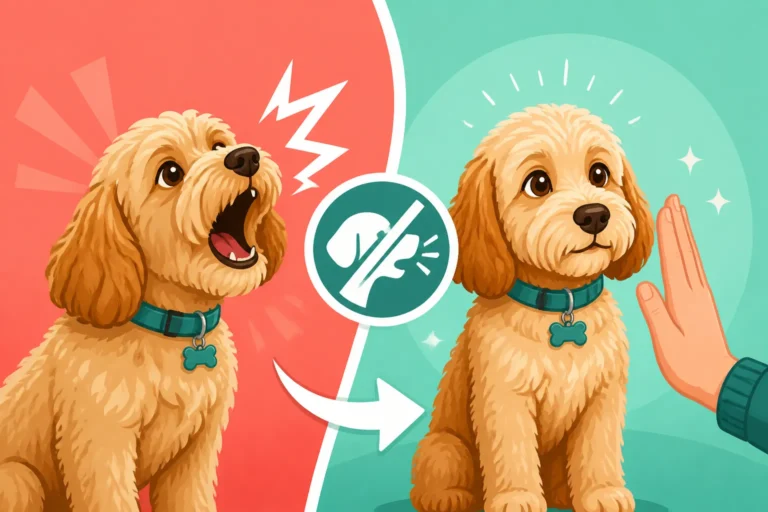
Puppies explore the world with their mouths, and nipping is a natural behavior, especially when those sharp puppy teeth are coming in. It's crucial to teach bite inhibition early on. When your puppy nips too hard, let out a high-pitched "ouch!" or "yip!" and immediately withdraw attention or remove yourself from play for a few seconds. This mimics how littermates teach each other. Redirect them to appropriate chew toys. Make sure they have a wide variety of safe and engaging toys to satisfy their natural chewing instincts. Stores like Amazon offer a vast selection of durable puppy chew toys specifically designed for this purpose.
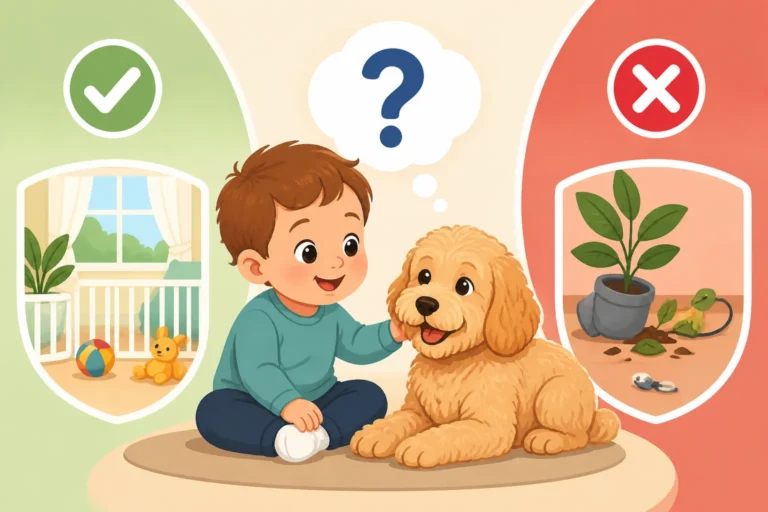
Chewing is also a form of stress relief and exploration. Ensure your home is puppy-proofed, removing anything valuable or dangerous that they might chew. Provide appropriate outlets for their chewing, such as puzzle toys or kongs stuffed with safe treats. As their adult teeth start to come in around When a Cockapoo Puppy's Needle Teeth Go, their desire to chew can intensify, so having plenty of suitable options is essential to prevent them from targeting your furniture or shoes. Learning what is and isn't a toy is a vital lesson for their safety and your sanity.
Leash Manners and Enjoying Walks Together
Introducing your Cockapoo puppy to a collar and leash should be a gradual, positive process. Start by letting them wear a lightweight collar for short periods, rewarding them with treats. Once they're comfortable with the collar, attach a lightweight leash and let them drag it around indoors under supervision. The goal is for them to associate the leash with positive experiences, not restriction. Gradually introduce short, positive walks around your yard or a quiet area.
Loose-leash walking is a skill that takes time and practice. Reward your puppy every time the leash is slack, even for a step or two. Avoid pulling or yanking the leash, which can teach them to pull back harder. Use a comfortable harness designed for puppies to protect their delicate neck and throat. Early leash training is about building positive associations with walking by your side, setting the stage for enjoyable strolls rather than a constant tug-of-war. For an excited young Cockapoo, making the walk a fun exploration, where they can sniff and investigate, will encourage them to walk more politely.
Setting Up for a Lifetime of Grooming Success
Cockapoos are known for their lovely, often curly or wavy coats, which are a major part of their charm. However, this beautiful coat comes with a significant grooming commitment. Starting early and making grooming a positive experience is paramount to prevent stress for both you and your dog down the line.
Getting Used to Handling and Touch
From the moment your Cockapoo puppy comes home, start getting them accustomed to being touched all over their body. Gently handle their paws, ears, tail, and mouth. Look between their toes, lift their lips, and rub their belly. Pair these touches with calm praise and small, tasty treats. This isn't just for grooming; it also makes future veterinary visits far less stressful if they are comfortable with being examined. Consistency and positive reinforcement are key here; keep sessions short and sweet.
This early desensitization is crucial because a Cockapoo will need regular professional grooming throughout their life. If they find handling stressful, every groomer visit, every bath, and every nail trim will be a battle. Think of it as preparing them for an essential part of their well-being. Getting them used to being handled can significantly ease the process of Handling a Cockapoo Puppy Before Its First Groom, ensuring their first real salon visit is a positive one.
Brushing, Combing, and Mat Prevention
The Cockapoo's coat, especially the wavy or curly type, is prone to matting. Daily brushing is not just recommended; it's often essential. Introduce brushing early with a soft puppy brush or a pin brush. Let them sniff the brush, then gently run it over their coat for a few seconds, rewarding them afterward. Gradually increase the duration and intensity. Teach them to lie down or sit calmly while being brushed.
Mats can be painful and lead to skin infections, requiring professional shaving if left unchecked. Establishing a routine of thorough line brushing from a young age will save you (and your Cockapoo) a lot of heartache and expense. Focus on areas prone to matting like behind the ears, armpits, and leg feathering. While your puppy's coat might feel quite soft at first, as discussed in What a Cockapoo Puppy's Coat Feels Like at Eight Weeks, it will change dramatically, often becoming thicker and more prone to tangles, around the 6-10 month mark. Building this habit early is the best defense against mats.
Ear Cleaning and Nail Trims
Just like brushing, regular ear cleaning and nail trims are vital for your Cockapoo's health and comfort, and they're skills best introduced in puppyhood. Cockapoos, with their floppy ears, can be susceptible to ear infections, so getting them used to having their ears touched and cleaned is essential. Gently lift their ear flaps, look inside, and touch the inner ear. You can even dab a little ear cleaner on a cotton ball and gently wipe the outer folds, always rewarding them generously. More information on this can be found in Getting a Cockapoo Used to Ear Handling.
Similarly, start handling their paws and gently touching their nails from day one. Use puppy nail clippers or a dremel grinder, showing it to them, letting them sniff it, and rewarding them. Try to clip just one or two nails at a time, keeping sessions very short and positive. If you accidentally nick the quick, don't panic, but make sure the next few sessions are incredibly positive to rebuild trust. Learning Teaching a Cockapoo to Give a Foot for Nails early on will make this routine task much less stressful for both of you throughout their long life.
Disclaimer
This article is for general informational purposes only and does not constitute professional advice. Laws, prices and regulations vary by location and change over time. Consult a qualified professional for guidance on your specific situation.