The Tight Curled Cockapoo
That delightful, teddy bear look of a Cockapoo often comes with a secret: a dense, curly coat that, while utterly charming, demands a significant commitment from its human companions. If you've ever found yourself gazing at your Cockapoo's beautifully springy curls, only to sigh at the thought of the grooming ahead, you're not alone. This guide is all about navigating the joys and challenges of living with a tight curled Cockapoo, helping you understand their unique coat and keep it healthy and mat-free.
Unpacking the Genetics Behind the Tight Curl
The Cockapoo's coat is one of its most defining features, and that glorious tight curl doesn't happen by accident. It's a fascinating interplay of genetics inherited from both the Poodle and the Cocker Spaniel lines, often culminating in a truly unique grooming challenge. Understanding the genetic blueprint can help you appreciate why your furry friend looks the way they do and prepare you for the care involved.
The Curl Gene KRT71 and its Influence
The primary architect of your Cockapoo's magnificent curl is a gene called KRT71. This gene plays a crucial role in determining the shape of the hair follicle, which in turn dictates how curly or straight a dog's coat will be. Poodles, renowned for their tightly curled, non-shedding coats, typically carry two copies of the dominant curl allele for KRT71. When one of these Poodles is bred with a Cocker Spaniel, who generally has a flatter, wavier coat, the resulting F1 Cockapoo often inherits one copy of this curl gene, leading to the characteristic wavy or loose curl.
However, the tight curl we're talking about often comes from a Cockapoo inheriting two copies of the dominant curl gene, or from a breeding strategy designed to amplify curl. For instance, if you have a Cockapoo parent that carries two copies of the curl gene (often an F1b or multigen Cockapoo) and they are bred with another dog carrying at least one copy, the chances of a litter with intensely curly coats increase dramatically. This is why when you see a particularly woolly or tightly curled Cockapoo, you know their genetic makeup is heavily skewed towards that Poodle curl. It's a beautiful trait, but it definitely means more work on the grooming front. What KRT71 Says About a Cockapoo's Curl is a deep dive into the specifics of this genetic marker.
Beyond F1: How Generations Impact Curl
The generation of your Cockapoo can have a huge impact on the predictability and intensity of their curl. An F1 Cockapoo, the direct offspring of a purebred Cocker Spaniel and a purebred Poodle, usually has a wavy to loose-curl coat because they inherit one curl gene from the Poodle and one non-curl gene from the Cocker. This "first generation" often has the most variability in coat type within a single litter, sometimes referred to as Whether an F1 Cockapoo's Coat Is a Coin Flip. You might see pups ranging from almost straight to nicely wavy.
When breeders aim for a more consistent, non-shedding, and often curlier coat, they often introduce an F1b generation. This is typically an F1 Cockapoo bred back to a purebred Poodle. The "b" stands for backcross, and by reintroducing more Poodle genetics, you significantly increase the chances of two copies of the curl gene, leading to a much tighter curl and reduced shedding. This is where you really start to see those dense, springy, Poodle-like coats become more prevalent. Similarly, multigen Cockapoos, which are the result of breeding two Cockapoos together for several generations, are often selectively bred to produce specific coat types, including the highly desired tight curl. While a beautifully curly coat is often the goal, it's important to remember that with great curl comes great responsibility in terms of grooming. Often, Whether an F1b Cockapoo Looks More Poodle is a direct consequence of this breeding strategy.
The Distinctive Look of a Tight Curled Cockapoo
There's no mistaking a tight curled Cockapoo once you know what to look for. They possess a unique aesthetic that is both adorable and practical in its low-shedding qualities, yet it comes with its own set of care instructions. This coat type is a testament to the Poodle's strong genetic influence, creating a look that many people specifically seek out in the Cockapoo breed.
Defining the Tight Curl Appearance
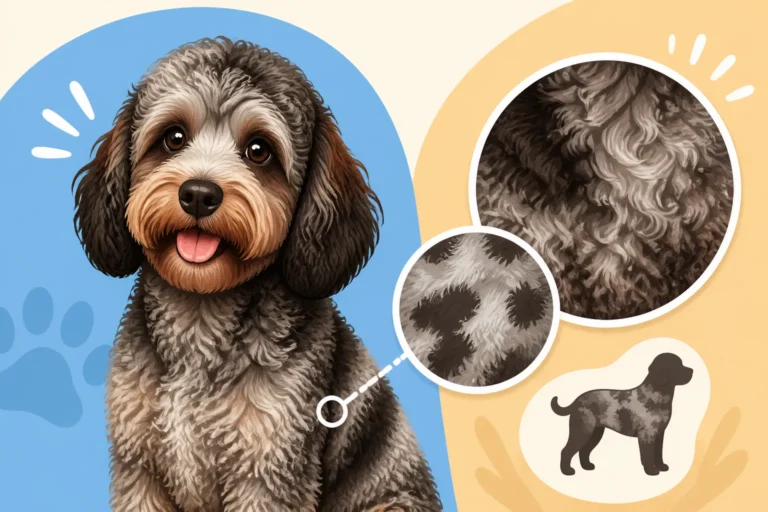
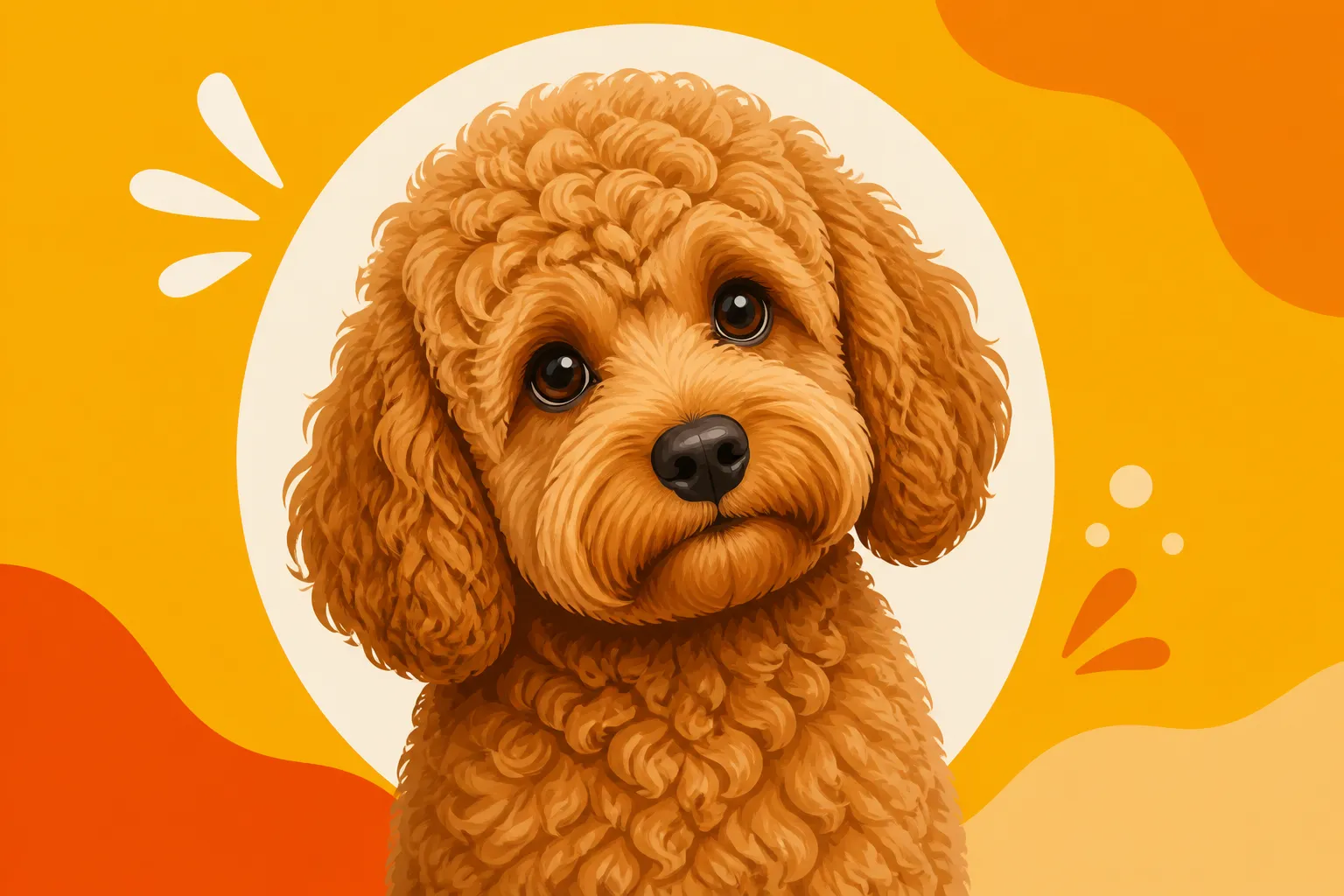
A tight curled Cockapoo's coat is dense, springy, and often described as wool-like or fleecy. Unlike the looser waves or flat coats, these curls are tightly packed and tend to spiral close to the body, creating a full, plush appearance. Imagine a meticulously groomed Poodle, but with the softer, slightly less coarse texture that often comes from the Cocker Spaniel side. The hair itself is typically fine but abundant, giving the dog a robust, rounded silhouette even when kept short. This density means that while they might not shed visible hair all over your furniture, any loose hairs are trapped within the curls, making regular brushing absolutely non-negotiable to prevent matting.
The tight curl often gives the dog a perpetual puppy-like look, especially when combined with the characteristic Cockapoo "furnishings" around the face. It’s a coat that feels soft to the touch and can be incredibly appealing, but don't let its charm lull you into thinking it's low maintenance. The sheer volume and tight nature of the curls mean every stray hair that sheds has nowhere to go but to get tangled with its neighbors, leading to mats and knots that can become painful if not addressed promptly. The Curl Gene and Where a Cockapoo's Coat Lands further explains the visual outcomes of different genetic combinations.
Furnishings and the Curly Face
One of the most beloved aspects of the Cockapoo's appearance, especially those with tighter curls, is their distinctive "furnished" face. Furnishings are the longer hair on the muzzle, eyebrows, and sometimes the legs, which are a hallmark of breeds like the Poodle and Cocker Spaniel. When combined with a tight curl, these furnishings create that classic, endearing teddy bear look that Cockapoos are famous for. Instead of a short-haired face like many other breeds, a furnished Cockapoo will have a beard, mustache, and expressive eyebrows that add immense character.
However, these furnishings, while cute, are also major mat magnets. The hair around the mouth gets wet when drinking and eating, making it prone to tangles and even yeast infections if not kept clean and dry. The eyebrows can grow long enough to fall into the eyes, potentially causing irritation or obscuring vision, so regular trimming is essential. Learning What Furnishings Look Like on a Cockapoo will help you identify these traits early on. Owners often find themselves needing to trim these areas more frequently than the body, or even using small bands to keep the hair out of the eyes. This combination of tight curls on the body and longer furnishings on the face means a dedicated grooming routine is crucial to maintain both their adorable appearance and their comfort.
The Reality of Grooming a Tight Curled Coat
Let's be honest: a tight curled Cockapoo is gorgeous, but that beauty comes with a price, and that price is time and effort spent on grooming. This isn't a wash-and-wear kind of dog; it's a commitment. Many first-time Cockapoo owners are surprised by just how much grooming a curly coat demands, and it's a frustration I hear often from fellow dog lovers. But with the right tools and techniques, you can keep your Cockapoo looking fabulous and feeling comfortable.
Daily Brushing: Your Essential Routine
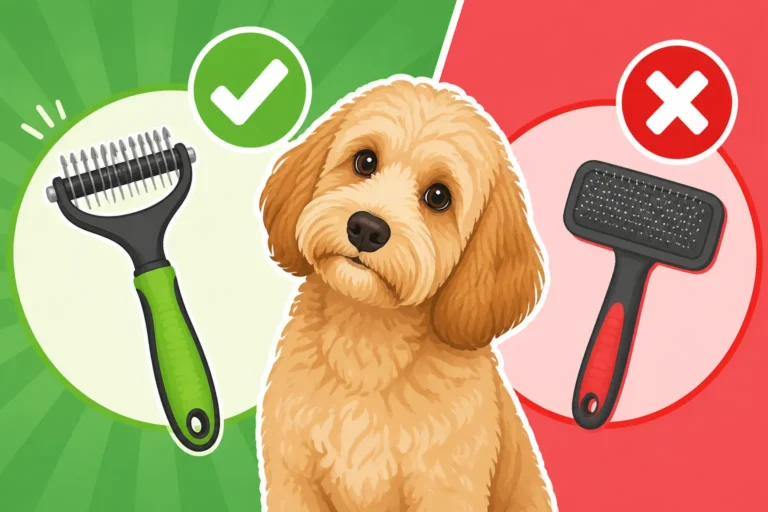
For a tight curled Cockapoo, daily brushing isn't just a suggestion; it's an absolute necessity. Skipping even a couple of days can lead to knots and mats that quickly become severe, especially in areas of high friction like behind the ears, armpits, and groin. Your primary tools will be a high-quality slicker brush and a metal comb. The slicker brush is great for working through the bulk of the coat, gently lifting and separating the curls. But the real secret weapon for a tight curl is the metal comb, which can get down to the skin and find those hidden tangles the slicker might miss.
The technique you need to master is called "line brushing." This isn't just a quick once-over the top of the coat. You need to part the hair in small sections, working from the bottom up, and brush the hair directly from the skin outwards. Imagine painting in layers; you're essentially brushing layer by layer. If your comb can't glide smoothly from the skin to the tip of the hair, you've found a tangle. This meticulous approach ensures that you're not just brushing the surface but truly detangling the entire coat. It might sound like a lot of work, but trust me, it's far less painful and time-consuming than trying to de-mat a neglected coat later. You can find excellent quality slicker brushes and metal combs on Amazon to start your grooming arsenal. Line Brushing a Cockapoo and Why the Top Coat Lies will give you even more detail on this essential technique.
The Dreaded Matting Process and Prevention
Mats are the bane of a curly-coated dog owner's existence. They form when shed hair gets tangled with live hair, creating dense clumps that pull on the skin. For a tight curled Cockapoo, this process can happen incredibly quickly, often seeming to appear out of nowhere. Areas most prone to matting include behind the ears, under the chin, in the armpits, on the insides of the legs, and around the tail. These are areas where movement, rubbing, or moisture can accelerate mat formation. A small knot can turn into a painful, pelt-like mat in a matter of days if not addressed.
Prevention is always better than cure when it comes to mats. Consistent daily brushing with the right tools is your best defense. When you do find a small mat, resist the urge to pull at it. Instead, use a mat splitter or carefully work it apart with your fingers and the very tips of your metal comb, always holding the skin at the base of the mat to prevent pulling. Some owners find detangling sprays helpful, which can lubricate the hair and make it easier to separate. Remember, if a mat is too tight or large, it's safer and kinder to your dog to take them to a professional groomer rather than risk injuring their skin trying to remove it yourself. Knowing The Comb That Finds Mats a Slicker Misses can make a huge difference in catching mats early. Understanding Where a Curly Cockapoo Mats First allows you to be proactive in those sensitive areas.
Professional Grooming: A Non-Negotiable Expense
Even with the most diligent home grooming, a tight curled Cockapoo will require regular professional grooming. Their coats simply don't manage themselves. Most tight-curled Cockapoos need to see a groomer every 6-8 weeks, sometimes even more frequently if you prefer to keep their coat longer. A professional groomer has specialized tools, techniques, and the experience to manage these challenging coats, especially when the dreaded "coat change" hits around 6-10 months of age.
During a professional grooming session, your dog will typically receive a bath, a thorough blow-dry (which helps straighten the hair for cutting), a full body clip to your desired length, and detailed work on the face, paws, and sanitary areas. They'll also get their nails trimmed and ears cleaned. This isn't just about aesthetics; it's about hygiene and comfort for your dog. A matted coat can hide skin infections, parasites, and can restrict movement, causing pain. Budgeting for these regular professional grooms is a non-negotiable part of owning a tight curled Cockapoo. Don't be shy about discussing your dog's specific needs and your budget with your groomer; they can offer advice on maintaining the coat between visits. Many Chewy and Petco locations offer grooming services, so it's worth checking out options in your area.
Here's a quick overview of how a tight curled coat compares in grooming commitment:
| Coat Type | Description | Brushing Frequency | Professional Grooming Frequency | Common Challenges |
|---|---|---|---|---|
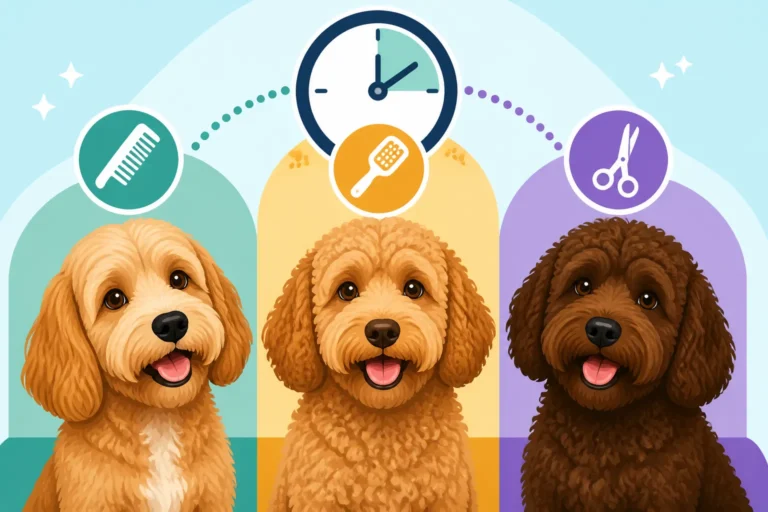
| Tight Curled | Dense, springy, wool-like, non-shedding. | Daily | Every 6-8 weeks | Severe matting, skin irritation |
| Wavy | Loose, flowing curls, low to moderate shedding. | Every 2-3 days | Every 8-10 weeks | Moderate matting, tangles |
| Straight/Flat | Minimal curl, can shed more. | Weekly | Every 10-12 weeks | Less matting, more shedding |
Common Skin and Coat Challenges
The beauty of a tight curled coat, while captivating, isn't without its potential pitfalls. The very qualities that make it so desirable – its density and texture – can also create an environment ripe for certain skin and ear issues. Being proactive and understanding these challenges is key to keeping your tight-curled Cockapoo healthy and happy.
Trapped Moisture and Skin Irritations
One of the most common issues stemming from a tight curled coat is the tendency for moisture to get trapped against the skin. Whether it's from a bath, a swim in the lake, a walk in the rain, or even just humidity in the air, that dense curl acts like a sponge, holding dampness close to the body. This creates a warm, moist environment that is absolutely ideal for bacterial and yeast overgrowth. The result? Unpleasant skin irritations like hot spots, red patches, or a distinct yeasty smell, particularly in areas where air circulation is limited, such as the armpits, groin, and under the ears.
To combat this, thorough drying after any exposure to water is paramount. Invest in a good pet-specific blow dryer (never use a human dryer on too high heat, as it can burn their skin) and ensure their coat is completely dry, right down to the skin. During humid weather, consider keeping their coat a bit shorter to allow for better airflow. If you notice persistent itching, redness, or an odor, it's always best to consult your vet. They might recommend medicated shampoos or other treatments to restore skin health. Preventative measures, like thorough drying and keeping the coat well-groomed, are your first line of defense against these uncomfortable skin conditions.
Ear Care: A Crucial Component of Grooming
The Cockapoo inherits those lovely, floppy ears from their Cocker Spaniel lineage, and when combined with the Poodle's propensity for growing hair inside the ear canal, it creates a perfect storm for ear infections. A tight curled Cockapoo often has dense feathering on their ears that hangs down, further limiting air circulation. The hair within the ear canal can trap wax, dirt, and moisture, creating an ideal breeding ground for bacteria and yeast, which thrive in dark, warm, moist environments. This is a common frustration for Cockapoo owners, and it's something many discover only after their dog has experienced several painful infections.
Regular ear cleaning is not just helpful, it's essential for a tight curled Cockapoo. Your vet can show you how to properly clean your dog's ears using a vet-approved ear cleaner. Additionally, some Cockapoo owners choose to have the hair inside their dog's ear canal plucked or trimmed by a groomer to improve airflow. While plucking can sometimes cause irritation if not done correctly, for many curly-coated dogs, it's a necessary step to prevent chronic infections. Pay close attention to any signs of an ear infection: head shaking, scratching at the ears, redness, discharge, or a foul odor. Early intervention can prevent a minor irritation from escalating into a serious problem. It’s important to understand that Whether a Cockapoo's Ear Canal Narrows With Age can also impact airflow and increase the risk of issues.
Living with and Loving Your Tight Curled Companion
Owning a tight curled Cockapoo is a journey filled with love, laughter, and, yes, a fair bit of grooming. But beyond the brushing and bathing, there are other important aspects of their care that contribute to a healthy, happy life, from what they eat to how you manage their coat through different stages of life. It’s all part of the commitment to these wonderful dogs.
Diet, Supplements, and Coat Health
What you feed your tight curled Cockapoo can have a noticeable impact on the health and condition of their coat and skin. A high-quality diet, rich in essential fatty acids like Omega-3 and Omega-6, is fundamental for a healthy skin barrier and a shiny, resilient coat. Look for dog foods that list real meat as the first ingredient and avoid fillers or artificial additives. Brands like Ollie offer fresh, human-grade food options that many owners report positively impact their dog's skin and coat health. Investing in good nutrition is an investment in their overall well-being, which reflects in their external appearance.
In addition to a balanced diet, some owners opt to give their Cockapoos supplements to further support coat health. Fish oil (salmon, sardine, or anchovy oil) is a popular choice, providing concentrated Omega fatty acids that can reduce inflammation, improve skin hydration, and add luster to the coat. Biotin or other skin and coat supplements are also available. Always consult with your veterinarian before adding any supplements to your dog's diet, as they can advise on appropriate dosages and ensure there are no contraindications with any existing health conditions. You can often find a wide array of reputable supplements on Amazon or Chewy after speaking with your vet. Remember, while a good diet and supplements can support a healthy coat, they are not a substitute for consistent grooming.
Adapting to Seasonal Changes and Life Stages
A tight curled Cockapoo's coat care needs aren't static; they evolve throughout their life. Puppyhood, for instance, is the ideal time to get them accustomed to grooming tools and handling. Regular, positive experiences with brushes, combs, and even the sound of a dryer will make future grooming sessions much smoother. Introduce them to these things gently, with plenty of treats and praise.
The most significant coat transition typically occurs around 6 to 10 months of age, during what's often referred to as A Cockapoo's Coat Through the Ten Month Change. This is when their soft puppy fur starts to give way to the denser, adult coat, and matting can become particularly rampant overnight. It's a period where daily, meticulous brushing is absolutely critical, and many owners opt for a shorter clip to manage the change more easily. As your Cockapoo matures, their coat might settle, but the need for regular grooming remains. In their senior years, What Changes in a Cockapoo's Coat After Eleven means their skin might become more fragile, and they might tolerate standing for long grooming sessions less well. You might need to adjust your grooming schedule, opt for shorter, more frequent sessions, or work with your groomer to find a style that prioritizes their comfort. Whether it's a summer clip to prevent overheating or a slightly longer winter coat for warmth, adapting your routine to the season and your dog's age ensures they stay comfortable and healthy year-round.
Disclaimer
This article is for general informational purposes only and does not constitute professional advice. Laws, prices and regulations vary by location and change over time. Consult a qualified professional for guidance on your specific situation.