The Hours a Wavy Cockapoo Takes Each Week
Anyone who's welcomed a wavy-coated Cockapoo into their home knows that their beautiful, often allergy-friendly fur is one of their most charming features. But let's be honest, it doesn't always feel like the "low-maintenance" dream you might have envisioned! Keeping that gorgeous wavy coat healthy, mat-free, and looking its best can feel like a guessing game of how much time you really need to dedicate. This guide is here to pull back the curtain on the actual weekly time commitment required for a wavy Cockapoo's coat, so you can keep your furry friend happy and handsome without the constant struggle.
Understanding the Wavy Cockapoo Coat: What Makes it Unique?
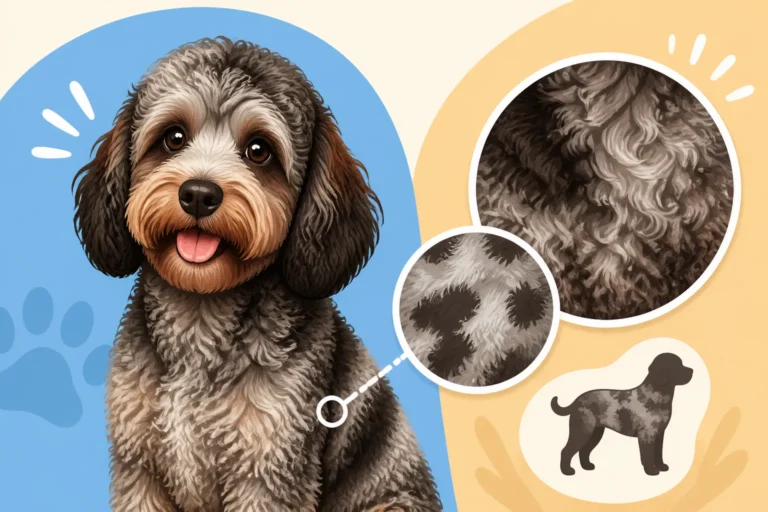
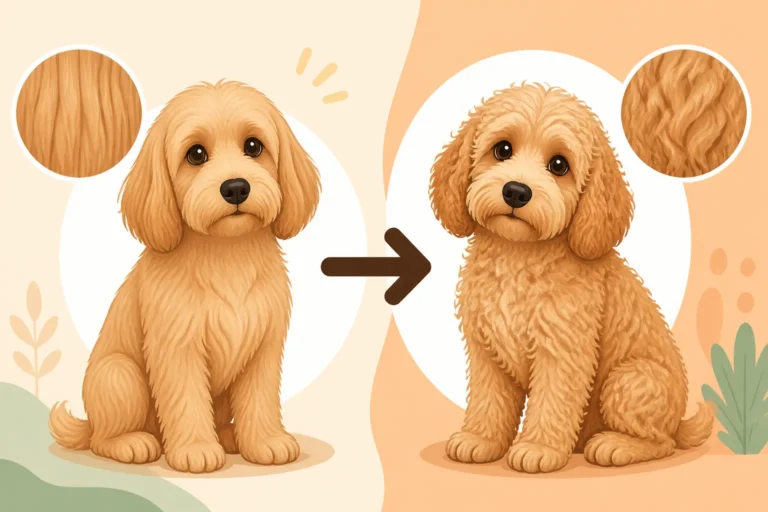
The wavy coat is arguably the most common and often sought-after Cockapoo coat type. It's a delightful blend, sitting somewhere between the flat, silky coat of a Cocker Spaniel and the tightly curled, dense coat of a Poodle. This unique texture is a huge part of their appeal, but it also comes with its own set of grooming demands.
The "Furnishings" Factor in Wavy Coats
The term "furnishings" refers to the longer hair on a dog's face, including eyebrows, mustache, and beard, as well as on their legs and body. For Cockapoos, these furnishings are typically inherited from the Poodle side and are largely responsible for their characteristic low-shedding quality. A wavy-coated Cockapoo almost always possesses these furnishings. They're what give them that adorable, teddy-bear look!
However, these wonderful furnishings are also the primary reason why a wavy Cockapoo's coat is prone to matting. The hair around their face can collect food and moisture, the hair on their legs can pick up debris, and the longer body hair creates friction points. Without regular attention, these areas can quickly turn from soft waves to tight knots. Understanding this genetic trait – The Furnishings Gene That Decides a Cockapoo's Face – is the first step in appreciating why your weekly grooming routine is so crucial. It’s not just about aesthetics; it's about comfort for your dog.
The Blend of Cocker and Poodle Textures
Imagine taking the fine, sometimes oily hair of a Cocker Spaniel and intertwining it with the slightly coarser, often drier Poodle coat. That's essentially what you get with a wavy Cockapoo. This blend results in a soft, fluffy texture that has just enough "grip" to hold onto loose hairs and form tangles, but isn't quite as resilient or self-separating as a true Poodle curl.
This combination of textures means that a wavy coat can quickly become a felted mess if neglected. The softer hairs tend to wrap around each other, tightening with movement, moisture, or friction from collars and harnesses. You might notice it feels incredibly soft and plush, which is lovely to pet, but it also means it's a prime candidate for tangles to form deep within the coat, right down to the skin. This isn't a fault of your dog, but rather an inherent characteristic of this beautiful hybrid coat. For more on coat genetics, you might find The Curl Gene and Where a Cockapoo's Coat Lands insightful.
Why Wavy Isn't "Wash and Wear"
One of the biggest misconceptions about wavy-coated Cockapoos is that they're a "wash and wear" kind of dog. Many new owners, thrilled by the promise of less shedding, assume that a quick bath and air-dry will suffice. Oh, if only that were true! The reality is, a wavy coat is far from wash-and-wear. In fact, washing a matted or even slightly tangled wavy coat without proper pre-grooming is one of the quickest ways to create an impenetrable felt blanket on your dog.
Water causes existing tangles to tighten and shrink, pulling them closer to the skin. It's like throwing a wet wool sweater into a hot dryer – it just shrinks and becomes denser. Therefore, any bath must be preceded by thorough brushing and combing, and followed by meticulous drying. This is a non-negotiable step in maintaining the health and comfort of your wavy Cockapoo's coat.
Weekly Grooming Time Commitments for a Wavy Cockapoo
Let's get down to the nitty-gritty: the actual time you'll spend. This isn't just about a quick once-over; it's about a dedicated routine that will save you and your dog from painful matting and expensive emergency groomer visits.
Daily Brushing: Your First Line of Defense
Yes, daily. I know, it sounds like a lot, but hear me out. Daily brushing for a wavy-coated Cockapoo isn't about deep detangling; it's about surface maintenance and preventing small tangles from becoming big problems. Think of it as preventative medicine for their coat.
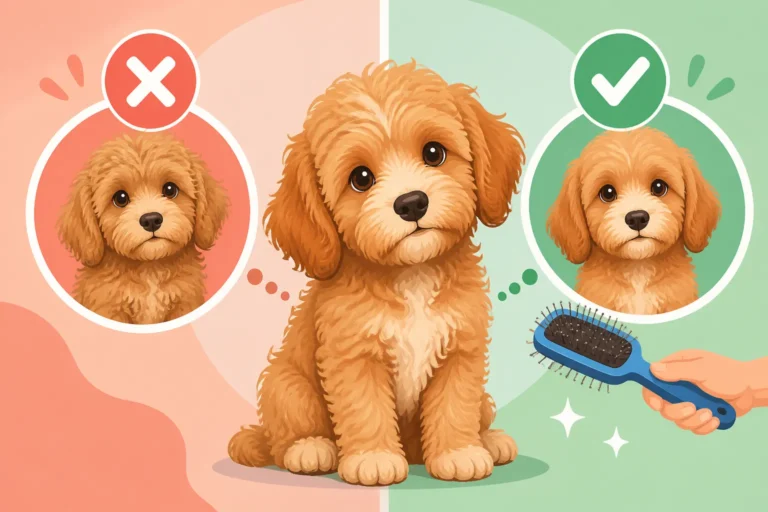
Aim for 10-15 minutes every single day. This should involve a good quality slicker brush, like those found on Amazon, used systematically over your dog's entire body. Don't just brush the top layer! Gently lift the coat and brush against the grain in short strokes to get closer to the skin without scratching. Focus particularly on "friction areas" – behind the ears, armpits, groin, under the collar or harness, and where their legs meet their body. These are the hotspots for matting. Making this a positive, consistent experience from puppyhood, with treats and praise, will make a world of difference. It's not just grooming; it's bonding time. If your Cockapoo isn't a fan of grooming, you might want to read A Cockapoo That Will Not Sit Still to Be Combed for some tips.
The Importance of Regular Combing and Line Brushing
Daily brushing is good, but it's often not enough on its own. To truly prevent mats in a wavy coat, you need to introduce combing and a technique called "line brushing" into your routine 2-3 times a week. This is where you really get down to the skin and find those hidden tangles the slicker brush might miss.
Line brushing is exactly what it sounds like: you part your dog's coat in a straight line, parallel to the body, and brush or comb the hair underneath that line. Then you move your part a little further up and repeat, working in sections across the entire body. You'll need a good quality metal comb with both wide and narrow teeth. Start with the wide teeth and then switch to the narrow to ensure there are no tangles.
This process can add another 20-30 minutes, 2-3 times a week, on top of your daily brushing. It’s a significant time commitment, but it’s the only way to ensure your dog’s coat is truly mat-free at the skin level. If you only brush the top, the undercoat will felt into a solid mat, even if the top looks lovely. For a visual guide, Line Brushing a Cockapoo and Why the Top Coat Lies can be really helpful. It’s a game-changer for wavy coats!
Dealing with Tangles and Minor Matting
Even with the most diligent routine, a few tangles are inevitable, especially during the dreaded "coat change" phase around 8-12 months when their puppy coat gives way to their adult fur. This period can be particularly challenging, and you might find yourself battling mats daily. The Coat Change That Ambushes a Cockapoo Owner at Ten Months explores this tricky transition.
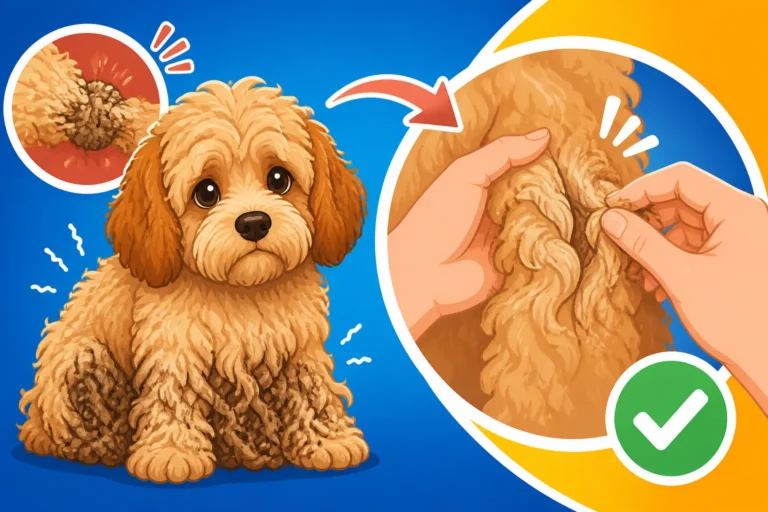
When you encounter a tangle, resist the urge to pull or cut it out. Instead, gently separate the mat with your fingers as much as possible. Spray it with a detangling spray or a conditioning spray (many great options are available from brands on Chewy). Then, using the tip of your comb, gently tease the tangle apart, working from the outside edges inwards, a few hairs at a time. Hold the base of the hair near the skin to avoid pulling. If a mat is too tight or large, do not force it. This can be painful for your dog and cause skin irritation. At this point, it’s time to call a professional groomer. They have specialized tools and techniques to remove mats safely, often requiring a very short shave underneath. Trying to cut them out yourself often leads to accidental nicks or cuts on the skin.
Beyond Brushing: Essential Weekly Care Tasks
Grooming a wavy Cockapoo isn't just about their luxurious coat. There are other crucial areas that need regular attention to ensure their overall health and well-being.
Ear Care: Keeping Those Floppy Ears Healthy
Cockapoos often inherit the charming, floppy ears of their Cocker Spaniel ancestors, which, while adorable, can be a breeding ground for problems. The pendulous nature of their ears means limited air circulation, creating a warm, moist environment perfect for yeast and bacteria to thrive.
Weekly ear checks are a must. Gently lift your Cockapoo's ear flaps and look for any redness, swelling, discharge (especially dark, waxy, or pus-like), or an unpleasant odor. A healthy ear should be pale pink and clean. If you notice any issues, consult your vet immediately. For routine cleaning, use a vet-approved ear cleaning solution (you can find these at pet stores or on Amazon). Apply the solution to a cotton ball – never directly into the ear canal unless directed by your vet – and gently wipe the visible parts of the ear. Never use cotton swabs inside the ear canal, as this can push debris further in and damage delicate structures. This task usually takes about 5-10 minutes each week. You might be interested in knowing Whether a Cockapoo's Ears Are Better Than a Cocker's, which often touches on their susceptibility to infections.
Dental Hygiene: More Than Just a Pretty Smile
Many Cockapoos, particularly the smaller varieties, are prone to dental issues due to their often crowded mouths. Plaque and tartar can build up quickly, leading to gum disease, pain, and even systemic health problems. While daily dental brushing is the gold standard, a thorough weekly brushing is a great start and far better than none at all.
Invest in a dog-specific toothbrush and toothpaste (human toothpaste is toxic to dogs). Lift your dog's lips and gently brush the outer surfaces of their teeth, focusing on the gum line. Don't forget those back molars! Make it a positive experience with praise and treats. In addition to brushing, dental chews and water additives can offer supplementary support, but they don't replace brushing. This task takes approximately 5-7 minutes each week. For more on this, check out Dental Crowding in a Small Cockapoo's Mouth.
Paw Pad and Nail Maintenance
Your Cockapoo's paws are their connection to the world, and keeping them healthy is essential. Weekly paw checks should become part of your routine. Inspect their paw pads for any cuts, cracks, foreign objects (like burrs or small stones), or excessive hair growth between the pads. Long hair between the pads can collect dirt, pebbles, and ice, leading to discomfort, matting, and even infection. It can also cause them to slip on smooth surfaces, contributing to joint issues.
Nail trims are another vital aspect. While not strictly weekly, nails typically need trimming every 2-4 weeks, depending on your dog's activity level. Overgrown nails can be painful, affect their gait, and even lead to splayed toes or infections. Learn how to use dog-specific nail clippers or a dremel tool safely, or ask your groomer or vet to do it. You'll want to be careful not to cut into the quick (the sensitive part of the nail). Keeping a styptic powder handy is a good idea in case of accidental nicks. A quick check of their paws and a nail trim will take about 5-10 minutes as needed. Training your dog to accept paw handling early on, as discussed in Teaching a Cockapoo to Give a Foot for Nails, makes this much easier.
Bathing and Drying: A Deeper Dive into Wavy Coat Care
Bathing a wavy-coated Cockapoo is not a task to be taken lightly. It's a process that, if done incorrectly, can create more problems than it solves.
Frequency and Technique for Wavy Coats
The general rule for bathing a wavy Cockapoo is every 3-4 weeks, or more often if they're particularly adventurous or prone to getting dirty. However, as we discussed, never bathe a matted dog. Any existing tangles will tighten into felt, becoming nearly impossible to remove without shaving.
Before the bath, give your Cockapoo a thorough brush and comb-through. Make sure their coat is completely free of knots. Use lukewarm water and ensure your dog is completely wet down to the skin before applying shampoo. Diluting shampoo can help it distribute more evenly and rinse out completely. Apply shampoo, gently working it into the coat (don't scrub vigorously as this can create tangles!). Focus on getting it down to the skin. Rinse thoroughly – this is critical! Leftover shampoo can irritate the skin and leave a residue that attracts dirt and creates matting. A second shampooing and rinse is often beneficial.
The Art of Thorough Drying to Prevent Mats
This is perhaps the most critical step after bathing for a wavy Cockapoo. You absolutely cannot let a wavy Cockapoo air-dry. The natural drying process will cause the waves to curl and tighten, pulling loose hairs and any missed tangles into tight, painful mats.
After the bath, towel-dry your dog gently, blotting rather than rubbing. Then, use a high-velocity force dryer (like those a professional groomer uses, or a good quality pet dryer from Amazon or Chewy) on a low-to-cool heat setting. While drying, continuously brush your dog's coat with a slicker brush, parting the hair and drying section by section, much like line brushing. You need to dry the coat completely, right down to the skin. This can take anywhere from 60 minutes to two hours or more, depending on your dog's size and coat density. It's a workout, but it's vital. If your dog is nervous around the dryer, A Cockapoo That Panics at the Dryer offers some excellent calming strategies.
Choosing the Right Shampoos and Conditioners
The products you use can make a big difference in maintaining your wavy Cockapoo's coat health. Always use dog-specific shampoos and conditioners. Human products have a different pH balance and can irritate your dog's skin.
Look for shampoos that are moisturizing, detangling, or formulated for sensitive skin if your Cockapoo has any skin issues. A good quality conditioner is essential for wavy coats, as it helps to smooth the hair cuticles, making them less prone to tangling and easier to brush. Apply conditioner after shampooing, let it sit for a few minutes, and then rinse thoroughly. Many reputable brands offer excellent conditioning sprays that can be used between baths to aid in daily brushing. Ollie also offers some great nutritional supplements that can contribute to skin and coat health, which might be worth exploring.
Seasonal Considerations and Professional Grooming
Even with the most diligent home care, understanding how seasons affect your wavy Cockapoo's coat and knowing when to seek professional help are key to their comfort and well-being.
Adapting Care for Different Seasons
A wavy Cockapoo's coat needs slightly different care depending on the time of year.
- Summer: While a longer coat can provide some UV protection, a thick wavy coat can become very hot in warm weather. You might opt for a shorter clip during the summer months to help your dog stay cool. Be mindful of sun exposure on shaved areas and consider dog-specific sunscreen if needed. Swimming is great exercise, but remember the "wash and wear" rule – a post-swim rinse and thorough dry (with brushing) are critical to prevent matting from damp fur.
- Winter: Cold weather brings its own challenges. Snow and ice can cling to longer coats, forming painful ice balls, especially on leg and paw fur. Consider trimming paw hair shorter and using paw balm to protect against salt and ice. Mud is also a common winter culprit, meaning more frequent bathing might be necessary. Longer coats also offer warmth, so a very short shave might not be suitable if your dog spends time outdoors in freezing temperatures.
When to Call in the Professionals and Why it Saves You Time
Let's be realistic: maintaining a wavy Cockapoo's coat perfectly at home, especially one with a denser curl or during their coat change, is incredibly time-consuming. This is where professional groomers truly become invaluable. Most wavy Cockapoos benefit from professional grooming every 4-8 weeks.
A professional groomer has specialized tools, techniques, and dryers that can tackle even the toughest tangles more efficiently and safely than you can at home. They can perform precise trims, clear hair from ears, trim nails perfectly, and give your dog a thorough, mat-free bath and blow-dry. While there's a financial cost, consider the time and frustration it saves you, not to mention the comfort it provides your dog. A good groomer can keep your Cockapoo's coat in excellent condition, often allowing you to maintain a longer, fluffier style that would be impossible to keep up with on your own. It's an investment in your dog's health and your sanity. For an idea of what professional grooming might cost, What a Cockapoo Groom Costs by Coat Type can provide some context.
The Long-Term Impact of Consistent Care
The consistent effort you put into caring for your wavy Cockapoo's coat isn't just about them looking good for your Instagram feed. It has a profound impact on their overall health and happiness. Neglecting a wavy coat can lead to severe matting, which can cause:
- Skin Irritation and Infections: Mats pull on the skin, causing pain, redness, and open sores where bacteria can thrive.
- Restricted Movement: Severe mats can restrict your dog's ability to walk, run, or even lie down comfortably.
- Hidden Problems: Mats can hide parasites, skin growths, or injuries that go unnoticed.
- Overheating: A dense, matted coat traps heat, making it harder for your dog to regulate their body temperature.
By committing to a regular grooming routine, whether it's through diligent home care, professional services, or a combination of both, you are actively preventing pain and discomfort for your beloved companion. A well-maintained wavy coat leads to a happier, healthier, and more comfortable Cockapoo who can enjoy their playful life to the fullest. Understanding which tools to use, such as contrasting a slicker brush with Whether an Undercoat Rake Suits a Cockapoo, can also significantly impact your efficiency and success.
| Task | Frequency | Estimated Time Per Session (Wavy Cockapoo) | Notes |
|---|---|---|---|
| Daily Maintenance | |||
| Daily Brushing | Daily | 10-15 minutes | Surface brushing with a slicker brush; focus on high-friction areas. |
| Weekly Deep Care | |||
| Line Brushing/Combing | 2-3 times per week | 20-30 minutes | Essential for preventing mats, getting down to the skin. Use a metal comb. |
| Ear Check & Cleaning | Weekly | 5-10 minutes | Inspect for redness, odor, discharge; clean gently with vet-approved solution. |
| Dental Brushing | Weekly (ideally daily) | 5-7 minutes | Focus on outer surfaces; use dog-specific toothbrush and toothpaste. |
| Paw Pad/Nail Check | Weekly | 5-10 minutes | Inspect pads, trim nails as needed (every 2-4 weeks); trim hair between pads. |
| Monthly/Bi-Monthly | |||
| Bathing & Drying | Every 3-4 weeks | 60-120 minutes | Thorough pre-brush, shampoo, rinse, and complete blow-dry down to the skin. |
| Professional Grooming | Every 4-8 weeks | N/A (professional time) | Highly recommended for maintaining coat health, preventing severe matting, and specialized trims. |
Disclaimer
This article is for general informational purposes only and does not constitute professional advice. Laws, prices and regulations vary by location and change over time. Consult a qualified professional for guidance on your specific situation.