Which Labs Test a Cockapoo’s Coat Genes
It's such a common situation when you bring home a new Cockapoo puppy, or even an older rescue, and you find yourself constantly wondering, "Will this fluffy little sweetheart shed? Will their coat change? What kind of grooming nightmare am I in for?" The truth is, without knowing their genetic makeup, it can feel like a complete gamble. This guide is here to shed some light on that mystery, walking you through which reputable labs can test your Cockapoo's coat genes, what those results actually mean, and how understanding your dog's DNA can help you provide the best possible care for their unique coat.
Understanding Cockapoo Coat Genetics
The Cockapoo's charm lies in its delightful mix of Cocker Spaniel and Poodle, but this blend also means a wide variety when it comes to their coats. Unlike purebreds where coat type is generally predictable, a Cockapoo can inherit a diverse array of traits, leading to everything from a relatively flat, shedding coat to a tight, curly, low-shedding marvel. Understanding the genetics behind these coats isn't just for breeders; it's incredibly valuable for pet owners who want to anticipate grooming needs and even potential allergy triggers.
Why Coat Genetics Matter for Cockapoo Owners
For many of us, the allure of a Cockapoo is often tied to the hope of a low-shedding, allergy-friendly dog. This expectation comes directly from the Poodle side of their family tree. However, depending on the specific genes inherited from both parent breeds, a Cockapoo's coat can vary wildly. If your dog carries genes that predispose them to shedding, you might find yourself constantly vacuuming and dealing with loose hair, which can be a real frustration, especially if you or a family member has allergies. Conversely, a dog with a tightly curled, furnished coat might be a grooming commitment of a different kind, requiring regular brushing to prevent mats. Knowing what kind of coat your Cockapoo genetically has allows you to set realistic expectations and prepare for the specific care they'll need.
It's not just about shedding; coat genetics can also influence the texture, curl pattern, and even the tendency for certain skin issues. For instance, some Cockapoos might inherit the Cocker Spaniel's predisposition for Whether a Cockapoo Inherits the Cocker's Oily Skin, which can impact overall coat health and necessitate specific bathing routines. Others might have the Poodle's finer, dryer hair. Genetic testing offers a glimpse into this unique blueprint, empowering you to avoid common pitfalls and potential surprises down the line.
Key Genes That Influence a Cockapoo's Coat
When we talk about Cockapoo coat genetics, two main genes are usually at the forefront: Furnishings and Curl. These are the heavy hitters that determine the overall look and feel of your dog's coat.
Furnishings (RSPO2 Gene): This is arguably the most important gene for anyone seeking a low-shedding Cockapoo. Furnishings refer to the longer hair on a dog's face, including eyebrows, mustache, and beard. Dogs that have at least one copy of the dominant F allele (meaning they are F/F or F/IC, where IC stands for "improper coat" or non-furnished) will have these characteristic furnishings. These furnishings are directly linked to the low-shedding trait. A Cockapoo that inherits two copies of the recessive IC allele (IC/IC) will have what's often called an "improper coat" or "flat coat." These dogs lack the facial furnishings and tend to shed much more, more akin to a Cocker Spaniel. This can be a huge surprise for owners expecting a non-shedding companion, which is why understanding What an Improper Coated Cockapoo Looks Like and Why an Improper Coated Cockapoo Sheds is crucial.
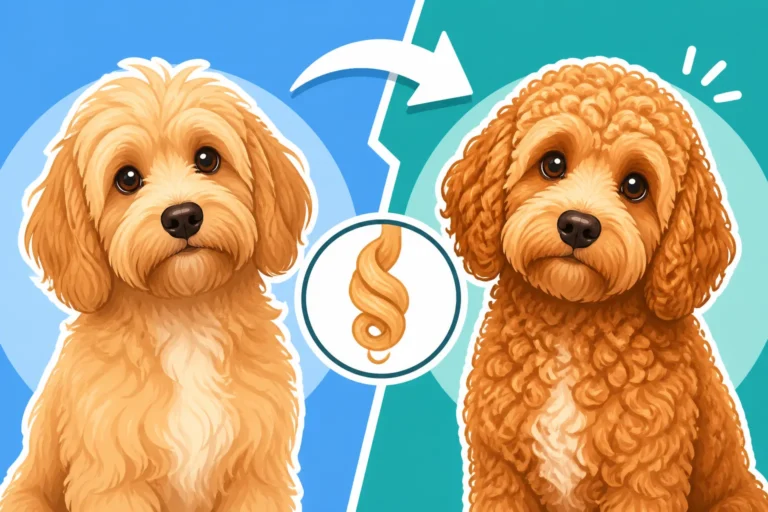
Curl (KRT71 Gene): The curl gene determines the degree of curl in your Cockapoo's coat. Poodles carry two copies of the dominant C allele (C/C), giving them their signature tight curls. Cocker Spaniels typically have two copies of the recessive T allele (T/T), resulting in a straight or wavy coat. A Cockapoo can inherit various combinations:
- C/C: Very curly coat, similar to a Poodle.
- C/T: Wavy to moderately curly coat, often described as the classic "Cockapoo look."
- T/T: Straight or very slightly wavy coat, resembling the Cocker Spaniel side more closely.
Knowing your dog's curl genotype can help you anticipate how much brushing and professional grooming they will need. A tightly curled coat, for instance, will generally require more frequent and thorough grooming to prevent mats than a wavy or straight coat, sometimes doubling the weekly commitment of an owner. Why a Tight Curl Doubles a Cockapoo Owner's Week is a real consideration.
Other genes can also play a role, such as those influencing coat length and even color, but furnishings and curl are the primary ones that define the Cockapoo's texture and shedding characteristics.
Reputable Labs Offering Cockapoo Coat Gene Testing
When you're ready to dive into your Cockapoo's genetic blueprint, choosing a reliable laboratory is key. These labs specialize in canine genetics and offer comprehensive panels that include coat traits, alongside other important health screenings.
How These Labs Operate
The process for getting your Cockapoo's coat genes tested is surprisingly straightforward and can be done from the comfort of your home. Typically, it involves a simple cheek swab. Here's a general overview of what you can expect:
- Order a Kit: You'll start by purchasing a DNA testing kit directly from the laboratory's website. They usually mail it out to you within a few business days.
- Collect the Sample: The kit will contain sterile swabs designed to collect cells from the inside of your dog's cheek. It's painless and quick, usually taking just a minute or two. Most labs will provide detailed instructions, often with diagrams or videos, to ensure you get a good, uncontaminated sample. It’s usually best to do this before your dog eats or drinks to avoid food particles.
- Mail the Sample: Once you've collected the sample, you'll seal it in the provided packaging and mail it back to the lab using their pre-paid envelope or specific shipping instructions.
- Receive Results: After the lab receives your sample, they'll process it. This can take anywhere from a few weeks to a couple of months, depending on the lab and their current workload. You'll typically receive an email notification when your results are ready, and you can access them through a secure online portal. The report will detail your dog's genetic markers for various traits, including furnishings and curl.
This ease of access means you don't need a vet visit specifically for genetic testing, although discussing the results with your vet can always be beneficial.
Specific Labs and Their Offerings
There are several highly respected canine genetic testing laboratories that offer coat gene panels relevant to Cockapoos. These companies use advanced scientific methods to provide accurate and detailed insights into your dog's DNA.
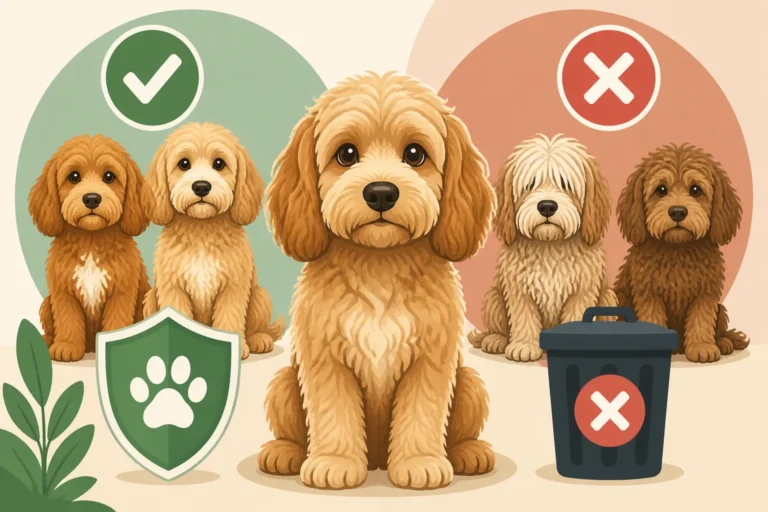
- Embark Veterinary: Embark is widely recognized for its comprehensive DNA testing, offering breed identification, health screenings, and a detailed trait panel that includes coat characteristics. For Cockapoos, their testing covers furnishings (RSPO2), curl (KRT71), and often other coat modifiers like shedding alleles, coat length, and texture. Their reports are user-friendly, with explanations of each gene and how it affects your dog. Many breeders rely on Embark for The Five Certificates a Cockapoo Breeder Should Show, and pet owners find their trait reports incredibly helpful.
- Wisdom Panel: Another prominent name in canine genetics, Wisdom Panel also provides robust DNA testing services. Their panels often include breed ancestry, genetic health predispositions, and a wide array of physical traits, including coat type, length, and texture. Like Embark, they test for the key genes like furnishings and curl, giving you a clear picture of what your Cockapoo's adult coat will likely be.
- Animal Genetics: This lab also offers specific canine coat color and trait testing panels. While they might be more frequently used by breeders for specific trait selection, they are also accessible to pet owners interested in understanding their dog's genetic makeup for coat type. They offer individual tests for furnishings and curl, allowing you to select exactly what you want to know.
When choosing a lab, consider the breadth of information you're looking for. If you only care about coat genes, a more specialized trait panel might suffice. If you're also curious about breed makeup or health risks, a more comprehensive test like those from Embark or Wisdom Panel could be a better fit. Always check the lab's website to see their current offerings and specific tests included in their panels.
What to Look for in a Lab Report
Once your results come in, it's easy to feel overwhelmed by the scientific jargon. But don't worry, these labs usually provide clear explanations. Here's what you'll typically see regarding coat genes:
-
Furnishings (RSPO2):
- F/F (Furnished/Furnished): Your Cockapoo has two copies of the furnishing gene. This means they will have the characteristic facial hair (beard, mustache, eyebrows) and will be very low-shedding, often considered non-shedding by allergy sufferers. This is the ideal genotype for someone seeking an "allergy-friendly" dog.
- F/IC (Furnished/Improper Coat): Your Cockapoo has one copy of the furnishing gene and one copy of the improper coat gene. They will still have furnishings and will be low-shedding. However, if they were bred, they could pass on the improper coat gene to their offspring.
- IC/IC (Improper Coat/Improper Coat): Your Cockapoo has two copies of the improper coat gene. They will not have furnishings, meaning they will have a smoother face and will shed significantly, much like a Cocker Spaniel. This is What an Improper Coated Cockapoo Looks Like and often surprises owners.
-
Curl (KRT71):
- C/C (Curly/Curly): Your Cockapoo has two copies of the curl gene, resulting in a tight, Poodle-like curl. This coat will require diligent grooming to prevent matting.
- C/T (Curly/Straight): Your Cockapoo has one copy of the curl gene and one copy of the straight gene. This typically results in a wavy to loose-curl coat, which is a common and desirable Cockapoo look.
- T/T (Straight/Straight): Your Cockapoo has two copies of the straight coat gene, leading to a straighter or only slightly wavy coat, more akin to a Cocker Spaniel. This coat might be easier to manage for some, but it's important to remember it doesn't necessarily mean less shedding if the dog is IC/IC for furnishings.
Understanding these results allows you to truly know your dog's coat potential. It can also help you understand why your Cockapoo's coat might be different from what you expected.
The Benefits of Testing Your Cockapoo's Coat Genes
Investing in coat gene testing for your Cockapoo might seem like an extra step, but the insights it provides offer significant benefits, from practical daily care to long-term planning for your furry companion. It removes a lot of the guesswork and anxiety that can come with owning a mixed-breed dog whose appearance isn't always predictable.
Predicting Shedding and Allergen Potential
For many families, the decision to get a Cockapoo is heavily influenced by the breed's reputation for being "hypoallergenic" or low-shedding. However, as we've discussed, this isn't a guarantee for every Cockapoo due to their mixed heritage. Knowing your dog's furnishings (RSPO2) status through genetic testing is the most reliable way to predict their shedding levels.
If your Cockapoo tests as F/F or F/IC, you can feel much more confident that they will indeed be low-shedding, which is a huge relief for those with allergies. This knowledge offers peace of mind and allows you to confirm whether your dog aligns with your family's needs. On the other hand, if your dog tests as IC/IC, you'll know to prepare for more shedding. This doesn't make them any less lovable, but it does adjust expectations, perhaps prompting you to invest in a good quality vacuum cleaner and lint rollers. It's a crucial piece of information for managing expectations, especially if you or someone in your household suffers from pet allergies. This understanding directly relates to questions like Whether a Furnished Cockapoo Suits an Allergic Home.
Tailoring Grooming Regimens
Every Cockapoo owner knows that grooming is a significant part of their dog's care. The coat gene test results provide invaluable information for tailoring a grooming routine that truly suits your dog.
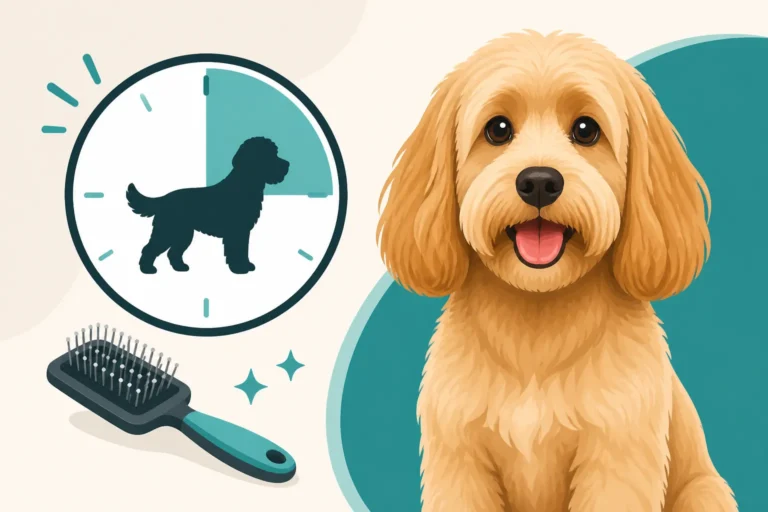
For example, a Cockapoo with a tight, curly coat (C/C for curl) will demand a more rigorous brushing schedule to prevent mats and tangles compared to one with a wavy (C/T) or straight (T/T) coat. You might discover that How Many Minutes a Curly Cockapoo Takes for daily grooming is far more than you initially imagined, and preparing for that time commitment or budgeting for more frequent professional grooming appointments becomes essential. You can stock up on the right tools – specific slicker brushes, wide-toothed combs, and detangling sprays – ahead of time. Many of these specialized grooming tools are readily available on platforms like Amazon or at pet supply stores like Chewy.
Knowing the shedding potential also helps. A low-shedding, furnished coat needs consistent brushing to remove dead hair and prevent matting, even if it doesn't fall out around your house. A shedding coat, however, benefits from deshedding tools that help remove loose undercoat more effectively. This proactive approach to grooming can save you headaches (and money) down the line by preventing severe matting that might require a complete shave-down. It's about working with your dog's coat, not against it.
Making Informed Breeding Decisions
While this guide focuses primarily on pet owners, it's worth noting that coat gene testing is absolutely essential for responsible Cockapoo breeders. Breeders use these tests to make informed decisions about pairings, aiming to produce litters with predictable coat types, particularly for low-shedding and furnished coats that are highly desired by families.
By testing their breeding stock, breeders can confidently tell prospective buyers what kind of coat to expect, avoiding the disappointment of an "improper coat" if that's not what the family is looking for. This transparency builds trust and contributes to the overall health and predictability of the Cockapoo as a developing breed. This directly addresses the importance of understanding What a Cockapoo Coat Panel Actually Reports for both breeders and buyers.
Beyond Genetics: Other Factors Affecting a Cockapoo's Coat
While genetics lay the fundamental blueprint for your Cockapoo's coat, they aren't the only piece of the puzzle. Just like humans, a dog's coat health is a reflection of their overall well-being. Diet, environment, and consistent care routines all play a crucial role in maintaining a shiny, healthy, and manageable coat.
Diet and Nutrition
What goes into your Cockapoo's bowl has a profound impact on the quality of their coat. A diet lacking essential nutrients can lead to a dull, dry, brittle, or even excessively oily coat, regardless of their genetic predisposition.
High-quality dog food, rich in omega-3 and omega-6 fatty acids, vitamins (especially A and E), and quality protein, is paramount. These nutrients support skin health, which in turn supports a healthy coat. Many premium dog food brands, including fresh food options like Ollie, focus on providing balanced nutrition that promotes vibrant skin and coat. If your Cockapoo's coat seems lacklustre, or if they're experiencing excessive dryness or oiliness, a conversation with your vet about their diet might be in order. They might recommend specific supplements like fish oil or a change in food. Understanding Whether Diet Changes a Cockapoo's Coat Condition can make a huge difference in their appearance and comfort.
Environmental and Health Factors
Your Cockapoo's living environment and general health can also significantly affect their coat. Allergies, whether environmental or food-related, often manifest as skin irritation, excessive licking, and poor coat quality. You might notice your Cockapoo's coat thinning, or they might develop "hot spots" if they're constantly scratching or licking. Addressing these underlying health issues with your veterinarian is critical.
Seasonal changes also play a role. Humidity levels can impact dryness or oiliness, and exposure to harsh weather can strip the coat of its natural oils. Regular bathing with appropriate dog-specific shampoos and conditioners, chosen based on your dog's skin type (oily, dry, sensitive), is important. If your Cockapoo struggles with Whether a Cockapoo Inherits the Cocker's Oily Skin, specific degreasing shampoos might be needed, which you can often find on Chewy. Remember that some health conditions, like hypothyroidism, can also lead to noticeable changes in coat quality and shedding patterns, so any sudden or significant changes warrant a vet visit. This can be especially true for a Hypothyroidism in a Middle Aged Cockapoo.
Grooming Practices and Tools
Even the genetically "perfect" coat will suffer without proper grooming. Consistent and correct grooming is non-negotiable for a Cockapoo. This isn't just about aesthetics; it's about comfort and preventing painful skin issues.
- Brushing: Regular brushing, often daily for curlier or longer coats, is essential to prevent mats and remove loose hair. Line brushing is a technique where you systematically brush small sections of the coat from the skin outwards, ensuring you get through all layers, not just the top. Without this, mats can form close to the skin, pulling and causing discomfort. You'll want to use a good quality slicker brush and a metal comb. Check out pet supply retailers like Amazon for a wide selection of grooming tools designed for curly coats.
- Bathing: The frequency of bathing depends on your dog's lifestyle and coat type, but generally every 3-6 weeks is sufficient for a healthy Cockapoo. Use shampoos formulated for dogs, as human products can disrupt their skin's pH balance.
- Professional Grooming: Most Cockapoos, especially those with wavy or curly coats, benefit from professional grooming every 6-8 weeks. A professional groomer can trim their coat to a manageable length, neaten their face and paws, and tackle any budding mats. This is particularly important for areas prone to matting, like behind the ears, armpits, and groin. Understanding What a Teddy Bear Clip Looks Like on a Cockapoo can help you communicate your desired style to your groomer.
Remember, the goal is to make grooming a positive experience for your dog from a young age. Early positive exposure to brushes, clippers, and dryers can make a world of difference. You'll want to teach them to accept handling and build their tolerance for being still for grooming sessions. This is something covered in Handling a Cockapoo Puppy Before Its First Groom.
Conclusion
Navigating the world of Cockapoo coats can feel a bit like a lottery, but it doesn't have to be. By utilizing the power of genetic testing, you can unlock valuable insights into your dog's unique coat composition, particularly regarding shedding potential and curl type. Reputable labs like Embark, Wisdom Panel, and Animal Genetics offer accessible and accurate testing that provides a clear picture of what to expect.
This knowledge empowers you to proactively address your Cockapoo's specific needs, from choosing the right grooming tools and establishing an effective routine to ensuring their diet supports optimal coat health. Whether you're aiming for a truly low-shedding companion or simply want to be prepared for the realities of their grooming, genetic testing takes the guesswork out of coat care, allowing you to provide the best possible life for your beloved Cockapoo.
Disclaimer
This article is for general informational purposes only and does not constitute professional advice. Laws, prices and regulations vary by location and change over time. Consult a qualified professional for guidance on your specific situation.