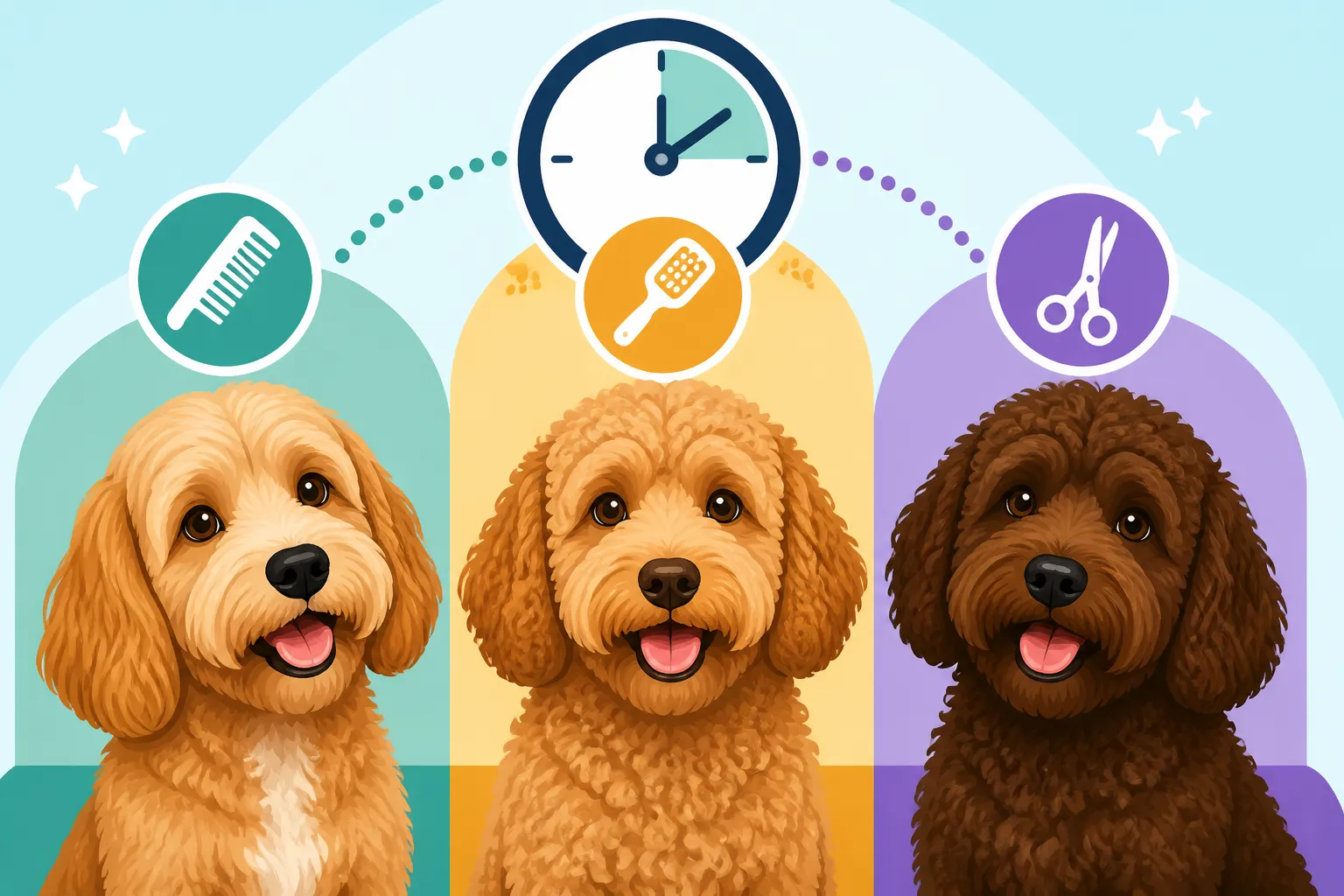
The Weekly Hours Each Cockapoo Coat Type Takes
One of the biggest surprises, and sometimes biggest frustrations, for new Cockapoo parents is discovering just how much dedication goes into keeping that adorable, fluffy coat looking its best. Many envision a simple brush a few times a week, only to find themselves wrestling with mats, tangles, and a dog who seems to perpetually be on the verge of looking like a shaggy muppet. This guide is here to unravel the mystery of Cockapoo coat care, breaking down the weekly time commitment based on your dog's specific coat type and equipping you with the knowledge to maintain their beautiful fur without losing your mind.
Understanding the Cockapoo Coat Spectrum
The Cockapoo's coat is a fascinating blend of its Cocker Spaniel and Poodle heritage, and it's rarely a simple matter of one or the other. Instead, it’s a genetic lottery that results in a spectrum of textures, from nearly straight to tightly curled. Many new owners don't realize that even within the same litter, you can find puppies with wildly different coats, and this genetic blueprint is the single biggest factor dictating your grooming commitment. Getting a handle on these basics is the first step toward understanding what your weekly routine will truly look like.
The Furnishings Gene: Why it Matters for Shedding
At the heart of the "doodle" appeal is the promise of a low-shedding dog, and that largely comes down to something called "furnishings." Furnishings are the longer hair on a dog's face, eyebrows, and mustache, and they're what give many Cockapoos their signature teddy bear look. More importantly, the gene responsible for furnishings (known as the R-spondin 2 or RSPO2 gene) also dictates whether a dog will have a low-shedding coat. Dogs with two copies of the furnishing gene (FF) are typically very low-shedding.
However, not all Cockapoos inherit two copies, or even one. If your Cockapoo only has one copy (Ff) or, less commonly, no copies (ff), their coat may behave more like a traditional Cocker Spaniel, meaning more shedding. This means sweeping or vacuuming up dog hair might still be a regular chore, even if it's less than a purebred Spaniel. Understanding The Furnishings Gene That Decides a Cockapoo's Face can help you predict this, though it's often something owners discover once the puppy coat starts to transition.
The Curl Gene: From Straight to Tight Ringlets
Beyond furnishings, the level of curl in your Cockapoo's coat also plays a massive role in grooming. This is primarily influenced by the KRT71 gene. A Cockapoo might inherit genes that result in a straight coat, a wavy coat, or a tightly curled coat. These aren't just aesthetic differences; they directly impact how often and how intensely you'll need to brush to prevent mats. A straight coat might look easy, but it can still shed and mat, albeit differently from a curly coat.
A wavy coat is often considered the ideal "teddy bear" coat, a lovely balance that's still manageable. The tight curl, however, is the most demanding, prone to creating dense mats if not meticulously cared for. Learning about The Curl Gene and Where a Cockapoo's Coat Lands can give you an insight into what to expect. It's crucial to realize that a Cockapoo's coat can change quite a bit as they mature, so what seems like a simple wave at 8 weeks might tighten into a demanding curl by their first birthday.
How Coat Genetics Influence Grooming Time
Ultimately, the combination of these genetic factors—furnishings and curl—determines your grooming workload. A Cockapoo with two copies of the furnishing gene and a straight coat will have a very different grooming routine from one with furnishings and a tight curl. The former might need a quick brush a few times a week, while the latter could demand daily, intensive grooming to prevent painful pelting.
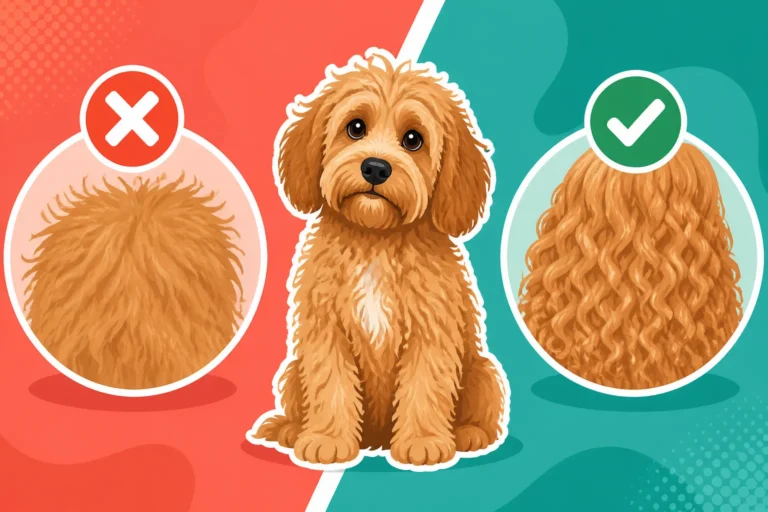
It's not just about shedding; it's about the texture and how the hair interlocks. Curly hair naturally wraps around itself and other hairs, forming knots and mats much faster than straight hair. If your Cockapoo ends up with What an Improper Coated Cockapoo Looks Like—meaning a coat lacking sufficient furnishings—you might face more shedding, but ironically, less matting in some cases, because the hair texture doesn't felt together as easily. The key takeaway here is that anticipating the grooming commitment requires understanding the genetic makeup of your individual dog's coat, rather than just assuming "Cockapoo" means easy care.
The Straight-Coated Cockapoo: Low Maintenance, Different Challenges
For some Cockapoo owners, particularly those who end up with a coat that leans heavily towards the Cocker Spaniel side or an "improper coat," the grooming routine can be surprisingly less intensive in terms of matting, but often more so when it comes to shedding. These straight-coated Cockapoos still require regular care, but the nature of that care differs significantly from their curly-coated cousins. It's a different kind of upkeep, and understanding its nuances is key to keeping your dog comfortable and your home tidy.
Identifying a Straight Coat and Its Appearance
A straight-coated Cockapoo, sometimes referred to as a "flat-coated" Cockapoo, will have hair that lies relatively flat against their body, without the characteristic waves or curls that most people associate with the breed. Their facial furnishings might be minimal or entirely absent, giving them a more traditional Spaniel-like face rather than the full, fluffy "teddy bear" look. The coat texture can vary from fine and silky, like a show-line Cocker, to a slightly coarser, straighter Poodle mix. You might notice feathering on their legs, chest, and tail, reminiscent of a purebred Cocker Spaniel.
Often, owners of straight-coated Cockapoos are surprised, as they expected a more Poodle-like, low-shedding coat. While this coat type might still be softer than a true Cocker coat, it generally means more shedding around the house. You won't be battling dense mats in the same way, but you'll certainly be more familiar with your vacuum cleaner. This coat type can be stunning, but it's important to set realistic expectations about what "low maintenance" truly means in this context – it's low matting maintenance, not necessarily low shedding maintenance.
Weekly Grooming Routine for a Straight Coat
For a straight-coated Cockapoo, your weekly grooming commitment will primarily revolve around managing shedding and maintaining coat health. Aim for at least 2-3 brushing sessions per week, each lasting 15-20 minutes. A slicker brush followed by a metal comb is usually sufficient. The slicker brush will help remove loose undercoat and surface debris, while the comb ensures you're getting down to the skin, especially in areas prone to tangles like behind the ears, armpits, and leg feathering.
These regular sessions aren't just about preventing knots; they help distribute natural oils, keeping the skin healthy and the coat shiny. Even though matting isn't the primary concern, knots can still form, particularly if the coat is allowed to get wet and dry naturally without brushing, or if debris like burrs and twigs get caught. It’s also important to pay attention to hygiene areas, keeping the hair trimmed around the paw pads and sanitary areas to prevent discomfort and maintain cleanliness.
Addressing Shedding and Undercoat for Straight Coats
The main challenge with a straight-coated Cockapoo is indeed the shedding. While they might not "shed like a Labrador," they certainly can leave noticeable hair around your home, particularly during seasonal coat blows. To combat this, invest in a good quality de-shedding tool. A tool like a Furminator, used sparingly and carefully, can be effective, but be cautious not to overuse it as it can damage the coat. A high-velocity dryer after a bath can also help blow out loose undercoat before it ends up on your furniture.
Regular bathing, every 4-6 weeks, with a good quality shampoo and conditioner, followed by a thorough blow-dry and brush, will also help. The conditioner can loosen dead hair, making it easier to brush out. While you won't be dealing with the dense felting mats of a curly coat, neglecting a straight coat can still lead to uncomfortable snarls and excessive shedding that impacts both your dog's comfort and your home's cleanliness. Remember, "straight coat" doesn't mean "no coat care."
The Wavy-Coated Cockapoo: The Classic "Teddy Bear" Look and Its Demands
The wavy coat is often what people envision when they picture a Cockapoo – that adorable, shaggy, soft look that begs to be cuddled. It’s a beautiful blend of the Cocker’s softness and the Poodle’s curl, creating that coveted "teddy bear" appearance. However, this appealing texture comes with its own set of grooming demands. While not as intensive as a tightly curled coat, it requires consistent attention to prevent mats and keep it looking its best. Many owners underestimate the time and effort involved in maintaining this delightful, yet demanding, coat type.
Characteristics of the Wavy Coat and Its Appeal
A wavy-coated Cockapoo typically boasts a soft, loose, often shaggy coat that forms gentle waves or loose curls, rather than tight ringlets. This coat type usually has good furnishings, meaning the longer hair on the face, giving them expressive eyebrows and a fluffy beard. It feels incredibly soft to the touch, making these dogs irresistible for snuggles. The wavy coat often strikes a balance between low shedding and ease of maintenance, shedding less than a straight coat but being less prone to extreme matting than a very curly coat.
This is the coat that most people dream of when they bring a Cockapoo into their home. It's often relatively easy to style, holding clips well, and generally gives the dog that perpetually youthful, playful appearance. However, the very softness and density that make it so appealing are also what make it prone to tangles and mats if not properly cared for. The waves, while beautiful, are prime areas for hair to intertwine and knot, especially where friction occurs.
The Daily and Weekly Brushing Requirements
For a wavy-coated Cockapoo, daily brushing isn't just a suggestion; it's often a necessity, especially if you prefer to keep their coat a bit longer. Aim for 15-30 minutes of dedicated brushing every single day. If daily brushing isn't feasible, you must commit to a minimum of 3-4 thorough sessions a week, each lasting 30-45 minutes. These aren't quick surface brushes; they need to be deep, methodical sessions where you get right down to the skin using a good quality slicker brush and a metal comb.
The key is to work in sections, ensuring you're detangling any small knots before they become major problems. Pay extra attention to high-friction areas: behind the ears, in the armpits, around the collar area, under the tail, and on the legs. These are the mat magnets. Missing even a few spots during a brushing session means those small tangles will quickly grow into tight, painful mats that can only be removed by shaving. Many owners find their first year with a wavy-coated Cockapoo is a steep learning curve in patience and dedication to the brush!
Tackling Mats and Tangles in Wavy Fur
Mats are the bane of a wavy-coated Cockapoo owner's existence. They start small – a little tangle from a romp in the yard, a bit of moisture, or just everyday movement – and quickly tighten into dense, painful knots if ignored. When you encounter a mat, resist the urge to pull or cut it out with scissors, as this can easily injure your dog. Instead, use a detangling spray (many good options are available on Chewy or Amazon) and your fingers to gently try and loosen the mat from the outside in.
Once it's slightly loosened, use a mat splitter or a greyhound comb with wide teeth to carefully work it apart. Always hold the hair at the base of the mat, close to the skin, to prevent pulling on your dog's skin, which can be very painful. If a mat is too tight or large, it's always best to seek professional help from a groomer. Prevention is truly the best cure here. By regularly line brushing and inspecting your dog's coat, you can catch tiny tangles before they escalate, saving both you and your Cockapoo a lot of discomfort. Remembering The Comb That Finds Mats a Slickapoo Misses is crucial for truly thorough grooming.
The Curly-Coated Cockapoo: The Most Intensive Grooming Commitment
If your Cockapoo inherits a coat that leans heavily towards the Poodle side, you've got a beautiful, often virtually non-shedding companion, but one that comes with the most demanding grooming schedule of all the Cockapoo coat types. This tightly curled coat is a marvel of nature, soft and springy, but it's also a matting machine. Owners often underestimate just how quickly these curls can felt together, turning a playful romp into a grooming emergency in a matter of hours. This is where dedication and the right tools become paramount.
Recognizing a Tight Curly Coat and Its Texture
A curly-coated Cockapoo will have dense, springy curls that are very similar to a Poodle's coat. The curls might be tight ringlets or a slightly looser, but still distinctly curly, texture. This coat type typically has prominent furnishings, giving them that full, fluffy face that requires regular trimming around the eyes to ensure good visibility. The hair is generally soft and dense, and you'll find very little, if any, shedding around your home, which is a huge plus for allergy sufferers.
However, the very nature of these curls is what makes them so prone to matting. Each curl acts like a tiny spring, and as they grow, they interlock with neighboring curls. When dead hair tries to shed, it gets trapped within this intricate network of curls, leading to rapid mat formation, especially when friction, moisture, or dirt are introduced. This coat is stunning when well-maintained, but it demands an owner who is ready for a significant time commitment.
The Rigors of Daily Grooming for Curly Coats
For a curly-coated Cockapoo, daily grooming is non-negotiable, particularly if you want to keep their coat at any respectable length. You should plan for a minimum of 30-60 minutes every single day devoted to brushing. This isn't a casual affair; it needs to be a thorough session of line brushing, getting all the way down to the skin. If you miss a day, you'll feel the consequences almost immediately as small tangles start to form and tighten. Missing two days can easily lead to mats that require significant effort to remove, or even professional intervention.
It's helpful to establish a routine, perhaps while watching TV or listening to music, to make it a calm and positive experience for your dog. Use a pin brush to initially work through the curls, followed by a slicker brush, and then finish with a metal comb to check for any missed tangles. Always use a detangling spray to moisturize the hair and make brushing easier, reducing breakage and static. Areas like behind the ears, armpits, flanks, and the inner thighs are notorious for matting on curly coats. Don't forget their tail and feet!
Professional Grooming and Prevention of Pelting
Beyond daily home care, professional grooming is an absolute must for curly-coated Cockapoos. Expect to take your dog to a professional groomer every 4-8 weeks, depending on how long you keep their coat and how diligent you are with home brushing. These appointments are crucial for maintaining an even length, trimming hygiene areas, and thoroughly de-matting any areas you might have missed. A good groomer can also advise you on specific tools and techniques for your dog's unique coat.
One of the most serious risks with a curly coat is "pelting," where mats become so dense and close to the skin that they form a solid, felt-like layer. This is incredibly painful for the dog, restricting movement, pulling on the skin, and trapping moisture and debris, which can lead to skin infections. Once a coat is pelted, the only humane solution is often a full shave-down, which means starting from scratch. To avoid this, consistent daily brushing and regular professional grooms are your best defense. A short, practical clip might be the best option if daily grooming is a challenge, as discussed in Whether a Matted Cockapoo Has to Be Shaved.
Navigating the "Coat Change" Phase: A Major Time Investment
If you thought puppy grooming was a breeze, prepare yourself for the "coat change" – a period that can ambush even the most prepared Cockapoo owner. This often happens between 8 and 14 months of age, when your Cockapoo's soft, wispy puppy fur starts to give way to their denser, more adult coat. It's a rite of passage for many doodle owners, and it’s arguably the most challenging grooming period you'll face. What was once easy to brush suddenly becomes a matting nightmare, and many owners are caught completely off guard.
What the Ten-Month Coat Change Entails
Around the 8- to 14-month mark, your Cockapoo's baby soft puppy coat begins to shed out, making way for their adult coat. The problem is that the puppy coat doesn't just fall out easily; it gets tangled and woven into the incoming adult coat. This creates a dense, sticky, and incredibly mat-prone texture. It's like having two different hair textures trying to occupy the same space, all at once. This transition period, often referred to as The Coat Change That Ambushes a Cockapoo Owner at Ten Months, can last for several weeks or even a few months, depending on the individual dog and their specific coat genetics.
During this time, even a previously low-maintenance wavy coat can suddenly become a tangled mess overnight. Owners often report finding large, flat mats forming rapidly, seemingly out of nowhere, especially in areas of high friction like behind the ears, under the collar, and in the armpits. It's a frustrating time, and it's easy to feel like you're losing the battle against the tangles, no matter how much you brush.
Intensifying Grooming During the Transition
Because of the aggressive matting that occurs during the coat change, you will need to significantly intensify your grooming efforts. If you were brushing daily, you might need to increase the duration of each session. If you were brushing every other day, you'll need to commit to daily, thorough sessions. This is the period where many owners discover the true meaning of line brushing and the absolute necessity of a good metal comb to ensure they're getting down to the skin.
Consider shorter clips during this time, even if you prefer a longer look. A shorter coat makes it much easier to manage the intertwining puppy and adult fur, reducing the surface area for mats to form and making brushing more effective. Regular trips to a professional groomer, perhaps every 3-4 weeks instead of the usual 6-8, can also be a lifesaver. They can help navigate the transition, de-mat where necessary, and suggest appropriate short clips that will make your life, and your Cockapoo's, much more comfortable.
Strategies to Survive the Coat Change Without Shaving
While shaving down is sometimes the only humane option for severely matted coats during the change, there are strategies to minimize the need for such drastic measures. Firstly, invest in a high-quality detangling spray and use it generously before every brushing session. The moisture helps to loosen the tangles and makes the brush glide through the coat more easily, reducing pain for your dog. A good conditioner during baths can also help.
Secondly, consistency is key. Even if you only have 15 minutes, a consistent daily brush is better than sporadic, long sessions. Focus on the 'hot spots' for mats: behind the ears, armpits, and under the collar. Lastly, don't be afraid to ask for help. A professional groomer can offer invaluable advice, demonstrate proper techniques, and help you get through this challenging phase. Remember, this period is temporary. Once the adult coat fully comes in, usually by 14-18 months, your grooming routine should settle into a more predictable rhythm.
Essential Grooming Tools and Techniques for Every Coat Type
Having the right tools and knowing how to use them correctly is half the battle when it comes to Cockapoo grooming. Without the proper equipment, you'll find yourself struggling against tangles, causing discomfort for your dog, and ultimately spending more time on less effective grooming. It's not about having dozens of expensive gadgets, but rather a few key items that are well-suited to your Cockapoo's specific coat type and used with proper technique.
Must-Have Brushes, Combs, and Sprays
Regardless of your Cockapoo's specific coat type, there are a few foundational tools that every owner should have in their grooming kit.
- Slicker Brush: This brush has fine, wire bristles slightly bent at the ends. It's excellent for working through tangles and removing loose hair, especially for wavy and curly coats. Choose one with coated tips for added comfort.
- Metal Comb (Greyhound Comb): This is your most important tool for checking your work. After using a slicker brush, run the metal comb through the coat. If it gets stuck, you know there's a tangle the slicker missed. Look for a comb with both wide and fine teeth.
- Pin Brush: Great for longer, straighter coats, and for generally fluffing and finishing. It's less effective at detangling deep mats than a slicker.
- Detangling Spray/Conditioner: Essential for making brushing easier, reducing static, and preventing coat damage. You can find excellent options on Chewy or Amazon. Applying a light mist before brushing helps the comb glide through.
- Nail Clippers or Grinder: Keeping nails trimmed is vital for paw health and comfort.
- Blunt-nosed Scissors: For carefully trimming hair around the eyes and paw pads. Only use with extreme caution.
Having these tools readily available means you're always prepared for a quick brush-out or to tackle a budding tangle before it becomes a full-blown mat.
Mastering Line Brushing for Effective Mat Prevention
Line brushing is the single most important technique for preventing mats in any furnished, non-shedding, or low-shedding coat like a Cockapoo's, especially wavy and curly types. It’s what differentiates a superficial brush from a truly effective one. The goal is to get your brush and comb all the way down to the skin, section by section, ensuring no hidden mats are forming at the root of the hair.
Here's how to do it:
- Work in Sections: Start with your dog lying on their side. Choose a small section of hair, perhaps on a leg or flank.
- Part the Hair: Using your free hand, part the hair horizontally, so you can see the skin underneath.
- Brush Upwards: With your slicker brush, brush upwards (against the direction of hair growth) on the section you just exposed, getting right down to the skin. Work slowly and gently.
- Brush Downwards: Then, brush downwards (in the direction of hair growth) through that same section, ensuring the hair is smooth and tangle-free.
- Check with a Comb: Follow up with your metal comb, running it through the section. If the comb glides smoothly from root to tip, you're good. If it snags, brush that section again until it's clear.
- Move to the Next Section: Take a new horizontal section just above the one you finished, and repeat the process. Gradually work your way up your dog's body, paying meticulous attention to all areas.
This method, though time-consuming, is the most effective way to prevent mats from forming close to the skin, which are the hardest and most painful to remove. As mentioned in Line Brushing a Cockapoo and Why the Top Coat Lies, it ensures the entire coat is brushed, not just the top layer.
The Importance of Regular Professional Grooming
While home grooming is crucial, professional grooming appointments are an indispensable part of a Cockapoo's care, especially for wavy and curly coats. A professional groomer has specialized tools, techniques, and experience that most owners simply don't. They can safely handle clippers, scissors, and high-velocity dryers, and they have an eye for finding hidden mats.
For wavy and curly coats, regular professional grooming every 6-8 weeks (or more frequently during the coat change) is essential. These appointments allow for:
- Thorough De-Matting: Professionals can often remove mats that are too challenging or painful for owners to tackle at home.
- Sanitary Trims: Keeping hair short around the sanitary areas, paw pads, and eyes is vital for hygiene and comfort.
- Ear Care: Many groomers will pluck or trim ear hair and clean the ears, which is particularly important for floppy-eared Cockapoos who are prone to ear infections. Whether Ear Hair Should Come Out of a Cockapoo is a common question, and a groomer can advise on your individual dog's needs.
- Nail Trims: Professional groomers can expertly trim nails, preventing them from becoming overgrown and causing pain.
- Even Clips and Styles: Achieving a desired "teddy bear" or puppy cut requires skill with clippers and scissors.
Think of professional groomers as partners in your Cockapoo's care. They can offer advice, provide specialized services, and give you a fresh start if your home grooming efforts have fallen behind. Many owners find their Cockapoos are much happier and healthier with this combined approach to coat care.
Beyond Brushing: Bathing, Drying, and Ear Care
Grooming a Cockapoo isn't just about the daily brush. There's a whole host of other critical tasks that contribute to their overall health and well-being, and they all add to your weekly time commitment. Neglecting these areas can lead to discomfort, health issues, and even more intense grooming sessions down the line. Understanding how to properly bathe, dry, and care for your Cockapoo's ears, nails, and teeth is paramount to responsible ownership.
Bathing Frequency and Proper Drying Techniques
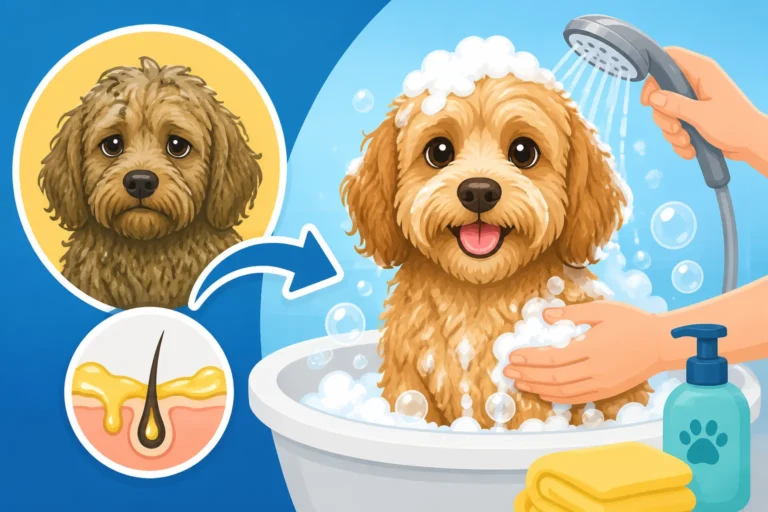
How often you bathe your Cockapoo depends on their coat type, lifestyle, and how quickly they get dirty. Generally, every 3-6 weeks is a good interval for most Cockapoos. Over-bathing can strip natural oils, leading to dry skin, while under-bathing can allow dirt and oils to build up, contributing to matting and skin issues. Always use a high-quality dog-specific shampoo and conditioner. A good conditioner is especially important for wavy and curly coats, as it helps to moisturize the hair and make brushing easier.
The drying process is just as crucial as the bath itself, particularly for wavy and curly coats. Never let a Cockapoo's coat air dry naturally, as this is a recipe for severe matting. As the hair dries, it shrinks and tightens, pulling knots into dense mats that are incredibly difficult to remove. Instead, towel dry thoroughly, then use a dog-specific forced air dryer (not a human hairdryer, which can be too hot and damage skin/coat) or a regular hairdryer on a cool setting. As you dry, use your slicker brush to continually brush the coat in sections, ensuring it dries straight and tangle-free. This process of "fluff drying" is time-consuming but essential for mat prevention.
Vigilant Ear Care: A Cockapoo Necessity
With their adorable floppy ears, Cockapoos are prone to ear infections. The long, dense hair and floppy nature of their ears create a warm, moist environment – a perfect breeding ground for yeast and bacteria. Therefore, vigilant ear care is an absolute necessity, adding a few minutes to your weekly routine. Inspect your Cockapoo's ears daily. Look for redness, swelling, discharge, or any unpleasant odor. Also, watch for excessive head shaking or ear scratching, which are signs of discomfort.
Clean your Cockapoo's ears weekly (or more often if advised by your vet) using a veterinarian-approved ear cleaner. Apply the cleaner into the ear canal, gently massage the base of the ear, and then wipe away any excess with a cotton ball or soft cloth. Never use cotton swabs inside the ear canal. You'll also need to manage the hair inside the ear. Some owners pluck ear hair to improve airflow, while others prefer to trim it with blunt-nosed scissors. Discuss with your vet or groomer what's best for your individual dog, as some dogs are more sensitive to plucking. Neglecting ear care can lead to painful, chronic infections that require costly veterinary intervention.
Nail Trims and Dental Hygiene
These might not be "coat" care, but they are crucial aspects of overall grooming that factor into your weekly time commitment. Overgrown nails can cause pain, deform your dog's paws, and lead to more serious orthopedic problems over time. Aim to trim your Cockapoo's nails every 2-4 weeks, or as needed. You should only hear a faint click when your dog walks on hard surfaces. Use sharp nail clippers or a dremel tool (many dogs prefer the dremel). If you're unsure, ask your vet or groomer for a demonstration.
Dental hygiene is often overlooked but is incredibly important for your Cockapoo's long-term health. Periodontal disease is rampant in dogs and can lead to pain, tooth loss, and even systemic health issues affecting the heart, kidneys, and liver. Ideally, you should aim to brush your Cockapoo's teeth daily using a dog-specific toothbrush and toothpaste. Even 2-3 times a week is better than nothing. If daily brushing isn't feasible, consider dental chews, water additives, or professional dental cleanings at the vet. Neglecting dental care can result in expensive dental procedures down the line. Dental Crowding in a Small Cockapoo can make daily brushing even more important due to tighter spaces for plaque to build up.
Estimating Your Weekly Time Commitment: A Realistic Look
Now that we've delved into the specifics of each coat type and the various grooming tasks, let's bring it all together to provide a realistic estimate of the weekly hours you can expect to dedicate to your Cockapoo's coat. This isn't just about brushing; it includes bathing, drying, ear care, nail trims, and even the time spent preventing issues by choosing appropriate clips. Remember, these are averages, and your individual dog's coat density, activity level, and desired coat length will all influence the exact figures.
| Coat Type | Brushing (Weekly) | Bathing & Drying (Monthly) | Ear/Nail/Dental (Weekly) | Total Weekly Grooming (Approx.) |
|---|---|---|---|---|
| Straight Coat | 45-60 minutes | 30-45 minutes | 15-20 minutes | 1.5 – 2 hours |
| Wavy Coat | 2.5 – 3.5 hours | 45-60 minutes | 20-30 minutes | 3.5 – 5 hours |
| Curly Coat | 3.5 – 5 hours (daily) | 60-90 minutes | 20-30 minutes | 5 – 7 hours |
| During Coat Change | 5 – 7 hours (daily) | 60-90 minutes (more often) | 20-30 minutes | 7 – 9+ hours |
Note: Monthly bathing and drying time has been divided by 4 to get a weekly average.
Note: This table does not include travel time to professional groomers or the actual time spent at the groomer. Professional grooming costs are separate.
These numbers might seem high, especially for wavy and curly coats, but they reflect the reality of keeping a Cockapoo mat-free and comfortable. Many owners find themselves spending closer to the higher end of these estimates, especially if they prefer to keep their dog in a longer, fluffier cut. This consistent time investment is crucial for their well-being.
Factors That Increase or Decrease Grooming Time
Several factors can significantly impact your personal grooming commitment:
- Coat Length: The longer you keep your Cockapoo's coat, the more time and effort will be required to prevent mats. A very short "puppy cut" or shave-down will drastically reduce daily brushing time but will require more frequent trips to the groomer.
- Lifestyle: An active Cockapoo who loves to roll in mud, swim, or romp through brush will naturally require more frequent bathing and brushing than a couch potato who mostly stays indoors. Outdoor adventures often mean coming home with burrs, leaves, and dirt that can quickly cause tangles.
- Underlying Skin Issues: Cockapoos, like their parent breeds, can be prone to allergies or skin conditions. Skin and Coat Disease in a Cockapoo can significantly increase grooming time due to the need for medicated baths, special conditioners, or extra care for sensitive areas.
- Diet: A high-quality diet, such as fresh food options like Ollie, can contribute to a healthier coat, making it potentially softer, less prone to breakage, and easier to brush, though this is a supportive factor rather than a direct time reducer. Similarly, good quality kibble found on Chewy can promote overall coat health.
- Training and Temperament: A Cockapoo who is well-trained and comfortable with grooming will make the process much faster and more pleasant for both of you. A dog who fights the brush will turn a 30-minute task into an hour-long ordeal. Starting grooming early as a puppy is crucial.
- Humidity/Climate: High humidity can make curly coats even more prone to tangling and frizz, requiring more diligent brushing.
Creating a Sustainable Grooming Schedule
Recognizing the significant time commitment is the first step; the next is creating a grooming schedule that you can realistically stick to.
- Establish a Routine: Pick a consistent time each day or every few days for brushing. This helps your dog anticipate and accept the process.
- Break It Down: If an hour of brushing feels daunting, break it into two 30-minute sessions, perhaps one in the morning and one in the evening, focusing on different sections of the body.
- Make it Positive: Always use treats, praise, and a calm demeanor during grooming. Make it a bonding experience, not a chore.
- Invest in Good Tools: High-quality brushes and combs from reputable brands found on Amazon or Chewy make a huge difference in efficiency and your dog's comfort.
- Don't Be Afraid of Shorter Clips: If you're consistently struggling with mats and the time commitment, opt for a shorter, more manageable haircut. Your Cockapoo will be much happier and healthier without painful mats, regardless of their coat length.
- Lean on Professionals: Schedule regular professional grooms and view them as an essential part of your dog's care budget. They provide an invaluable service, especially for challenging coat types or during difficult phases like the coat change.
The Long-Term Investment in Your Cockapoo's Coat
The time you invest in your Cockapoo's coat is more than just maintaining their appearance; it's a direct investment in their health, comfort, and your bond with them. Neglecting their coat can lead to painful mats that pull on their skin, cause skin infections, restrict movement, and ultimately necessitate costly and stressful veterinary visits or extensive professional grooming to shave down the coat. This can be particularly true if matting leads to issues like chronic ear infections, which are common in Cockapoos.
A well-groomed Cockapoo is a happier, healthier Cockapoo. Regular grooming also serves as an opportunity for you to perform health checks, feeling for any lumps, bumps, or skin irritations that might otherwise go unnoticed. It’s a commitment, yes, but one that is incredibly rewarding, ensuring your furry friend lives a comfortable and joyful life by your side. Understanding and embracing this commitment is part of the unique journey of Cockapoo ownership.
Disclaimer
This article is for general informational purposes only and does not constitute professional advice. Laws, prices and regulations vary by location and change over time. Consult a qualified professional for guidance on your specific situation.