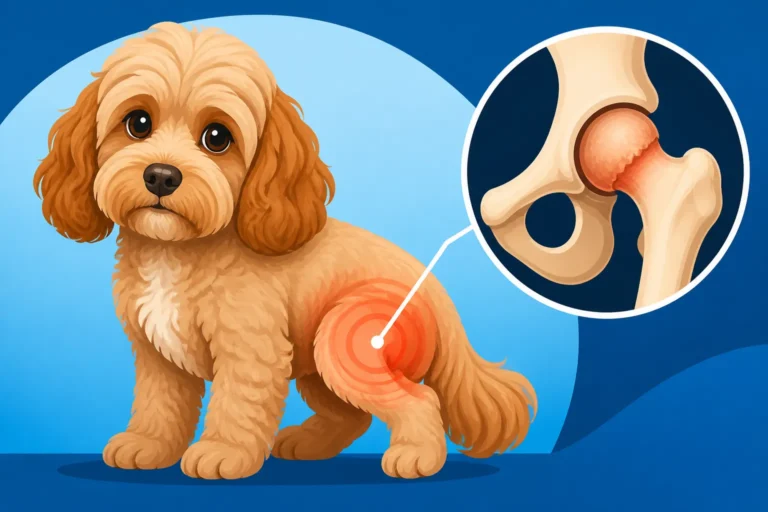
Dental Crowding in a Small Cockapoo
It's a common worry for many Cockapoo parents: you adore your furry friend's charming small size, but you can't help but notice how tiny their mouth is, often leading to teeth that seem to be fighting for space. Dental crowding in small Cockapoos isn't just an aesthetic concern; it's a significant health issue that can lead to pain, infection, and serious systemic problems if left unaddressed. This comprehensive guide will walk you through understanding why this happens, how to spot the signs, and what you can do to keep your beloved Cockapoo's smile healthy and bright.
Why Small Cockapoos Face Unique Dental Challenges
You’d think a smaller dog might have fewer dental problems, right? Unfortunately, with Cockapoos, especially the toy and miniature varieties, the opposite is often true. Their adorable, compact size brings with it a predisposition to dental crowding, a condition where there simply isn't enough room in their jaws for all their teeth to erupt properly and align. It's not just bad luck; there are some very specific reasons why our little Cockapoos are more susceptible.
The Peculiarities of Tiny Mouths
Imagine trying to fit a full set of adult human teeth into a child's mouth – that's essentially what happens with many small breed dogs, including our beloved Cockapoos. While their bodies might be small, their teeth often remain a relatively standard size, inherited from their larger ancestors. This mismatch between tooth size and jaw size is the root cause of crowding. When teeth are crammed together, they can rotate, overlap, or even push against each other, creating tight crevices where food particles and bacteria can hide.
It’s not just the visible teeth either; sometimes, teeth fail to erupt fully, becoming impacted under the gum line, which can be incredibly painful and a hotbed for infection. The jaw structure itself in smaller dogs is often proportionally shorter and wider than in larger breeds, compounding the space issue. This architectural challenge means that even with the best intentions and meticulous home care, many small Cockapoos will face some degree of dental crowding. It’s simply how they’re built, which can be frustrating for owners dedicated to their pet’s well-being.
Genetic Blueprint from Parent Breeds
The Cockapoo is a wonderful mix of Cocker Spaniel and Poodle, and while this blend gives us their fantastic personalities and often low-shedding coats, it also means they inherit a genetic lottery when it comes to dental health. Both parent breeds contribute to the Cockapoo's dental predispositions. Poodles, particularly the miniature and toy varieties, are well-known for their propensity for dental disease, including issues stemming from crowded teeth. Their often narrow muzzles, combined with a full set of teeth, create the perfect storm for overcrowding.
Cocker Spaniels, while perhaps not as notorious for crowding, can pass on tendencies for other dental issues, such as early onset periodontal disease. When you combine these genetic traits, you get a Cockapoo that might have the jaw structure from one parent and the tooth size from the other, leading to an incompatible fit. This inherited predisposition highlights why choosing a reputable breeder who prioritizes dental health in their breeding lines is so crucial. They should be able to discuss the dental history of their breeding dogs and ideally even demonstrate how they check for proper occlusion in their puppies. Without this careful consideration, you might unwittingly welcome a puppy with significant dental challenges waiting just around the corner.
The Mechanics of Teeth Fighting for Space
When we talk about dental crowding, we're really discussing a cascade of problems that starts with a lack of space. Imagine a tightly packed subway car; everyone's a bit uncomfortable, and it's easy for things to get missed. In a Cockapoo's mouth, when teeth are too close together, they can rotate, leading to malocclusion – an improper bite. This isn't just an aesthetic issue. These misaligned teeth can wear down unevenly, causing discomfort or even exposing the sensitive dentin and pulp.
More critically, these tight spaces become impossible to clean effectively, even with diligent brushing. Think of flossing between perfectly aligned teeth versus trying to clean between two teeth that are overlapping. That’s the reality for a crowded mouth. Food particles get trapped, creating an ideal breeding ground for bacteria. This bacterial buildup quickly forms plaque, which then hardens into tartar. This hard tartar acts like a sticky scaffold, attracting more bacteria and pushing against the gum line, starting the insidious cycle of periodontal disease. The constant irritation and inflammation not only cause pain but also lead to gum recession, bone loss, and eventually, tooth mobility and loss. It's a progressive problem, and the tighter the squeeze, the faster it can advance.
Spotting the Early Warning Signs of Dental Crowding
As Cockapoo parents, we want to catch any health issues early, and dental problems are no exception. The challenge with dental crowding is that dogs are incredibly good at hiding pain. They can suffer in silence for a long time before obvious symptoms appear. That's why being vigilant and knowing what to look for is so important. Don't wait until your Cockapoo is in obvious distress; by then, the problem is often severe.
Visual Cues and the Not-So-Fresh Breath
One of the first things you might notice, even before your Cockapoo shows signs of discomfort, is a change in their breath. We all know "dog breath" isn't usually minty fresh, but a truly foul, pungent odor – a scent often described as rotten or metallic – is a huge red flag. This isn't just about kissing your pup; it's a clear indicator of bacterial overgrowth in their mouth, a common consequence of trapped food and plaque in crowded areas. If you find yourself recoiling from their puppy kisses, it's definitely time to take a closer look.
Beyond breath, get comfortable peeking inside your Cockapoo's mouth regularly. What are you looking for? Start with the obvious: are the teeth straight, or do some appear rotated, twisted, or overlapping? Pay special attention to the smaller incisors at the front and the premolars further back. You might see visible tartar buildup, which looks like a yellow-brown crust, especially along the gum line. The gums themselves should be a healthy pink; any redness, swelling, or bleeding when you gently touch them indicates inflammation, a sign of gingivitis. Sometimes, you might even spot broken or fractured teeth, which can occur if misaligned teeth are constantly bumping into each other or chewing on hard objects. Don't dismiss these visual changes; they're your Cockapoo's silent way of telling you something's amiss.
Behavioral Shifts Indicating Discomfort
Our Cockapoos often communicate their discomfort through subtle changes in behavior. If your once-enthusiastic eater suddenly becomes picky or drops food from their mouth, it could be due to dental pain. Chewing on only one side of their mouth, tilting their head while eating, or showing less interest in their favorite chew toys are all strong indicators that something hurts. You might also notice them rubbing their face against furniture or pawing at their mouth, trying to alleviate irritation or pain. Some dogs might become withdrawn, less playful, or even a bit irritable when approached, especially if you go near their head or mouth.
A change in grooming habits can also be a clue. If your Cockapoo suddenly stops self-grooming or, conversely, starts excessive licking around their mouth, it's worth investigating. They might also shy away from having their face touched, something they usually enjoy. Even more concerning, drooling that seems excessive or has a reddish tint is an immediate call for veterinary attention, as it can signal bleeding gums or oral injury. It's easy to dismiss these changes as "just getting older" or a new quirk, but for a small Cockapoo, they often point directly to underlying dental pain that needs professional intervention.
How to Perform a Basic At-Home Dental Check
Getting your Cockapoo comfortable with having their mouth examined from a young age is invaluable. Start slowly and make it a positive experience with treats and praise. The goal isn't to be a vet, but to establish a baseline and notice any significant changes. First, gently lift their lip to examine the outer surfaces of their teeth and gums. Look for any yellow or brown buildup (tartar) and observe the color of the gums. Healthy gums are pink, while red, swollen, or bleeding gums indicate inflammation. Check for any missing, broken, or discolored teeth.
Next, gently open their mouth just enough to check the inside surfaces of the teeth and the roof of the mouth. Pay close attention to how the upper and lower teeth meet. Are they aligning correctly, or do some teeth seem to be biting into the gums or palate? This is where crowding becomes very apparent, with teeth often rotated or sitting too close together. Feel along their jawline for any swelling or lumps. If your dog resists, whines, or shows any sign of pain during this process, stop immediately and schedule an appointment with your vet. Remember, these checks are about observation, not diagnosis. Your primary goal is to identify potential problems early so your vet can provide a thorough examination. For a deeper dive into routine checks, consider our article on "Dental Disease in a Small Cockapoo's Mouth".
The Health Risks Associated with Crowded Teeth
It's tempting to think of dental crowding as just a cosmetic issue, or perhaps a minor annoyance, but for a small Cockapoo, it's far more serious. The repercussions of neglected dental crowding extend well beyond their mouth, impacting their overall health and quality of life. Understanding these risks can help reinforce the importance of proactive dental care.
Increased Plaque and Tartar Buildup
The very nature of crowded teeth creates an environment ripe for plaque and tartar accumulation. When teeth overlap or are tightly packed, the bristles of a toothbrush simply cannot reach all surfaces effectively. Even the most diligent home brushing routine will struggle to remove the microscopic film of bacteria that forms on these inaccessible areas. This film, known as plaque, quickly hardens into tartar within 24-48 hours. Once tartar forms, it's like cement – you can't brush it off. It adheres firmly to the tooth surface and provides an even rougher surface for more bacteria to cling to.
This continuous buildup leads to a vicious cycle. The more tartar, the more bacteria, the more inflammation. This isn't just unsightly; it's physically damaging. The tartar pushes against the gums, irritating them and making them prone to bleeding. Over time, this constant irritation causes the gums to recede, exposing the tooth roots, which are far more sensitive and vulnerable to decay. Furthermore, the bacterial colonies thrive, releasing toxins that actively destroy the supporting structures of the teeth. This escalating problem is directly linked to the layout of a crowded mouth, making prevention incredibly challenging without professional intervention.
The Inevitable Progression to Periodontal Disease
If plaque and tartar are left unchecked in a crowded mouth, the progression to periodontal disease is almost inevitable. Periodontal disease is an infection of the tissues that support the teeth, including the gums, periodontal ligament, and alveolar bone. In its early stages, it presents as gingivitis, characterized by red, swollen, and sometimes bleeding gums. This stage is often reversible with professional cleaning and improved home care.
However, in crowded mouths, the infection often deepens. Bacteria migrate below the gum line, forming "pockets" between the tooth and the gum. These pockets become reservoirs for more bacteria and pus, leading to the destruction of the periodontal ligament and the bone surrounding the tooth root. As the bone erodes, the teeth lose their anchor, becoming loose and eventually falling out. This process is incredibly painful and can lead to abscesses, which are pockets of pus that form due to infection and can swell the face. The chronic inflammation and infection are not just localized; they represent a constant drain on your Cockapoo's immune system, affecting their overall vitality. Catching this early, perhaps by observing your Cockapoo's need for "Yearly Bloodwork Bill on an FN Cockapoo" could be a good reminder to also include dental checks.
Systemic Health Implications
What happens in your Cockapoo's mouth doesn't stay in their mouth. The chronic bacterial infection associated with severe dental crowding and periodontal disease can have far-reaching effects on their entire body. The bacteria from the infected gums can enter the bloodstream, traveling to vital organs like the heart, kidneys, and liver. This can lead to serious secondary infections or exacerbate existing conditions. For instance, heart disease can develop or worsen if bacteria from the mouth colonize heart valves, leading to a condition called bacterial endocarditis. Similarly, the kidneys, which filter waste from the blood, can become damaged by this constant bacterial assault, potentially leading to or worsening kidney disease.
Even conditions like diabetes can be complicated by dental disease, as chronic inflammation can make it harder to regulate blood sugar levels. The pain and discomfort from severe dental issues can also impact a Cockapoo's general well-being, leading to decreased appetite, weight loss, and a significant reduction in their quality of life. They might even act "old before their time" due to chronic pain, making it difficult to fully enjoy their The Fourteen to Eighteen Years a Cockapoo Lives. This makes it abundantly clear that dental health is not just about a pretty smile; it's a critical component of your Cockapoo's overall health and longevity.
Preventative Measures and Early Intervention Strategies
It’s easy to feel overwhelmed by the potential problems associated with crowded teeth, but the good news is that there’s a lot we can do as dedicated Cockapoo parents! Proactive care and early intervention are your best allies in safeguarding your pup's dental health. Think of it as investing in their comfort and longevity.
Establishing Regular At-Home Dental Care Routines
The foundation of good dental health for any dog, especially a Cockapoo with crowded teeth, is consistent home care. This means daily brushing, if possible, or at least several times a week. It might sound daunting, but with patience and positive reinforcement, most Cockapoos can learn to tolerate, and even enjoy, brushing. You'll need a dog-specific toothbrush and toothpaste (never use human toothpaste, as it contains ingredients toxic to dogs). Focus on the outside surfaces of the teeth, paying special attention to the gum line, where plaque tends to accumulate. For those crowded areas, try to get the bristles in as best you can, even if it's just a quick scrub.
Beyond brushing, dental chews and toys approved by the Veterinary Oral Health Council (VOHC) can be beneficial. These products are scientifically proven to reduce plaque and/or tartar. However, remember they are aids, not substitutes for brushing or professional cleaning, especially in cases of severe crowding. Hard chews or bones should be avoided as they can fracture teeth, particularly those already compromised by crowding. Consider incorporating dental-specific water additives or oral rinses recommended by your vet. The key is consistency; even a little bit of effort daily is far more effective than sporadic, intense sessions. You can find useful insights into suitable toys in "What a Cockapoo Puppy Chews Through in Six Months".
The Critical Role of Professional Veterinary Dental Exams
Even with the most meticulous home care, professional veterinary dental exams and cleanings are non-negotiable for Cockapoos, especially those with crowded teeth. Your veterinarian can assess the severity of the crowding, identify any impacted or problematic teeth, and develop a tailored dental care plan. These annual (or sometimes more frequent) exams often require anesthesia, which can be a concern for some owners. However, modern veterinary anesthesia protocols are incredibly safe, with extensive pre-anesthetic blood work and monitoring, making the risk minimal compared to the significant health benefits.
During a professional dental cleaning, your vet will scale away all plaque and tartar, both above and below the gum line, using specialized ultrasonic tools. They will polish the teeth to smooth the enamel, making it harder for plaque to adhere. Crucially, they will also perform a thorough oral examination and take dental X-rays. X-rays are vital because about 60% of dental disease lies below the gum line, invisible to the naked eye. This allows them to identify issues like bone loss, abscesses, or impacted teeth that might require extraction or further treatment. For small Cockapoos, these professional cleanings are often the only way to truly address the deep-seated problems that crowding creates. You might ask "Whether a Teacup Cockapoo Needs Yearly Dentals" to understand the frequency needed.
Dietary Considerations for Optimal Oral Health
What your Cockapoo eats can also play a role in their dental health, though it's not a magic bullet. Some kibbles are specifically designed with a larger, more abrasive texture to help scrape plaque off teeth as your dog chews. Look for kibbles with the VOHC seal of approval. However, the effectiveness of dental kibble can be limited, especially for deeply crowded teeth. Wet food, while often more palatable, generally offers no abrasive action and can sometimes stick to teeth, potentially exacerbating plaque buildup if not followed by brushing.
Consider natural, fibrous chews that are appropriately sized and soft enough not to cause fractures, but firm enough to provide some mechanical cleaning action. Always supervise your Cockapoo when they're enjoying any chew. For general nutrition, ensuring your Cockapoo receives a balanced diet with essential vitamins and minerals is important for overall gum health and immune function. If you're feeding a very small Cockapoo, you might wonder "Feeding a Teacup Cockapoo" and how their diet impacts their tiny teeth. Discuss dietary choices with your veterinarian, who can offer recommendations tailored to your Cockapoo's specific needs and dental condition.
Veterinary Treatment Options for Dental Crowding
Once dental crowding has led to significant plaque, tartar, or periodontal disease, at-home care, while still important, isn't enough. Professional veterinary intervention becomes essential to alleviate pain, eliminate infection, and prevent further health complications. It's a journey, and your vet is your most important partner.
Comprehensive Dental Cleaning and Scaling
The first and most fundamental step in treating dental crowding and its complications is a professional dental cleaning, often referred to as a dental prophylaxis. This procedure is always performed under general anesthesia to ensure your Cockapoo's comfort and safety, and to allow the veterinary team to thoroughly examine and clean their mouth without causing stress. Prior to anesthesia, your vet will conduct a physical exam and often pre-anesthetic blood tests to ensure your Cockapoo is healthy enough for the procedure.
During the cleaning, specialized ultrasonic scalers are used to meticulously remove plaque and tartar from every tooth surface, both above and, critically, below the gum line. Hand scalers are then used for fine detail work. After scaling, the teeth are polished with a prophylactic paste, similar to what dentists use for humans. This smooths out any microscopic etches on the enamel, making it harder for new plaque to attach. The entire process is painstaking and thorough, aimed at restoring the teeth to a clean, healthy state. This is often the starting point for managing the issues caused by crowded teeth, and for many Cockapoos, it may be needed regularly. You can also explore "What Scaling a Cockapoo's Crowded Teeth Costs" to understand the financial aspect.
Extractions and Orthodontic Interventions
Sometimes, a simple cleaning isn't enough. For severely crowded, rotated, or impacted teeth, extractions may be necessary. If teeth are causing pain, are infected beyond repair, or are so misaligned that they damage other teeth or soft tissues, removing them is often the kindest and most effective solution. Your vet will use dental X-rays to guide these decisions, ensuring all affected teeth are identified and removed carefully. While losing a tooth might sound drastic, it can significantly improve your Cockapoo's comfort and oral health by eliminating infection and creating space in the mouth. Post-extraction care usually involves pain medication and a soft food diet for a period, allowing the gum to heal.
In certain specific cases of severe malocclusion, orthodontic intervention might be considered. This could involve placing braces or other devices to gently shift teeth into a more functional and less damaging position. This is a specialized field in veterinary dentistry and is not suitable for all cases or all owners, as it requires significant commitment and follow-up. However, for young Cockapoos with painful bite abnormalities, it can be a life-changing solution. Discussing these options with a veterinary dental specialist is crucial to determine if such an advanced intervention is right for your furry friend. "What Extractions Add to a Cockapoo Dental" can provide more insights into this specific procedure and its associated costs.
Post-Treatment Care and Long-Term Management
After any professional dental procedure, especially if extractions were involved, your Cockapoo will need diligent post-treatment care. Your vet will provide specific instructions, which typically include administering prescribed pain medication and antibiotics, and feeding a soft food diet for a week or two. It's important to monitor their mouth for any signs of swelling, redness, or discomfort.
Long-term management for a Cockapoo with dental crowding means a renewed commitment to home care and regular follow-up with your veterinarian. Even after a thorough cleaning or extractions, those genetically predisposed crowded areas will continue to be plaque traps. This often means more frequent professional cleanings – perhaps every 6-12 months, rather than annually, depending on the severity of their condition and the effectiveness of your home care routine. Your vet might recommend specific dental products, techniques, or even refer you to a veterinary dental specialist for ongoing care. This ongoing vigilance is crucial for keeping their mouth healthy and preventing recurrence of painful issues, helping them live a comfortable life.
Navigating the Financial and Emotional Landscape of Cockapoo Dental Care
Let's be real: caring for a Cockapoo's dental health, especially when crowding is an issue, can add up. The costs of professional cleanings, potential extractions, and ongoing preventative care are a significant consideration for any pet owner. Beyond the financial aspect, it can be emotionally taxing to see your beloved dog in discomfort or needing procedures. But with a bit of planning and the right resources, you can confidently navigate this journey.
Understanding the Costs Involved
The cost of veterinary dental care can vary widely based on your location, the specific clinic, and the severity of your Cockapoo's dental disease. A routine professional cleaning and exam, including anesthesia and pre-anesthetic blood work, can range from a few hundred to over a thousand dollars. If extractions are necessary, especially complex ones, or if there's significant periodontal disease requiring specialized treatment, the costs can quickly climb into the thousands. Dental X-rays, often essential for a thorough diagnosis, are usually an additional charge.
It's vital to have an open conversation with your vet about the estimated costs upfront. Ask for a detailed treatment plan, including all anticipated charges. Don't be shy about discussing your budget; your vet might be able to suggest alternative approaches or help you prioritize treatments. Remember, investing in preventative care, like consistent brushing and appropriate dental chews, can potentially reduce the frequency and cost of major interventions down the line. For a general overview of vet expenses, you might want to look into "What a Cockapoo's Yearly Shots and Exam Cost."
The Role of Pet Insurance in Dental Health
This is where pet insurance can truly be a lifesaver, especially for breeds prone to dental issues like Cockapoos. While most standard pet insurance policies don't cover routine dental cleanings (these are often considered preventative care, similar to yearly check-ups), many do cover dental illnesses and accidents. This means that if your Cockapoo develops periodontal disease, requires extractions due to crowding, or breaks a tooth, the costs of those treatments could be covered.
Some pet insurance providers, like Healthy Paws, offer optional "wellness" or "preventative care" add-ons that do help cover the cost of routine cleanings. It's incredibly important to read the fine print of any policy before you enroll, paying close attention to what is considered a "covered" dental illness, any waiting periods, and whether hereditary conditions are excluded. Enrolling your Cockapoo in pet insurance when they are young and healthy is usually the most cost-effective approach, as pre-existing conditions (including dental ones that have already manifested) are typically not covered. Thinking ahead about "What a Cockapoo Policy Costs in Its First Year" can save you a lot in the long run.
Finding a Vet with Dental Expertise
Not all veterinary clinics are created equal when it comes to dental care. While all vets receive some dental training, some have a particular passion or advanced training in veterinary dentistry. For a Cockapoo with chronic crowding issues, finding a vet who is well-versed in advanced dental procedures, or even a board-certified veterinary dentist, can make a huge difference.
When interviewing potential vets or clinics, don't hesitate to ask about their dental capabilities:
- Do they offer full dental X-rays as part of a cleaning?
- What kind of anesthesia monitoring do they use?
- Do they have experience with complex extractions or other specialized dental procedures?
- Are they comfortable discussing and explaining dental anatomy and pathology in detail?
A good veterinary team will be transparent about their dental services, explain the "why" behind their recommendations, and empower you with knowledge for home care. They should view dental health as integral to your Cockapoo's overall well-being. Don't be afraid to seek a second opinion or a referral to a specialist if your Cockapoo's dental needs are particularly challenging. Ensuring your Cockapoo gets the best dental care is a key part of responsible ownership and contributes significantly to their happy and healthy life.
Disclaimer
This article is intended for informational purposes only and does not constitute medical advice. Always consult with a qualified veterinarian for any health concerns or before making any decisions about your Cockapoo's medical care.