Teaching a Cockapoo to Stop Barking
Few things are as instantly frustrating as a dog who just won't stop barking. You love your Cockapoo fiercely, but when the doorbell rings for the tenth time, or a leaf blows past the window, or even when you simply stand up from the sofa, and that cascade of barks erupts, it can feel like you're living in a constant symphony of noise. This isn't just an annoyance; it's often a sign your furry friend is communicating something important, even if that message is just "look, a thing!" This guide will walk you through understanding why your Cockapoo barks so much and, more importantly, equip you with compassionate, effective strategies to teach them a calmer, quieter way of being.
Understanding Why Your Cockapoo Barks
Before we can even think about tackling the barking itself, we need to put on our detective hats and figure out the why. A dog's bark is their voice, and just like humans, they use it for a multitude of reasons. It’s rarely just "being naughty"; it's a form of communication that, while sometimes excessive, always has a root cause.
The Root Causes of Cockapoo Barking
Your Cockapoo is a wonderful blend of two intelligent, often vocal breeds: the Cocker Spaniel and the Poodle. Both bring their own unique contributions to the barking equation, and understanding these can be the first step in managing it.
Cocker Spaniels, historically, were bred to be flushing dogs, working closely with hunters in the field to roust birds. This means they needed to be alert and often vocal to communicate with their human partners. This inherent alertness and tendency to 'speak' is still very much alive in many Cockapoos. You might notice their keen sense of hearing and sight, often picking up on things you don't even register until they've already announced it. Their excitement and exuberance can also translate into barking, especially when greeting you or playing. Many owners observe What the Cocker Puts Into a Cockapoo, including that vocal tendency.
Poodles, on the other hand, are highly intelligent and sensitive dogs, originally water retrievers. They are also known for being very alert and can be quite protective of their homes and families. A Poodle's keen intelligence means they can easily learn what gets your attention, and if barking has ever resulted in you looking at them, talking to them, or even just acknowledging them, they've learned it's an effective tool. They can also be prone to anxiety or boredom barking if their minds aren't sufficiently stimulated or if they are left alone too much.
So, when you combine these traits, you often get a dog who is naturally inclined to be vocal. It's not a flaw in their character; it's a part of their genetic makeup. They're telling you something, whether it's "Stranger danger!", "Play with me!", "I'm bored!", or "There's a squirrel conspiring against us in the yard!"
Identifying Your Cockapoo's Barking Triggers
To truly make progress, you need to become a master observer of your Cockapoo's barking patterns. What specifically sets them off? The more precisely you can identify the triggers, the more targeted and effective your training efforts will be. It's like being a detective trying to solve a mystery; you need clues.
Common triggers often include the doorbell, delivery drivers, other dogs passing by, people walking past windows, wildlife (squirrels, birds, deer), and even certain sounds like the mail slot opening or a car door slamming down the street. Some Cockapoos might bark out of sheer excitement when you get their leash, or when you come home, or even when you start doing something they perceive as fun, like going to the kitchen. For others, it might be attention-seeking; they bark until you look at them or interact with them. You might also notice Whether a Cockapoo Announces Every Visitor is a common trait.
A really helpful exercise is to keep a "barking diary" for a week or two. Jot down:
- Time of day: Are there peak barking hours?
- What was happening immediately before the bark: Was it a sound, a sight, a person, another dog?
- Your Cockapoo's reaction: Was it frantic, excited, aggressive, scared?
- Your reaction: What did you do? Did you say anything? Go to the window?
This diary will help you spot patterns that you might otherwise miss. You might realize, for instance, that they only bark at the mailman if he walks past the living room window, but not the kitchen one, or that a specific neighbor's dog is the main culprit. This detailed information is gold because it helps you create a plan tailored to your Cockapoo's unique barking profile.
Foundational Training for a Quieter Cockapoo
Once you have a better grasp of why your Cockapoo barks, it's time to equip them with new, more appropriate ways to communicate. The goal isn't to silence them completely – that's unfair and unrealistic – but to teach them to be calmer, to bark only when truly necessary, and to stop barking on command.
Teaching the "Quiet" Command
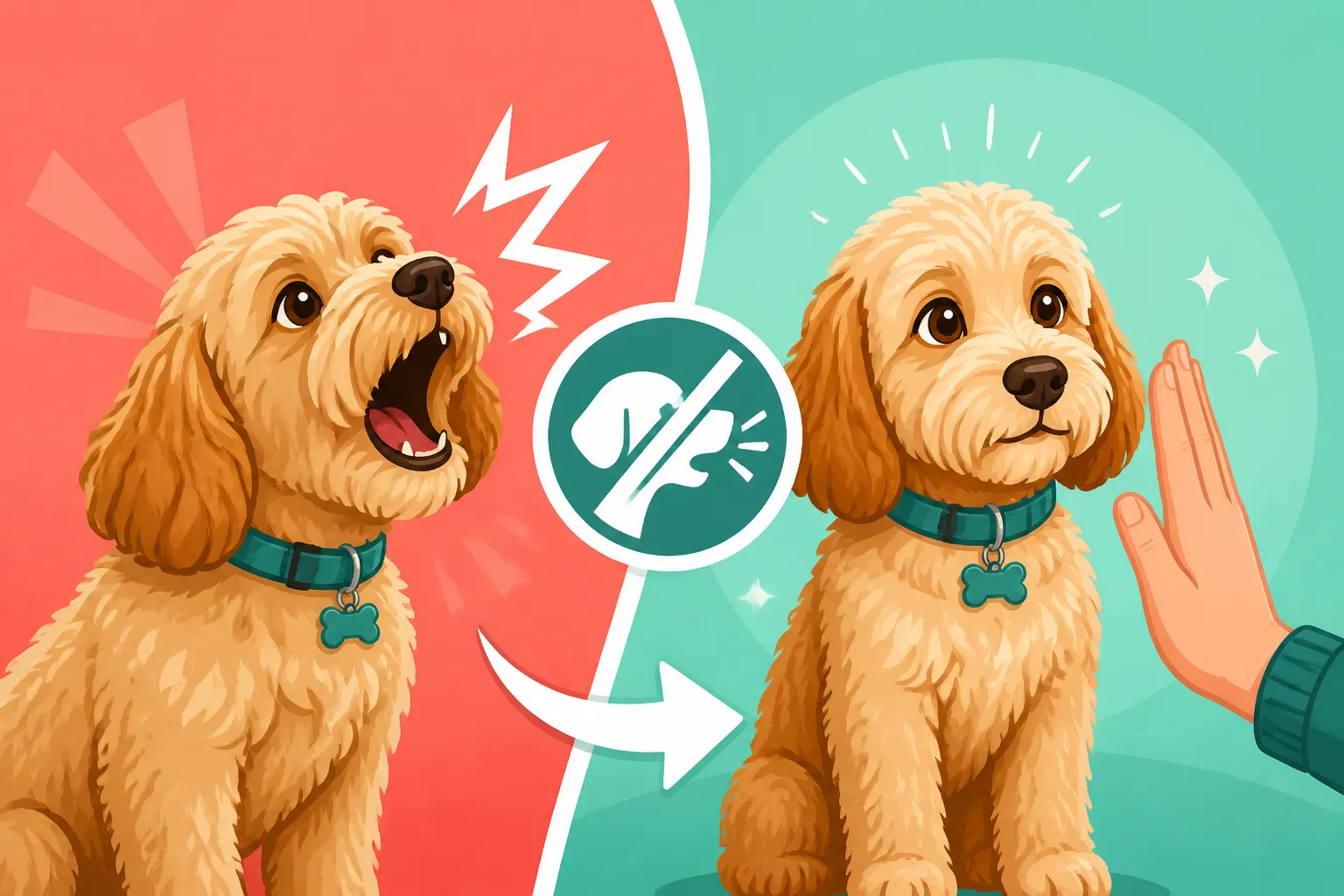
This is often the holy grail for owners of vocal dogs. Teaching a "quiet" command relies heavily on positive reinforcement and patience. It's about rewarding the absence of barking, not punishing the barking itself. Remember, barking is natural, so we're essentially teaching them an "off switch."
Here’s a step-by-step approach:
- Trigger the Barking (Gently): This might sound counterintuitive, but you need your dog to bark so you can teach them to stop. Have a friend ring the doorbell, or knock lightly. If your Cockapoo barks, that’s your cue.
- Wait for a Pause: The instant there's a break in the barking – even just for a second – mark it with a verbal cue like "Yes!" or a clicker, and immediately reward them with a high-value treat. The pause doesn't have to be perfect silence at first; it's about catching any cessation of the noise.
- Add the "Quiet" Cue: As they start to understand that pausing gets a treat, begin to introduce your "Quiet" command as they pause. So, they bark, you say "Quiet," they pause (even briefly), you mark and treat. The timing is crucial here. You want them to associate "Quiet" with the act of stopping the barking, not the barking itself.
- Increase the Duration: Gradually extend the length of the silence required before you reward. Instead of rewarding a one-second pause, wait for two, then three. If they start barking again, simply reset and wait for another pause. Never reward barking.
- Practice in Different Scenarios: Once they’re reliable in a controlled setting, start practicing with real-life triggers at a distance. If they bark at dogs passing by the window, start with the blinds drawn, then slightly open. You might find resources like BAXTER & Bella's online training modules helpful for structured guidance on this.
Consistency is absolutely key. Everyone in the household needs to use the same command and follow the same steps. It won't happen overnight, but with dedication, your Cockapoo will learn that "quiet" means good things happen.
Managing Environmental Triggers
Sometimes, the easiest way to reduce barking is to simply remove or minimize the things that cause it. This isn't avoiding the problem; it's smart management that reduces your Cockapoo's need to bark in the first place, making training more effective.
Visual Triggers: If your Cockapoo barks at everything that moves outside the window, consider blocking their view. Privacy window film (easily found on Amazon), frosted glass, or even simply keeping blinds and curtains closed during peak "trigger times" can make a huge difference. For a more subtle approach, you could rearrange furniture so their favorite napping spot isn't directly in front of the window. For doors with glass panels, consider a temporary opaque film that still lets light in but obscures the view of passersby.
Auditory Triggers: The world is full of sounds your Cockapoo might deem suspicious. The mailman, distant sirens, neighbors talking, or even the garbage truck can all set off a barking spree. White noise machines, a radio playing softly, or even leaving the TV on a talk show channel can help mask these external sounds, making them less distinct and therefore less likely to trigger a bark. You can find many effective white noise machines on platforms like Amazon.
Desensitization and Counter-Conditioning: For unavoidable triggers, like the doorbell, you can try desensitization. Record the sound of your doorbell and play it back at a very low volume. The moment your Cockapoo hears it and doesn't bark, reward them with a treat. Gradually increase the volume over days or weeks, always rewarding calmness. This teaches them that the doorbell sound isn't something to react to, but rather a cue that good things (treats!) are coming. You're changing their emotional response from alert/anxious to positive.
Remember that managing the environment isn't a substitute for training, but it creates a calmer foundation upon which your training can build. If your dog isn't constantly overstimulated, they'll be more receptive to learning new behaviors.
Addressing Specific Barking Scenarios
Different types of barking often require slightly different approaches. While the "quiet" command is universally helpful, understanding the context can fine-tune your strategy.
Dealing with Alert Barking
This is probably the most common type of barking for a Cockapoo – the "intruder alert!" bark when someone is at the door, or a stranger walks past the window. It comes from their innate alertness and desire to protect their territory.
The Doorbell/Knock:
Instead of rushing to the door in a panic, which can inadvertently reinforce your dog's belief that they need to alert you, try this:
- "Go to Your Mat/Place": Teach your Cockapoo to go to a designated mat or bed when the doorbell rings or someone knocks. Practice this when no one is there, rewarding them heavily for staying. Then, have a friend ring the bell while your dog is on their mat. Reward them for staying calm. If they bark, don't open the door until they are quiet, even for a moment. This teaches them that calm behavior gets the door opened.
- Leash Management: For particularly excited barkers, put them on a leash before the visitor arrives (if you know someone is coming). This gives you more control and can prevent them from rushing the door. Once they are calm, reward them and allow them to greet the visitor politely.
People/Dogs Passing by Windows:
As mentioned earlier, blocking the view is highly effective. If that's not possible or desirable all the time, use the "Quiet" command as soon as you notice them reacting. You can also try redirecting their attention. The moment they see a trigger, before they can bark, call their name and offer a high-value treat. This diverts their focus and rewards them for not barking. This kind of redirection can also be helpful on walks, especially if your Cockapoo is one of those who bark at other dogs from a distance.
Curbing Boredom and Attention-Seeking Barking
A Cockapoo is a smart, active dog. If they aren't given enough physical exercise and mental stimulation, they will find ways to entertain themselves, and often that involves barking. Similarly, if barking has ever successfully gotten your attention, they'll keep doing it.
Enrichment is Key:
- Puzzle Toys: These are fantastic for keeping a Cockapoo's mind engaged. Fill a Kong with peanut butter (check ingredients for xylitol!), or use a slow feeder bowl, or one of the many interactive puzzle toys available on Amazon. These make them work for their food and can keep them occupied for significant periods.
- Regular Exercise: Don't underestimate the power of a good walk or play session. A tired Cockapoo is a quiet Cockapoo. Aim for at least two good walks a day, plus some active playtime. If you're wondering The Miles a Cockapoo Wants Every Day, it's more than you might think for such a compact dog! They love to run and explore.
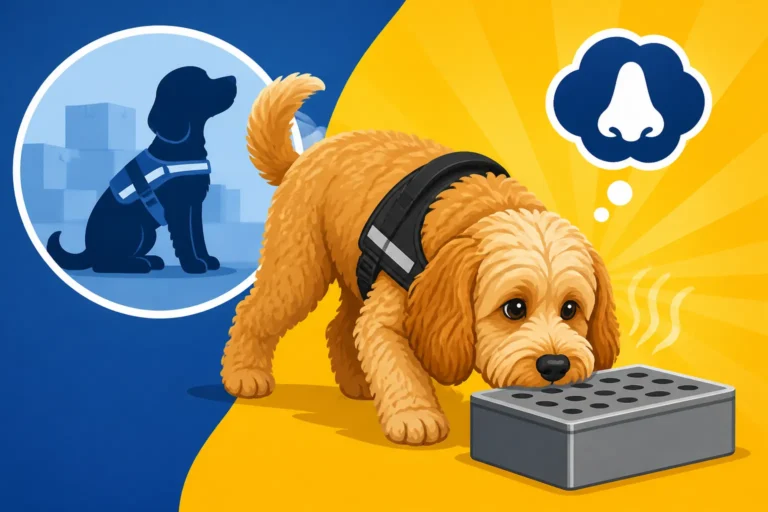
- Training Sessions: Even 10-15 minutes of positive reinforcement training a few times a day can tire out their brains. Teach new tricks, practice obedience commands, or engage in scent work. Scent Work That Satisfies a Cockapoo can be a particularly rewarding activity for these intelligent dogs, tapping into their natural hunting instincts.
Ignoring Attention-Seeking Barking:
This one is hard, but crucial. If your Cockapoo barks at you for attention (to play, to be petted, to be fed), you must ignore it completely. Turn your back, walk out of the room, avoid eye contact. The moment they stop barking, even for a second, then you can give them attention. This teaches them that silence gets rewards, and barking does not. It takes incredible willpower, especially when their barks are insistent, but it works. This is especially important if you've noticed Whether a Cockapoo Barks When Left and believe it's seeking your return.
For Cockapoos who struggle with being alone, which can manifest as barking, you might want to delve into resources like A Cockapoo That Cannot Be Left and Building a Cockapoo's Tolerance for Being Alone for more in-depth strategies.
Managing Reactive Barking
Reactive barking usually happens when your Cockapoo is on a leash and sees another dog, person, or object that triggers an over-the-top reaction. It's often rooted in fear, frustration, or over-excitement, and can be incredibly embarrassing for owners.
On-Leash Management:
- Distance is Your Friend: If your Cockapoo reacts at 20 feet from another dog, keep them at 30 feet. Find the distance where they notice the trigger but don't react.
- Change Direction: The moment you spot a trigger, before your dog does, calmly change direction or duck behind a car or tree. Avoid putting your dog in situations where they are forced to bark.
- "Look at That" Game: This is a fantastic counter-conditioning exercise. The moment your dog sees their trigger (e.g., another dog), say "Look at that!" and immediately give them a high-value treat. Don't wait for them to bark. The goal is to create a positive association: "Other dog = treats!" As they get better, you can gradually decrease the distance to the trigger.
- Engage Before They React: Keep your Cockapoo engaged with you on walks. Practice heel, check-ins, or simple commands. If their focus is on you, they're less likely to scan for triggers. Consider investing in a good quality long line (available on Amazon) for practicing recall and attention in a safe, open space, especially if you have issues with Recall on a Cockapoo That Has Found a Scent.
Wildlife and Small Prey:
Many Cockapoos retain a strong prey drive from their Spaniel heritage. The Flushing Drive Still Alive in a Cockapoo means they might see a squirrel or a bird and feel compelled to bark or chase.
- Leash on Outdoors: If your yard isn't fully fenced or your Cockapoo has a strong prey drive, keep them on a leash or long line when outside.
- "Leave It" Command: Teach a strong "leave it" command for when they spot wildlife. Practice with less exciting items first, then gradually introduce distractions.
- Redirection: Just like with other triggers, try to spot the wildlife before your Cockapoo does. If you see a squirrel, immediately call their name and reward them for looking at you instead of the squirrel.
When to Seek Professional Help
While many barking issues can be managed with consistent training and environmental adjustments, there are times when a professional's expertise is invaluable. It’s important to recognize these moments and not hesitate to reach out for support.
Recognizing Persistent or Escalating Barking
Sometimes, barking isn't just a communication quirk; it can be a symptom of a deeper issue. If your Cockapoo's barking is:
- Constant and Incessant: They bark for extended periods, seemingly without a clear trigger, or at everything and anything.
- Associated with Other Stress Signals: Look for pacing, panting, destructive chewing, excessive licking, or inappropriate urination/defecation. These can indicate underlying anxiety, fear, or frustration.
- Escalating in Intensity: The barking seems to be getting worse despite your consistent efforts, or your dog becomes frantic, aggressive, or panics when barking.
- Impacting Your Quality of Life Significantly: If the barking is causing severe stress for you, your family, or your neighbors, it's time for outside help.
A Cockapoo, like any dog, can experience separation anxiety, noise phobias, or generalized anxiety. If you suspect your dog's barking stems from fear or anxiety rather than just excitement or boredom, a professional can help you decipher the true cause and develop a tailored, humane plan.
Consulting a Certified Professional Dog Trainer or Behaviorist
Don't view seeking professional help as a failure on your part. It's a proactive, loving step to ensure your Cockapoo lives their happiest, calmest life. A certified professional dog trainer or a veterinary behaviorist has specialized knowledge and experience to tackle complex barking issues.
What a Professional Can Offer:
- Accurate Diagnosis: They can observe your Cockapoo's behavior in person (or via video consultation) and help pinpoint the exact triggers and underlying motivations for the barking.
- Tailored Training Plan: They will develop a customized plan that addresses your dog's specific needs, incorporating techniques beyond what might be covered in general articles.
- Guidance on Behavior Modification: For more ingrained or severe issues, they can guide you through advanced behavior modification techniques like desensitization, counter-conditioning, and management strategies.
- Medical Assessment: A veterinary behaviorist can also assess whether there are any underlying medical conditions contributing to the barking (e.g., pain, cognitive dysfunction in older dogs) and prescribe medication if necessary to help manage anxiety or fear. This can be particularly relevant for issues like Whether an Epileptic Cockapoo Can Be Managed, where barking could be related to stress or neurological changes.
When looking for a professional, seek out certified trainers with credentials (like CPDT-KA, KPA-CTP) or veterinary behaviorists (DACVB). Avoid trainers who advocate for harsh punishment or dominance-based methods, as these can exacerbate fear and anxiety, making barking worse in the long run. Many professionals offer virtual consultations, which can be a convenient and effective way to get started.
By understanding the root causes of your Cockapoo's barking, consistently applying humane training methods, and knowing when to call in the experts, you can transform your noisy companion into a much calmer, happier, and quieter member of your family.
Disclaimer
This article is for general informational purposes only and does not constitute professional advice. Laws, prices and regulations vary by location and change over time. Consult a qualified professional for guidance on your specific situation.