What the Cocker Puts Into a Cockapoo
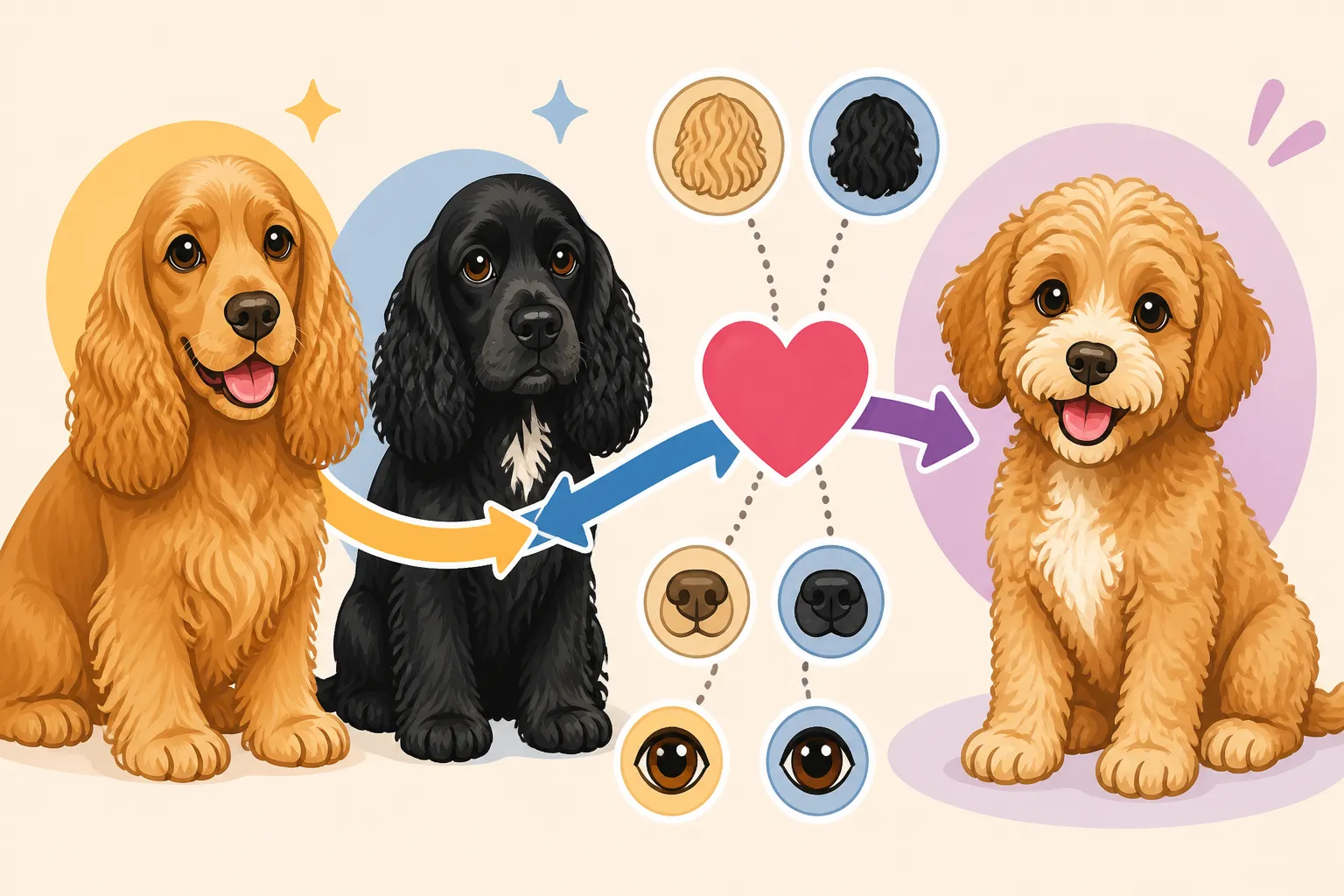
Many Cockapoo owners find themselves completely smitten with their furry companions but also scratching their heads over some of their dog's unique quirks and characteristics. If you've ever wondered why your Cockapoo has such soft eyes, an insatiable desire to follow a scent trail, or a coat that demands constant attention, chances are you're seeing the strong influence of their Cocker Spaniel heritage. This comprehensive guide will delve into all the wonderful, and sometimes challenging, traits that the Cocker Spaniel parent brings to the delightful Cockapoo.
The Endearing Personality: Cocker Spaniel Temperament in Your Cockapoo
The Cocker Spaniel is renowned for its charming disposition, a trait that often shines brightly in their Cockapoo offspring. When you gaze into those soft, soulful eyes, you're looking directly at a legacy of companionship and a deeply affectionate nature. This isn't just a surface-level sweetness; it's woven into the very fabric of their being, often making them exceptionally devoted family members.
Affectionate and People-Oriented Nature
One of the most defining characteristics the Cocker Spaniel passes down to the Cockapoo is an almost overwhelming desire for human companionship. These dogs are truly people-pleasers at heart, thriving on interaction and affection. They love to be close to their human family, whether it's curled up on the couch for a snuggle, following you from room to room as you go about your day, or eagerly greeting you at the door with a wagging tail. This isn't a shy, aloof kind of affection; it's often a full-body experience, complete with happy wiggles and excited kisses. For a Cockapoo, being part of the family action isn't just preferred, it's essential for their happiness and well-being.
This strong bond means that a Cockapoo with significant Cocker influence might struggle with being left alone for extended periods. They thrive on consistent interaction and can develop separation anxiety if not properly prepared for solitude. Training from a young age to feel comfortable and safe when you're away is crucial, starting with short durations and gradually increasing the time. Providing engaging toys and a comfortable space can help, and for some, leaving on a radio or dog-specific calming music can make a real difference.
The Gentle Soul and Sensitivity
Cocker Spaniels are known for their gentle and sensitive nature, and this quality frequently emerges in Cockapoos. They can be very attuned to the moods and emotions of their human family, often acting as furry little emotional sponges. A sensitive Cockapoo might be easily startled by loud noises, sudden movements, or harsh tones. This means that positive reinforcement, patience, and a gentle approach are paramount in their training and daily interactions. They respond beautifully to praise and rewards, often shutting down or becoming anxious if subjected to harsh corrections. Whether a Cockapoo Is as Soft as a Cocker is a common question, and for many, the answer is a resounding yes.
Because of this sensitivity, creating a calm and predictable home environment is often beneficial for a Cocker-influenced Cockapoo. They tend to flourish with routine and clear, consistent boundaries delivered kindly. Consider their sensitive ears, for instance; a sudden loud bang can genuinely shake them. This gentleness also makes them wonderful companions for families with respectful children, as they are typically tolerant and patient, eager to be involved in family activities without being overly boisterous.
Playfulness and a Zest for Life
Despite their gentle and affectionate side, Cocker Spaniels also bring a lively, playful spirit to the Cockapoo mix. They have an innate zest for life that expresses itself through enthusiastic play and a generally cheerful demeanor. Many Cockapoos inherit this joyful outlook, always ready for a game of fetch, a romp in the yard, or an engaging session with a favorite toy. This playfulness often extends well into their adult years, keeping them feeling young at heart.
This isn't just about physical play; it’s also about mental engagement. A Cocker-influenced Cockapoo loves to participate in activities that stimulate their minds. Puzzle toys filled with treats from places like Chewy can keep them happily occupied, tapping into their natural curiosity and intelligence. This playful energy is distinct from a high-strung nervousness; it’s a healthy, happy exuberance that makes them fantastic, engaging companions for active individuals or families who enjoy regular play sessions.
Physical Hallmarks: What Your Cockapoo Gets from its Cocker Ancestry
Beyond their captivating personalities, Cockapoos often display a variety of physical characteristics inherited directly from their Cocker Spaniel parent. While the Poodle influence brings its own set of traits, looking closely, you can often pinpoint the classic Cocker features that make your Cockapoo uniquely charming.
The Signature Head and Expressive Eyes
One of the most unmistakable contributions from the Cocker Spaniel is the shape of the Cockapoo's head and, most notably, its eyes. Cocker Spaniels possess a distinctive, expressive face with a soft, melting gaze that can melt even the coldest heart. Their eyes are typically round, dark, and set forward, often giving them an almost human-like expression of tenderness and understanding. Many Cockapoos inherit these very same 'Cocker eyes,' which contribute significantly to their adorable appeal.
You'll also often notice the Cocker's muzzle shape – typically a bit shorter and broader than a purebred Poodle's, giving the Cockapoo a softer, more rounded facial profile. While the Poodle genes might add a beard and mustache, the underlying structure often hints at the Cocker Spaniel. And let's not forget those iconic long, pendulous ears! While a Poodle's ears are also long, the Cocker Spaniel's ears are often thicker, heavier, and covered in luxurious feathering, which many Cockapoos proudly inherit. Whether a Cockapoo Keeps the Cocker's Ears is a common physical inheritance.
Compact Build and Distinctive Gait
Cocker Spaniels are medium-sized dogs known for their compact, sturdy build and well-balanced proportions. This often translates to a Cockapoo that is neither overly leggy nor too stocky, but rather a pleasingly proportioned canine. Depending on the size of the Poodle parent (Toy, Miniature, or Standard), the Cockapoo's size can vary greatly, but the type of body structure, with a strong back and moderate bone, frequently comes from the Cocker side. They tend to carry themselves with a confident, cheerful gait, moving with an easy, flowing stride that speaks to their sporting heritage.
Their relatively compact size, even in the larger 'Maxi' Cockapoo varieties, often makes them adaptable to various living situations, from apartments to homes with yards, provided they receive adequate exercise. This solid, agile build makes them surprisingly capable athletes, able to navigate varied terrains with ease, whether it's a bustling city park or a winding country trail.
The Coat and Skin Texture Story
While the Poodle parent heavily influences the curl and hypoallergenic qualities of a Cockapoo's coat, the Cocker Spaniel does contribute to its texture and, importantly, the underlying skin health. American Cocker Spaniels are famous for their incredibly dense, silky, and often wavy coats that require significant grooming. English Cocker Spaniels tend to have a slightly less profuse but still luxurious coat. A Cockapoo might inherit some of this Cocker silkiness, resulting in a softer, wavier coat that might be more prone to matting than a tighter Poodle curl. Whether a Cockapoo Inherits the Cocker's Oily Skin is another important consideration.
Some Cockapoos, particularly those with a stronger Cocker influence, might have a slightly oilier skin type, or conversely, a coat that can be prone to dryness if not properly cared for. This can sometimes lead to skin irritations or odors if not managed with regular bathing and appropriate grooming products. Understanding this potential Cocker contribution is key to establishing a healthy grooming routine, using shampoos and conditioners designed for sensitive or combination skin types available from retailers like Chewy.
Instincts and Drives: The Hunting Heritage of the Cocker in Your Cockapoo
Beneath the fluffy exterior and charming personality lies the heart of a working dog, thanks in large part to the Cocker Spaniel's lineage as a gundog. These instincts, developed over centuries, are often very present in the modern Cockapoo, influencing their behavior and activity needs.
The Irresistible Call of Scent: Flushing and Quartering Instincts
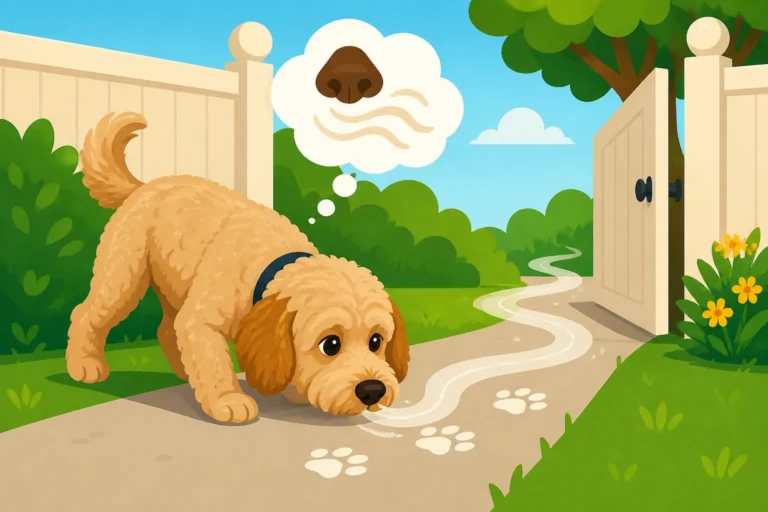
Cocker Spaniels were bred to "flush" game from dense cover, meaning they would dart into bushes and thickets to scare birds into flight for hunters. This means they are inherently nose-driven and have a strong instinct to explore their surroundings using their sense of smell. Many Cockapoos exhibit this "flushing drive," becoming completely engrossed in scent trails, often with their nose to the ground, zigzagging through fields or parks. The Flushing Drive Still Alive in a Cockapoo is a prime example of this inherited behavior.
This can be a delightful trait when harnessed for scent work games or outdoor adventures, but it can also pose a challenge for recall. A Cockapoo on a compelling scent might become "selectively deaf" to your calls, completely absorbed in their olfactory world. Understanding that this isn't disobedience but rather a powerful, instinctual drive is important. Training a solid recall from a young age, perhaps with a whistle, and consistent practice in varied environments, is crucial for off-leash safety. Engaging them in activities like Scent Work That Satisfies a Cockapoo can provide a fantastic outlet for this natural talent.
Water Enthusiasm and Retrieval Tendencies
Both Cocker Spaniels and Poodles have a history involving water work, so it's no surprise that many Cockapoos are enthusiastic swimmers and retrievers. Cocker Spaniels were often tasked with retrieving fallen game, not just flushing it. This means they often have a natural affinity for carrying objects in their mouths and a strong desire to bring them back to you. This is why many Cockapoos absolutely adore playing fetch, whether it's with a ball, a frisbee, or a soft toy.
Their love for water can be a wonderful asset, opening up opportunities for fun and exercise at lakes, beaches, or even in a kiddie pool in the backyard. Just be mindful of their long ears, which can hold water and contribute to ear infections if not dried thoroughly after a swim. Their retrieving drive makes them excellent candidates for games that involve finding and bringing back toys, which can provide both physical and mental stimulation. Whether a Cockapoo Retrieves Naturally is a common observation.
Interaction with Other Animals and Prey Drive
While Cocker Spaniels are generally known for their friendly nature, their hunting background can influence their interactions with smaller animals. The prey drive, which fuels their flushing instinct, means that some Cockapoos might show a keen interest in chasing squirrels, rabbits, or even birds. While they are usually not aggressive, this chasing behavior can be strong and requires careful management, especially when off-leash.
Introducing a Cockapoo to other household pets, like cats or smaller dogs, should be done thoughtfully and under supervision. Early socialization is key to helping them differentiate between potential "prey" outdoors and their furry housemates. For those with a stronger chase instinct, secure leashes, proper training, and perhaps a Cockapoo That Goes Deaf on a Trail with a strong scent are crucial for their safety and the safety of wildlife.
Health Profile: Understanding Cocker Spaniel Genetic Contributions to the Cockapoo
While Cockapoos are often touted as being healthier due to hybrid vigor, they can still inherit genetic predispositions from both parent breeds. Understanding the health concerns common in Cocker Spaniels is vital for any Cockapoo owner, allowing for informed choices when selecting a puppy and providing proactive care throughout their dog's life.
Common Eye Conditions: From Glaucoma to PRA
Cocker Spaniels are known for several eye conditions that can, unfortunately, be passed down to their Cockapoo offspring. One significant concern is Progressive Retinal Atrophy (PRA), particularly the prcd-PRA variant. This is a genetic disease that causes the photoreceptor cells in the retina to degenerate over time, leading to eventual blindness. Both parents must be carriers or affected for a puppy to be affected. Whether Both Cockapoo Parents Must Be prcd-PRA Clear is a critical question for breeders.
Another eye condition is glaucoma, a painful disease caused by increased pressure within the eye, which can lead to vision loss. The Glaucoma a Cockapoo Inherits From the Cocker is often a primary or secondary form. Entropion (eyelids rolling inward) and ectropion (eyelids rolling outward) are also seen in Cockers and can cause irritation or damage to the eye. Reputable breeders should conduct comprehensive eye examinations, such as a yearly CAER (Companion Animal Eye Registry) exam, on their breeding stock to minimize the risk of passing on these debilitating conditions.
Ear Issues: Anatomy and Predisposition to Infections
Those gorgeous, long, floppy Cocker Spaniel ears are a hallmark feature, but they also bring a predisposition to certain health issues. The Cockapoo, inheriting these ears, often faces similar challenges. The long, heavy ear flap covers the ear canal, limiting air circulation and creating a warm, moist environment – the perfect breeding ground for bacteria and yeast. This makes ear infections a common ailment for Cockapoos.
Regular ear cleaning is not just a recommendation; it's a necessity. Owners need to inspect their Cockapoo's ears frequently, checking for redness, odor, discharge, or any signs of discomfort. Plucking excessive hair from the ear canal can also improve airflow, though this should ideally be done by a professional groomer or veterinarian to prevent injury. Whether a Cockapoo's Ears Are Better Than a Cocker's is often discussed, but vigilant care is still required for many Cockapoos. Using a gentle ear cleaner designed for dogs, available at pet supply stores like Chewy, can help maintain ear hygiene.
Joint and Orthopedic Considerations
Like many purebred dogs, Cocker Spaniels can be prone to certain orthopedic problems, and these can transfer to a Cockapoo. Hip dysplasia and elbow dysplasia, while perhaps more commonly associated with larger breeds, can occur in Cocker Spaniels and therefore in Cockapoos, especially larger "Maxi" Cockapoos. These conditions involve malformation of the hip or elbow joints, leading to pain, arthritis, and lameness.
Another orthopedic concern often seen in smaller Cocker Spaniels, and thus in Toy or Miniature Cockapoos, is Patellar Luxation, or "slipping kneecaps." This is when the kneecap dislocates from its groove, causing a temporary limp or "skip" in their gait. Responsible breeders screen their breeding dogs for these conditions through X-rays and physical examinations. Slipping Kneecaps in a Toy Cockapoo is a specific concern that owners of smaller Cockapoos should be aware of.
Living with the Cocker Influence: Training, Grooming, and Home Life
Bringing a Cockapoo into your home means embracing a unique blend of traits that require thoughtful consideration in terms of training, grooming, and general lifestyle adjustments. The Cocker Spaniel's influence is especially evident in these areas.
Biddability and Training Responsiveness
One of the most appealing aspects of the Cocker Spaniel temperament is their strong desire to please, often translating into excellent biddability and responsiveness to training. Many Cockapoos inherit this trait, making them relatively eager students who enjoy learning and performing tasks for their owners. They thrive on positive reinforcement, praise, and the reward of your attention, often making them a joy to train. Whether the Cocker or the Poodle Shows Up in Training can often be seen in their eagerness to engage.
However, their sensitivity, as mentioned earlier, means that harsh training methods can be counterproductive. They respond best to patience, consistency, and clear communication. Because they are intelligent, they can quickly pick up on routines and cues, and they excel in various dog sports like obedience, rally, and even scent work, which taps into their natural sniffing abilities. The key is to make training fun and engaging, reinforcing their natural desire to work alongside their human companions.
Grooming Challenges: Managing the Cocker's Coat and Skin
While the Poodle side often brings the non-shedding or low-shedding quality, the Cocker Spaniel's coat structure contributes to the Cockapoo's grooming demands. If a Cockapoo inherits a wavy or more open curl pattern from the Cocker, their coat can be a veritable magnet for mats and tangles. The Coat Change That Ambushes a Cockapoo Owner at Ten Months is often a result of both parent coats growing in. The soft, dense undercoat can easily get tangled with the coarser guard hairs, especially in areas like behind the ears, armpits, and leg feathering.
Regular, thorough brushing is not optional; it's a daily commitment for many Cockapoo owners. Without it, mats can quickly form, leading to discomfort, skin issues, and even requiring a full shave-down at the groomer. Furthermore, if your Cockapoo inherits the Cocker's tendency towards oily skin, they may need specific shampoos to manage this. Whether a Cockapoo's Skin Is Greasy Like a Cocker's is a question that directly impacts bathing routines. Investing in good quality grooming tools, such as slicker brushes and metal combs, from retailers like Chewy, is essential, as is scheduling regular professional grooming appointments.
Social Dynamics and Potential for Resource Guarding
Cockapoos with strong Cocker Spaniel influence tend to be very social dogs, generally enjoying the company of other dogs and people. Early socialization is still crucial, but their natural inclination is often one of friendliness. They typically integrate well into multi-pet households, provided introductions are handled correctly.
However, a lesser-known trait that can sometimes emerge from the Cocker Spaniel side is a tendency towards resource guarding. This is when a dog becomes possessive over certain items, such as food, toys, or even prime sleeping spots, and may growl, snap, or bite if someone tries to take them away. This isn't a universal trait, but it's something to be aware of and address proactively through training and management if signs appear. Working with a professional positive reinforcement trainer can help manage or prevent resource guarding, ensuring a harmonious home.
Summary of Cocker Spaniel Contributions to the Cockapoo
| Category | Cocker Spaniel Contribution | Impact on Cockapoo |
|---|---|---|
| Temperament | Affectionate, gentle, people-oriented, sensitive, playful | Highly companionable, prone to separation anxiety, responds well to positive training, retains youthful exuberance |
| Physical | Expressive eyes, distinctive head shape, compact build, long ears | Adorable 'Cocker eyes,' sturdy frame, high maintenance floppy ears prone to infection |
| Instincts | Strong scent drive, flushing instinct, retrieving, water affinity | Loves scent games, can be prone to chasing, needs strong recall, often enjoys swimming and fetch |
| Health | Predisposition to eye conditions (PRA, glaucoma), ear infections, orthopedic issues (patellar luxation, hip/elbow dysplasia) | Requires careful breeder screening, regular ear care, proactive monitoring for joint health and vision |
| Care & Living | Biddable, responsive to positive training, dense coat textures | Generally easy to train with gentle methods, demanding grooming needs, can have specific skin/coat challenges |
Understanding the Cocker Spaniel's rich contribution to your Cockapoo's genetic makeup allows you to appreciate their unique blend of traits and anticipate their needs. From their soulful eyes and playful spirit to their keen nose and grooming demands, the Cocker influence is a significant and wonderful part of what makes a Cockapoo such a beloved companion.
Disclaimer
This article is for general informational purposes only and does not constitute professional advice. Laws, prices and regulations vary by location and change over time. Consult a qualified professional for guidance on your specific situation.