Whether Two Cockapoos Live Well Together
Many Cockapoo owners find themselves completely smitten with their intelligent, affectionate, and sometimes comical companions, leading to the inevitable thought: "Should I get another one?" While the idea of double the fluff and double the love is incredibly appealing, the reality of introducing a second Cockapoo to your home comes with its own set of considerations and potential challenges. This guide will walk you through everything you need to know about successfully integrating two Cockapoos into a happy, harmonious household.
Understanding the Cockapoo Temperament: A Foundation for Multi-Dog Homes
Before diving into the specifics of bringing home a second Cockapoo, it's vital to remember the core traits that make these delightful dogs who they are. Their unique blend of Cocker Spaniel and Poodle genetics plays a huge role in how they interact with other dogs, and understanding this foundation will help you predict how well two of them might coexist.
The Poodle's Social Nature
The Poodle side of your Cockapoo brings a wealth of intelligence, adaptability, and often a strong desire for companionship. Poodles are known for being highly social dogs who thrive on interaction, not just with their human families, but often with other canine companions as well. They're generally not prone to extreme territoriality or aggression, especially when properly socialized from a young age. This inherent sociability means that a Cockapoo often welcomes the idea of a playmate, viewing another dog not as competition, but as an extension of their social circle. They're quick learners, which can be a huge advantage when introducing new routines or addressing any behavioral quirks that might arise from adding a second dog. Whether a Cockapoo Learns Faster Than a Cocker is a good indicator of their biddable nature.
The Cocker Spaniel's Pack Mentality
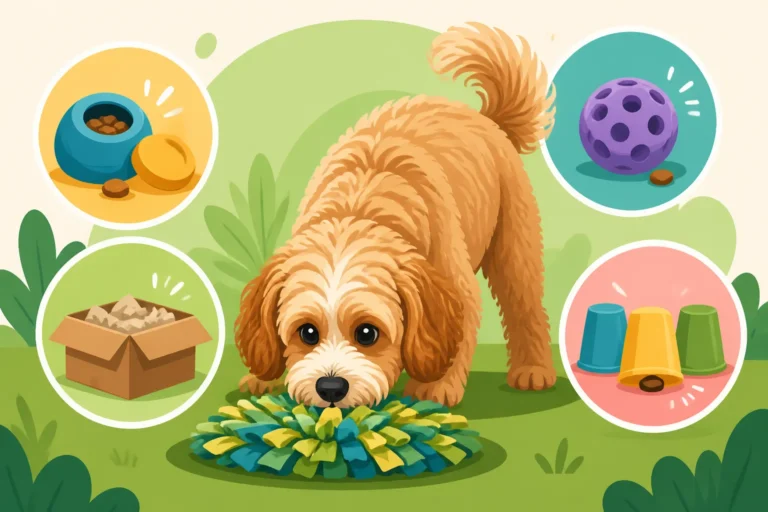
Then there's the Cocker Spaniel influence, which often imbues Cockapoos with a loving, devoted, and sometimes sensitive nature. Cocker Spaniels traditionally lived and worked as part of a team, and that pack mentality often translates into a Cockapoo's desire to be part of a close-knit group. They love to be involved in family activities and appreciate having company, whether it's human or canine. This predisposition to enjoy company can make them excellent candidates for multi-dog homes. However, their sensitivity also means that introductions need to be handled carefully to avoid overwhelming either dog. A Cockapoo with a strong Cocker drive might also enjoy exploring scents together, as discussed in Scent Work That Satisfies a Cockapoo.
Energy Levels and Play Style
One of the biggest advantages of having two Cockapoos is their shared energy levels and love for play. Cockapoos are typically energetic, playful dogs who need a good outlet for their zest for life. When you have two, they can often entertain each other, engaging in wrestling, chasing, and tug-of-war, which helps burn off excess energy. This can be a huge benefit for owners, as it means less pressure to be the sole source of entertainment and exercise. Of course, this also means double the energy indoors if not properly managed, so ensuring they have enough space and opportunities for outdoor play is crucial. For small-to-medium sized dogs, they pack a lot of bounce!
Introducing a Second Cockapoo: Key Considerations for Success
Bringing a new dog into an established household, even when it's the same breed, requires careful planning and execution. The goal is a smooth transition for both your resident Cockapoo and the newcomer, minimizing stress and setting the stage for a lasting friendship.
Age and Temperament Matching
This is perhaps the most critical factor when considering a second Cockapoo. While two puppies might seem adorable, raising two puppies simultaneously can be incredibly demanding, often leading to "littermate syndrome" where they bond too intensely with each other and not enough with their human family, or develop behavioral issues. Ideally, a good age gap of at least a year or two allows your first Cockapoo to be fully mature, well-trained, and confident before a new puppy arrives.
Consider the temperament of both dogs. If your current Cockapoo is shy or nervous, a boisterous, overly playful puppy might be overwhelming. Conversely, if your Cockapoo is a high-energy enthusiast, a similarly playful new friend could be a match made in heaven. Think about their play styles – some Cockapoos love rough-and-tumble, while others prefer more gentle interactions. A common pitfall is to bring in a second dog that's a completely different energy level, leading to one dog constantly trying to engage and the other constantly trying to avoid. Introducing a Cockapoo to the Dog You Have is a great resource for understanding this process.
| Factor | Ideal Scenario | Potential Challenge |
|---|---|---|
| Age Gap | At least 1-2 years between dogs | Raising two puppies together (littermate syndrome) |
| Temperament | Complementary energy levels and play styles | One dog too dominant, one too submissive; mismatched play |
| Sex | Opposite sexes often integrate more smoothly | Two females can sometimes lead to competition; two males can |
| also be competitive, especially intact ones | ||
| Previous Experience | Second dog has positive experiences with other dogs | Second dog has not been well socialized or has reactivity |
Neutral Territory Introductions
The first meeting between your two Cockapoos is paramount. Avoid simply bringing the new dog straight into your home, as this can trigger territorial instincts in your resident Cockapoo. Instead, arrange their initial encounter in a neutral, outdoor space – a park they don't frequent, a friend's fenced yard, or even a quiet street. Both dogs should be on leashes, and you should have two handlers (one for each dog).
Keep the initial meeting short and positive. Allow them to sniff each other, walk parallel to each other, and observe their body language. Look for relaxed postures, loose tails, and gentle curiosity. Avoid any tension on the leash, as this can transfer to the dog. If they show signs of stress (stiff body, growling, lunging), calmly redirect them and try again with more distance. Repeat these neutral territory meetings over a few days, gradually increasing proximity and duration, always ending on a good note. Once they seem comfortable, you can move to a supervised, on-leash introduction inside your home.
Establishing Separate Resources
Once the new Cockapoo is in your home, it's crucial to ensure both dogs feel secure about their belongings. Resource guarding, where a dog becomes protective of food, toys, beds, or even a person, can easily arise if not managed from day one.
Provide each Cockapoo with their own dedicated food and water bowls, placed in separate areas if possible, especially during mealtimes. Feed them at the same time but far enough apart that they don't feel pressure or competition. Each dog should also have their own bed or crate. While they might choose to snuggle together later, having a personal safe space is important. Toys should be plentiful to avoid squabbles; a rotating selection kept in a bin on Amazon can help keep things fresh and minimize possessiveness. It's often wise to pick up high-value chew toys when you can't supervise to prevent potential conflicts.
Managing Two Cockapoos: Daily Life and Potential Challenges
Bringing a second dog into your life certainly changes the dynamic, and while it brings immense joy, it also doubles your responsibilities. Even with the best intentions and preparations, there will be adjustments to make.
The Importance of Individual Attention
It's easy to fall into the trap of treating two dogs as a single unit, but each Cockapoo is an individual with their own personality, needs, and preferences. It's absolutely vital that both dogs continue to receive dedicated, one-on-one time with you. This means separate training sessions, individual cuddle time, and sometimes even separate walks. This ensures they maintain a strong bond with you, feel valued, and don't rely solely on their canine companion for attention or direction. This also helps prevent one dog from becoming overly dependent on the other, or from feeling neglected. Whether a Cockapoo Needs Company Most of the Day is a common question, and even with two, individual connection is key.
Addressing Sibling Rivalry
Just like human siblings, Cockapoos can experience minor squabbles or moments of rivalry. This might manifest as subtle competition for your attention, a grumpy growl over a favorite sleeping spot, or a brief spat over a dropped treat. Most of these incidents are normal and resolve quickly. However, it's important to learn to read their body language and intervene calmly but decisively if tension escalates.
Never punish either dog for a growl, as this is their way of communicating discomfort. Instead, separate them calmly and identify the trigger. Is it a specific toy? A particular location? Adjust your environment or routine to minimize these triggers. For more persistent issues, professional guidance from a certified dog trainer can be invaluable. Training programs like BAXTER & Bella can also offer tips on managing multi-dog households.
Double the Training, Double the Fun
While having a second dog can simplify some aspects of exercise, it doubles the need for consistent training. Both Cockapoos need to know basic commands, good leash manners, and appropriate household behavior. You might find it beneficial to train them separately at times, especially when introducing new concepts, to ensure each dog is focusing on you without the distraction or influence of the other.
Leverage their natural intelligence and desire to please. Whether a Cockapoo Passes an Obedience Title shows their capability. Enroll them in separate or even joint obedience classes, practice trick training, or engage in scent games. When one dog sees the other performing a desired behavior and receiving a reward, they often learn by observation, making training a surprisingly collaborative and enjoyable experience. Just remember, positive reinforcement works wonders for Cockapoos!
Grooming Considerations
Oh, the Cockapoo coat! One Cockapoo is a commitment, but two? You're looking at a significant investment of time and effort to keep them mat-free and comfortable. The Poodle's non-shedding, curly coat, combined with the Cocker's softer, often wavy fur, creates a coat that loves to tangle.
Each Cockapoo will likely have a slightly different coat type, from wavy to tight curl, and each demands its own grooming routine. This means regular brushing for both dogs, several times a week, if not daily, especially if you prefer a longer clip. Expect to schedule professional grooming appointments more frequently or invest in quality home grooming tools from places like Amazon to keep up. The Three Cockapoo Coat Types and Their Upkeep is a must-read if you're considering a second Cockapoo, as it will give you a realistic picture of the time commitment. Neglecting grooming for even one day can lead to painful mats, which no one wants for their furry friends.
Benefits of Having Two Cockapoos: Double the Joy
Despite the challenges, the rewards of having two Cockapoos often far outweigh the extra effort. There's a unique joy that comes from watching two happy dogs interact, and many owners find their lives enriched beyond measure.
Companionship and Reduced Separation Anxiety
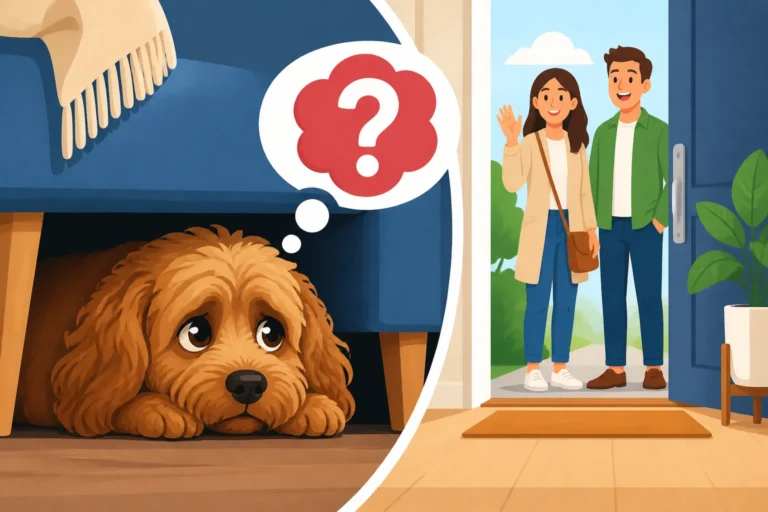
One of the most compelling reasons people consider a second dog is for companionship, especially if their first dog struggles with being left alone. For a Cockapoo that experiences mild separation anxiety, having a canine buddy can often make a world of difference. They have a friend to cuddle with, play with, and simply exist alongside when you're not there. This doesn't mean you can leave them for excessive periods, but it can certainly ease their distress and provide comfort. Whether a Second Dog Settles a Cockapoo delves into this benefit.
It’s important to note that a second dog isn't a cure-all for severe separation anxiety, which often requires professional intervention. However, for a dog that simply prefers company, a second Cockapoo can be a wonderful solution.
Built-in Playmates and Exercise
Imagine your two Cockapoos romping in the yard, chasing each other, playing tug-of-war, or engaging in a game of chase the squirrel (from a distance, of course!). This built-in playmate system can significantly contribute to their daily exercise and mental stimulation. They can burn off a lot of energy together, which can reduce destructive behaviors born out of boredom and make them calmer and more content indoors. This is particularly helpful on days when you might not have as much time for an extensive walk, though regular outings are still essential for both dogs.
Learning from Each Other
Dogs are incredible observers, and Cockapoos are no exception. A younger, new Cockapoo can often learn good behaviors from an older, well-trained resident dog. A puppy might quickly pick up house-training cues, respond to commands, or understand household routines simply by watching and mimicking your established Cockapoo. This social learning can sometimes accelerate the integration process and reinforce positive habits without you having to start completely from scratch with every single lesson.
Having two Cockapoos truly can be a delightful experience, filling your home with double the love, laughter, and playful energy. With careful planning, patient introductions, and a commitment to meeting the individual needs of each dog, you can foster a wonderful, lifelong bond between your two furry family members.
Disclaimer
This article is for general informational purposes only and does not constitute professional advice. Laws, prices and regulations vary by location and change over time. Consult a qualified professional for guidance on your specific situation.