Whether a Cockapoo Barks When Left
One of the biggest worries for any Cockapoo owner, or prospective owner, is the thought of leaving their beloved companion home alone only for them to bark incessantly. The constant yapping or howling isn't just a nuisance; it's a distress signal, a cry for attention, or a declaration of boredom that can deeply impact your relationship with your dog and your neighbors. This comprehensive guide aims to peel back the layers of this common issue, helping you understand why your Cockapoo might be barking when left, and what practical, empathetic steps you can take to foster a calmer, more confident companion.
Understanding the Roots of Barking When Left Alone
It’s easy to feel frustrated when you come home to complaints about barking, or worse, witness it yourself. But before we dive into solutions, it’s crucial to understand why your Cockapoo might be vocalizing when you’re not around. This isn't usually an act of defiance; it's almost always a symptom of an underlying emotional state or unmet need.
The Deep-Seated Need for Company
Cockapoos are a blend of two breeds known for their strong bond with humans: the Cocker Spaniel and the Poodle. Both parent breeds were developed to work closely with people, making them inherently social creatures. Cocker Spaniels are flushing dogs, bred to stay within a close radius of their handler, while Poodles, despite their elegant appearance, are working dogs with a history of retrieving from water and performing alongside their owners. This means your Cockapoo inherits a genetic predisposition for companionship. They thrive on interaction and can struggle when left in isolation. This isn't just a preference; for many Cockapoos, it's a fundamental part of their psychological makeup. They are not solitary animals, and expecting them to be perfectly content on their own without careful training and management is often unrealistic, especially for a young puppy. The Flushing Drive Still Alive in a Cockapoo is a good read to understand this innate need.
When you leave, their instinct might tell them they've been separated from their "pack," leading to feelings of insecurity or anxiety. This isn't just about missing you; it's about a deep, evolutionary need for safety in numbers. A dog alone might feel vulnerable, and barking becomes a way to signal for help or to ward off perceived threats. This intrinsic drive for connection is why dogs, and especially social breeds like Cockapoos, can find being left alone such a challenge.
Separation Anxiety Versus Boredom
Distinguishing between separation anxiety and mere boredom is paramount because the solutions for each are quite different. Many owners mistakenly attribute all barking to separation anxiety, when sometimes, it's simply a case of a bored dog needing an outlet.
Separation anxiety is a genuine panic disorder. A dog suffering from separation anxiety isn't just bored; they are experiencing profound distress when left alone. Signs often include frantic barking or howling, destructive chewing focused on escape routes (doors, windows), inappropriate urination or defecation even when house-trained, pacing, drooling, and sometimes self-mutilation. The barking will typically be incessant and high-pitched, starting almost immediately after you leave and continuing until you return. This isn't a behavior they can control; it's an overwhelming emotional response. Signs a Cockapoo Is Anxious Rather Than Bored can help you differentiate.
Boredom, on the other hand, manifests differently. A bored Cockapoo might bark intermittently, perhaps at sounds outside or simply to entertain themselves. Their barking might be lower in pitch, less frantic, and interspersed with periods of quiet. They might also engage in destructive chewing, but often on items around the house rather than exit points, or they might just wander restlessly. A bored dog might eventually settle down, whereas an anxious dog typically does not. Understanding this distinction is the first step in crafting an effective intervention plan. If you suspect true separation anxiety, the approach will need to be more intensive and often require professional guidance.
Environmental Triggers
Sometimes, your Cockapoo isn't barking due to internal distress but rather in response to external stimuli. Their keen senses make them excellent watchdogs, which can be both a blessing and a curse when you're not home.
Common environmental triggers include:
- Noises: A mail carrier delivering letters, a neighbor's dog barking, children playing outside, construction work, or even distant sirens can all provoke a Cockapoo to bark. Their sensitive hearing, a trait often inherited from their Poodle side, means they pick up on sounds we might barely notice.
- Sights: If your Cockapoo has a clear view of the street, passersby, other dogs, or even squirrels and birds, they might feel compelled to alert you (or themselves) to these perceived intrusions. A busy street can be a constant source of "threats" for a territorial or alert dog.
- Unfamiliar Scents: While less common for barking, a strong, unfamiliar scent wafting in through an open window could also trigger curiosity or alarm, though this is more likely to lead to sniffing and investigating than prolonged barking.
Identifying these triggers is key. If your dog only barks when the postal worker arrives, that's a different problem than if they bark continuously for hours. Observing patterns, perhaps through a pet camera, can help you pinpoint specific triggers and tailor your approach accordingly.
Identifying the Type of Barking Your Cockapoo Does
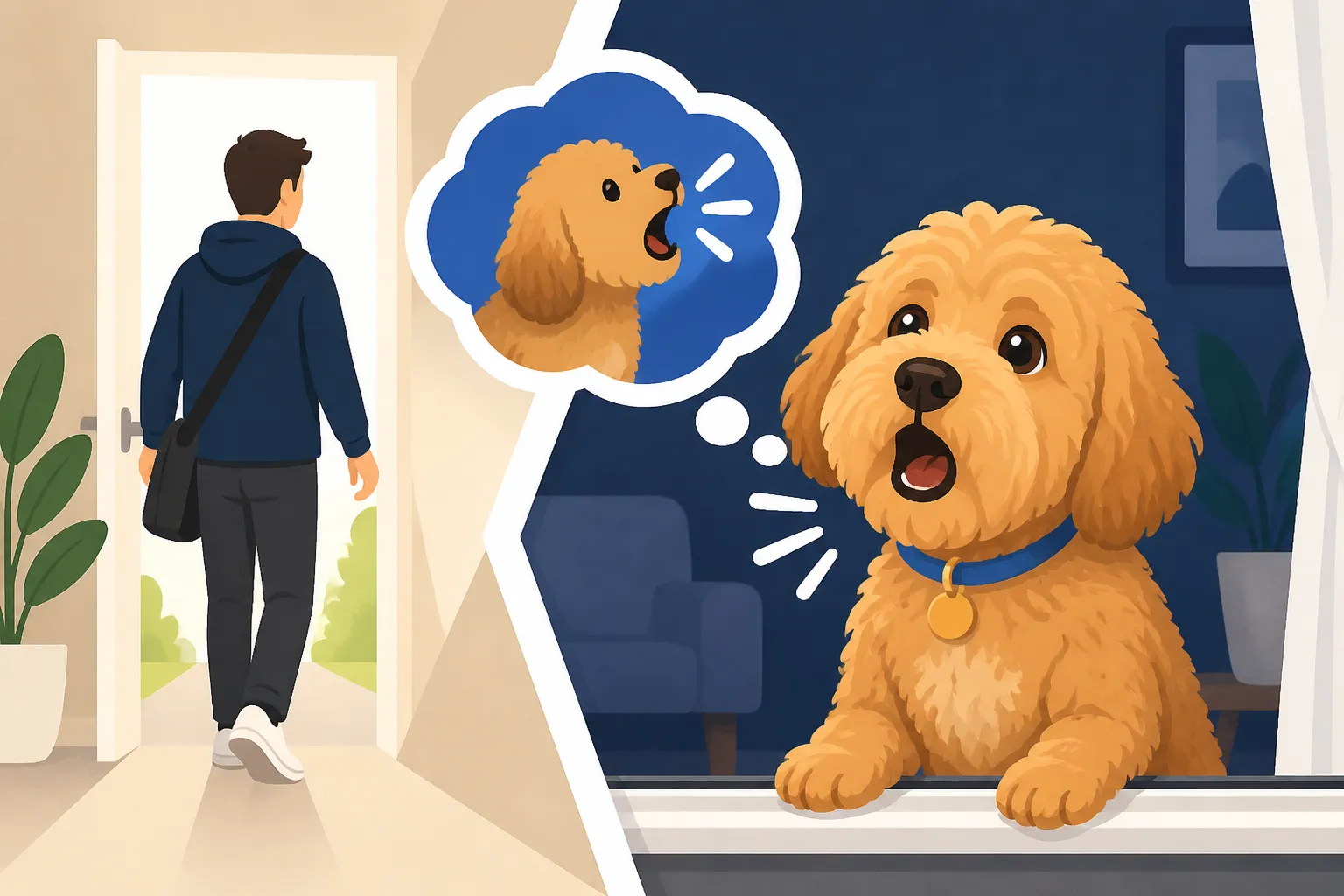
Knowing why your Cockapoo barks is the first step. The next is understanding what kind of barking they're doing. Different barks convey different messages and require different responses. Listening closely, even if via a pet camera or audio recording, can provide valuable clues.
The Distress Bark
This is the bark that signals true anguish, often associated with separation anxiety. A distress bark is typically:
- High-pitched and insistent: It's not just a casual "woof"; it's a frantic, often rising tone that conveys panic.
- Incessant: It can continue for long periods, sometimes without stopping, or with only very brief pauses for breath.
- Accompanied by other signs: You might also observe whining, howling, destructive chewing (especially around doors/windows), pacing, drooling, or attempts to escape. Imagine a child crying uncontrollably – it's that level of emotional upset.
If your Cockapoo is exhibiting this type of barking, it's a strong indicator of separation anxiety. This isn't a behavior they can simply "grow out of" or be "punished" for; it requires a sympathetic and structured approach, potentially with professional help. It indicates a deep emotional vulnerability when left alone, and addressing the root anxiety is paramount. Ignoring it can lead to worsening symptoms and a miserable life for your dog.
The Alert Bark
The alert bark is your Cockapoo's way of saying, "Hey, something's happening out there!" This type of barking is a natural instinct, especially for breeds with a strong guarding or communication drive.
- Responsive to external stimuli: It usually starts when something specific happens outside – a delivery truck, someone walking past the window, or another dog barking.
- Often short bursts: Rather than continuous, it might be a series of sharp, quick barks, followed by listening, and then more barks if the stimulus persists.
- Varying pitch: The pitch can vary, but it's generally less frantic than a distress bark. It's more of a warning or an announcement.
While an alert bark is natural, excessive alert barking can become a problem, especially if it happens frequently or escalates. Your Cockapoo might be overly vigilant, feeling it's their job to notify you of every passing leaf or distant sound. This type of barking can often be managed by reducing exposure to triggers or by teaching your dog a "quiet" command when you are present, which can then generalize to when you're away.
The Demand/Attention-Seeking Bark
This type of barking is a learned behavior. Your clever Cockapoo has figured out that barking gets results, whether it’s you coming back, a toy being dispensed, or a trip outside. While typically observed when owners are home, it can transfer to periods of absence.
- Instrumental: The dog barks to achieve something. When you leave, they might bark because they want to be let out, want a toy, or simply want you to come back.
- Can be intermittent: It might start, then pause as if waiting for a response, then start again if no response is received.
- Often accompanied by actions: They might bark while standing by the door, looking at a specific toy, or pacing towards the kitchen.
If your Cockapoo barks when left, and they've learned that barking at home gets them what they want, they might simply be trying the same tactic when you're gone. They are effectively asking for something, believing their vocalization will eventually lead to your return or the fulfillment of another desire. This type of barking often stems from inconsistent training where the dog has learned that persistence pays off. Addressing this involves teaching your dog that calm, quiet behavior is what earns rewards, not barking.
Here's a quick comparison table to help you identify the type of barking you're hearing:
| Bark Type | Characteristics | Likely Cause | Initial Response Strategy |
|---|---|---|---|
| Distress Bark | High-pitched, incessant, frantic, often accompanied by other anxiety signs (pacing, destruction, eliminations). | Separation anxiety, panic, extreme emotional upset. | Consult vet/certified professional. Focus on counter-conditioning and desensitization. |
| Alert Bark | Responsive to external triggers (sounds, sights), short bursts, less frantic. | Vigilance, territoriality, reaction to perceived external threats. | Reduce exposure to triggers (blinds, white noise). Teach "quiet" command. |
| Demand/Attention Bark | Instrumental, intermittent, seeks a specific outcome, often with accompanying actions (e.g., at door). | Learned behavior, desire for attention, resources, or owner's return. | Reward calm, quiet behavior. Ignore barking when possible (if safe and not distress). Provide enrichment. |
Proactive Steps to Prevent Barking Before It Starts
Prevention is always better than cure, especially when it comes to barking when left alone. Building a solid foundation of independence and confidence in your Cockapoo from an early age can significantly reduce the likelihood of them developing problematic barking behaviors later on.
Building Independence Early
Teaching your Cockapoo that being alone is okay, and even a positive experience, starts the moment they come home. This isn't about neglecting them; it's about gradually building their resilience and comfort with solitude.
One of the most effective tools for this is crate training. A crate, when introduced correctly, becomes a safe, den-like space where your Cockapoo feels secure. It's not a punishment; it's their personal bedroom. Start with very short periods, just a few minutes, with you in the room. Give them a special, high-value chew toy or a Kong filled with frozen peanut butter or plain yogurt only when they're in the crate. Gradually increase the time they spend in there, and eventually, the distance you are from the crate. Practice leaving the room for a minute, then two, then five, always returning before they start to fuss. If they do start barking, wait for a brief moment of quiet before returning, to avoid rewarding the barking. This teaches them that you always come back and that their crate is a peaceful place. Crate Time Settles a Cockapoo is an excellent resource to guide you.
Beyond the crate, practice brief periods of "alone time" even when you're home. Put them in a separate room with a chew toy while you do chores. Close the door to the bathroom when you go in. These small, frequent moments teach them that your absence isn't a cause for alarm and that they can entertain themselves quietly. Building a Cockapoo's Tolerance for Being Alone further explores this concept.
Enrichment and Exercise
A tired Cockapoo is often a quiet Cockapoo. These intelligent and energetic dogs need both physical and mental stimulation to prevent boredom and anxiety from creeping in. Without sufficient outlets, their excess energy and brainpower can easily turn into destructive or vocal behaviors when left alone.
-
Physical Exercise: Ensure your Cockapoo gets plenty of appropriate exercise before you leave. This doesn't just mean a quick potty break. For a young, healthy Cockapoo, a brisk walk, a good game of fetch in the yard, or a run at a dog park can really help. Aim for at least 30-60 minutes of active exercise tailored to their age and size. A Maxi Cockapoo will need more than a Teacup Cockapoo, for example. The goal is to get them to a state of calm tiredness, not exhaustion.
-
Mental Stimulation: Mental work can be even more tiring than physical exercise for a Cockapoo. Incorporate puzzle toys, snuffle mats, or interactive feeders into their routine. These force your dog to "work" for their food or treats, engaging their minds. Brands like Outward Hound offer a range of puzzle toys that can keep your Cockapoo engaged. Even simple scent games, like hiding treats around the house for them to find, can be incredibly enriching. A quick search on Amazon for "dog puzzle toys" will show you a plethora of options. Scent Work That Satisfies a Cockapoo highlights how beneficial these activities can be. A well-exercised and mentally stimulated Cockapoo is far more likely to settle down and relax when you're gone.
Desensitization to Departure Cues
Dogs are incredibly observant and quickly learn to associate certain actions with your impending departure. The jingle of keys, picking up your bag, putting on your coat, or even just grabbing your car keys can trigger anxiety or anticipation in your Cockapoo, causing them to ramp up their barking even before you've left the house.
To combat this, you need to "desensitize" them to these cues. This involves performing your departure rituals without actually leaving.
- Practice "fake" departures: Pick up your keys, put on your coat, even open and close the door, but then just sit back down on the couch. Repeat this several times a day, varying the order and intensity. The goal is to break the association between these cues and your actual departure.
- Vary your routine: Don't always do things in the same order. Sometimes put your shoes on first, sometimes grab your keys last. Mix it up so your Cockapoo can't predict your leaving.
- Reward calm behavior: When you perform these cues and your dog remains calm, quietly reward them with a treat or praise. You want them to associate these cues with neutrality or even positive reinforcement, rather than panic.
Over time, these once-anxiety-inducing signals will become less significant, helping your Cockapoo remain calmer as you prepare to leave.
Management Strategies for a Cockapoo That Barks
Even with the best proactive measures, some Cockapoos still struggle when left alone. If you're dealing with an established barking habit, there are several management strategies you can implement to help reduce the noise and alleviate your dog's distress.
Creating a Safe, Comforting Space
The environment you leave your Cockapoo in can greatly impact their comfort level. A wide-open house might feel too vast or exposed, while a chaotic space can increase anxiety.
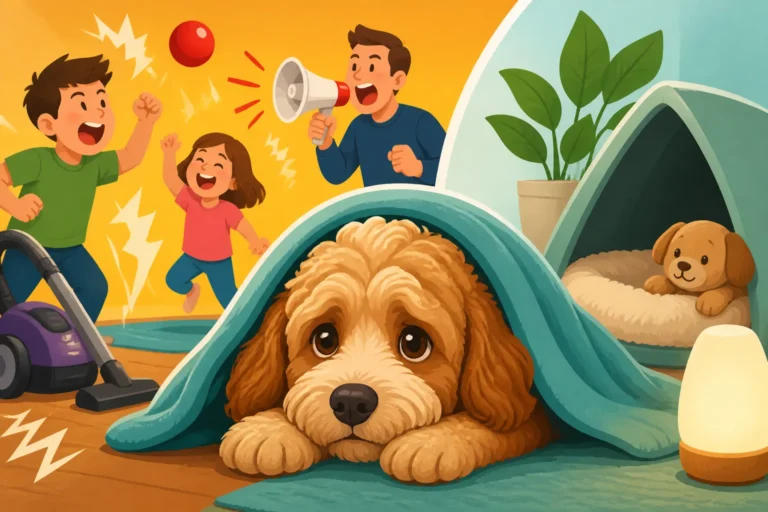
- The "Den" Concept: Building on crate training, ensure your Cockapoo has a designated "den" – a crate, a cozy bed in a quiet room, or a specific corner where they feel safe and secure. This space should be consistently available and associated with positive experiences. Cover the crate with a blanket to make it feel more den-like and block out visual stimuli.
- Calming Aids: Consider using calming pheromone diffusers or collars. These release synthetic dog appeasing pheromones (DAP) that mimic the scent a mother dog produces to comfort her puppies. While not a cure-all, they can contribute to an overall calmer environment for some dogs. You can find these easily on Amazon or at your local pet store. Some owners also find success with pressure wraps like a Thundershirt, which apply gentle, constant pressure, similar to swaddling a baby, providing a sense of security.
- Familiar Scents: Leave an unwashed piece of your clothing, like a t-shirt you've worn, in their designated safe space. Your scent can be incredibly comforting and reassuring to your Cockapoo when you're away.
By creating a secure and comforting environment, you're providing a safe haven where your Cockapoo can feel protected and, hopefully, more at ease during your absence.
Sound Management
External noises are a huge trigger for alert barking. Managing the soundscape your Cockapoo experiences when alone can significantly reduce their vocal reactions.
- White Noise or Classical Music: Leaving on a radio (classical music or talk radio at a low volume), a fan, or a white noise machine can help mask external sounds that might otherwise trigger barking. The steady background noise can create a more predictable and less startling auditory environment. There are even specific dog-calming music channels or playlists designed to soothe anxious pets.
- Block Visual Stimuli: If your Cockapoo barks at things outside the window, simply closing blinds or curtains can make a world of difference. If they are prone to pacing and barking at various windows, consider confining them to a room where external views are limited or non-existent, ensuring it's still their safe, comfortable space.
- Gradual Exposure to Silence: If your Cockapoo is accustomed to constant noise, abruptly leaving them in silence might be unsettling. Gradually reduce the volume of background noise over time as they become more comfortable with being alone.
The goal is to reduce the "novelty" and "surprise" of external stimuli, allowing your Cockapoo to relax rather than constantly being on high alert.
Smart Chews and Puzzle Toys
Keeping your Cockapoo mentally and physically occupied with appropriate distractions can prevent boredom barking and provide a positive association with your absence. The trick is to provide items that are engaging and long-lasting.
- Stuffed Kongs: These are a classic for a reason. Fill a Kong with something delicious like peanut butter (xylitol-free!), cream cheese, or wet dog food, and then freeze it. A frozen Kong can keep a Cockapoo occupied for a significant amount of time as they work to lick out the contents. This provides both mental stimulation and a rewarding experience.
- Long-Lasting Chews: Opt for safe, durable chews like bully sticks, natural chew toys, or dental chews. Always supervise your dog with new chew toys initially to ensure they are appropriate and don't pose a choking hazard. Choose chews that are safe for your dog's size and chewing style.
- Automatic Treat Dispensers: Some high-tech options allow you to dispense treats remotely via an app. This can provide a positive interruption during a period of quiet, reinforcing calm behavior.
The key is to give these special, high-value items only when you leave, making your departure a cue for something wonderful. This helps to reframe the experience of being alone from something negative to something anticipated and positive. Remember to choose appropriate items to prevent What a Bored Cockapoo Chews Through.
Seeking Professional Help for Persistent Barking
Sometimes, despite your best efforts, your Cockapoo's barking when left alone doesn't improve, or even worsens. This is when it's crucial to seek professional help. Recognizing when you need expert intervention isn't a sign of failure; it's a responsible choice that can significantly improve your dog's quality of life and your own.
When to Call a Vet or Certified Trainer
If your Cockapoo's barking is incessant, accompanied by other signs of distress (such as destructive behavior, inappropriate urination/defecation, or self-mutilation), and your attempts at management aren't yielding results, it's time to bring in the pros.
-
Veterinarian First: Your first stop should always be your veterinarian. They can rule out any underlying medical conditions that might be contributing to the barking or anxiety. Pain, hearing loss, cognitive dysfunction (especially in older dogs), or even certain hormonal imbalances can manifest as behavioral changes. It's vital to ensure there isn't a physical cause before tackling it purely as a behavioral issue. Your vet might also discuss medication options for severe anxiety, which can be a valuable tool when used in conjunction with behavior modification.
-
Certified Professional Dog Trainer or Behaviorist: Once medical issues are ruled out, seek help from a certified professional dog trainer (CPDT-KA) or a certified veterinary behaviorist (DACVB). These professionals have specialized knowledge and experience in addressing complex behavioral problems like separation anxiety. Look for trainers who use positive reinforcement methods and are committed to humane training practices. They can observe your dog's behavior, identify triggers, and develop a tailored behavior modification plan that you might not be able to create on your own. Resources like the Certification Council for Professional Dog Trainers (CCPDT) or the American College of Veterinary Behaviorists can help you find qualified professionals in your area.
Behavior Modification Techniques
A professional will likely guide you through specific behavior modification techniques designed to address the root cause of the barking. These often involve a combination of counter-conditioning and desensitization.
- Counter-Conditioning: This technique aims to change your dog's emotional response to being alone from negative (anxiety, fear) to positive or neutral. It involves pairing the "alone time" experience with something your dog loves, like a special treat or a favorite toy that they only get when you're leaving. For example, giving a highly desirable, long-lasting chew just as you walk out the door helps create a positive association.
- Graduated Desensitization: This is often the cornerstone of addressing separation anxiety. It involves exposing your dog to short, manageable periods of being alone, gradually increasing the duration as they show signs of comfort. You might start by leaving for mere seconds, then increasing to minutes, and so on. The key is to never push your dog beyond their comfort level, ensuring they remain calm throughout the process. If they show any signs of anxiety, you've gone too far, and you need to dial it back. This systematic approach is labor-intensive and requires immense patience but is highly effective. The Hours a Cockapoo Tolerates Alone outlines what is typically expected.
These techniques are best implemented under the guidance of a professional, as they require careful observation and precise timing to be effective.
Tools and Resources for Owners
Beyond direct professional guidance, there are many tools and resources that can support your journey:
- Pet Cameras with Two-Way Audio: Devices like Furbo or Wyze cameras allow you to monitor your Cockapoo while you're away. You can see when the barking starts, identify triggers, and sometimes even speak to your dog or dispense treats remotely. This data is invaluable for tracking progress and for your trainer to assess the situation.
- Online Training Programs: Reputable online puppy training programs, like those offered by BAXTER & Bella, can provide structured lessons and support for building a well-adjusted, confident dog from a young age, which naturally helps prevent many common behavioral issues, including some forms of barking when left alone. While not a replacement for one-on-one professional help for severe anxiety, they offer excellent foundational training.
- Calming Music and Podcasts: Several apps and streaming services offer specially designed music or audiobooks for dogs that can help soothe them. These can be used as part of your sound management strategy.
- Books and Articles: Educate yourself about canine behavior, separation anxiety, and positive reinforcement. The more you understand, the better equipped you'll be to help your Cockapoo.
Remember, addressing persistent barking is a journey, not a quick fix. It requires consistency, patience, and a deep understanding of your Cockapoo's emotional needs.
Living with a Barking Cockapoo: Realistic Expectations
Bringing a Cockapoo into your life is a joy, but it's also a commitment to understanding and meeting their needs, especially when it comes to their emotional well-being. When dealing with barking when left alone, it's important to set realistic expectations and understand that this isn't always a quick fix.
The Importance of Consistency and Patience
One of the biggest hurdles in addressing barking behaviors is the need for unwavering consistency. Dogs thrive on routine and predictability, and any inconsistency in your approach can confuse them and undermine your efforts. If you're sometimes strict about quiet behavior and other times give in to their barks, your Cockapoo will learn that persistence occasionally pays off, making the problem worse.
- Everyone on Board: Ensure every member of your household understands and follows the training plan. This includes children, housemates, and even visitors.
- Long-Term Commitment: Behavioral change takes time. You might see small improvements quickly, but significant, lasting change can take weeks or even months. There will be setbacks, days where it feels like you're going backward. Don't get discouraged. Stick to the plan, celebrate small victories, and remind yourself that you're building a happier, more confident dog.
- Avoid Punishment: Punishing your Cockapoo for barking when you're gone is rarely effective and often counterproductive. If the barking stems from anxiety, punishment will only increase their fear and distress. They won't understand why they're being punished, only that your return is associated with something negative. Focus on rewarding desired behaviors and managing the environment instead.
Remember that What a Cockapoo Puppy Should Learn First includes foundational behaviors that contribute to a well-adjusted dog who is less likely to develop separation-related issues.
Managing Neighborly Concerns
A barking dog can quickly become a source of contention with neighbors. Being proactive and transparent can help maintain good relationships while you work through the issue.
- Open Communication: Talk to your neighbors. Let them know you're aware of the problem and actively working on it. Explain that your Cockapoo is struggling with being alone and that you're seeking professional help or implementing a training plan. A simple, "Hey, I'm so sorry if Buddy has been noisy when I'm gone. We're working with a trainer on it, and I appreciate your patience," can go a long way.
- Provide Updates: Keep them informed of your progress. Even small improvements can be reassuring.
- Consider Temporary Solutions: While you're training, if possible, arrange for doggy daycare on particularly long days, or have a friend or dog walker check in on your Cockapoo. This isn't a long-term fix, but it can provide temporary relief for both your dog and your neighbors. Whether Daycare Suits a Cockapoo is worth exploring.
- Document Your Efforts: Keep a log of your training sessions, vet visits, and any professional advice you receive. This demonstrates your commitment to resolving the issue.
A little empathy and open dialogue from your side can often prevent neighborly complaints from escalating.
The Long-Term Commitment to Training
Addressing barking when left alone, especially if it's rooted in separation anxiety, isn't a "fix it and forget it" situation. It often requires a long-term commitment to managing your Cockapoo's environment, continuing training, and being mindful of their emotional needs.
- Ongoing Reinforcement: Even after significant improvement, continue to reinforce positive behaviors. Periodically practice short absences, always leaving a high-value chew, and praising calm behavior upon your return.
- Lifestyle Adjustments: You might need to make some lifestyle adjustments. If your Cockapoo truly struggles with being alone for long stretches, you might consider arranging for a dog walker, enrolling them in doggy daycare a few times a week, or exploring options like working from home if feasible. Whether a Cockapoo Suits a Home That Works Full Time delves into this.
- Monitor for Regression: Stressful events, changes in routine, or new environments can sometimes cause a regression in behavior. Be prepared to revisit training steps if needed.
- Consider a Second Dog (with caution): While sometimes a second dog can provide companionship and reduce loneliness, it's not a guaranteed solution and can sometimes even make anxiety worse if the first dog's anxiety is severe. If you're considering this, consult with a professional trainer first. Whether a Second Dog Settles a Cockapoo offers more insight.
Ultimately, your goal is to help your Cockapoo feel safe and content in their own company. It's about building their confidence and trust, ensuring they understand that you will always return. This dedication not only resolves the barking issue but also strengthens the incredible bond you share with your Cockapoo, making for a happier, more peaceful home for everyone. How Many Hours a Cockapoo Can Be Left discusses the realistic limits of a Cockapoo's solitude.
Disclaimer
This article is for general informational purposes only and does not constitute professional advice. Laws, prices and regulations vary by location and change over time. Consult a qualified professional for guidance on your specific situation.