Whether a Cockapoo Barks More Than a Cocker
One common concern for folks considering a Cockapoo is just how vocal these lovable bundles of fluff might be. It’s a valid worry, especially if you live in an apartment or simply crave a quieter home. Many people come to Cockapoos hoping for a calmer dog than a purebred Cocker Spaniel, and they often wonder if the Poodle genes will temper the spaniel’s sometimes enthusiastic tendency to use their voice. This guide will delve into whether a Cockapoo tends to bark more, less, or about the same as a Cocker Spaniel, exploring the genetic influences, common triggers, and practical strategies to manage barking behavior in your furry companion.
The Ancestral Chorus: Barking Tendencies from Both Sides
When we talk about a Cockapoo's barking habits, we're really talking about a fascinating blend of inherited traits from both the Cocker Spaniel and the Poodle. It's not always a straightforward equation, as individual personalities play a huge role, but understanding the general predispositions of their parent breeds can give us a pretty good roadmap.
The Vocal Vibrancy of the Cocker Spaniel
Let's start with the Cocker Spaniel. These delightful dogs are often described as sensitive, loving, and certainly, quite vocal. Their history as flushing birds from cover means they were bred to alert their handlers to game, and that instinct can translate into a tendency to bark at new sights, sounds, or anything that catches their attention. Think about it: a bird rustling in a bush, a rabbit bolting across a field – these were cues for a Cocker to communicate.
In a home environment, this can manifest as alarm barking when someone walks past the window, demand barking for attention or food, or even excited barking during playtime. They can be particularly prone to "conversation barking" where they seem to respond to human speech with a series of barks, whines, and "woofs." Many Cocker Spaniel owners will tell you that their dogs are always "talking." It's part of their charm for some, but for others, it can be a source of frustration, especially if not managed from a young age. Their sensitivity also means they can be prone to stress or anxiety, which can definitely increase vocalization.
The Poodle's Contribution to the Canine Choir
Now, let's look at the Poodle side of the family. Poodles, regardless of size, are highly intelligent dogs. They were originally bred as water retrievers, which required them to be alert and communicative with their hunters. While not typically as continuously vocal as some spaniel lines, Poodles can certainly be barkers, particularly the smaller varieties like the Miniature and Toy Poodles often used in Cockapoo breeding.
Their intelligence means they quickly learn that barking gets a reaction – whether it's attention, a break from boredom, or chasing away the mail carrier. Poodles can be quite keen watchdogs, alerting their families to anything out of the ordinary, and sometimes, even the ordinary things. A passing car, a squirrel in the yard, a doorbell on TV – these can all trigger an alert bark. Like Cockers, Poodles can also develop barking habits out of anxiety or boredom if they aren't adequately stimulated both mentally and physically. So, a Cockapoo isn't getting a "silent gene" from their Poodle parent, but rather a different flavor of vocalization potential.
The Cockapoo's Blended Voice
So, where does that leave the Cockapoo? Well, they often inherit a mix of these tendencies. You might find a Cockapoo that has the Cocker's enthusiastic, sometimes constant "chatter," coupled with the Poodle's intelligent, alert-barking nature. This combination means that, yes, a Cockapoo can be quite a vocal dog, potentially even barking more than some individual Cocker Spaniels, depending on the lines and the specific temperament.
It’s crucial not to assume that just because they are a "designer breed," they'll be somehow muted or genetically calmer than their purebred counterparts. In fact, sometimes the mix can amplify certain traits. If you're wondering Whether a Cockapoo Barks More Than a Cocker, the answer isn't always a simple "no." They have the genetic blueprint from both sides that makes barking a very natural form of expression for them. The key often lies in understanding why they are barking and addressing the root cause, rather than just trying to stop the noise itself.
Why Your Cockapoo Might Be Barking Up a Storm
Understanding the specific triggers behind your Cockapoo’s barking is the first step toward managing it effectively. It’s rarely just "being noisy for the sake of it." There's usually a reason, and once you uncover it, you can start to address the underlying issue.
The Cry of Boredom or Lack of Stimulation
One of the most common reasons a Cockapoo might seem to bark excessively is simply boredom. These are intelligent dogs with a need for both physical and mental stimulation. A Cockapoo left alone for long periods without adequate exercise, engaging toys, or training sessions can become bored and frustrated. And what’s a bored dog to do? Bark, of course! It’s a way to expend pent-up energy, seek attention, or simply relieve the monotony of their day.
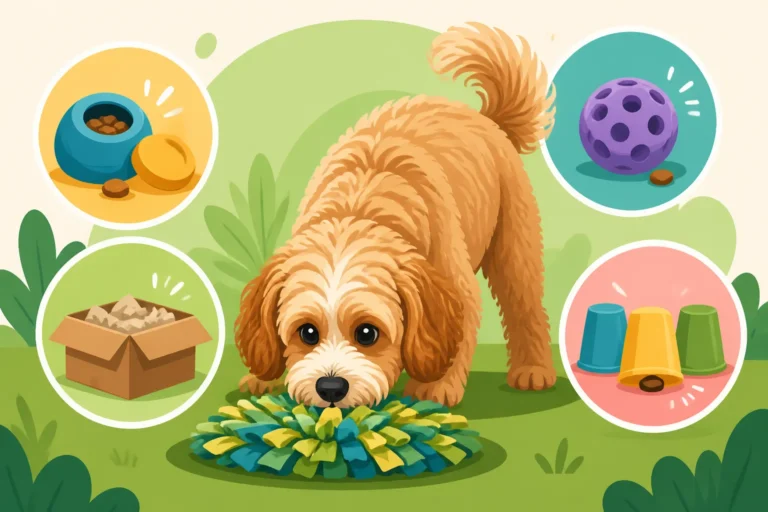
Imagine your Cockapoo staring out the window, watching the world go by. If they haven't had their morning walk or a good play session, every passerby, every leaf rustling, every distant siren becomes a prime target for a good bark. This isn't malicious; it's just an outlet. Toys like puzzle feeders found on sites like Amazon can offer mental engagement, but they are no substitute for genuine interaction and physical activity. A Cockapoo needs to work their brain and their body. If they aren't getting enough enrichment, their "alert" barking can escalate into incessant noise. It's often a sign that they need The Miles a Cockapoo Wants Every Day or some engaging playtime.
Anxiety and Stress as Barking Triggers
Cockapoos, like both their parent breeds, can be prone to anxiety. This might manifest as separation anxiety if they're left alone for too long, or general nervousness around new people, sounds, or environments. An anxious dog often barks as a coping mechanism. It can be a plea for comfort, a warning to perceived threats, or simply an expression of their internal distress.
Think about a Cockapoo who paces by the door, whines, and then starts barking uncontrollably as you leave for work. This isn't just a dog being "naughty"; it's a dog genuinely distressed by your absence. Similarly, a Cockapoo that barks incessantly at visitors might not be aggressive, but rather overwhelmed or fearful. Loud noises, unfamiliar environments, or even changes in routine can trigger stress-related barking. Recognizing the signs of anxiety, such as panting, pacing, destructive chewing, or inappropriate urination, alongside the barking, is crucial for addressing the problem effectively. Sometimes, simply creating a safe, quiet space for them, perhaps a comfortable crate with a familiar blanket, can help mitigate some of this stress.
Attention-Seeking and Demand Barking
Another common reason for barking is that it simply works! If your Cockapoo barks and you immediately respond – whether by looking at them, talking to them, or giving them a treat – you've just reinforced the barking behavior. They are smart cookies, and they quickly learn that "bark = attention." This is known as demand barking.
You're enjoying a quiet evening, and your Cockapoo nudges your hand. You don't respond right away, so they give a little "woof." Still nothing? A louder bark. Bingo! You look over, maybe say "What do you want?" or offer a pat. Mission accomplished for your clever canine. This cycle can quickly escalate, leading to a dog that barks every time they want something: food, a toy, to go outside, or just a cuddle. It's not malicious, but it can be incredibly frustrating for owners. Breaking this cycle requires consistency and a commitment to teaching your dog that calm, quiet behavior is what gets them what they want.
Territoriality and Alert Barking
Given their Cocker Spaniel heritage, many Cockapoos retain a strong territorial instinct. They see your home, your yard, and even your car as their domain, and they feel it's their job to alert you to anything or anyone entering that space. This is classic alert or territorial barking.
A delivery person walking up the driveway, a squirrel running across the fence, another dog barking down the street – these are all legitimate "threats" in your Cockapoo's mind, and they will feel compelled to announce them. While a certain amount of alert barking is normal and even desirable (who doesn't want to know if someone's at the door?), it can become excessive if not managed. This type of barking often escalates when the dog can see the trigger (e.g., through a window). It can be particularly challenging because the dog often feels rewarded by the "threat" disappearing (the delivery person leaves, the squirrel runs off), reinforcing their belief that their barking successfully drove the intruder away.
Training Your Cockapoo for a Quieter Home
Dealing with an overly vocal Cockapoo requires patience, consistency, and the right training approach. It’s about teaching them appropriate ways to communicate and helping them feel secure enough not to feel the need to bark at every little thing.
Foundation Training and Management Techniques
The cornerstone of managing barking, like many other behaviors, lies in solid obedience training and effective management. Firstly, ensure your Cockapoo is getting enough physical exercise. A tired dog is often a quiet dog. Daily walks, playtime in the yard, or even dog parks can help drain that boundless energy. Beyond physical exercise, mental stimulation is vital. Cockapoos are smart! Engaging them with puzzle toys, scent work games (which can be super satisfying for their spaniel noses!), or even advanced obedience training can tire their brains out and reduce boredom barking.
Think about how you're setting up their environment. If territorial barking is an issue, consider blocking their view of the street with window film or strategically placed furniture. For attention barking, the golden rule is simple but hard: never reward the barking. Turn your back, walk away, or leave the room when they bark for attention. Only give them what they want (pets, play, treats) when they are quiet. It takes incredible willpower initially, but your Cockapoo will eventually learn. Tools like online training programs, such as those offered by BAXTER & Bella, can provide structured lessons and support for teaching basic commands like "Quiet" or "Speak" on cue, which can be incredibly useful.
| Barking Type | Common Triggers | Management Strategies | Training Commands |
|---|---|---|---|
| Boredom | Lack of exercise, no mental stimulation, being alone for long periods | Increase walks/playtime, provide puzzle toys (e.g., from Amazon), enroll in dog sports like Scent Work That Satisfies a Cockapoo | "Quiet" |
| Anxiety | Separation, loud noises, new people/places, perceived threats | Create safe den-like space, use calming aids, desensitize to triggers, consult vet for severe cases, ensure ample Building a Cockapoo's Tolerance for Being Alone | "Settle," "Place" |
| Attention-Seeking | Desire for food, play, pets, or to go outside | Ignore barking completely, reward calm behavior, teach polite requests (sit, paw), manage your own reactions | "Quiet," "Sit" |
| Territorial/Alert | People/animals passing by, doorbell, unusual sounds | Block views, teach "Quiet" command, reinforce "Thank you" for one or two barks, desensitize to doorbell sounds | "Quiet," "Go to Mat" |
Teaching the "Quiet" Command
Teaching your Cockapoo the "Quiet" command is an invaluable tool for managing barking. This isn't about stopping them from barking entirely, but rather teaching them when to stop. Start by intentionally triggering a bark, perhaps by ringing the doorbell (or having a friend do it). Let them bark a few times, then hold a high-value treat near their nose. The moment they pause to sniff the treat, even for a second, say "Quiet!" and give them the treat. Repeat this many times. The goal is for them to associate "Quiet" with stopping barking and getting a reward.
Once they understand the association, gradually increase the duration of silence required before the treat. You might need to hide the treats on your person or keep them in a readily accessible pouch, so you're always prepared to reward calm behavior. Consistency is paramount. Everyone in the household needs to use the same command and follow the same rules. It won't happen overnight, but with consistent practice, your Cockapoo will learn to respond to your "Quiet" cue, even in exciting situations. Remember, you can also use this command in conjunction with teaching them Teaching a Cockapoo to Stop Barking when they alert to visitors or passing dogs.
Addressing Underlying Issues and Professional Help
Sometimes, barking isn't just a behavioral quirk; it can stem from deeper issues that require more than just basic training. If your Cockapoo's barking is incessant, destructive, or accompanied by other signs of distress, it's always wise to consult your veterinarian first to rule out any medical causes. Pain, discomfort, or even certain cognitive dysfunctions in older dogs can sometimes lead to increased vocalization.
Once medical issues are ruled out, consider seeking help from a certified professional dog trainer or a veterinary behaviorist. These experts can assess your Cockapoo's specific situation, identify underlying anxieties or triggers, and develop a tailored behavior modification plan. They can guide you through techniques like desensitization and counter-conditioning for fear-based barking, or elaborate on effective strategies for managing separation anxiety. For instance, if your Cockapoo exhibits signs of true separation anxiety, a professional might suggest a combination of training, environmental changes, and possibly even medication in severe cases. Resources like BAXTER & Bella offer online consultations, which can be a great way to get personalized advice without leaving home. Remember, addressing chronic, excessive barking is a journey, not a sprint, and professional guidance can make all the difference.
Prevention is Key: Raising a Quiet Cockapoo Puppy
The best way to ensure you have a quiet Cockapoo is to start early and focus on prevention. Laying a strong foundation during puppyhood can make a world of difference in their adult barking habits.
Early Socialization and Exposure
From the moment you bring your Cockapoo puppy home, focus on broad and positive socialization. Expose them to a wide variety of sights, sounds, people, and other friendly, vaccinated dogs. The more experiences they have in a positive way, the less likely they are to be fearful or anxious later in life, and consequently, less prone to barking out of fear or uncertainty. Think of trips to the pet store (even if just to observe from a distance), short car rides, exposure to different floor surfaces, and the sounds of everyday life.
Enroll your puppy in a well-run puppy kindergarten class. This provides controlled socialization with other puppies and people, and also teaches you how to effectively communicate with your new family member. A well-socialized puppy is generally a more confident puppy, and confidence reduces the need for reactive barking. It's about teaching them that the world isn't a scary place and that new things are often fun or, at the very least, not a threat. Introducing them to The First Week With a Cockapoo Puppy with gentle care and positive experiences sets the stage for a well-adjusted companion.
Establishing a Routine and Meeting Needs
A predictable routine provides comfort and security for a Cockapoo puppy. Knowing when they’ll eat, when they’ll go outside, and when they’ll get playtime helps reduce anxiety and the potential for barking stemming from uncertainty. Ensure all their basic needs are consistently met: high-quality food, regular potty breaks, plenty of fresh water, and a comfortable, safe sleeping area.
Crucially, teach your puppy appropriate ways to get your attention from day one. If they nudge your hand while you're working, reward them for a gentle sit, not for barking. If they whine at the door to go out, teach them to sit patiently instead. When they want to play, initiate playtime when they are calm, rather than waiting for them to bark demandingly. By consistently rewarding quiet, polite behaviors, you teach them that these are the effective ways to communicate, not excessive barking. This early consistency can prevent habits like Whether a Cockapoo Barks Enough to Annoy Neighbors from ever taking root.
Encouraging Independent Play and Relaxation
While Cockapoos love human company, it's also important to teach them to be comfortable and content on their own. This means encouraging independent play and relaxation from a young age. Provide a variety of engaging toys, especially those that dispense treats or require problem-solving, like Kongs or other interactive feeders you can find on Amazon. Offer these when you need to focus on something else, or even just when you want them to settle down quietly.
Practice short periods of alone time, even if you’re just in another room. Start with a few minutes and gradually increase the duration. When you leave, ensure they have something to keep them occupied, and when you return, avoid making a huge fuss immediately. Wait until they are calm before greeting them. This helps prevent the development of separation-related anxiety and teaches them that being alone isn't something to fear or bark about. It's also helpful to encourage them to relax quietly near you, perhaps on their bed, rather than constantly seeking attention or interaction. This teaches them an "off switch" that will be invaluable as they grow.
Disclaimer
This article is for general informational purposes only and does not constitute professional advice. Laws, prices and regulations vary by location and change over time. Consult a qualified professional for guidance on your specific situation.