Whether a Cockapoo Is Too Soft for Correction
One of the most common worries new Cockapoo parents express to me is about finding the right way to guide their furry friend without breaking their spirit. It's a valid concern, particularly when you're dealing with a dog that seems incredibly eager to please, yet also appears deeply affected by a cross word or a slightly stern tone. The question of whether a Cockapoo is "too soft for correction" isn't just about harshness; it's about understanding their unique blend of sensitivities and tailoring your approach to truly help them thrive. This guide will dive deep into the Cockapoo temperament, unravel what effective, gentle correction really looks like, and empower you with strategies to nurture a well-behaved, happy companion without resorting to methods that could undermine your bond.
Understanding the Cockapoo Temperament: A Blend of Sensitivities
When you bring a Cockapoo into your home, you're not just getting a cute, fluffy package; you're welcoming a wonderfully complex personality shaped by two distinct, yet complementary, parent breeds: the Cocker Spaniel and the Poodle. Both of these breeds contribute traits that can make a Cockapoo seem particularly sensitive to various forms of "correction," which is why understanding their heritage is so crucial.
The Cocker Spaniel's Gentle Nature
American Cocker Spaniels, and to a slightly different degree, English Cocker Spaniels, are renowned for their sweet, affectionate dispositions. They were originally bred as gun dogs, working closely with handlers to flush out game, which fostered a strong desire to cooperate and please. This eagerness to be a good companion often translates into a dog that is highly attuned to human emotions and body language. If you've ever had a Cocker Spaniel, you'll know they can melt at a kind word and wilt at a disapproving glance. They thrive on positive interaction and praise, often preferring to avoid conflict or anything that might disrupt the harmony with their beloved humans.
This inherent gentleness means that a Cocker Spaniel-derived Cockapoo often absorbs stress keenly. A raised voice, a sudden, sharp tug on the leash, or even an overly frustrated sigh from their owner can be deeply unsettling for them. They're not being stubborn; they're simply wired to seek harmony and can interpret anything less as a personal failure or a threat to their cherished relationship. This sensitivity means that traditional, more forceful correction methods can easily overwhelm them, leading to shutdown, fear, or even avoidance rather than learning.
The Poodle's Intelligence and Sensitivity
The Poodle, whether Standard, Miniature, or Toy, brings a different layer of sensitivity to the Cockapoo mix: a profound intelligence coupled with an often intense emotional capacity. Poodles are highly intelligent and observant dogs, quick to pick up on routines, human moods, and environmental changes. This sharp mind means they learn quickly, but it also means they can be equally quick to remember negative experiences. A Poodle that is consistently subjected to harsh corrections might become anxious, wary, or even withdrawn.
Poodles also have a tendency towards being quite "soft" or sensitive in their own right, especially the smaller varieties. They often bond very strongly with their families and can be quite dependent on that relationship. Like the Cocker, they generally want to please and respond beautifully to positive reinforcement. They thrive on engaging their clever brains in problem-solving and training that feels like a cooperative game. If a training method causes confusion or fear, their intelligence can work against them, as they may become overly cautious or start trying to anticipate and avoid perceived punishment, rather than focusing on the desired behavior. Whether a Marker Word Beats a Clicker on a Cockapoo is an excellent read for understanding how sensitive dogs respond to different training cues.
How These Traits Combine in a Cockapoo
So, what happens when you blend these two wonderful breeds? You get a Cockapoo that is typically intelligent, eager to please, deeply affectionate, and often exquisitely sensitive. They are wonderful companions who thrive on being an integral part of the family, but their combined heritage means they require a thoughtful, gentle hand in training.
Their keen desire to please, paired with their emotional responsiveness, means they often learn very quickly when they understand what's being asked of them and are rewarded for it. Conversely, if they don't understand, or if they're met with frustration or harshness, they can easily become confused, fearful, or develop anxiety. This isn't weakness; it's a testament to their deep emotional intelligence. They don't just react to the correction; they process the emotion behind it. A Cockapoo that feels scolded might not just stop the unwanted behavior in that moment, but might also become hesitant to try new things, or even develop shyness. This makes the question of Whether a Sharp Word Shuts a Cockapoo Down incredibly pertinent. Their sensitivity means that methods focused on positive reinforcement and clear, consistent communication are not just effective, but often essential for their overall well-being and a joyful relationship.
What "Too Soft for Correction" Really Means in Training
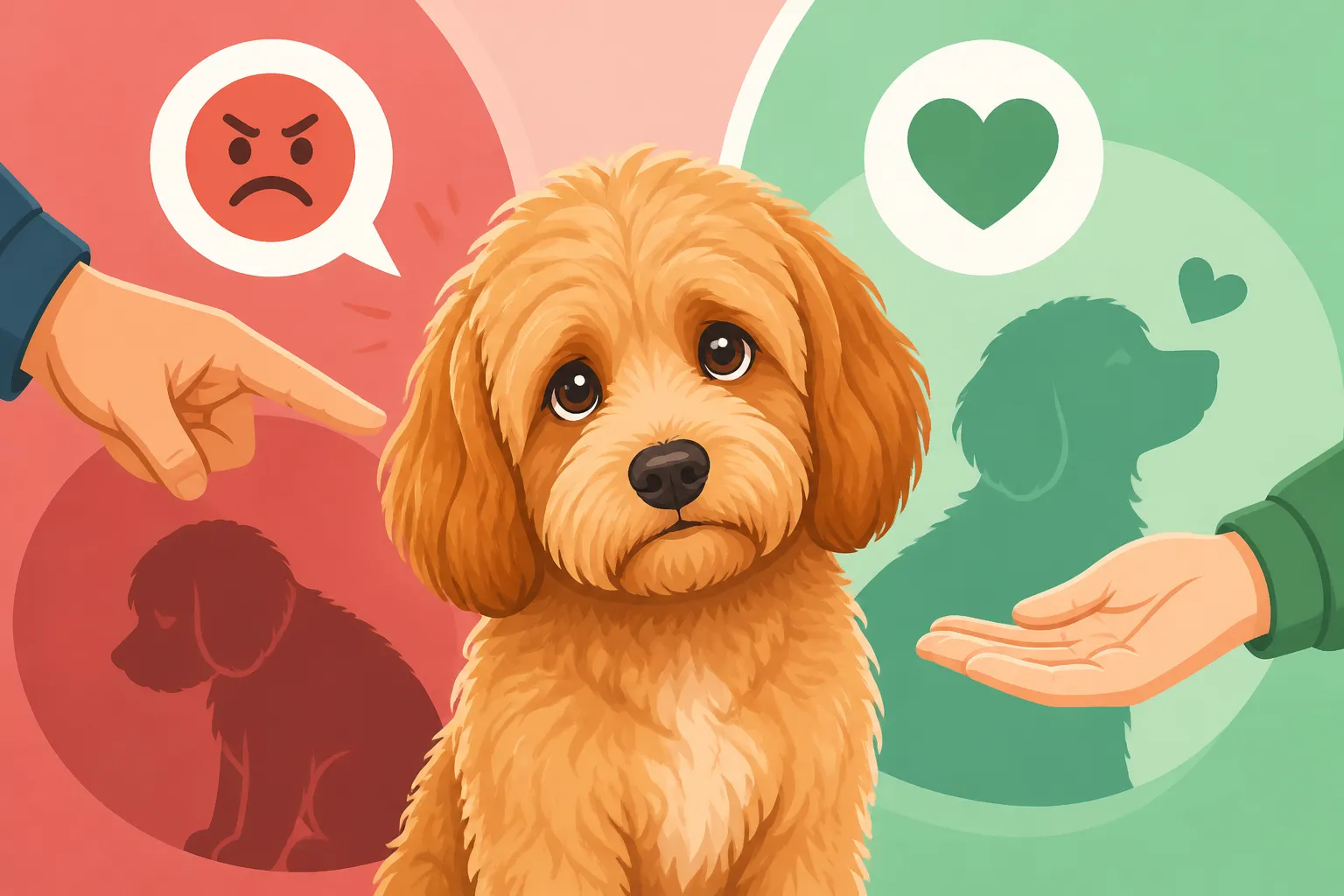
The phrase "too soft for correction" isn't about coddling or letting a dog get away with anything; it's a recognition that some dogs, particularly highly sensitive ones like many Cockapoos, respond negatively and counterproductively to traditional, adverse training methods. It challenges the old-school notion that a dog needs to be "shown who's boss" through force or intimidation.
The Spectrum of Dog Personalities
Just like people, dogs have a wide range of personalities. Some dogs are naturally more boisterous and resilient, shrugging off a firm "No!" with little lasting impact. Others, however, are far more delicate, and a harsh word can deeply wound them, making them retreat or become anxious. Think of it as a spectrum: on one end, you have highly confident, sometimes stubborn dogs who might need very clear boundaries, and on the other, you have extremely timid, easily startled dogs who need an abundance of patience and gentle encouragement. Most Cockapoos tend to fall somewhere on the more sensitive side of this spectrum, largely due to their genetic makeup.
Their individual experiences also play a massive role. A Cockapoo puppy from a loving, attentive breeder who used positive socialization will likely have a stronger foundation than one from a less careful environment. Even within the same litter, you'll see variations – one might be a brave explorer, while another is a cautious observer. Recognizing where your individual Cockapoo falls on this spectrum is the first step in tailoring your training approach. You're not aiming for a one-size-fits-all method, but rather a personalized strategy that respects your dog's unique emotional wiring.
Identifying a Sensitive Cockapoo
How do you know if your Cockapoo falls into the "sensitive" category? Look for these signs:
- Body Language: A sensitive Cockapoo might visibly flinch, crouch, tuck their tail, or avert their gaze when you raise your voice or make a sudden movement. Their ears might flatten, and their body might become tense or stiff.
- Response to "No": Instead of stopping a behavior and then quickly moving on, a sensitive Cockapoo might freeze, look worried, or even try to hide after a verbal correction. They might become hesitant to engage with you or offer new behaviors.
- Learning Style: These dogs often shut down if they feel pressured or confused. If they're not understanding a command, instead of trying harder, they might simply give up, walk away, or display appeasement behaviors like licking their lips or yawning.
- Environmental Reactivity: They might be easily startled by loud noises, new people, or unfamiliar environments, demonstrating anxiety through trembling, excessive barking, or attempts to bolt.
- Bonding: While loving, they might be extra clingy or develop separation anxiety, showing their deep need for security and comfort from their human companions. A Cockapoo That Cannot Be Left is a common challenge for owners of sensitive Cockapoos.
It's important to distinguish between sensitivity and genuine naughtiness or stubbornness. A sensitive dog isn't intentionally misbehaving; they might be confused, overwhelmed, or anxious. Their reactions are often rooted in emotion, not defiance.
The Pitfalls of Harsh Correction for Sensitive Dogs
Using harsh or intimidating correction methods on a sensitive Cockapoo can have several detrimental effects:
- Fear and Anxiety: The most immediate pitfall is instilling fear. A dog trained through fear learns to avoid punishment, but doesn't necessarily learn what you want them to do. This can lead to a dog who is constantly on edge, worried about making a mistake.
- Damaged Trust and Bond: Training should build a strong, trusting relationship. If your Cockapoo associates you with unpleasant or scary experiences, that bond can erode, making them less likely to come to you for comfort or guidance.
- Behavioral Shutdown: When overwhelmed, a sensitive Cockapoo might simply shut down, appearing unresponsive or "stubborn." In reality, their brain is too stressed to process information or learn.
- Suppression, Not Resolution: Harsh corrections often suppress a behavior rather than resolving the underlying issue. For example, punishing a Cockapoo for barking might stop the barking in your presence, but it doesn't address why they were barking (e.g., anxiety, boredom) and could lead to new, undesirable behaviors like destructive chewing when alone.
- Aggression (Paradoxically): While counterintuitive, fear-based training can sometimes lead to aggression. A dog who feels cornered, threatened, or constantly under pressure might eventually lash out as a desperate self-defense mechanism. This is a particularly tragic outcome for such a naturally sweet-natured breed.
Understanding these pitfalls is key to realizing that for a sensitive Cockapoo, truly effective "correction" means guiding them with clarity, kindness, and a focus on what you do want them to do, rather than punishing what you don't.
Positive Reinforcement: The Cornerstone of Cockapoo Training
For a Cockapoo, with their inherent desire to please and their emotional sensitivity, positive reinforcement isn't just a training method; it's truly the cornerstone of building a happy, confident, and well-behaved companion. It taps into their natural inclinations without causing stress or damaging your invaluable bond.
Why Positive Methods Excel for Cockapoos
Positive reinforcement focuses on rewarding desired behaviors, making it more likely your dog will repeat them. Instead of waiting for your Cockapoo to do something "wrong" and then intervening, you actively seek out and reinforce the "right" behaviors. This approach aligns perfectly with a Cockapoo's personality for several reasons:
- Eagerness to Please: Cockapoos genuinely want to make their humans happy. When they discover that a certain action (like sitting politely instead of jumping) earns them praise, a treat, or a favorite toy, they quickly make the connection and are motivated to repeat it. This is far more effective than trying to guess what not to do to avoid punishment.
- Building Confidence: Sensitive dogs can easily become unsure of themselves. Positive reinforcement builds their confidence by showing them they are "getting it right." Each successful interaction reinforces their understanding and encourages them to try new things without fear of failure. A confident Cockapoo is a happy, well-adjusted Cockapoo.
- Strengthening the Bond: Training becomes a cooperative, fun activity rather than a struggle for dominance. Your Cockapoo learns to associate you with good things and positive experiences, deepening your trust and affection for each other. They see you as a source of comfort and guidance, not a potential threat.
- Mental Stimulation: Cockapoos are intelligent and enjoy learning. Positive reinforcement techniques often involve engaging their brains, turning training into a fun game or puzzle. This mental stimulation is vital for a breed that can get bored easily and potentially resort to unwanted behaviors out of sheer lack of engagement. This is where programs like BAXTER & Bella shine, offering structured, positive approaches that often resonate well with highly intelligent and sensitive breeds.
- Clarity and Consistency: When you focus on rewarding specific behaviors, you provide clear communication to your dog. They quickly understand the rules because there's a positive outcome for following them. This clarity reduces confusion, which is often a source of anxiety for sensitive Cockapoos. For more on this, consider reading Whether a Cockapoo Is Too Soft for Correction to truly grasp the nuances.
Practical Positive Reinforcement Techniques
Implementing positive reinforcement is straightforward, but it requires consistency and a keen eye for timing.
- High-Value Rewards: Figure out what truly motivates your Cockapoo. For some, it's tiny, delectable treats (cheese, cooked chicken, soft training treats). For others, it might be a favorite squeaky toy, a quick game of fetch, or enthusiastic verbal praise and petting. Keep a variety of rewards handy, especially when teaching new, challenging behaviors. You can find a great selection of training treats and toys on platforms like Amazon.
- Timing is Everything: Deliver the reward immediately—within 1-3 seconds—of your Cockapoo performing the desired behavior. This instant feedback helps them clearly associate their action with the positive outcome. If you wait too long, they might not understand what they're being rewarded for.
- Luring and Shaping:
- Luring: Use a treat to guide your dog into position. For example, hold a treat near their nose and move it in an arc over their head to encourage a sit. Once their rear touches the ground, mark the behavior (a verbal "yes!" or a clicker) and give the treat.
- Shaping: Reward successive approximations of a behavior. If you want your Cockapoo to lie down, first reward them for looking at the floor, then for lowering their head, then for lying down fully. This breaks complex behaviors into manageable steps.
- Verbal Markers and Clickers: A verbal marker (like "yes!") or a clicker provides a precise signal to your dog that "that exact thing you just did is what earned you the reward!" This clarity is particularly helpful for intelligent dogs like Cockapoos. Always pair the click or marker with a treat initially to build a strong positive association.
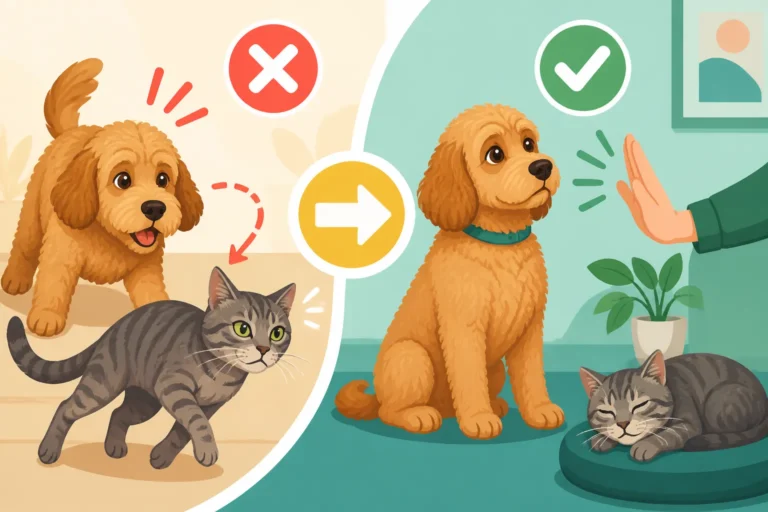
- Environmental Management: Sometimes, preventing unwanted behavior is the easiest "correction." If your Cockapoo tends to counter-surf, remove temptations from the counter. If they jump on guests, keep them on a leash initially and reward them for all four paws on the floor. Teaching a Cockapoo to Ignore Birds or Whether a Cockapoo Can Be Taught to Leave the Cat are great examples of how management and positive reinforcement work hand-in-hand.
- "Catch Them Being Good": Actively look for opportunities to reward your Cockapoo when they are doing something you like, even if you didn't ask for it. If they are lying calmly at your feet, toss a treat. If they greet someone politely, offer praise. This reinforces good habits throughout the day.
Building a Strong Bond Through Trust
At its heart, positive reinforcement is about building a relationship based on trust and mutual respect. When your Cockapoo trusts that you are a benevolent leader who will guide them with kindness and reward their efforts, they become more willing to learn, more resilient to new challenges, and ultimately, a happier and more confident companion.
This trust is especially vital for a sensitive breed. They need to know that you are a safe haven, not a source of unpredictable punishment. When training is a positive experience, your Cockapoo will look to you for direction, knowing that good things happen when they engage with you. This strong bond, fostered through gentle, consistent positive reinforcement, makes your Cockapoo a joy to live with and ensures they reach their full potential, both in terms of behavior and well-being. This cooperative approach can be particularly beneficial in early puppyhood, helping a Cockapoo puppy learn quickly and confidently.
Addressing Unwanted Behaviors in a Gentle, Effective Way
It's completely normal for Cockapoos, like all dogs, to exhibit behaviors we find less than desirable. The key is how we address these. For a sensitive Cockapoo, simply punishing a behavior without understanding its root cause or offering an alternative can be counterproductive, leading to anxiety or confusion rather than a lasting solution.
Redirection and Management Strategies
Instead of harsh corrections, the first line of defense for a sensitive Cockapoo is often redirection and management. These strategies prevent the unwanted behavior from being practiced and offer a more acceptable outlet.
- Redirection: This involves steering your Cockapoo away from an unwanted behavior and towards a more appropriate one.
- Example: Nipping: Puppy Cockapoos often nip during play. Instead of yelping loudly (which some sensitive puppies might find alarming) or physically punishing, redirect their attention to an appropriate chew toy. If they keep nipping you, calmly end the play session by walking away, teaching them that nipping makes the fun stop. This is far more effective than a sharp 'no' which may simply cause confusion or fear. You can find many durable chew toys suitable for redirecting puppy energy on Amazon.
- Example: Counter Surfing: If your Cockapoo is eyeing the delicious sandwich on the counter, instead of yelling, gently call their name, ask for a "sit" or "down" command, and reward them for complying. This redirects their focus and rewards them for making a better choice.
- Management: This involves modifying the environment to prevent the unwanted behavior from happening in the first place.
- Example: Chewing Furniture: If your Cockapoo chews on chair legs, make those areas inaccessible or apply a deterrent spray (like bitter apple) that makes the object unappealing. Simultaneously provide plenty of appropriate chew toys. Remember, a bored Cockapoo will find its own entertainment, and it might not be what you want. What a Bored Cockapoo Chews Through really emphasizes this point.
- Example: Jumping on Guests: Before guests arrive, have your Cockapoo on a leash. Ask for a "sit" as guests enter, rewarding them calmly. If they jump, gently guide them back to a sit, or step on the leash so they can't jump up, and only release when they are calm. This manages the situation until they learn the desired greeting behavior.
- Crating: A crate can be a fantastic management tool, providing a safe, quiet space for your Cockapoo when you can't supervise them, preventing accidents or destructive chewing. Ensure it's a positive place with treats and comfortable bedding. Building a Cockapoo's Tolerance for Being Alone often starts with positive crate training.
These methods are proactive and avoid creating fear or anxiety in your sensitive companion. They teach your Cockapoo what to do rather than what not to do, fostering a better understanding and a stronger bond.
Understanding the Root Cause of Behavior
Effective problem-solving with a sensitive Cockapoo often means putting on your detective hat and figuring out why they are doing what they're doing. Many "bad" behaviors are actually attempts to communicate needs, alleviate stress, or simply express natural dog behaviors in an inconvenient way.
- Boredom/Lack of Exercise: A Cockapoo who is tearing up the house, barking excessively, or digging up the yard might simply be under-exercised or under-stimulated. They are intelligent and active dogs who need both physical and mental outlets. Are they getting enough walks, playtime, and engaging activities like puzzle toys or scent games? Whether a Cockapoo Needs a Sport to Be Manageable is a great question to consider here.
- Anxiety/Fear: Excessive barking, destructive chewing, inappropriate urination, or even growling can stem from anxiety. This is especially true for sensitive Cockapoos who might be worried when left alone, fearful of certain noises, or stressed by changes in routine. Instead of punishing the outward symptom, address the underlying fear. For example, if your Cockapoo barks at every passerby, the "correction" isn't a harsh "Quiet!" but rather creating a calmer environment, managing their exposure, and working on desensitization. Signs a Cockapoo Is Anxious Rather Than Bored can help you differentiate.
- Medical Issues: Sometimes, a sudden change in behavior (like house soiling, aggression, or lethargy) can indicate an underlying medical problem. Always rule out health issues with your vet before assuming a behavioral problem.
- Lack of Training/Understanding: Sometimes, your Cockapoo simply doesn't know what you want. They haven't been taught a specific behavior, or the cues aren't clear. This is where consistent, positive reinforcement training comes in, teaching them clearly and patiently.
By understanding the "why" behind the behavior, you can implement a solution that truly addresses the problem, rather than just masking the symptoms. This thoughtful approach prevents exacerbating a sensitive Cockapoo's anxieties and fosters a more cooperative learning environment.
When to Seek Professional Guidance
Even with the best intentions and knowledge of positive reinforcement, some behavioral challenges can feel overwhelming. This is perfectly normal, and knowing when to call in a professional is a sign of a responsible pet parent, not a failure.
- Persistent or Escalating Issues: If an unwanted behavior persists despite your consistent efforts, or if it seems to be getting worse (e.g., increased aggression, severe separation anxiety, compulsive behaviors), it's time for expert help.
- Aggression: Any sign of aggression – growling, snapping, biting – towards humans or other animals should prompt immediate professional consultation. This is especially critical for a Cockapoo, who is generally not prone to aggression, suggesting a significant underlying issue that needs careful, expert management. Whether Sudden Aggression Passes From Cocker to Cockapoo highlights the importance of addressing such issues promptly.
- Deep-Seated Anxiety or Fear: If your Cockapoo is exhibiting extreme fear (e.g., constant trembling, hiding, panic attacks) or severe separation anxiety that leads to self-harm or significant destruction, a certified professional can help.
- First-Time Owners: If you're a first-time dog owner, or it's your first time with a sensitive breed, a good trainer can provide invaluable guidance and help you confidently navigate puppyhood and adolescence.
- Complex or Multiple Issues: When you're dealing with several intertwined behavioral problems, a professional can help unravel them and create a comprehensive training plan.
When seeking professional help, always look for a certified professional dog trainer (CPDT-KA) or a certified applied animal behaviorist (CAAB), or a veterinary behaviorist (DACVB). These professionals use humane, science-based, positive reinforcement methods and will never advocate for harsh or aversive techniques that could harm your sensitive Cockapoo. They can help you develop tailored strategies, provide hands-on guidance, and ensure you're communicating effectively with your dog. Online programs, like those offered by BAXTER & Bella, can also provide foundational training and support, which can be a great starting point or supplement to in-person guidance. Remember, getting help isn't a sign of defeat; it's an investment in your Cockapoo's happiness and your peace of mind.
Setting Your Cockapoo Up for Success: Environment and Consistency
Training a sensitive Cockapoo isn't just about specific commands or correcting unwanted behaviors; it's about creating an entire lifestyle that supports their emotional well-being and allows them to thrive. This means focusing on their environment, ensuring proper socialization, and maintaining unwavering consistency in your approach.
Creating a Predictable and Safe Space
For a sensitive Cockapoo, predictability and a sense of security are paramount. A chaotic, unpredictable environment can quickly lead to anxiety and stress, making training much more challenging.
- Consistent Routine: Dogs, especially sensitive ones, thrive on routine. Establishing a predictable schedule for feeding, potty breaks, walks, playtime, and training sessions can significantly reduce anxiety. Your Cockapoo will learn what to expect, which provides a sense of control and reduces uncertainty. For example, knowing that their morning walk always happens after breakfast can prevent them from pacing anxiously while waiting. This routine can also help with important milestones like How Long a Cockapoo Puppy Holds It Overnight.
- A Designated Safe Zone: Every Cockapoo, particularly those who are more sensitive, should have a designated "safe space" where they can retreat and feel secure. This might be a crate, an open bed in a quiet corner, or even a specific room. This space should be comfortable, filled with their favorite toys and blankets, and respected by all family members as their personal sanctuary. Teach children that when the dog is in its bed, they are not to disturb it. This gives your Cockapoo an essential escape route when they feel overwhelmed, tired, or just need some alone time.
- Calm Household Energy: Cockapoos are highly attuned to the emotional atmosphere of their home. A calm, relaxed household generally produces a calmer, more confident Cockapoo. Avoid yelling, sudden loud noises, or frequent arguments, as these can be very distressing for a sensitive dog. Speak in a gentle, reassuring tone, and try to maintain a peaceful demeanor, especially during training.
- Enrichment: A predictable environment doesn't mean a boring one. Provide ample opportunities for mental and physical enrichment. Puzzle toys, snuffle mats, chew toys, and regular walks to interesting places can help your Cockapoo channel their energy and intelligence constructively. This prevents boredom-induced behaviors and keeps their minds engaged in positive ways. You can find excellent enrichment toys on Amazon to keep your Cockapoo happy and busy.
By creating a stable, safe, and enriching environment, you're building a strong foundation for your Cockapoo's emotional health, which directly translates into better behavior and a more receptive attitude towards training.
The Role of Early Socialization and Exposure
Early and ongoing socialization is absolutely critical for Cockapoos, particularly given their sensitive nature. Proper socialization during puppyhood helps them develop into well-adjusted, confident adult dogs who can handle new experiences without becoming fearful or anxious.
- Controlled Exposure to New Experiences: The "critical socialization period" for puppies is generally between 3 and 16 weeks of age. During this time, it's vital to expose your Cockapoo puppy to a wide variety of sights, sounds, smells, people, and other friendly, vaccinated dogs.
- People: Introduce them to different types of people: men, women, children of various ages, people with hats, glasses, and different gaits. Always ensure these interactions are positive and supervised. Introducing a Cockapoo to a Newborn or A Cockapoo With Children are crucial topics for family homes.
- Sounds: Gently expose them to common household sounds (vacuum cleaner, doorbell, washing machine), outdoor sounds (traffic, sirens), and even specific sounds you anticipate they'll encounter (e.g., fireworks, thunder, if possible, through recordings). Keep these exposures at a low, non-threatening volume initially and pair them with treats and praise.
- Environments: Take your puppy to safe, clean public places where they can observe the world without being overwhelmed. Think quiet park benches, pet-friendly stores (if allowed and safe), or simply walking around your neighborhood.
- Other Dogs: Enroll your puppy in a well-run puppy class that prioritizes positive experiences and safe play. This allows them to learn appropriate social cues from other puppies and well-behaved adult dogs. Introducing a Cockapoo to the Dog You Have is also a key step.
- Positive Associations: Every new experience should be a positive one. Pair new exposures with high-value treats, praise, and calm reassurance. If your Cockapoo shows signs of stress (tail tucking, lip licking, yawning, trying to hide), reduce the intensity of the exposure and create more distance. Never force an interaction or push them beyond their comfort zone, as this can create negative associations and deepen fear.
- Ongoing Socialization: Socialization isn't a one-time event; it's a lifelong process. Continue to expose your adult Cockapoo to new places and friendly individuals regularly to maintain their confidence and social skills. This prevents them from becoming fearful or reactive as they age.
A well-socialized Cockapoo is much less likely to develop anxiety-related behavioral issues, making them more adaptable, confident, and a joy to take out into the world. Where to Take a Cockapoo Puppy Before Full Cover is an important consideration for unvaccinated puppies.
Consistency is Key, Not Severity
This is perhaps the most vital takeaway for training a sensitive Cockapoo: consistency in your expectations and reactions is far more important than severity.
- Clear Rules and Boundaries: Establish clear, consistent rules for your Cockapoo and ensure everyone in the household adheres to them. If jumping on the couch is sometimes allowed but sometimes punished, your sensitive Cockapoo will become confused and anxious. Decide what's acceptable and what's not, and stick to it.
- Consistent Cues: Use the same verbal cues for commands every time ("sit," not "sit down" or "sit-sit"). Be clear with your body language too. Dogs learn best when cues are unambiguous. What a Cockapoo Puppy Should Learn First includes these foundational commands.
- Consistent Rewards: Reward desired behaviors consistently, especially when first teaching something new. Once a behavior is well-established, you can switch to intermittent reinforcement (rewarding sometimes, but not every time) to maintain the behavior, but always keep praise and positive feedback flowing.
- Consistency in Everyone's Approach: All family members need to be on the same page regarding rules and training methods. If one person uses positive reinforcement and another uses harsh corrections, your Cockapoo will become confused and stressed. Hold a family meeting to discuss training protocols and ensure everyone is using the same cues and rewards.
- Patience and Understanding: Sensitive Cockapoos may take a bit longer to process new information or might be more easily distracted by their environment. Approach training with boundless patience and understanding. If your Cockapoo isn't getting it, it's not their fault; it means you need to adjust your approach, break the task down into smaller steps, or find a higher-value reward. Never get frustrated with them, as they will sense your emotion and likely shut down. How Long a Cockapoo Takes to Stop Having Accidents or How Long a Cockapoo Puppy Holds It Overnight require extreme patience.
By being consistently clear, kind, and patient, you empower your sensitive Cockapoo to learn and grow into a well-behaved, confident, and joyful member of your family, proving that gentle guidance is the most effective correction of all.
| Correction Type | Description | Suitability for Sensitive Cockapoos | Potential Outcomes |
|---|---|---|---|
| Physical Punishments | Hitting, alpha rolls, leash jerks, ear pinches. | Absolutely NOT Suitable | Fear, aggression, damaged bond, behavioral shutdown. |
| Harsh Verbal "No" | Loud, angry, or frustrated tone. | NOT Recommended | Anxiety, confusion, fear, withdrawal, decreased confidence. |
| Time-Out | Briefly removing dog from stimulating environment (e.g., sending to crate) | Suitable (if done calmly) | Effective if used as a break, not a punishment. Must be short and neutral. |
| Ignoring | Turning away from attention-seeking behavior (e.g., jumping up). | Highly Suitable | Teaches dog that unwanted behavior doesn't get attention. |
| Redirection | Guiding dog to an appropriate alternative behavior (e.g., chew toy). | Highly Suitable | Teaches acceptable alternatives, prevents frustration. |
| Environmental Management | Preventing access to tempting items or situations. | Highly Suitable | Prevents unwanted behavior from being practiced, reduces stress. |
| Loud Alarm/Noise | Startling sound to interrupt a behavior. | Use with Caution | Can be effective, but may cause fear/anxiety in very sensitive dogs if overused. |
| Positive Interrupter | A specific sound (e.g., kissing noise) to get attention, then redirect. | Highly Suitable | Interrupts behavior neutrally, allows for redirection and reward. |
Disclaimer
This article is for general informational purposes only and does not constitute professional advice. Laws, prices and regulations vary by location and change over time. Consult a qualified professional for guidance on your specific situation.