Whether a Sharp Word Shuts a Cockapoo Down
It's a common worry for many Cockapoo owners, that feeling of dread when you raise your voice even slightly, only to see your normally bouncy, cheerful companion visibly shrink. Our Cockapoos often seem to wear their hearts on their furry sleeves, and understanding just how sensitive they are to our vocal tones is crucial for building a happy, confident relationship. This guide will delve into the nuances of your Cockapoo's unique temperament, exploring why a sharp word might impact them so profoundly, and how you can foster a responsive, resilient dog through communication built on trust, not fear.
The Unique Sensitivity of Your Cockapoo's Temperament
You’ve probably noticed it – that look in their eyes, the slight dip in their posture, when your tone shifts from loving to exasperated. Cockapoos are incredibly attuned to their humans, a trait that makes them wonderful companions but also means they can be particularly sensitive to our moods and our words. This isn't just about being "soft"; it's deeply rooted in their genetic makeup, a charming blend of two intelligent and often eager-to-please breeds.
Inherited Traits The Cocker's Sweetness and the Poodle's Intelligence
Think about the parent breeds: the Cocker Spaniel and the Poodle. Cockers are renowned for their sweet, gentle dispositions and their immense desire to please their family. They thrive on affection and positive interaction, and historically, they were bred to work with people, not independently. A harsh word can feel like a profound betrayal to a Cocker-natured dog, shattering their innate desire for harmony.
Then there's the Poodle side – highly intelligent, sensitive, and famously intuitive. Poodles pick up on cues, both verbal and non-verbal, with remarkable speed. Their smarts mean they often understand more than we give them credit for, and they can be quite sensitive to perceived unfairness or anger. When you combine these two temperaments, you often get a Cockapoo that is wonderfully bright and loving but can also be quite fragile in the face of strong correction. They don't just hear the sound; they often interpret the underlying emotion, and that can be a lot for a small, eager-to-please dog to process. This sensitivity is part of what makes them such good emotional support animals, but it also means we need to be mindful of how we communicate. Whether a Cockapoo Is as Soft as a Cocker is a question many owners ponder, and often, the answer is yes, sometimes even more so because of the Poodle's keen intellect.
Reading Your Cockapoo's Body Language After a Firm Tone
It's one thing to hear about sensitivity, but another to see it in action. If you've ever used a sharp word with your Cockapoo, you might have witnessed a very specific set of reactions. They might immediately tuck their tail so far under their belly it practically disappears. Their ears, normally perked or happily flopping, might flatten against their head. You might see them avert their gaze, almost refusing to make eye contact, or turn their head away from you entirely. Some might even offer appeasement behaviors, like licking their lips excessively, yawning, or suddenly lying down and showing their belly in a submissive posture.
These aren't signs of defiance; they're signs of a dog feeling overwhelmed, anxious, or "shut down." They are trying to communicate that they are uncomfortable and might not understand what you want, or they might be trying to de-escalate what they perceive as a threat. When you see these signs, it's a clear indication that your communication has, perhaps unintentionally, caused distress. Understanding these subtle signals is key to adjusting your approach and ensuring your Cockapoo feels safe and understood. How Long a Cockapoo Takes to Stop Having Accidents is often related to their emotional state and feeling safe during training.
The Pitfalls of Harsh Verbal Corrections with a Sensitive Breed
While it's natural to get frustrated, especially when your Cockapoo is doing something you really don't want them to do, the way we express that frustration matters immensely. For a sensitive breed like the Cockapoo, a harsh word can have far-reaching negative consequences that often outweigh any immediate, fleeting compliance.
The Difference Between Correction and Causing Fear
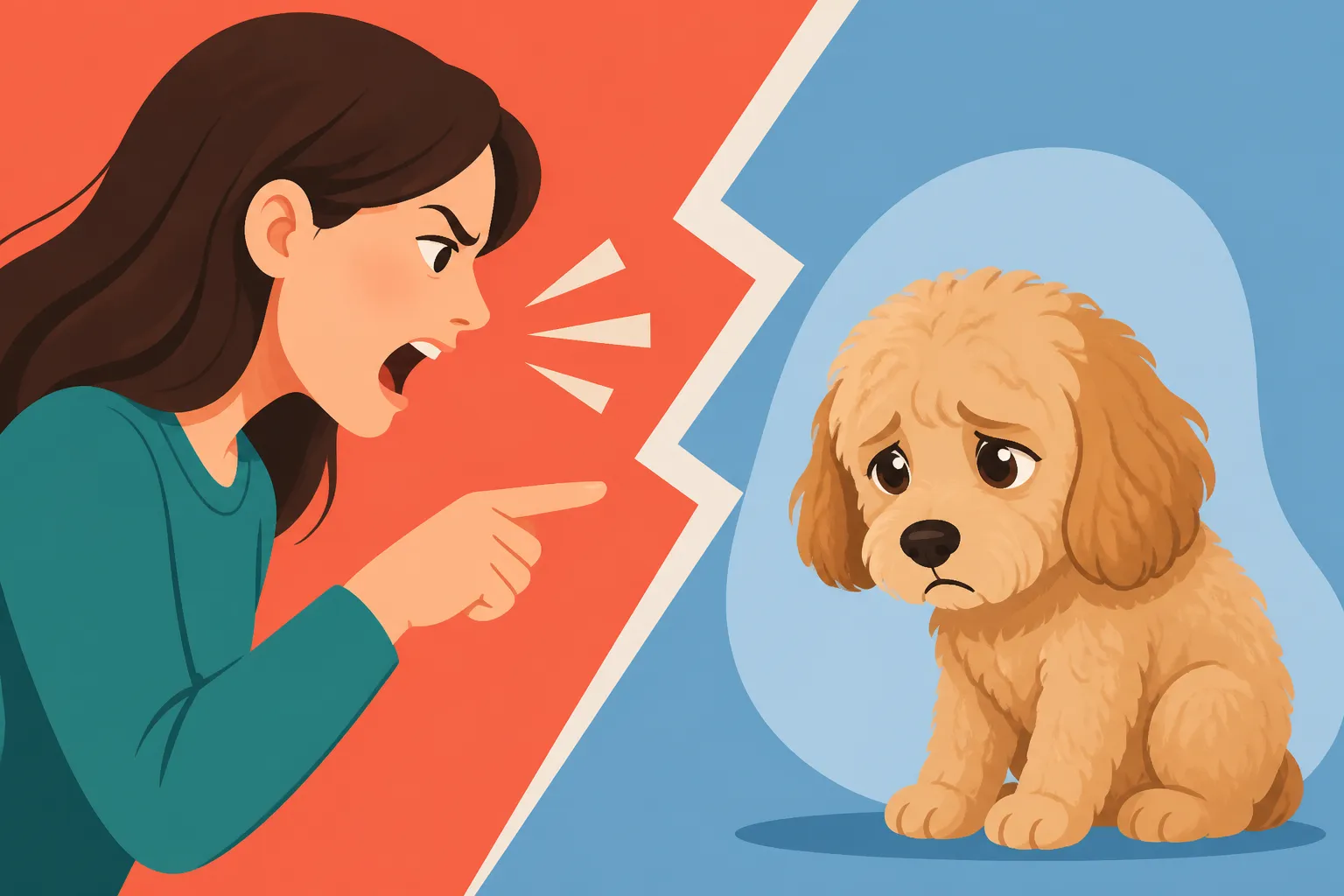
A correction, in ideal dog training, is meant to redirect behavior and teach an alternative, more desirable action. It's about clarity and guidance. However, a sharp, angry word often veers sharply into causing fear. When your Cockapoo hears a loud, angry voice, especially one that isn't accompanied by clear, actionable guidance on what to do instead, they don't necessarily learn what was wrong. Instead, they learn that you can be scary, or that certain situations or objects might lead to your anger.
This erosion of trust is incredibly damaging. A dog that fears its owner might stop offering behaviors at all, out of worry they'll do the "wrong" thing and incur a sharp word. They might become hesitant, anxious, or even start avoiding you. This isn't learning; it's suppression born of fear. Imagine trying to learn a new skill from someone who shouts at you every time you make a mistake. You wouldn't learn effectively; you'd probably just want to avoid the teacher. The same applies to our sensitive Cockapoos. This also touches on the discussion around Whether a Sharp Word Shuts a Cockapoo Down, highlighting the negative impact.
When a Cockapoo "Shuts Down" Instead of Learning
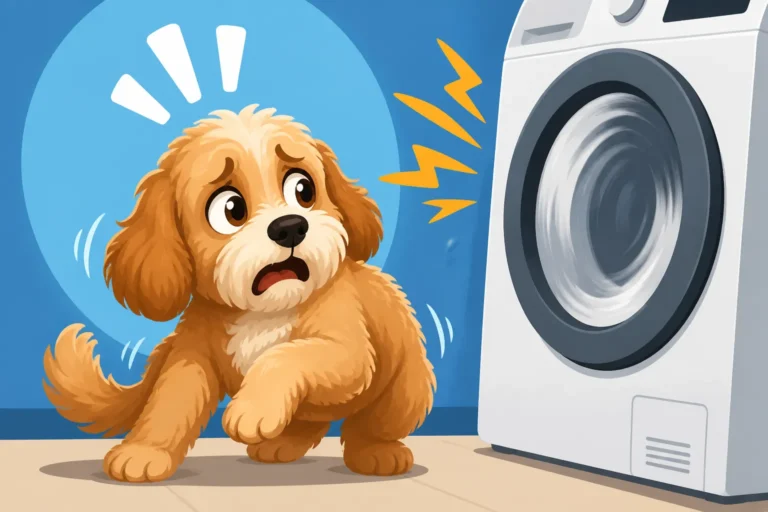
A "shut down" Cockapoo isn't a biddable Cockapoo; it's a dog whose cognitive functions are overwhelmed by stress. When a dog is truly shut down, their ability to process information, learn, and engage positively is severely compromised. They might stand still, seemingly frozen, or try to escape the situation. They might become unresponsive to other cues, even ones they know well, because their primary focus is on managing their emotional discomfort.
This state is detrimental to effective training. We want our Cockapoos to be active participants in their learning, confidently trying new things and making choices. If every mistake is met with a response that causes them to shut down, they won't feel safe exploring or trying. They'll just try to disappear. This can lead to a dog that seems "stubborn" or "unresponsive," when in reality, they're simply too afraid to engage. It's far more effective to create an environment where they feel safe to experiment, knowing that errors will be met with gentle redirection, not fear-inducing reprimands.
Building a Resilient and Responsive Cockapoo Through Positive Reinforcement
The good news is that working with a sensitive Cockapoo is incredibly rewarding when you use methods that respect their nature. Positive reinforcement isn't just about treats; it's about clear communication, consistency, and building a bond of mutual respect and understanding.
Effective Communication Without Shouting
Instead of sharp words, focus on clear, consistent verbal cues and body language. Your Cockapoo is smart; they will learn to associate specific words and tones with desired actions.
- Be Clear and Concise: Use short, distinct words for commands like "sit," "stay," "come."
- Vary Your Tone for Emphasis, Not Anger: You can use a slightly firmer, lower tone for an "uh-uh" interruption (followed immediately by redirecting to a desired behavior), and a cheerful, high-pitched tone for praise. The key is that "firm" doesn't mean "angry" or "scary."
- Use a Marker Word or Clicker: A clicker or a consistent marker word like "yes!" signals to your dog the exact moment they performed the correct action, followed by a reward. This precision speeds up learning immensely. Many owners find online training programs helpful for this, with platforms like BAXTER & Bella offering structured guidance.
- Redirect, Don't Just Correct: If your Cockapoo is doing something undesirable (e.g., chewing a shoe), calmly interrupt with an "uh-uh" or a clap, then immediately present an appropriate chew toy and praise them when they take it. This teaches them what to do instead. This is often more effective than just saying "no."
Consider these two scenarios for clarity:
| Situation | "Sharp Word" Approach | Positive Reinforcement Approach |
|---|---|---|
| Puppy Chewing Shoe | "NO! Bad dog! Stop that!" (Loud, angry tone) | "Ah-ah!" (Calm, firm tone) followed by offering a toy. When the toy is taken: "Good chew!" (Happy tone), treat. |
| Dog Jumping on Guest | "Down! Get off! No!" (Frustrated, pushing dog off) | "Off!" (Calm, clear tone) or lure to a sit with a treat. When all four paws are on the floor: "Good off! Good sit!" (Happy tone), treat. |
The difference lies in providing information and an alternative, rather than just punishment.
Recovering from a "Shut Down" Moment
If you realize you've used a tone that has caused your Cockapoo to shut down, don't just ignore it. It’s important to de-escalate and rebuild trust.
- Lower Your Energy: Immediately soften your voice, lower your body language, and avoid direct eye contact. Speak in a calm, gentle tone.
- Offer Comfort (if they approach): If your dog cautiously approaches, offer gentle petting or a comforting word. Don't force interaction if they're still retreating.
- Redirect to a Positive, Known Activity: Ask them to do something they know and love, like "sit" for a favorite treat, or bring out a beloved toy for a short play session. This helps shift their emotional state back to positive associations with you.
- Give Them Space: Sometimes, the best thing you can do is give them a few minutes to process and regain their composure. When they're ready, they'll usually re-engage.
Remember, rebuilding trust takes time and consistent positive interactions.
Preventing Shutdowns Through Consistent, Gentle Training
The best defense against a shut-down Cockapoo is a proactive approach to training. Consistent, reward-based training builds confidence and a strong bond.
- Early Socialization: Introduce your Cockapoo puppy to a variety of sights, sounds, people, and other friendly dogs in a positive, controlled way. This helps them build resilience to new experiences.
- Short, Fun Training Sessions: Keep training sessions brief (5-10 minutes) and always end on a positive note. This keeps your Cockapoo engaged and eager to learn more.
- Focus on What You Want, Not What You Don't: Instead of punishing unwanted behaviors, spend your energy teaching and rewarding desirable ones. If your Cockapoo jumps, reward them for keeping all four paws on the floor. If they bark, reward them for being quiet.
- Utilize Quality Training Aids: Investing in good quality, high-value treats (think tiny pieces of chicken or cheese), a sturdy leash, and engaging toys from places like Amazon can make training much more enjoyable and effective.
- Consider Professional Guidance: If you're struggling, a certified professional dog trainer who uses positive reinforcement methods can provide invaluable personalized advice. Whether a Marker Word Beats a Clicker on a Cockapoo is a great topic to discuss with a trainer.
Building a solid foundation of positive experiences means your Cockapoo is less likely to be "shut down" by an occasional firm tone, because their overall experience with you is overwhelmingly positive and safe. Whether a Cockapoo Needs a Sport to Be Manageable or Whether a Cockapoo Can Earn a Scent Work Title are excellent questions that highlight how engagement through positive activities can bolster confidence.
Long-Term Impact and the Importance of a Strong Bond
The way you communicate with your Cockapoo, especially during their formative years and challenging adolescent phases, shapes their entire personality and their relationship with you. It's an investment in a happy future together.
How a Cockapoo's Personality Develops with Gentle Handling
A Cockapoo raised with gentle, positive reinforcement methods typically blossoms into a confident, outgoing, and joyful companion. They'll be more resilient to new situations, more eager to engage in training, and generally more stable emotionally. They learn that you are a source of guidance, safety, and positive experiences, not a source of unpredictable anger. This deepens the bond, making them more likely to look to you for direction and comfort, rather than trying to avoid your gaze or escape your presence. The Thing Cockapoo Buyers Find Out Too Late is often about this very sensitivity and the need for gentle handling.
Contrast this with a dog raised with harsh corrections, who might become timid, withdrawn, or even reactive out of fear. They may learn to hide behaviors from you, rather than offering them openly. You want a Cockapoo that bounces towards you with a wagging tail, not one that slinks away when you enter the room. Their natural intelligence and desire to please are best nurtured in an environment where they feel secure enough to make mistakes and try again. Whether a Cockapoo Is Too Soft for Correction isn't about being weak, but about requiring specific, constructive types of guidance.
Avoiding Common Training Traps
Even with the best intentions, it's easy to fall into certain training traps. Recognizing these can help you stay on track:
- Inconsistency is the Enemy: One day a behavior is allowed, the next it's corrected. This is incredibly confusing for your Cockapoo. Set clear rules and stick to them.
- Getting Overly Frustrated: We're human, and frustration happens. But when you feel it rising, it's often best to take a short break. Step away, take a deep breath, and come back to the training session with a clear head. Your emotional state directly impacts your dog.
- Expecting Too Much, Too Soon: Learning takes time. Break down complex behaviors into tiny, achievable steps and celebrate every small success. A puppy, for example, can't hold their bladder all night, so How Long a Cockapoo Puppy Holds It Overnight means accepting some accidents while working on consistent potty breaks.
- Blaming the Dog: If training isn't working, it's usually not the dog's fault. It means we need to adjust our communication, our methods, or our expectations. Reflect on what you can do differently to help your Cockapoo succeed. This self-awareness is one of the most powerful tools an owner can have.
Ultimately, your Cockapoo wants to connect with you. By understanding their inherent sensitivity and choosing positive, trust-building communication, you can cultivate a relationship that is not only effective for training but also deeply enriching for both of you.
Disclaimer
This article is for general informational purposes only and does not constitute professional advice. Laws, prices and regulations vary by location and change over time. Consult a qualified professional for guidance on your specific situation.