Whether a Cockapoo Can Be Taught to Leave the Cat
It’s a scenario many Cockapoo owners find themselves in: you bring home that adorable, fluffy puppy, and then your resident feline suddenly becomes the most exciting, chase-worthy creature in the house. It's frustrating, and often anxiety-inducing, watching your sweet Cockapoo continually pester, chase, or simply fixate on your cat, sometimes making your poor kitty feel like an intruder in their own home. You just want everyone to get along, or at the very least, for your Cockapoo to understand that the cat is not a toy, prey, or a fellow wrestling partner. This guide is here to walk you through understanding why your Cockapoo might be struggling with feline housemates and, more importantly, to give you actionable steps to teach them to respect the cat's space and, hopefully, foster a more peaceful multi-pet household.
Understanding Your Cockapoo's Instincts Around Cats
To effectively teach your Cockapoo to leave your cat alone, it helps immensely to understand why they might be so interested in them in the first place. It's rarely out of malice; it's almost always rooted in instinct, energy, and perhaps a lack of proper guidance.
The Prey Drive from the Cocker Spaniel Side
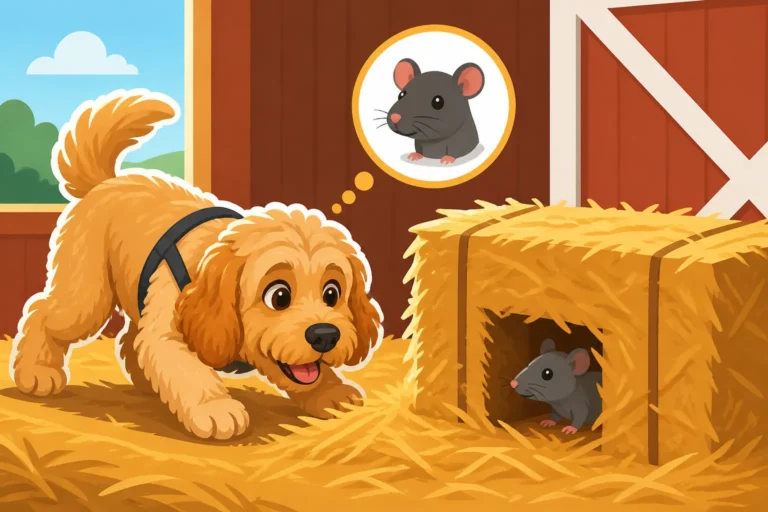
Let's not forget that half of your Cockapoo's genetic makeup comes from the Cocker Spaniel, a breed historically developed for flushing game birds out of dense cover for hunters. This means they were bred to have a keen nose, quick reflexes, and an innate desire to find and flush small, moving targets. When your cat darts across the living room, swats at a toy, or even just gracefully walks by, it can inadvertently trigger this deeply ingrained The Flushing Drive Still Alive in a Cockapoo in your Cockapoo. They might not be trying to harm the cat, but rather engaging in a primal chase sequence, a game of "catch me if you can" that the cat definitely isn't playing along with.
This isn't necessarily aggressive behavior; it’s a natural hunting sequence. The chase is often the most rewarding part for the dog. They might not even know what to do if they did catch the cat, but the thrill of the pursuit is powerful. This instinct is why it’s so important to actively manage their interactions and train them, because leaving it unchecked can quickly lead to a stressed cat and an overstimulated dog. Recognizing this genetic predisposition is the first step in empathy and effective training. You're not fighting a "bad dog"; you're guiding a dog with strong, natural impulses.
The Poodle's Intelligence and Playfulness
On the other side of the family tree, you have the Poodle, a breed renowned for its intelligence, energy, and often, its mischievous sense of humor. Poodles were originally water retrievers, so they also possess a drive to interact with moving objects, though perhaps less focused on flushing than the Spaniel. What the Poodle brings strongly to the Cockapoo is a high level of intelligence and a desire for interaction and play. Your Cockapoo isn't just a furry flush-and-chase machine; they're also highly intelligent and keen to engage with their environment and its inhabitants.
This intelligence means they are highly trainable, which is fantastic news for teaching them to coexist with your cat. However, it also means they can be persistent. If they’ve learned that pestering the cat sometimes leads to a reaction – even a negative one like a hiss or a chase – they might interpret that as a form of interaction, a game. They can also be incredibly playful, and for a Cockapoo puppy, a cat's swishing tail or quick movements can look like an invitation to play, even if it's the furthest thing from the cat's mind. Channeling this intelligence and playfulness into appropriate activities, rather than cat-chasing, is key.
Why They Might Not Immediately Be Friends
It’s easy to romanticize the idea of your dog and cat curled up together, but the reality is that many dogs and cats have very different communication styles and needs. Dogs, generally, are pack animals with a clear social hierarchy and a love for boisterous play. Cats are often more solitary, preferring subtle communication, personal space, and dignified interactions. A Cockapoo, with its blend of spaniel exuberance and poodle intelligence, can be particularly "forward" in its attempts to engage, which a cat can easily perceive as threatening or annoying.
Beyond the instinctual drive to chase, a lack of early, positive exposure can also contribute to difficulties. If your Cockapoo puppy wasn't raised with cats, or if their first interactions were chaotic or unsupervised, they might not have learned appropriate boundaries. The energy levels can also be mismatched; a high-energy Cockapoo wants to run and play, while an older, calmer cat might just want to nap in a sunbeam. It's a classic case of incompatible interests, which requires human intervention to bridge the gap.
Creating a Safe and Structured Environment for Both Pets
Before you even start intensive training, setting up your home environment to ensure the safety and comfort of both your Cockapoo and your cat is absolutely crucial. Without proper management, training efforts can be undermined, and either animal could experience undue stress or even injury.
Setting Up Physical Barriers and Safe Zones
The first and most important step is to create clear physical boundaries and safe havens for your cat. Your cat needs to feel secure and have guaranteed escape routes and resting spots where your Cockapoo simply cannot reach them. This is non-negotiable for a peaceful household. Consider the following:
- Baby Gates: Strategically placed baby gates can allow your cat to jump over or slip through a cat door built into the gate, while preventing your Cockapoo from entering certain rooms. This provides immediate relief for your cat, giving them entire rooms to themselves. You can find a variety of durable gates on Amazon that fit different doorways and provide this essential separation.
- Vertical Space: Cats are natural climbers. Invest in tall cat trees, wall shelves, or even clear off the tops of bookshelves where your cat can perch safely, observe the dog, and nap undisturbed. These vertical escapes are vital, especially in shared spaces like the living room.
- Crates and Pens: While this might seem more for the dog, a secure crate or dog pen can be a fantastic tool for managing interactions. When your Cockapoo is in their crate, they learn to be calm and observe the cat without being able to chase. This is especially useful during feeding times or when you need a moment of peace. The crate should be a positive place for your Cockapoo, not a punishment. Raising a Cockapoo Puppy often involves crate training, which can extend beautifully into multi-pet management.
- Cat-Only Rooms/Areas: Designate at least one room as a "cat-only" sanctuary. This is where your cat's food, water, litter box, and bed should be, ensuring they have private access to essential resources without fear of being bothered by your Cockapoo.
Supervised Introductions and Controlled Interactions
Once you have your physical environment sorted, all interactions between your Cockapoo and cat should be carefully supervised. Uncontrolled meetings are a recipe for disaster and will only reinforce negative behaviors. The goal is to create positive associations and prevent any chasing or overly boisterous behavior.
- Leash Management: Initially, keep your Cockapoo on a leash when the cat is in the same room. This gives you immediate control to prevent chasing. Use a comfortable, lightweight leash and collar or harness. This isn't about punishment, but about managing the situation. If your Cockapoo so much as looks intently at the cat, you can gently redirect them with the leash and a verbal cue, rewarding them for disengaging.
- Short, Positive Sessions: Start with very brief, calm interactions. Have your Cockapoo on a leash and your cat in a safe, elevated spot or behind a gate. Reward your Cockapoo generously with high-value treats for calmly observing the cat, or for simply ignoring them. End the session before either animal gets stressed or overstimulated. The idea is to build a positive history.
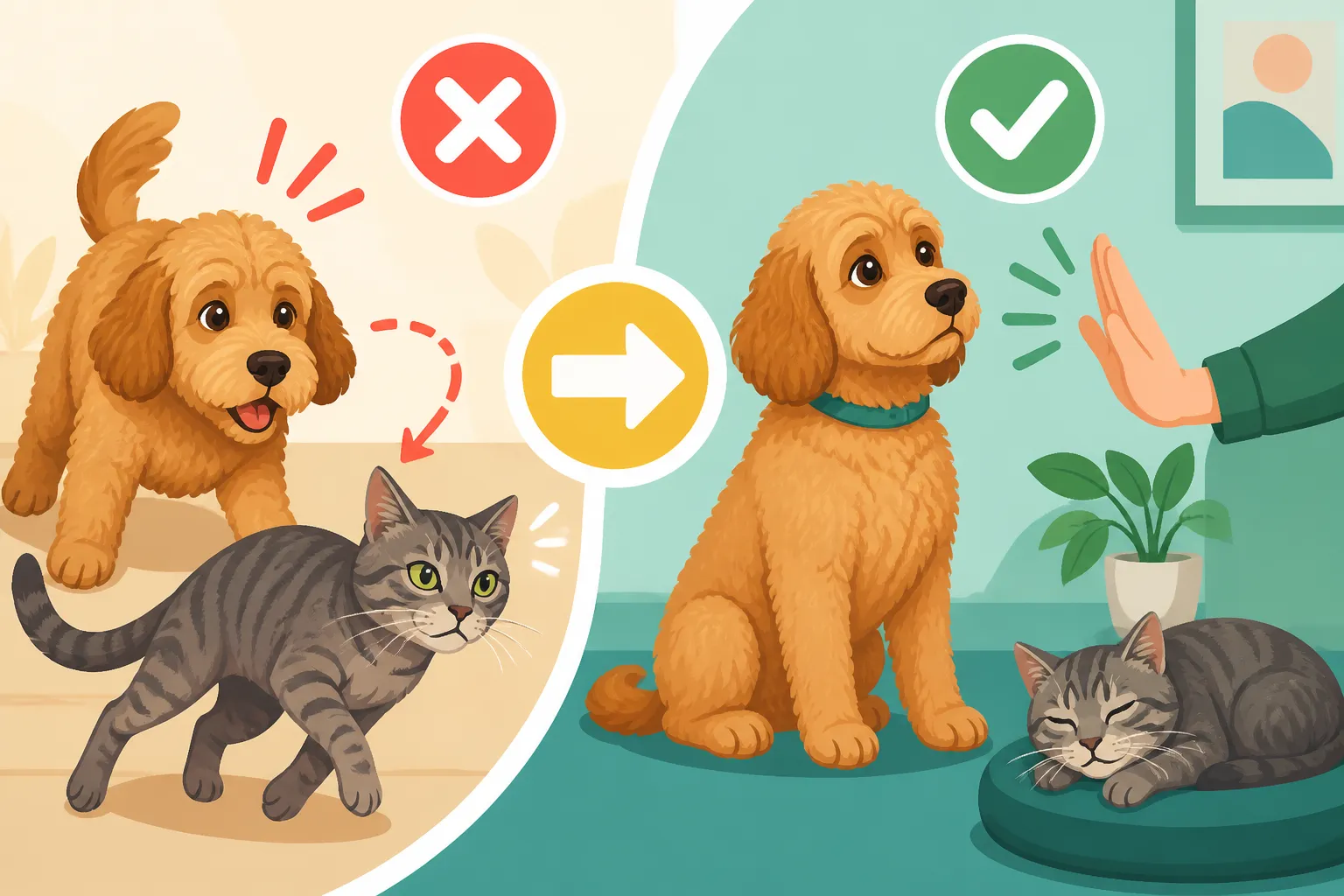
- Focus on Redirection: If your Cockapoo starts to fixate on the cat, immediately redirect their attention to you with a favorite toy or a quick obedience command they know, like "sit" or "stay." Reward them for shifting focus to you. This teaches them that engaging with you is more rewarding than bothering the cat. Remember, your Cockapoo needs to learn that Whether a Cockapoo Ignores You Once It Scents Something is not an option when the cat is around.
Managing High-Energy Moments
Cockapoos are energetic dogs, and those bursts of energy can often translate into unwanted interactions with a calmer cat. Proactive management of your Cockapoo's energy levels is vital to a harmonious household.
- Ample Exercise: Ensure your Cockapoo is getting plenty of physical and mental exercise before interacting with the cat. A tired dog is a good dog, as the saying goes. Long walks, games of fetch, or even a session of indoor scent work can burn off excess energy. Whether a Cockapoo Needs a Sport to Be Manageable is a valid question, as their intelligence and energy often thrive with regular enrichment.
- Scheduled Play: Provide designated playtimes for your Cockapoo using appropriate toys. This gives them an outlet for their natural drives. Use flirt poles (a pole with a lure on the end) for controlled chase games, tug toys, or puzzle toys filled with treats to engage their mind.
- Redirection, Not Punishment: If your Cockapoo starts to get overly excited around the cat, immediately interrupt the behavior by calling their name, or making a sudden noise (like clapping your hands once), and then redirect them to an appropriate toy or a different activity. Never scold or punish them for their natural instincts, as this can create fear or resentment towards both you and the cat, potentially escalating the problem. The goal is to teach them what you want them to do, not just what you don't want.
Training Strategies to Teach "Leave It" and Coexistence
Once the environment is managed and you're supervising interactions, it's time to equip your Cockapoo with the specific skills needed to politely coexist with your cat. The "leave it" command is your absolute superpower here, but it's part of a broader strategy of positive reinforcement and desensitization.
Building a Rock-Solid "Leave It" Command
The "leave it" command is arguably one of the most important commands any dog can learn, especially in a multi-pet household. It teaches your Cockapoo to disengage from something tempting and turn their attention to you.
- Start Easy (No Cat Involved): Begin practicing "leave it" with low-value items. Place a treat on the floor, cover it with your hand, and say "leave it." When your Cockapoo looks away from your hand, immediately mark the behavior (with a clicker or a verbal "yes!") and reward them with a different, higher-value treat from your other hand. Gradually uncover the treat on the floor, then move to leaving it completely exposed for short periods, always rewarding for ignoring it.
- Increase Distraction: Once your Cockapoo reliably leaves low-value items, slowly increase the value of the "leave it" item (a favorite toy, a piece of dropped food) and introduce distractions. Practice in different rooms, with different people present, and eventually with tempting items that move slightly.
- Introduce the Cat (from a Distance): This is where it gets real. With your Cockapoo on a leash and your cat in a secure, visible location (like a cat tree or behind a gate), practice "leave it." As soon as your Cockapoo notices the cat, give the "leave it" command. If they disengage and look at you, reward them with a super high-value treat and praise. The key is to reward them for choosing to look away, not just for being physically restrained.
- Gradual Proximity: As your Cockapoo gets better, slowly decrease the distance between them and the cat, always maintaining control with the leash and rewarding heavily for ignoring the cat. If your Cockapoo struggles, you've moved too quickly; go back to an easier step. Consistency is vital here, and short, frequent training sessions are more effective than long, frustrating ones. Online training programs, like those offered by BAXTER & Bella, can provide structured lessons and support for teaching essential commands like "leave it" and What a Cockapoo Puppy Should Learn First.
Positive Reinforcement for Calm Behavior
Teaching your Cockapoo what not to do is only half the battle; you also need to teach them what to do. Positive reinforcement focuses on rewarding desirable behaviors, making them more likely to happen again.
- Reward Calmness: Actively seek out and reward moments when your Cockapoo is calm around the cat. If they're lying down quietly while the cat is in the room, toss them a treat or offer gentle praise. If the cat walks by and your Cockapoo ignores them, that's a jackpot moment! Celebrate it with high-value rewards. This teaches them that calm coexistence, not chasing, is how they earn good things.
- "Go to Mat" or "Place" Training: Teach your Cockapoo to go to a designated "place" (like a dog bed or mat) and stay there when asked, even with distractions. This is incredibly useful for situations where the cat needs to pass through a room or when you need your Cockapoo to settle. Start without the cat, rewarding generously for staying on their mat. Then, introduce the cat (leashed, at a distance) while your dog is on their mat, slowly building duration and proximity.
- Enrichment When Alone: When your Cockapoo is in a separate room or crate, provide them with engaging enrichment toys like Kongs filled with peanut butter, chew toys, or puzzle feeders. This keeps their mind occupied and prevents them from rehearsing unwanted behaviors out of boredom. Whether a Cockapoo Works Harder for Scent Than Food can be a useful insight here – incorporating scent work games can be incredibly mentally stimulating.
Desensitization and Counter-Conditioning
These are fancy terms for gradually exposing your Cockapoo to the cat in a controlled way while simultaneously creating a positive association with the cat's presence.
- Controlled Exposure: The core idea is to change your Cockapoo's emotional response to the cat from excitement/prey drive to neutrality or even positive anticipation. This means exposing them to the cat at a distance where they can see the cat without reacting intensely.
- Pairing with High-Value Rewards: Every time your Cockapoo sees the cat and remains calm, immediately give them a delicious treat or engage them with a favorite toy. The cat appears, good things happen for the dog. Over time, your Cockapoo will start to associate the cat's presence with positive experiences.
- Gradual Reduction of Distance: As your Cockapoo consistently shows calm behavior at a certain distance, you can very slowly reduce the distance. If at any point your Cockapoo starts to fixate or show signs of wanting to chase, increase the distance again. This is a marathon, not a sprint.
- Scent Swapping: Even before direct visual contact, you can start desensitization through scent. Swap bedding between your dog and cat so they get used to each other's smell in a non-threatening way. This can help normalize each other's presence.
- Interactive Play (Separate): Ensure you're spending dedicated, interactive play time with your Cockapoo separately from the cat, using toys that fulfill their chase and retrieve drives. This helps satiate those instincts in an appropriate context, making them less likely to project them onto the cat.
Here’s a simple table to illustrate the progression of "Leave It" training with the cat:
| Training Stage | Scenario | Dog's Behavior to Reward | Reward Strategy | Goal |
|---|---|---|---|---|
| Stage 1: Foundation | Low-value item on floor, covered hand | Looks away from item | High-value treat (from other hand), verbal praise | Reliably disengage from mild distractions |
| Stage 2: Distraction | Higher-value item (toy/food) visible, then uncovered; various locations | Ignores item, turns to you | High-value treat, enthusiastic praise | Reliably disengage from tempting non-cat items |
| Stage 3: Intro to Cat | Cockapoo on leash, cat behind gate/on perch (far away) | Notices cat, then looks at you/remains calm | Jackpot treats (multiple small treats), verbal praise, gentle petting | Associate cat's presence with positive outcomes, not chase |
| Stage 4: Closer Proximity | Cockapoo on leash, cat moves closer/through room | Ignores cat, maintains calm, disengages when cued | High-value treats, praise, brief play with favorite toy (away from cat) | Consistent calm behavior, ability to ignore cat in moderate proximity |
| Stage 5: Off-Leash (Supervised) | Cockapoo off-leash, cat free, in managed environment | Calmly coexists, no chasing, responds to "leave it" if needed | Occasional treats for calm, consistent engagement with you | Peaceful coexistence with minimal intervention |
When to Seek Professional Help and Maintain Consistency
This journey takes time, patience, and consistency. There will be good days and bad days. Knowing when to double down on your efforts and when to call in an expert is crucial for success and the well-being of both your pets.
Recognizing When You Need a Trainer
While many Cockapoo owners can make significant progress on their own, there are times when professional guidance is invaluable. Do not hesitate to reach out to a certified professional dog trainer or a veterinary behaviorist if:
- The Chasing is Aggressive: If your Cockapoo's chasing includes nipping, growling, or showing signs of actual aggression towards the cat, this is beyond normal play or prey drive and requires immediate professional intervention. The cat's safety is paramount.
- The Cat is Highly Stressed: Signs of chronic stress in your cat (hiding constantly, not eating, litter box issues, over-grooming, fear aggression) indicate that the current situation is unsustainable and harmful to their health.
- Lack of Progress: You've been consistently applying these training methods for several weeks or months, and you're seeing little to no improvement, or the situation is escalating.
- You Feel Overwhelmed: Training takes emotional and mental energy. If you're feeling frustrated, stressed, or unsure of the next steps, a professional can provide personalized guidance and support.
- Your Cockapoo has a History of Intense Prey Drive: Some Cockapoos, particularly those from stronger working Cocker lines, might have an exceptionally high prey drive that needs more specialized handling than standard obedience training. Whether a Working Cocker Line Shows in a Cockapoo can significantly influence their drive.
A good trainer will observe your specific situation, tailor a plan to your pets, and teach you how to implement it effectively. They can spot nuances in body language that you might miss and help troubleshoot challenges.
The Importance of Lifelong Management and Patience
Teaching your Cockapoo to leave the cat alone isn't a "one and done" training session. It's a commitment to lifelong management and patience. Just like with Building a Recall a Cockapoo Answers, consistency over time is the secret ingredient.
- Never Assume: Even after months or years of peaceful coexistence, never fully assume your Cockapoo has "outgrown" their instincts. Always supervise interactions, especially when things are exciting or if you have visitors. A quick, unexpected movement from the cat could trigger an old habit.
- Reinforce Regularly: Continue to reward your Cockapoo for calm behavior around the cat. Make it a habit to praise or give a small treat when you notice them ignoring the cat or settling down in their presence. This keeps the positive associations strong.
- Manage Triggers: Identify what specific situations or times tend to trigger your Cockapoo's chasing behavior (e.g., meal times, when people arrive, specific play sessions). Proactively manage these moments by separating the pets, putting your dog on a leash, or redirecting their energy before the unwanted behavior starts.
- Provide Outlets: Continue to ensure your Cockapoo gets plenty of appropriate physical and mental stimulation. A bored, under-exercised Cockapoo is more likely to create their own "fun" by bothering the cat. Engaging them in activities like Scent Work That Satisfies a Cockapoo can be a fantastic way to fulfill their innate drives.
- Advocate for Your Cat: Remember that your cat's well-being is equally important. Ensure they always have their safe spaces, access to resources, and moments of peace away from your Cockapoo. A stressed cat can develop health issues and behavioral problems.
Creating harmony between a Cockapoo and a cat is a journey of understanding, management, and consistent training. By appreciating your Cockapoo's natural inclinations, setting up a safe environment, and diligently applying positive reinforcement techniques, you can teach your energetic companion to respect your feline friend's space and pave the way for a truly peaceful home.
Disclaimer
This article is for general informational purposes only and does not constitute professional advice. Laws, prices and regulations vary by location and change over time. Consult a qualified professional for guidance on your specific situation.