Whether Coat Type Changes the Groom Interval
One of the biggest surprises for new Cockapoo owners is often the reality of their dog's coat care. You might have been told they're low-shedding, which is often true, but that doesn't mean low maintenance. The truth is, your Cockapoo's unique coat type will absolutely dictate how often you need to grab the brush, book a groomer, and even what tools you need. This guide will help you understand how different Cockapoo coat textures impact your grooming schedule and what to expect.
Understanding the Cockapoo Coat Spectrum
The beauty of the Cockapoo lies in its variety, but this also means that no two Cockapoos are exactly alike, especially when it comes to their coats. This wonderful blend of Cocker Spaniel and Poodle genetics can result in a surprising range of textures and lengths, each with its own specific grooming requirements. It's not just about aesthetics; understanding your dog's specific coat is crucial for their comfort and health.
The Straight or Flat Coat: A Pleasant Surprise
Some Cockapoos, often those with a stronger Cocker Spaniel genetic influence or a specific combination of genes that affect the curl and furnishings, can have a straighter, flatter coat. Think more like a Setter or a smooth-coated Spaniel. These coats are often soft to the touch and might even have a slight wave, but they lack the characteristic curl or plushness many people associate with a "doodle." Owners of flat-coated Cockapoos often breathe a sigh of relief when they realize their dog sheds far less than a purebred Cocker, yet doesn't have the intense matting potential of a curly Poodle coat. However, don't be fooled into thinking it's entirely hands-off. These coats can still get tangles, especially behind the ears, under the legs, and around the collar area where friction occurs. They also tend to pick up burrs and debris easily during outdoor adventures, and dirt can become embedded without proper brushing.
The Wavy Coat: The "Classic" Cockapoo Look
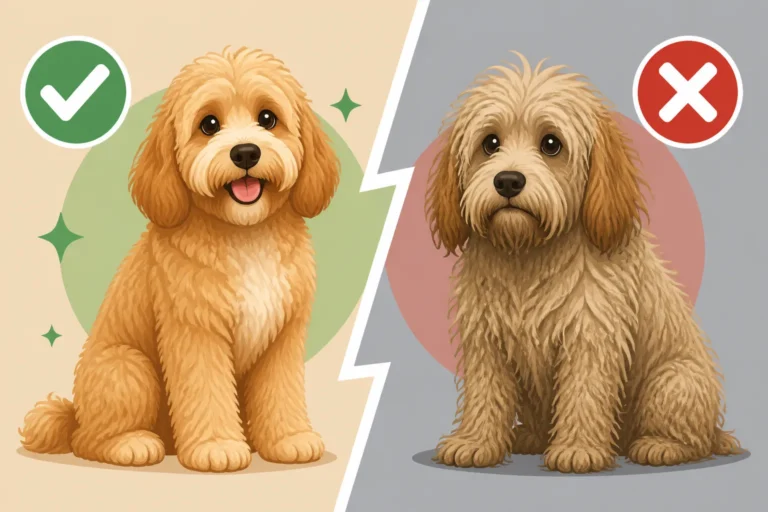
This is perhaps the most iconic Cockapoo coat type – that lovely, loose, shaggy wave that gives them their endearing teddy bear appearance. This coat strikes a balance, inheriting some of the Poodle's curl-inducing genes, but often tempered by the Spaniel's straighter hair. It's often referred to as the "fleece" coat and is highly sought after because it offers a good balance of low shedding (though some minimal shedding can still occur) and a manageable texture. The wavy coat feels soft and luxurious, but it's also where the real work begins. These waves, while beautiful, are prime candidates for matting, especially as your Cockapoo goes through The Coat Change That Ambushes a Cockapoo Owner at Ten Months. The hair tends to knot at the root, trapping shed undercoat and forming dense, painful mats if not brushed regularly and thoroughly.
The Curly Coat: The Poodle's Influence and High Demands
On the other end of the spectrum, some Cockapoos inherit a stronger Poodle genetic expression, resulting in a tight, dense curl. This coat type is often quite plush, resembling a Poodle's coat, and is highly favored by owners seeking the absolute lowest shedding option, which is great for people with allergies. If your Cockapoo has significant furnishings, which is essentially the longer hair on their face, beard, and legs, and a tight curl, they'll look very much like a miniature Poodle mix. However, this coat comes with the highest grooming demands. The tight curls act like Velcro, catching everything and matting incredibly quickly. Even a day or two without diligent brushing can lead to significant tangles that are difficult and painful to remove. Humidity, swimming, and even just sleeping can contribute to matting, making consistent, thorough grooming an absolute necessity. Understanding The Curl Gene and Where a Cockapoo's Coat Lands can give you a hint of what to expect with your puppy's developing coat.
How Each Coat Type Dictates Your Grooming Schedule
Your Cockapoo's coat isn't just a genetic lottery; it's a roadmap for their grooming needs. Ignoring these differences can lead to discomfort for your dog and costly, stressful trips to the groomer. Let's break down how each type of Cockapoo coat truly dictates the frequency of both home and professional grooming.
The Flat Coat's Less Frequent Professional Needs
For Cockapoos with a straighter or flatter coat, the professional grooming interval can often be a bit more stretched out compared to their curlier cousins. You might find you only need a full professional trim every 8-12 weeks, perhaps even longer if you're diligent with home bathing and tidying. These coats don't typically grow as long or become as dense, so they don't develop those deep, tight mats at the skin that require extensive professional dematting. However, "less frequent" doesn't mean "never." Regular professional care is still important for maintaining a tidy appearance, especially around the face, paws, and sanitary areas. A good groomer will also be able to check their skin health, express anal glands if needed, and give their ears a thorough cleaning – all vital for overall well-being. Even if your Cockapoo has a low-maintenance flat coat, a professional eye on their overall hygiene is always a good idea. For more on the specifics of their care, you might want to read How Many Minutes a Straight Coated Cockapoo Takes.
The Wavy Coat's Regular Maintenance Rhythm
The wavy-coated Cockapoo, often the most common type, requires a more consistent grooming rhythm. For most dogs with this coat, a professional grooming session every 6-8 weeks is usually the sweet spot. This allows the groomer to keep the coat at a manageable length, prevent matting before it becomes severe, and maintain that beloved "teddy bear" look. Between professional appointments, daily or at least every-other-day brushing at home is absolutely critical. This isn't just a quick surface brush; you need to get right down to the skin to separate those waves and prevent the undercoat from tangling. Imagine trying to comb through wet, wavy human hair without conditioner – it's prone to knotting! The same goes for your Cockapoo. Without regular, thorough brushing, those waves will intertwine, especially where the fur rubs, like under their harness or behind their legs. Skipping a week can easily turn a minor tangle into a solid mat that requires significant effort to remove, potentially leading to discomfort for your dog. For a deeper dive into the effort required, check out How Many Minutes a Wavy Cockapoo Takes.
The Curly Coat's Non-Negotiable Routine
If your Cockapoo boasts a tight, dense curl, you are signing up for the most intensive grooming schedule. Professional grooming for a curly-coated Cockapoo typically needs to happen every 4-6 weeks, without fail. Any longer, and you risk severe matting that can lead to painful skin infections, restricted movement, and even require a complete shave-down. These coats truly do act like Velcro, collecting every stray leaf, bit of dirt, and piece of shed hair, all of which quickly become woven into the tight curls. Daily, non-negotiable line brushing is a must for these pups. "Line brushing" means parting the hair and brushing in small sections, from the skin out, to ensure no mats are lurking beneath the surface. Many owners choose to keep their curly-coated Cockapoos in a shorter "puppy cut" or "teddy bear clip" to make home maintenance more manageable, but even a short coat still needs regular brushing to prevent matting at the roots. The Three Cockapoo Coat Types and Their Upkeep provides a great overview, but for curly coats, always remember consistency is paramount. For a very detailed breakdown of the time commitment, read How Many Minutes a Curly Cockapoo Takes.
Here's a quick overview to help visualize the differences:
| Coat Type | Professional Grooming Interval | Home Brushing Frequency | Matting Tendency | Shedding Level |
|---|---|---|---|---|
| Straight/Flat | 8-12 weeks | 2-3 times a week | Low to Moderate | Low |
| Wavy | 6-8 weeks | Daily to every other day | Moderate to High | Very Low |
| Curly | 4-6 weeks | Daily | Very High | Practically None |
Beyond Coat Type: Other Factors Influencing Grooming Intervals
While your Cockapoo's specific coat type is a huge predictor of their grooming needs, it's certainly not the only factor. Many other elements play a significant role in how often you'll find yourself reaching for the brush or calling the groomer. Life with a Cockapoo is dynamic, and their grooming schedule needs to be flexible enough to accommodate it.
Lifestyle and Environment: Mud, Swimming, and Adventures
Think about your dog's daily life. A Cockapoo that spends most of its time indoors, enjoying leisurely walks on paved paths, will naturally have different grooming needs than one that's constantly romping through muddy fields, splashing in the local pond, or joining you on long hikes. Mud, burrs, sticky seeds, and even just damp weather can wreak havoc on any Cockapoo coat, instantly creating tangles and potential mats. If your Cockapoo loves to swim, their coat will become much more prone to matting as it dries, especially if they have a wavy or curly texture. Water causes the hair to clump together, and if not thoroughly dried and brushed out afterwards, those clumps quickly turn into dense mats. Similarly, trips to the beach mean sand getting trapped in their fur, which can irritate the skin and tangle the coat. For adventurous pups, you might find yourself needing more frequent baths and brush-outs at home, and potentially shortening the interval between professional grooms to keep ahead of the environmental challenges.
Owner Commitment and Home Grooming Skills: The Real Game-Changer
This is perhaps the biggest variable in the grooming equation. Your commitment to regular home grooming directly impacts how well your Cockapoo's coat can be managed and how long you can stretch between professional appointments. If you're someone who can dedicate 15-30 minutes daily to a thorough line brushing session, especially for a curly or wavy coat, you'll save yourself a lot of headaches (and potentially money on professional dematting fees). Conversely, if home grooming feels like a chore you often skip, those professional appointments will need to be much closer together, or you'll inevitably end up with a matted pup. Developing good home grooming skills, like understanding how to use a slicker brush and a metal comb effectively to find hidden mats, is invaluable. Knowing how to carefully detangle small knots with a good conditioning spray can prevent them from escalating. Remember, a professional groomer can only work with the coat they're presented with. If your dog arrives severely matted, Whether a Matted Cockapoo Has to Be Shaved becomes a very real possibility, regardless of their original coat type.
Health and Skin Concerns: When a Vet's Advice Changes Everything
Sometimes, health issues can directly influence your Cockapoo's grooming schedule. Skin allergies, for example, might require more frequent medicated baths, which then necessitate more thorough drying and brushing to prevent matting. Hot spots, yeast infections, or other dermatological problems can make grooming a sensitive area difficult, and your vet might recommend a specific clipping schedule or length to allow for topical treatments and air circulation. Older Cockapoos, who might have less energy or suffer from arthritis, may find long grooming sessions uncomfortable, requiring shorter, more frequent sessions at home or with a patient groomer. Any sudden changes in coat texture or excessive shedding could also be a sign of underlying health issues, like a thyroid problem, which a vet should investigate. Always keep an eye on your dog's skin and coat, as it can often be an indicator of their internal health.
Practical Tips for Managing Any Cockapoo Coat
No matter if your Cockapoo has a flat, wavy, or curly coat, having a proactive approach to grooming is the key to a happy, healthy pup. It's about building a routine that works for both of you and being equipped with the right tools and knowledge.
Essential Tools for Every Cockapoo Owner
Having the right arsenal of grooming tools at home is non-negotiable for a Cockapoo owner. A high-quality slicker brush is your primary tool for removing loose hair and surface tangles. However, the real hero for preventing mats, especially in wavy and curly coats, is a good metal comb. The Comb That Finds Mats a Slicker Misses is often lying in wait, deep in the undercoat, and only a comb will find it. You'll want one with both wide and fine teeth. A detangling spray or conditioning mist is also incredibly helpful for making brushing easier and preventing static. For home bathing, invest in a dog-specific shampoo and conditioner to avoid drying out their skin. Nail clippers or a grinder are essential for keeping nails trimmed, and blunt-nosed scissors can be useful for carefully trimming hair around the eyes or paws between professional grooms. Many of these essential items can be easily purchased online from retailers like Amazon or Chewy, which often have a wide selection and customer reviews to help you choose.
Establishing a Realistic Grooming Routine
Consistency is far more important than intensity when it comes to Cockapoo grooming. For a wavy or curly-coated Cockapoo, aim for a 15-30 minute brushing session daily. For flat coats, every other day or a few times a week might suffice. Make it a positive experience with treats and praise from an early age. Start with short sessions and gradually increase the duration as your puppy gets used to it. Don't forget to pay special attention to areas prone to matting: behind the ears, armpits, inside the legs, under the collar or harness, and around the tail. Brushing needs to go all the way to the skin. If you just skim the top coat, you're creating a "surface-brushed" dog with mats developing underneath, close to the skin. This is painful for the dog and makes a groomer's job much harder. Setting a regular schedule for professional grooming, usually every 4-8 weeks depending on coat type and your home efforts, is also crucial. Consider if Whether a Cockapoo Should Be Kept in a Short Clip is a practical solution for your lifestyle and your dog's comfort.
Communicating with Your Professional Groomer
Your groomer is your partner in maintaining your Cockapoo's coat. Don't hesitate to communicate openly about your dog's coat type, your home grooming routine (or lack thereof), and any preferences you have for their cut. If you're struggling with matting, tell them. They can offer advice, demonstrate proper brushing techniques, and help set realistic expectations. For instance, if your dog is prone to matting and you want a longer style, the groomer might suggest a shorter interval between appointments. If you're sending your dog off to a doggie daycare or a pet sitter, make sure they understand your dog's grooming needs too, so they can keep up with basic brushing. Reputable groomers, often found through local recommendations or online searches, are well-versed in Cockapoo coats and can provide tailored advice. When looking for products to support your groomer's work, many high-quality dog foods from brands like Ollie focus on skin and coat health through nutrition, which can contribute to a healthier, more manageable coat.
Disclaimer
This article is for general informational purposes only and does not constitute professional advice. Laws, prices and regulations vary by location and change over time. Consult a qualified professional for guidance on your specific situation.